Korea
Korea's sacred places put Buddhist monasteries and shamanic shrines side by side, often on the same mountain. The places here span five areas, from shrines on Seoul's mountainsides to island hermitages on the south coast.
AI-assisted research. Check official sources before you travel.About
119 placesOpen in the full map
Places in this collection
 Temple
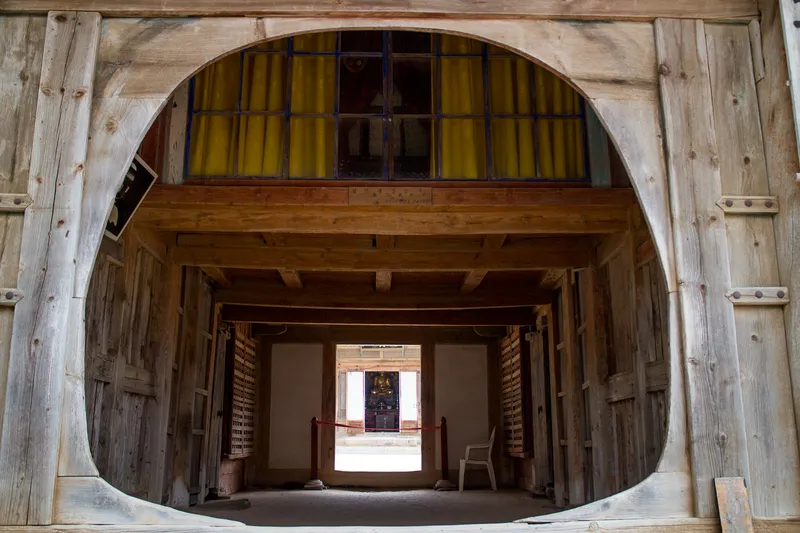
Haeinsa
- Protection & Safety
The temple holding the Tripitaka Koreana, cut out of a national wish to repel the Mongols, and the hall that has kept it.
 Temple
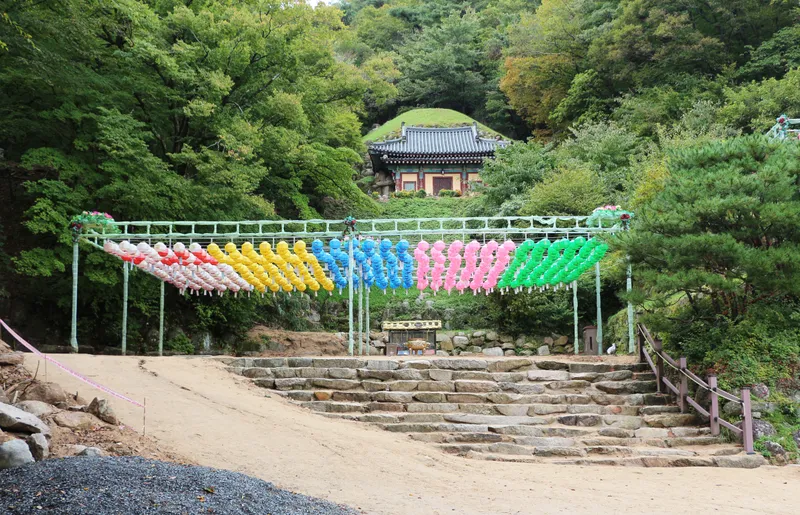
Seokguram
- Family & Home
A stone grotto begun in 751 by Kim Dae-seong for his parents in a former life, paired with Bulguksa, which he built for his parents in this one.
 Temple
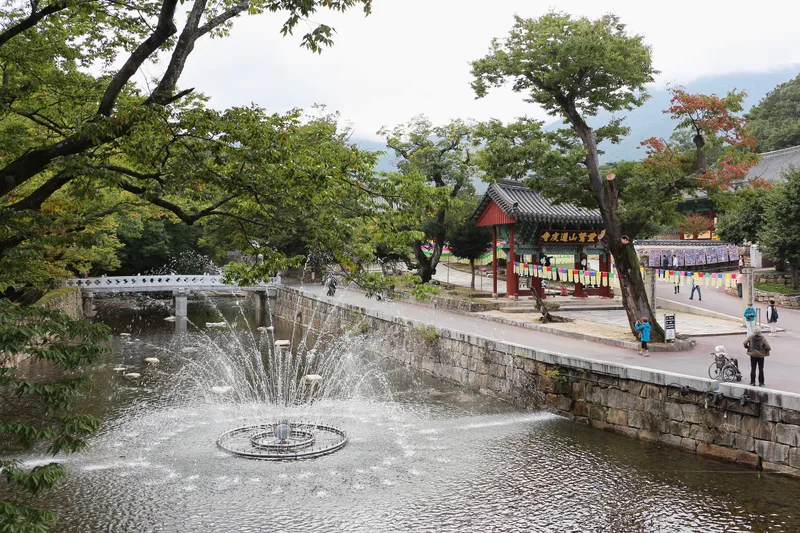
Tongdosa
- Protection & Safety
The first of the five relic sanctuaries, whose main hall enshrines no buddha because it faces the relics behind it.
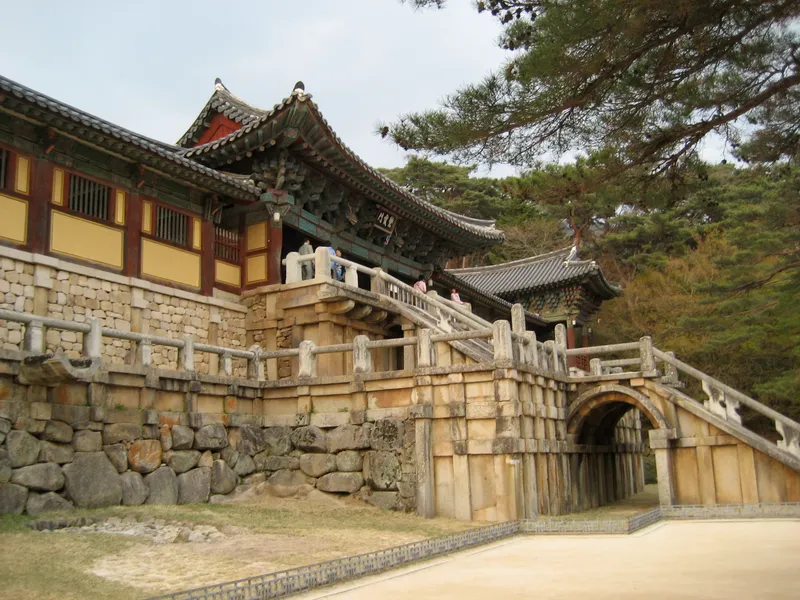 Temple
Bulguksa, Tohamsan
One man built this for the parents of this life, and Seokguram for the parents of a former one.
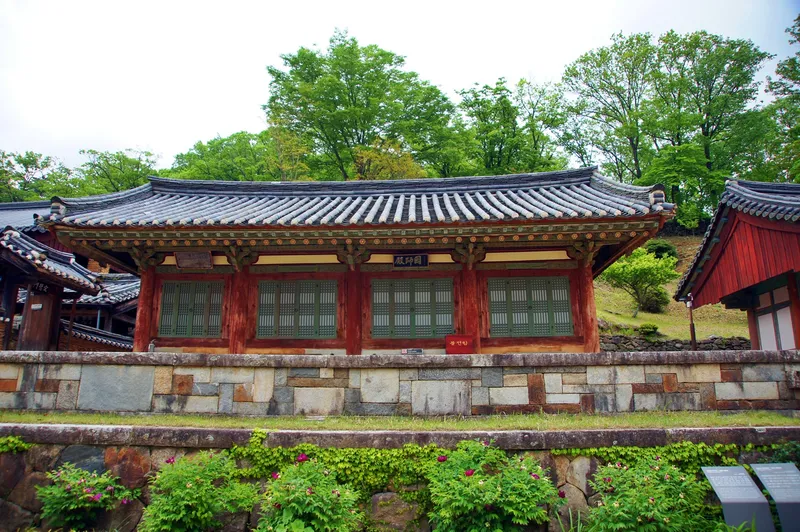 Temple
Songgwangsa
The temple called the Sangha Jewel because so many great masters came from it, completing the trio with Tongdosa and Haeinsa.
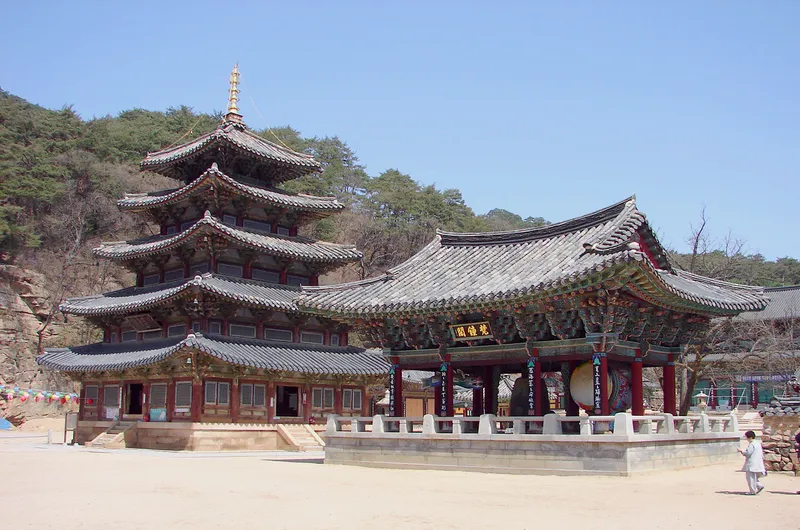 Temple
Beopjusa
- Miscellaneous
Founded in 553 and grown into the centre of Maitreya devotion, holding the only wooden pagoda in Korea.
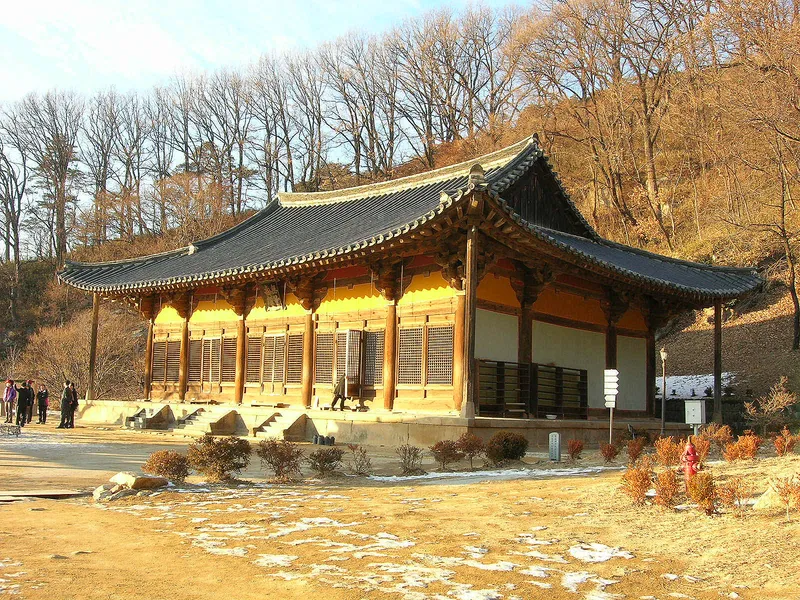 Temple
Buseoksa, Bonghwangsan
Built where a woman turned dragon turned rock, and hung in the air until five hundred bandits left.
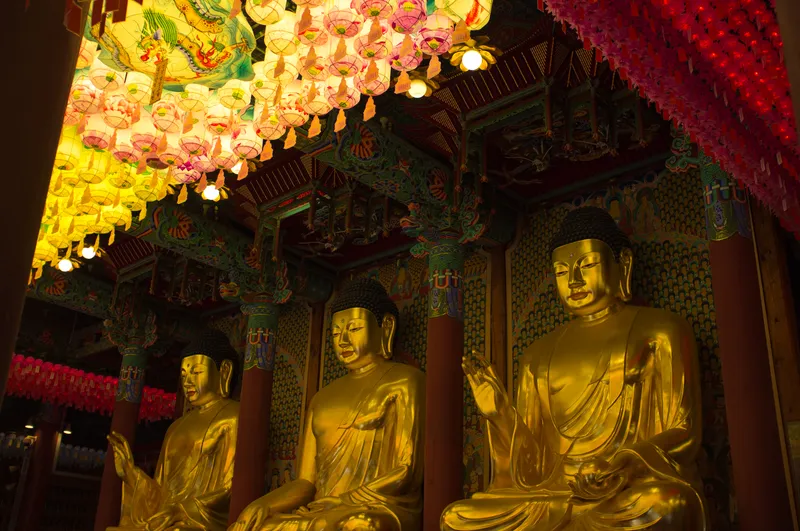 Temple
Jogyesa
- Exams & Study
The head temple of the Jogye Order, in the middle of downtown Seoul, where a prayer for children ends the day before the national entrance exam each year.
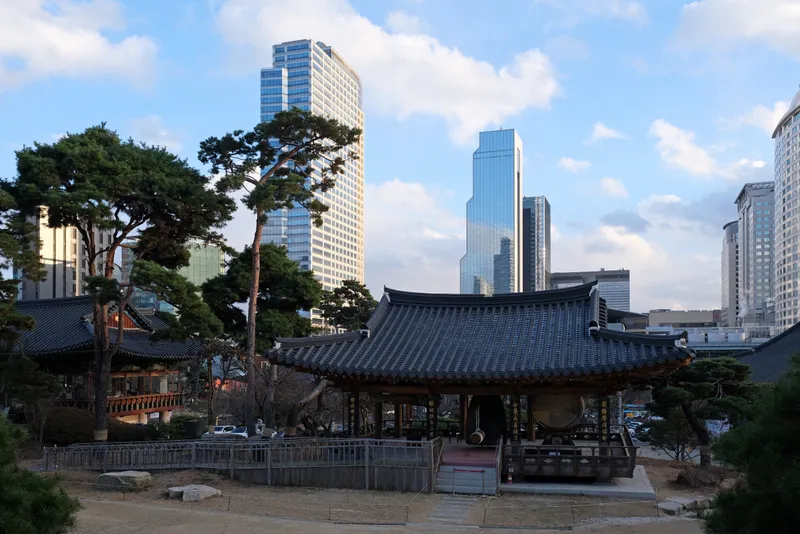 Temple
Bongeunsa
- Family & Home
Founded by a widow to pray for her dead husband’s repose, and later made head temple of the Seon school.
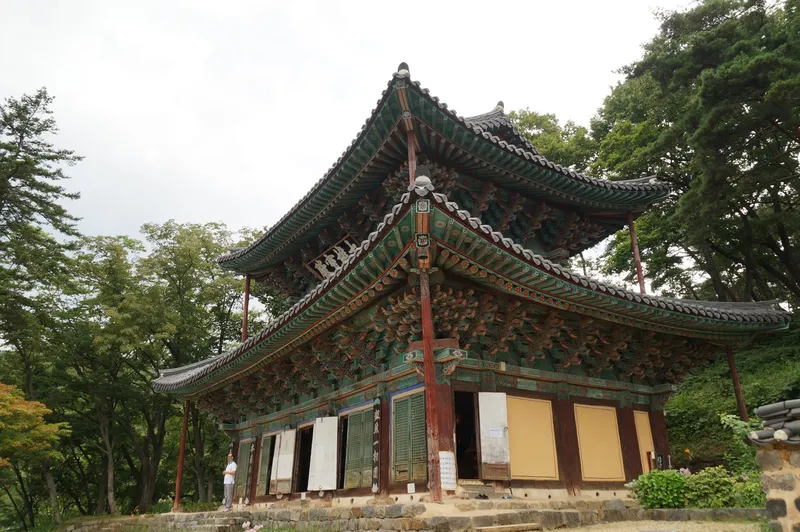 Temple
Magoksa
A thousand-year-old temple on Taehwasan said to have been founded by Jajang, where two main halls stand one behind the other up the slope.
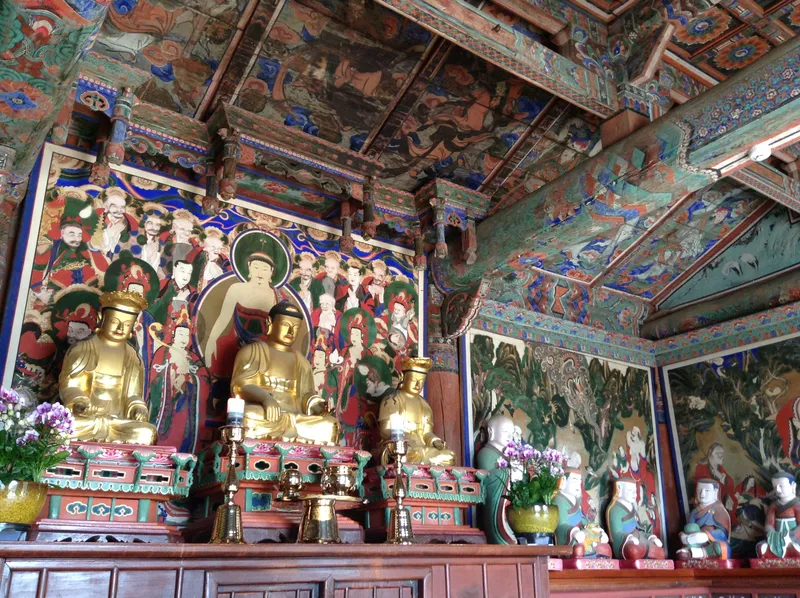 Temple
Beomeosa, Geumjeongsan
A golden fish came down out of the sky, and both the mountain and the temple were named after it.
 Temple
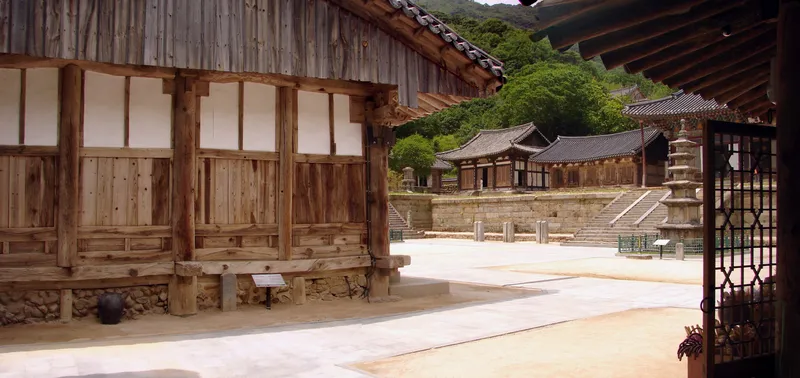
Hwaeomsa
A temple whose great hall took the name Gakhwangjeon after King Sukjong sent down a board he had written himself.
 Temple
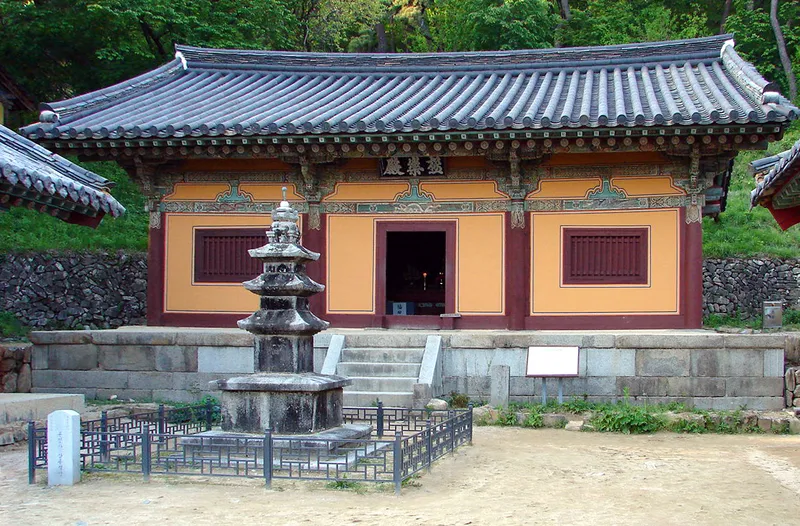
Bongjeongsa, Cheondeungsan
The temple where the oldest wooden building in Korea stands.
 Temple
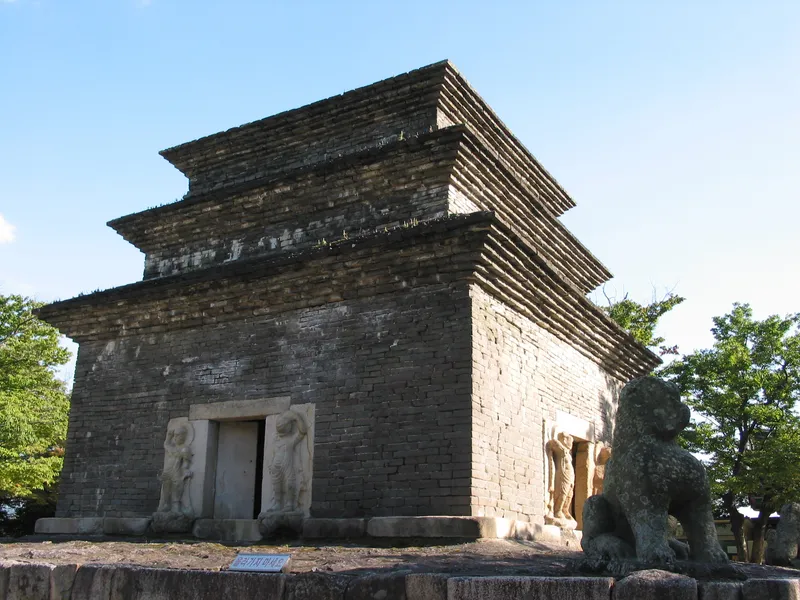
Bunhwangsa
- Health & Healing
The temple that held the image a blind child’s mother prayed to, after which he saw.
 Temple
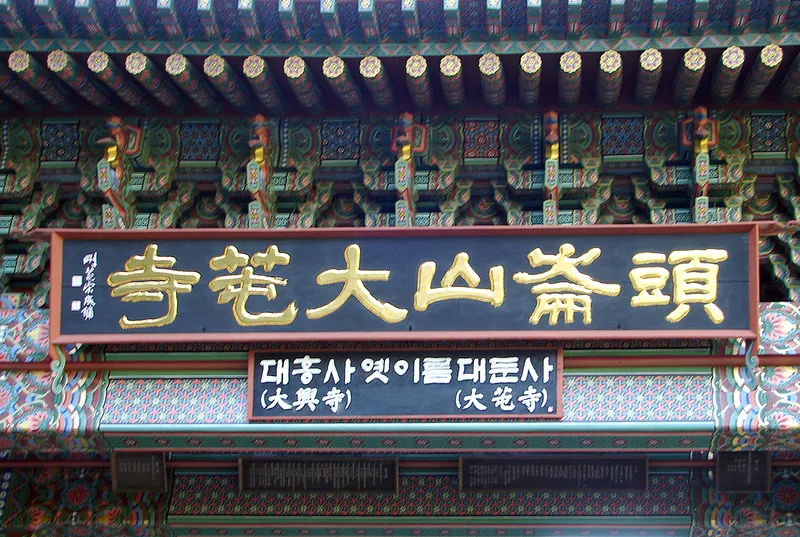
Daeheungsa, Duryunsan
The temple that came to receive state rites because it held the bowl and robe of the master Seosan.
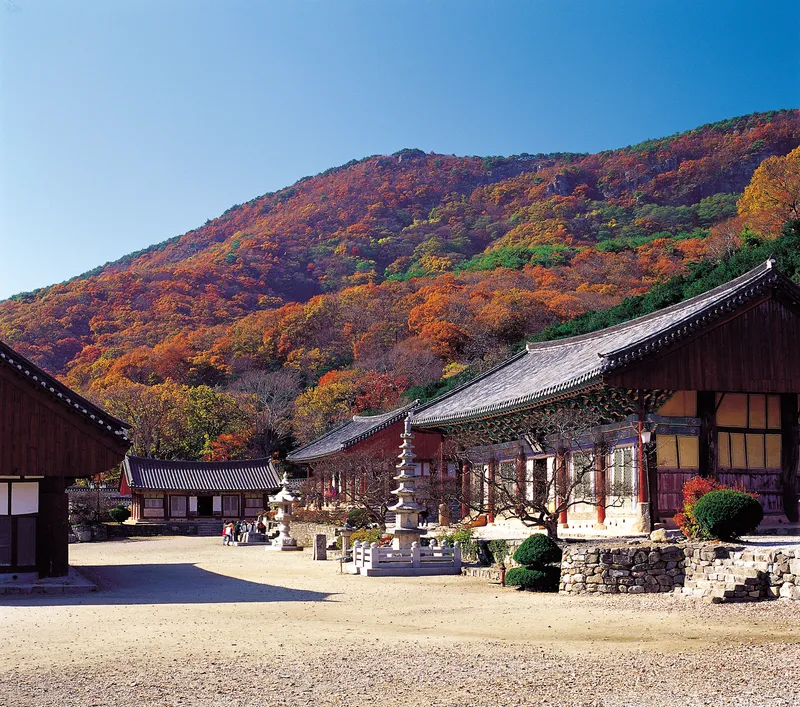 Temple
Seonunsa, Dosolsan
A temple paid in salt, because it had taught the coast how to make it.
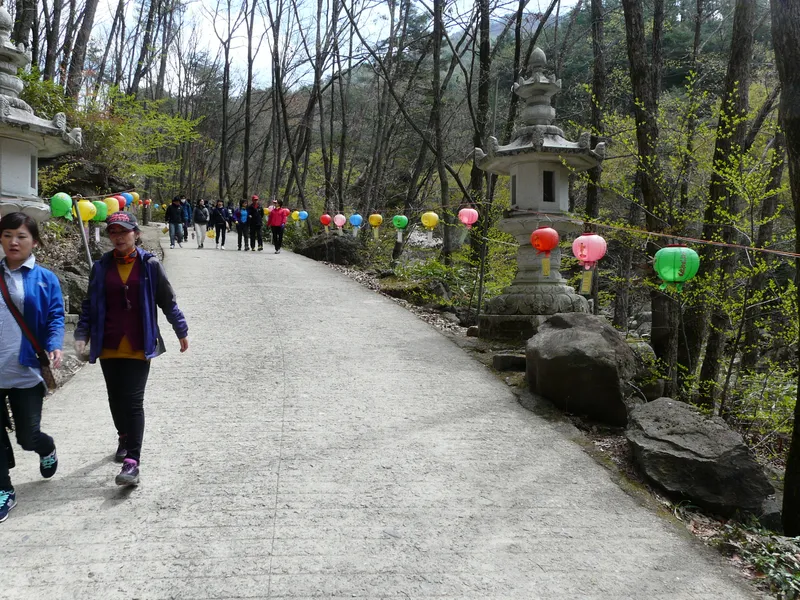 Temple
Ssanggyesa, Jirisan
The ground a tiger led them to, after a search for a place with snow and flowers at once.
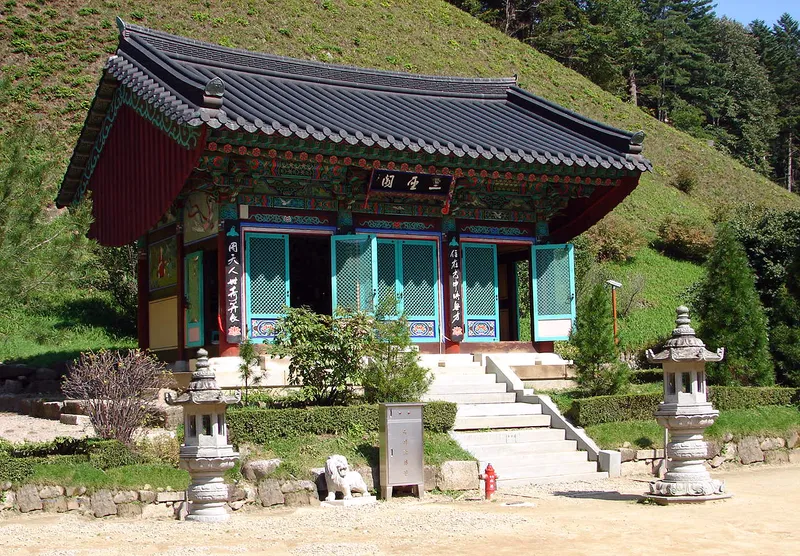 Temple
Woljeongsa, Odaesan
Head temple of the fourth Jogye district, begun where its founder tried to see Manjushri in the flesh and did not.
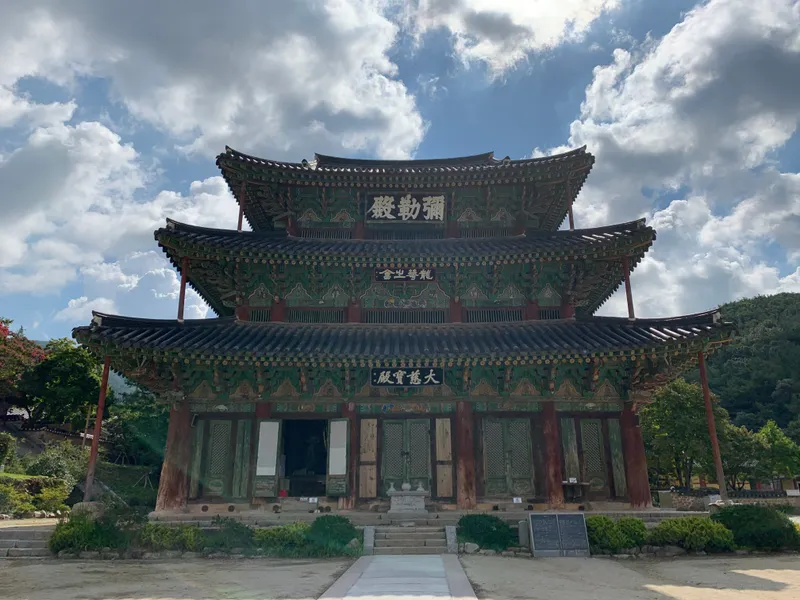 Temple
Geumsansa
The temple where Jinpyo enshrined a colossal Maitreya, whose three-storey hall stands for the three assemblies Maitreya will preach.
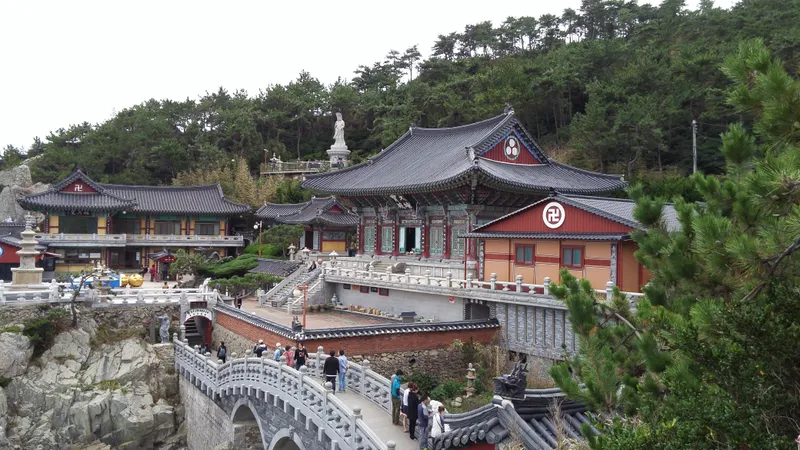 Temple
Haedong Yonggungsa
- Wish Fulfillment
One of Korea’s three great Avalokitesvara sites, standing right on the sea.
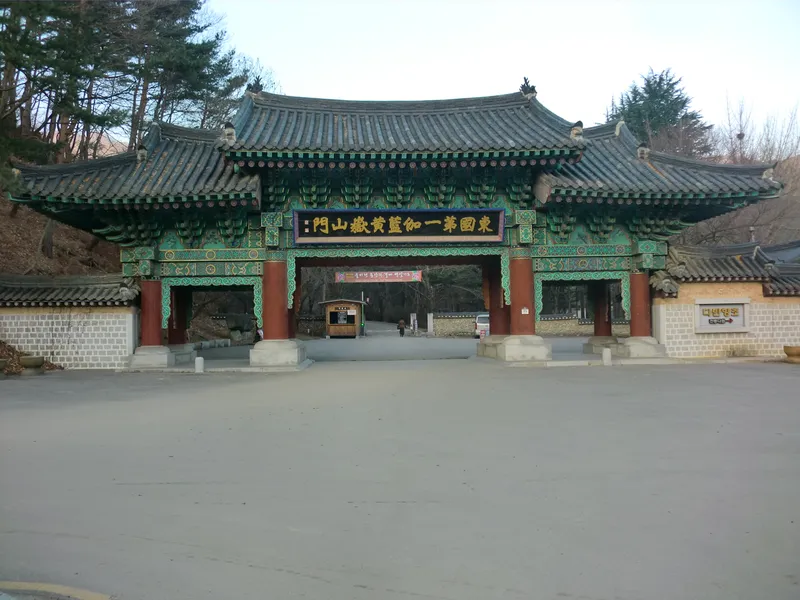 Temple
Jikjisa, Hwangaksan
Named because Ado, standing at another temple, pointed his finger at this mountain.
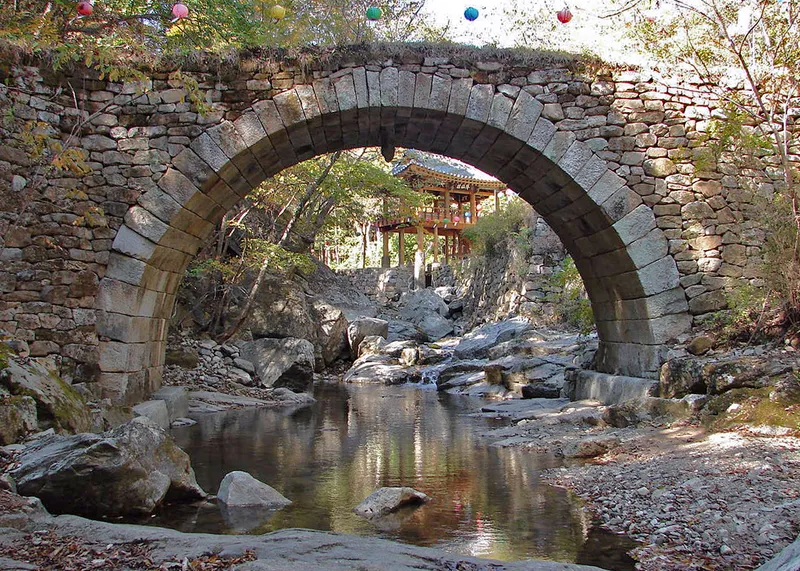 Temple
Seonamsa, Jogyesan
A temple whose record sets two founding accounts side by side and says which it trusts more.
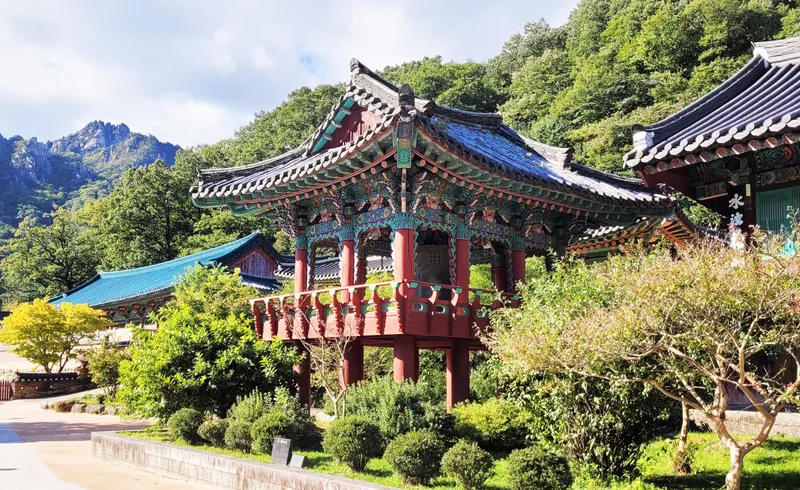 Temple
Sinheungsa, Seoraksan
A temple that changed its name three times, and moved its ground each time it did.
 Temple
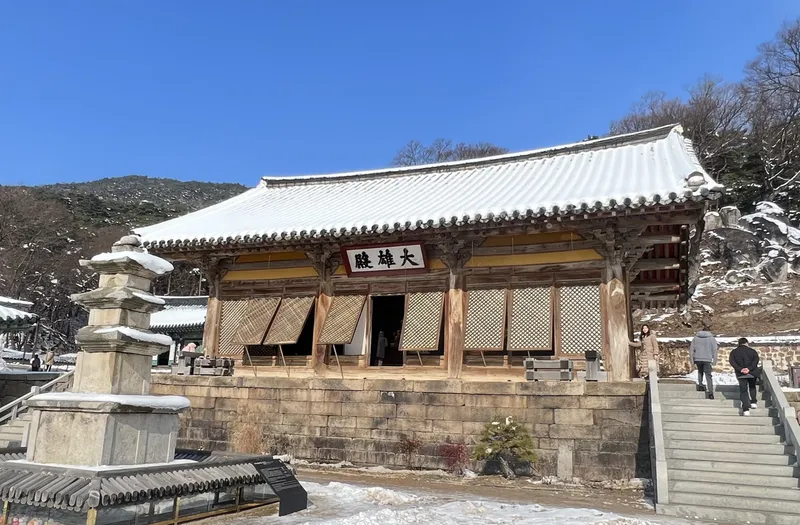
Sudeoksa, Deoksungsan
A temple whose main hall is one of the oldest buildings in Korea whose date of construction is certainly known.
 Temple
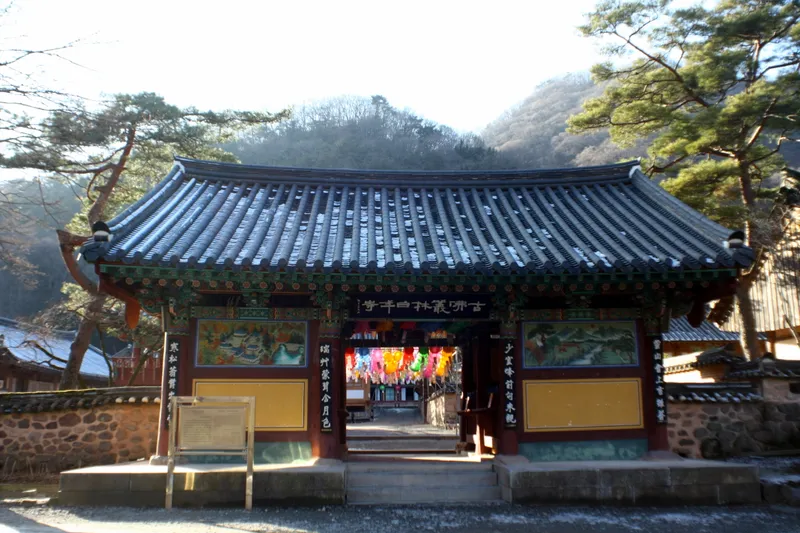
Baekyangsa, Baegamsan
Renamed because white sheep kept coming to the sound of a sutra being read.
 Temple
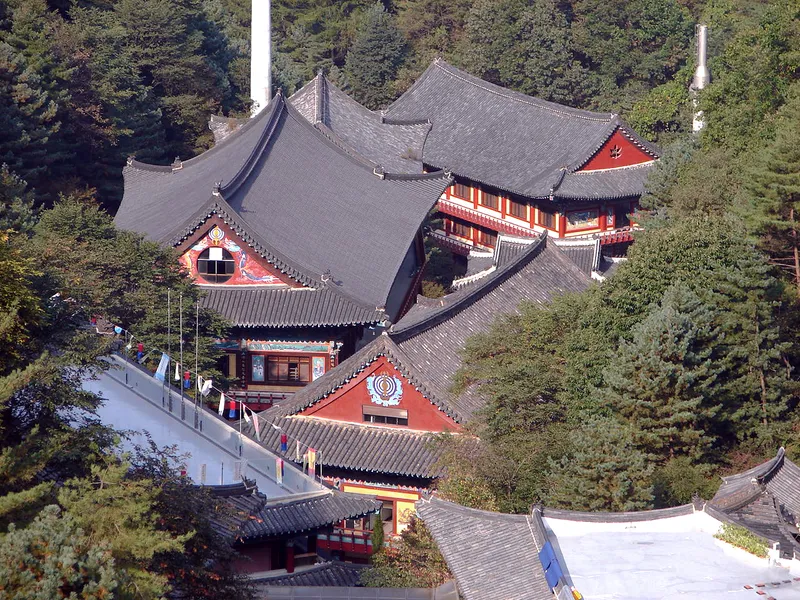
Guinsa
The head temple of the Cheontae Order, founded in 1945, with a five-storey concrete hall that seats ten thousand.
 Temple
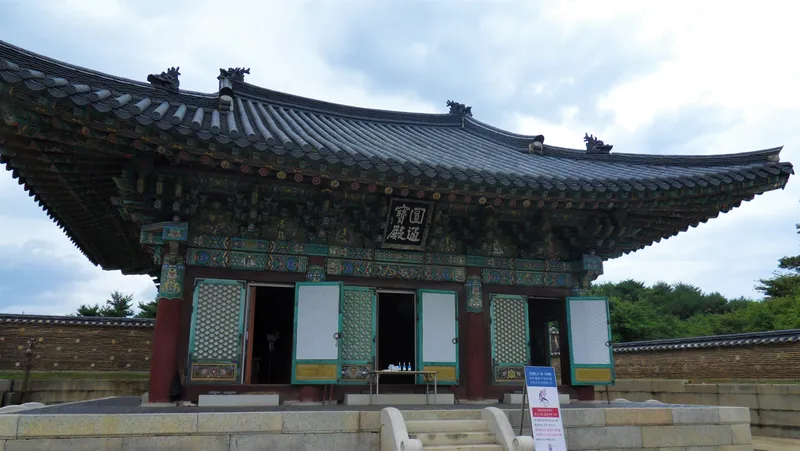
Naksansa
Burned four times and rebuilt each time; the 2005 wildfire took even its bronze bell, a Treasure whose designation was then revoked.
 Temple
Silsangsa, Jirisan
Founded at the moment the Silsang school, one of the Nine Mountain Seon schools, was opened.
 Temple
Unmunsa, Hogeosan
The temple where the line begins that ends with Wongwang writing the five worldly precepts.
 Temple
Baengnyeonsa, Mandeoksan
Where an association was formed that stood level with the one at Songgwangsa.
 Temple
Bongseonsa, Unaksan
Rebuilt at eighty-nine kan by a queen, to guard the tomb of the king she had lost.
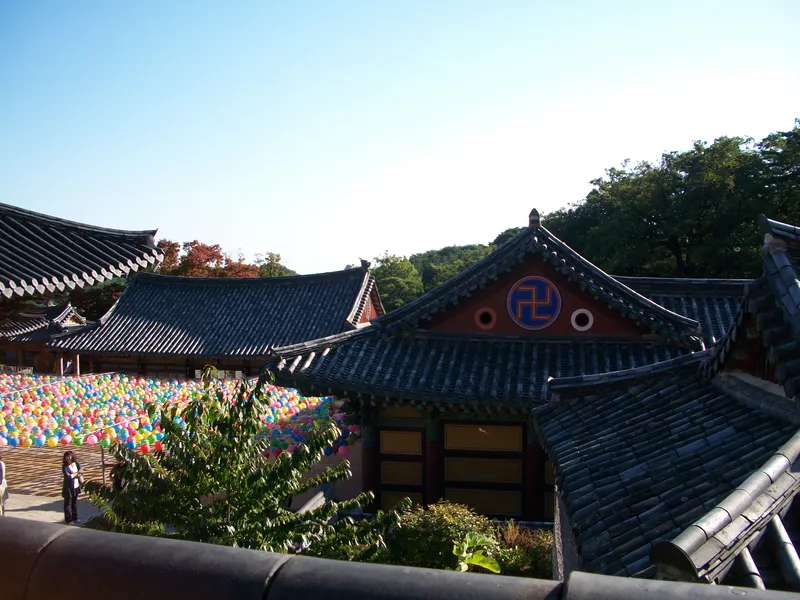 Temple
Donghwasa
A temple on Palgongsan founded by Simji, renamed Donghwasa because paulownia bloomed all around it.
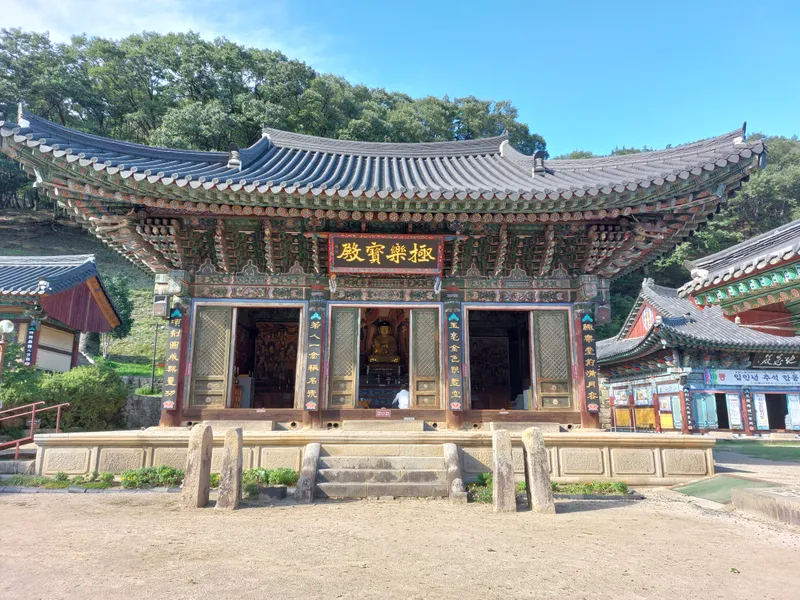 Temple
Eunhaesa, Palgongsan
The temple took its present name in the year it was made keeper of a king’s placenta shrine.
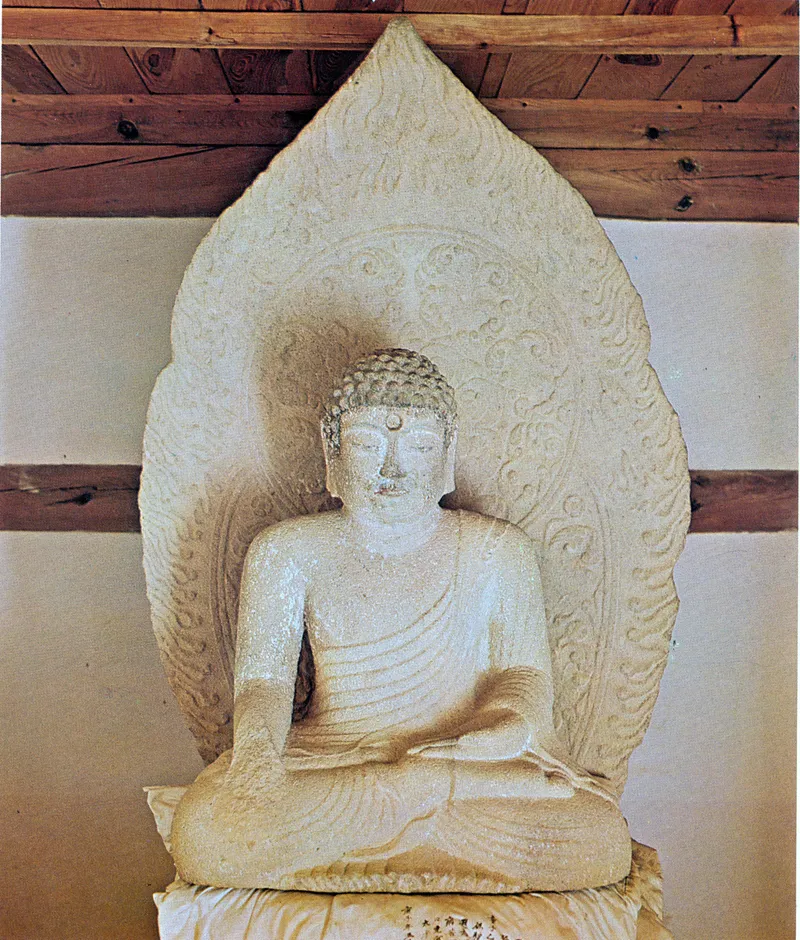 Temple
Gounsa, Deungunsan
A temple whose name kept its sound but changed its characters, to hold one man’s pen name.
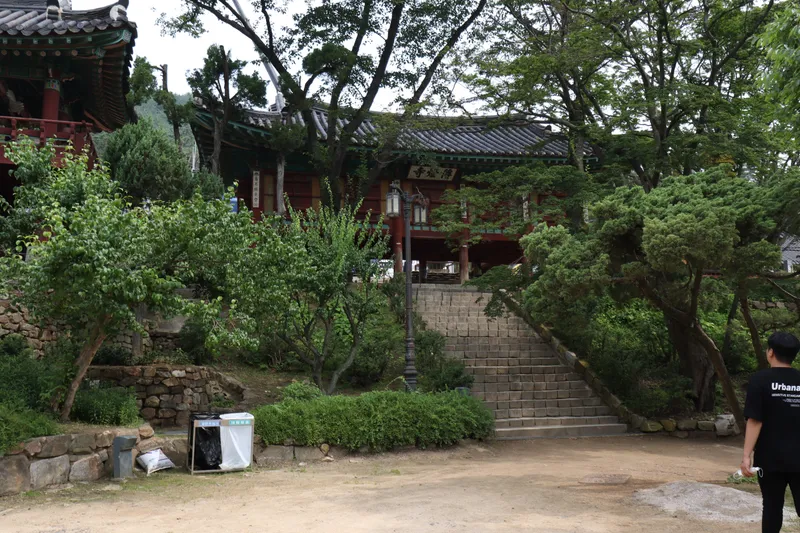 Temple
Jeondeungsa, Jeongjoksan
A temple renamed because of a single jade lamp given by a queen consort.
 Temple
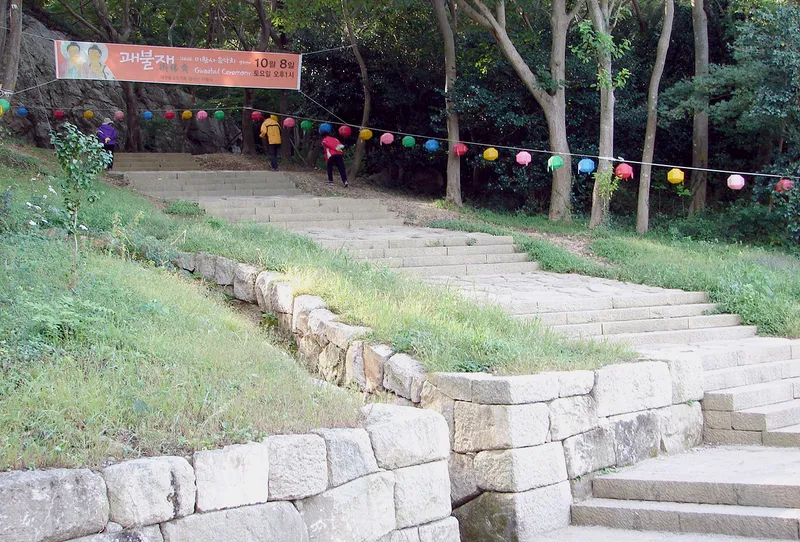
Mihwangsa, Dalmasan
Built where an ox last stopped, and named for the sound the ox made.
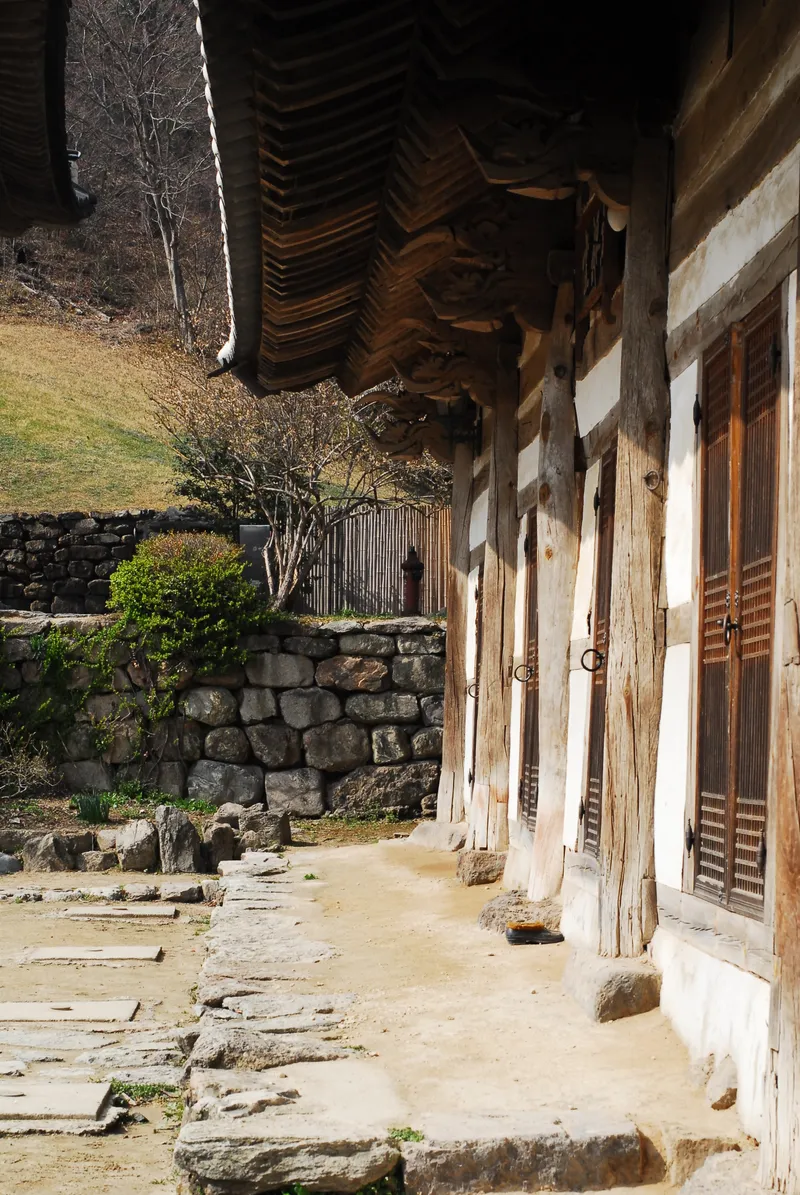 Temple
Naesosa, Neungasan
A temple that knows neither when it was founded nor when its name changed.
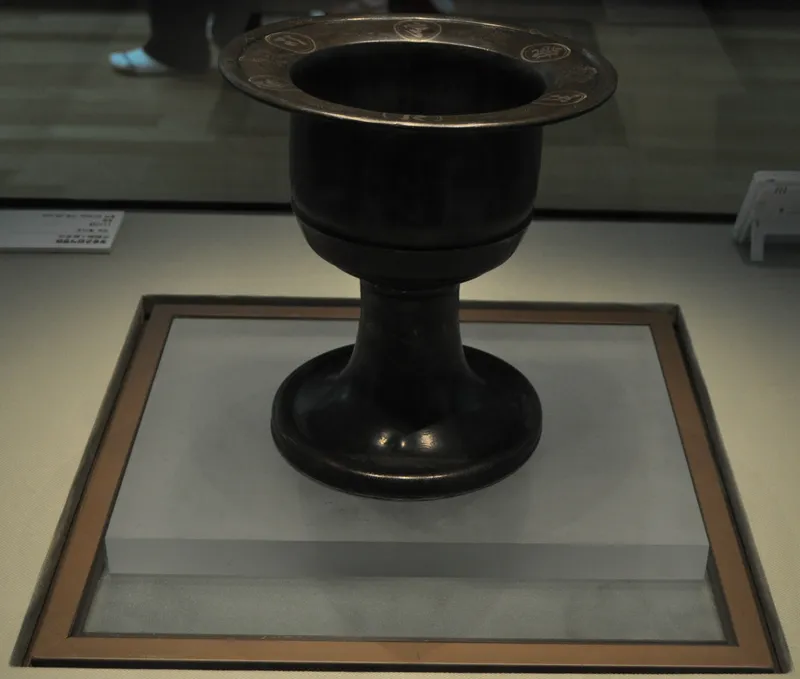 Temple
Pyochungsa, Jaeyaksan
Named when the character for shrine in its name gave way to the character for temple.
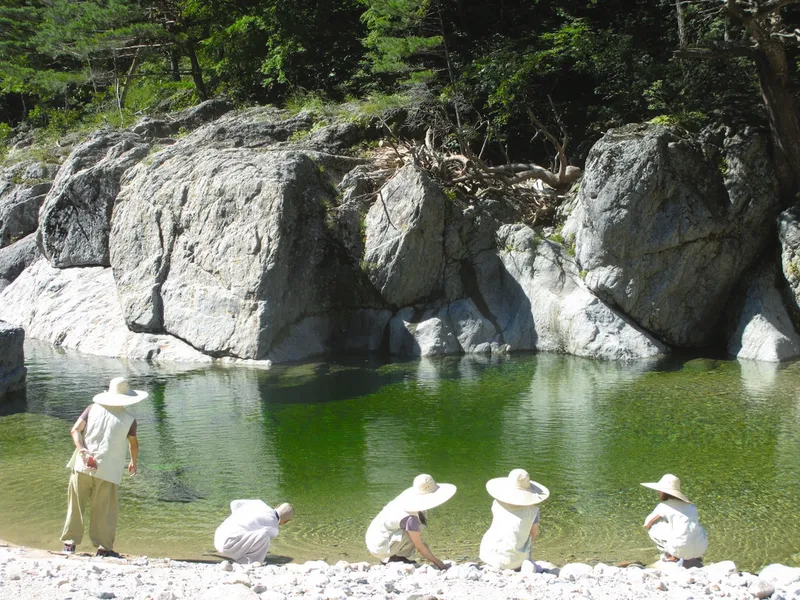 Temple
Baekdamsa, Seoraksan
Built where a count of the pools from Cheongbong down to the temple came to a hundred, and named for that number.
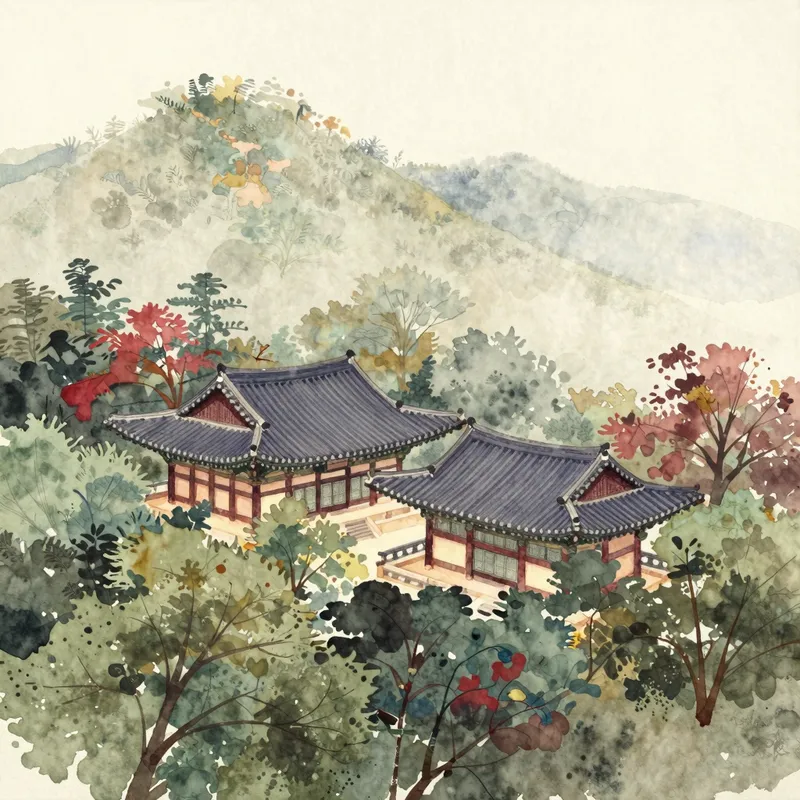 Temple
Bulgapsa, Moaksan
A temple said to be Baekje’s first — a claim its own encyclopaedia declines to accept.
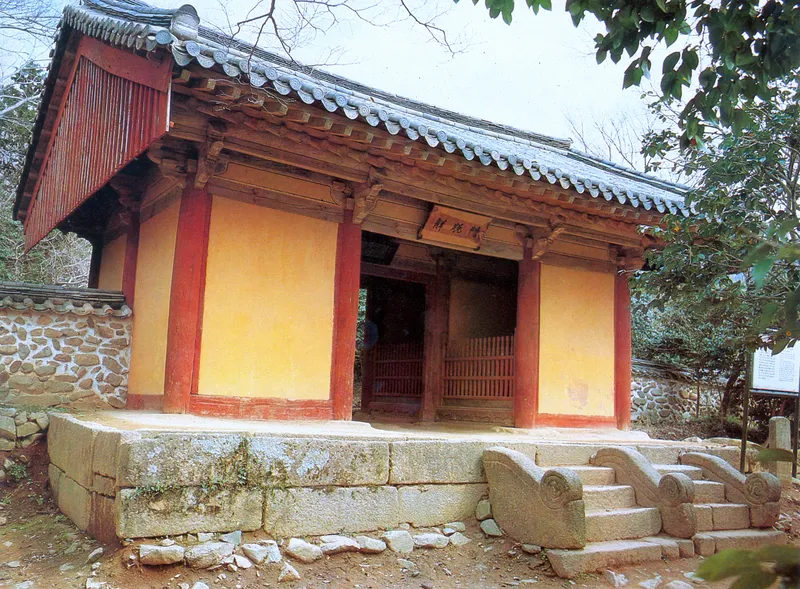 Temple
Dogapsa, Wolchulsan
Rebuilt at nine hundred and sixty-six kan by a monk who had left home at this very temple.
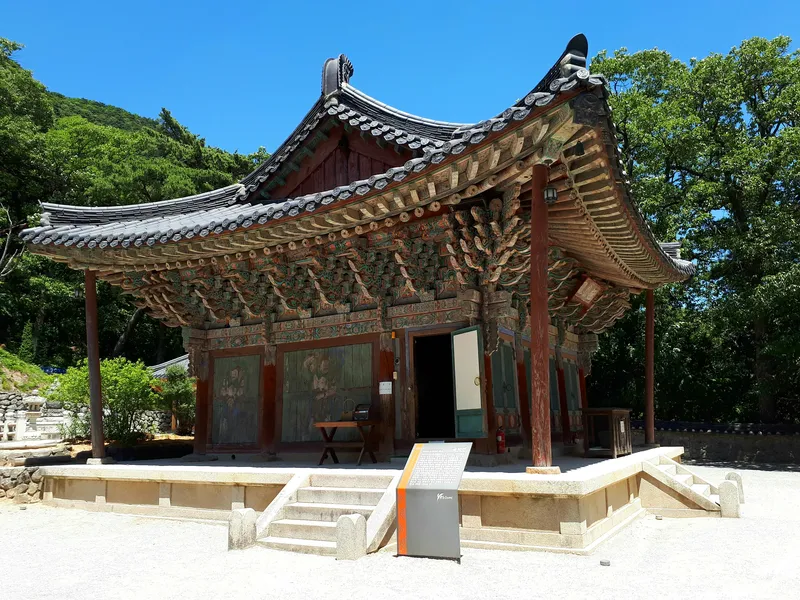 Temple
Dorisa, Naengsan
Founded, the account says, because flowers were in full bloom here in winter — and handed down as the first temple in Silla.
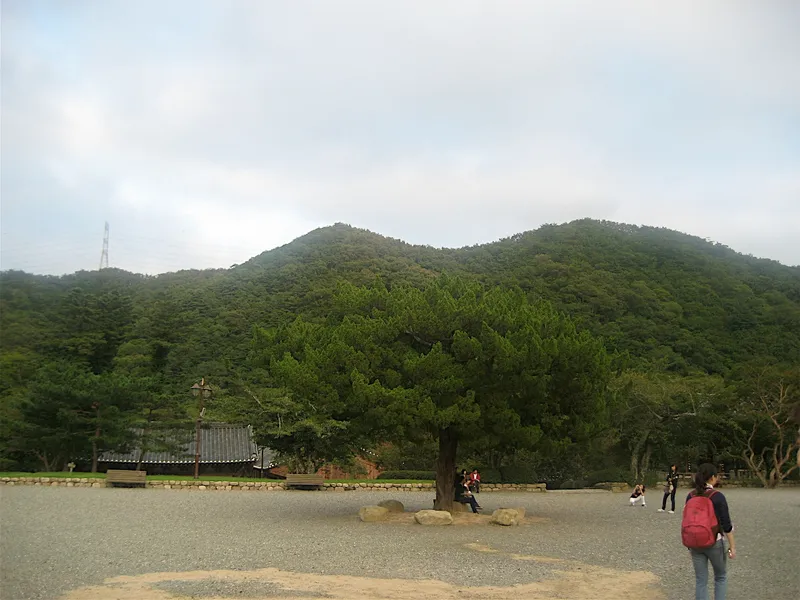 Temple
Girimsa, Hamwolsan
Founded by a monk from India, and renamed later by Wonhyo.
 Temple
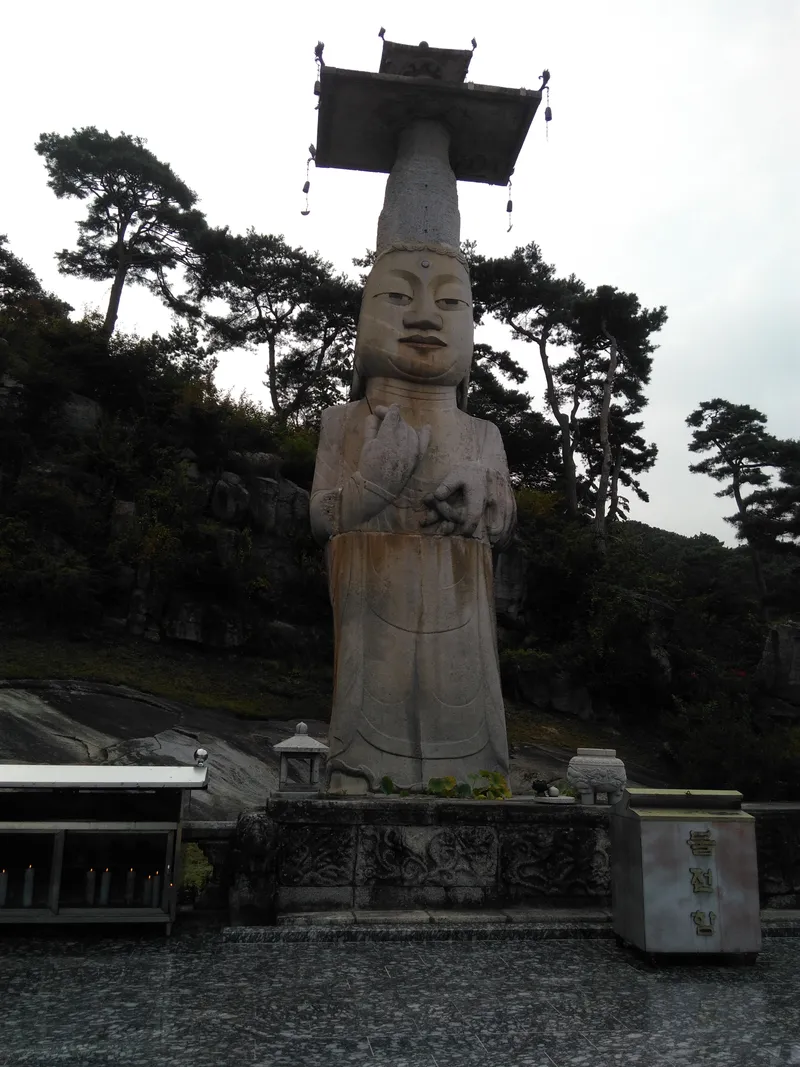
Gwanchoksa, Banyasan
Where a stone Maitreya took thirty-seven years to carve and could not be stood up until someone watched two children playing in mud.
 Temple
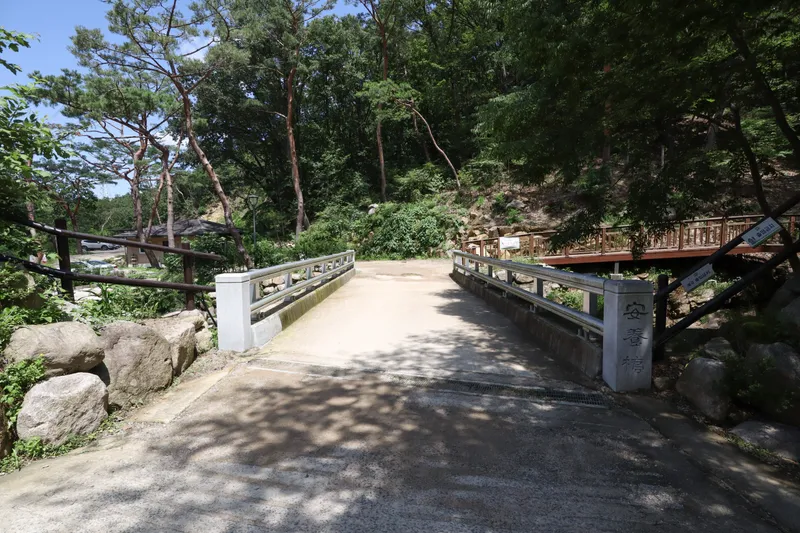
Jingwansa, Bukhansan
The temple where a Korean flag was found inside a wall.
 Historic Site
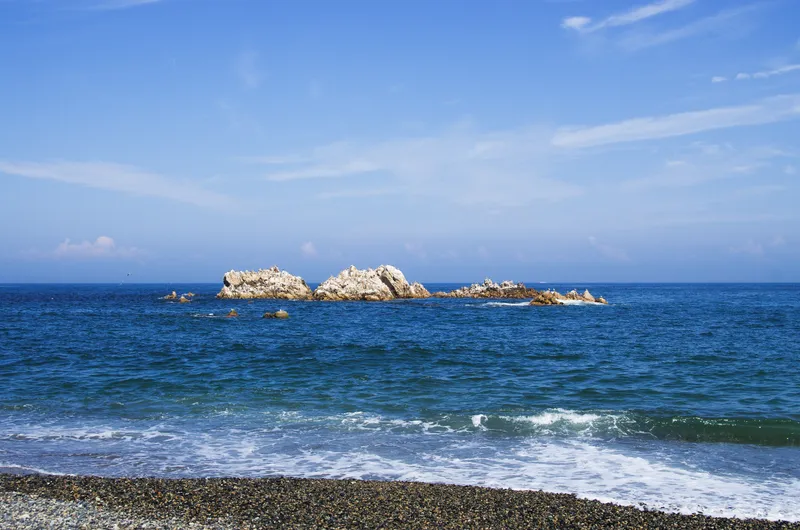
Tomb of King Munmu
- Protection & Safety
The tomb of King Munmu of Silla, set on a rock in the sea because he willed to become a dragon and guard the East Sea.
 Temple
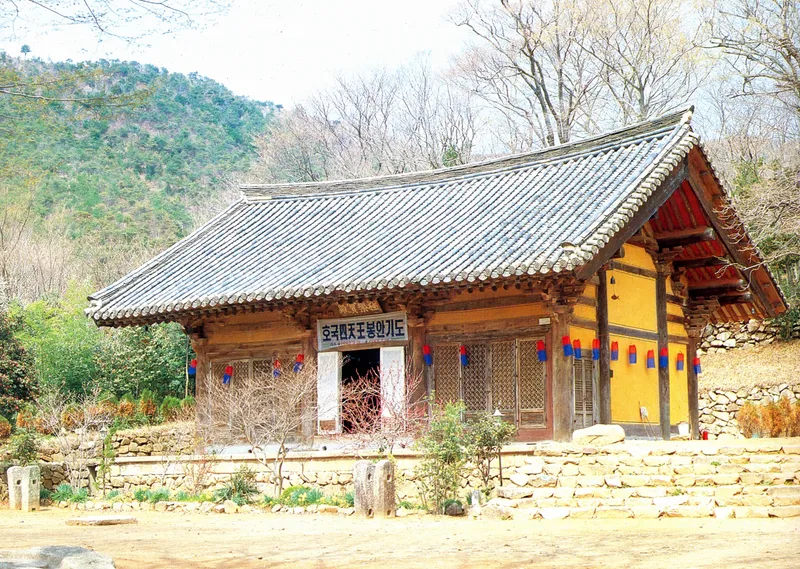
Muwisa, Wolchulsan
A temple where the wall painting records the year it was painted.
 Temple
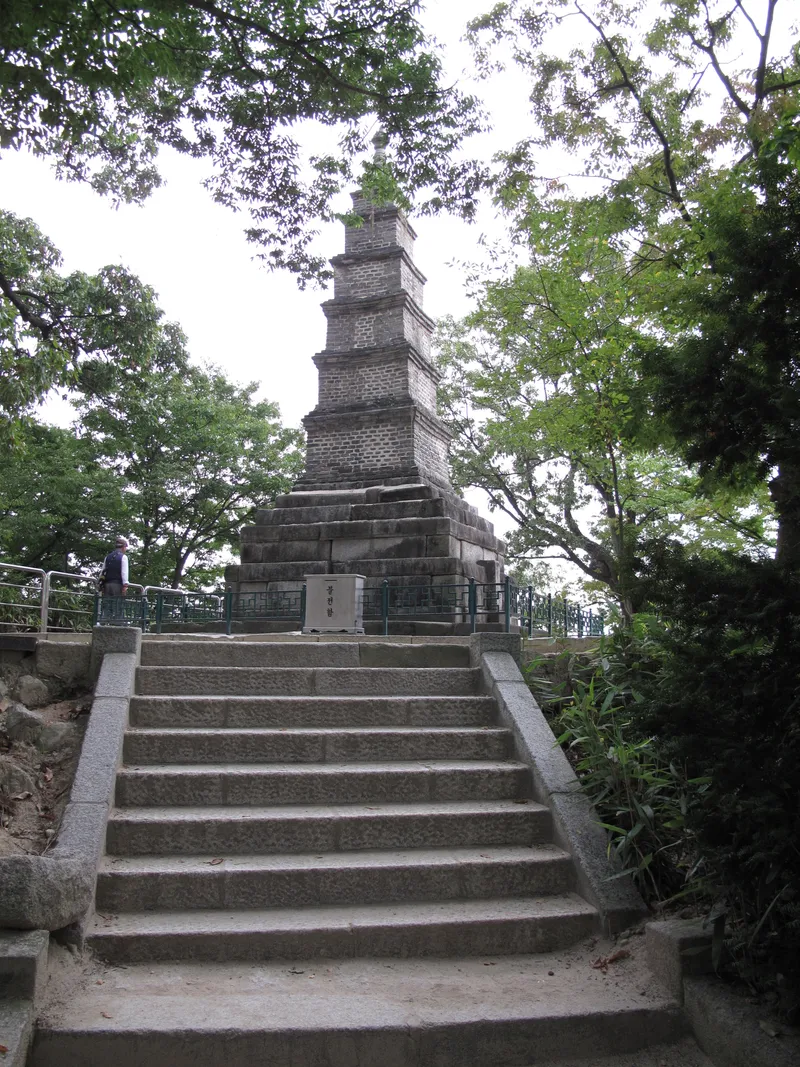
Silleuksa, Bongmisan
The temple where the only surviving Goryeo brick pagoda in Korea stands.
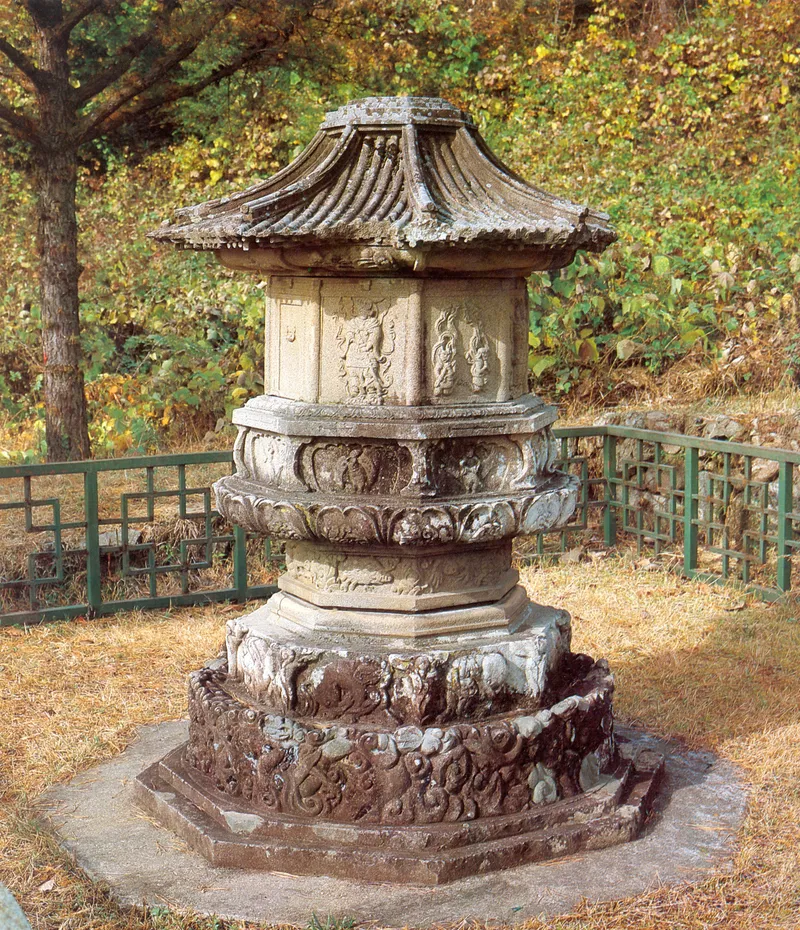 Temple
Ssangbongsa, Gyedangsan
The only building that carried the form of a three-storey wooden pagoda, lost to a candle.
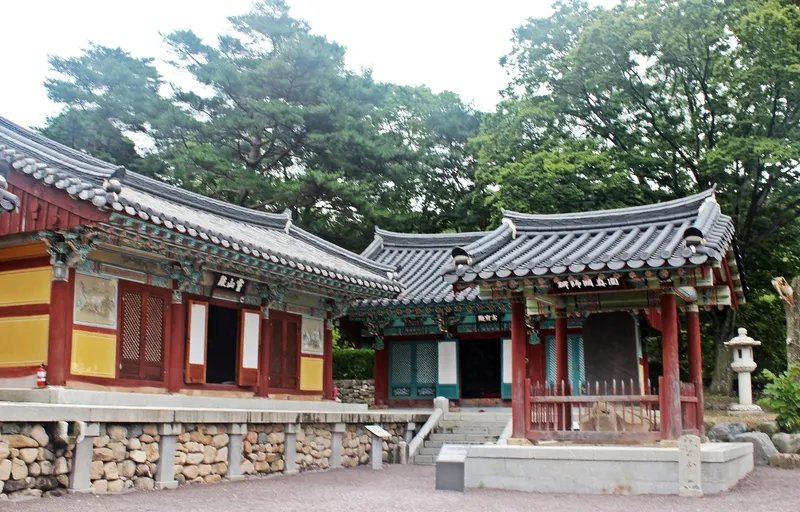 Temple
Bogyeongsa, Naeyeonsan
A temple that takes its name from a mirror buried beneath it.
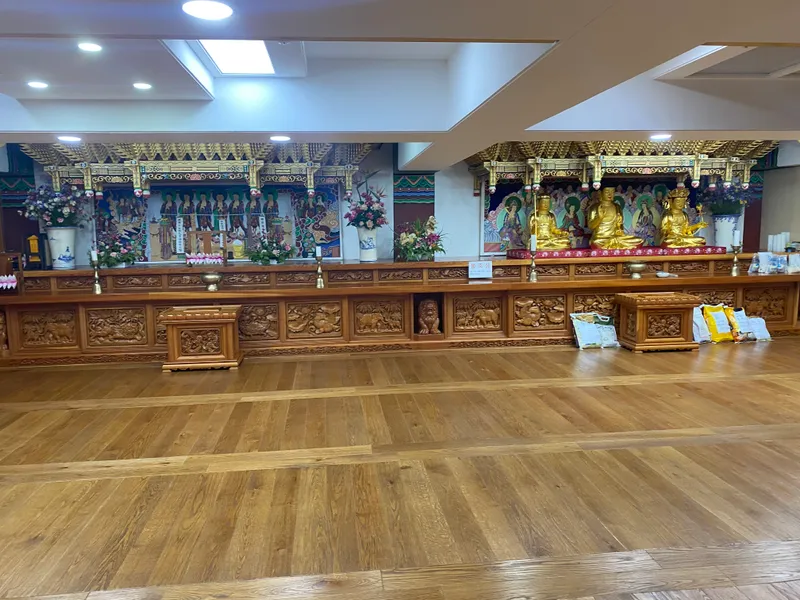 Temple
Bongwonsa, Ansan
The temple where the leaders of the 1884 coup learned the reformist thought behind it.
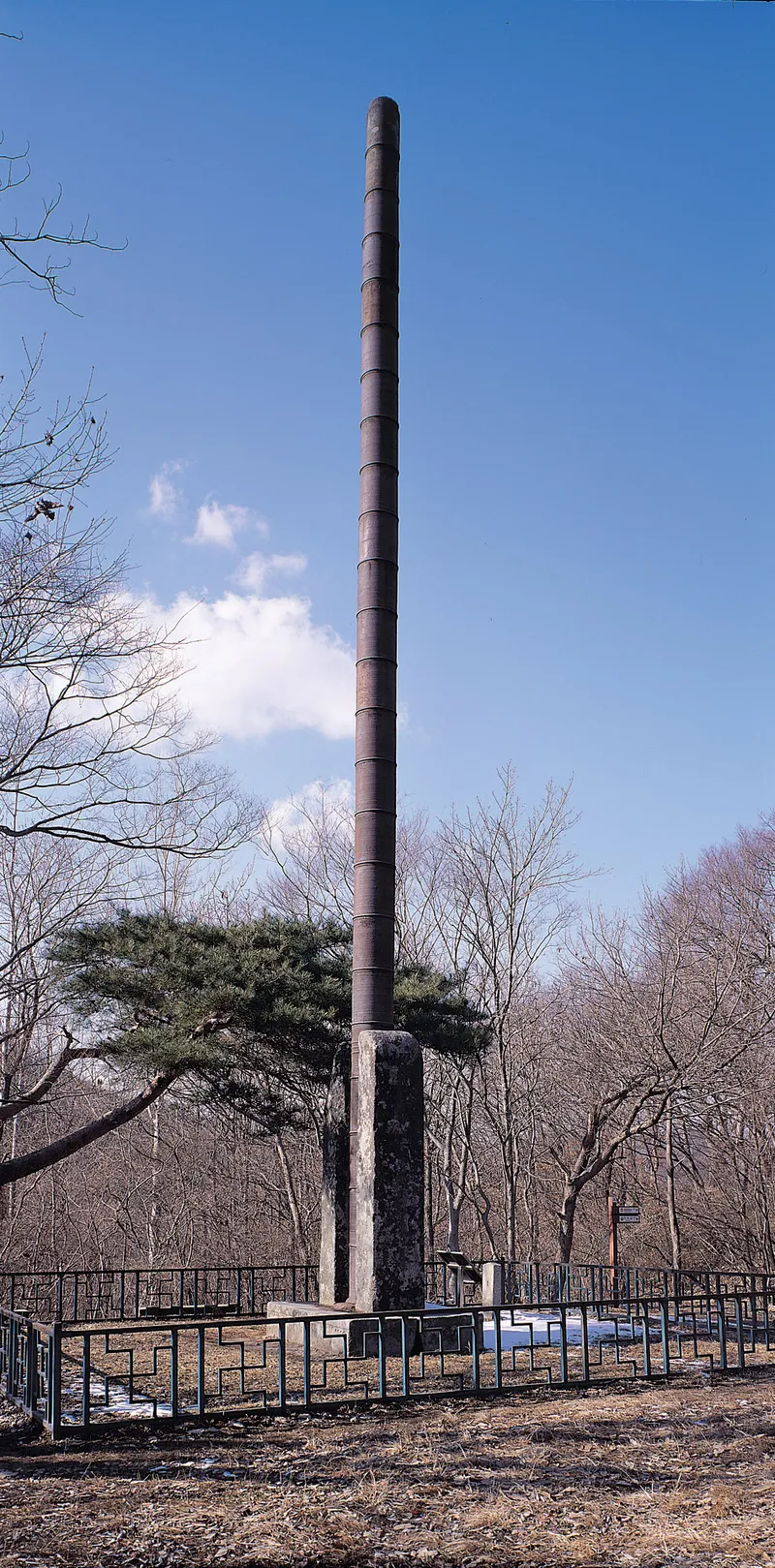 Temple
Gapsa, Gyeryongsan
A Three Kingdoms temple with three separate accounts of its founding, and where Yeonggyu took ordination.
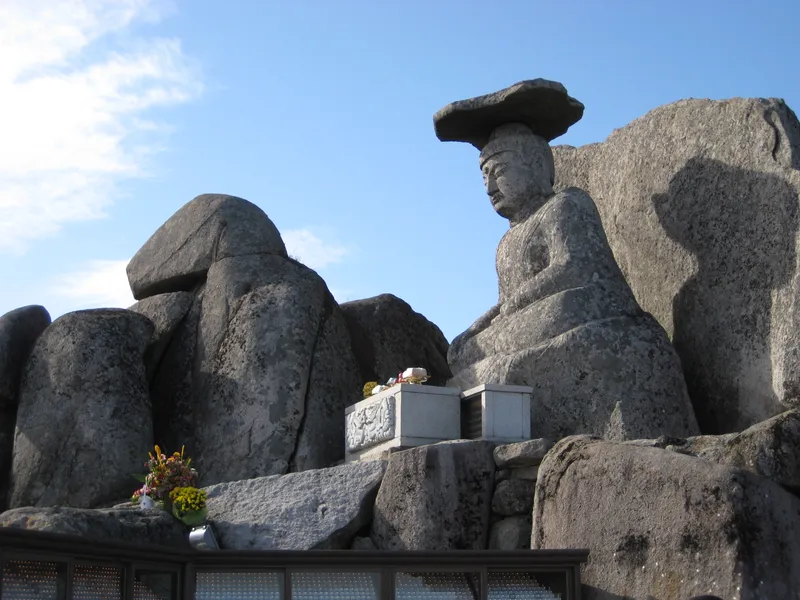 Temple
Gatbawi
- Exams & Study
- Wish Fulfillment
A Unified Silla stone Buddha seated on the summit of Gwanbong on Palgongsan, and the busiest prayer site in the country in the weeks before the university entrance exam.
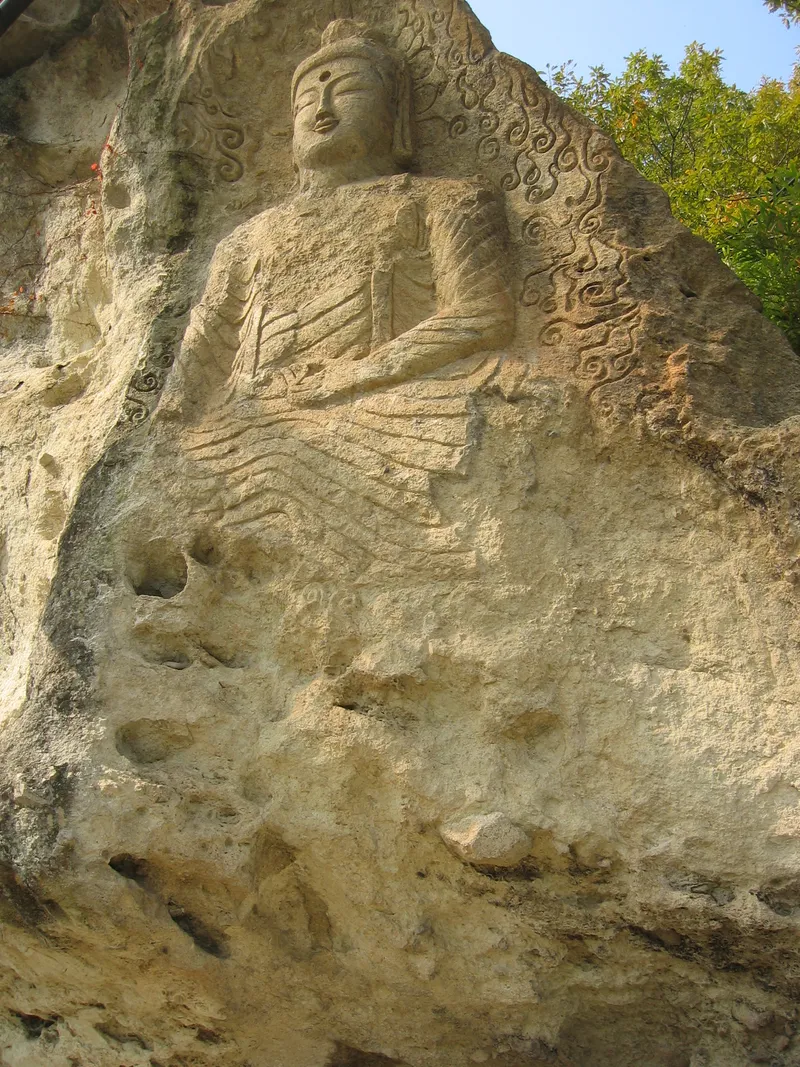 Temple
Golgulsa
A temple of twelve stone caves worked out of natural hollows.
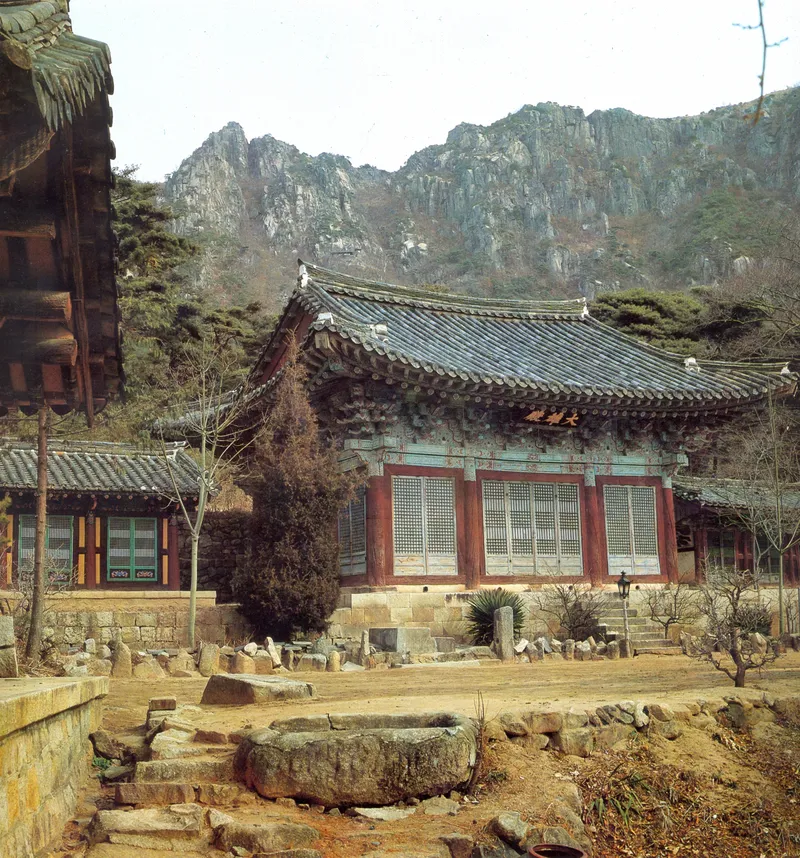 Temple
Gwallyongsa, Gwallyongsan
Nine dragons went up, and one sighting named both the temple and the mountain.
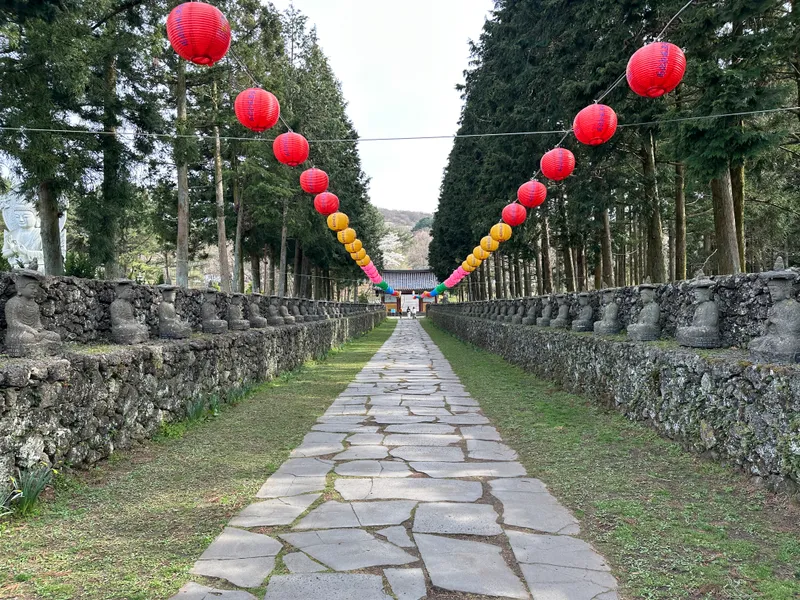 Temple
Gwaneumsa, Hallasan
- Protection & Safety
The head temple of the Jogye Order’s 23rd district, on the slope of Hallasan, founded in the spring of 1909 by the nun Bongnyeogwan.
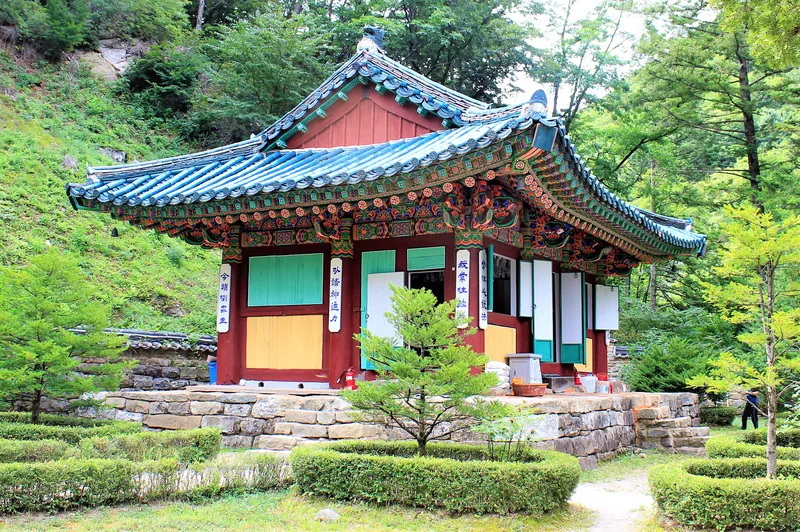 Temple
Jeongamsa
- Protection & Safety
A relic sanctuary where Jajang is said to have enshrined the Buddha’s skull bone, a tooth and a hundred relics, with a National Treasure stupa on the slope behind.
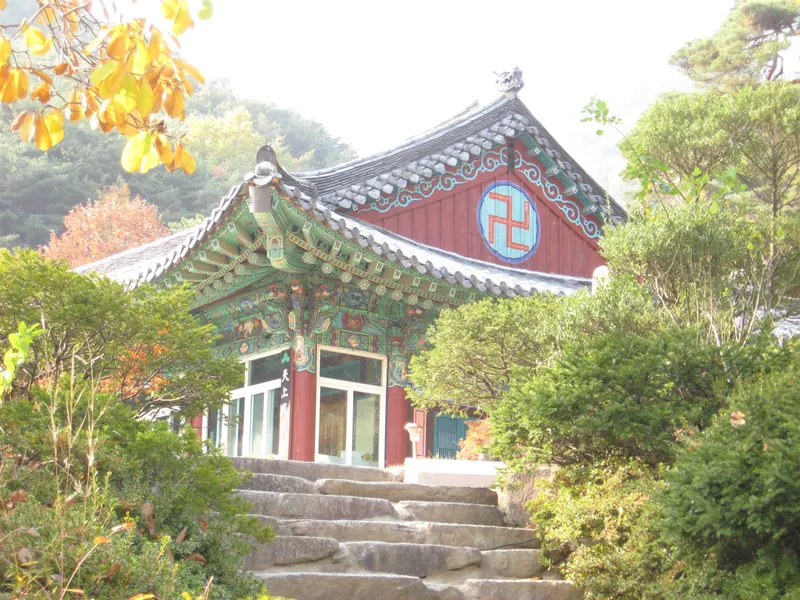 Temple
Pagyesa, Palgongsan
The temple where a king’s robe came out of an Avalokitesvara statue.
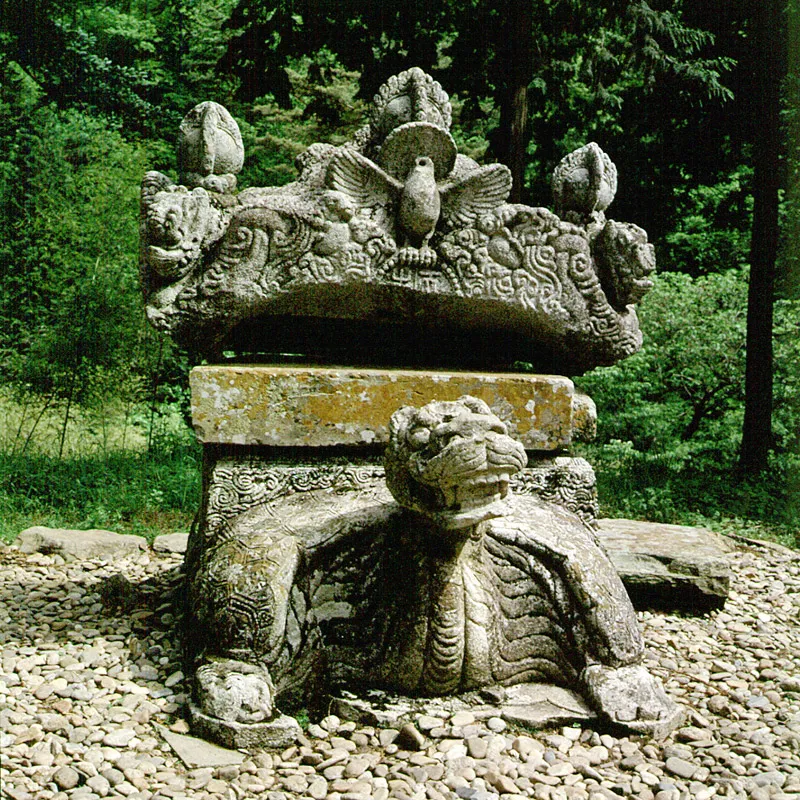 Temple
Taeansa, Dongnisan
The central temple of the Dongni school, one of the Nine Mountain Seon schools.
 Temple
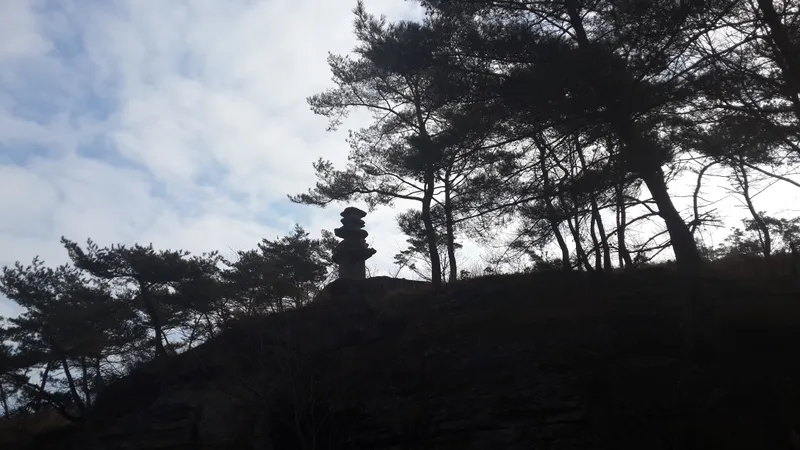
Unjusa
- Protection & Safety
The temple where Doseon is said to have raised a thousand buddhas and pagodas in a day and a night, to stop the country from listing.
 Temple
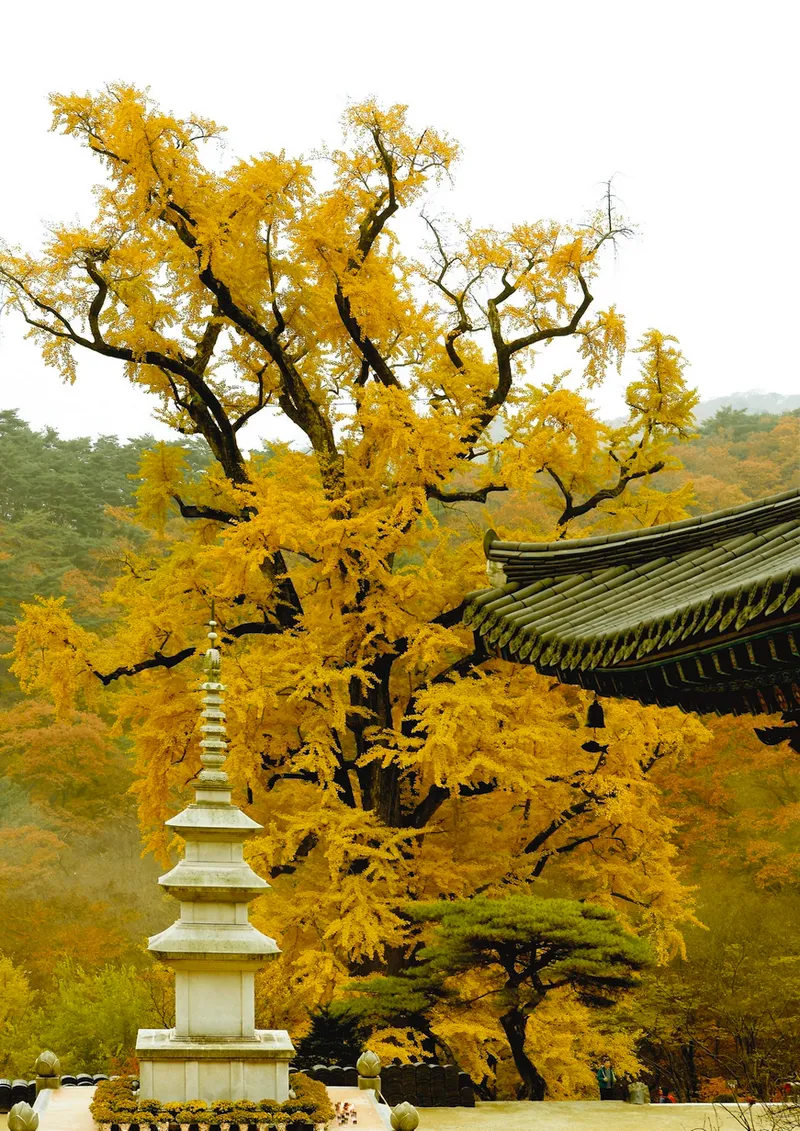
Yongmunsa, Yongmunsan
The temple whose courtyard ginkgo was granted an office by King Sejong of Joseon.
 Temple
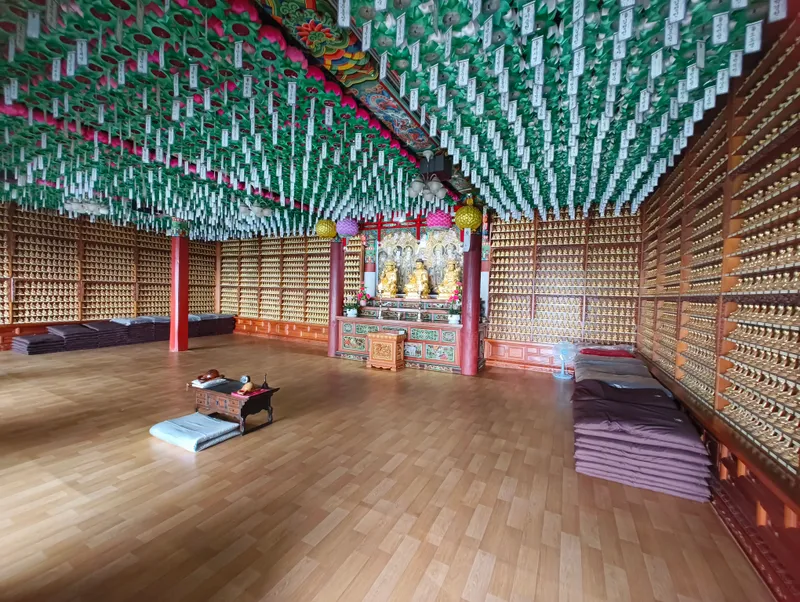
Boriam
- Wish Fulfillment
An Avalokiteśvara prayer site on the slope of Geumsan, counted with Hongryeonam and Bomunsa among Korea’s three great sites.
 Temple
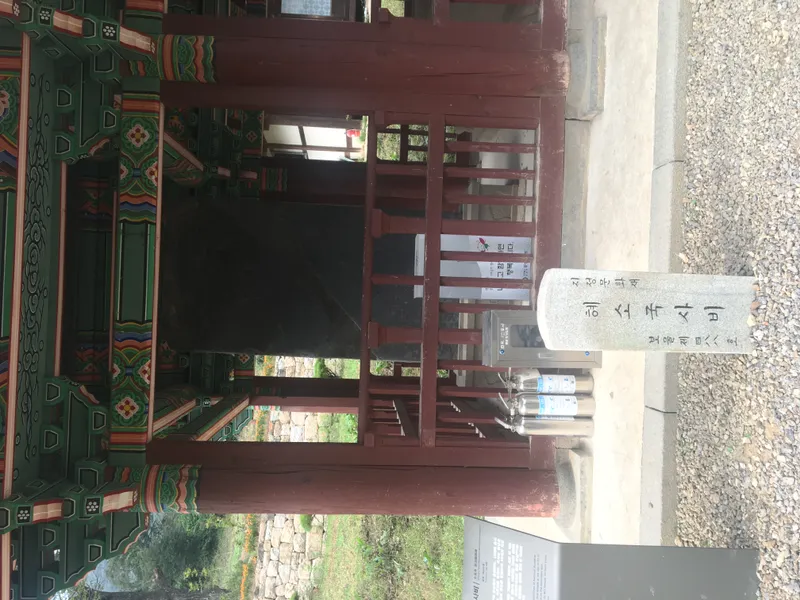
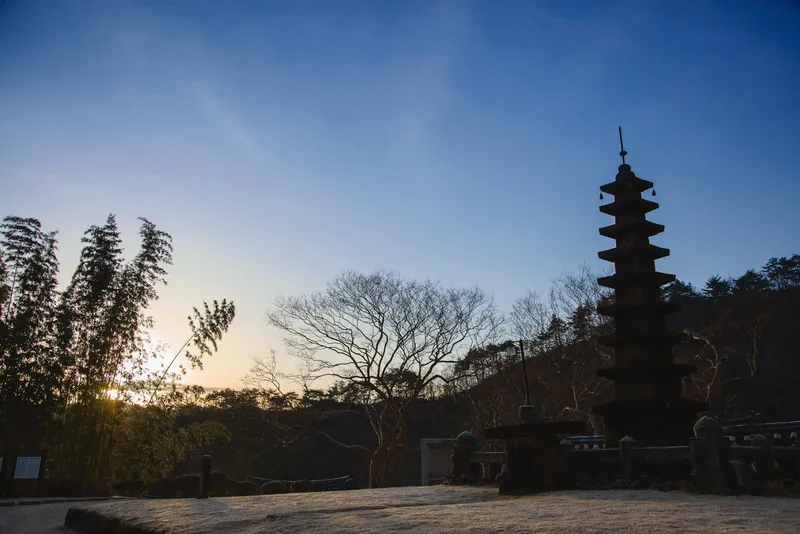
Chiljangsa, Chilhyeonsan
- Exams & Study
The mountain and the temple are both named for seven robbers who became seven sages.
 Temple
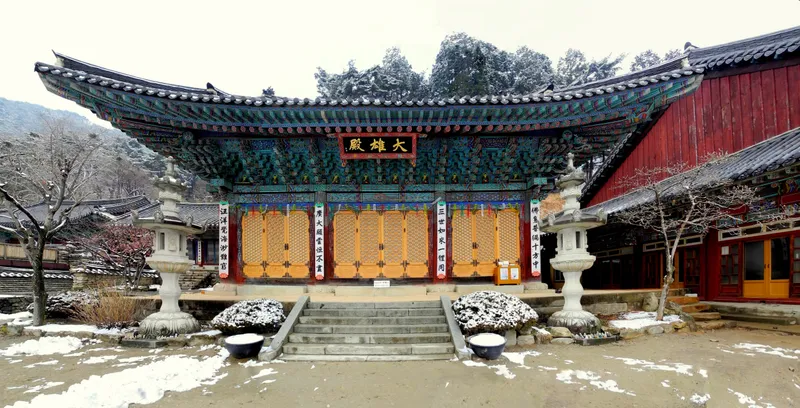
Daewonsa, Jirisan
Counted among the country’s leading meditation halls for women in the monastic life.
 Temple
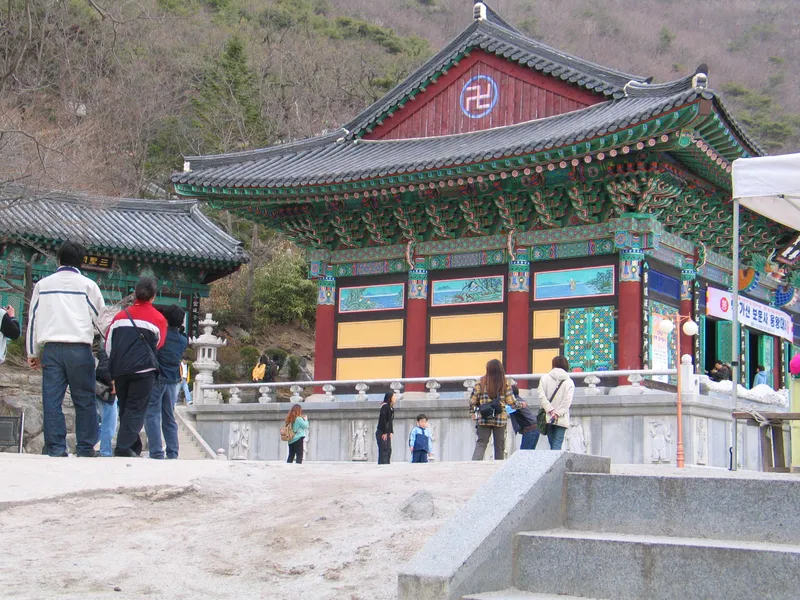
Donghaksa, Gyeryongsan
Where rites were held to summon the spirits of the six martyred ministers and of King Danjong, and where one of Korea’s foremost seminaries for nuns stands.
 Temple
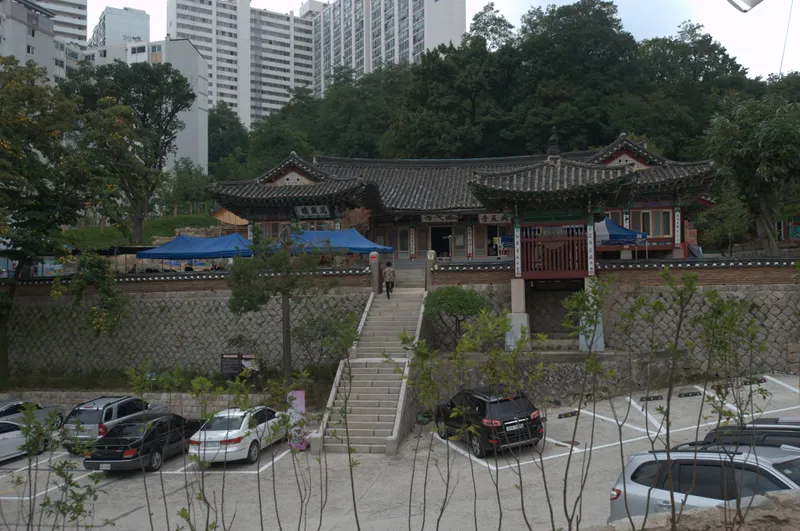
Bomunsa
- Wish Fulfillment
Counted with Boriam and Hongryeonam among Korea’s three great Avalokiteśvara sites, with a stone chamber holding figures said to have come up in a fisherman’s net.
 Temple
Heungcheonsa, Samgaksan
A temple of more than a hundred and seventy kan, raised beside a queen’s tomb by the king who had lost her.
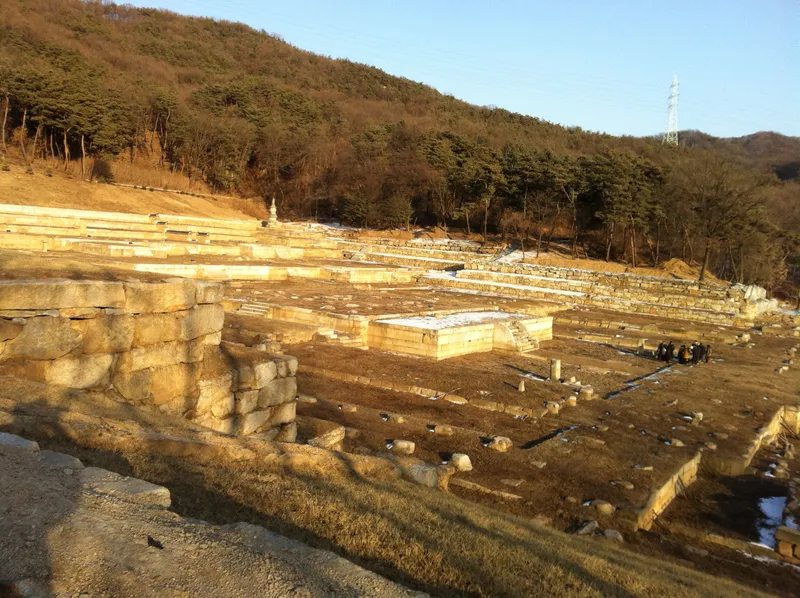 Historic Site
Hoeamsa Temple Site, Cheonbosan
The site of a temple of two hundred and sixty-six kan, modelled on Nalanda and long since abandoned.
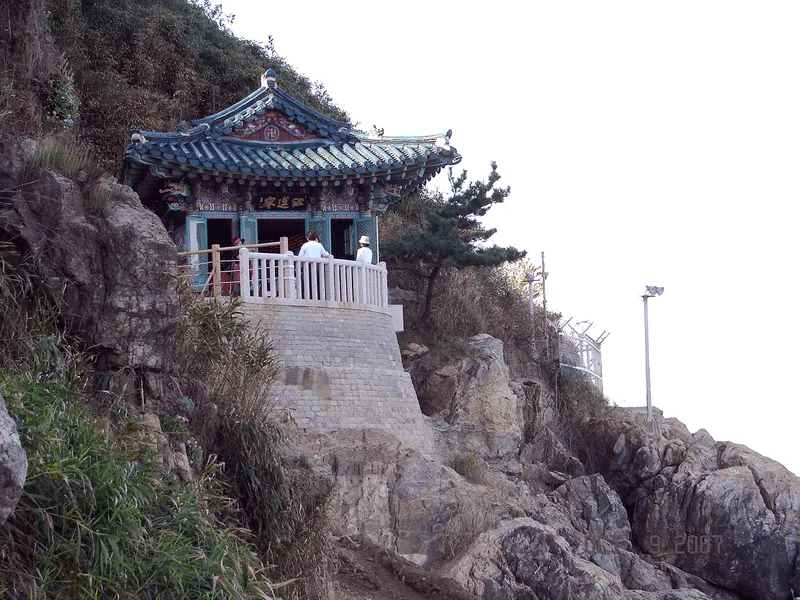 Temple
Hongryeonam
- Wish Fulfillment
A hermitage built where Uisang is said to have met Avalokiteśvara, its hall raised so the sea can be seen moving beneath the floor.
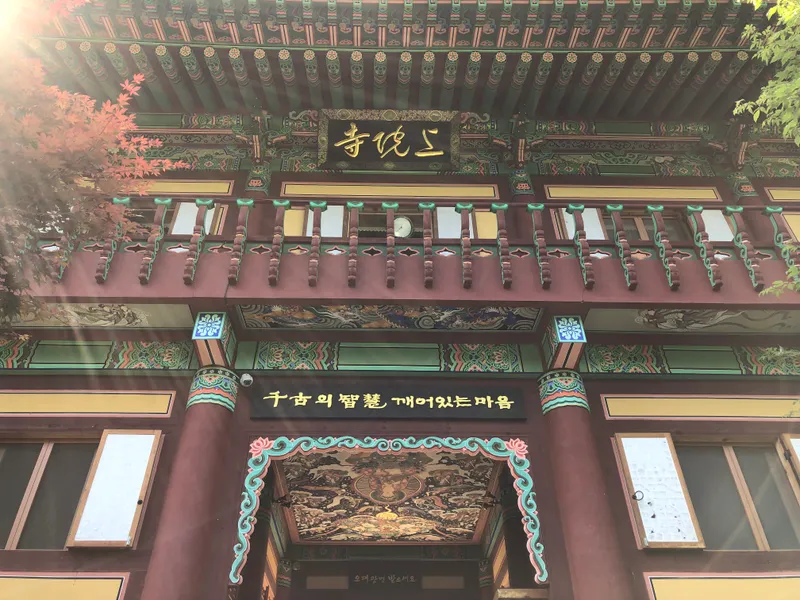 Temple
Sangwonsa
- Health & Healing
A temple on Odaesan founded in 705, at the centre of the mountain’s Manjushri devotion, and known for the story that King Sejo met the bodhisattva here as a boy and was healed.
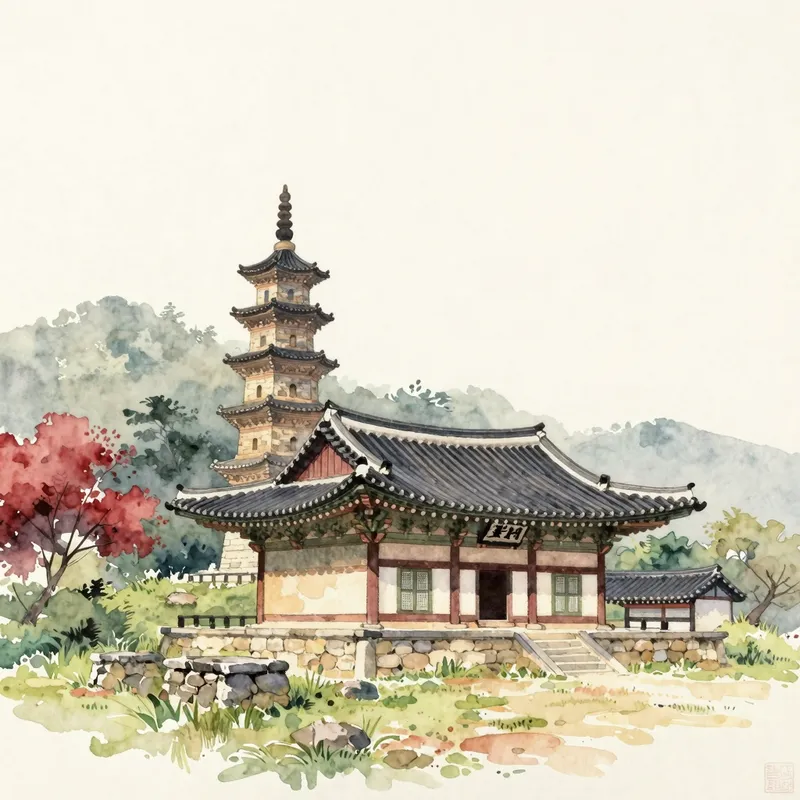 Temple
Buinsa, Palgongsan
Where the woodblocks of the first Tripitaka, brought here for safety, were entirely destroyed in the Mongol invasion of 1232.
 Temple
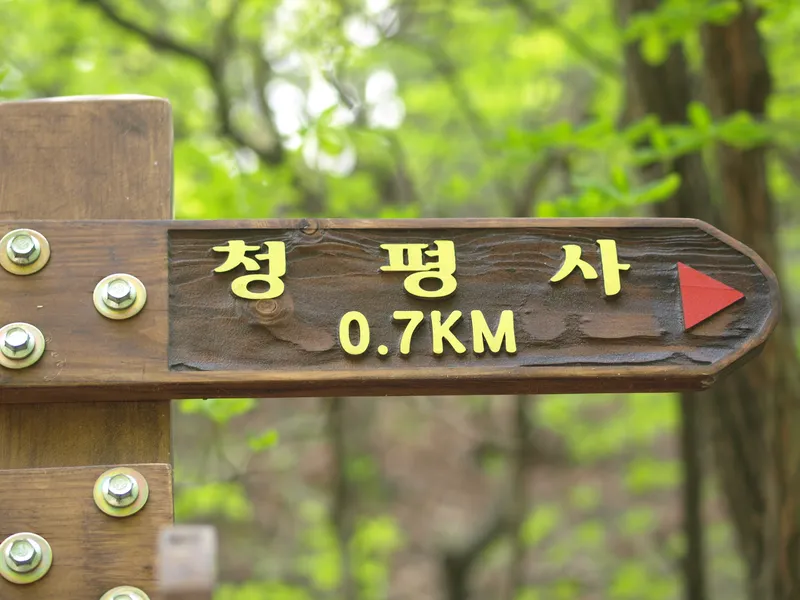
Cheongpyeongsa, Obongsan
A temple whose Goryeo garden is the listed monument, and where a son rebuilding his father’s work renamed the mountain as well.
 Temple
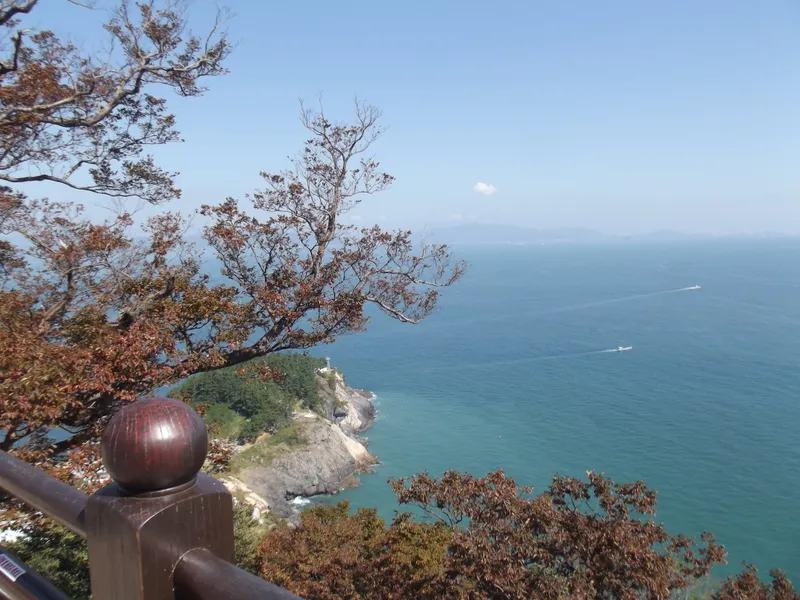
Hyangiram
- Wish Fulfillment
One of the country’s four sea-facing Avalokiteshvara prayer halls, named "facing the sun" for the sunrise seen from it.
 Temple
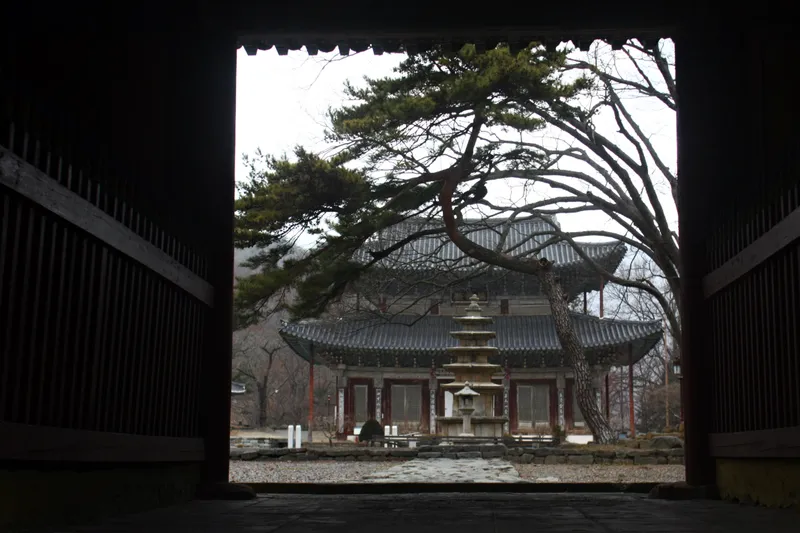
Muryangsa, Mansusan
The temple where Kim Si-seup spent his last years and died.
 Temple
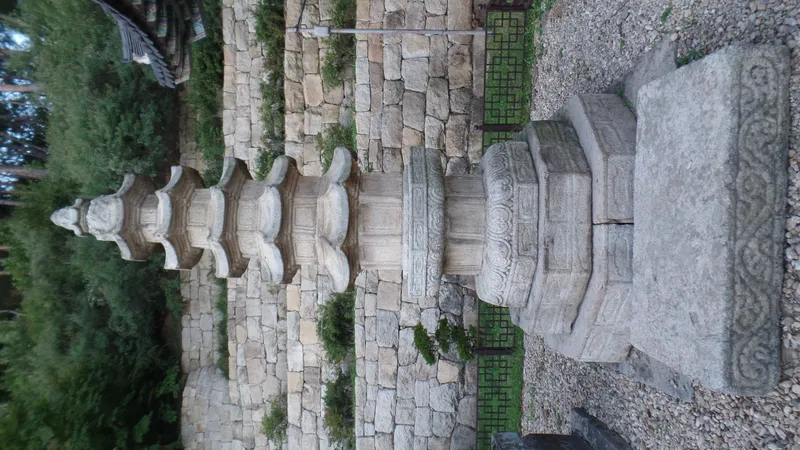
Sujongsa, Ungilsan
Named because what a king took for a bell in the night turned out to be dripping water in a cave.
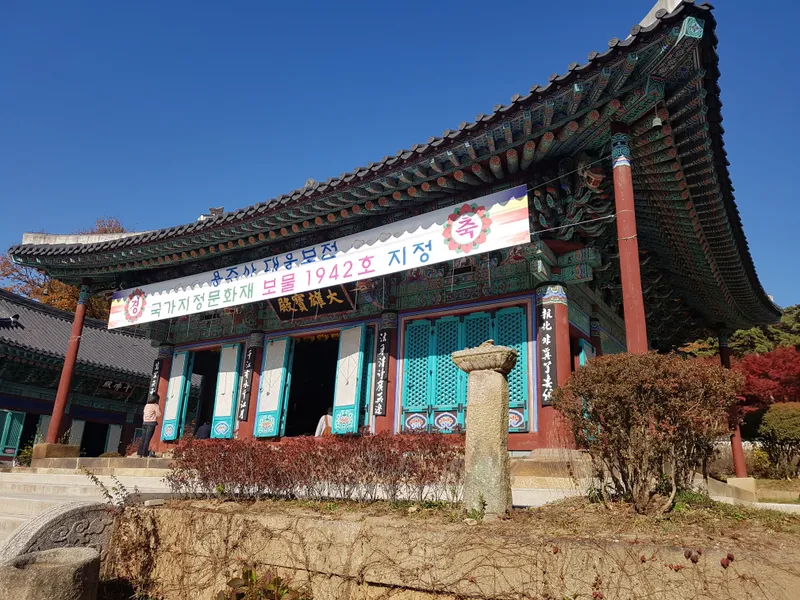 Temple
Yongjusa
- Family & Home
The temple King Jeongjo refounded beside his father’s grave, holding the woodblocks of the sutra on what children owe their parents.
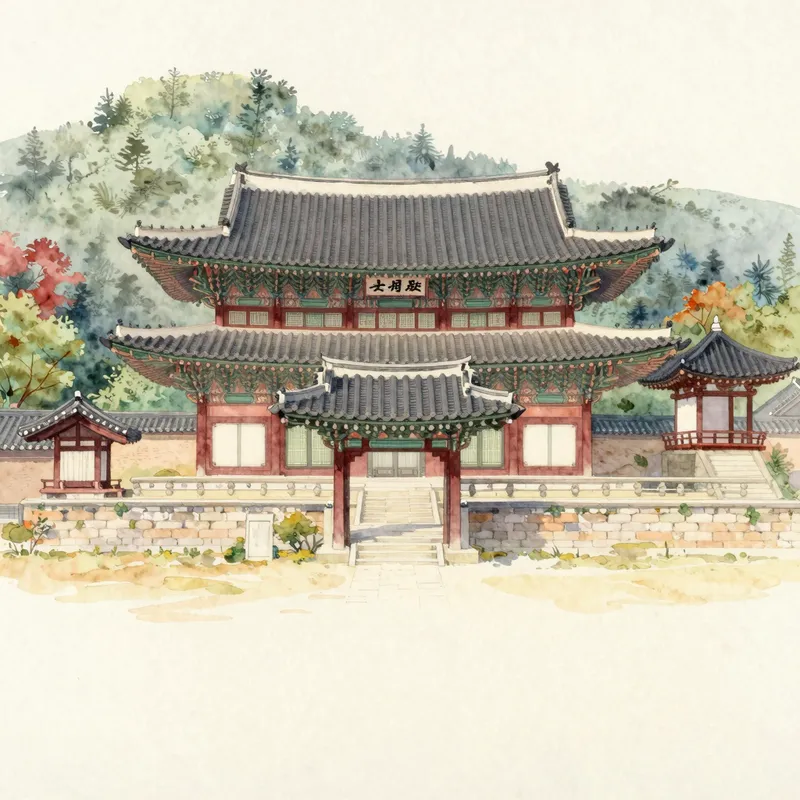 Temple
Bogwangsa, Goryeongsan
- Family & Home
The temple King Yeongjo attached to the tomb of the woman who bore him.
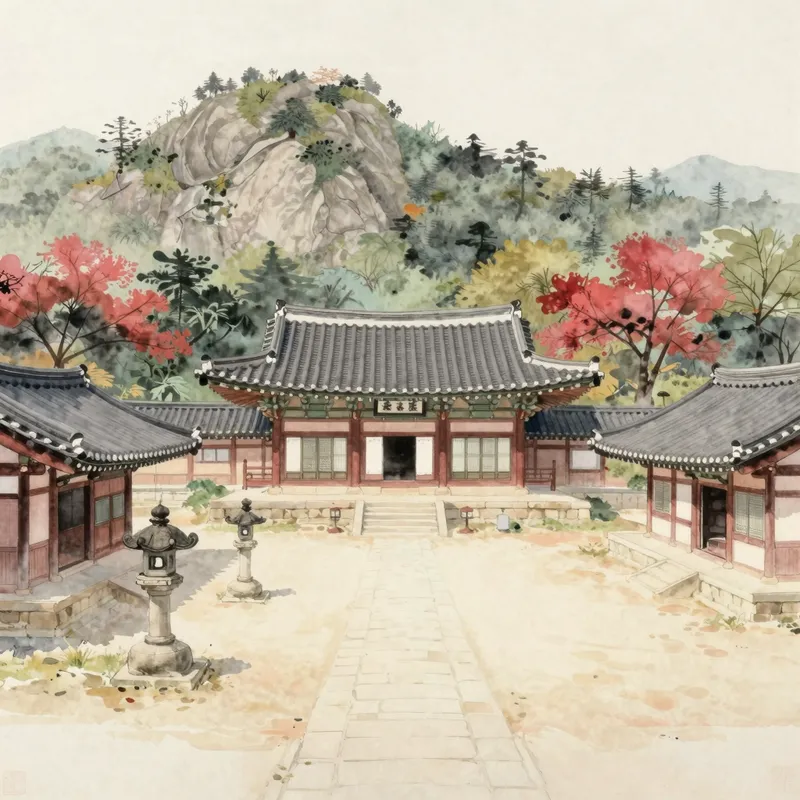 Temple
Hwagyesa, Samgaksan
A temple paid for by two men holding the same title, two hundred and fifty years apart.
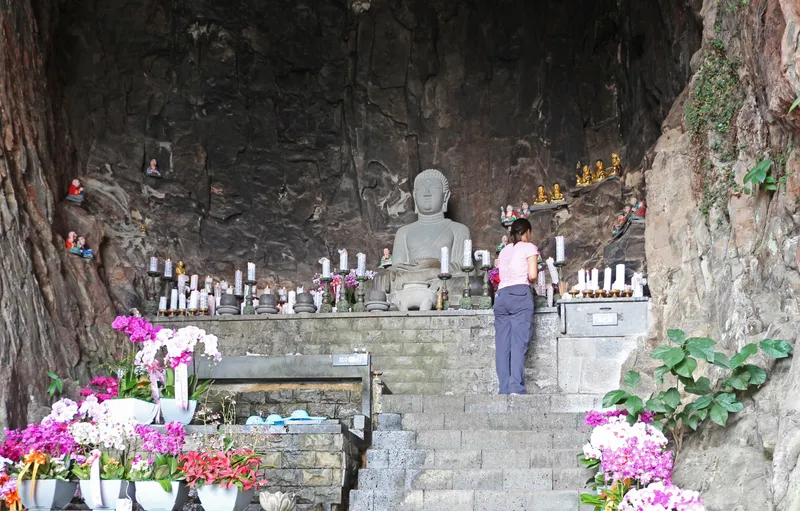 Cave
CaveSanbanggulsa
A Buddha image set in a cave in the south cliff of Sanbangsan, where the water falling from the ceiling is called a goddess’s tears.
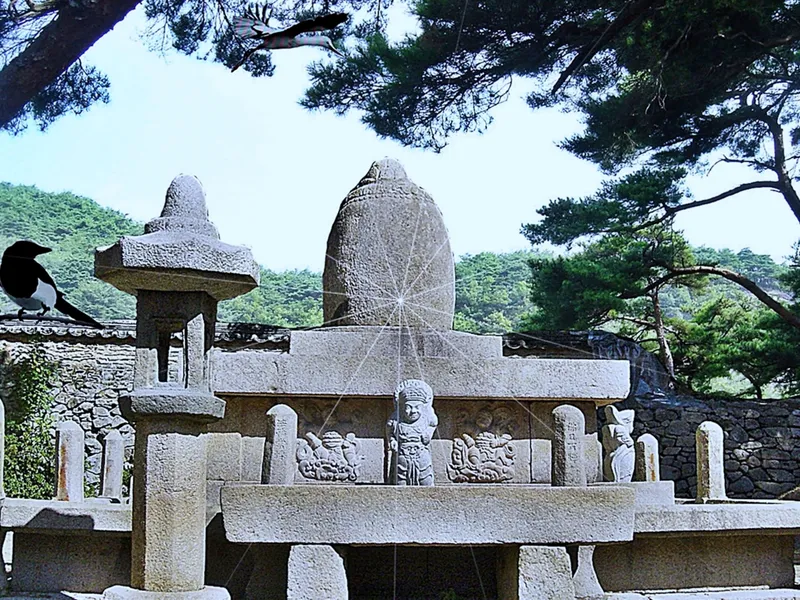 Temple
Yongyeonsa, Biseulsan
Where a portion of Tongdosa’s Buddha relics, evacuated during the Imjin War, was taken in on the journey back.
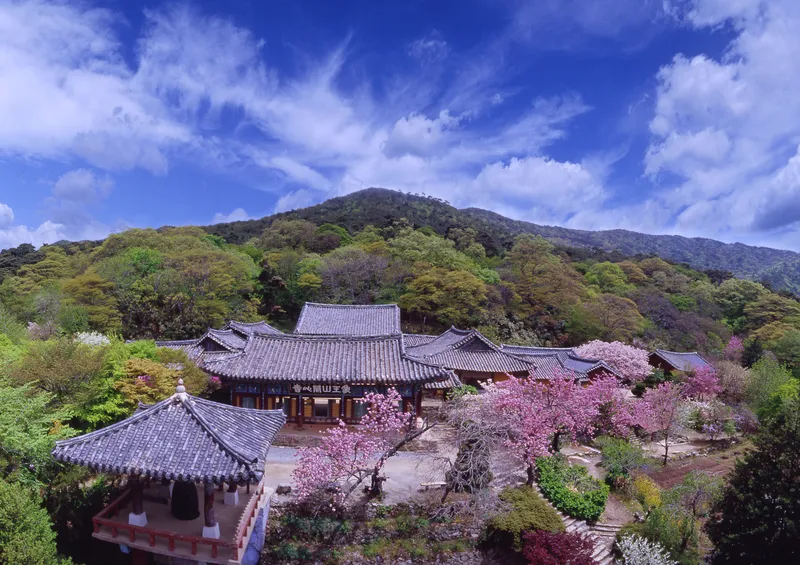 Temple
Gaesimsa, Sangwangsan
A temple whose founding record holds two incompatible dates inside a single sentence, so that its year cannot be established.
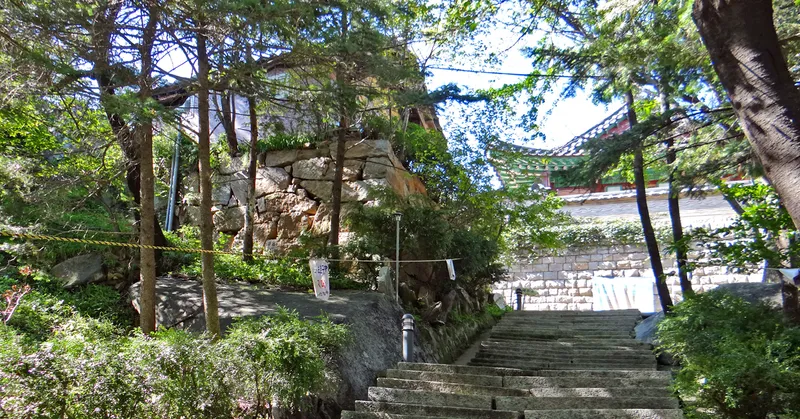 Temple
Jeongsusa, Manisan
A temple renamed for clear water someone saw rising to the west of its hall.
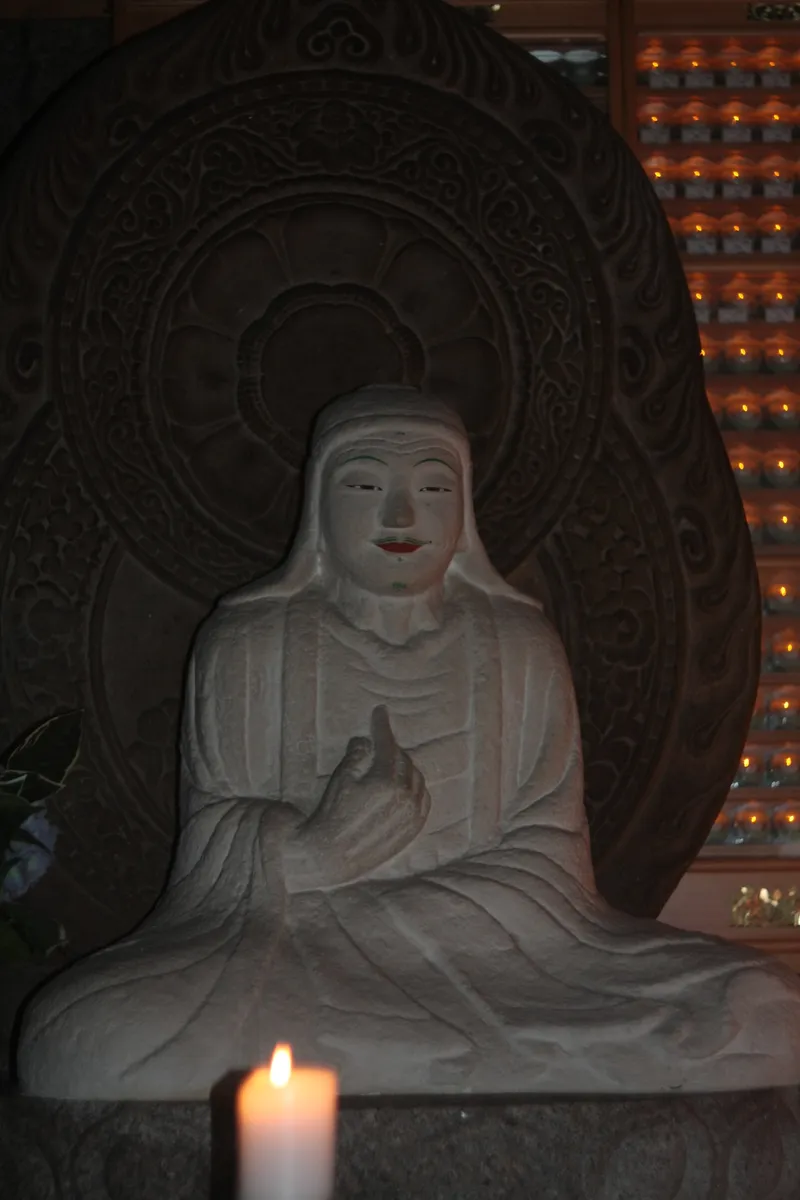 Temple
Seunggasa, Bukhansan
A temple holding a stone portrait of an Indian monk who went to Tang China.
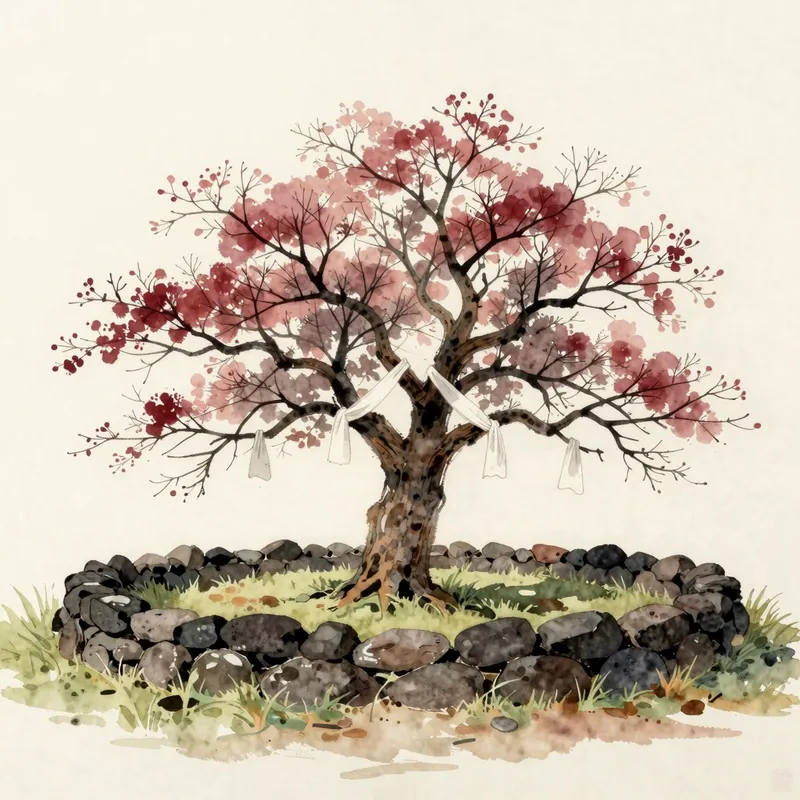 Shrine
Songdang Bonhyangdang
- Protection & Safety
The shrine of the parent gods of Jeju’s village guardian deities, whose children, the myth says, scattered across the island and became its shrine gods.
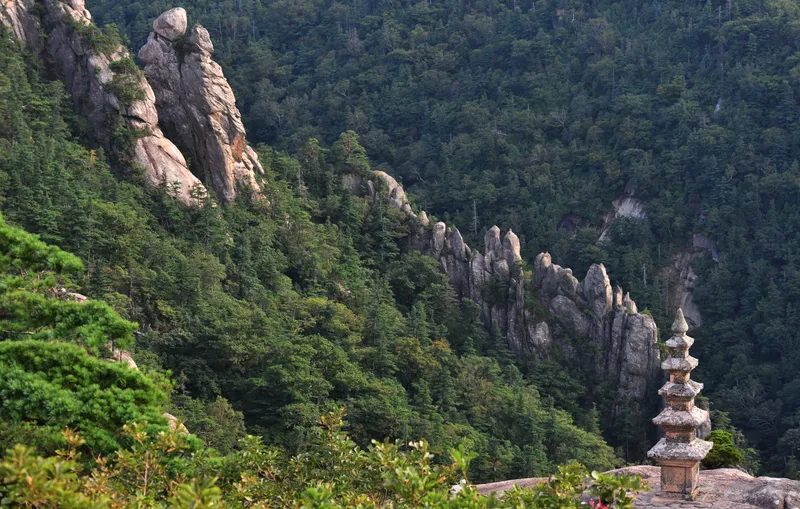 Temple
Bongjeongam
- Protection & Safety
A hermitage on Sosecheongbong in Seoraksan, one of the five relic sanctuaries, holding relics Jajang is said to have brought back.
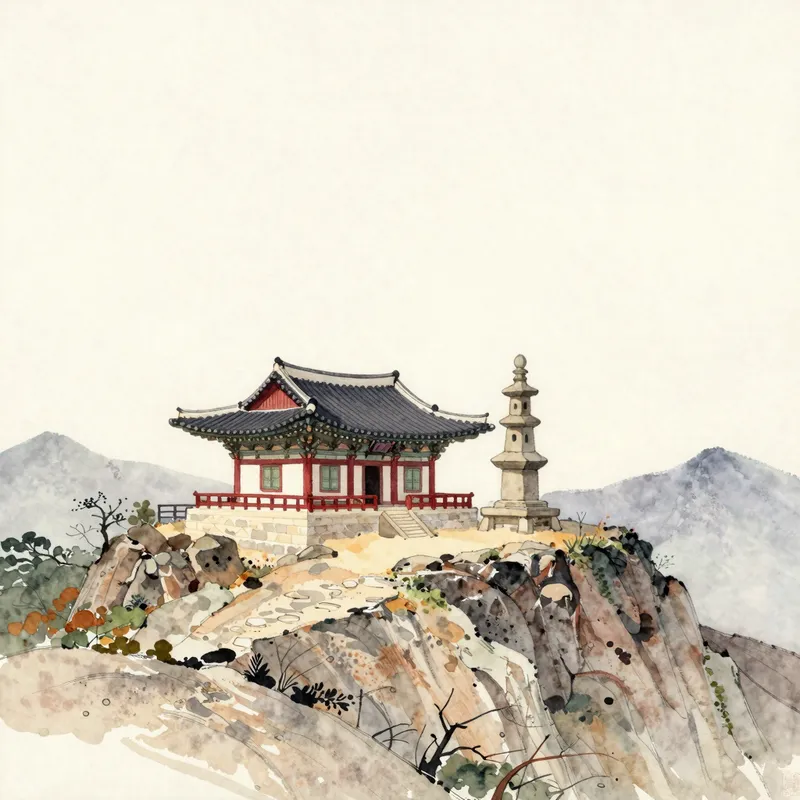 Temple
Daegyeonsa, Biseulsan
A site that went to ruin in 1917 and became a temple again in 2014.
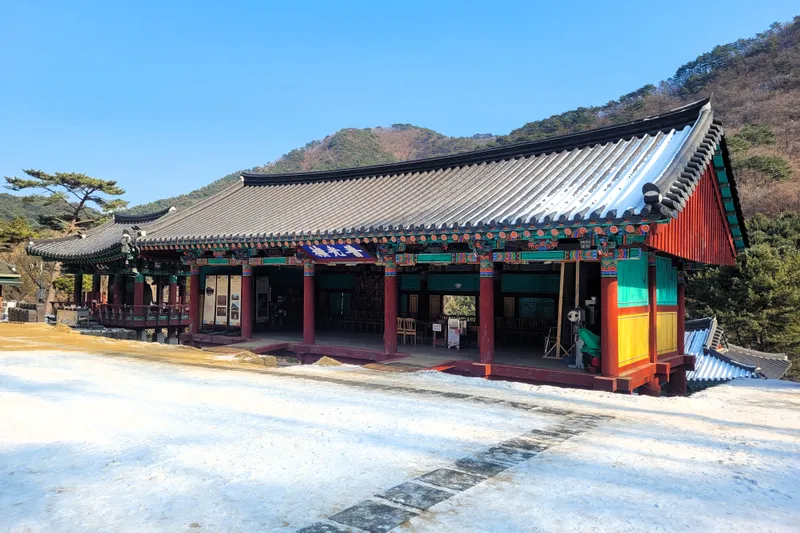 Temple
Guryongsa, Chiaksan
A temple whose founding legend has a single written charm dry up the pool where nine dragons lived.
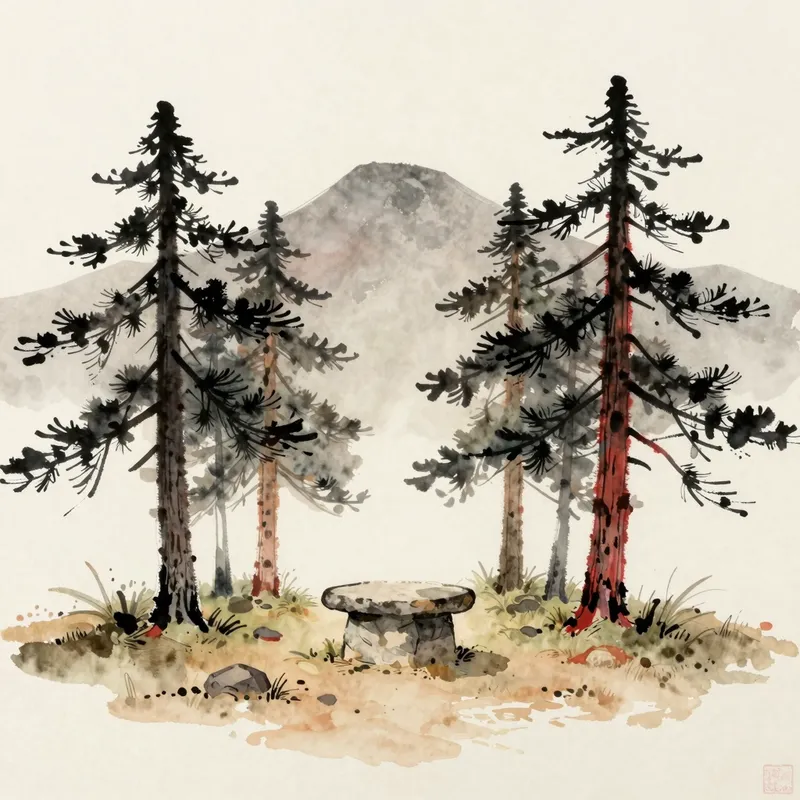 Historic Site
Sancheondan
The altar to which Hallasan’s mountain-god rite was moved down from the summit, after islanders froze to death on the way to it.
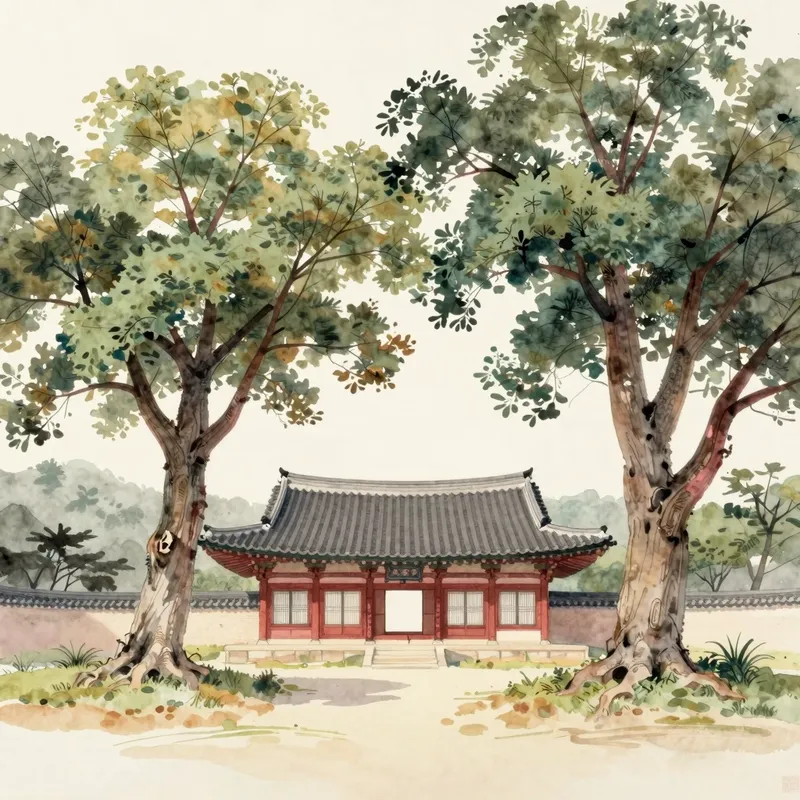 Temple
Yonggungsa, Baegunsan
- Fertility & Children
A temple renamed by the Heungseon Daewongun, with two zelkovas reckoned at about 1,300 years.
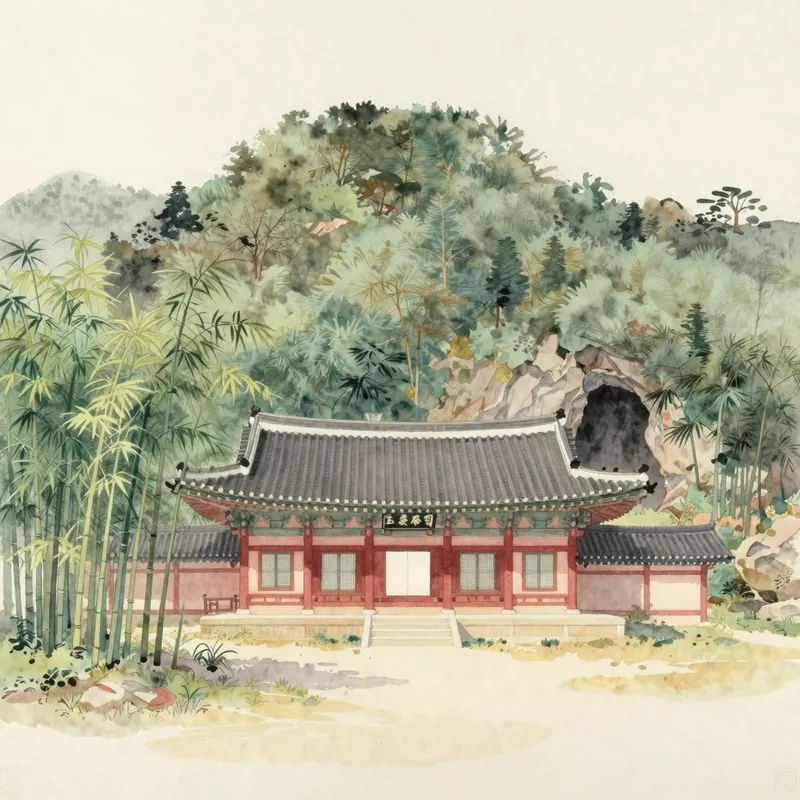 Temple
Eunjeoksa, Apsan
Built at the cave where Wang Geon hid for three days, and named with the characters for hiding and for traces.
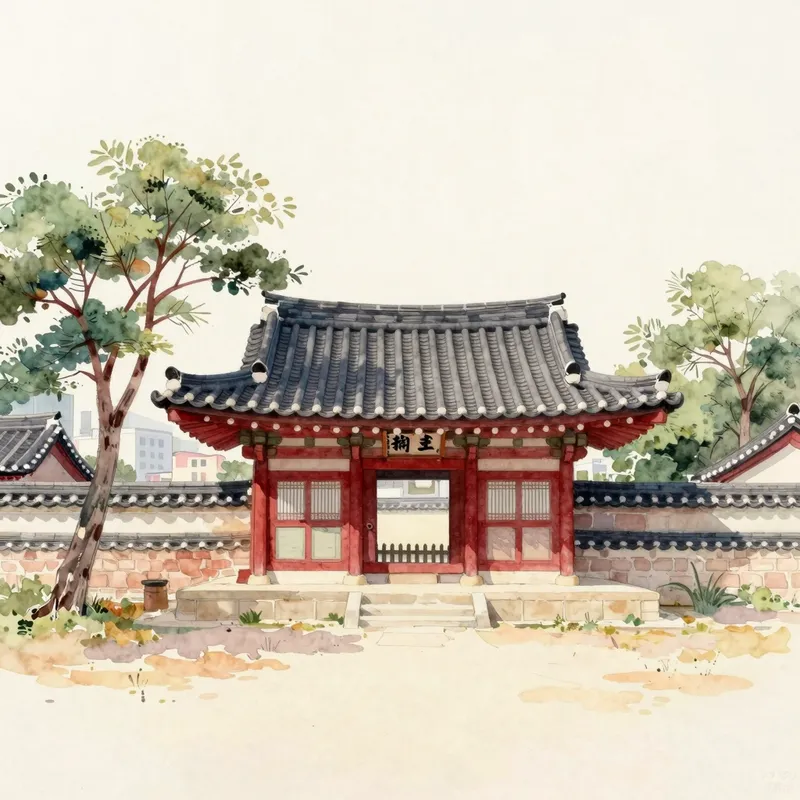 Shrine
Nami Janggun Shrine
- Health & Healing
- Protection & Safety
A shrine raised to console the wronged spirit of a general beheaded at twenty-seven.
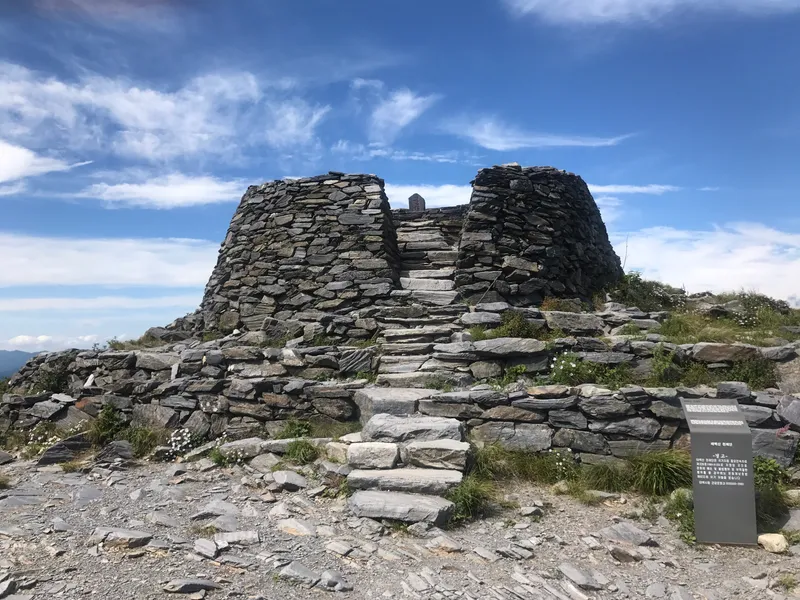 Sacred Mountain
Taebaeksan Cheonjedan
- Miscellaneous
A stone altar for heaven rites on the summit, where a rite is offered each National Foundation Day and where the state has sacrificed since Silla.
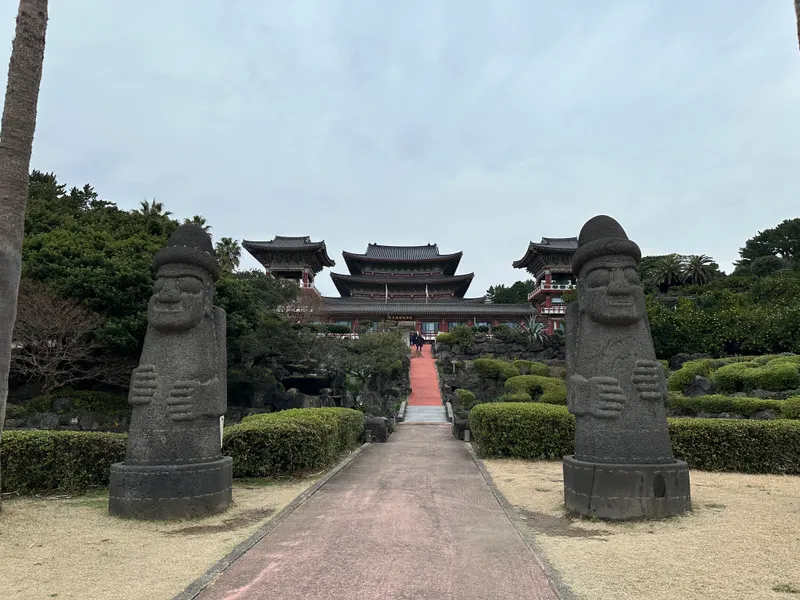 Temple
Yakcheonsa
- Health & Healing
A temple in Daepo-dong, Seogwipo, whose name means the temple where medicinal spring water flows.
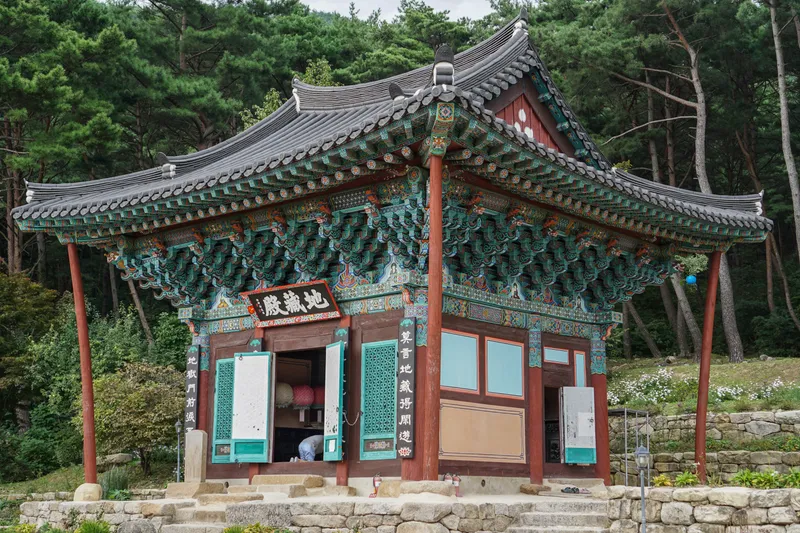 Temple
Bukjijangsa, Palgongsan
A temple where a building’s true name lay in its own ridge-beam record for more than two hundred and fifty years before a repair uncovered it.
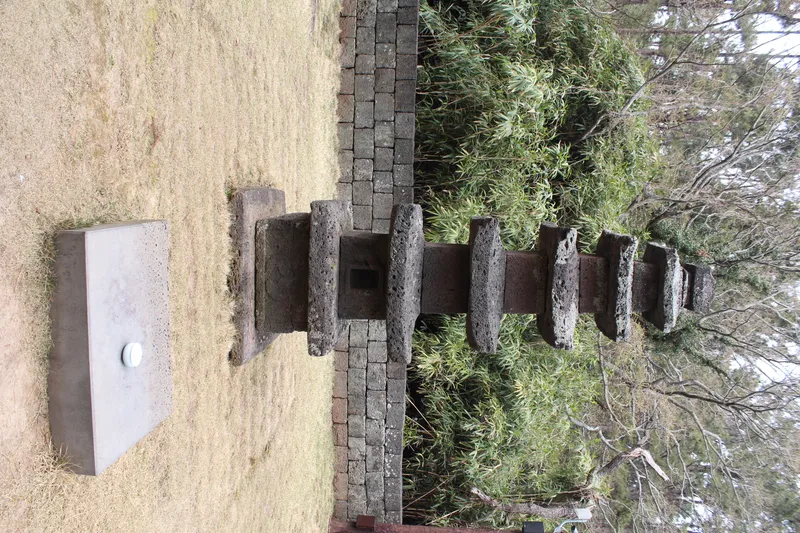 Temple
Bultapsa
- Fertility & Children
A temple on the site of Wondangsa, which Empress Gi is said to have built and sent an envoy to pray at, in order to obtain a son.
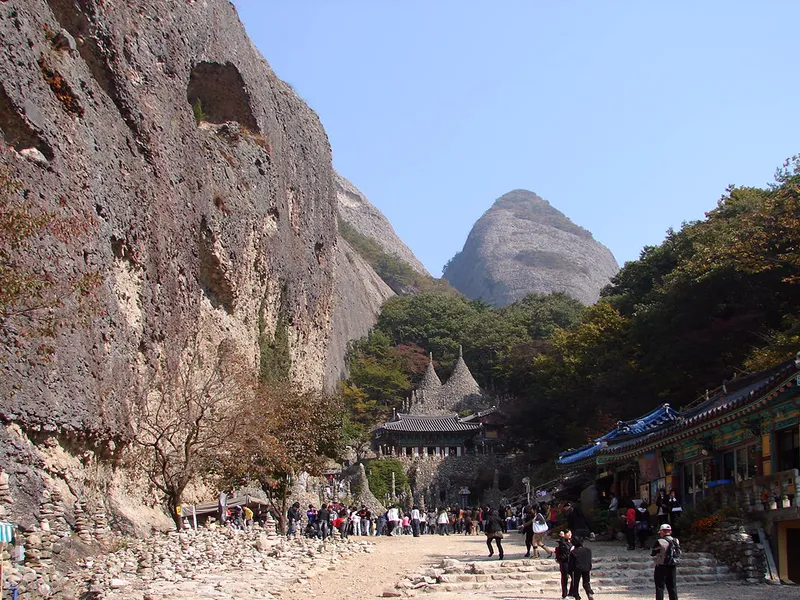 Temple
Tapsa, Maisan
- Protection & Safety
A temple among stone towers raised by one man over a lifetime, of which about eighty of the original hundred and eight still stand.
 Temple
Manggyeongsa, Taebaeksan
Built to house a stone image of Manjushri that its founder came here because he had heard it had appeared.
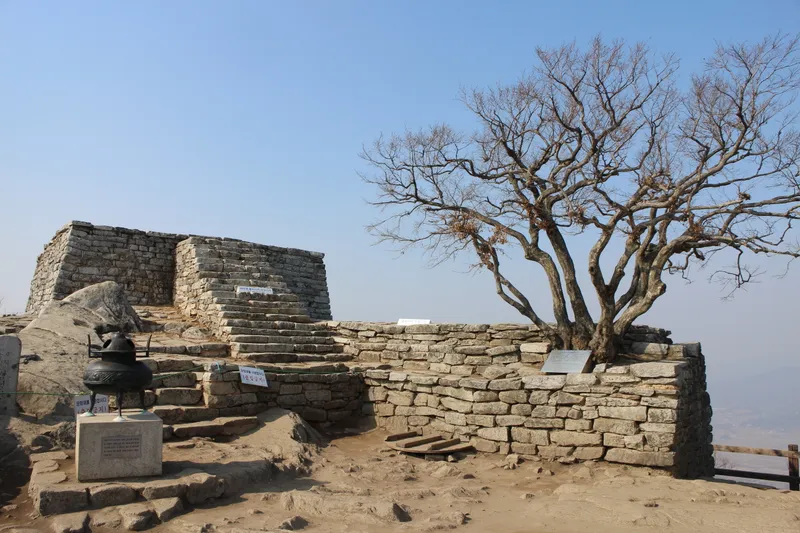 Historic Site
Chamseongdan, Manisan
- Miscellaneous
A stone altar said to have been raised by Dangun for rites to heaven, used for state sacrifices under Goryeo and Joseon, and the site of a rite held every National Foundation Day.
 Temple
Sangwonsa, Chiaksan
The temple whose bell a pheasant struck three times, and whose mountain was renamed for it.
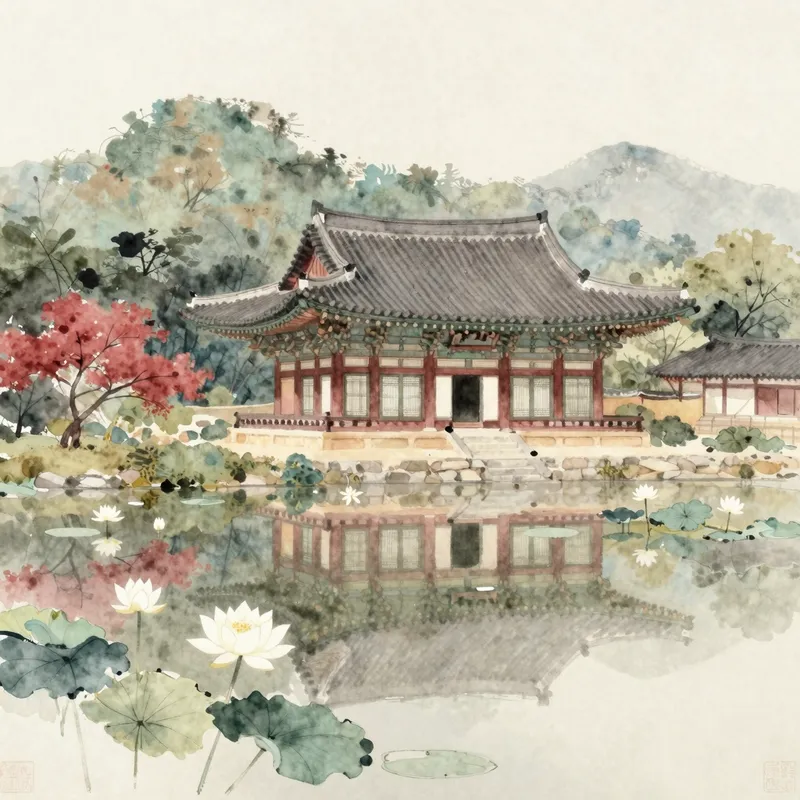 Temple
Baeknyeonsa, Goryeosan
The temple named for the place a white lotus came down.
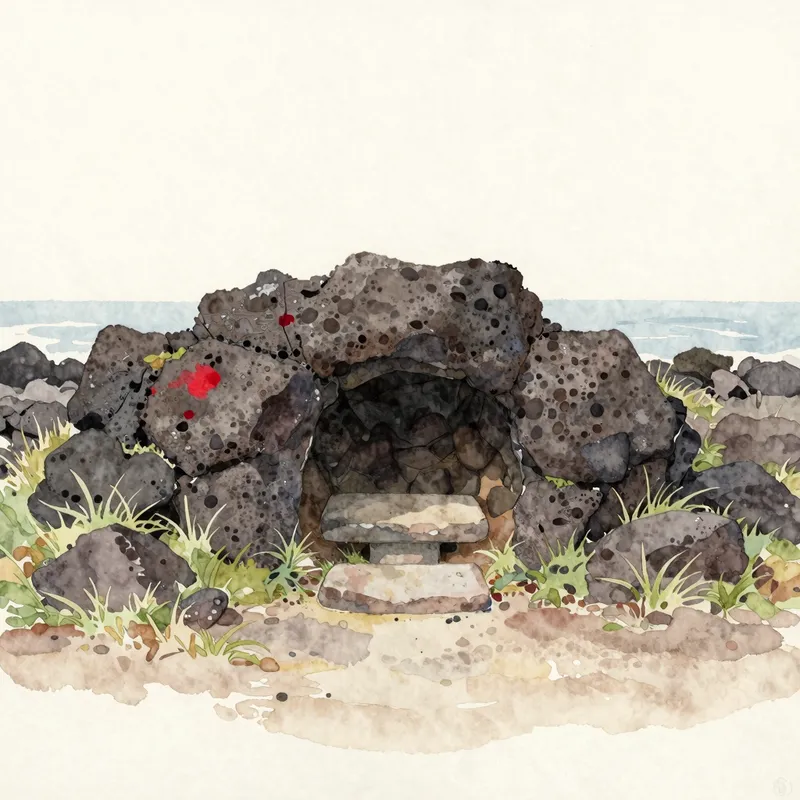 Shrine
Gwenegitdang
The shrine of the sixth son of Songdang Bonhyangdang, where a whole pig has been offered each year.
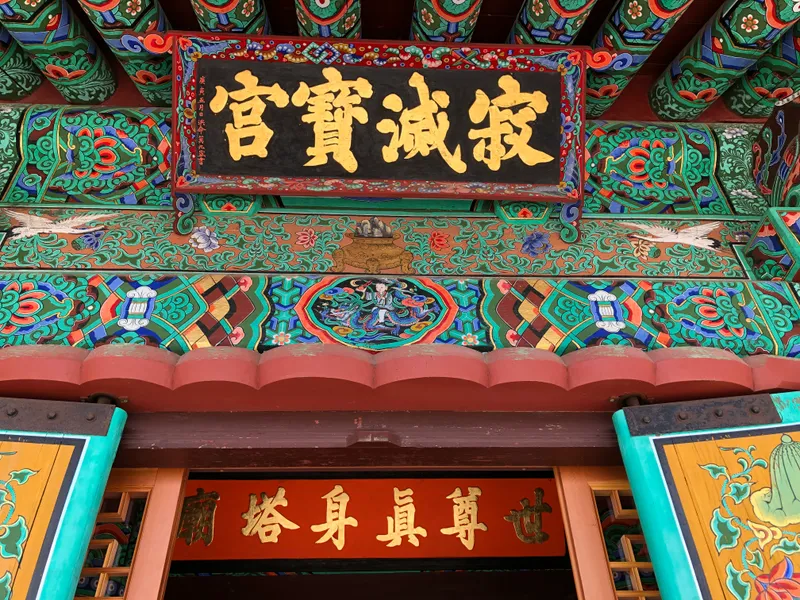 Temple
Jeongmyeol-bogung, Odaesan
- Protection & Safety
A relic hall on the middle terrace of Odaesan with no buddha image inside, because the Buddha’s own relics are enshrined there.
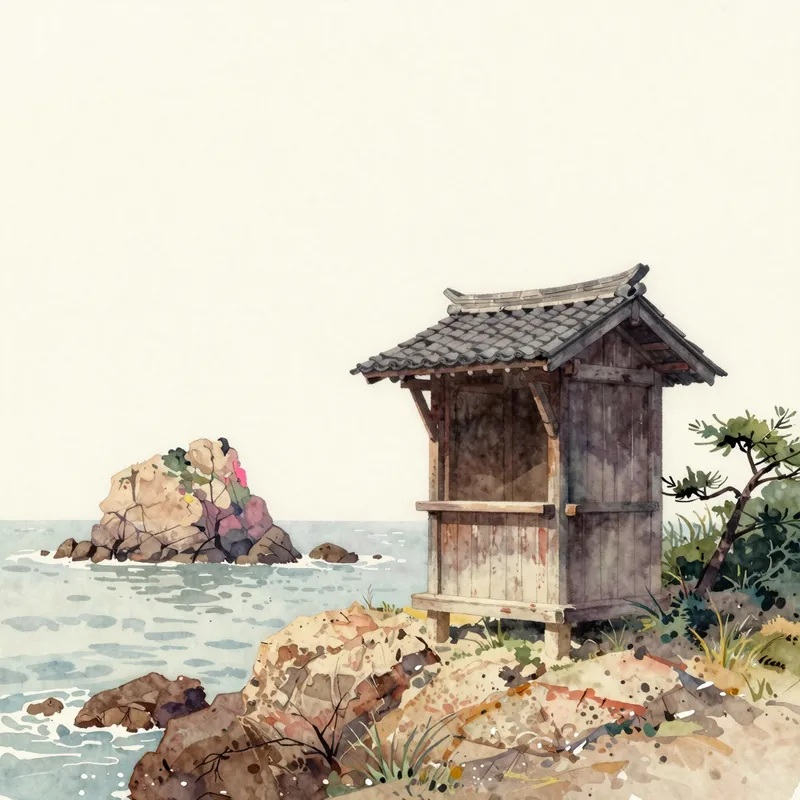 Shrine
Haesindang
- Protection & Safety
A village shrine raised to settle the grievance of a young woman drowned at sea, where carved wooden phalluses have been offered.
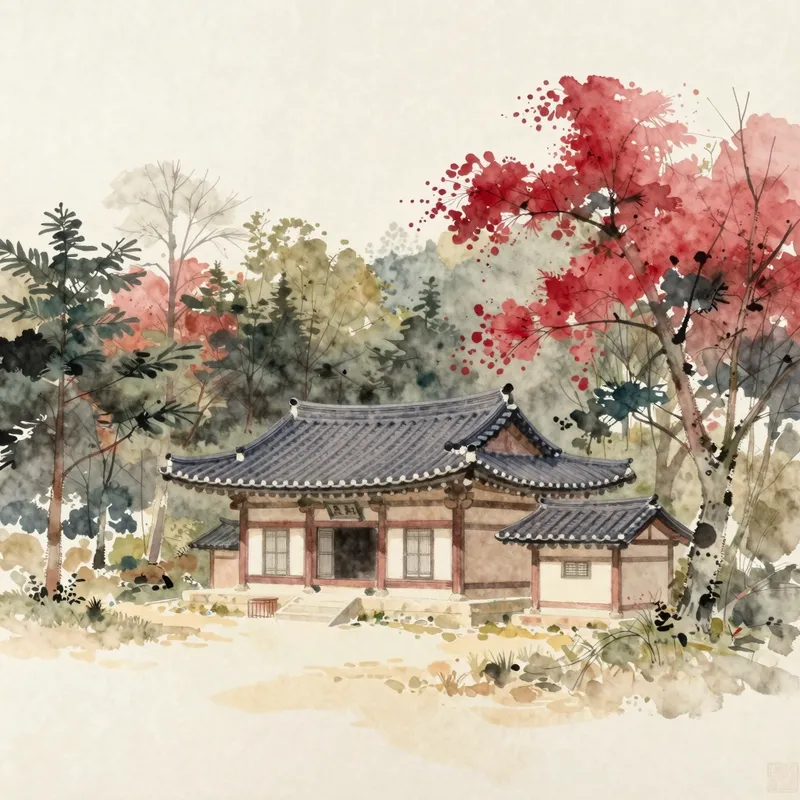 Temple
Namjijangsa, Choejeongsan
Called south because it stands opposite Bukjijangsa on Palgongsan.
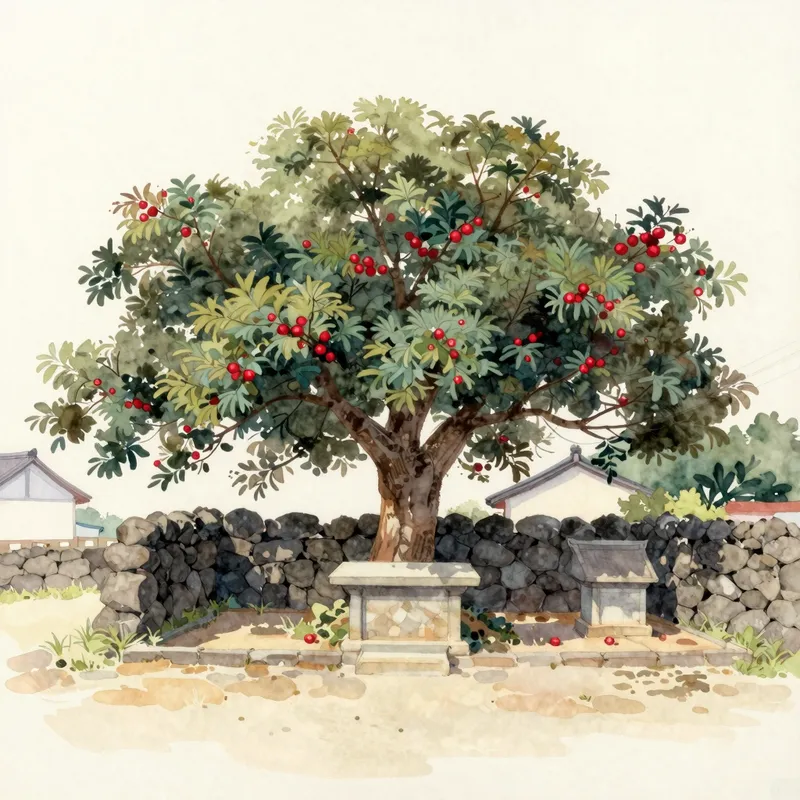 Shrine
Waheul Bonhyangdang
A shrine holding the eleventh son of the Songdang deity together with a goddess who, estranged from him, sits apart in one corner.
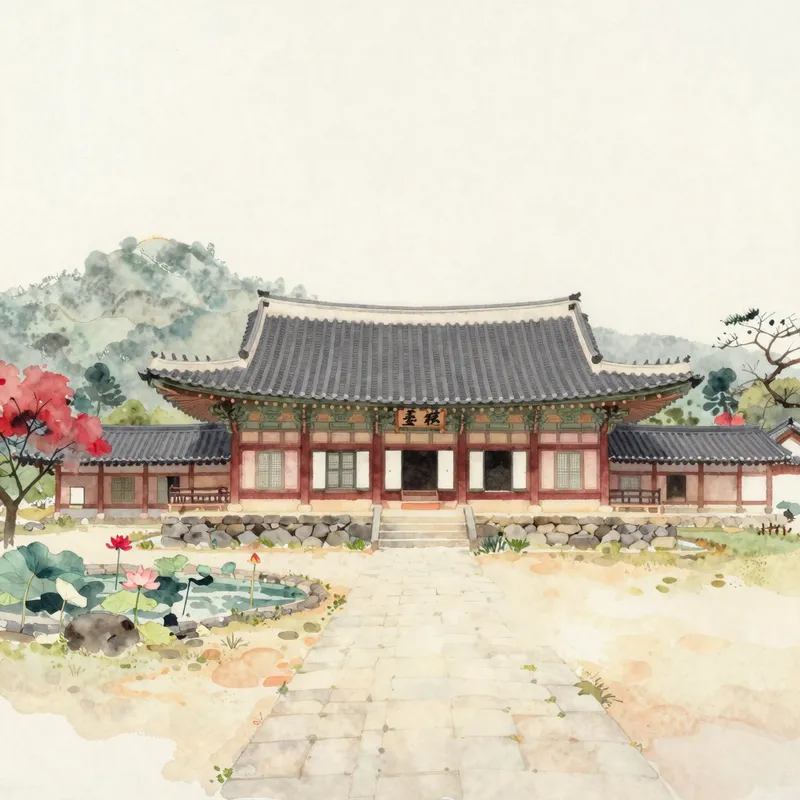 Temple
Beophwasa
The site of a large temple that flourished on Jeju from the twelfth to the fifteenth century, burned in the early eighteenth and rebuilt in 1987.
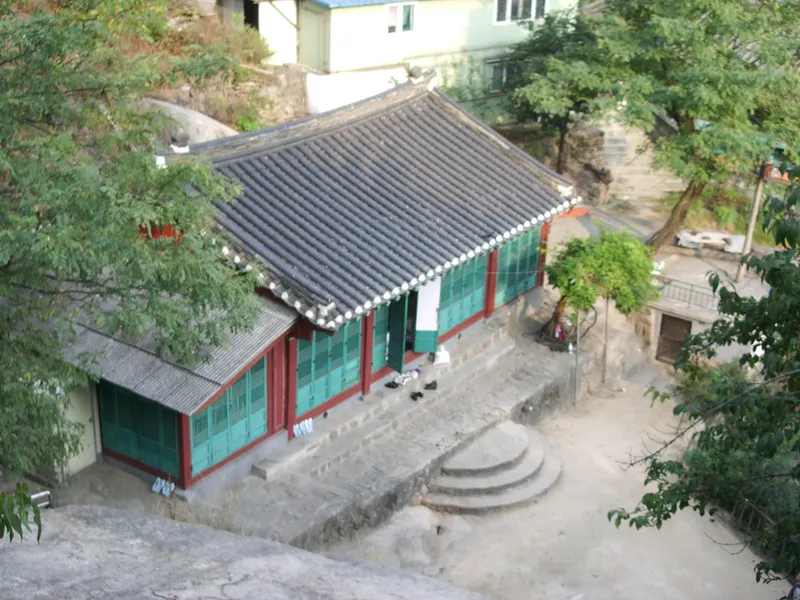 Shrine
Guksadang, Inwangsan
- Fertility & Children
- Health & Healing
- Protection & Safety
A shaman shrine moved from Namsan to the slope of Inwangsan in 1925 under Japanese pressure, where roughly a hundred gut rites are still held each year.
 Historic Site
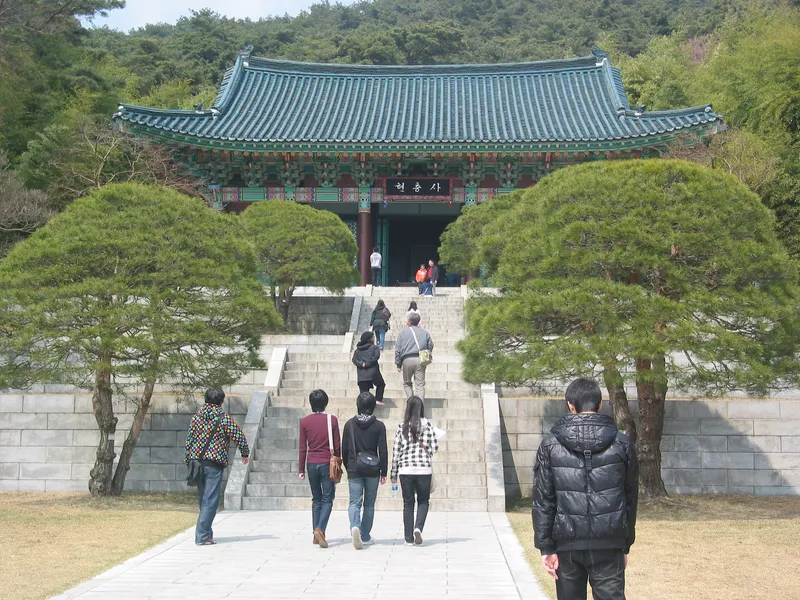
Hyeonchungsa
A shrine raised in 1706 to honour Admiral Yi Sun-sin, left to decay under colonial rule and rebuilt in 1932 by public subscription.
 Temple
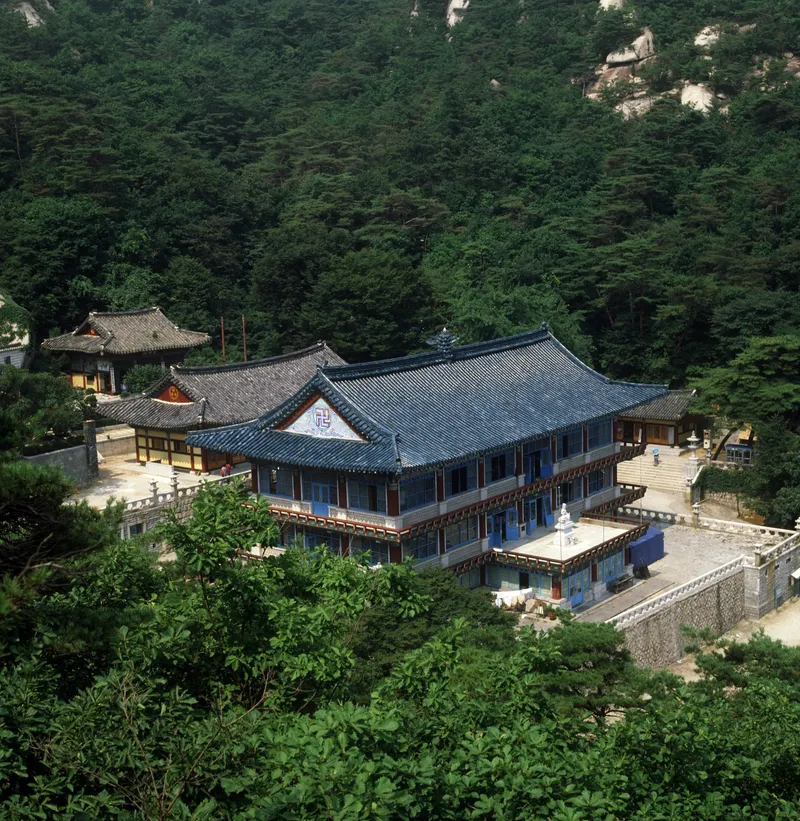
Doseonsa
- Wish Fulfillment
Founded by Doseon in 862, with a rock-carved Avalokiteshvara he is said to have split the stone by hand to cut, and a stream of people who come to pray.
 Historic Site
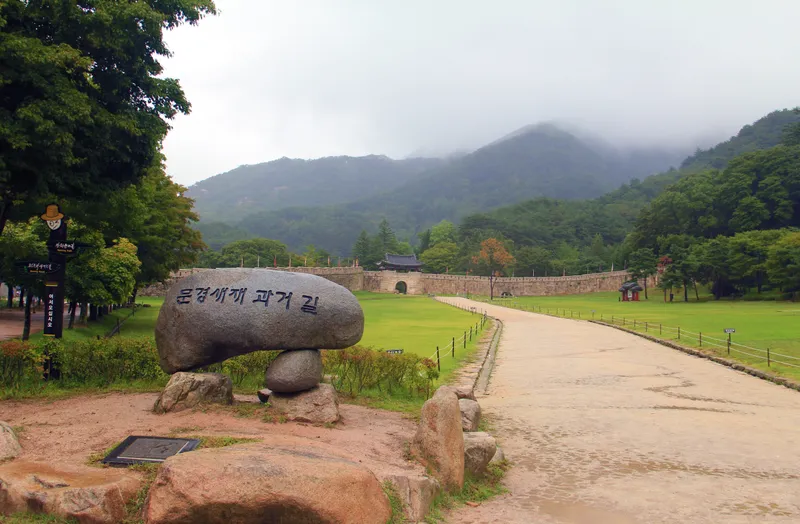
Mungyeong Saejae
- Exams & Study
The highest and hardest pass on the road from the southeast to the capital, with three gates strung along six and a half kilometres.
 Temple
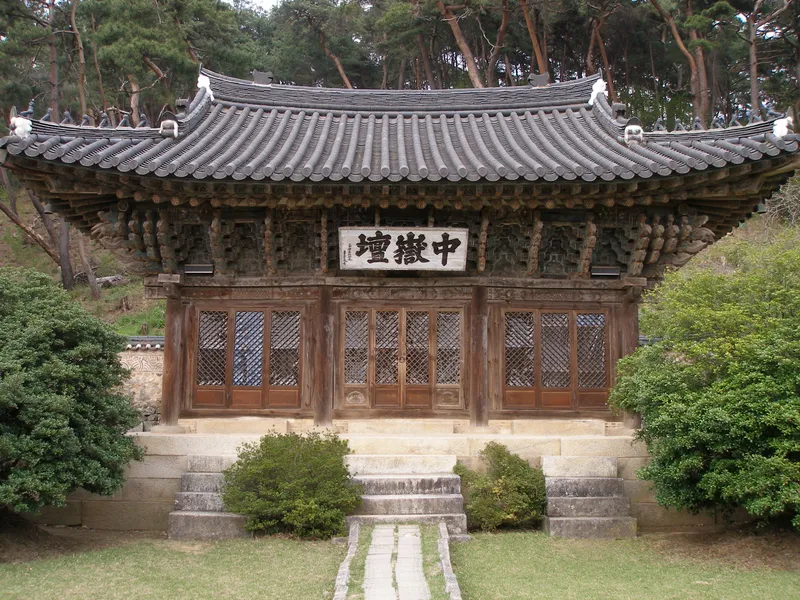
Jungakdan, Sinwonsa
- Wish Fulfillment
The only survivor of the three royal mountain-god altars of Joseon stands in the grounds of Sinwonsa on Gyeryongsan.
 Temple
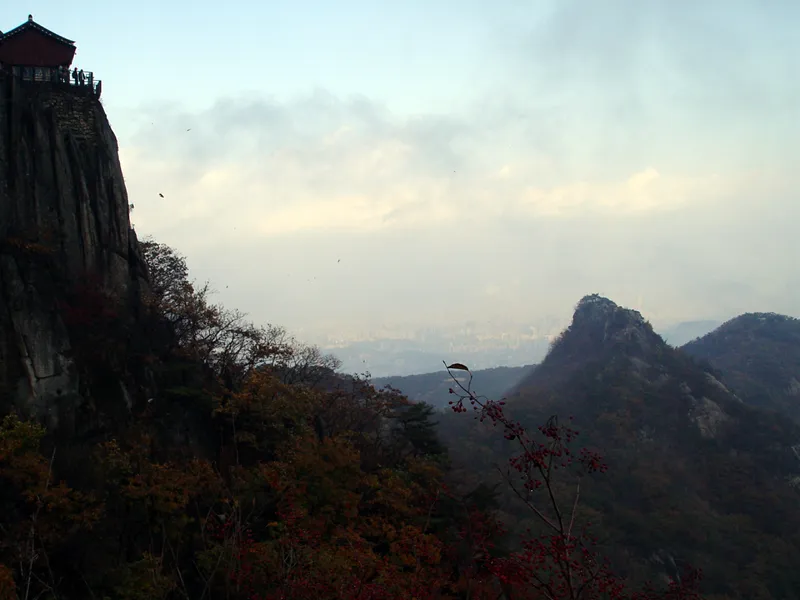
Yeonjudae
A hermitage at the cliff edge on Gwanaksan, named for men who climbed here to look toward the fallen capital and weep.
 Shrine
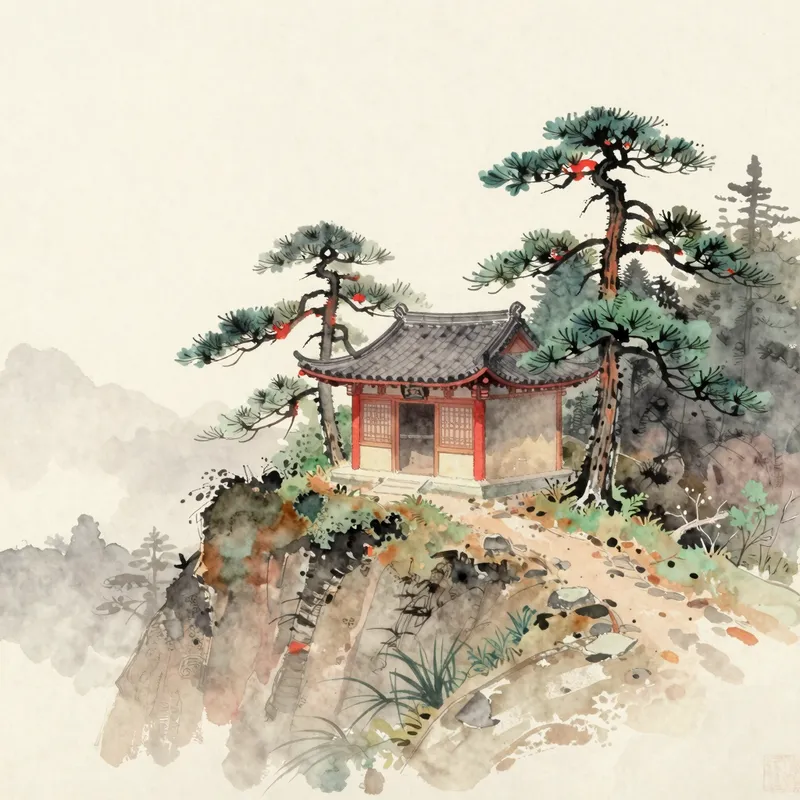
Daegwallyeong Seonghwangsa and Sansingak
- Health & Healing
- Protection & Safety
A mountain-god shrine at the top of the Daegwallyeong pass, whose deity is recorded as presiding over farming, illness, drought and the road.
 Shrine
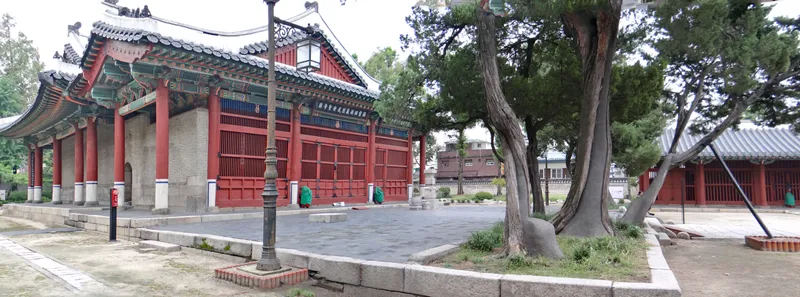
Donggwanwangmyo
- Protection & Safety
A shrine to Guan Yu raised after the Imjin War, the only one of Seoul’s four such shrines still standing.
 Temple
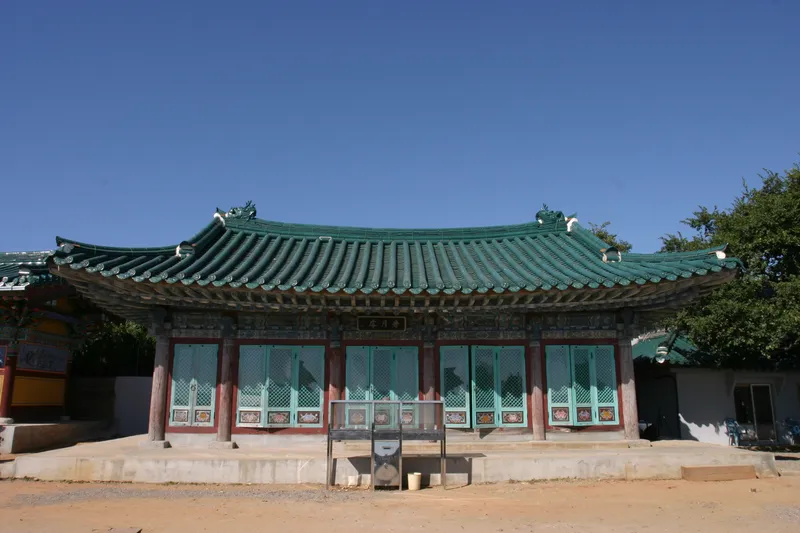
Ganwolam
The hermitage where Muhak Daesa is said to have awakened on seeing the moon, cut off by the tide and reachable again when it falls.
 Natural Site
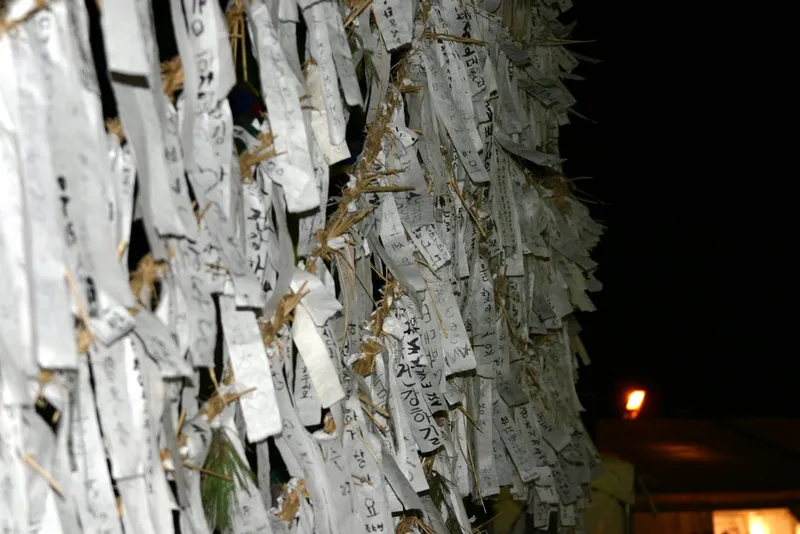
Hahoe Samsindang Tree
- Family & Home
A zelkova over six hundred years old at the centre of Hahoe village, the shrine of Samsin, the deity who grants children.
 Temple
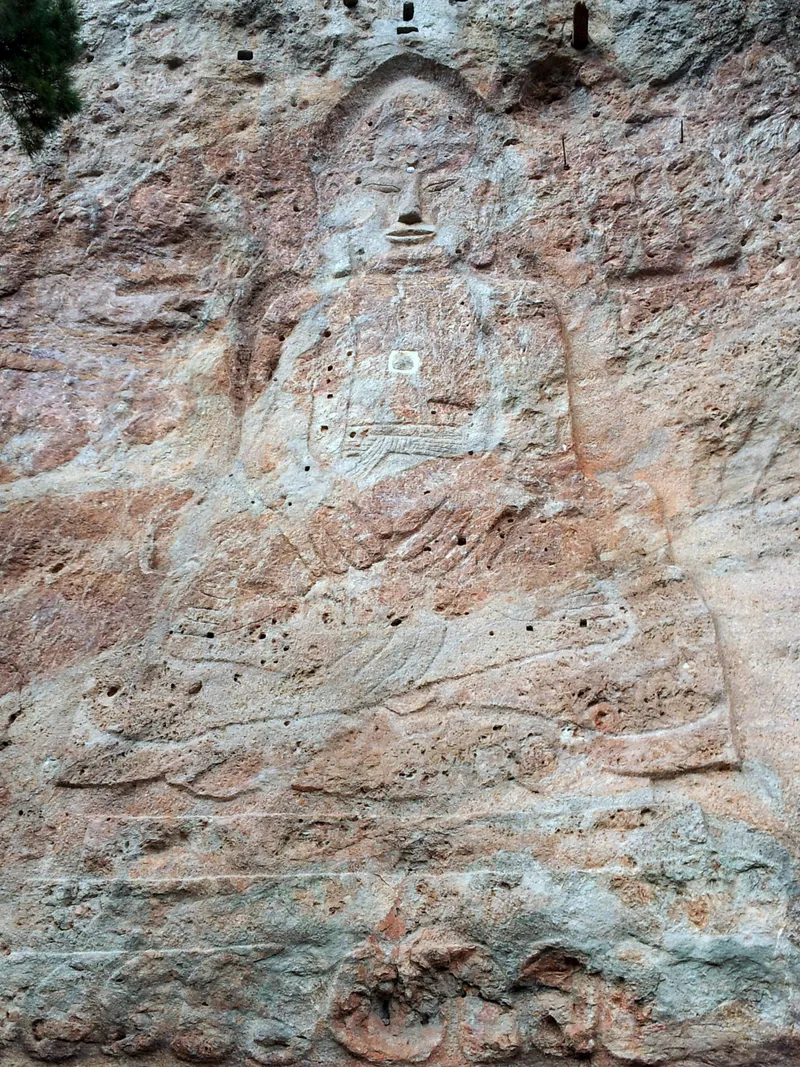
Dosolam
A hermitage of Seonunsa, with a seated Buddha thirteen metres high cut into the cliff and a gilt bronze Ksitigarbha inside.
 Temple
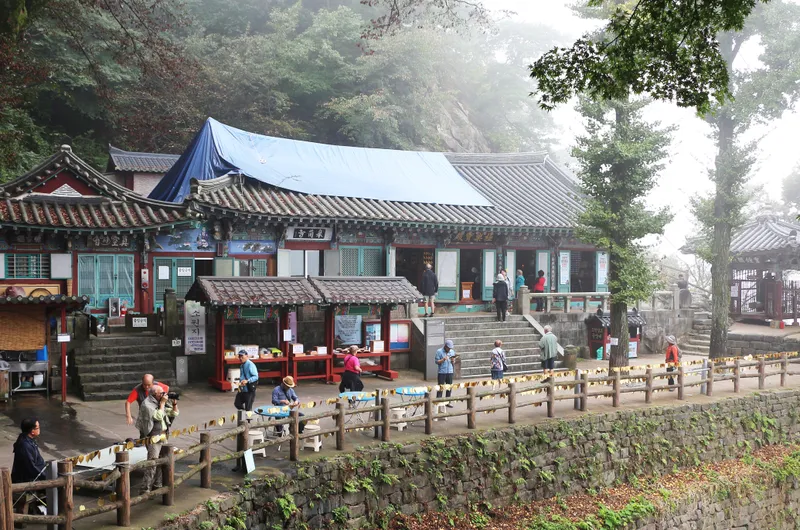
Goransa
A temple rebuilt by Baekje’s descendants after the kingdom fell, named for the rare fern growing on the cliff behind it.
 Sacred Mountain
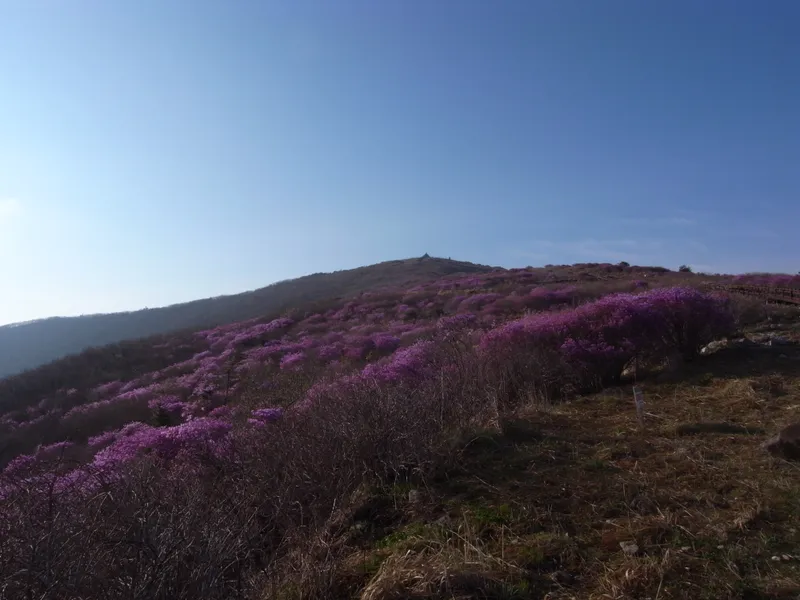
Nogodan
The peak where rites to the Holy Mother of Jirisan began, before the rite moved to Namaksa and later to a hall beside Hwaeomsa.