Silsangsa, Jirisan
Researched and translated with AI assistance. Every claim is linked to its source, but errors get through, so check the official site for opening times, fees and closures.About
In short
Founded at the moment the Silsang school, one of the Nine Mountain Seon schools, was opened.
Quick facts
- Address
- 265 Silsangsa-gil, Sannae-myeon, Namwon-si, Jeollabuk-do
About this place
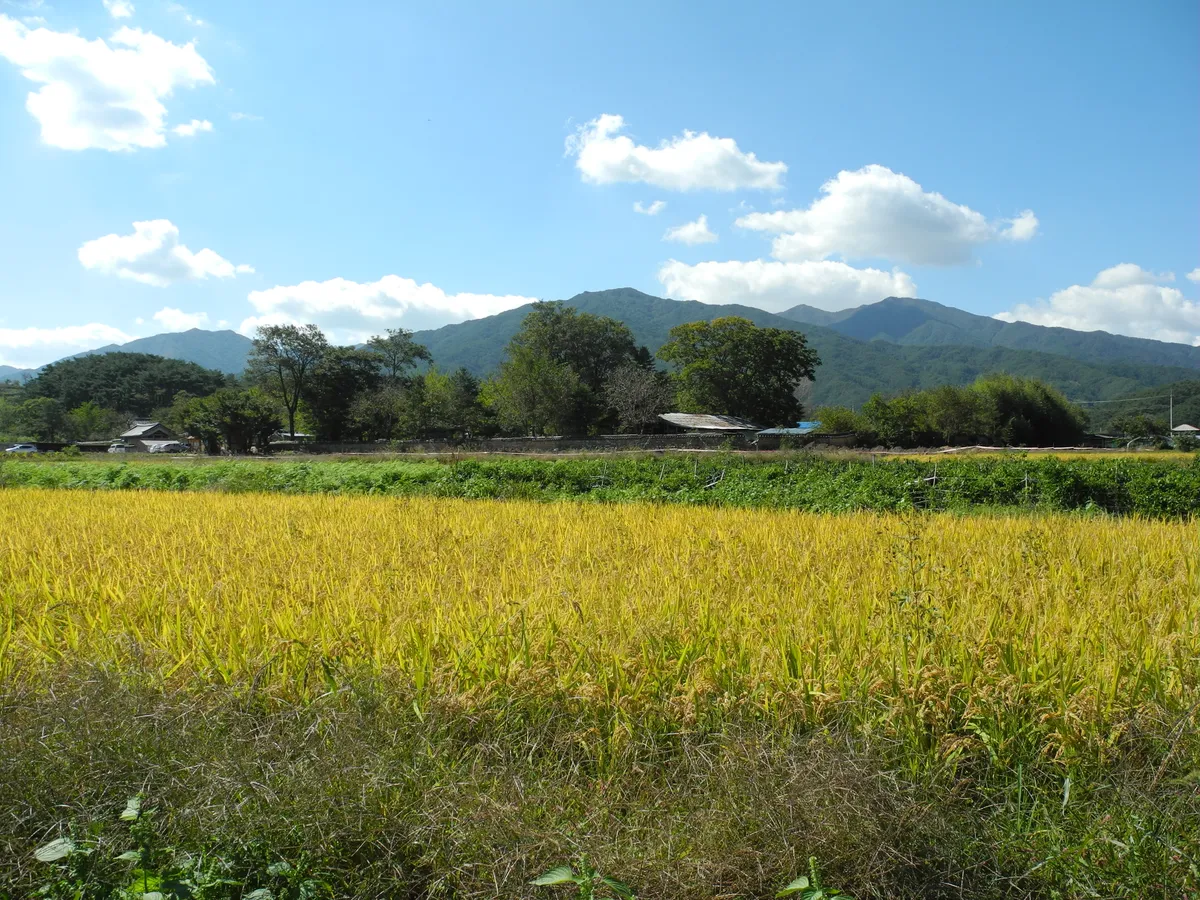
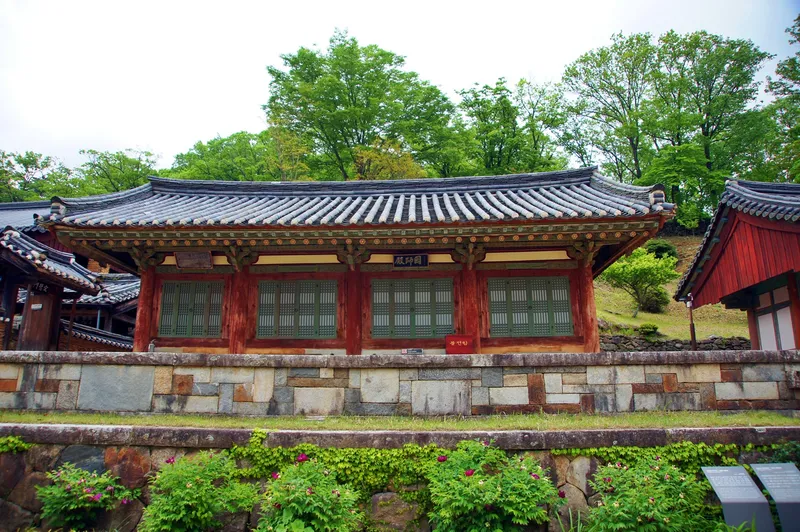
Silsangsa stands on Jirisan in Sannae-myeon, Namwon-si, Jeollabuk-do. Hongcheok founded it in 828 as he opened the Silsang school, one of the Nine Mountain Seon schools. The seated iron Buddha enshrined in the Yaksajeon is a masterpiece of the Unified Silla period, cast by Sucheol with four thousand geun of iron. The image stands in a straight line with Cheonhwangbong, the highest peak of Jirisan, and it is said to have been placed here out of a state-protecting conviction that the vital energy of this country should not be sent to Japan.
Origin and history
Hongcheok founded Silsangsa in 828 as he opened the Silsang school, one of the Nine Mountain Seon schools.
The seated iron Buddha enshrined in the Yaksajeon is a masterpiece of the Unified Silla period, cast by Sucheol with four thousand geun of iron.
The image stands in a straight line with Cheonhwangbong, the highest peak of Jirisan. It is said to have been placed here out of a state-protecting conviction that the vital energy of this country should not be sent to Japan.
What it is locally associated with
The opening of the Silsang school
Hongcheok founded the temple in 828 as he opened the Silsang school, one of the Nine Mountain Seon schools.
documented historyA Buddha of four thousand geun of iron
The seated iron Buddha in the Yaksajeon is a masterpiece of the Unified Silla period, cast by Sucheol with four thousand geun of iron.
documented historyIn line with Cheonhwangbong
The image stands in a straight line with Cheonhwangbong, the highest peak of Jirisan, and is said to have been placed here out of a state-protecting conviction that the country’s vital energy should not be sent to Japan.
folk tradition
This temple is where a school opened. The record says Hongcheok founded it in 828 as he opened the Silsang school, one of the Nine Mountain Seon schools — not a temple belonging to a school but the temple at which that school began.
Gyeongsang holds a place of the same kind. Buseoksa in Yeongju is where Uisang held an assembly for forty days and formally opened the Hwaeom school in this land. One is a Seon school and one a doctrinal one, but both temples are written down as places where something started.
Three of the Nine Mountain Seon schools run through this site. Taeansa in Gokseong became the centre of the Dongni school when Gwangja Yunda rebuilt it, and Ssangbongsa in Hwasun is where Cheolgam laid the foundations of the Saja school. Three of the nine.
The Buddha here comes with a weight. The seated iron image in the Yaksajeon was cast by Sucheol with four thousand geun of iron.
Of the direction it faces, this is what is handed down: the image stands in a straight line with Cheonhwangbong, the highest peak of Jirisan, and is said to have been placed here out of a state-protecting conviction that the vital energy of this country should not be sent to Japan. The record sets that down as something handed down, and it is carried here as it was written.
Claims and evidence levels 2
- Hongcheok founded Silsangsa in 828 as he opened the Silsang school, one of the Nine Mountain Seon schools. documented history
- The iron Buddha is said to have been placed in line with Cheonhwangbong out of a state-protecting conviction about the country’s vital energy. folk tradition
Related guides
- How to visit a Korean templeHands together and hands folded, how the bows work, and what to do at the threshold of a hall. Starting with what is different from visiting a Japanese shrine.
- The small hall behind the main one — sansingak and samseonggakUphill from the main hall of a Korean temple stands a smaller one, and inside it an old man with a tiger. This is where the indigenous religion sits, inside the Buddhist institution.
- Templestay — a night at a templeA programme that puts you inside a temple’s own timetable for a day or two. What you do, which type to book, and what to be ready for.
- Prayer sites and the one wishThe three great Gwaneum sites, the five relic halls, and the crowds before the entrance exam. Where the saying about one wish comes from, and where the record stops.
Sources
- 지리산 실상사(智異山 實相寺) — 한국민족문화대백과사전 (accessed 2026-08-16)
Last updated:
Similar places
8 places
 Temple
Daewonsa, Jirisan
Counted among the country’s leading meditation halls for women in the monastic life.
 Sacred Mountain
Nogodan
The peak where rites to the Holy Mother of Jirisan began, before the rite moved to Namaksa and later to a hall beside Hwaeomsa.
 Temple
Ssanggyesa, Jirisan
The ground a tiger led them to, after a search for a place with snow and flowers at once.
 Temple
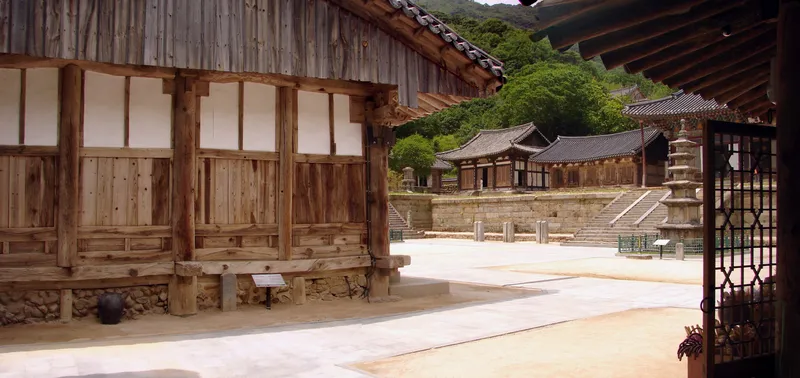
Hwaeomsa
A temple whose great hall took the name Gakhwangjeon after King Sukjong sent down a board he had written himself.
 Temple
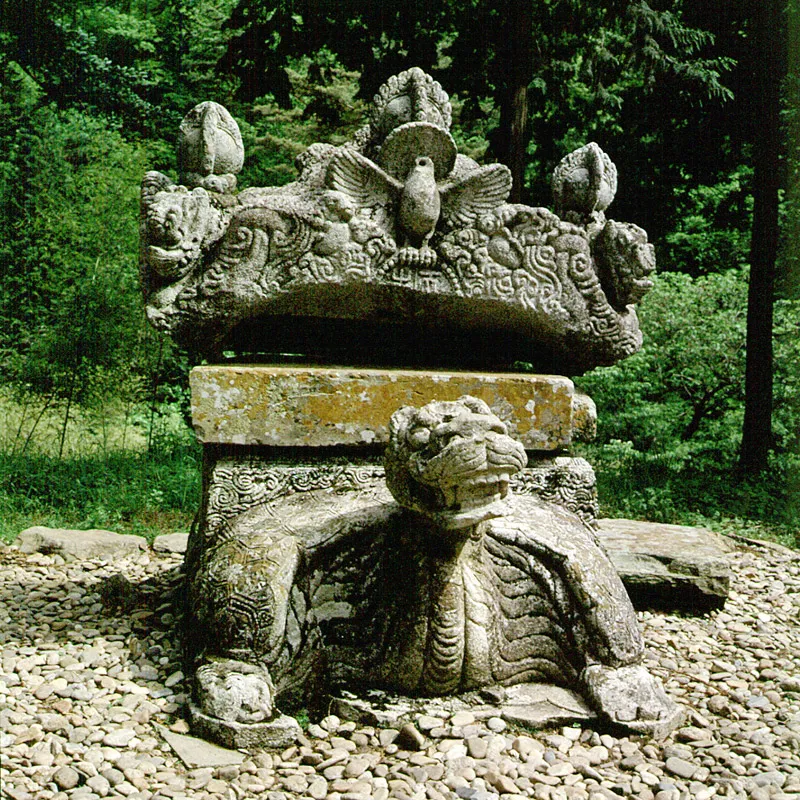
Taeansa, Dongnisan
The central temple of the Dongni school, one of the Nine Mountain Seon schools.
 Temple
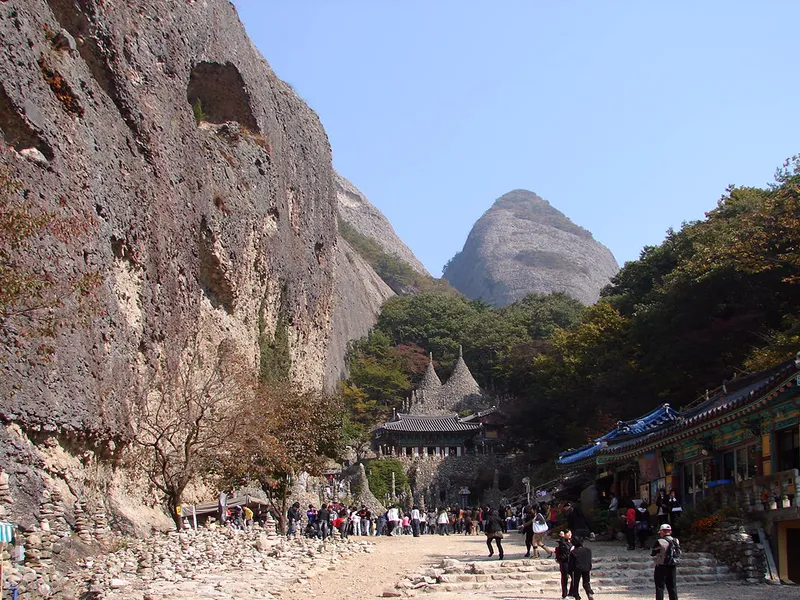
Tapsa, Maisan
- Protection & Safety
A temple among stone towers raised by one man over a lifetime, of which about eighty of the original hundred and eight still stand.
 Temple
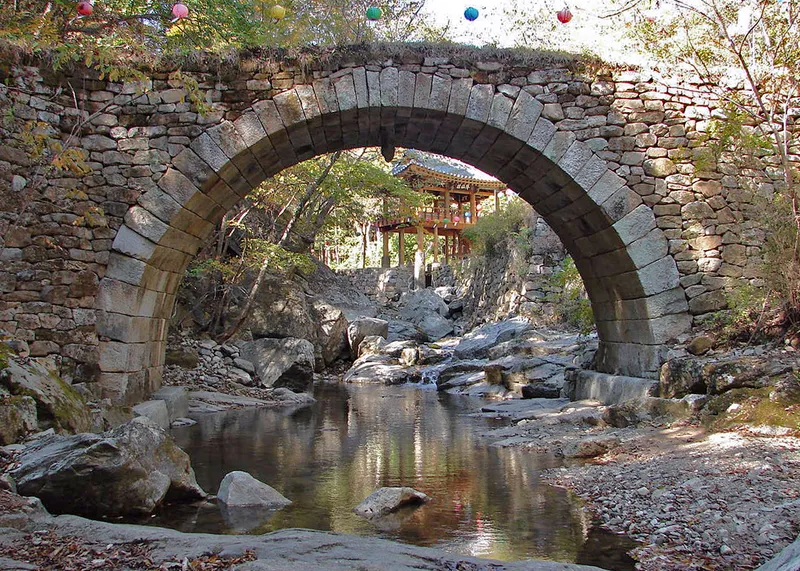
Seonamsa, Jogyesan
A temple whose record sets two founding accounts side by side and says which it trusts more.
 Temple
Songgwangsa
The temple called the Sangha Jewel because so many great masters came from it, completing the trio with Tongdosa and Haeinsa.
No places match your filters