Sujongsa, Ungilsan
Researched and translated with AI assistance. Every claim is linked to its source, but errors get through, so check the official site for opening times, fees and closures.About
In short
Named because what a king took for a bell in the night turned out to be dripping water in a cave.
Quick facts
- Address
- 186 Bukhangang-ro 433beon-gil, Joan-myeon, Namyangju-si, Gyeonggi-do
About this place
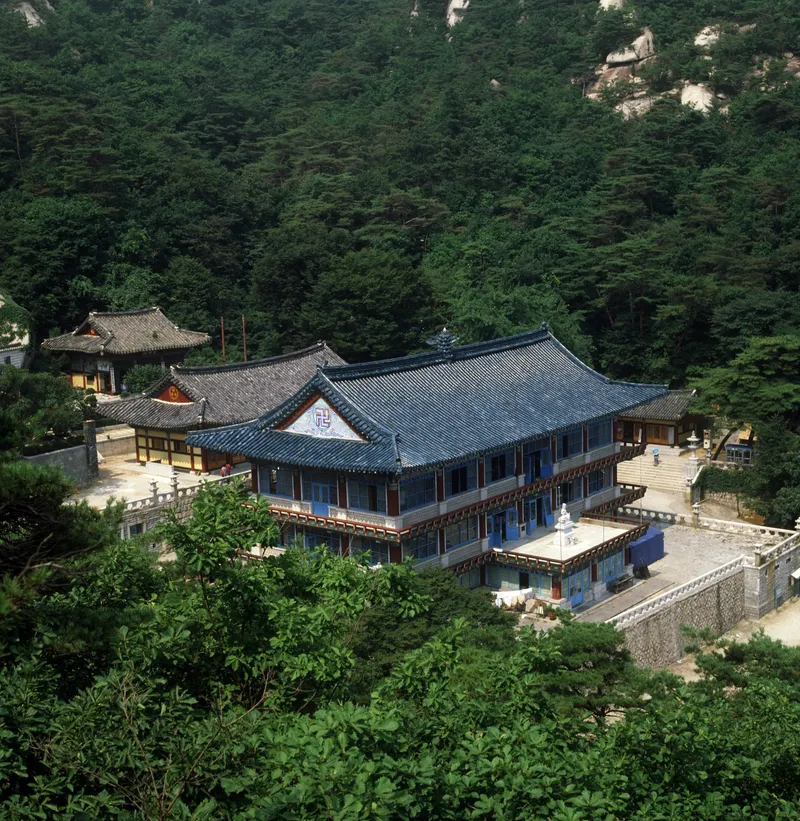
Sujongsa stands on Ungilsan in Joan-myeon, Namyangju, Gyeonggi-do. It is handed down that in 1458, King Sejo, on his way back from seeing Geumgangsan, spent a night at Isudu and woke in the middle of the night to a bell he could not account for; when he had the area searched, a rock cave was found nearby holding eighteen arhats, and inside it the sound of dripping water rang out like a bell. A temple was built on the spot and named Sujongsa, the water-bell temple. In 1459 it was rebuilt by Sejo’s command. In 1469 Queen Insu, mother of King Seongjong, had a bell cast and enshrined here together with the abbess of Jeongeopwon. The Sujongsa precinct on Ungilsan is designated a Scenic Site as a noted vantage point over Dumulmeori, where the North and South Han rivers meet, and many poets and painters came here, among them Seo Geo-jeong, Jeong Seon, Jeong Yak-yong and the master Choui.
Origin and history
It is handed down that in 1458, King Sejo, on his way back from seeing Geumgangsan, spent a night at Isudu and woke in the middle of the night to a bell he could not account for. When he had the area searched, a rock cave was found nearby holding eighteen arhats, and inside it the sound of dripping water rang out like a bell. A temple was built on the spot and named Sujongsa.
In 1459 it was rebuilt by Sejo’s command. In 1469 Queen Insu, mother of King Seongjong, had a bell cast and enshrined here together with the abbess of Jeongeopwon.
The Sujongsa precinct on Ungilsan is designated a Scenic Site as a noted vantage point over Dumulmeori, where the North and South Han rivers meet. Many poets and painters came here, among them Seo Geo-jeong, Jeong Seon, Jeong Yak-yong and the master Choui.
What it is locally associated with
A bell made of dripping water
Inside the cave the sound of dripping water rang out like a bell, and a temple was built on the spot and named Sujongsa.
folk traditionEighteen arhats in the cave
When Sejo had the area searched after the sound, a rock cave was found holding eighteen arhats.
folk traditionA Scenic Site over Dumulmeori
The precinct is designated a Scenic Site as a vantage point over the meeting of the North and South Han rivers.
documented history
This temple’s name came from a sound misheard. What Sejo heard in the night was a bell; what he found was water dripping inside a rock cave. The characters for water and for bell in the temple’s name hold both halves of that. A mistake became the name.
Inside the cave, the record says, were eighteen arhats. Following a sound led to a set of images, and a temple went up on that ground.
The royal house appears often in Gyeonggi’s temples. But where Bongseonsa in Namyangju and Silleuksa in Yeoju were rebuilt to guard tombs, this one was ordered by a king who was passing through. It was rebuilt by Sejo’s command in 1459, and in 1469 Queen Insu, King Seongjong’s mother, had a bell cast for it.
What the state has designated here is the view. The precinct is listed as a Scenic Site for its outlook over Dumulmeori, where the two Han rivers meet.
Claims and evidence levels 2
- The temple is said to have been built where King Sejo traced a bell heard at night to water dripping in a cave of eighteen arhats. folk tradition
- It was rebuilt by Sejo’s command in 1459, and Queen Insu had a bell cast for it in 1469. documented history
Related guides
- How to visit a Korean templeHands together and hands folded, how the bows work, and what to do at the threshold of a hall. Starting with what is different from visiting a Japanese shrine.
- The small hall behind the main one — sansingak and samseonggakUphill from the main hall of a Korean temple stands a smaller one, and inside it an old man with a tiger. This is where the indigenous religion sits, inside the Buddhist institution.
- Templestay — a night at a templeA programme that puts you inside a temple’s own timetable for a day or two. What you do, which type to book, and what to be ready for.
- Prayer sites and the one wishThe three great Gwaneum sites, the five relic halls, and the crowds before the entrance exam. Where the saying about one wish comes from, and where the record stops.
Sources
- 운길산 수종사(雲吉山 水鍾寺) — 한국민족문화대백과사전 (accessed 2026-08-16)
Last updated:
Similar places
8 places
 Temple
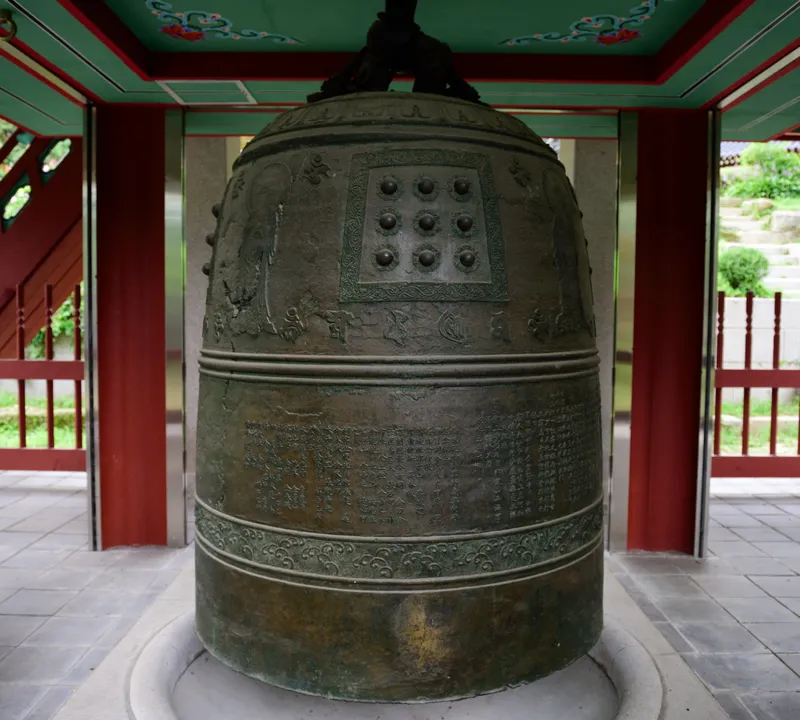
Bongseonsa, Unaksan
Rebuilt at eighty-nine kan by a queen, to guard the tomb of the king she had lost.
 Temple
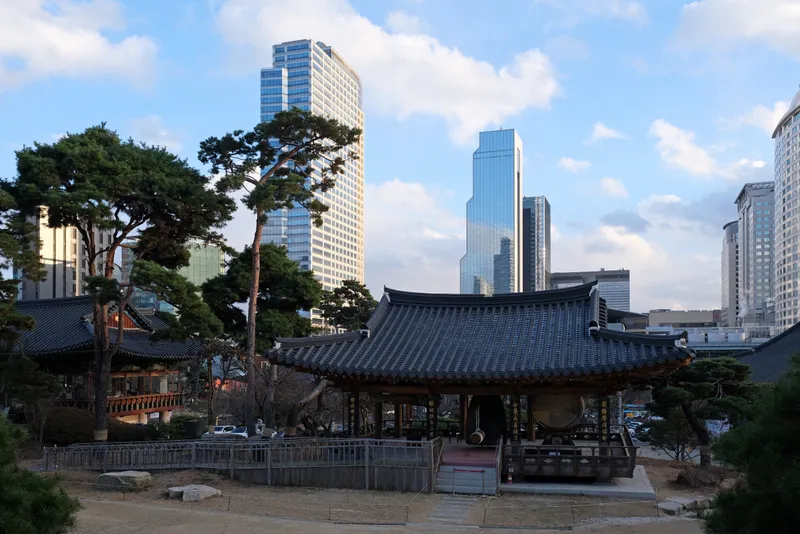
Bongeunsa
- Family & Home
Founded by a widow to pray for her dead husband’s repose, and later made head temple of the Seon school.
 Temple
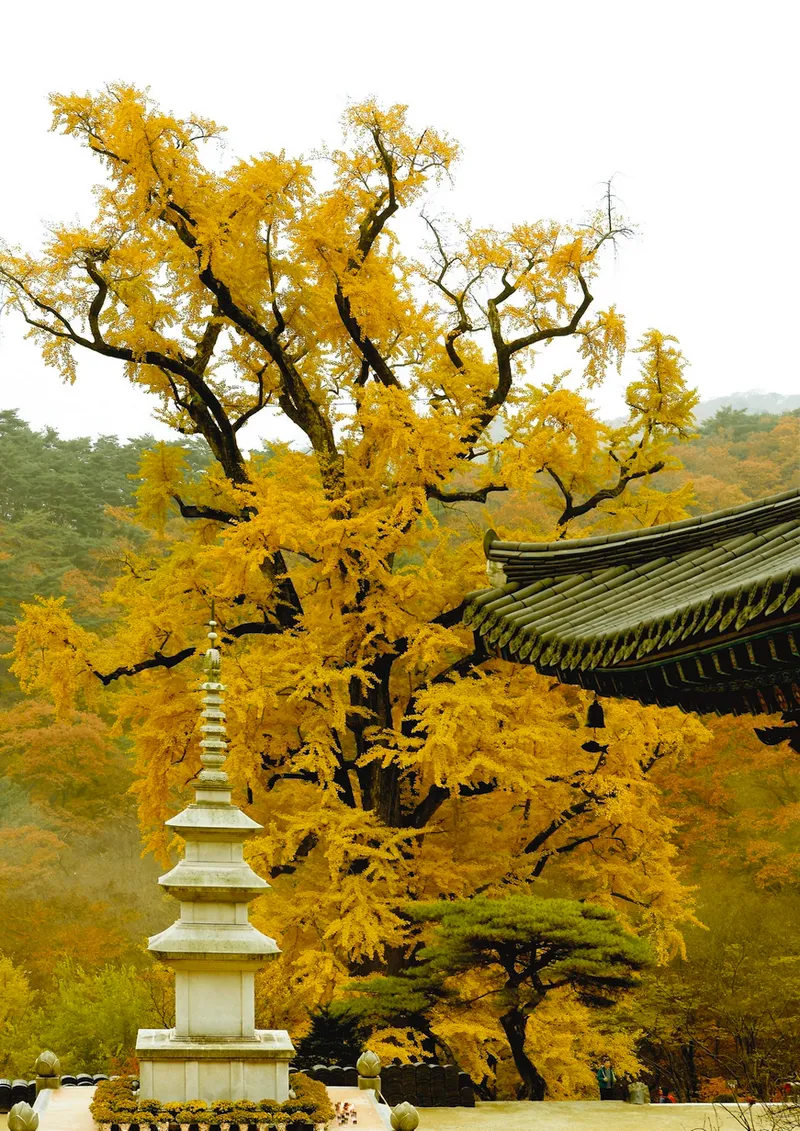
Yongmunsa, Yongmunsan
The temple whose courtyard ginkgo was granted an office by King Sejong of Joseon.
 Shrine
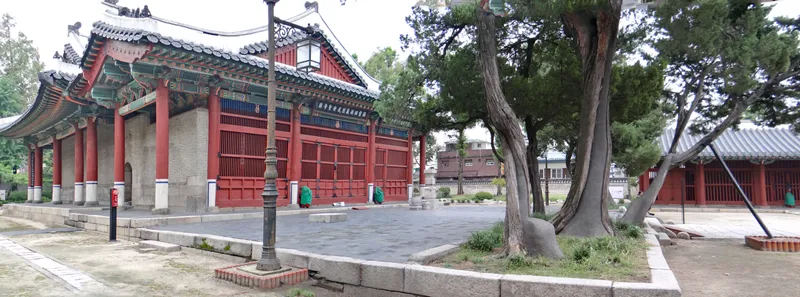
Donggwanwangmyo
- Protection & Safety
A shrine to Guan Yu raised after the Imjin War, the only one of Seoul’s four such shrines still standing.
 Temple
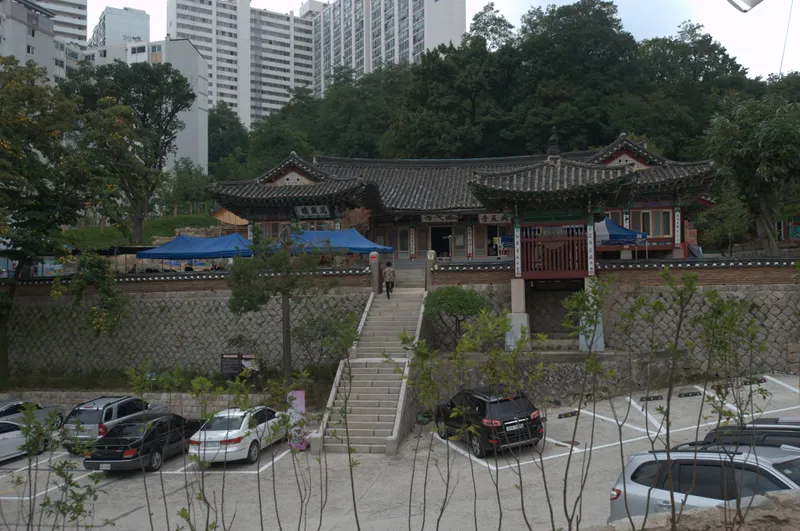
Heungcheonsa, Samgaksan
A temple of more than a hundred and seventy kan, raised beside a queen’s tomb by the king who had lost her.
 Temple
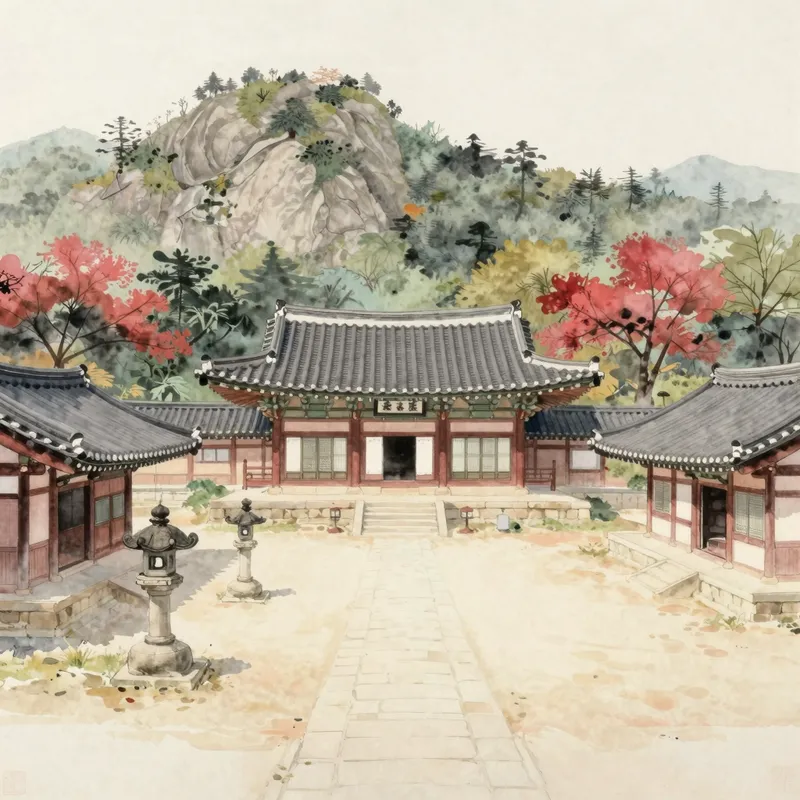
Hwagyesa, Samgaksan
A temple paid for by two men holding the same title, two hundred and fifty years apart.
 Temple
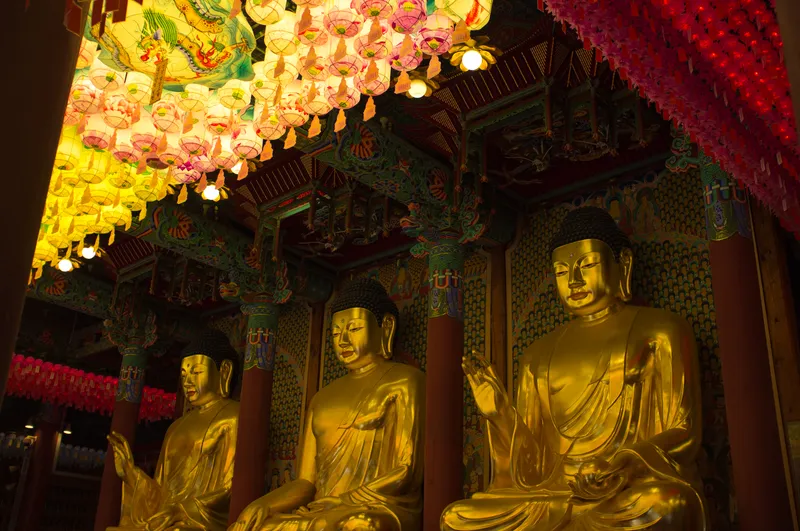
Jogyesa
- Exams & Study
The head temple of the Jogye Order, in the middle of downtown Seoul, where a prayer for children ends the day before the national entrance exam each year.
 Temple
Doseonsa
- Wish Fulfillment
Founded by Doseon in 862, with a rock-carved Avalokiteshvara he is said to have split the stone by hand to cut, and a stream of people who come to pray.
No places match your filters