Seokguram
Seokbulsa
Researched and translated with AI assistance. Every claim is linked to its source, but errors get through, so check the official site for opening times, fees and closures.About
In short
A stone grotto begun in 751 by Kim Dae-seong for his parents in a former life, paired with Bulguksa, which he built for his parents in this one.
Quick facts
- Address
- 238 Seokgul-ro, Jinhyeon-dong, Gyeongju-si, Gyeongsangbuk-do
About this place
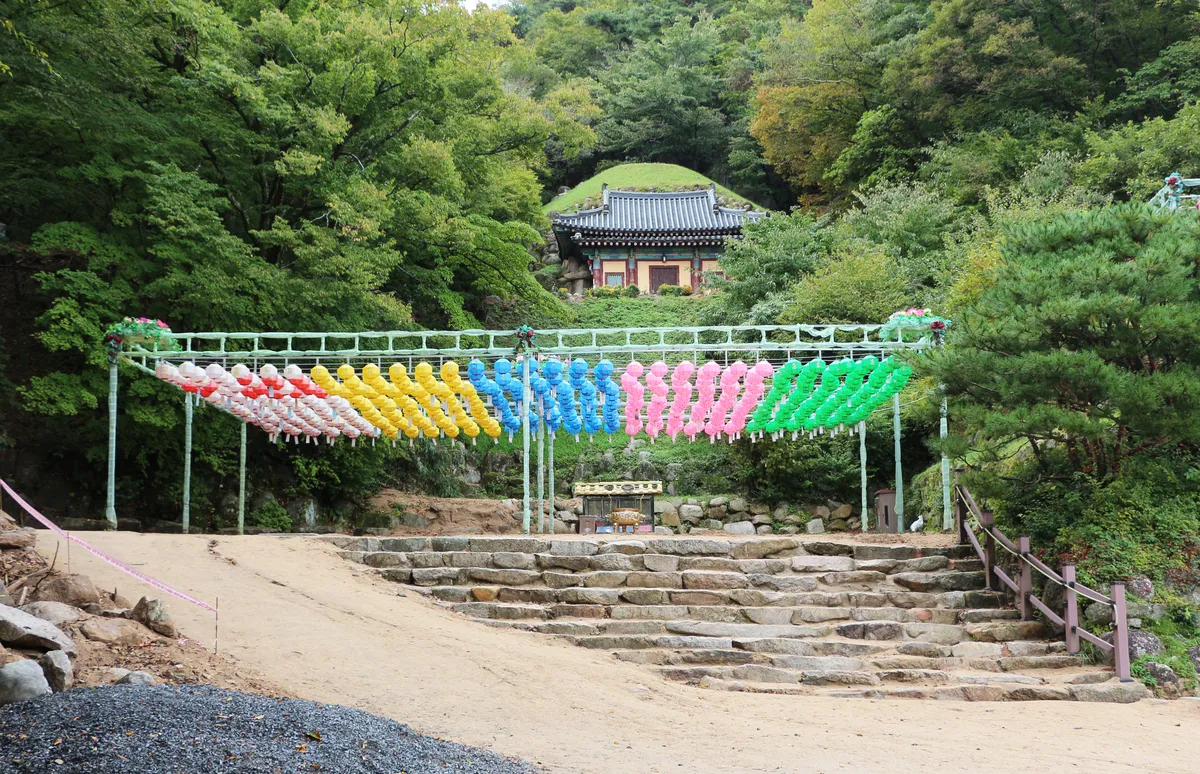
Seokguram is a Unified Silla stone-grotto temple on Tohamsan in Gyeongju, North Gyeongsang. The Samguk Yusa records that the minister Kim Dae-seong founded Bulguksa for his parents in this life and Seokbulsa for his parents in a former life, beginning in 751. It is built of dressed granite, with a round main chamber under a domed ceiling holding the principal buddha, and is inscribed as UNESCO World Heritage.
Origin and history
The Encyclopedia of Korean Culture describes Seokguram as a Unified Silla stone-grotto temple on Tohamsan in Jinhyeon-dong, Gyeongju. Its original name was Seokbulsa.
The Samguk Yusa records that in the tenth year of King Gyeongdeok of Silla (751) the minister Kim Dae-seong founded Bulguksa for his parents in this life and Seokbulsa for his parents in a former life.
It is not a natural cave but an artificial grotto built up from dressed granite, a square antechamber joined by a passage to a round main chamber. The principal buddha sits at the centre of that chamber, with bodhisattvas and disciples carved on the walls. It is a National Treasure and, with Bulguksa, inscribed as UNESCO World Heritage.
What it is locally associated with
Two temples for the parents of two lives
The Samguk Yusa records that Kim Dae-seong founded Bulguksa for his parents in this life and Seokbulsa for his parents in a former life.
documented historyA grotto that was built, not found
Not a natural cave but dressed granite assembled into a square antechamber and a round main chamber joined by a passage.
documented historyBegun in 751
Founded in the tenth year of King Gyeongdeok. A National Treasure and UNESCO World Heritage.
documented history
What this grotto was built for is not transmitted lore but written record. The Samguk Yusa says Kim Dae-seong raised Bulguksa for his parents in this life and Seokbulsa for his parents in a former one. A vow made for parents was split across two temples.
Which means reading Seokguram alone is reading half of it. Bulguksa below the mountain and Seokguram above it are one pair, offered by one man to the parents of two lives.
Claims and evidence levels 4
- The Samguk Yusa records that in 751 the minister Kim Dae-seong founded Bulguksa for his parents in this life and Seokbulsa — now Seokguram — for his parents in a former life. documented history
- Seokguram is an artificial grotto of dressed granite, a square antechamber joined by a passage to a round main chamber under a domed ceiling. documented history
- The principal buddha stands at the centre of the main chamber, with bodhisattvas and disciples carved on the surrounding walls. documented history
- It is designated a National Treasure and, together with Bulguksa, inscribed as UNESCO World Heritage. documented history
Related guides
- How to visit a Korean templeHands together and hands folded, how the bows work, and what to do at the threshold of a hall. Starting with what is different from visiting a Japanese shrine.
- The small hall behind the main one — sansingak and samseonggakUphill from the main hall of a Korean temple stands a smaller one, and inside it an old man with a tiger. This is where the indigenous religion sits, inside the Buddhist institution.
- Templestay — a night at a templeA programme that puts you inside a temple’s own timetable for a day or two. What you do, which type to book, and what to be ready for.
- Prayer sites and the one wishThe three great Gwaneum sites, the five relic halls, and the crowds before the entrance exam. Where the saying about one wish comes from, and where the record stops.
Sources
- 석굴암(石窟庵) — 한국민족문화대백과사전 — Academy of Korean Studies (accessed 2026-08-12)
Last updated:
Similar places
8 places
 Temple
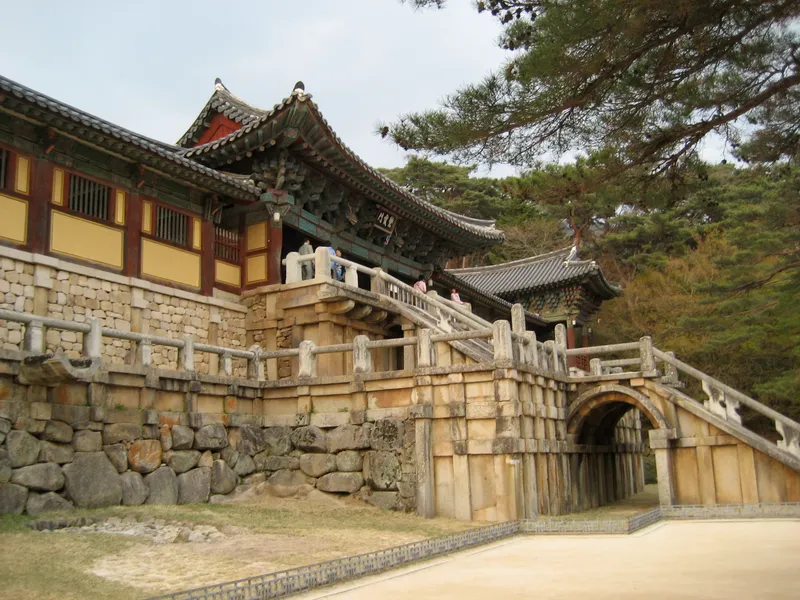
Bulguksa, Tohamsan
One man built this for the parents of this life, and Seokguram for the parents of a former one.
 Temple
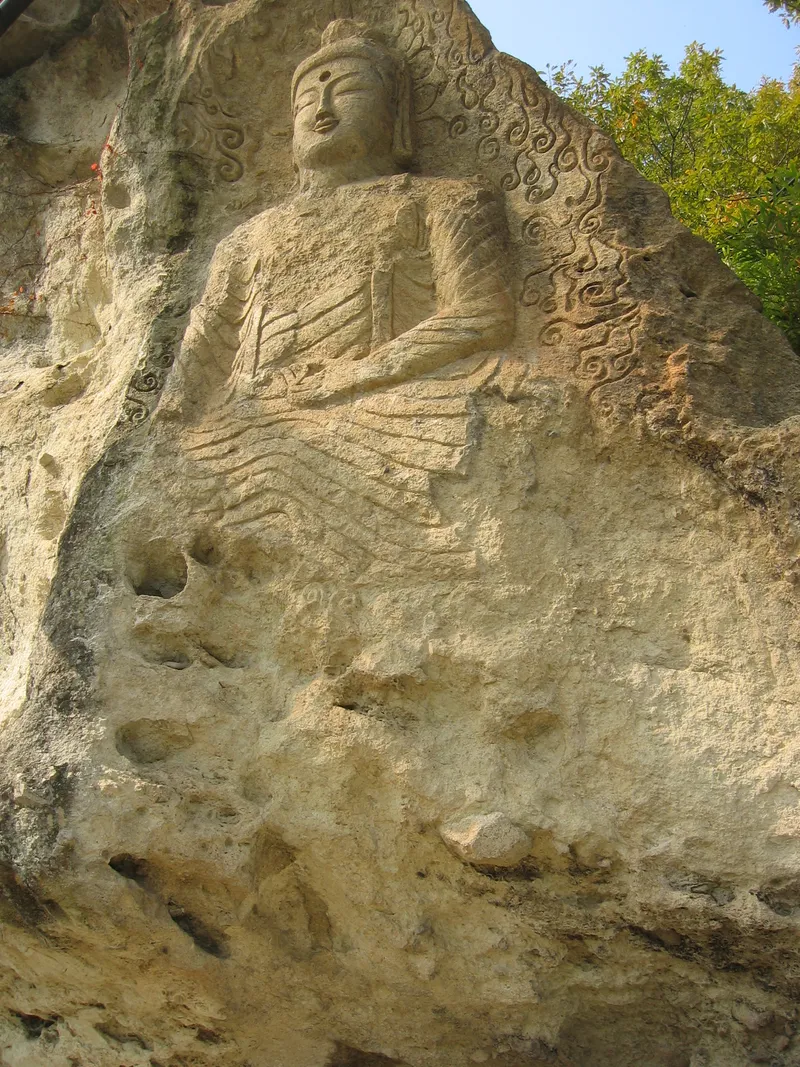
Golgulsa
A temple of twelve stone caves worked out of natural hollows.
 Temple
Girimsa, Hamwolsan
Founded by a monk from India, and renamed later by Wonhyo.
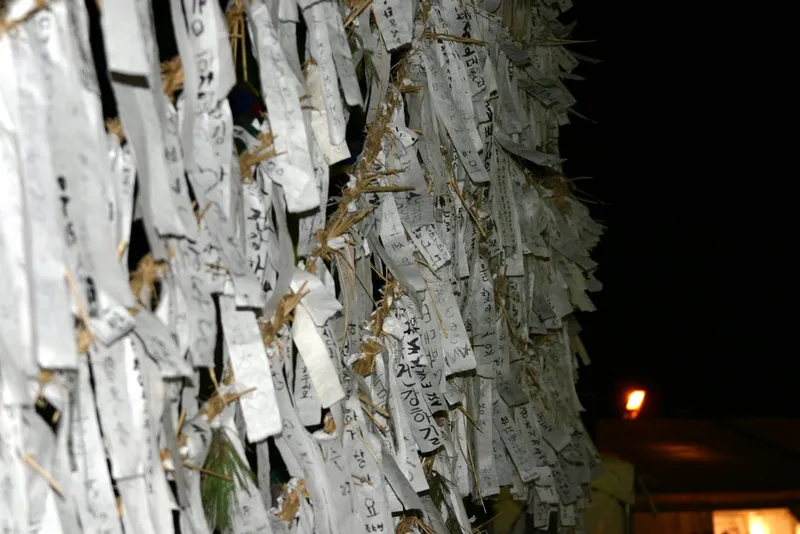 Natural Site
Hahoe Samsindang Tree
- Family & Home
A zelkova over six hundred years old at the centre of Hahoe village, the shrine of Samsin, the deity who grants children.
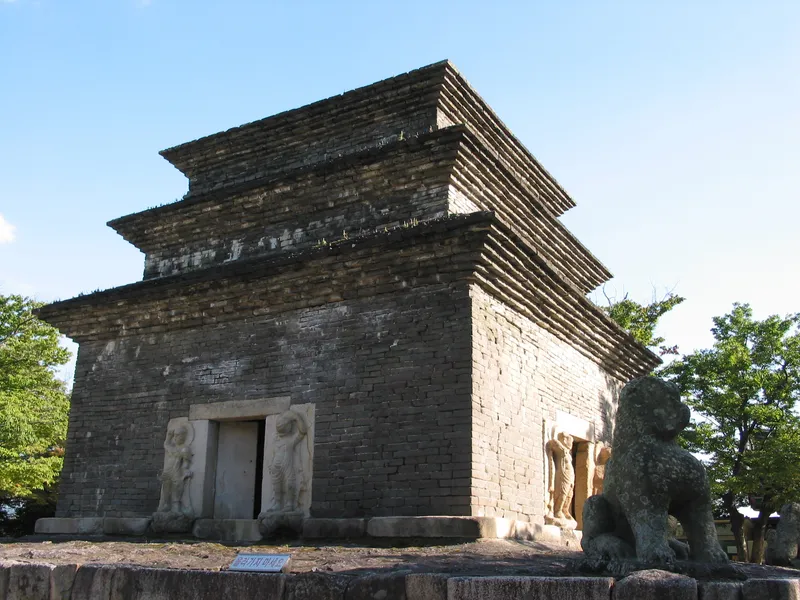 Temple
Bunhwangsa
- Health & Healing
The temple that held the image a blind child’s mother prayed to, after which he saw.
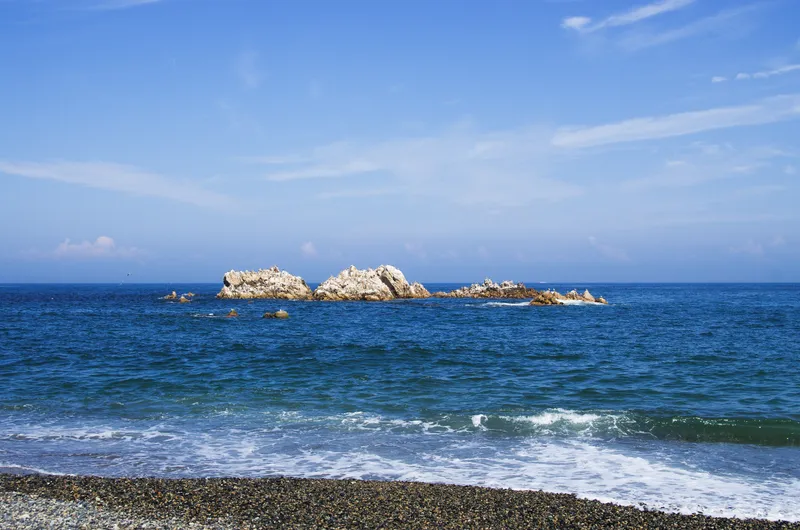 Historic Site
Tomb of King Munmu
- Protection & Safety
The tomb of King Munmu of Silla, set on a rock in the sea because he willed to become a dragon and guard the East Sea.
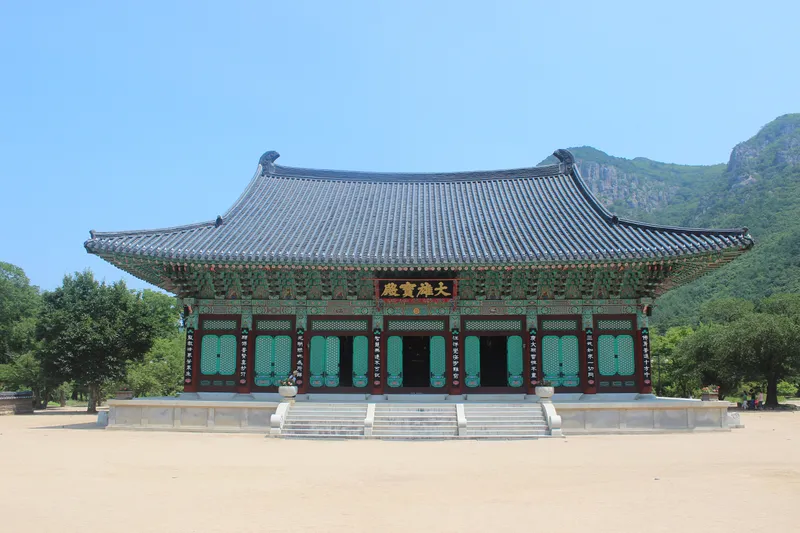 Temple
Unmunsa, Hogeosan
The temple where the line begins that ends with Wongwang writing the five worldly precepts.
 Temple
Tongdosa
- Protection & Safety
The first of the five relic sanctuaries, whose main hall enshrines no buddha because it faces the relics behind it.
No places match your filters