Yongjusa
Hwasan Yongjusa · Galyangsa
Researched and translated with AI assistance. Every claim is linked to its source, but errors get through, so check the official site for opening times, fees and closures.About
In short
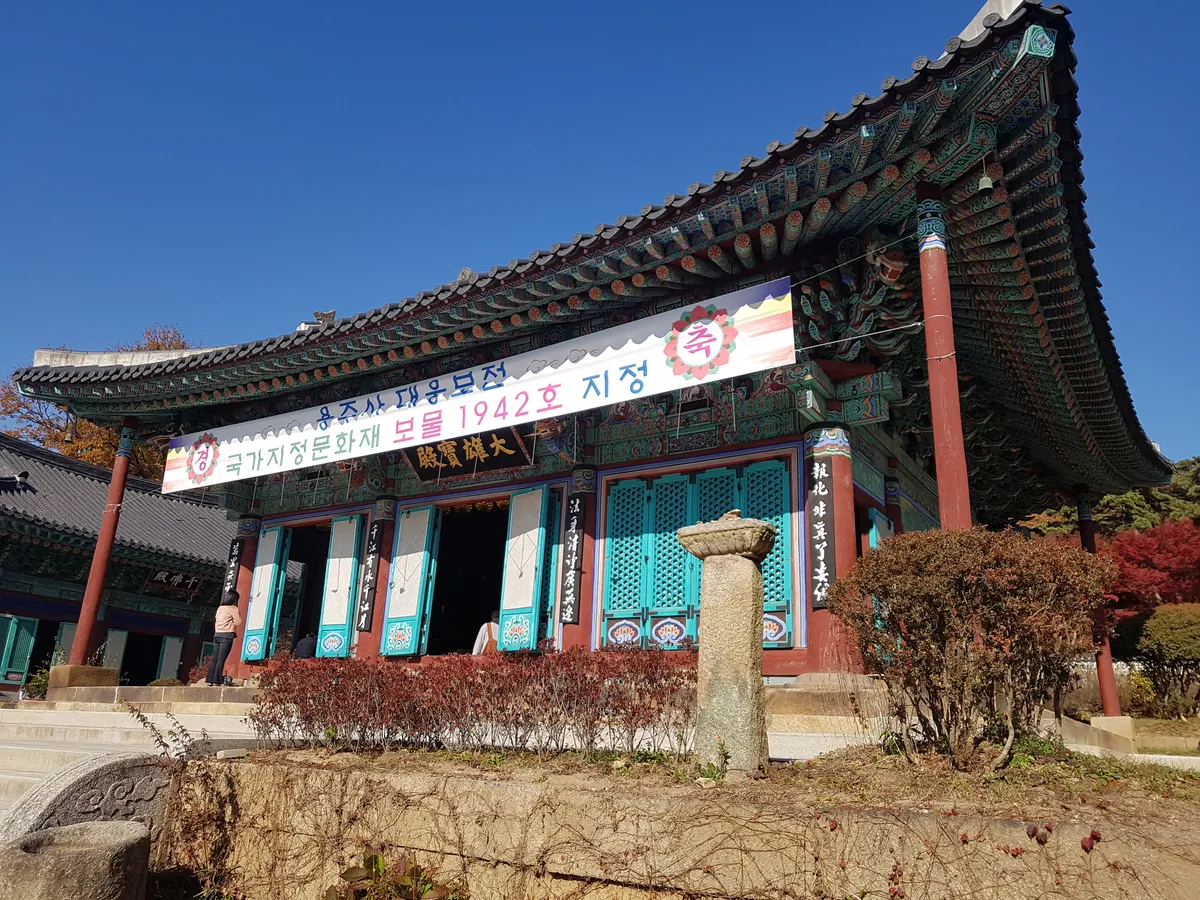
The temple King Jeongjo refounded beside his father’s grave, holding the woodblocks of the sutra on what children owe their parents.
Quick facts
- Address
- Songsan-dong, Taean-eup, Hwaseong-si, Gyeonggi-do
About this place
Yongjusa is in Hwaseong, Gyeonggi. Founded in 854 as Galyangsa, it burned in 952 and lay in ruins until 1789, when Jeongjo moved his father Sado Seja’s grave from Seoul to Hwaseong as the Hyungnyungwon and rebuilt the temple beside it. Nominally it was a hall for preparing offerings; in practice it was a new tomb-guardian temple. Its bronze bell became a National Treasure in 1964, and the woodblocks of the Sutra of Great Parental Benevolence a Treasure in 2012.
Origin and history
The Encyclopedia of Korean Culture records that the temple was founded in 854 as Galyangsa, burned in 952 and remained only as a site.
In 1789 Jeongjo moved his father’s grave from Dongdaemun-gu in Seoul to Hwaseong and laid it out as the Hyungnyungwon. He then rebuilt Galyangsa beside it — put forward as building a hall for preparing offerings, but amounting, the encyclopedia says, to founding a new tomb-guardian temple.
The Yongjusa bronze bell was designated a National Treasure in 1964, and the woodblocks of the Sutra of Great Parental Benevolence a Treasure in 2012.
What it is locally associated with
Beside a father’s grave
In 1789 Jeongjo moved his father’s grave to Hwaseong as the Hyungnyungwon and rebuilt Galyangsa beside it.
documented historyThe Parental Benevolence woodblocks
Woodblocks of the sutra on the kindness of parents, designated a Treasure in 2012.
folk traditionThe Yongjusa bell
Designated a National Treasure in 1964.
documented history
What connects this temple to family is circumstance rather than a sentence in the record — unusually solid circumstance. A son built it beside his father’s grave, and the woodblocks of the sutra on parental kindness are kept there as designated heritage.
The state record does not say the temple takes filial piety as its theme, and the temple’s own site does not answer over https, so what it says it is for could not be checked. This page therefore carries family at the weight of something transmitted. If the temple’s own words turn up, the weight can rise.
Claims and evidence levels 4
- The temple was founded in 854 as Galyangsa, burned in 952, and remained only as a site until the late eighteenth century. documented history
- In 1789 Jeongjo moved his father’s grave to Hwaseong as the Hyungnyungwon and rebuilt Galyangsa beside it; the encyclopedia describes this as amounting to founding a new tomb-guardian temple. documented history
- The Yongjusa bronze bell was designated a National Treasure in 1964, and the woodblocks of the Sutra of Great Parental Benevolence a Treasure in 2012. documented history
- The temple’s association with family rests on circumstance — a son’s foundation beside his father’s grave, and the parental-benevolence woodblocks held there — rather than on a statement by the temple or the state record. folk tradition
Related guides
- How to visit a Korean templeHands together and hands folded, how the bows work, and what to do at the threshold of a hall. Starting with what is different from visiting a Japanese shrine.
- The small hall behind the main one — sansingak and samseonggakUphill from the main hall of a Korean temple stands a smaller one, and inside it an old man with a tiger. This is where the indigenous religion sits, inside the Buddhist institution.
- Templestay — a night at a templeA programme that puts you inside a temple’s own timetable for a day or two. What you do, which type to book, and what to be ready for.
- Prayer sites and the one wishThe three great Gwaneum sites, the five relic halls, and the crowds before the entrance exam. Where the saying about one wish comes from, and where the record stops.
Sources
- 화산 용주사(花山 龍珠寺) — 한국민족문화대백과사전 — Academy of Korean Studies (accessed 2026-08-12)
- 용주사 (Q489163) — coordinate location — Wikipedia (ko) (accessed 2026-08-12)
Last updated:
Similar places
8 places
 Temple
Bongeunsa
- Family & Home
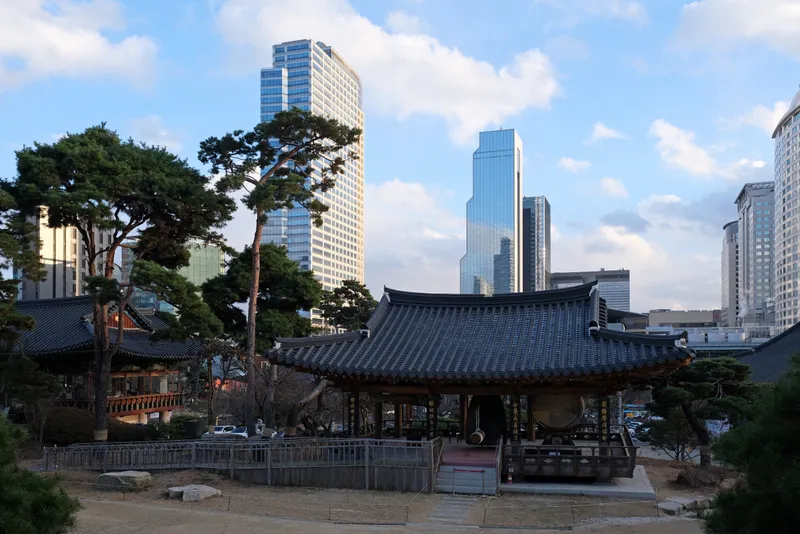
Founded by a widow to pray for her dead husband’s repose, and later made head temple of the Seon school.
 Temple
Bogwangsa, Goryeongsan
- Family & Home
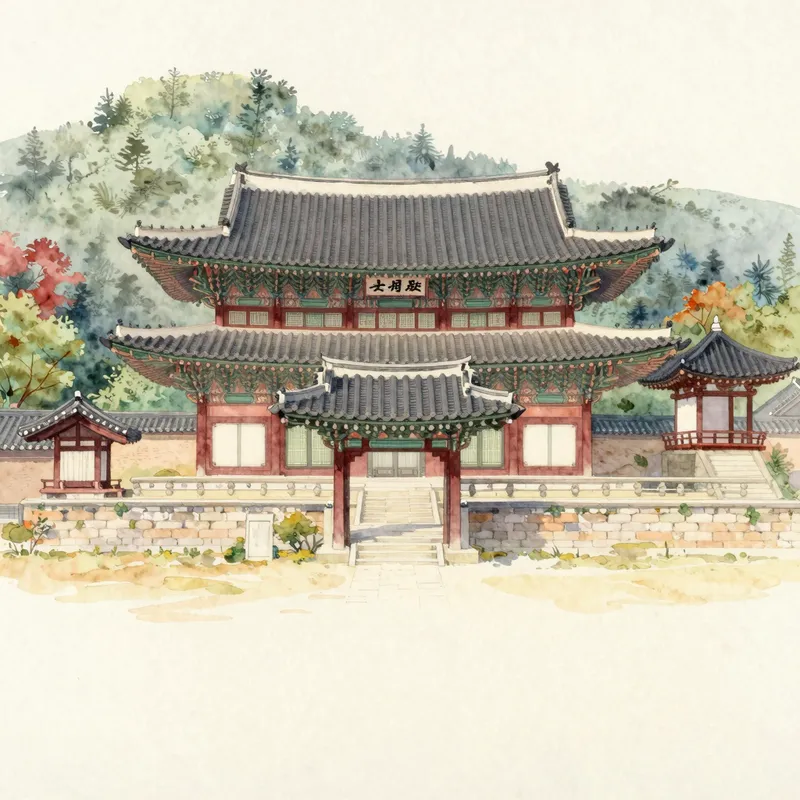
The temple King Yeongjo attached to the tomb of the woman who bore him.
 Natural Site
Hahoe Samsindang Tree
- Family & Home
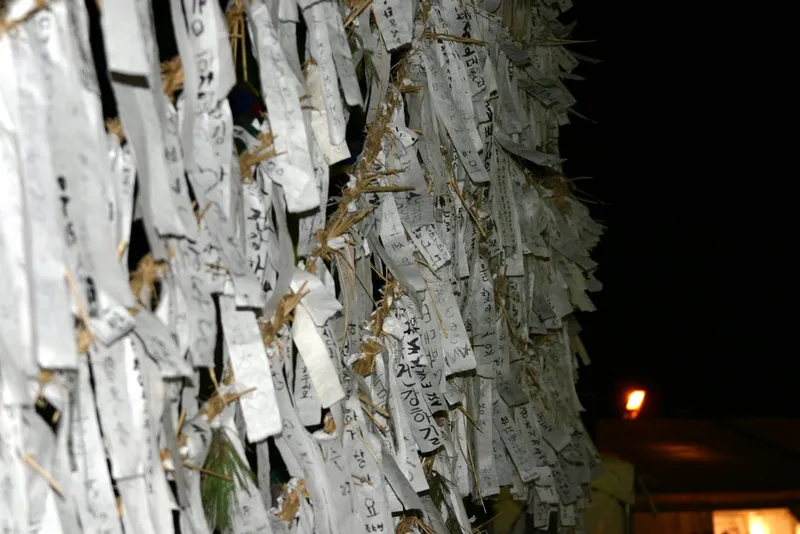
A zelkova over six hundred years old at the centre of Hahoe village, the shrine of Samsin, the deity who grants children.
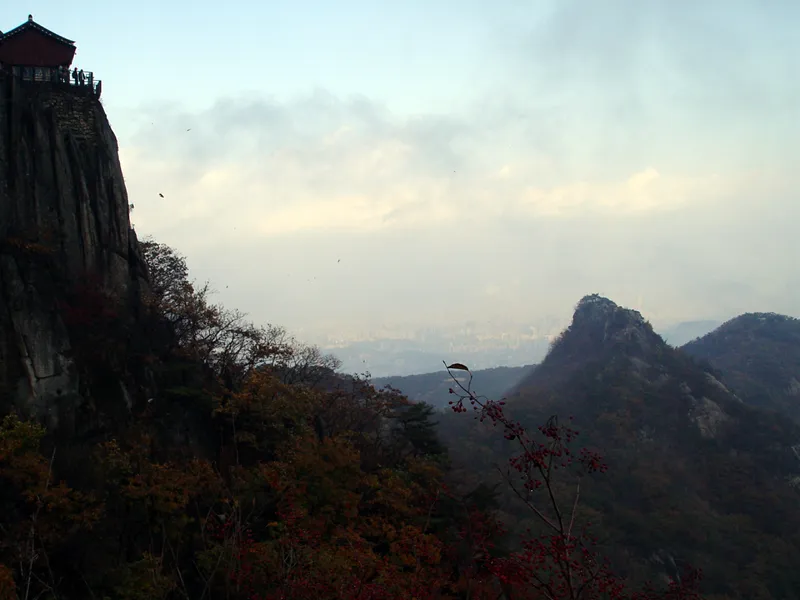 Temple
Yeonjudae
A hermitage at the cliff edge on Gwanaksan, named for men who climbed here to look toward the fallen capital and weep.
 Shrine
Nami Janggun Shrine
- Health & Healing
- Protection & Safety
A shrine raised to console the wronged spirit of a general beheaded at twenty-seven.
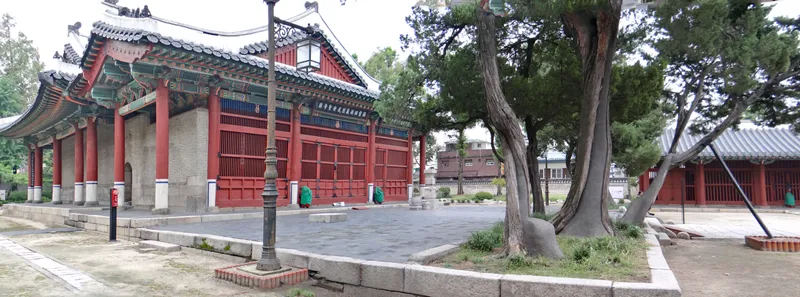 Shrine
Donggwanwangmyo
- Protection & Safety
A shrine to Guan Yu raised after the Imjin War, the only one of Seoul’s four such shrines still standing.
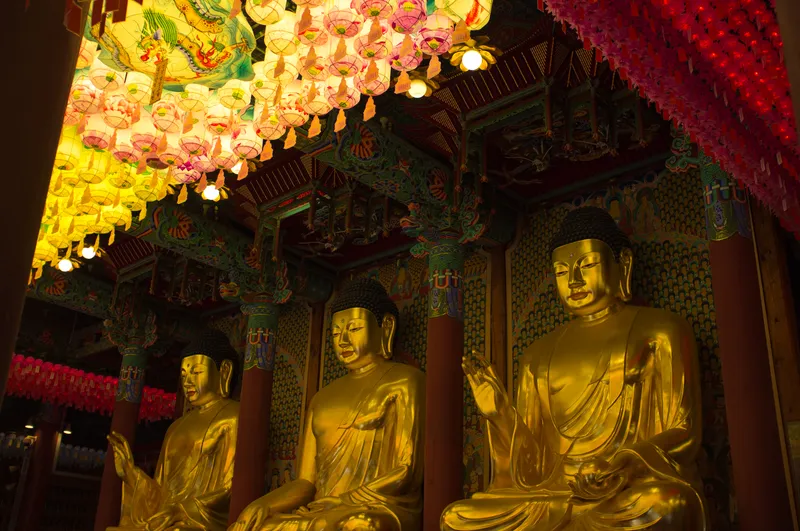 Temple
Jogyesa
- Exams & Study
The head temple of the Jogye Order, in the middle of downtown Seoul, where a prayer for children ends the day before the national entrance exam each year.
 Temple
Bongwonsa, Ansan
The temple where the leaders of the 1884 coup learned the reformist thought behind it.
No places match your filters