Jungakdan, Sinwonsa
Sinwonsa
Researched and translated with AI assistance. Every claim is linked to its source, but errors get through, so check the official site for opening times, fees and closures.About
In short
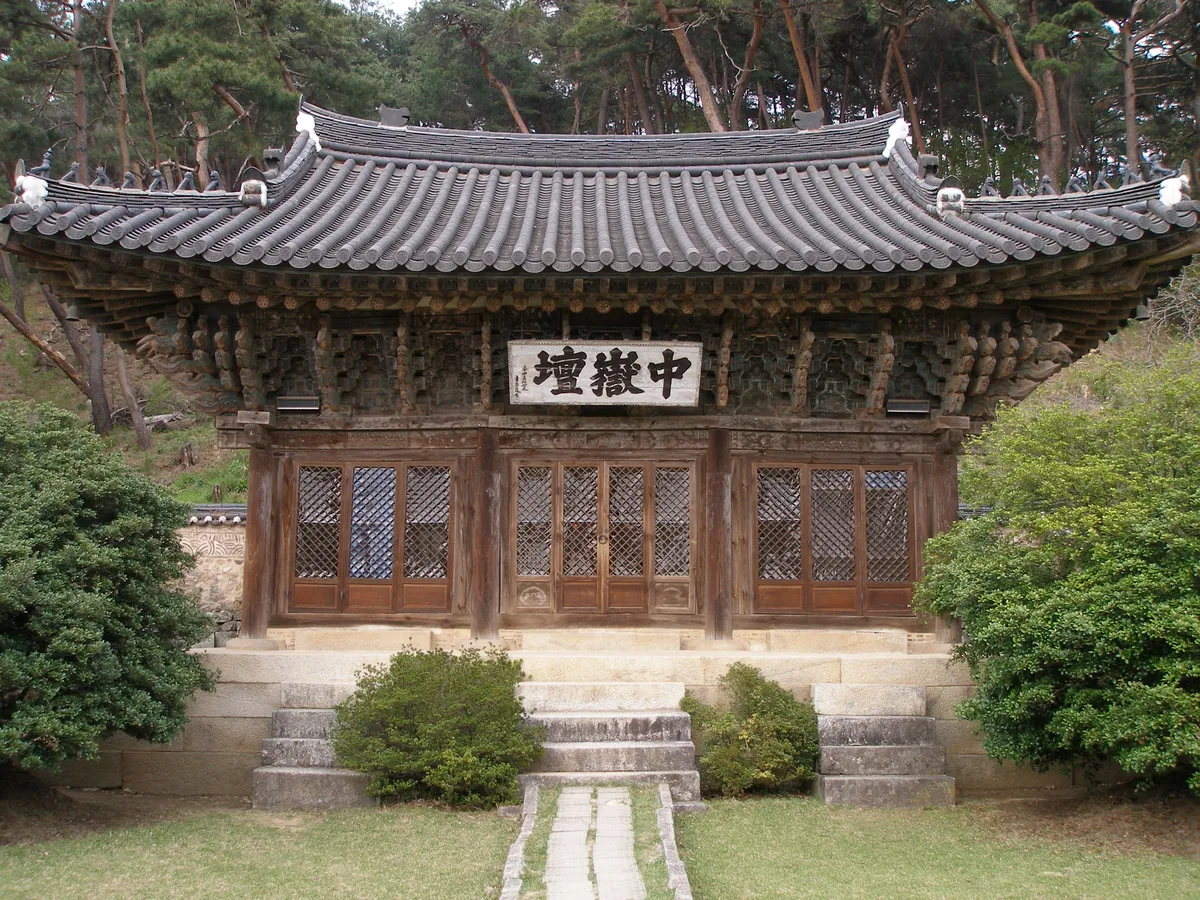
The only survivor of the three royal mountain-god altars of Joseon stands in the grounds of Sinwonsa on Gyeryongsan.
Quick facts
- Address
- Gyeryongsan, Gyeryong-myeon, Gongju-si, Chungcheongnam-do
- Spiritual entities
- Sansin (山神), the mountain god
About this place
Jungakdan is a wooden hall built in the Joseon period for offering rites to the mountain god of Gyeryongsan. Joseon maintained three such altars — on Myohyangsan, Jirisan and Gyeryongsan — and Jungakdan is the only one still standing. Queen Myeongseong had it rebuilt in 1879 so that rites could be offered again, and it was designated a Treasure in 1999. Mountain-god rites are still held here.
Origin and history
Jungakdan is a wooden hall built in the Joseon period for offering rites to the mountain god of Gyeryongsan. Joseon treated Myohyangsan as the upper peak, Jirisan as the lower and Gyeryongsan as the middle, setting an altar at each; unlike the upper and lower altars, which have not survived, Jungakdan is well preserved.
Queen Myeongseong had it rebuilt in 1879 so that rites could be offered there. It was designated a provincial tangible cultural property in 1973 and a Treasure in 1999.
What it is locally associated with
One of three royal altars
The upper altar on Myohyangsan and the lower on Jirisan are gone; only Jungakdan survives intact.
documented historyRebuilt in 1879 by Queen Myeongseong
She had it rebuilt so rites could be offered again; it became a Treasure in 1999.
documented historyThe mountain-god rite today
Reported as an occasion for praying for the peace of the country and for the wellbeing of those attending.
popular modern
Jungakdan is where rites were offered to the mountain god of Gyeryongsan. That is as far as the state record goes; it does not say what the Joseon rites asked for.
A little more is known about the mountain-god rite held here now. Press reports describe it as an occasion for praying both for the peace of the country and for the personal wellbeing of those taking part. That is reporting rather than state record or the temple’s own statement, and this page gives it no more weight than that.
Claims and evidence levels 3
- Jungakdan is a Joseon-period wooden hall for rites to the mountain god of Gyeryongsan, and the only survivor of three royal altars set on Myohyangsan, Jirisan and Gyeryongsan. documented history
- Queen Myeongseong had it rebuilt in 1879 so that rites could be offered there; it was designated a Treasure in 1999, having been a provincial property since 1973. documented history
- Press reports of the mountain-god rite held here describe participants praying both for the peace of the country and for their own wellbeing; the state record does not state what the historical rites asked for. popular modern
Related guides
- How to visit a Korean templeHands together and hands folded, how the bows work, and what to do at the threshold of a hall. Starting with what is different from visiting a Japanese shrine.
- The small hall behind the main one — sansingak and samseonggakUphill from the main hall of a Korean temple stands a smaller one, and inside it an old man with a tiger. This is where the indigenous religion sits, inside the Buddhist institution.
- Templestay — a night at a templeA programme that puts you inside a temple’s own timetable for a day or two. What you do, which type to book, and what to be ready for.
- Prayer sites and the one wishThe three great Gwaneum sites, the five relic halls, and the crowds before the entrance exam. Where the saying about one wish comes from, and where the record stops.
Sources
- 공주 계룡산 중악단(公州 鷄龍山 中嶽壇) — 한국민족문화대백과사전 — Academy of Korean Studies (accessed 2026-08-10)
- Sinwonsa (Q7525236) — coordinate location — Wikidata (accessed 2026-08-10)
Last updated:
Similar places
8 places
 Temple
Gapsa, Gyeryongsan
A Three Kingdoms temple with three separate accounts of its founding, and where Yeonggyu took ordination.
 Temple
Donghaksa, Gyeryongsan
Where rites were held to summon the spirits of the six martyred ministers and of King Danjong, and where one of Korea’s foremost seminaries for nuns stands.
 Temple
Magoksa
A thousand-year-old temple on Taehwasan said to have been founded by Jajang, where two main halls stand one behind the other up the slope.
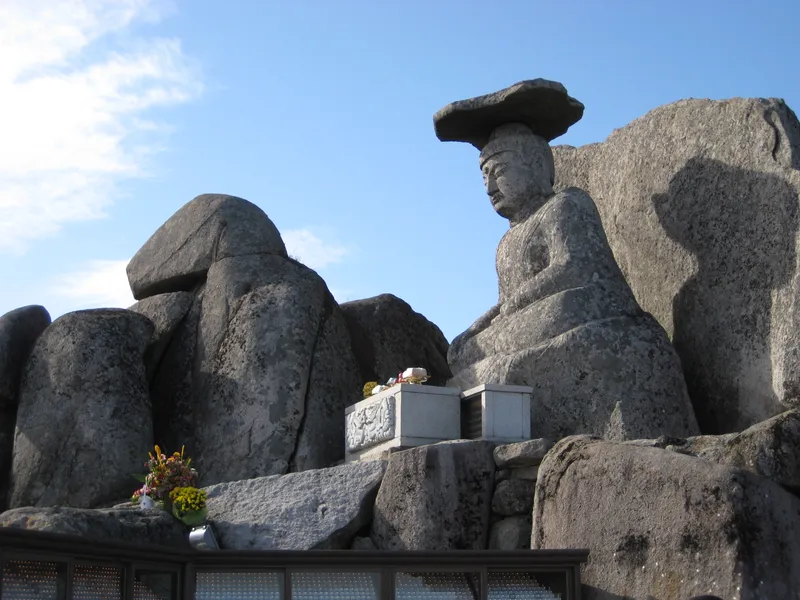 Temple
Gatbawi
- Exams & Study
- Wish Fulfillment
A Unified Silla stone Buddha seated on the summit of Gwanbong on Palgongsan, and the busiest prayer site in the country in the weeks before the university entrance exam.
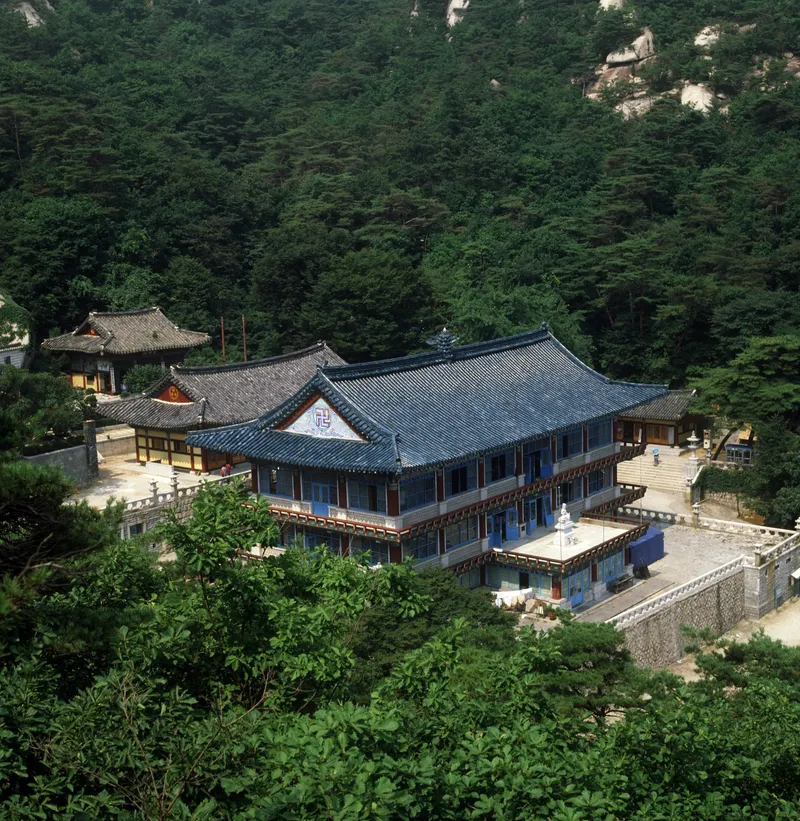 Temple
Doseonsa
- Wish Fulfillment
Founded by Doseon in 862, with a rock-carved Avalokiteshvara he is said to have split the stone by hand to cut, and a stream of people who come to pray.
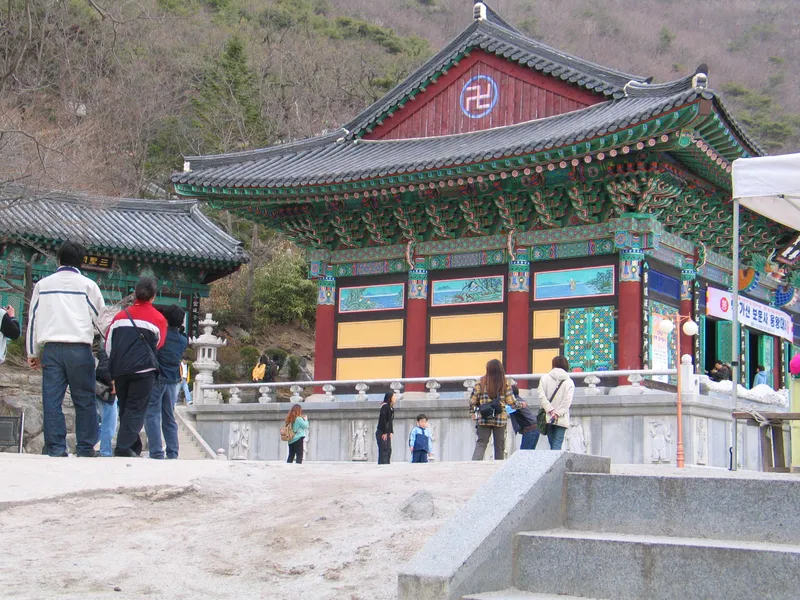 Temple
Bomunsa
- Wish Fulfillment
Counted with Boriam and Hongryeonam among Korea’s three great Avalokiteśvara sites, with a stone chamber holding figures said to have come up in a fisherman’s net.
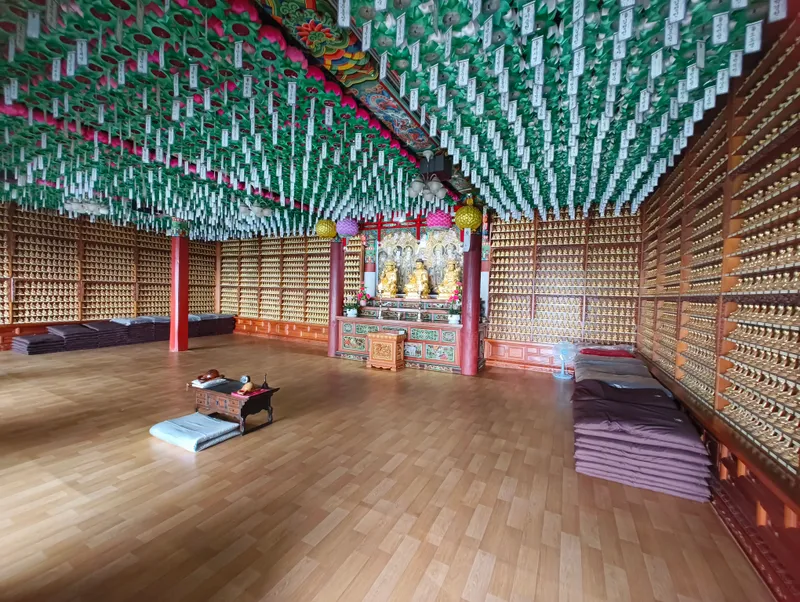 Temple
Boriam
- Wish Fulfillment
An Avalokiteśvara prayer site on the slope of Geumsan, counted with Hongryeonam and Bomunsa among Korea’s three great sites.
 Temple
Hyangiram
- Wish Fulfillment
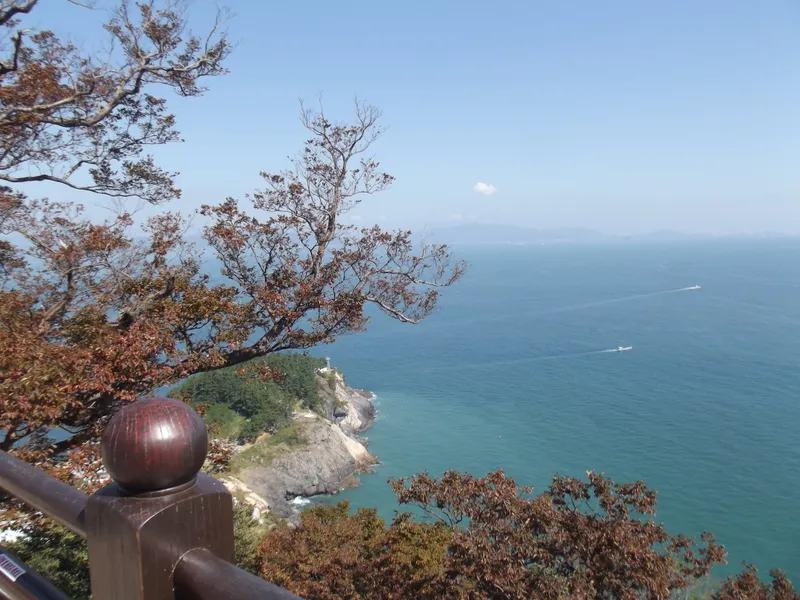
One of the country’s four sea-facing Avalokiteshvara prayer halls, named "facing the sun" for the sunrise seen from it.
No places match your filters