Bogwangsa, Goryeongsan
Researched and translated with AI assistance. Every claim is linked to its source, but errors get through, so check the official site for opening times, fees and closures.About
In short
The temple King Yeongjo attached to the tomb of the woman who bore him.
Quick facts
- Address
- 349 Bogwangsa-gil, Gwangtan-myeon, Paju-si, Gyeonggi-do
About this place
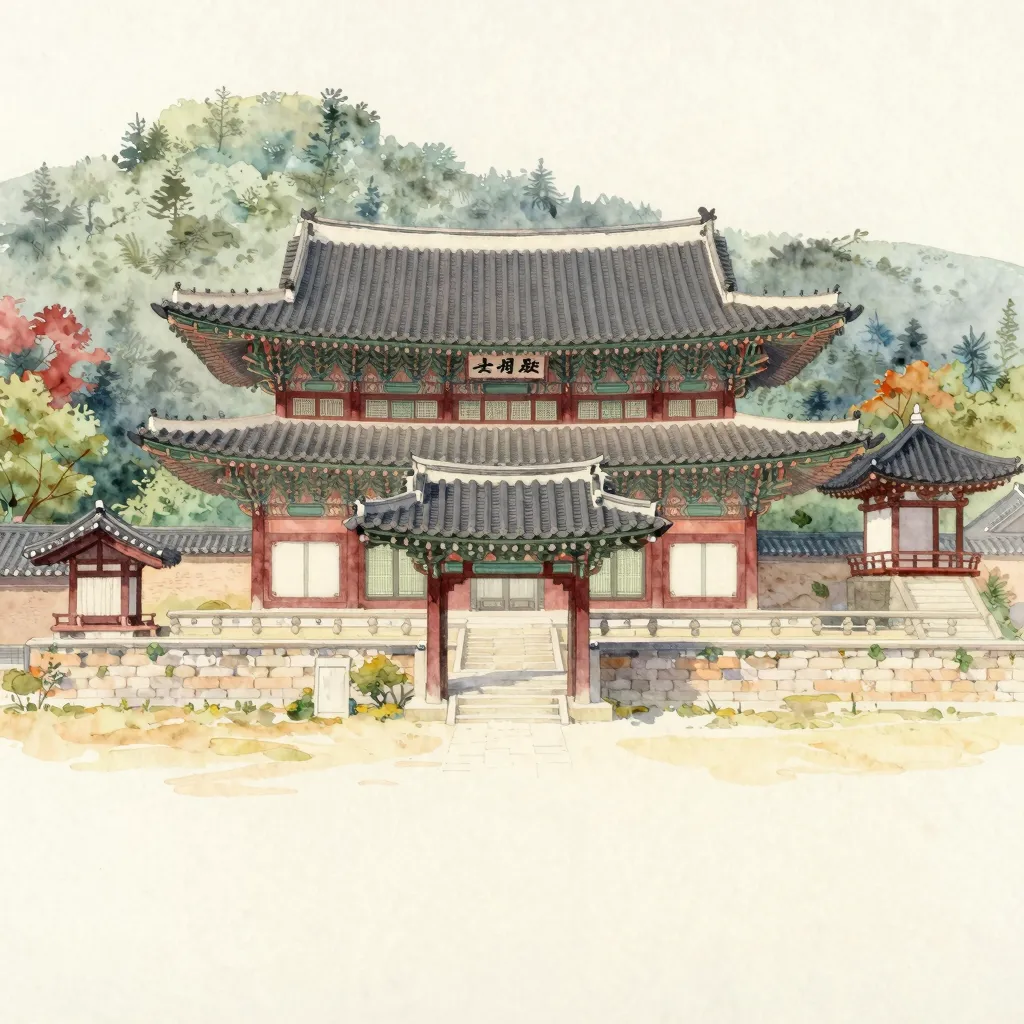
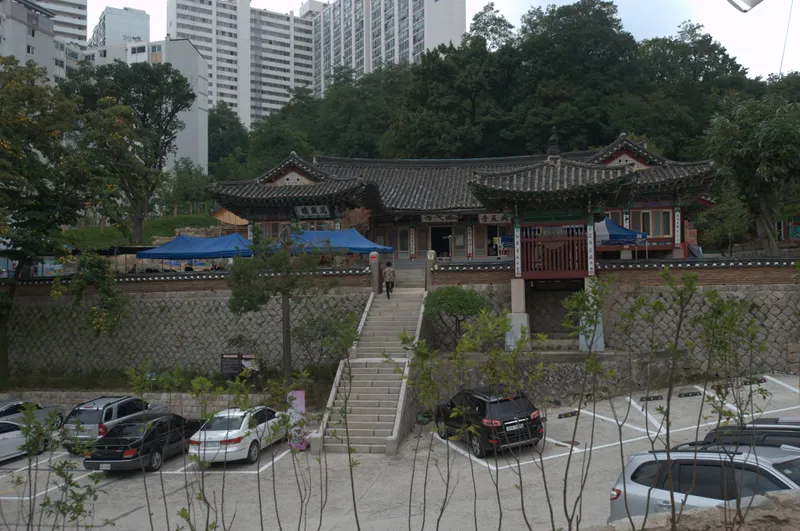
Bogwangsa stands on Goryeongsan in Gwangtan-myeon, Paju-si, Gyeonggi-do. It is handed down that Doseon founded it by royal command in 894, and under Goryeo it was one of the temples sited to shore up the land. The Goryeo national master Wonjin Seunghyeong and, in early Joseon, Muhak Jacho are said to have raised it again. In 1740 King Yeongjo made it the prayer temple of Soryeongwon, the tomb of Lady Choi of the Sukbin rank, who bore him. The temple has a royal shrine hall that holds her spirit tablet.
Origin and history
It is handed down that Doseon founded Bogwangsa by royal command in 894, and under Goryeo it was one of the temples sited to shore up the land.
The Goryeo national master Wonjin Seunghyeong and, in early Joseon, Muhak Jacho are said to have raised it again.
In 1740 King Yeongjo made it the prayer temple of Soryeongwon, the tomb of Lady Choi of the Sukbin rank, who bore him.
The temple has a royal shrine hall that holds her spirit tablet.
What it is locally associated with
The prayer temple of Soryeongwon
In 1740 King Yeongjo made this the prayer temple of Soryeongwon, the tomb of Lady Choi of the Sukbin rank, who bore him.
documented historyA hall holding a mother’s tablet
The temple has a royal shrine hall that holds the spirit tablet of Lady Choi.
documented historyFounded by Doseon on royal command
Doseon is said to have founded the temple by royal command in 894, and under Goryeo it was one of the temples sited to shore up the land.
folk tradition
The tombs that Gyeonggi’s temples guard are usually a king’s. Bongseonsa in Namyangju stands again for Sejo’s tomb, Silleuksa in Yeoju for Sejong’s. What this temple attends is the grave of a concubine. In 1740 King Yeongjo made it the prayer temple of Soryeongwon, and Soryeongwon is the tomb of Lady Choi, who bore him.
The royal shrine hall holds that mother’s spirit tablet. The son who reached the throne set it there, so what is honoured here is not a line of succession but one woman.
The temple’s own record runs much further back. Doseon is said to have founded it by royal command in 894, and under Goryeo it was one of the temples sited to shore up the land. The national master Wonjin Seunghyeong and, later, Muhak Jacho are said to have raised it again — the same Muhak whose name is kept at Hoeamsa in Yangju.
The name of the national master Wonjin Seunghyeong survives in Gyeongsang too. At Bogyeongsa in Pohang, the abbot Seunghyeong repaired four monks’ quarters and the main gate in 1214 and completed the bell, chime and drum. Two temples, one in Gyeonggi and one in Gyeongsang, joined by a single name.
Claims and evidence levels 2
- King Yeongjo made the temple the prayer temple of Soryeongwon in 1740, and its royal shrine hall holds the spirit tablet of Lady Choi, his mother. documented history
- Doseon is said to have founded it by royal command in 894, and Wonjin Seunghyeong and Muhak Jacho to have raised it again. folk tradition
Related guides
- How to visit a Korean templeHands together and hands folded, how the bows work, and what to do at the threshold of a hall. Starting with what is different from visiting a Japanese shrine.
- The small hall behind the main one — sansingak and samseonggakUphill from the main hall of a Korean temple stands a smaller one, and inside it an old man with a tiger. This is where the indigenous religion sits, inside the Buddhist institution.
- Templestay — a night at a templeA programme that puts you inside a temple’s own timetable for a day or two. What you do, which type to book, and what to be ready for.
- Prayer sites and the one wishThe three great Gwaneum sites, the five relic halls, and the crowds before the entrance exam. Where the saying about one wish comes from, and where the record stops.
Sources
- 보광사(普光寺) — 한국민족문화대백과사전 (accessed 2026-08-16)
Last updated:
Similar places
8 places
 Temple
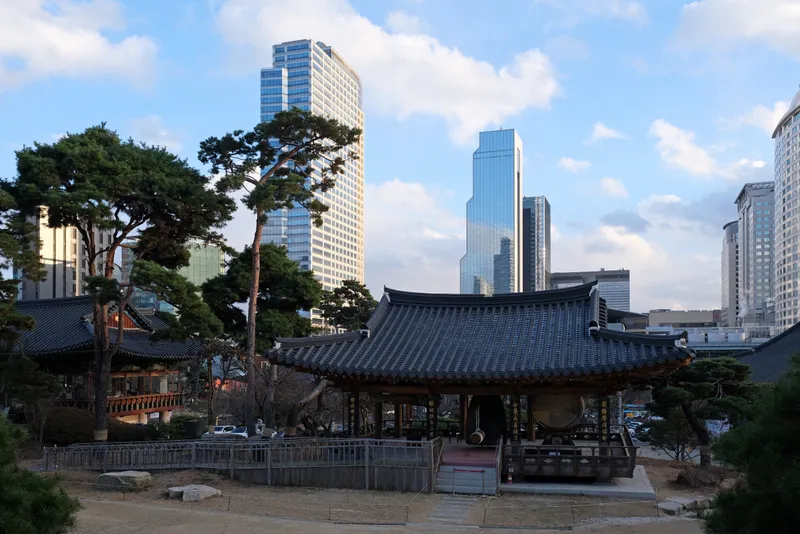
Bongeunsa
- Family & Home
Founded by a widow to pray for her dead husband’s repose, and later made head temple of the Seon school.
 Temple
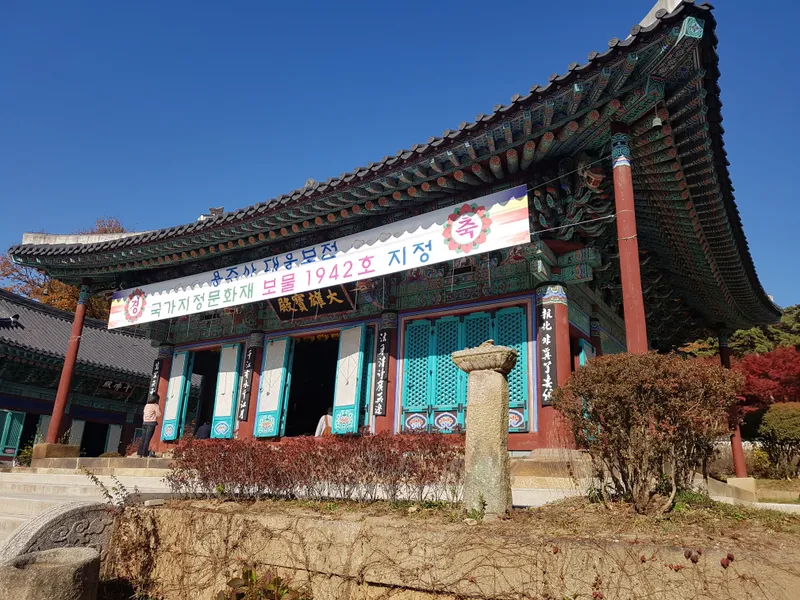
Yongjusa
- Family & Home
The temple King Jeongjo refounded beside his father’s grave, holding the woodblocks of the sutra on what children owe their parents.
 Natural Site
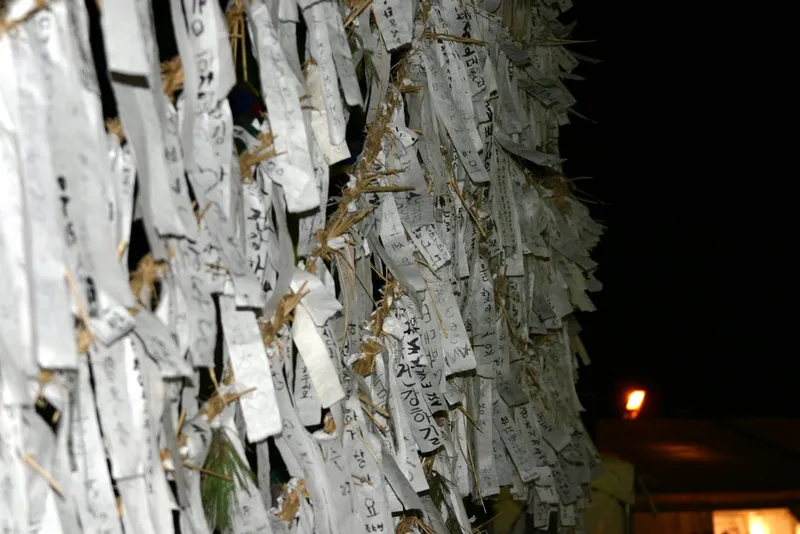
Hahoe Samsindang Tree
- Family & Home
A zelkova over six hundred years old at the centre of Hahoe village, the shrine of Samsin, the deity who grants children.
 Temple
Doseonsa
- Wish Fulfillment
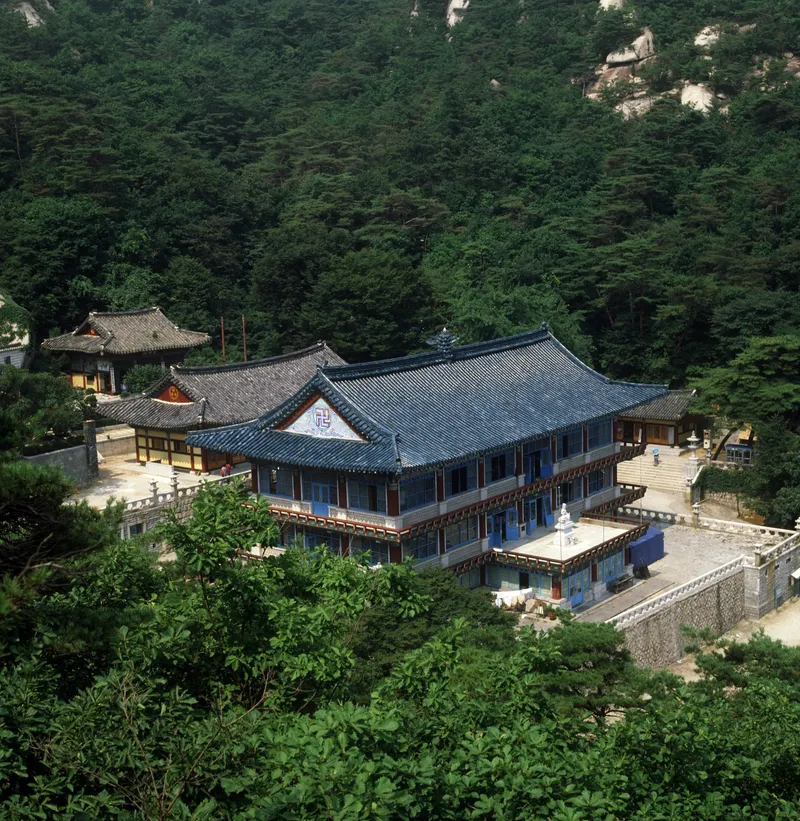
Founded by Doseon in 862, with a rock-carved Avalokiteshvara he is said to have split the stone by hand to cut, and a stream of people who come to pray.
 Temple
Jingwansa, Bukhansan
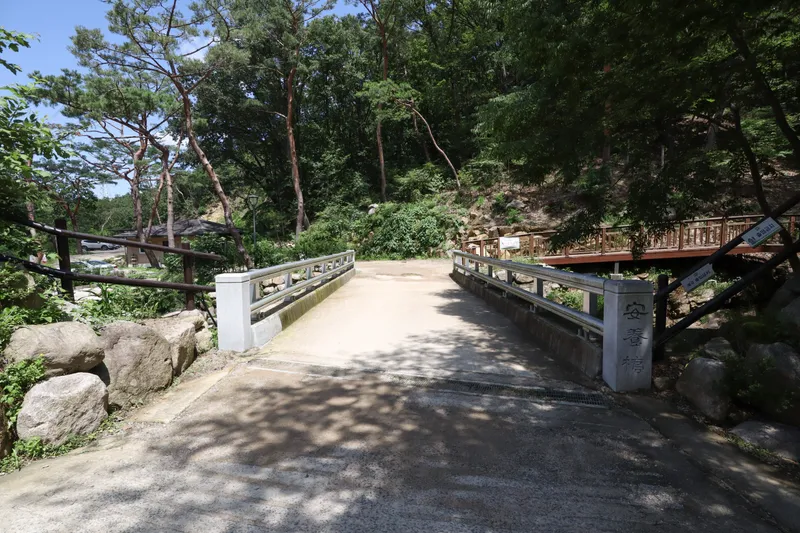
The temple where a Korean flag was found inside a wall.
 Temple
Seunggasa, Bukhansan
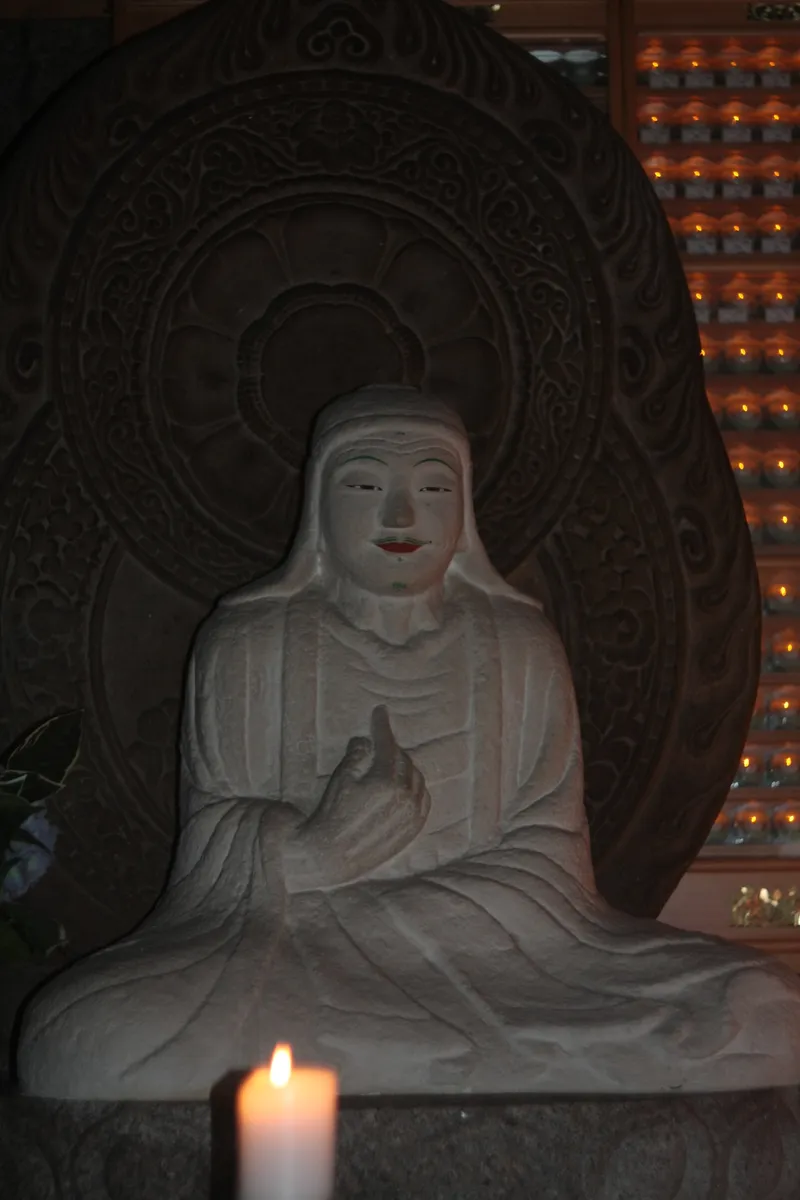
A temple holding a stone portrait of an Indian monk who went to Tang China.
 Temple
Hwagyesa, Samgaksan
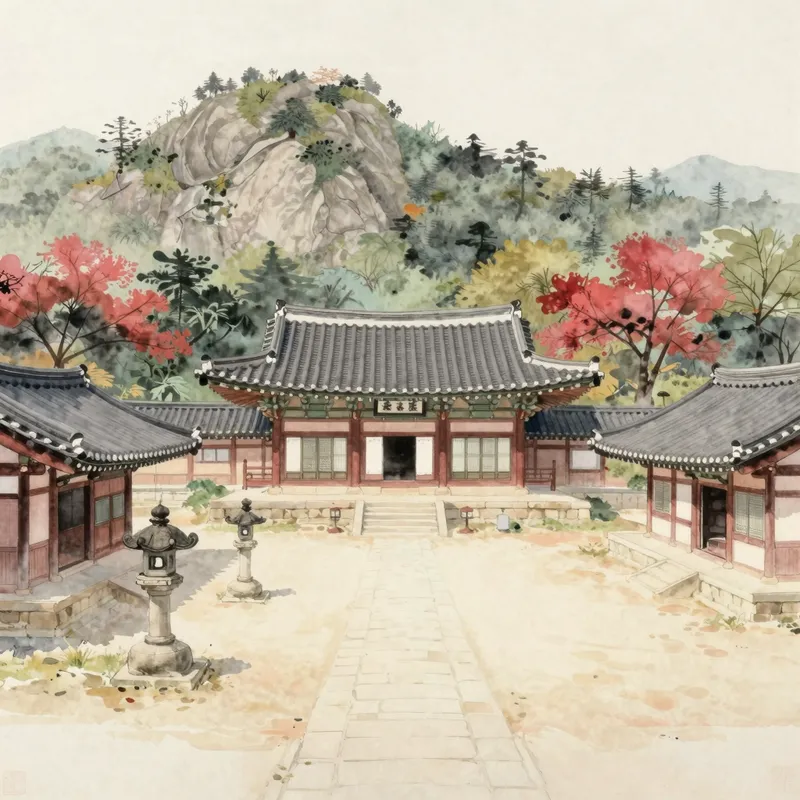
A temple paid for by two men holding the same title, two hundred and fifty years apart.
 Temple
Heungcheonsa, Samgaksan
A temple of more than a hundred and seventy kan, raised beside a queen’s tomb by the king who had lost her.
No places match your filters