Geumsansa
Moaksan Geumsansa
Researched and translated with AI assistance. Every claim is linked to its source, but errors get through, so check the official site for opening times, fees and closures.About
In short
The temple where Jinpyo enshrined a colossal Maitreya, whose three-storey hall stands for the three assemblies Maitreya will preach.
Quick facts
- Address
- 1 Moak 15-gil, Geumsan-myeon, Gimje-si, Jeollabuk-do
About this place
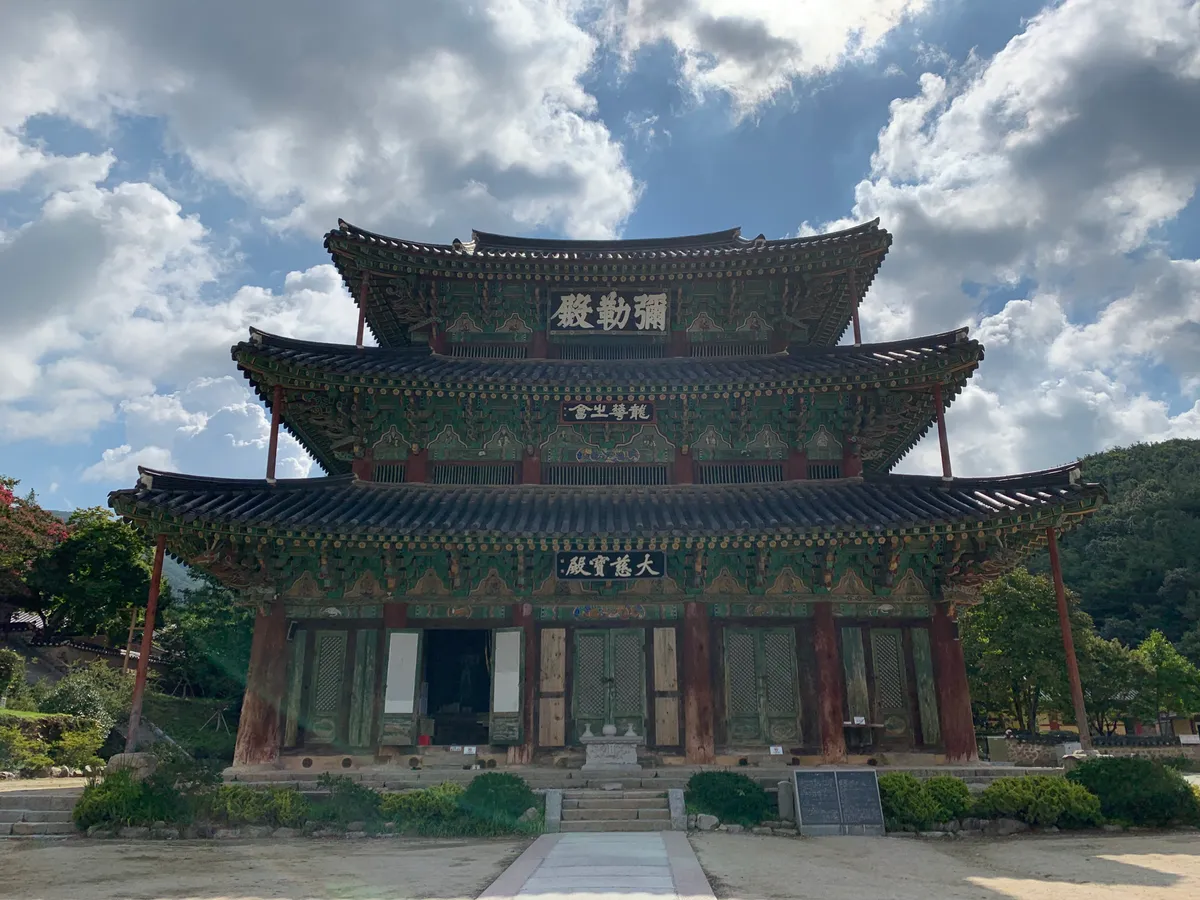
Geumsansa is on Moaksan in Geumsan, Gimje, North Jeolla, founded in the reign of King Mu of Baekje. Jinpyo began rebuilding it in 762 and finished in 766, making a colossal Maitreya image and enshrining it as the principal buddha. By that act the temple became the root monastery of the Beopsang school. Its Maitreya Hall has three storeys, and the three stand for the three assemblies of Maitreya’s preaching.
Origin and history
The Encyclopedia of Korean Culture describes Geumsansa as a temple on Moaksan in Geumsan, Gimje, founded in the reign of King Mu, the thirtieth king of Baekje.
Jinpyo began the rebuilding in 762, the twenty-first year of King Gyeongdeok, and finished it in 766, the second year of King Hyegong, making a colossal Maitreya image and enshrining it as the principal buddha.
By enshrining that image as its principal buddha the temple became the root monastery of the Beopsang school. Its three-storey Maitreya Hall signifies the three assemblies of Maitreya’s preaching beneath the dragon-flower tree.
What it is locally associated with
Storeys that count sermons
The encyclopedia records that the three storeys of the Maitreya Hall signify the three assemblies of Maitreya’s preaching.
documented historyJinpyo’s rebuilding, 762–766
Jinpyo began in 762 and finished in 766, making a colossal Maitreya image and enshrining it as the principal buddha.
documented historyRoot monastery of the Beopsang school
By enshrining that image as its principal buddha, the temple became the school’s root monastery.
documented history
What strikes you first here is the height of the Maitreya Hall. But its storeys are not there for size; they are there for meaning. The encyclopedia records that the hall’s three storeys signify the three assemblies of Maitreya’s preaching — the three occasions on which Maitreya is to expound the teaching beneath the dragon-flower tree, built upward as floors.
One thing to add. The encyclopedia says that by enshrining the colossal Maitreya as its principal buddha the temple became the root monastery of the Beopsang school. That is a statement about where this temple sits within Buddhism, not about what a visitor is granted. So this page carries no category of prayer.
Claims and evidence levels 4
- Geumsansa stands on Moaksan in Gimje and was founded in the reign of King Mu of Baekje. documented history
- Jinpyo began rebuilding in 762 and finished in 766, making a colossal Maitreya image and enshrining it as the principal buddha. documented history
- By enshrining that image as its principal buddha, the temple became the root monastery of the Beopsang school. documented history
- The three storeys of its Maitreya Hall signify the three assemblies of Maitreya’s preaching. documented history
Related guides
- How to visit a Korean templeHands together and hands folded, how the bows work, and what to do at the threshold of a hall. Starting with what is different from visiting a Japanese shrine.
- The small hall behind the main one — sansingak and samseonggakUphill from the main hall of a Korean temple stands a smaller one, and inside it an old man with a tiger. This is where the indigenous religion sits, inside the Buddhist institution.
- Templestay — a night at a templeA programme that puts you inside a temple’s own timetable for a day or two. What you do, which type to book, and what to be ready for.
- Prayer sites and the one wishThe three great Gwaneum sites, the five relic halls, and the crowds before the entrance exam. Where the saying about one wish comes from, and where the record stops.
Sources
- 모악산 금산사(母岳山 金山寺) — 한국민족문화대백과사전 — Academy of Korean Studies (accessed 2026-08-12)
- 김제 금산사 미륵전(金堤 金山寺 彌勒殿) — 한국민족문화대백과사전 — Academy of Korean Studies (accessed 2026-08-12)
Last updated:
Similar places
8 places
 Temple
Tapsa, Maisan
- Protection & Safety
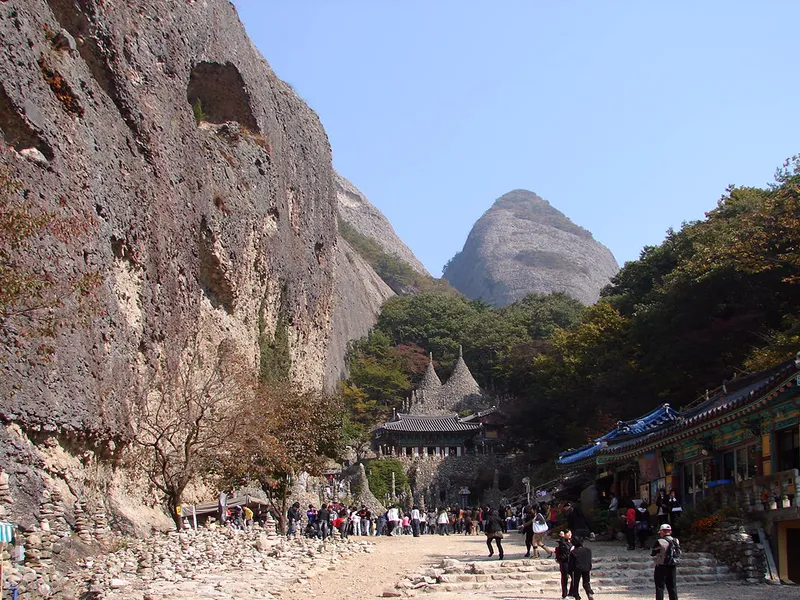
A temple among stone towers raised by one man over a lifetime, of which about eighty of the original hundred and eight still stand.
 Temple
Baekyangsa, Baegamsan
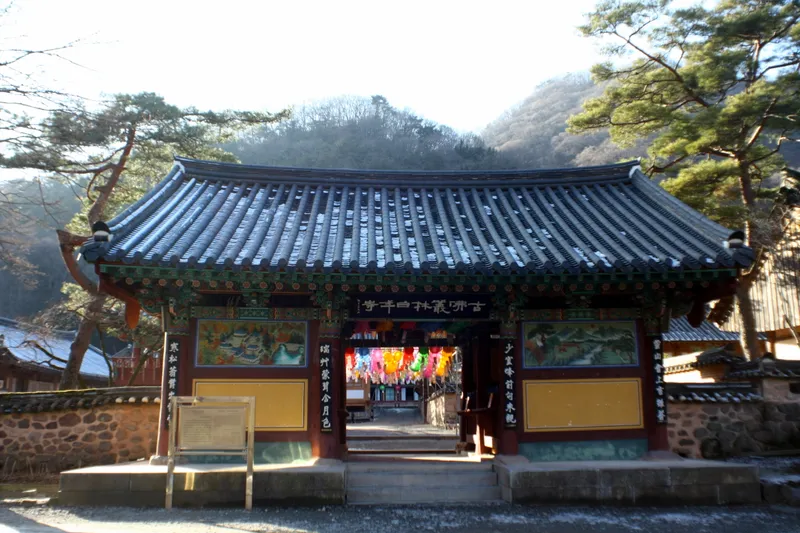
Renamed because white sheep kept coming to the sound of a sutra being read.
 Temple
Naesosa, Neungasan
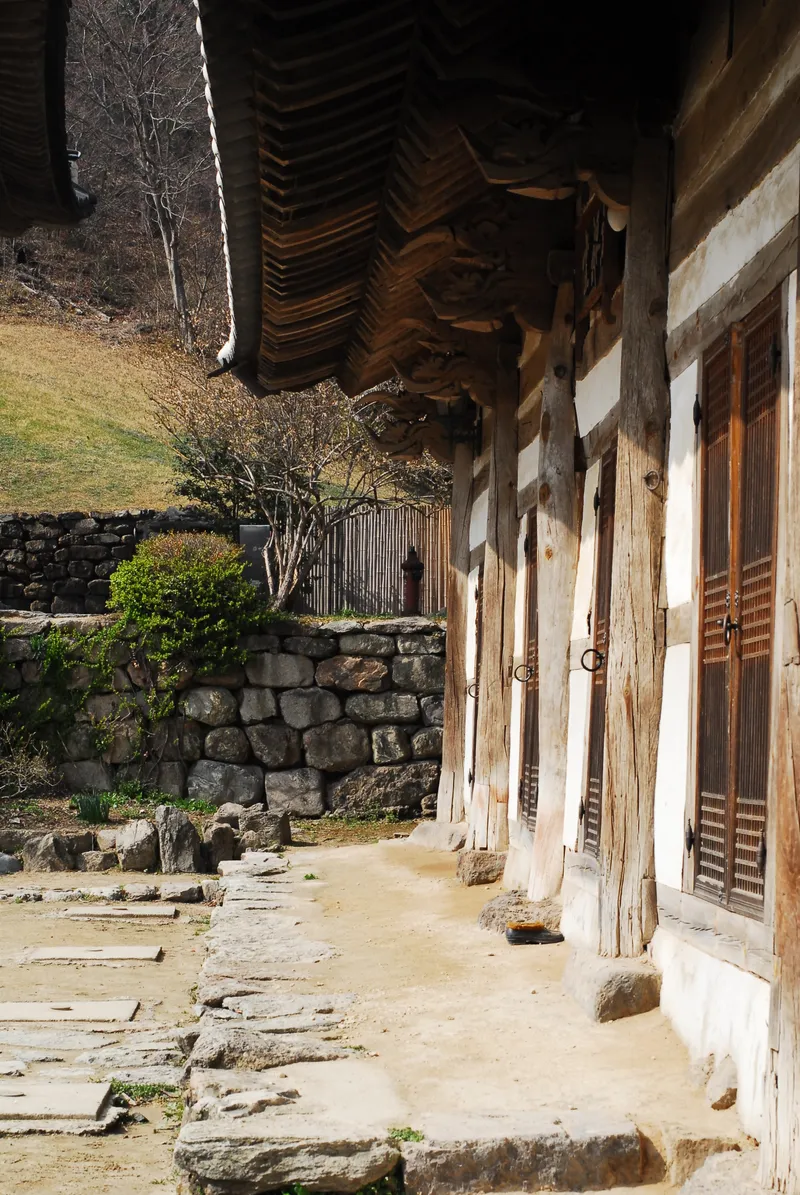
A temple that knows neither when it was founded nor when its name changed.
 Temple
Seonunsa, Dosolsan
A temple paid in salt, because it had taught the coast how to make it.
 Temple
Dosolam
A hermitage of Seonunsa, with a seated Buddha thirteen metres high cut into the cliff and a gilt bronze Ksitigarbha inside.
 Temple
Gwanchoksa, Banyasan
Where a stone Maitreya took thirty-seven years to carve and could not be stood up until someone watched two children playing in mud.
 Temple
Silsangsa, Jirisan
Founded at the moment the Silsang school, one of the Nine Mountain Seon schools, was opened.
 Sacred Mountain
Nogodan
The peak where rites to the Holy Mother of Jirisan began, before the rite moved to Namaksa and later to a hall beside Hwaeomsa.
No places match your filters