Ganwolam
Ganwoldo Ganwolam
Researched and translated with AI assistance. Every claim is linked to its source, but errors get through, so check the official site for opening times, fees and closures.About
In short
The hermitage where Muhak Daesa is said to have awakened on seeing the moon, cut off by the tide and reachable again when it falls.
Quick facts
- Address
- 16-11 Ganwoldo-ri, Buseok-myeon, Seosan-si, Chungcheongnam-do
- Spiritual entities
- Muhak Daesa (無學大師, 1327–1405)
About this place
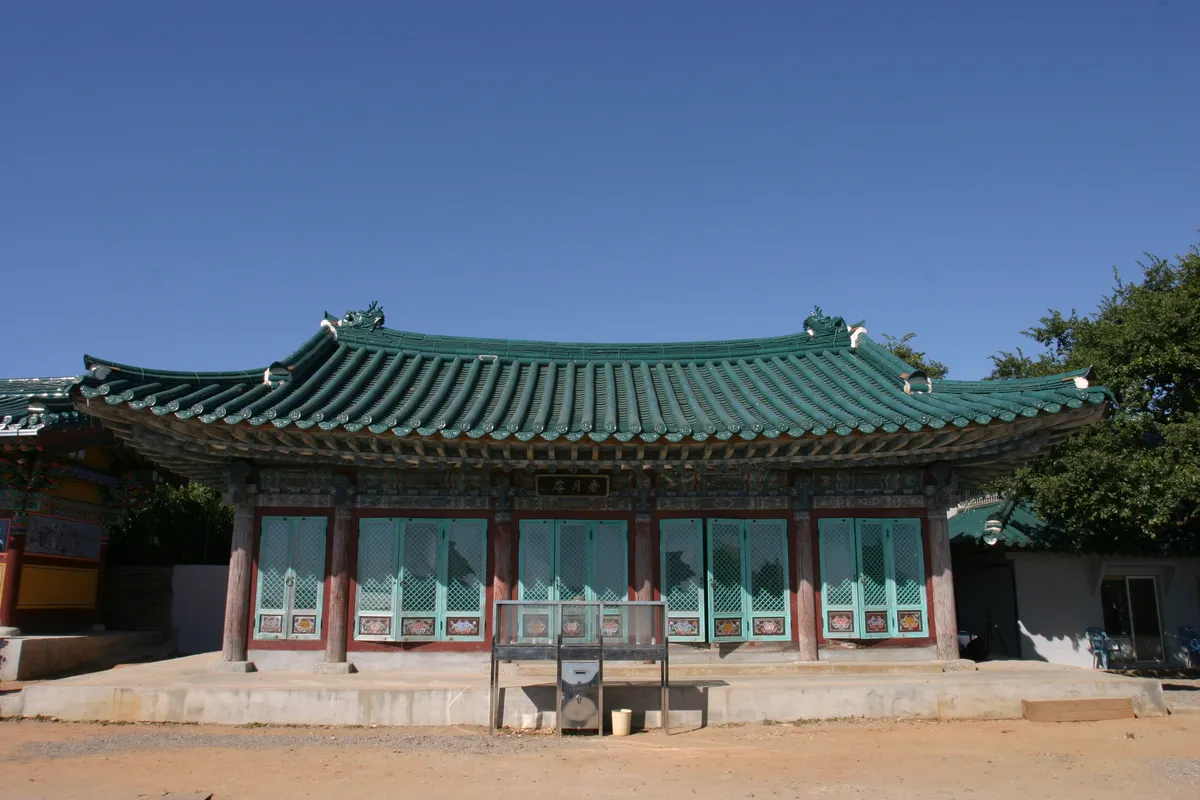
Ganwolam stands on Ganwoldo in Seosan, South Chungcheong. It is called Ganwolam — "seeing the moon" — because Muhak Daesa is said to have been at practice here in the late Goryeo period when he saw the moon and suddenly awakened. Abandoned under Joseon’s suppression of Buddhism, it was rebuilt in 1941 by the Seon master Mangong. When the tide comes in it becomes a small island; when the water falls, a path opens.
Origin and history
The Encyclopedia of Korean Culture’s article on Ganwoldo records that Ganwolam stands here — the hermitage where Muhak Daesa, at practice in the late Goryeo period, saw the moon and suddenly awakened. The name, "seeing the moon", comes from that account.
Ganwolam was abandoned under Joseon’s suppression of Buddhism, and was rebuilt in 1941 by the Seon master Mangong, in which form it stands today.
What it is locally associated with
Awakening at the moon
Muhak Daesa is said to have been at practice here in the late Goryeo period when he saw the moon and suddenly awakened. The name comes from it.
folk traditionAbandoned, and rebuilt in 1941
It was abandoned under Joseon’s suppression of Buddhism and rebuilt by the Seon master Mangong.
documented historyA path that opens with the tide
At high water it becomes a small island; when the tide falls, a path opens.
documented history
What people ask for here, the state record does not say. It gives who awakened here and how the hermitage was broken off and resumed, and stops. That is why this page carries no petition.
What it has instead is a circumstance few places share. When the tide comes in it becomes a small island; when the water falls, a path opens. Twice a day this hermitage stops being somewhere you can walk to, and then becomes so again. That a place remembered for an awakening at the sight of the moon should also be a place that opens and closes with the water does not look like a coincidence.
Claims and evidence levels 3
- Ganwolam is said to be where Muhak Daesa, at practice in the late Goryeo period, saw the moon and suddenly awakened; the name means "seeing the moon". folk tradition
- The hermitage was abandoned under Joseon’s suppression of Buddhism and was rebuilt in 1941 by the Seon master Mangong. documented history
- When the tide comes in it becomes a small island, and when the water falls a path opens to it. documented history
Related guides
- How to visit a Korean templeHands together and hands folded, how the bows work, and what to do at the threshold of a hall. Starting with what is different from visiting a Japanese shrine.
- The small hall behind the main one — sansingak and samseonggakUphill from the main hall of a Korean temple stands a smaller one, and inside it an old man with a tiger. This is where the indigenous religion sits, inside the Buddhist institution.
- Templestay — a night at a templeA programme that puts you inside a temple’s own timetable for a day or two. What you do, which type to book, and what to be ready for.
- Prayer sites and the one wishThe three great Gwaneum sites, the five relic halls, and the crowds before the entrance exam. Where the saying about one wish comes from, and where the record stops.
Sources
- 간월도(看月島) — 한국민족문화대백과사전 — Academy of Korean Studies (accessed 2026-08-12)
Last updated:
Similar places
8 places
 Shrine
Guksadang, Inwangsan
- Fertility & Children
- Health & Healing
- Protection & Safety
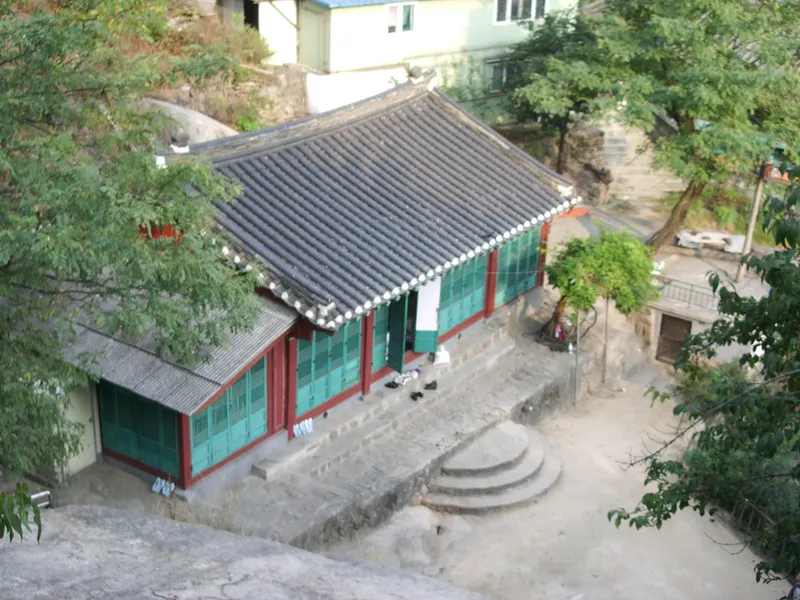
A shaman shrine moved from Namsan to the slope of Inwangsan in 1925 under Japanese pressure, where roughly a hundred gut rites are still held each year.
 Temple
Gaesimsa, Sangwangsan
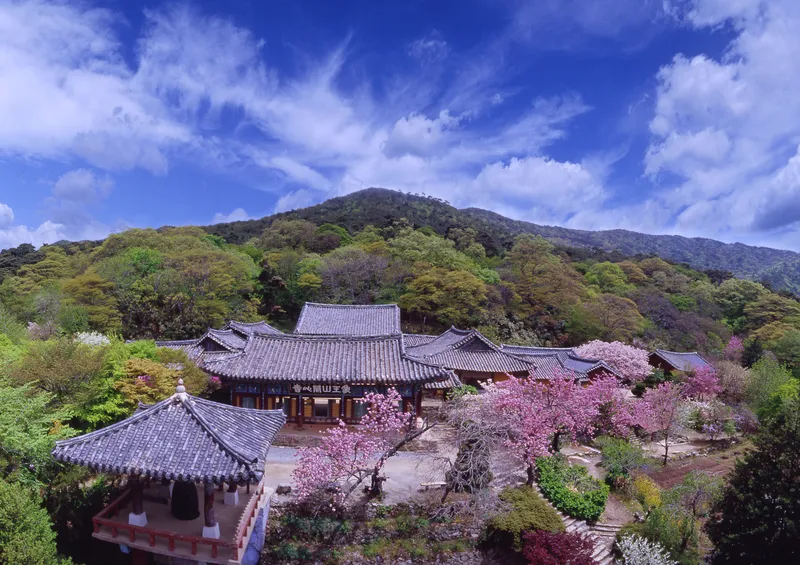
A temple whose founding record holds two incompatible dates inside a single sentence, so that its year cannot be established.
 Temple
Sudeoksa, Deoksungsan
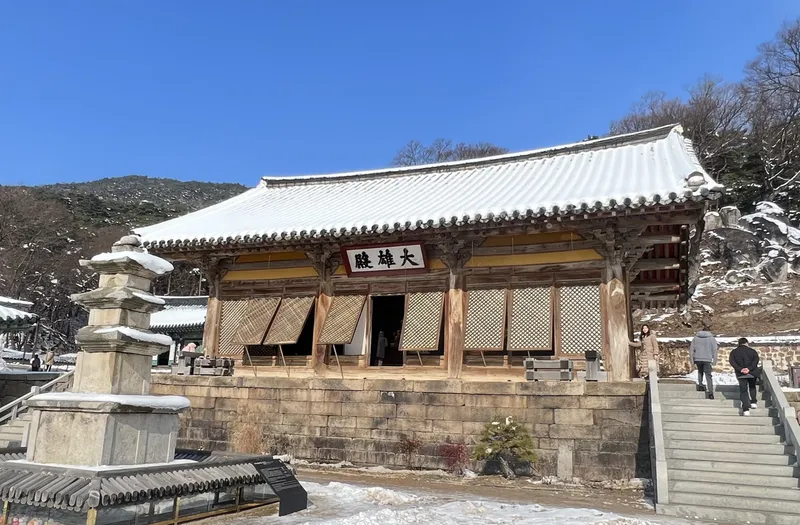
A temple whose main hall is one of the oldest buildings in Korea whose date of construction is certainly known.
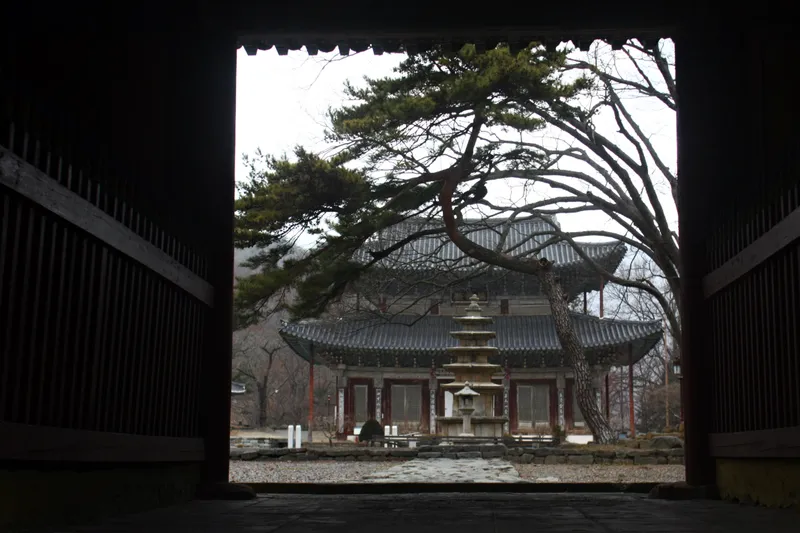 Temple
Muryangsa, Mansusan
The temple where Kim Si-seup spent his last years and died.
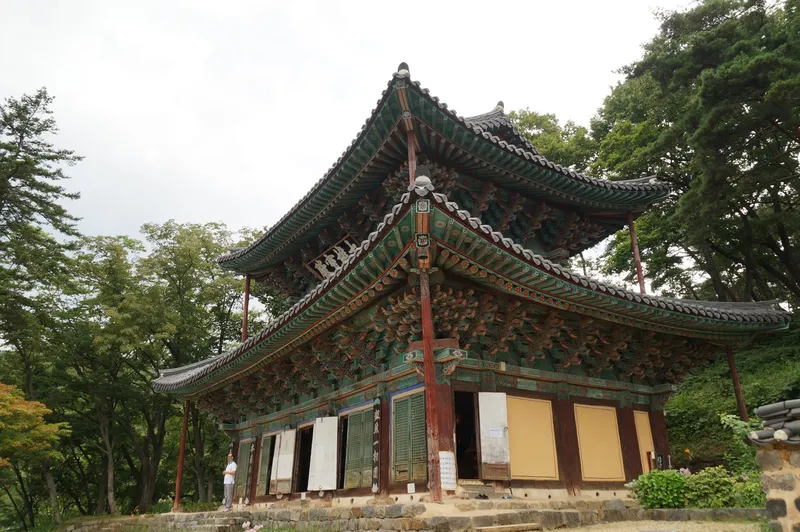 Temple
Magoksa
A thousand-year-old temple on Taehwasan said to have been founded by Jajang, where two main halls stand one behind the other up the slope.
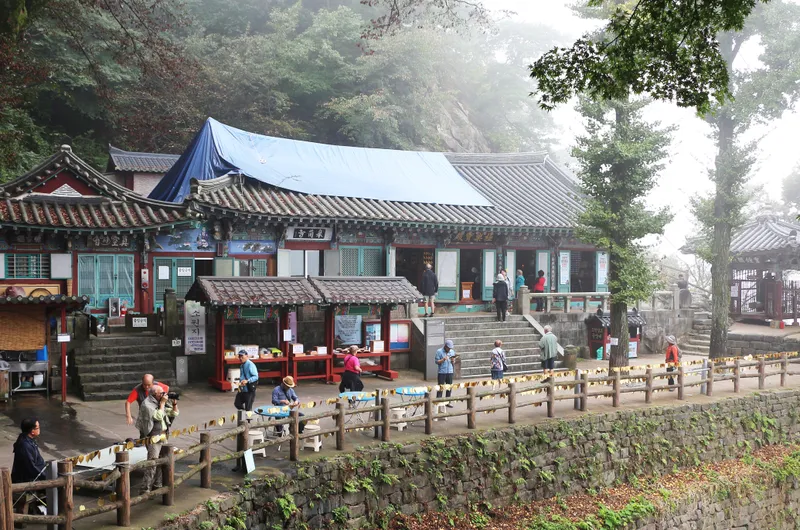 Temple
Goransa
A temple rebuilt by Baekje’s descendants after the kingdom fell, named for the rare fern growing on the cliff behind it.
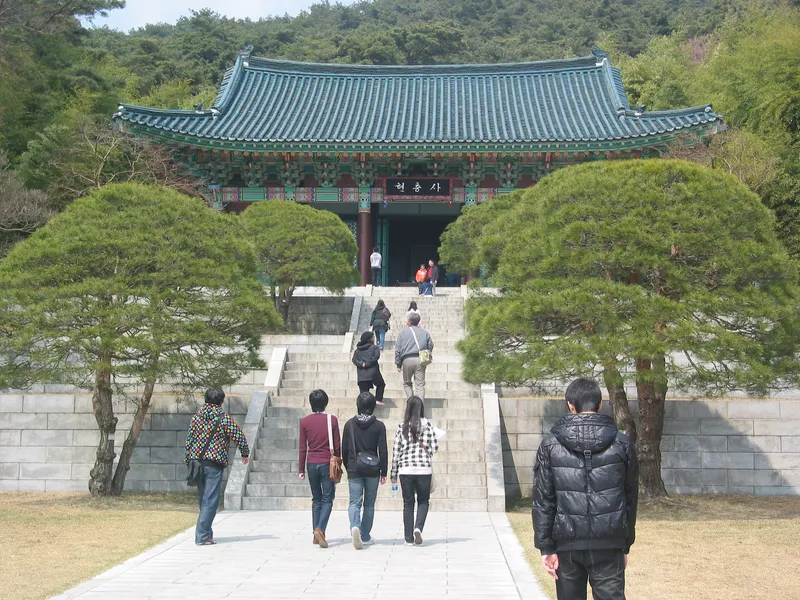 Historic Site
Hyeonchungsa
A shrine raised in 1706 to honour Admiral Yi Sun-sin, left to decay under colonial rule and rebuilt in 1932 by public subscription.
 Temple
Gapsa, Gyeryongsan
A Three Kingdoms temple with three separate accounts of its founding, and where Yeonggyu took ordination.
No places match your filters