Gounsa, Deungunsan
Researched and translated with AI assistance. Every claim is linked to its source, but errors get through, so check the official site for opening times, fees and closures.About
In short
A temple whose name kept its sound but changed its characters, to hold one man’s pen name.
Quick facts
- Address
- 415 Gounsa-gil, Danchon-myeon, Uiseong-gun, Gyeongsangbuk-do
About this place
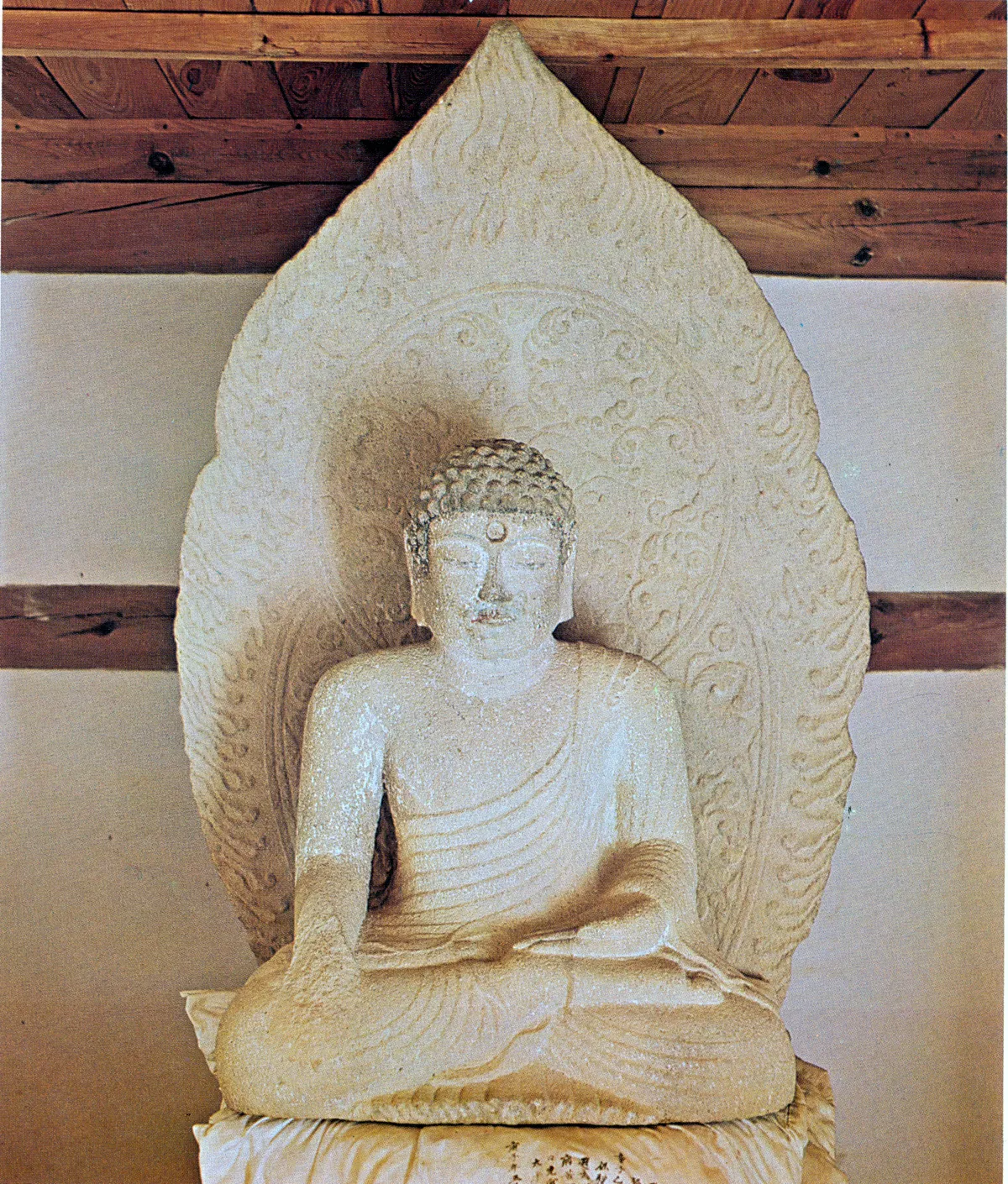
Gounsa stands on Deungunsan in Danchon-myeon, Uiseong-gun, Gyeongsangbuk-do, and is the head temple of the sixteenth district of the Jogye Order. Uisang founded it in 681 and called it Gounsa, written then with the character for high — High Cloud Temple. Later Choe Chi-won, together with the monks Yeoji and Yeosa, put up the Gaunnu and Uhwaru pavilions, and to mark this the name was changed to Gounsa written with the character for solitary, taken from Choe Chi-won’s own style name — Solitary Cloud Temple. In 1668 Geukseong, Seungmuk, Deokjong and others repaired the Gaunnu.
Origin and history
Uisang founded the temple in 681 and called it Gounsa. The characters used then meant High Cloud.
Later Choe Chi-won, together with the monks Yeoji and Yeosa, put up the Gaunnu and Uhwaru pavilions, and to mark this the name was changed to Gounsa written with the character for solitary, taken from Choe Chi-won’s own style name.
In 1668 Geukseong, Seungmuk, Deokjong and others repaired the Gaunnu.
What it is locally associated with
From high cloud to solitary cloud
After Choe Chi-won put up the Gaunnu and Uhwaru, the name was changed from the characters meaning High Cloud to those meaning Solitary Cloud, taken from his style name.
documented historyFounded by Uisang
Uisang founded the temple in 681 and called it Gounsa.
documented historyThe Gaunnu
A pavilion raised by Choe Chi-won together with the monks Yeoji and Yeosa, repaired in 1668 by Geukseong, Seungmuk, Deokjong and others.
documented history
This temple left the sound of its name alone and changed only the characters. At first it was written High Cloud; after Choe Chi-won raised the Gaunnu and Uhwaru, the name was rewritten as Solitary Cloud, taken from his style name. A temple’s name came to hold a layman’s.
Choe Chi-won survives at several points in Gyeongsang in different ways. The list of the ten Hwaeom temples that Buseoksa in Yeongju and Beomeosa in Busan both cite sits in his Life of the Reverend Beopjang, and he wrote the inscription on the stele of the Seon master Jingam at Ssanggyesa in Hadong. Here it is not his writing that survives but his name itself.
The founder is Uisang — the same man who built Buseoksa in Yeongju and formally opened the Hwaeom school in this land. So Uisang and Choe Chi-won overlap in this temple, one in its founding and one in its name.
The Gaunnu was repaired in 1668 by Geukseong, Seungmuk, Deokjong and others.
Claims and evidence levels 2
- Uisang founded the temple in 681, and its characters were later changed to those of Choe Chi-won’s style name after he raised the Gaunnu and Uhwaru. documented history
- The Gaunnu was repaired in 1668 by Geukseong, Seungmuk and Deokjong. documented history
Related guides
- How to visit a Korean templeHands together and hands folded, how the bows work, and what to do at the threshold of a hall. Starting with what is different from visiting a Japanese shrine.
- The small hall behind the main one — sansingak and samseonggakUphill from the main hall of a Korean temple stands a smaller one, and inside it an old man with a tiger. This is where the indigenous religion sits, inside the Buddhist institution.
- Templestay — a night at a templeA programme that puts you inside a temple’s own timetable for a day or two. What you do, which type to book, and what to be ready for.
- Prayer sites and the one wishThe three great Gwaneum sites, the five relic halls, and the crowds before the entrance exam. Where the saying about one wish comes from, and where the record stops.
Sources
- 등운산 고운사(騰雲山 孤雲寺) — 한국민족문화대백과사전 (accessed 2026-08-16)
Last updated:
Similar places
8 places
 Natural Site
Hahoe Samsindang Tree
- Family & Home
A zelkova over six hundred years old at the centre of Hahoe village, the shrine of Samsin, the deity who grants children.
 Temple
Bongjeongsa, Cheondeungsan
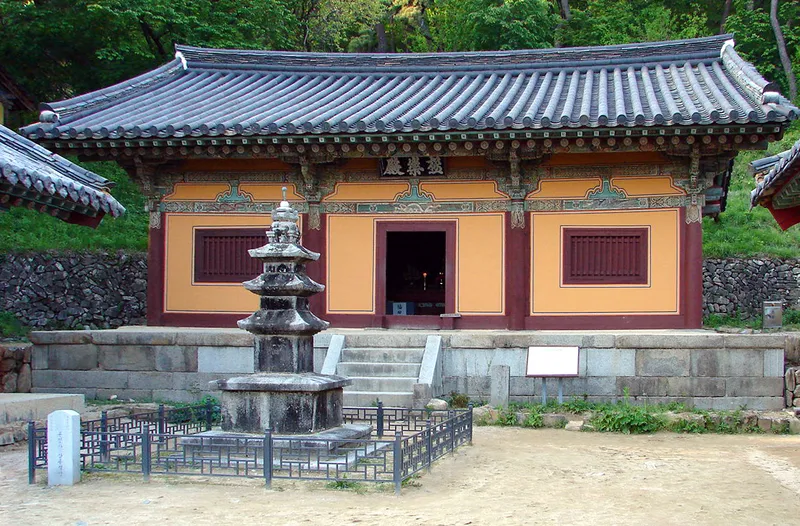
The temple where the oldest wooden building in Korea stands.
 Temple
Dorisa, Naengsan
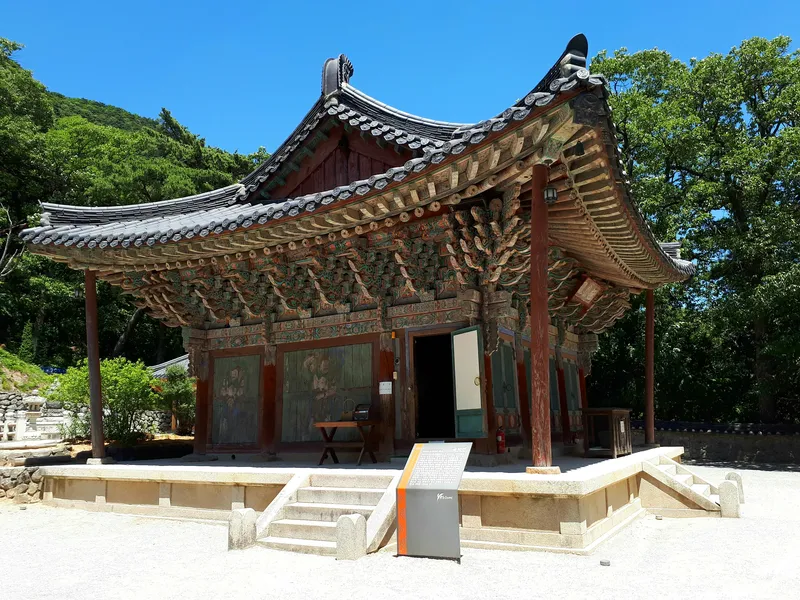
Founded, the account says, because flowers were in full bloom here in winter — and handed down as the first temple in Silla.
 Temple
Pagyesa, Palgongsan
The temple where a king’s robe came out of an Avalokitesvara statue.
 Temple
Donghwasa
A temple on Palgongsan founded by Simji, renamed Donghwasa because paulownia bloomed all around it.
 Temple
Buinsa, Palgongsan
Where the woodblocks of the first Tripitaka, brought here for safety, were entirely destroyed in the Mongol invasion of 1232.
 Temple
Eunhaesa, Palgongsan
The temple took its present name in the year it was made keeper of a king’s placenta shrine.
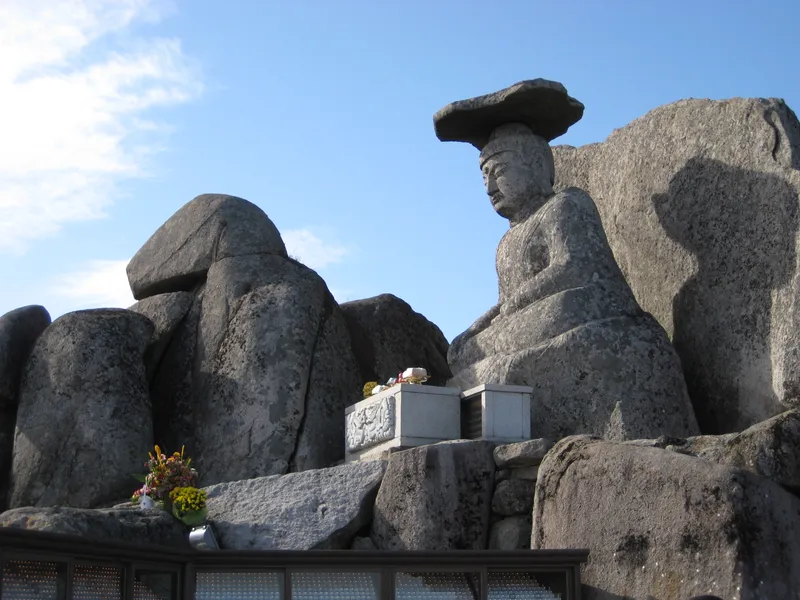 Temple
Gatbawi
- Exams & Study
- Wish Fulfillment
A Unified Silla stone Buddha seated on the summit of Gwanbong on Palgongsan, and the busiest prayer site in the country in the weeks before the university entrance exam.
No places match your filters