Jeongsusa, Manisan
Researched and translated with AI assistance. Every claim is linked to its source, but errors get through, so check the official site for opening times, fees and closures.About
In short
A temple renamed for clear water someone saw rising to the west of its hall.
Quick facts
- Address
- 142 Haeannam-ro 1258beon-gil, Hwado-myeon, Ganghwa-gun, Incheon
About this place
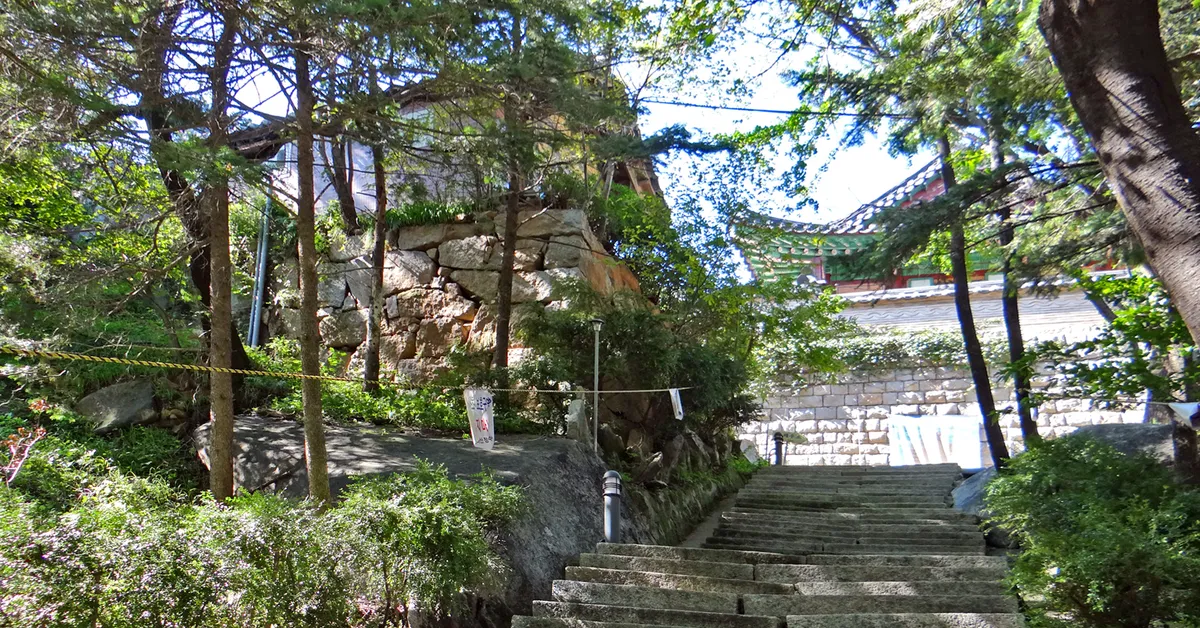
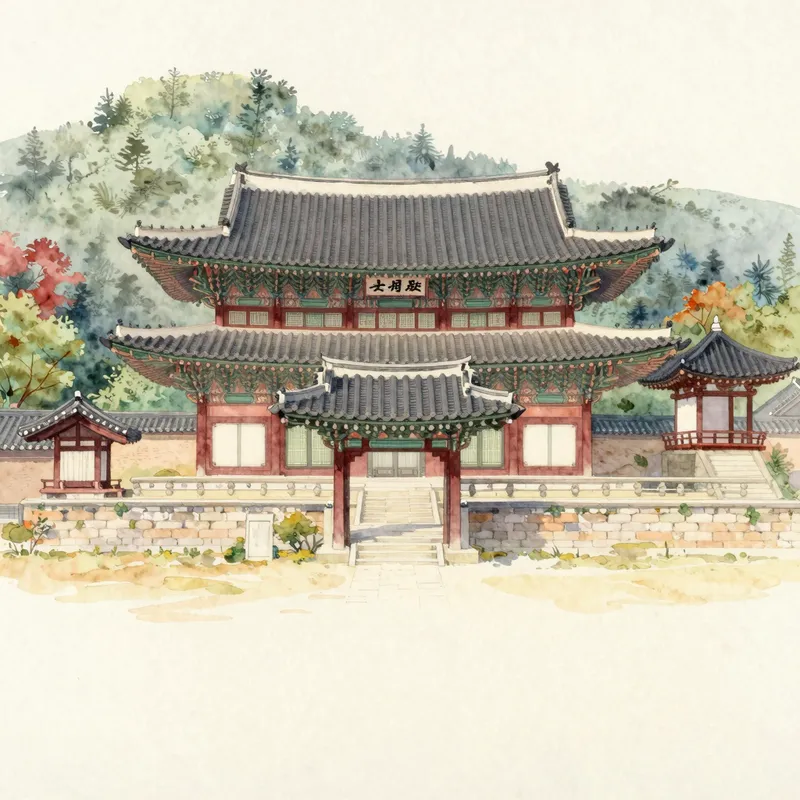
Jeongsusa stands on Manisan in Hwado-myeon, Ganghwa-gun, Incheon. The master Hoejeong raised it in 639, the eighth year of Queen Seondeok of Silla, and the master Hamheo rebuilt it in 1426; seeing clear water rising to the west of the building, he changed the name to Jeongsusa, the temple of pure water. The hall is a Daeungbojeon enshrining an image of Sakyamuni. During repairs in 1957 a record was found that had been written during a repair in 1689, and by that record the hall had been newly rebuilt in 1423. It now measures three bays across the front and four along the side, but is taken to have been a building of three bays on both front and side, without the porch. The roof is a gable roof, shaped like the character for person when seen from the side, and the bracketing sits only on the columns, appearing differently at front and rear. The hall of Jeongsusa is designated a Treasure.
Origin and history
The master Hoejeong raised Jeongsusa in 639, and the master Hamheo rebuilt it in 1426. Seeing clear water rising to the west of the building, he changed the name to Jeongsusa.
The hall is a Daeungbojeon enshrining an image of Sakyamuni. During repairs in 1957 a record was found that had been written during a repair in 1689, and by that record the hall had been newly rebuilt in 1423.
It now measures three bays across the front and four along the side, but is taken to have been a building of three bays on both front and side, without the porch. The roof is a gable roof, shaped like the character for person seen from the side, and the bracketing sits only on the columns, appearing differently at front and rear.
The hall of Jeongsusa is designated a Treasure.
What it is locally associated with
A name from clear water
Rebuilding in 1426, the master Hamheo saw clear water rising to the west of the building and changed the name to Jeongsusa.
documented historyA date found during repairs
Repairs in 1957 turned up a record from a repair of 1689, by which the hall had been newly rebuilt in 1423.
documented historyA porch added later
The hall now runs three bays by four, but is taken to have been three bays on both front and side, without the porch.
documented history
This temple’s name came out of something seen. Rebuilding in 1426, Hamheo saw clear water rising to the west of the building and changed the name to Jeongsusa. It was not the water’s existence that became the name but the noticing of it.
Several Ganghwa temples got their names this way. Jeondeungsa from a jade lamp given by a queen consort, Baeknyeonsa from a white lotus that fell. This is an island where things decide names.
The building’s age also came out of opening it up. Repairs in 1957 turned up a record from a repair of 1689, and that record said the hall had been rebuilt in 1423. This site holds other buildings dated the same way: at Bukjijangsa in Daegu a dismantling produced a ridge-beam record that changed the building’s name, and at Gaesimsa in Seosan an ink inscription established three repair dates.
The porch now visible was not there from the start. The hall is taken to have been three bays on front and side originally.
Manisan, where this temple stands, also carries Chamseongdan on this site.
Claims and evidence levels 2
- The master Hamheo rebuilt the temple in 1426 and renamed it Jeongsusa on seeing clear water rise west of the building. documented history
- A record found during 1957 repairs, written at a repair of 1689, shows the hall was rebuilt in 1423. documented history
Related guides
- How to visit a Korean templeHands together and hands folded, how the bows work, and what to do at the threshold of a hall. Starting with what is different from visiting a Japanese shrine.
- The small hall behind the main one — sansingak and samseonggakUphill from the main hall of a Korean temple stands a smaller one, and inside it an old man with a tiger. This is where the indigenous religion sits, inside the Buddhist institution.
- Templestay — a night at a templeA programme that puts you inside a temple’s own timetable for a day or two. What you do, which type to book, and what to be ready for.
- Prayer sites and the one wishThe three great Gwaneum sites, the five relic halls, and the crowds before the entrance exam. Where the saying about one wish comes from, and where the record stops.
Sources
- 강화 정수사 법당(江華 淨水寺 法堂) — 한국민족문화대백과사전 (accessed 2026-08-16)
Last updated:
Similar places
8 places
 Historic Site
Chamseongdan, Manisan
- Miscellaneous
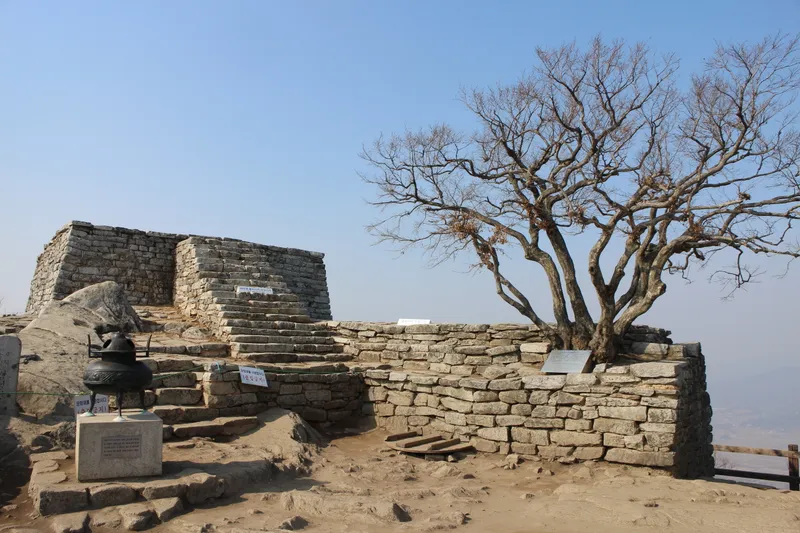
A stone altar said to have been raised by Dangun for rites to heaven, used for state sacrifices under Goryeo and Joseon, and the site of a rite held every National Foundation Day.
 Temple
Jeondeungsa, Jeongjoksan
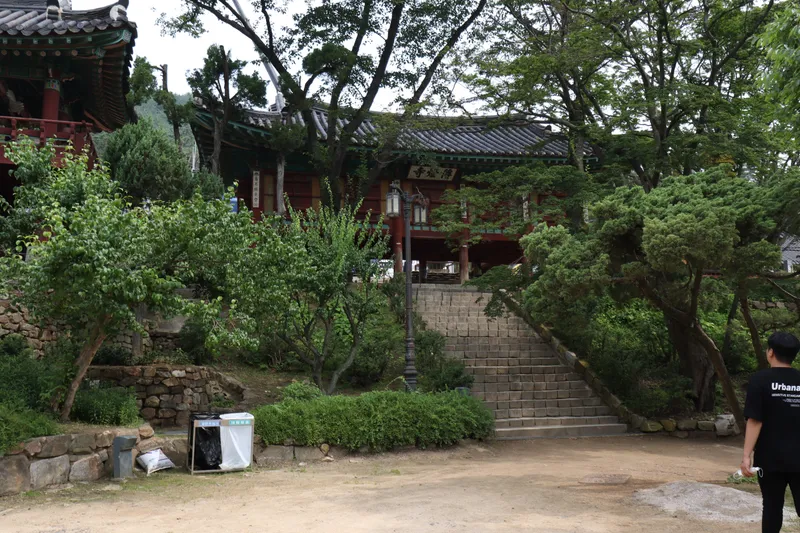
A temple renamed because of a single jade lamp given by a queen consort.
 Temple
Bomunsa
- Wish Fulfillment
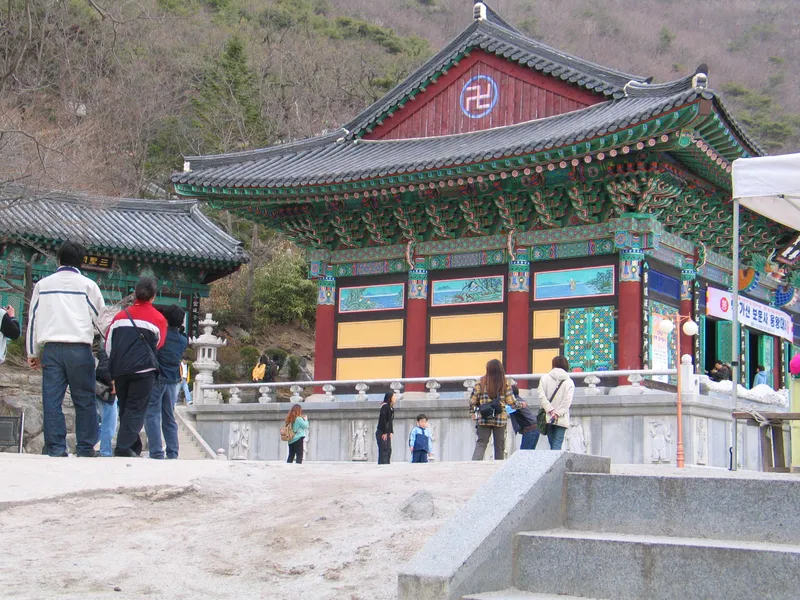
Counted with Boriam and Hongryeonam among Korea’s three great Avalokiteśvara sites, with a stone chamber holding figures said to have come up in a fisherman’s net.
 Temple
Baeknyeonsa, Goryeosan
The temple named for the place a white lotus came down.
 Temple
Yonggungsa, Baegunsan
- Fertility & Children
A temple renamed by the Heungseon Daewongun, with two zelkovas reckoned at about 1,300 years.
 Temple
Jingwansa, Bukhansan
The temple where a Korean flag was found inside a wall.
 Temple
Bongwonsa, Ansan
The temple where the leaders of the 1884 coup learned the reformist thought behind it.
 Temple
Bogwangsa, Goryeongsan
- Family & Home
The temple King Yeongjo attached to the tomb of the woman who bore him.
No places match your filters