Hoeamsa Temple Site, Cheonbosan
Hoeamsa
Researched and translated with AI assistance. Every claim is linked to its source, but errors get through, so check the official site for opening times, fees and closures.About
In short
The site of a temple of two hundred and sixty-six kan, modelled on Nalanda and long since abandoned.
Quick facts
- Address
- 281 Hoeamsa-gil, Yangju-si, Gyeonggi-do
About this place
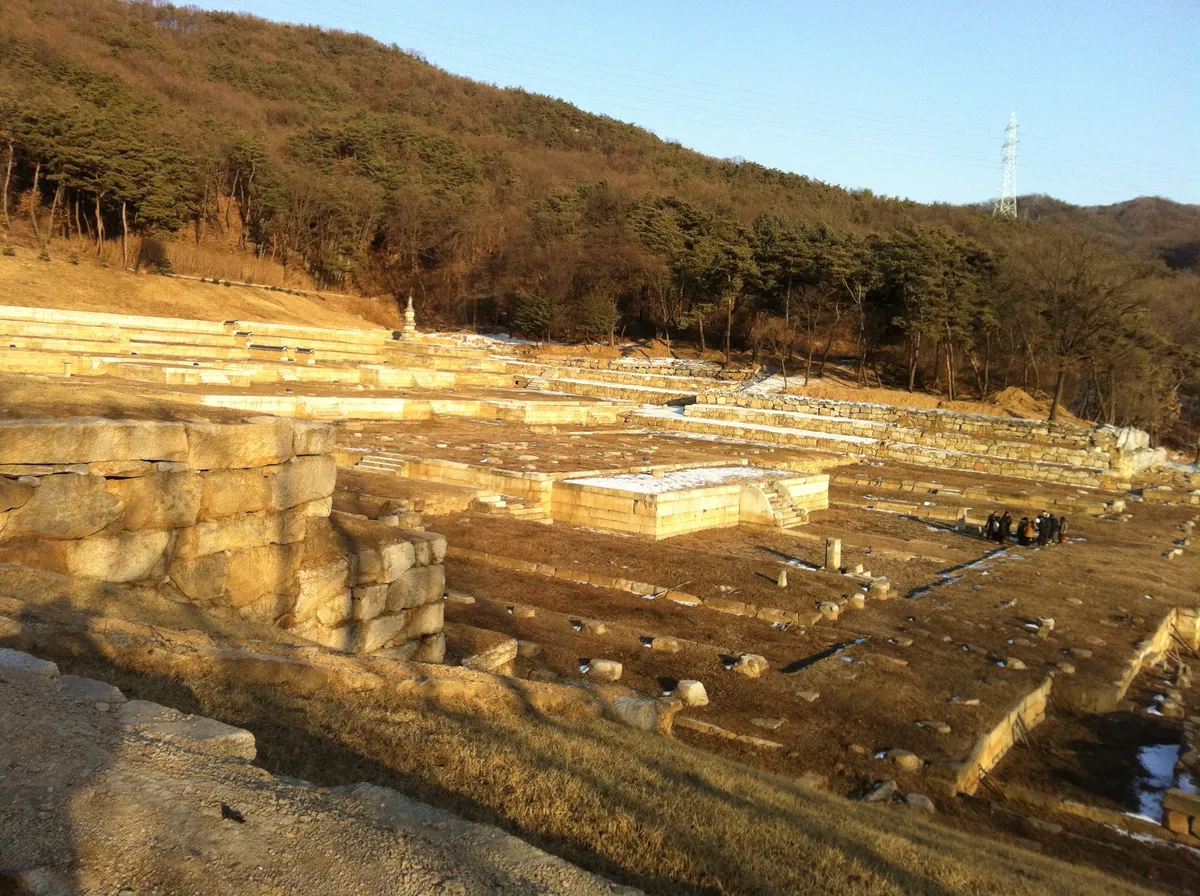
The Hoeamsa temple site lies on Cheonbosan in Yangju, Gyeonggi-do. In 1328 Jigong, who had come from India through Yuan China into Goryeo, rebuilt it as a great temple of two hundred and sixty-six kan modelled on Nalanda in India, and in 1378 Naong rebuilt it again. From the late Goryeo into the mid-Joseon period Hoeamsa was the largest temple in the country, keeping close relations with the royal house and leading the Buddhist thought and culture of its day. It was a temple under royal protection in the early Joseon, and is known as the place where Yi Seong-gye, King Taejo, stayed and practised in his old age. In the decline of Buddhism after Queen Munjeong, Hoeamsa is taken to have fallen away and been gradually abandoned. On the ridge north of the temple ground stand the stupas of Jigong and Naong together with the memorial stupa of the master Muhak. The site is designated a Historic Site, and the Muhak stupa a Treasure.
Origin and history
In 1328 Jigong, who had come from India through Yuan China into Goryeo, rebuilt the temple as a great establishment of two hundred and sixty-six kan modelled on Nalanda in India, and in 1378 Naong rebuilt it again.
From the late Goryeo into the mid-Joseon period Hoeamsa was the largest temple in the country, keeping close relations with the royal house and leading the Buddhist thought and culture of its day. It was under royal protection in the early Joseon, and is known as the place where Yi Seong-gye, King Taejo, stayed and practised in his old age.
In the decline of Buddhism after Queen Munjeong, Hoeamsa is taken to have fallen away and been gradually abandoned.
On the ridge north of the temple ground stand the stupas of Jigong and Naong together with the memorial stupa of the master Muhak. The site is a Historic Site, and the Muhak stupa a Treasure.
What it is locally associated with
Two hundred and sixty-six kan, on Nalanda’s model
In 1328 Jigong rebuilt the temple as a great establishment of two hundred and sixty-six kan modelled on Nalanda in India.
documented historyThe largest temple in the country
From late Goryeo into the mid-Joseon it was the largest temple in Korea, and King Taejo is known to have stayed and practised here in old age.
documented historyThree stupas on the ridge
North of the temple ground stand the stupas of Jigong and Naong together with the memorial stupa of the master Muhak.
documented history
This ground’s scale survives as a number. In 1328, the record says, Jigong rebuilt it at two hundred and sixty-six kan on the model of Nalanda in India. A man who had come from India by way of Yuan built, in Goryeo, a temple modelled on an Indian one; and from the late Goryeo into the mid-Joseon it was the largest temple in the country.
Gyeonggi’s temples are often recorded with a count of bays. Bongseonsa in Namyangju at eighty-nine, Silleuksa in Yeoju at more than two hundred, Heungcheonsa in Seoul at more than a hundred and seventy. The more the throne was involved, the more the size was written down.
This one, though, lost its size. The record says that in the decline of Buddhism after Queen Munjeong it fell away and was gradually abandoned — not burned but slowly emptied. That is also why this page is classed as a site rather than a temple.
What remains are the stupas on the ridge: Jigong’s and Naong’s, and the memorial stupa of Muhak, standing together. On Naong, this record says he rebuilt here in 1378, while Silleuksa in Yeoju records him dying there in 1376. The two do not mesh, and each is left as its own source has it.
Claims and evidence levels 2
- Jigong rebuilt the temple in 1328 at two hundred and sixty-six kan, modelled on Nalanda in India. documented history
- It was the largest temple in Korea from late Goryeo to mid-Joseon and was gradually abandoned after the decline that followed Queen Munjeong. documented history
Sources
- 천보산 회암사(天寶山 檜巖寺) — 한국민족문화대백과사전 (accessed 2026-08-16)
Last updated:
Similar places
8 places
 Temple
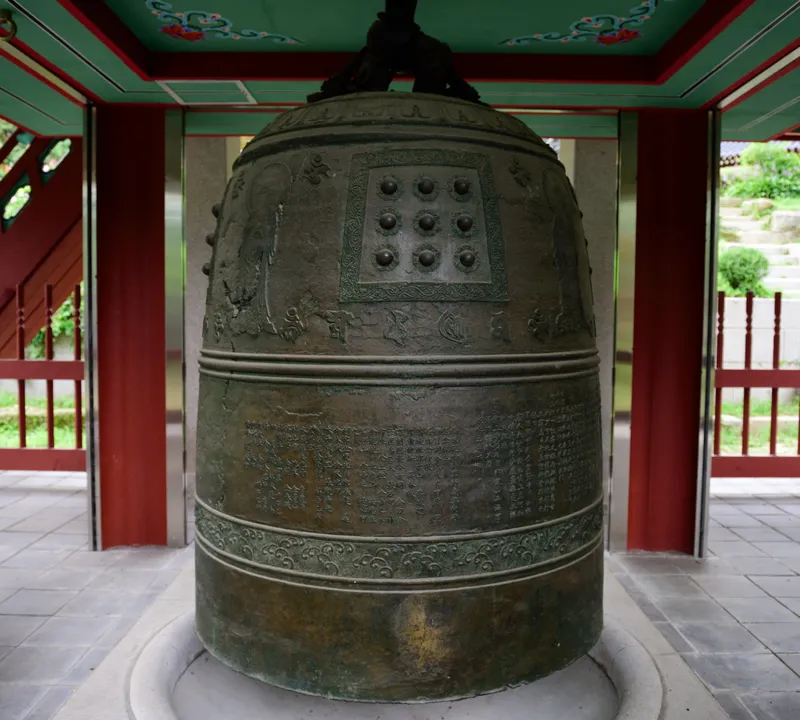
Bongseonsa, Unaksan
Rebuilt at eighty-nine kan by a queen, to guard the tomb of the king she had lost.
 Temple
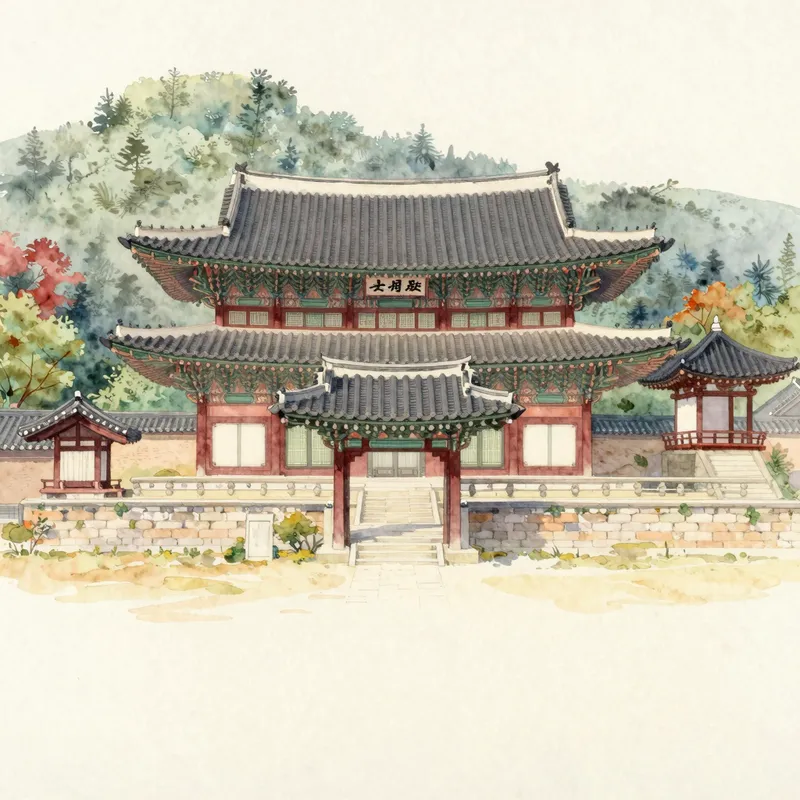
Bogwangsa, Goryeongsan
- Family & Home
The temple King Yeongjo attached to the tomb of the woman who bore him.
 Temple
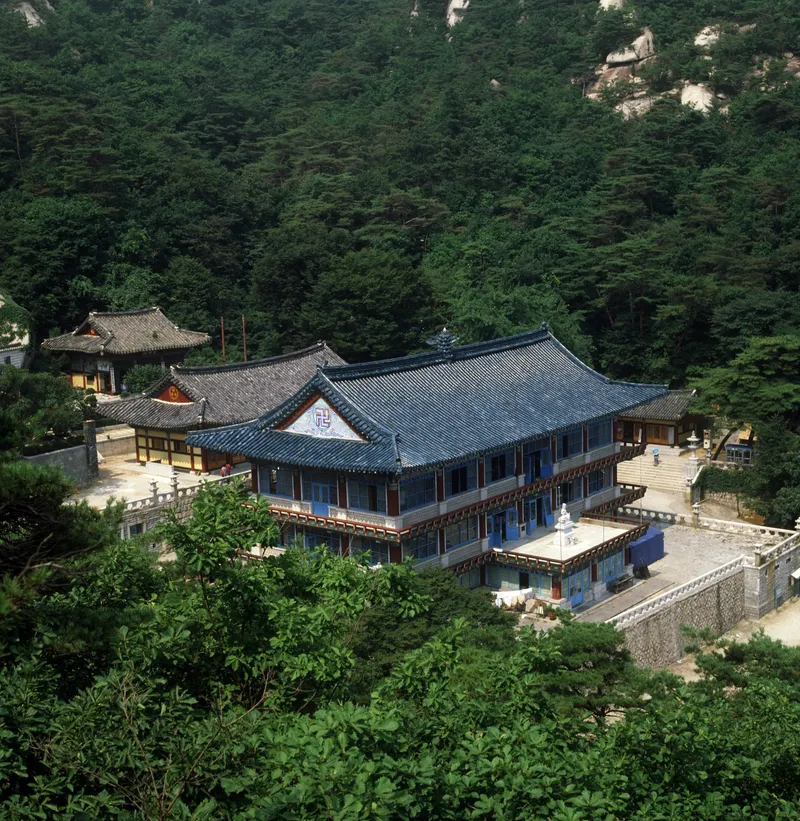
Doseonsa
- Wish Fulfillment
Founded by Doseon in 862, with a rock-carved Avalokiteshvara he is said to have split the stone by hand to cut, and a stream of people who come to pray.
 Temple
Hwagyesa, Samgaksan
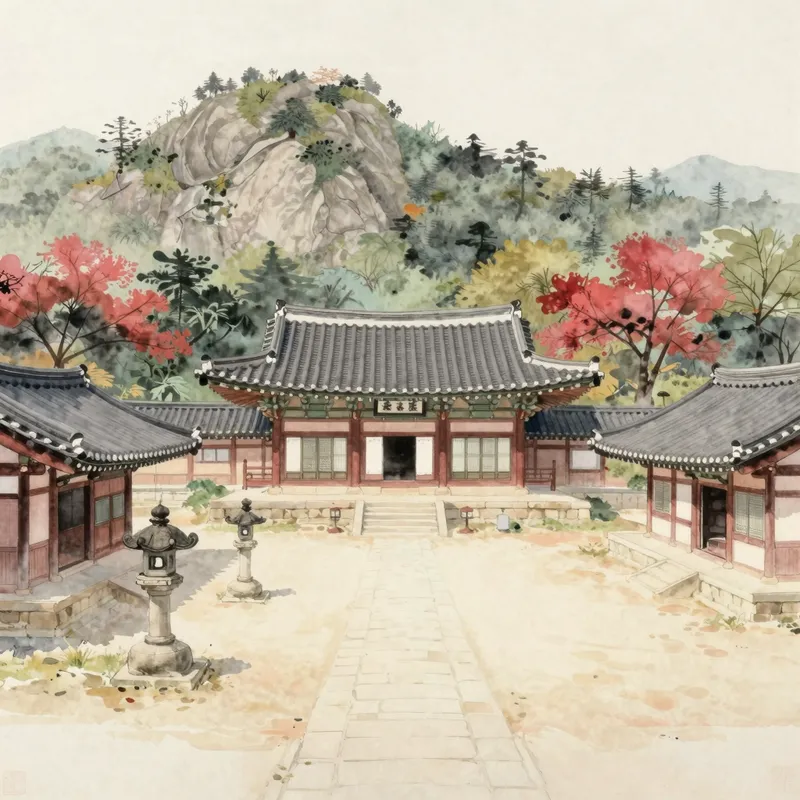
A temple paid for by two men holding the same title, two hundred and fifty years apart.
 Temple
Jingwansa, Bukhansan
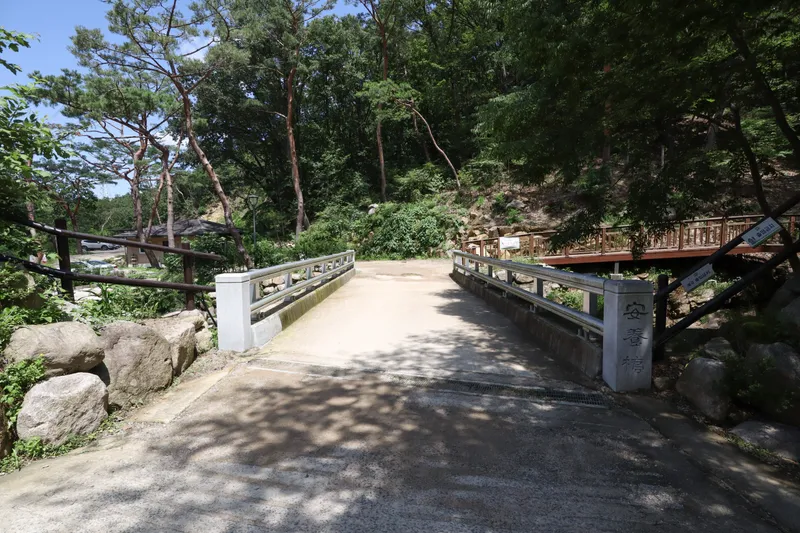
The temple where a Korean flag was found inside a wall.
 Temple
Seunggasa, Bukhansan
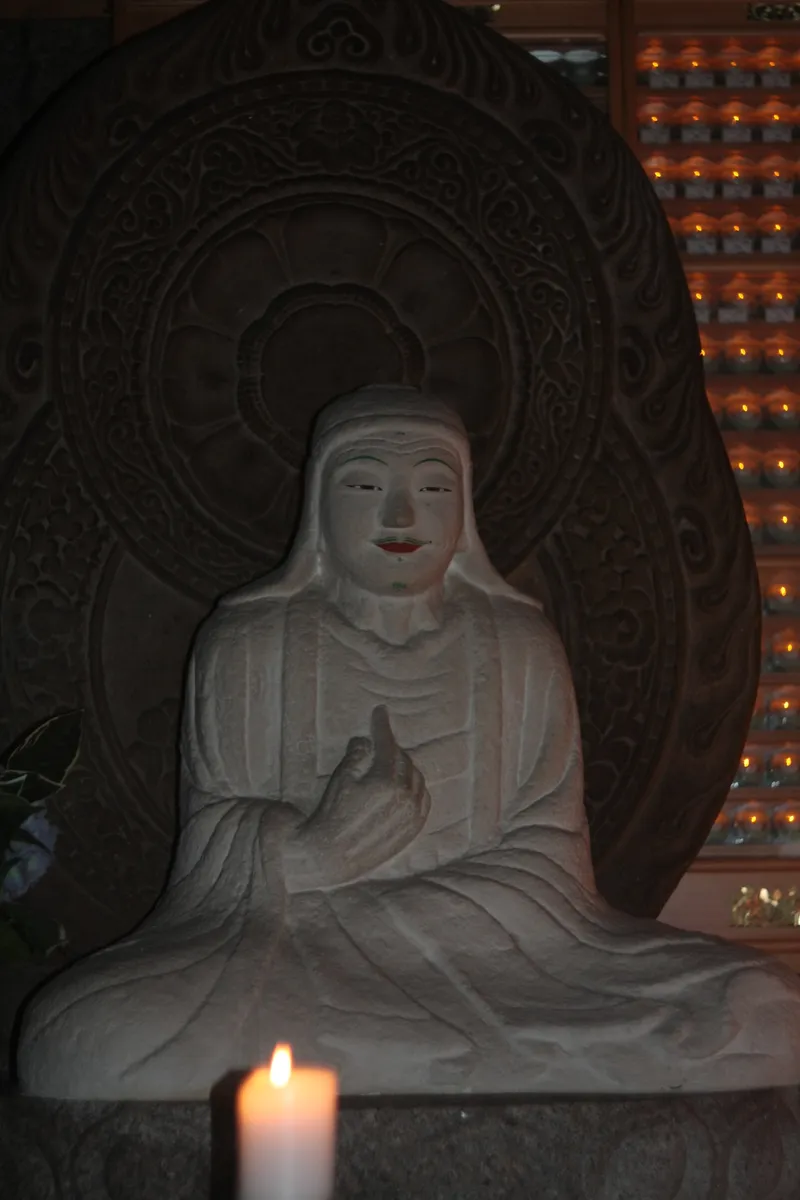
A temple holding a stone portrait of an Indian monk who went to Tang China.
 Temple
Heungcheonsa, Samgaksan
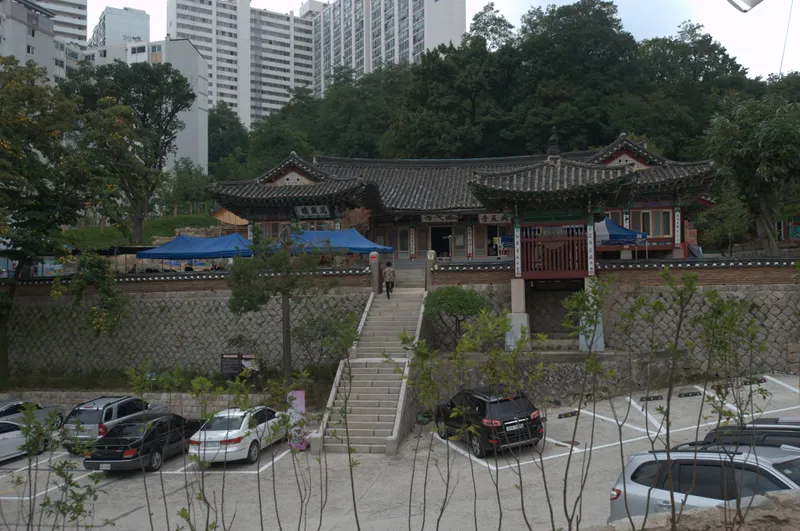
A temple of more than a hundred and seventy kan, raised beside a queen’s tomb by the king who had lost her.
 Shrine
Donggwanwangmyo
- Protection & Safety
A shrine to Guan Yu raised after the Imjin War, the only one of Seoul’s four such shrines still standing.
No places match your filters