Haesindang
Researched and translated with AI assistance. Every claim is linked to its source, but errors get through, so check the official site for opening times, fees and closures.About
In short
A village shrine raised to settle the grievance of a young woman drowned at sea, where carved wooden phalluses have been offered.
Quick facts
- Address
- Gallam-ri, Wondeok-eup, Samcheok-si, Gangwon
About this place
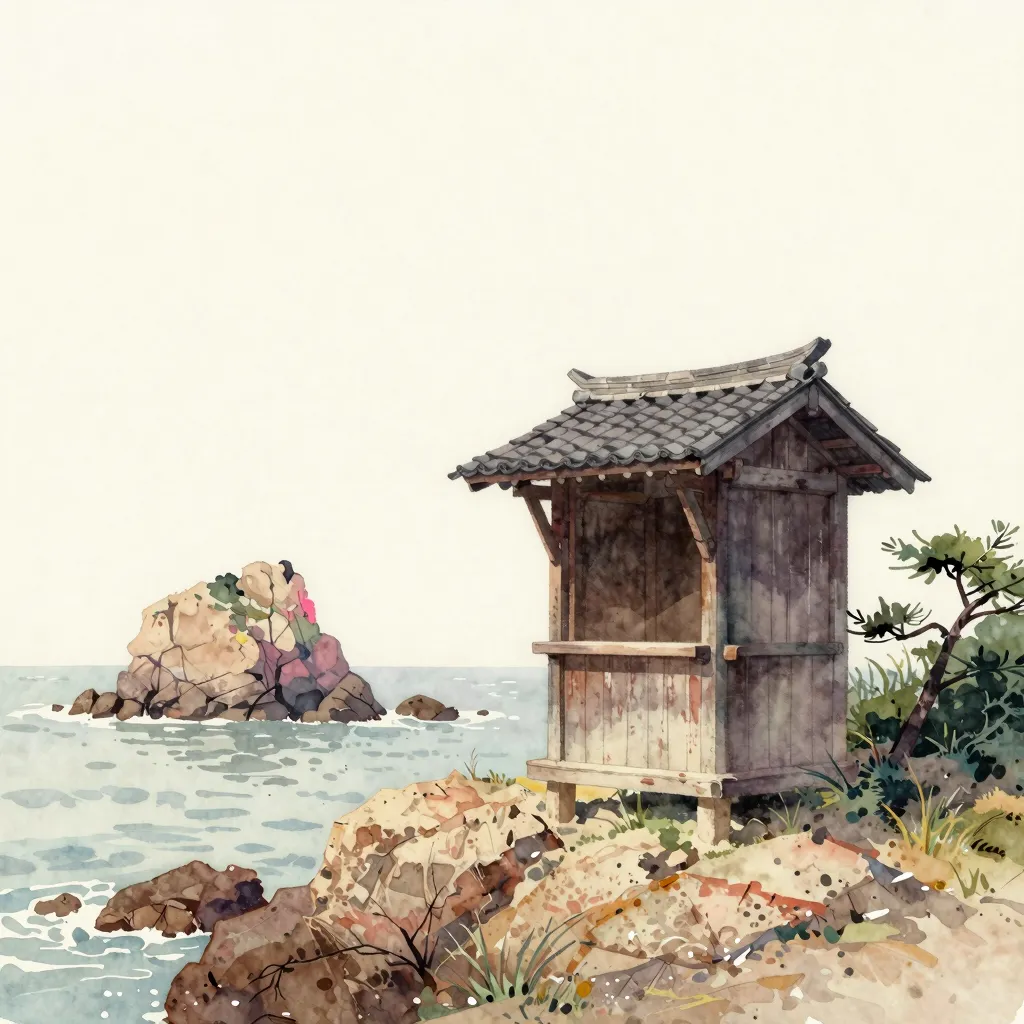
Haesindang stands at Sinnam in Gallam 2-ri, Wondeok-eup, Samcheok. Long ago a young woman and a young man who loved each other lived here. One day she took his boat out to a rock thick with seaweed to gather it, and while he had gone back a squall rose suddenly and she was swept off by the waves and drowned. The villagers called the rock Aebawi, the rock where she died struggling to live. After this the sea failed the village: no fish were caught, and boats that went out to work capsized, with lives lost again and again. The dead woman appeared in an old man’s dream and asked that her grievance be settled, since she had died unmarried and it was a bitter thing. To console her spirit the people built a shrine and held a rite, and to settle her grievance they offered phalluses carved from wood. The village rite at Sinnam is held at the first full moon of the year and on the first horse day of the tenth month.
Origin and history
Long ago a young woman and a young man who loved each other lived here. One day she took his boat out to a rock thick with seaweed to gather it, and while he had gone back a squall rose suddenly and she was swept off by the waves and drowned. The villagers called the rock Aebawi, the rock where she died struggling to live.
After this the sea failed the village. No fish were caught, and boats that went out to work capsized, with lives lost again and again.
The dead woman appeared in an old man’s dream and asked that her grievance be settled, since she had died unmarried and it was a bitter thing. To console her spirit the people built a shrine and held a rite, and to settle her grievance they offered phalluses carved from wood.
The village rite at Sinnam is held at the first full moon of the year and on the first horse day of the tenth month. The reason the rite falls on a horse day is that her spirit was held to be strong, so the strongest day, the horse day, was chosen for it.
What it is locally associated with
Aebawi
The villagers called the rock Aebawi, the rock where she died struggling to live.
folk traditionAfter the fish stopped coming
When no fish were caught and boats capsized after her death, the village built a shrine and held a rite.
folk traditionThe strongest day
The rite falls on the first horse day of the tenth month because her spirit was held to be strong, so the strongest day was chosen.
folk tradition
This shrine was raised as an answer to one person’s death. A young woman went to gather seaweed, was drowned in a squall, and afterwards the fish did not come and the boats went over. She appeared in an old man’s dream asking that her grievance be settled, and the village built a shrine and made an offering. What came first was not a measure for safety at sea but a measure for a dead person’s bitterness.
The offering made was phalluses carved from wood. The record states that this was the form the answer took to her saying she had died unmarried. Such carvings still hang at the shrine.
The date of the rite carries a judgement too. It falls on the first horse day of the tenth month because her spirit was held to be strong, and the strongest day was chosen to match. How much force the dead woman was credited with settled a date on the calendar.
The rock was named as well: Aebawi, the rock where she died struggling to live. This site holds other places whose names keep hold of something gone; here it is a person’s last moments that became a place name.
Claims and evidence levels 2
- The shrine was built after a young woman drowned at the rock called Aebawi and the village’s fishing failed, following her appearance in an old man’s dream. folk tradition
- The rite is held at the first full moon and on the first horse day of the tenth month, the horse day chosen because her spirit was held to be strong. folk tradition
Related guides
- Musok and gut — Korea’s living folk religionWho the mudang are and what a gut is. And what to do if you walk in on one.
Sources
- 해신당(海神堂) — 한국민족문화대백과사전 (accessed 2026-08-16)
Last updated:
Similar places
8 places
 Temple
Jeongamsa
- Protection & Safety
A relic sanctuary where Jajang is said to have enshrined the Buddha’s skull bone, a tooth and a hundred relics, with a National Treasure stupa on the slope behind.
 Shrine
Daegwallyeong Seonghwangsa and Sansingak
- Health & Healing
- Protection & Safety
A mountain-god shrine at the top of the Daegwallyeong pass, whose deity is recorded as presiding over farming, illness, drought and the road.
 Temple
Jeongmyeol-bogung, Odaesan
- Protection & Safety
A relic hall on the middle terrace of Odaesan with no buddha image inside, because the Buddha’s own relics are enshrined there.
 Temple
Bongjeongam
- Protection & Safety
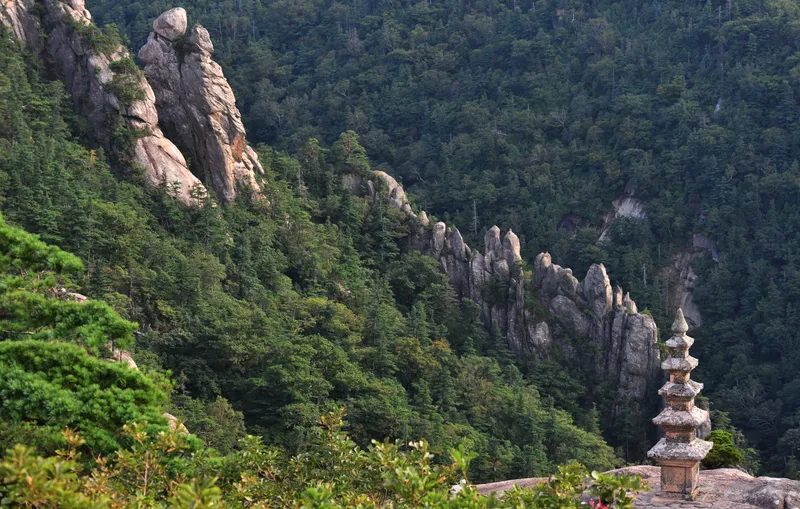
A hermitage on Sosecheongbong in Seoraksan, one of the five relic sanctuaries, holding relics Jajang is said to have brought back.
 Historic Site
Tomb of King Munmu
- Protection & Safety
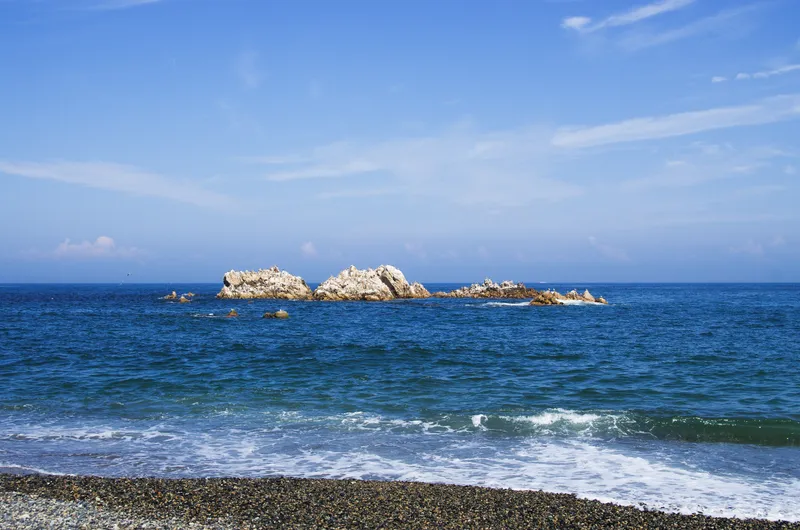
The tomb of King Munmu of Silla, set on a rock in the sea because he willed to become a dragon and guard the East Sea.
 Temple
Haeinsa
- Protection & Safety
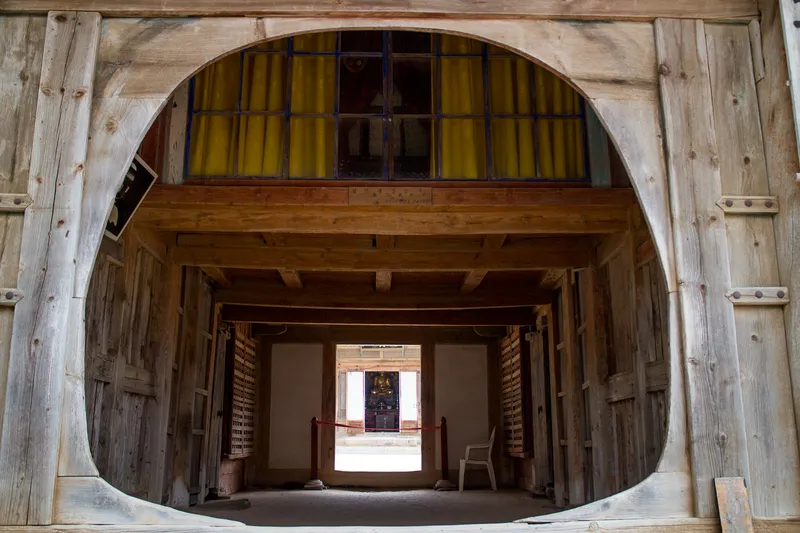
The temple holding the Tripitaka Koreana, cut out of a national wish to repel the Mongols, and the hall that has kept it.
 Temple
Tongdosa
- Protection & Safety
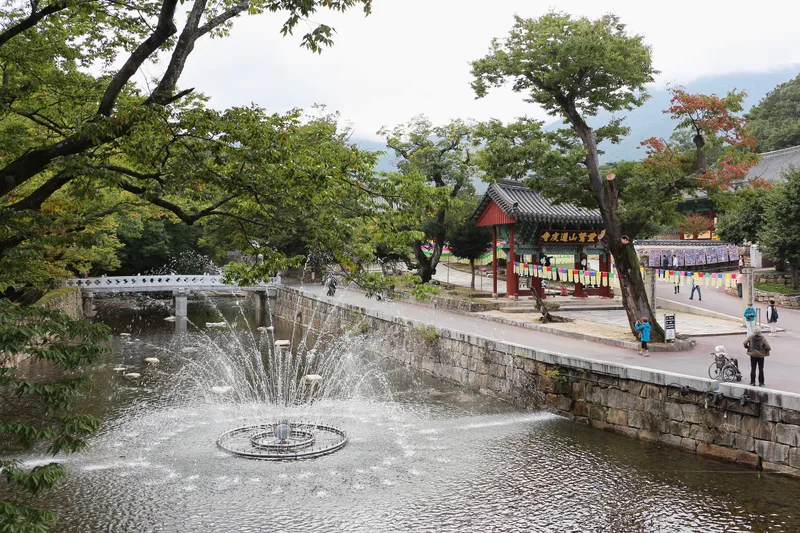
The first of the five relic sanctuaries, whose main hall enshrines no buddha because it faces the relics behind it.
 Shrine
Donggwanwangmyo
- Protection & Safety
A shrine to Guan Yu raised after the Imjin War, the only one of Seoul’s four such shrines still standing.
No places match your filters