Sangwonsa, Chiaksan
Researched and translated with AI assistance. Every claim is linked to its source, but errors get through, so check the official site for opening times, fees and closures.About
In short
The temple whose bell a pheasant struck three times, and whose mountain was renamed for it.
Quick facts
- Address
- San 170-2 Seongnam-ri, Sillim-myeon, Wonju-si, Gangwon
About this place
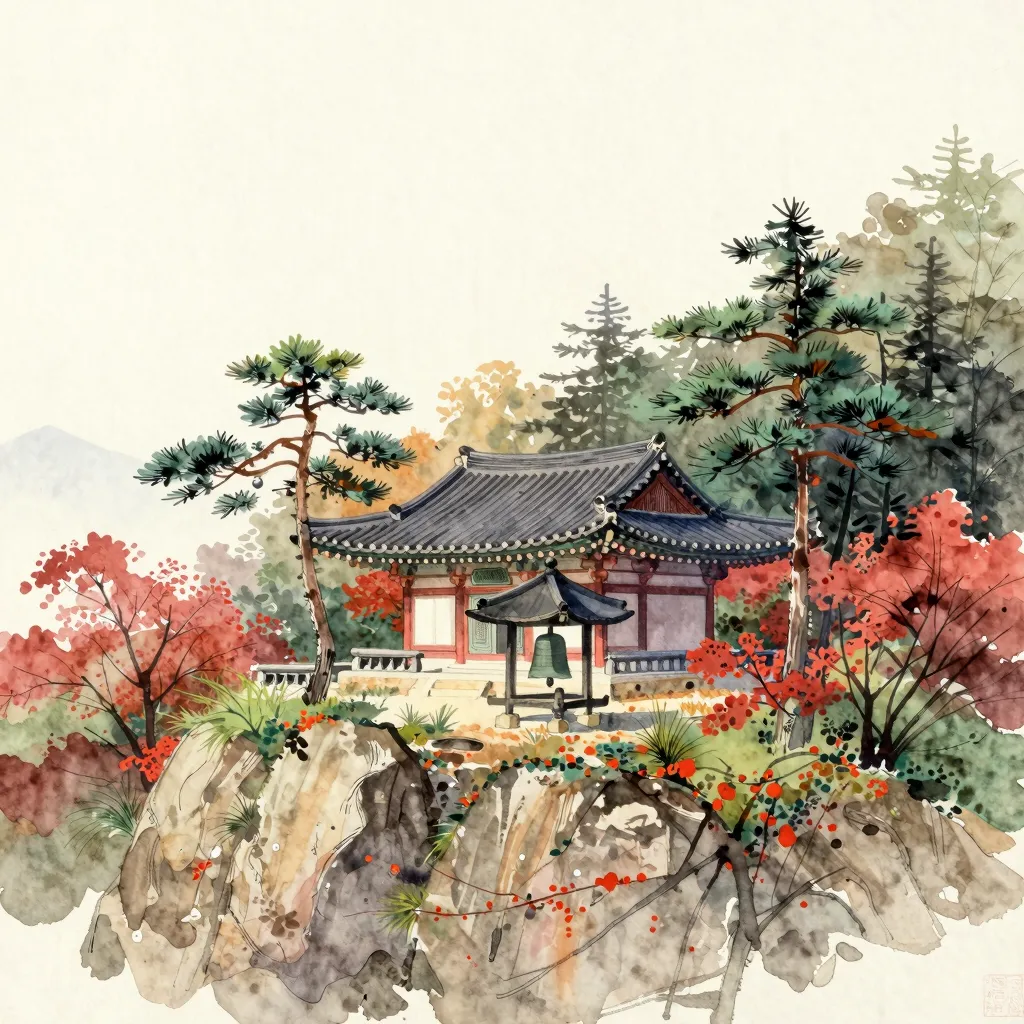
Sangwonsa stands on Chiaksan in Sillim-myeon, Wonju. Chiaksan was originally Jeogaksan, the red peak, named for the beauty of its autumn colour. By the legend, a monk of deep practice living at the foot of the mountain saw a great snake on a mountain path coiling to kill a pheasant that was sheltering her chicks, and struck the snake with his staff and saved the bird. That evening he lodged for the night at a house where a woman lived alone; she was the dead snake’s wife, who had taken human form to lure him and take her revenge. She told him that if the bell of the ruined Sangwonsa were made to sound three times before midnight the dead snake could ascend, and that if the bell sounded three times she would let him live. There was no way to climb to the summit in the time, and he had given up and was waiting to die when the bell sounded three times. At first light he climbed to Sangwonsa and found the pheasant and her chicks lying dead and bloodied beneath the belfry. Because the pheasant repaid the kindness with her death, the mountain came to be called Chiaksan, written with the character for pheasant.
Origin and history
Chiaksan was originally Jeogaksan. It was called the red peak for the beauty of its autumn colour.
By the legend, a monk of deep practice living at the foot of the mountain saw a great snake on a mountain path coiling to kill a pheasant that was sheltering her chicks, and struck the snake with his staff and saved the bird.
That evening he lodged at a house where a woman lived alone. She was the dead snake’s wife, who had taken human form to lure him and take her revenge. She told him that if the bell of the ruined Sangwonsa were made to sound three times before midnight the dead snake could ascend, and that if it sounded three times she would let him live.
There was no way to climb to the summit in the time, and he had given up and was waiting to die when the bell sounded three times. At first light he climbed to Sangwonsa and found the pheasant and her chicks lying dead and bloodied beneath the belfry. Because the pheasant repaid the kindness with her death, the mountain came to be called Chiaksan, written with the character for pheasant.
What it is locally associated with
If the bell sounds three times
The woman promised to spare him if the bell of the ruined Sangwonsa sounded three times before midnight, and while he waited to die it sounded three times.
folk traditionFrom Jeogaksan to Chiaksan
Because the pheasant repaid the kindness with her death, the mountain’s name changed from one meaning red peak to one written with the character for pheasant.
folk traditionBeneath the belfry
At first light, the account says, the pheasant and her chicks lay dead and bloodied beneath the belfry.
folk tradition
What this temple holds in the story is the bell. Living or dying turned on three strokes of it, and the bell hung at Sangwonsa, which was then a ruin. The distance was more than a person could climb in the time; what climbed instead was a pheasant.
The outcome stayed in the mountain’s name. Jeogaksan, the name that came from red autumn leaves, became Chiaksan, written with the character for pheasant. A name from a colour was replaced by a name from an event.
This site holds another place where a name and a prayer are tangled. At Mungyeong Saejae the pass’s name means hearing joyful news, and scholars bound for the examinations are said to have chosen that road for it. There the name settled where people walked; here what happened settled the name. The direction is reversed.
The story’s last scene is not the repayment but the dying. Beneath the belfry, the account says, lay the pheasant and her chicks, bloodied.
Claims and evidence levels 2
- By the legend a pheasant struck the bell of the ruined Sangwonsa three times to save the monk who had saved her, and died doing it. folk tradition
- The mountain, formerly Jeogaksan, took the name Chiaksan, written with the character for pheasant, from that account. folk tradition
Related guides
- How to visit a Korean templeHands together and hands folded, how the bows work, and what to do at the threshold of a hall. Starting with what is different from visiting a Japanese shrine.
- The small hall behind the main one — sansingak and samseonggakUphill from the main hall of a Korean temple stands a smaller one, and inside it an old man with a tiger. This is where the indigenous religion sits, inside the Buddhist institution.
- Templestay — a night at a templeA programme that puts you inside a temple’s own timetable for a day or two. What you do, which type to book, and what to be ready for.
- Prayer sites and the one wishThe three great Gwaneum sites, the five relic halls, and the crowds before the entrance exam. Where the saying about one wish comes from, and where the record stops.
Sources
- 치악산 상원사(雉岳山 上院寺) — 한국민족문화대백과사전 (accessed 2026-08-16)
Last updated:
Similar places
8 places
 Temple
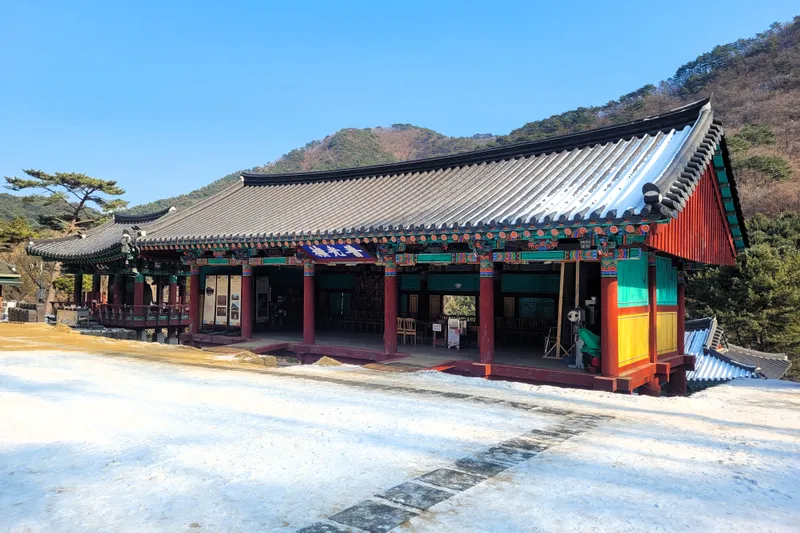
Guryongsa, Chiaksan
A temple whose founding legend has a single written charm dry up the pool where nine dragons lived.
 Temple
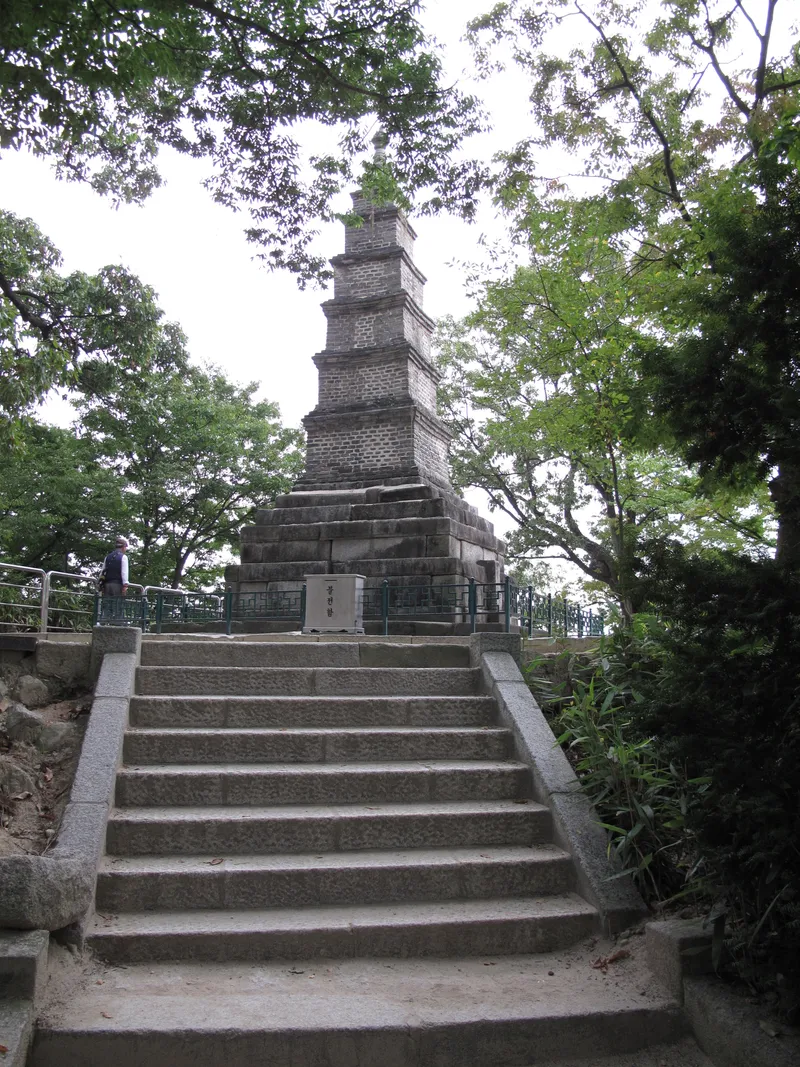
Silleuksa, Bongmisan
The temple where the only surviving Goryeo brick pagoda in Korea stands.
 Temple
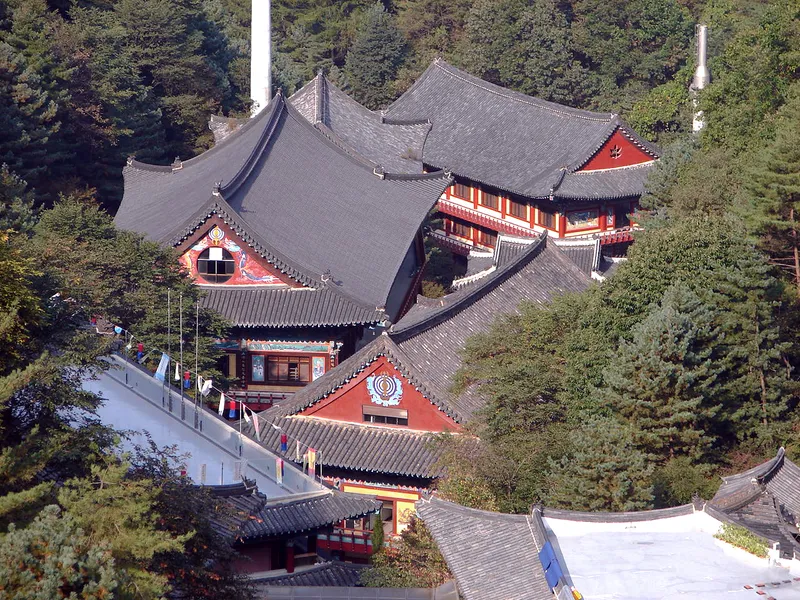
Guinsa
The head temple of the Cheontae Order, founded in 1945, with a five-storey concrete hall that seats ten thousand.
 Temple
Yongmunsa, Yongmunsan
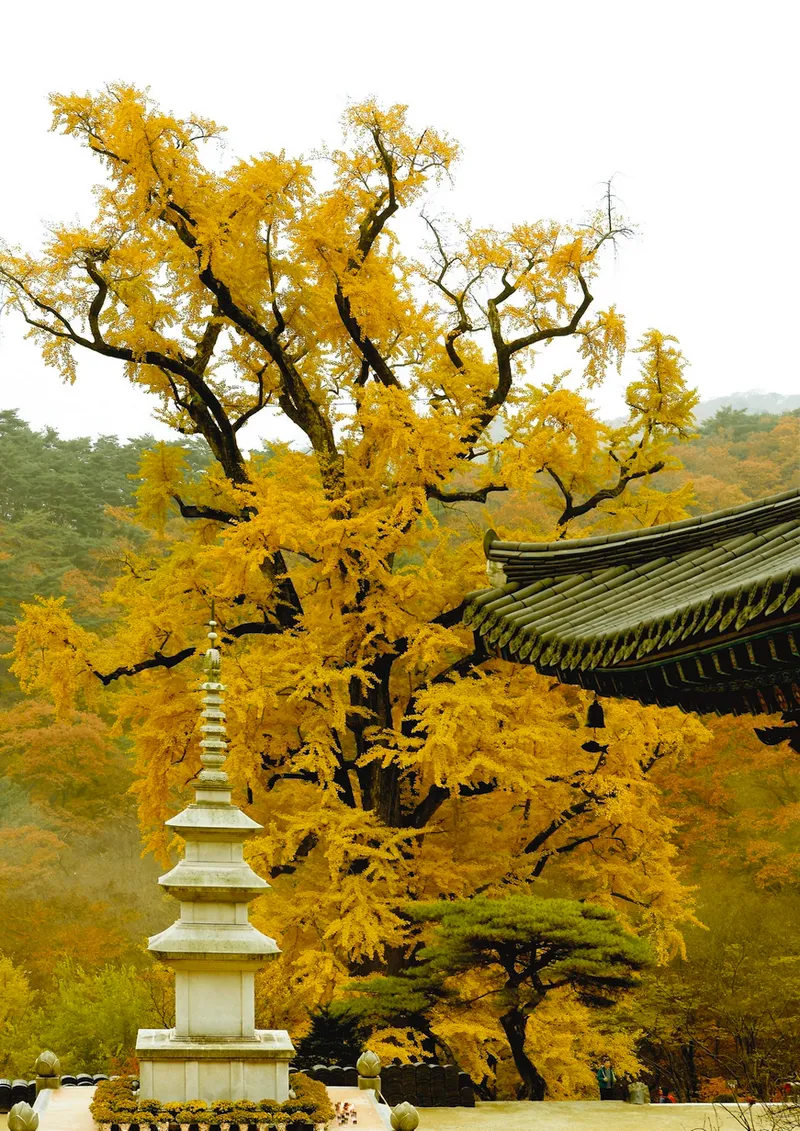
The temple whose courtyard ginkgo was granted an office by King Sejong of Joseon.
 Historic Site
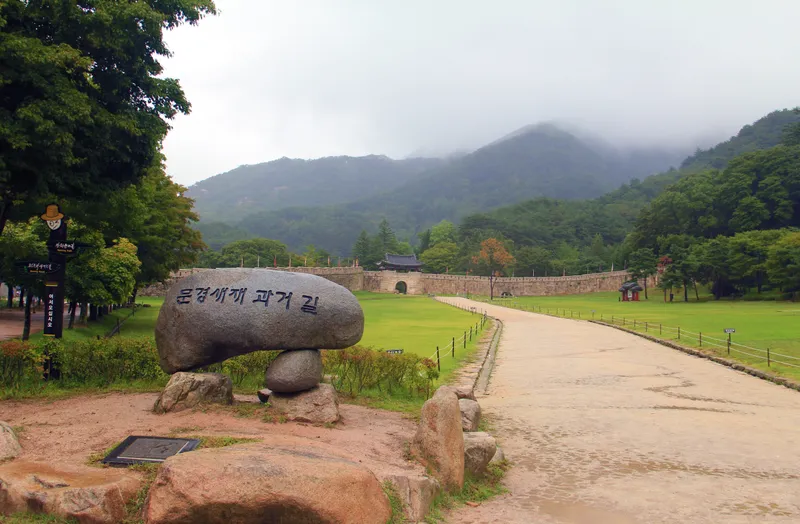
Mungyeong Saejae
- Exams & Study
The highest and hardest pass on the road from the southeast to the capital, with three gates strung along six and a half kilometres.
 Temple
Buseoksa, Bonghwangsan
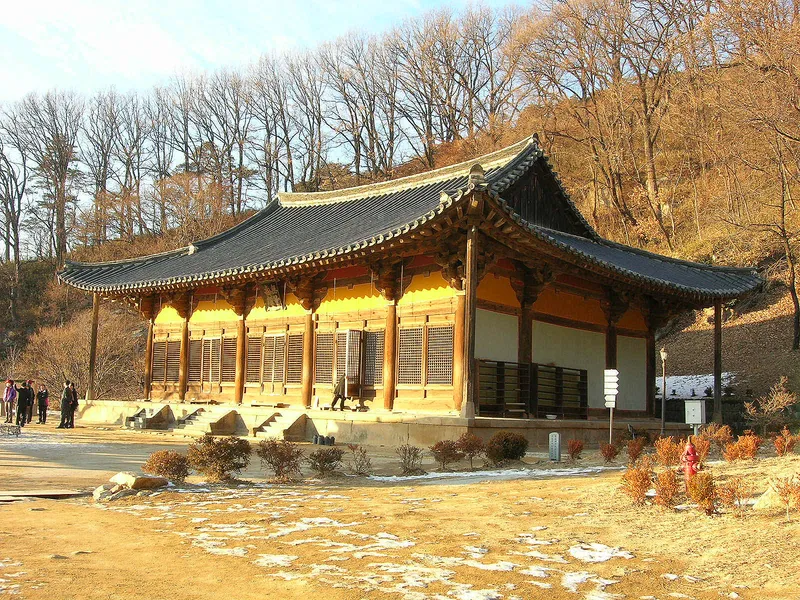
Built where a woman turned dragon turned rock, and hung in the air until five hundred bandits left.
 Temple
Chiljangsa, Chilhyeonsan
- Exams & Study
The mountain and the temple are both named for seven robbers who became seven sages.
 Temple
Woljeongsa, Odaesan
Head temple of the fourth Jogye district, begun where its founder tried to see Manjushri in the flesh and did not.
No places match your filters