Doseonsa
Bukhansan Doseonsa · Samgaksan Doseonsa
Researched and translated with AI assistance. Every claim is linked to its source, but errors get through, so check the official site for opening times, fees and closures.About
In short
Founded by Doseon in 862, with a rock-carved Avalokiteshvara he is said to have split the stone by hand to cut, and a stream of people who come to pray.
Quick facts
- Address
- 504 Samyang-ro 173-gil, Gangbuk-gu, Seoul
About this place
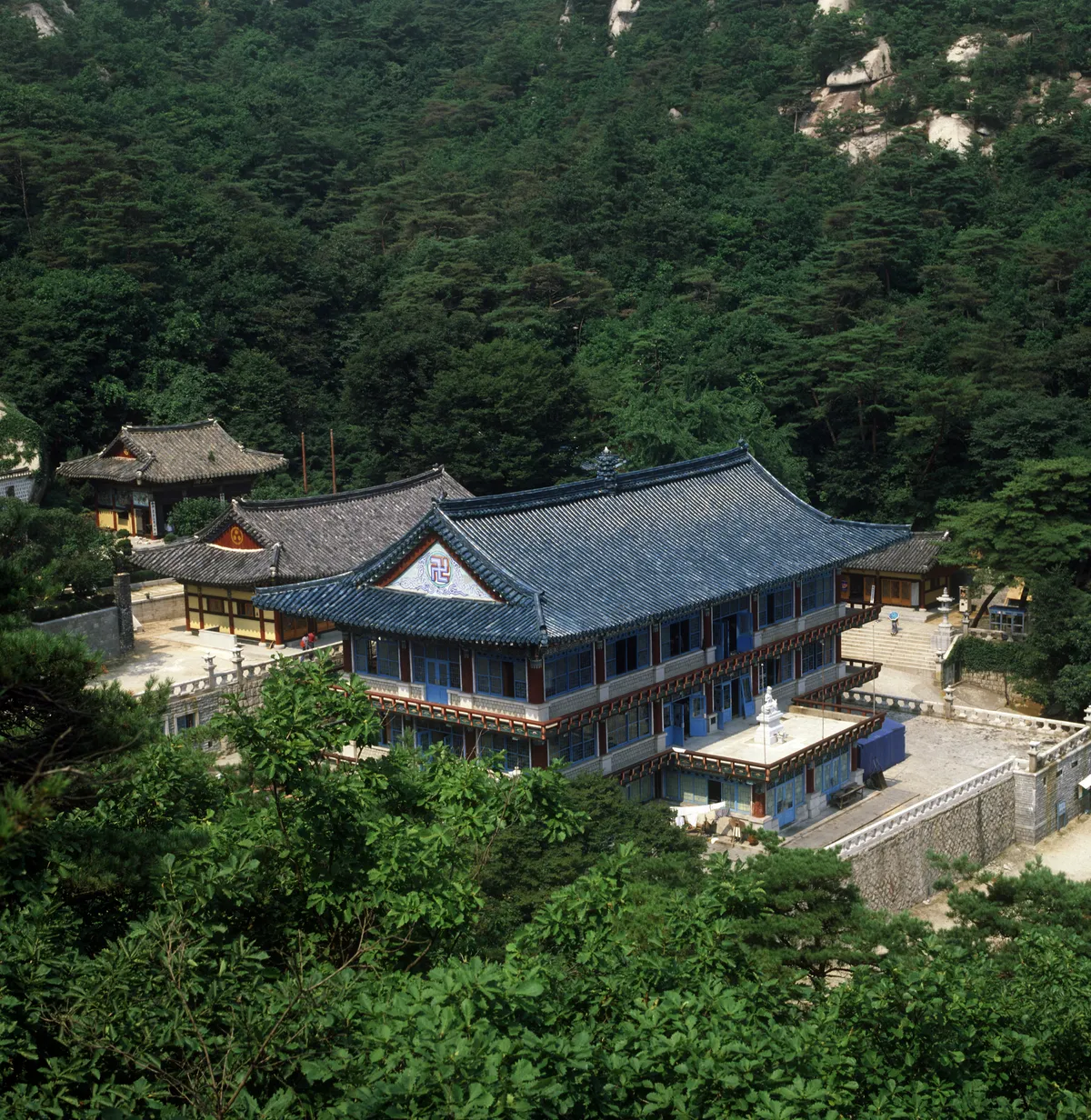
Doseonsa is a temple on Bukhansan in Gangbuk, Seoul, founded by Doseon, a monk of Unified Silla. He founded it in 862 and, having foreseen that the shape of this mountain would be where the Dharma was raised again in the age of decline a thousand years later, is said to have split a great rock with his hands and carved an Avalokiteshvara into it. The image is said to be efficacious, and there is no day without people coming to pray; in 1904 the temple was designated a national prayer hall.
Origin and history
The Encyclopedia of Korean Culture describes Doseonsa as a temple on Bukhansan in Gangbuk, Seoul, founded by Doseon, a monk of Unified Silla.
He founded it in 862, the second year of King Gyeongmun. It is said that Doseon foresaw the shape of this mountain to be the place where the Dharma would be raised again in the age of decline a thousand years on, and that after founding the temple he split a great rock with his hands and carved a rock-cut Avalokiteshvara.
In 1903 Hyemyeong rebuilt the main hall at King Gojong’s command, and in 1904 the temple was designated a national prayer hall. In 1961 Cheongdam Sunho became abbot, and the grounds were repaired with donations from President Park Chung-hee, Yuk Young-soo and others.
What it is locally associated with
No day without people praying
The rock-carved Avalokiteshvara is said to be efficacious, and the encyclopedia records that there is no day without people coming to pray.
folk traditionFounded looking a thousand years ahead
Doseon is said to have foreseen this mountain as where the Dharma would rise again in the age of decline a thousand years on, and founded it in 862.
folk traditionA national prayer hall, 1904
Hyemyeong rebuilt the main hall in 1903 at King Gojong’s command, and the following year it was designated a national prayer hall.
documented history
On the rock-carved Avalokiteshvara the encyclopedia is brief. It is said to be efficacious, and there is no day without people coming to pray. It does not itemise what they ask for; only that they do not stop coming.
The founding story looks further ahead. Doseon is said to have foreseen this mountain as the place where the Dharma would rise again in the age of decline a thousand years later, and to have split a great rock by hand to carve the image. A thousand years after 862 is the nineteenth century.
In 1904 it was designated a national prayer hall — a place where individuals pray, and also one the state designated for praying.
Claims and evidence levels 4
- Doseonsa on Bukhansan in Seoul was founded in 862 by Doseon, a monk of Unified Silla. documented history
- It is said that Doseon foresaw this mountain as the place where the Dharma would be raised again a thousand years later, and split a great rock with his hands to carve a rock-cut Avalokiteshvara. folk tradition
- The image is said to be efficacious, and there is no day without people coming to pray before it. folk tradition
- Hyemyeong rebuilt the main hall in 1903 at King Gojong’s command; in 1904 the temple was designated a national prayer hall; in 1961 Cheongdam Sunho became abbot and the grounds were repaired with donations from President Park Chung-hee and Yuk Young-soo among others. documented history
Related guides
- How to visit a Korean templeHands together and hands folded, how the bows work, and what to do at the threshold of a hall. Starting with what is different from visiting a Japanese shrine.
- The small hall behind the main one — sansingak and samseonggakUphill from the main hall of a Korean temple stands a smaller one, and inside it an old man with a tiger. This is where the indigenous religion sits, inside the Buddhist institution.
- Templestay — a night at a templeA programme that puts you inside a temple’s own timetable for a day or two. What you do, which type to book, and what to be ready for.
- Prayer sites and the one wishThe three great Gwaneum sites, the five relic halls, and the crowds before the entrance exam. Where the saying about one wish comes from, and where the record stops.
Sources
- 북한산 도선사(北漢山 道詵寺) — 한국민족문화대백과사전 — Academy of Korean Studies (accessed 2026-08-12)
Last updated:
Similar places
8 places
 Temple
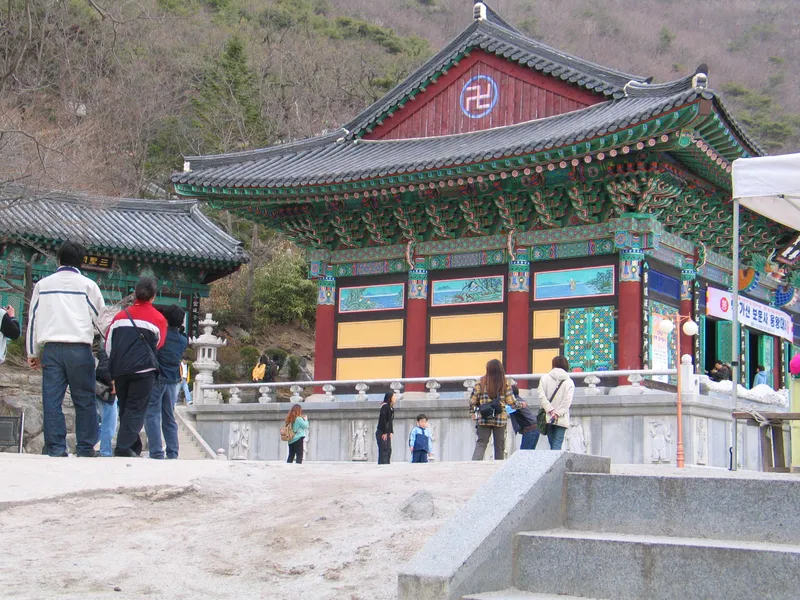
Bomunsa
- Wish Fulfillment
Counted with Boriam and Hongryeonam among Korea’s three great Avalokiteśvara sites, with a stone chamber holding figures said to have come up in a fisherman’s net.
 Temple
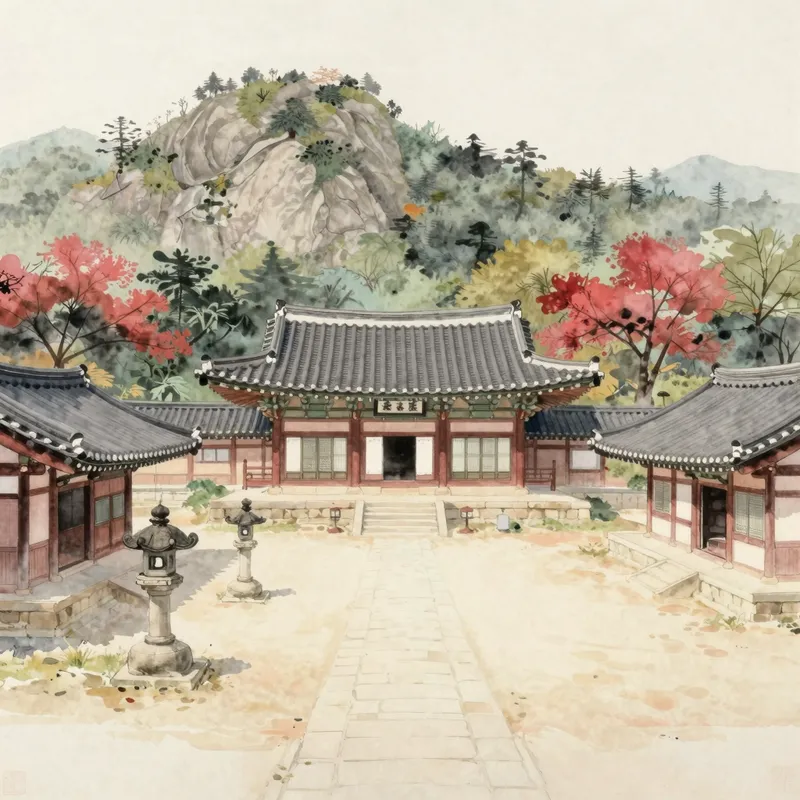
Hwagyesa, Samgaksan
A temple paid for by two men holding the same title, two hundred and fifty years apart.
 Temple
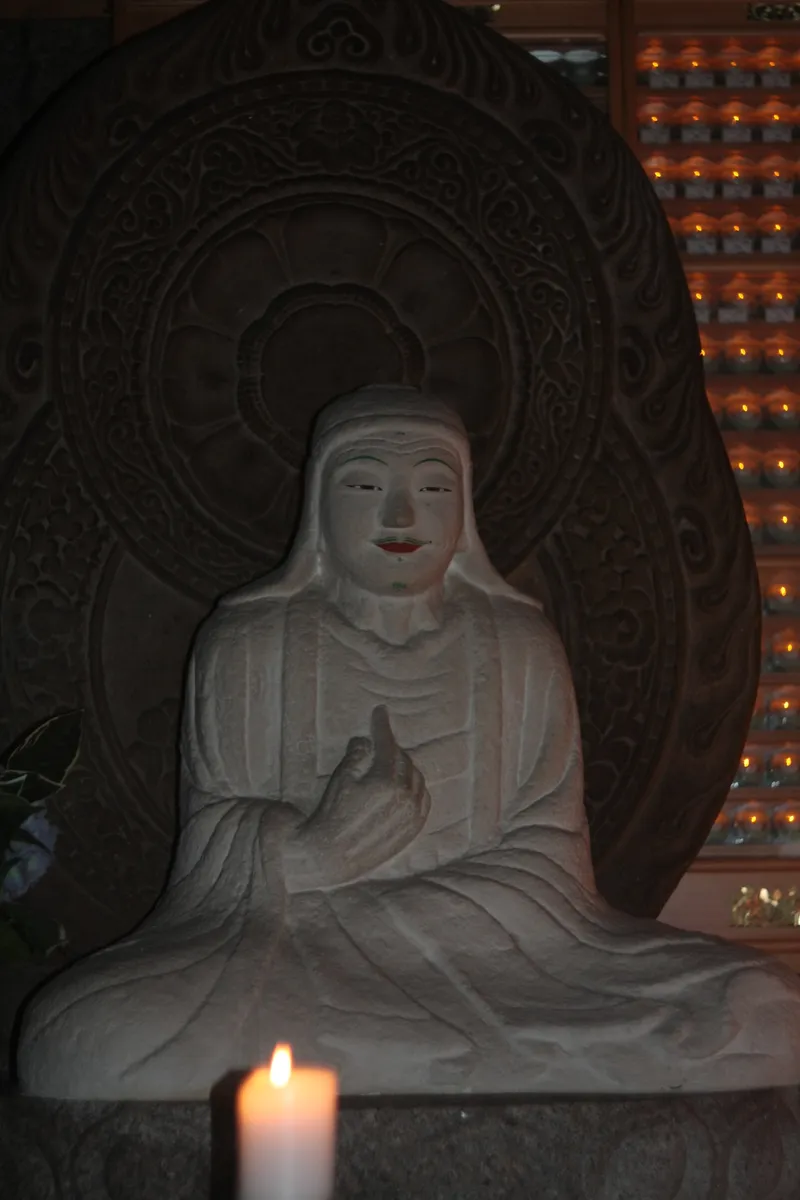
Seunggasa, Bukhansan
A temple holding a stone portrait of an Indian monk who went to Tang China.
 Temple
Jingwansa, Bukhansan
The temple where a Korean flag was found inside a wall.
 Temple
Heungcheonsa, Samgaksan
A temple of more than a hundred and seventy kan, raised beside a queen’s tomb by the king who had lost her.
 Shrine
Guksadang, Inwangsan
- Fertility & Children
- Health & Healing
- Protection & Safety
A shaman shrine moved from Namsan to the slope of Inwangsan in 1925 under Japanese pressure, where roughly a hundred gut rites are still held each year.
 Temple
Jogyesa
- Exams & Study
The head temple of the Jogye Order, in the middle of downtown Seoul, where a prayer for children ends the day before the national entrance exam each year.
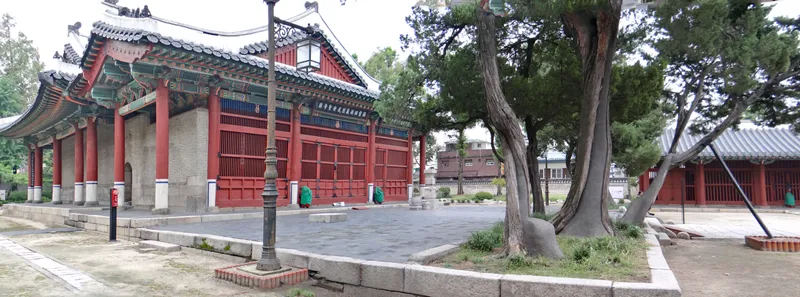 Shrine
Donggwanwangmyo
- Protection & Safety
A shrine to Guan Yu raised after the Imjin War, the only one of Seoul’s four such shrines still standing.
No places match your filters