Nogodan
Namaksa
Researched and translated with AI assistance. Every claim is linked to its source, but errors get through, so check the official site for opening times, fees and closures.About
In short
The peak where rites to the Holy Mother of Jirisan began, before the rite moved to Namaksa and later to a hall beside Hwaeomsa.
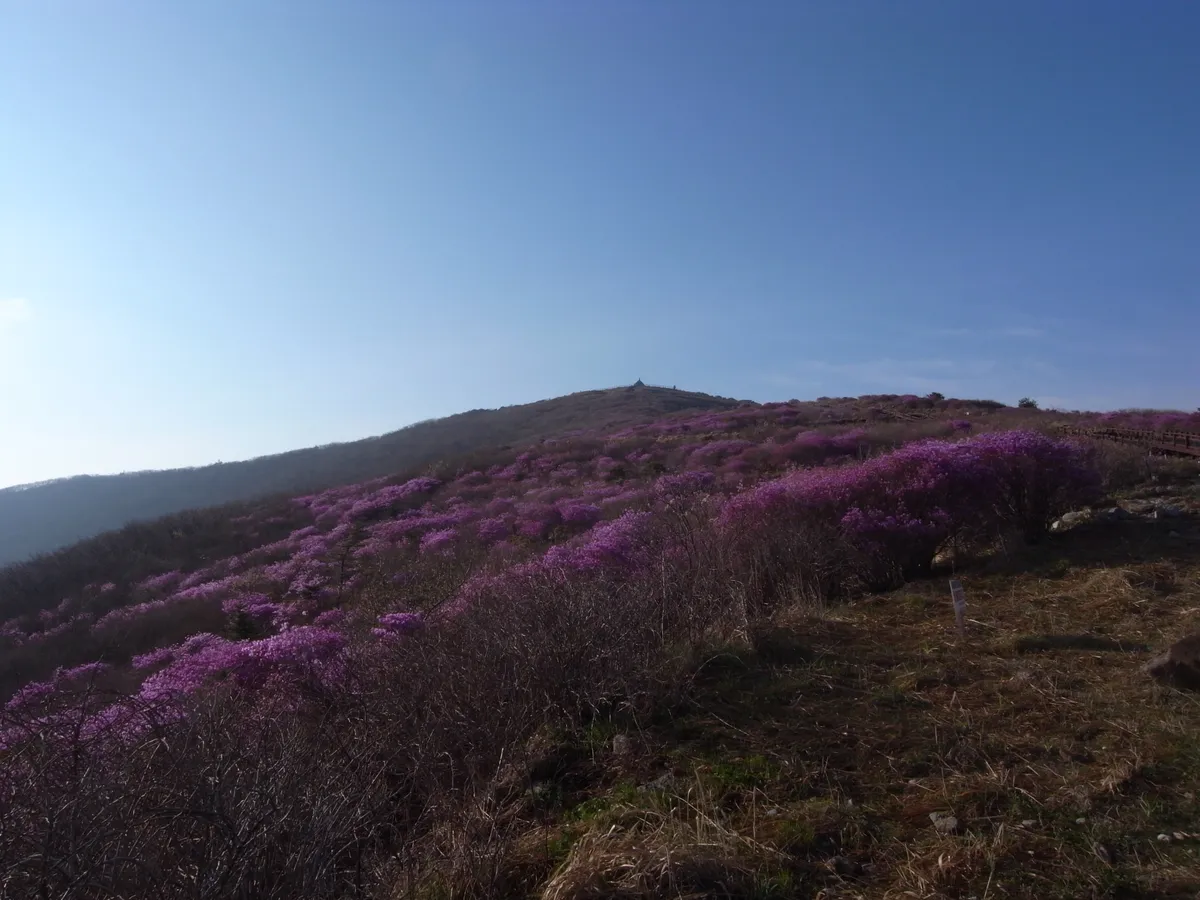
Quick facts
- Address
- Jirisan, Gurye-gun, Jeollanam-do
- Spiritual entities
- Seongmo of Jirisan (智異山 聖母)
About this place
Nogodan is a peak of Jirisan and the place where rites to Seongmo Cheonwang, the Holy Mother, were first held. Its name derives from Halmidang, the grandmother’s shrine. The rite was held at Nogodan until early Goryeo, then moved in early Joseon to Namaksa at Dangdong, where it continued until 1907. It was suspended under Japanese rule, resumed after liberation at an altar built at Hwaeomsa, and revived in the 1960s by the Gurye county association.
Origin and history
The Jirisan Namak rite honours the god of the southern peak, Seongmo Cheonwang. Its name comes from Jirisan being called the southern peak among the five sacred mountains.
The rite was held at Nogodan until early Goryeo, then moved in early Joseon to Namaksa at Dangdong in Jwasa-ri, where it was performed until 1907. It was suspended under Japanese rule; after liberation an altar was built at Hwaeomsa and the mountain-god rite continued there, before being revived in the 1960s by the Gurye county association. A new Namaksa was built beside Hwaeomsa in 1969 and the rite moved there the following year.
The name Nogodan derives from Halmidang.
What it is locally associated with
The rite to the Holy Mother
An observance honouring the god of the southern peak, Seongmo Cheonwang.
documented historyA rite that moved three times
From Nogodan to Namaksa, suspended under Japanese rule, then continued beside Hwaeomsa.
documented historyThe name Nogodan
It derives from Halmidang, the grandmother’s shrine.
documented history
What this rite asks for is not something the records say. The Encyclopedia of Korean Culture preserves who performed it, when, and where; what was requested is not written down. This page therefore carries no category of request at all.
What remains is the record of its displacement: from Nogodan to Namaksa, broken once under Japanese rule, then to a hall beside Hwaeomsa. Following where a thousand-year-old rite was held brings the modern history of this mountain along with it.
Claims and evidence levels 4
- The Jirisan Namak rite honours Seongmo Cheonwang, god of the southern peak, Jirisan being counted among the five sacred mountains. documented history
- The rite was held at Nogodan until early Goryeo, moved in early Joseon to Namaksa at Dangdong where it continued until 1907, was suspended under Japanese rule, and resumed after liberation at Hwaeomsa. documented history
- It was revived in the 1960s by the Gurye county association; a new Namaksa was built beside Hwaeomsa in 1969 and the rite moved there the following year. documented history
- The name Nogodan derives from Halmidang; the state record does not state what the rite asked for. documented history
Related guides
- Musok and gut — Korea’s living folk religionWho the mudang are and what a gut is. And what to do if you walk in on one.
- Prayer sites and the one wishThe three great Gwaneum sites, the five relic halls, and the crowds before the entrance exam. Where the saying about one wish comes from, and where the record stops.
Sources
- 지리산남악제(智異山南岳祭) — 한국민족문화대백과사전 — Academy of Korean Studies (accessed 2026-08-10)
- 지리산 성모(智異山 聖母) — 한국민족문화대백과사전 — Academy of Korean Studies (accessed 2026-08-10)
Last updated:
Similar places
8 places
 Temple
Hwaeomsa
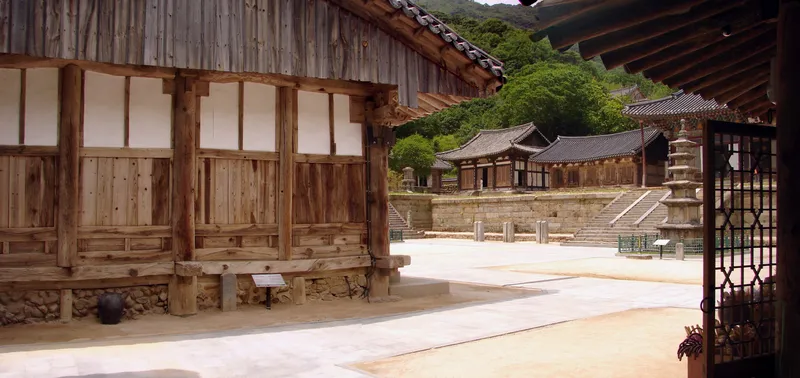
A temple whose great hall took the name Gakhwangjeon after King Sukjong sent down a board he had written himself.
 Temple
Ssanggyesa, Jirisan
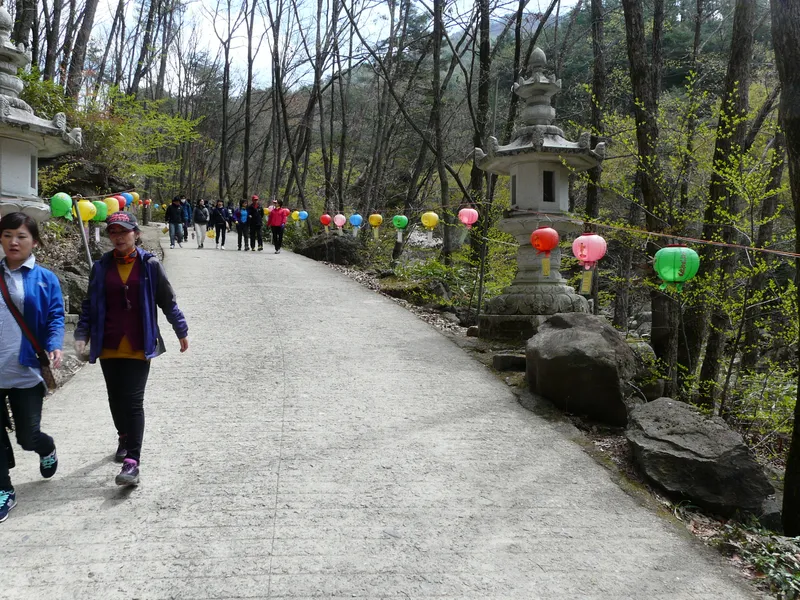
The ground a tiger led them to, after a search for a place with snow and flowers at once.
 Temple
Silsangsa, Jirisan
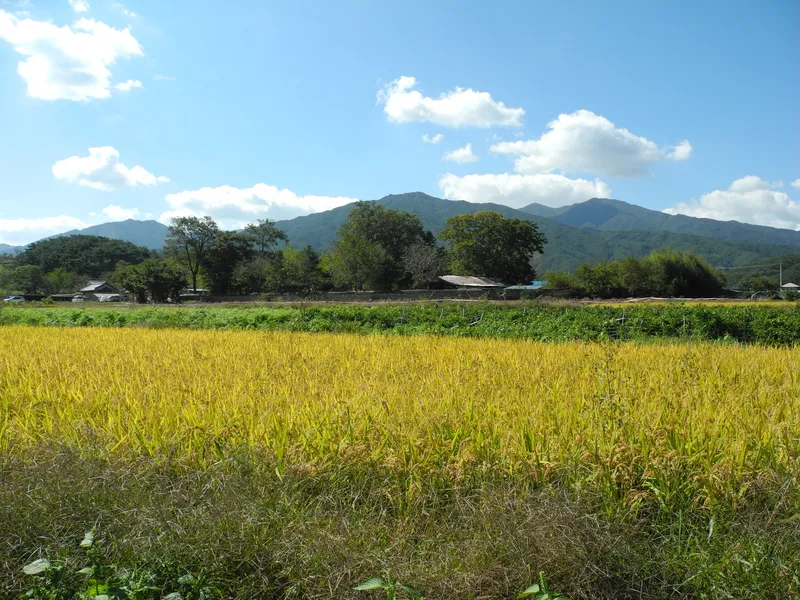
Founded at the moment the Silsang school, one of the Nine Mountain Seon schools, was opened.
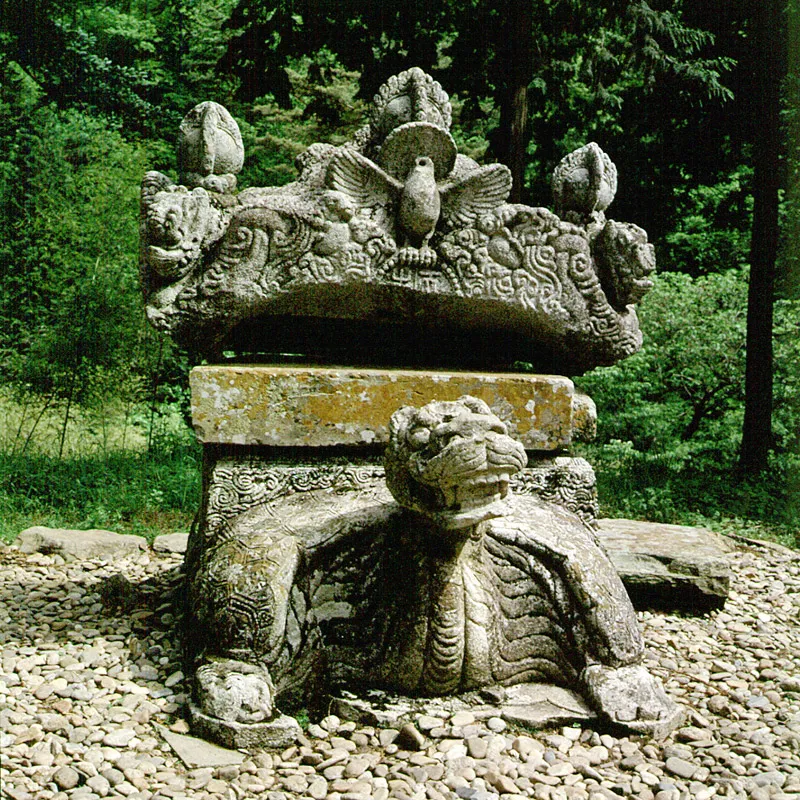 Temple
Taeansa, Dongnisan
The central temple of the Dongni school, one of the Nine Mountain Seon schools.
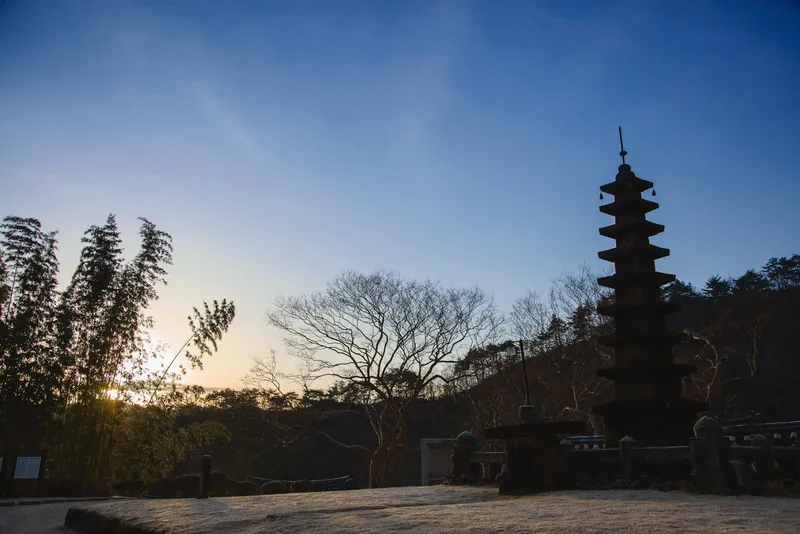 Temple
Daewonsa, Jirisan
Counted among the country’s leading meditation halls for women in the monastic life.
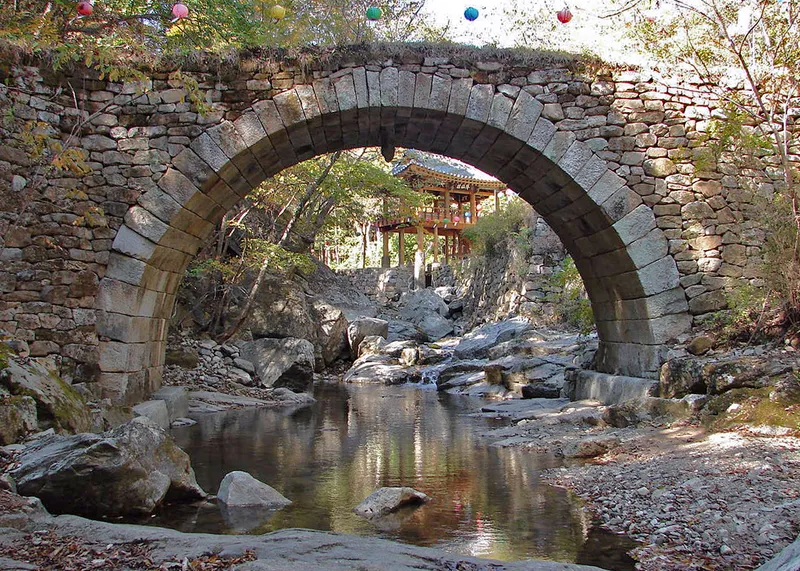 Temple
Seonamsa, Jogyesan
A temple whose record sets two founding accounts side by side and says which it trusts more.
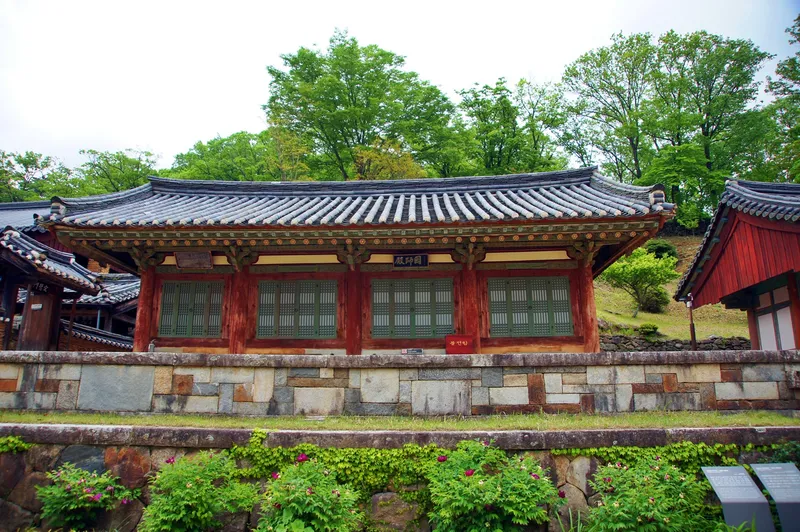 Temple
Songgwangsa
The temple called the Sangha Jewel because so many great masters came from it, completing the trio with Tongdosa and Haeinsa.
 Temple
Tapsa, Maisan
- Protection & Safety
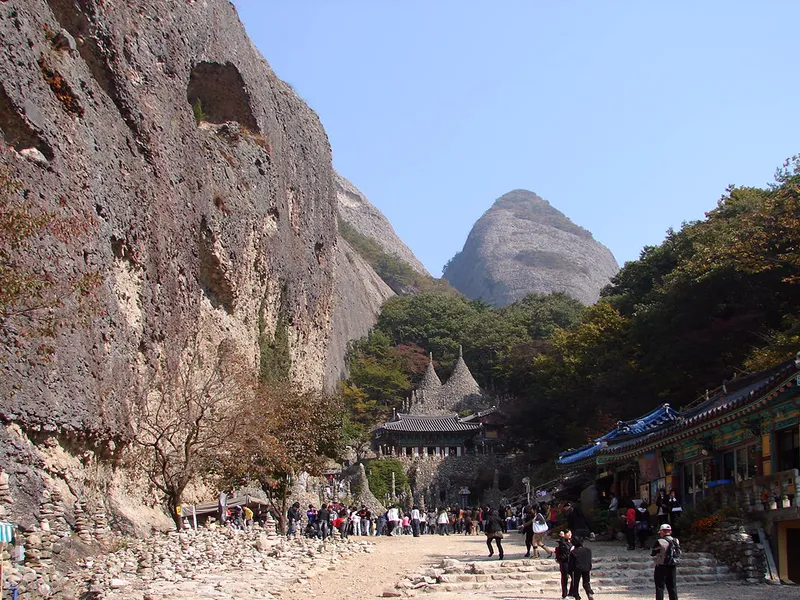
A temple among stone towers raised by one man over a lifetime, of which about eighty of the original hundred and eight still stand.
No places match your filters