Nami Janggun Shrine
Researched and translated with AI assistance. Every claim is linked to its source, but errors get through, so check the official site for opening times, fees and closures.About
In short
A shrine raised to console the wronged spirit of a general beheaded at twenty-seven.
Quick facts
- Address
- Yongmun-dong, Yongsan-gu, Seoul
About this place
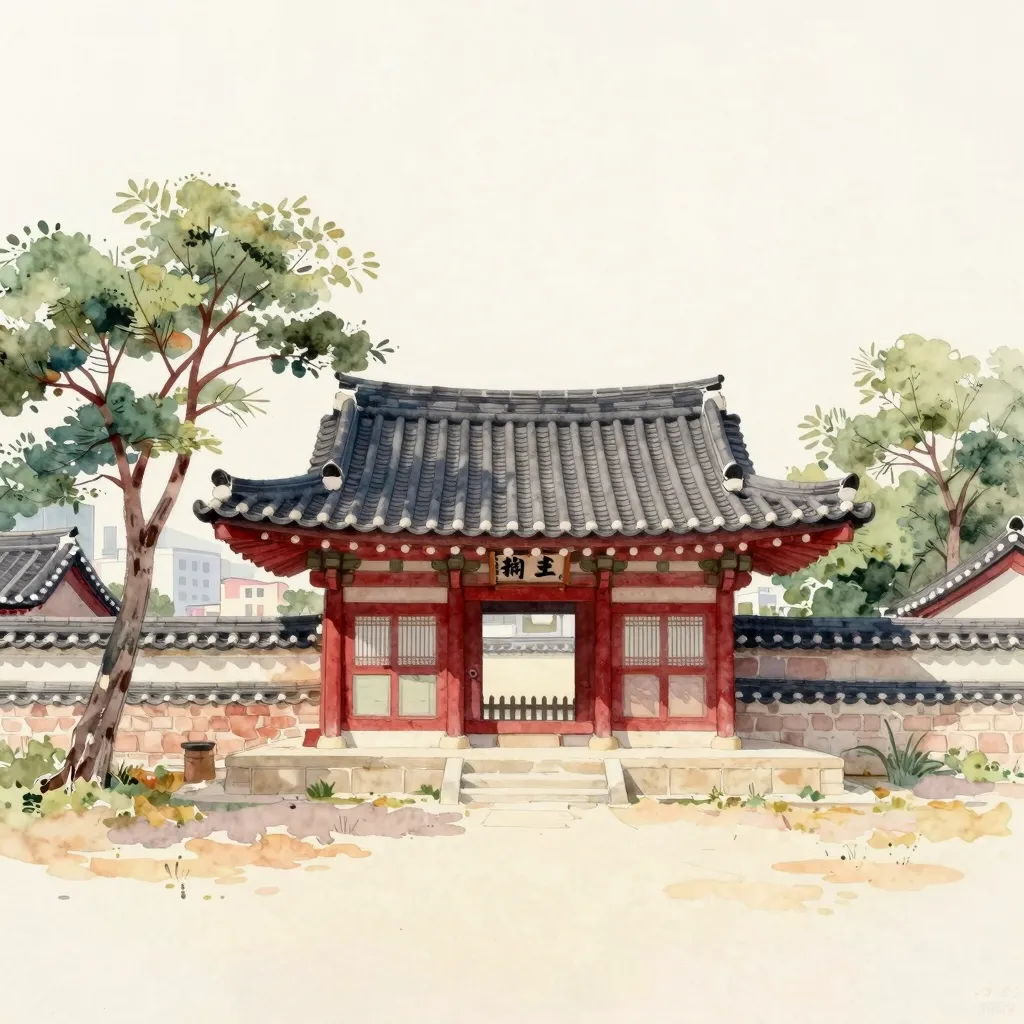
The Nami Janggun shrine stands in Yongmun-dong, Yongsan-gu, Seoul, and the shrine rite held here on the first day of the tenth lunar month is designated intangible heritage of Seoul. General Nam I was born in 1441, passed the military examination at seventeen, and at twenty-six put down Yi Si-ae’s revolt and drove back the Jurchen, rising to Minister of War; he was beheaded at twenty-seven on a false charge brought by Yu Ja-gwang. The shrine rite is one held every year since a shrine was built about three hundred years ago, out of sorrow for a life that could not unfold its spirit and vanished as dew on the execution ground, to console his wronged spirit and honour his loyalty. Another account of the shrine’s origin holds that some five hundred years ago Nam I trained soldiers here in Yongmun-dong, and that his subordinates built it in later generations to commemorate him. On the first of the tenth month, with an eve rite and a great gut, residents have prayed for the dispelling of their cares and worries and for swift recovery. The whole sequence runs from the fundraising round through the receiving of flowers, the shrine rite, the shrine gut and the rite of thanks.
Origin and history
General Nam I was born in 1441, passed the military examination at seventeen, and at twenty-six put down Yi Si-ae’s revolt and drove back the Jurchen, rising to Minister of War; he was beheaded at twenty-seven on a false charge brought by Yu Ja-gwang.
The shrine rite is one held every year since a shrine was built about three hundred years ago, out of sorrow for a life that could not unfold its spirit and vanished as dew on the execution ground, to console his wronged spirit and honour his loyalty.
Another account of the shrine’s origin holds that some five hundred years ago Nam I trained soldiers here in Yongmun-dong, and that his subordinates built it in later generations to commemorate him.
On the first day of the tenth lunar month, with an eve rite and a great gut, residents have prayed for the dispelling of their cares and worries and for swift recovery, and the observance settled into the folk devotion of this district. The whole sequence runs from the fundraising round through the receiving of flowers, the shrine rite, the shrine gut and the rite of thanks.
What it is locally associated with
Nine years, examination to execution
Born in 1441, he passed the military examination at seventeen and became Minister of War at twenty-six; he was beheaded at twenty-seven on a false charge.
documented historyWhere cares were prayed away
On the first of the tenth lunar month, with a great gut, residents have prayed for the dispelling of their cares and worries and for swift recovery.
folk traditionFrom the fundraising round to the rite of thanks
The whole sequence runs through the fundraising round, the receiving of flowers, the shrine rite, the shrine gut and the rite of thanks.
documented history
This shrine’s account is written in ages. Born 1441; the military examination at seventeen; Minister of War at twenty-six, after putting down a revolt and driving back the Jurchen; beheaded at twenty-seven on a false charge. Nine years from the examination to the execution ground.
The reason the shrine stands is in that last line. The record says it was out of sorrow for a life that could not unfold its spirit and vanished as dew on the execution ground, to console his wronged spirit and honour his loyalty. A man the state killed was taken back up by a neighbourhood.
Seoul’s other places are tangled with the state too. Heungcheonsa in Seongbuk-gu was raised by a king for his dead queen; Jingwansa in Eunpyeong-gu was built by one king and endowed by another, and gave up a national flag from inside a wall; at Bongwonsa in Seodaemun-gu, people who meant to change the state did their learning. Here, a man the state killed became a god.
What is asked for here is on the record: with a great gut, residents have prayed for the dispelling of cares and worries and for swift recovery. As for how the shrine came to be, two accounts are handed down together — that it was built about three hundred years ago to console him, and that his subordinates raised it where he had trained soldiers five hundred years ago.
Claims and evidence levels 2
- Nam I passed the military examination at seventeen, became Minister of War at twenty-six, and was beheaded at twenty-seven on a false charge brought by Yu Ja-gwang. documented history
- The shrine is recorded as built about three hundred years ago to console his wronged spirit and honour his loyalty. folk tradition
Related guides
- Musok and gut — Korea’s living folk religionWho the mudang are and what a gut is. And what to do if you walk in on one.
Sources
- 남이장군사당제(南怡將軍祠堂祭) — 한국민족문화대백과사전 (accessed 2026-08-16)
Last updated:
Similar places
8 places
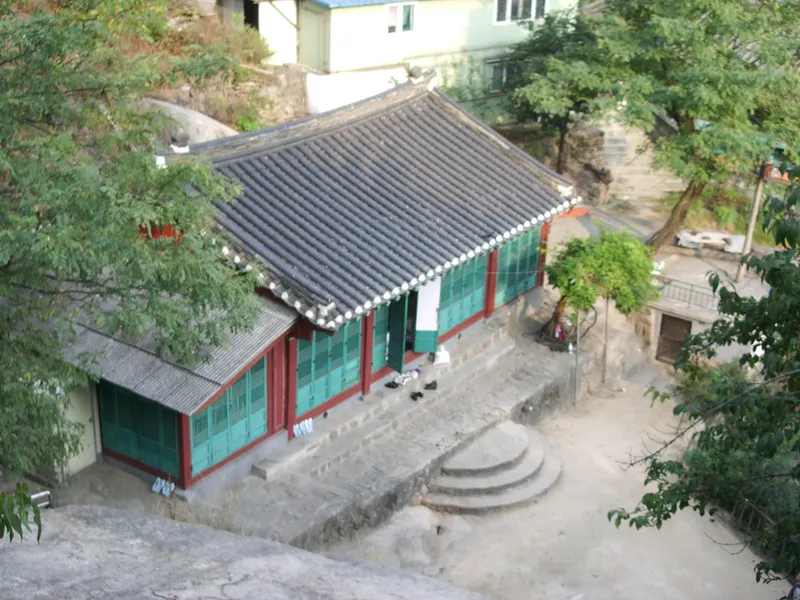 Shrine
Guksadang, Inwangsan
- Fertility & Children
- Health & Healing
- Protection & Safety
A shaman shrine moved from Namsan to the slope of Inwangsan in 1925 under Japanese pressure, where roughly a hundred gut rites are still held each year.
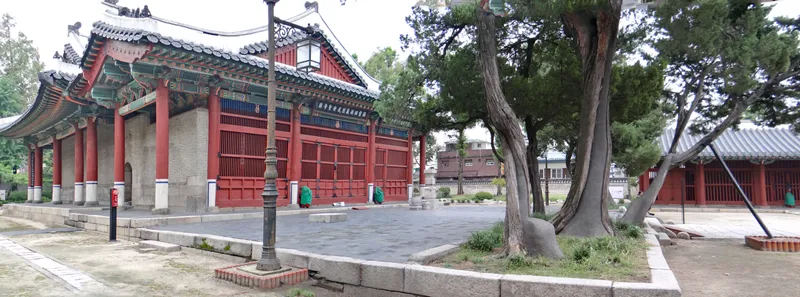 Shrine
Donggwanwangmyo
- Protection & Safety
A shrine to Guan Yu raised after the Imjin War, the only one of Seoul’s four such shrines still standing.
 Shrine
Daegwallyeong Seonghwangsa and Sansingak
- Health & Healing
- Protection & Safety
A mountain-god shrine at the top of the Daegwallyeong pass, whose deity is recorded as presiding over farming, illness, drought and the road.
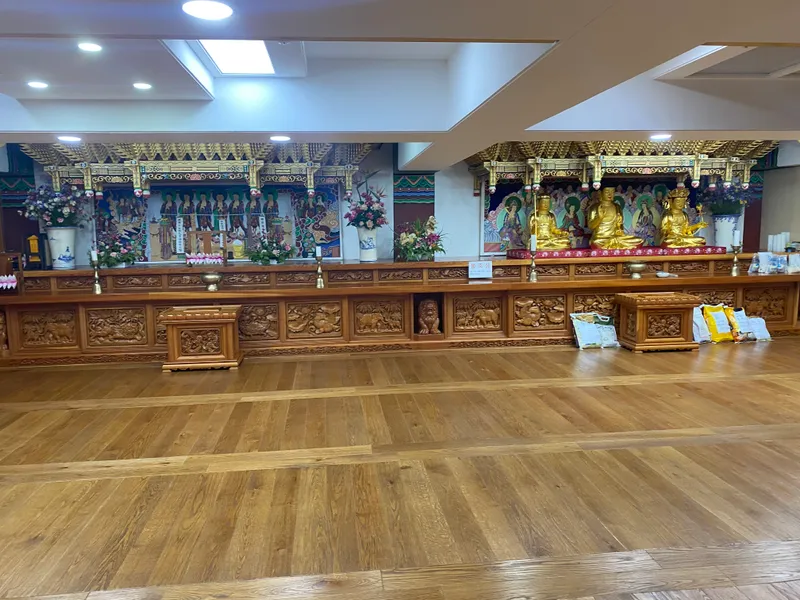 Temple
Bongwonsa, Ansan
The temple where the leaders of the 1884 coup learned the reformist thought behind it.
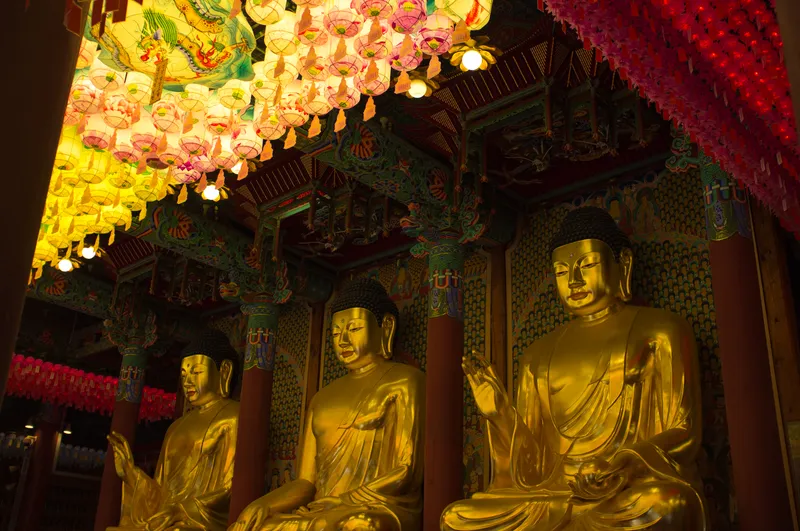 Temple
Jogyesa
- Exams & Study
The head temple of the Jogye Order, in the middle of downtown Seoul, where a prayer for children ends the day before the national entrance exam each year.
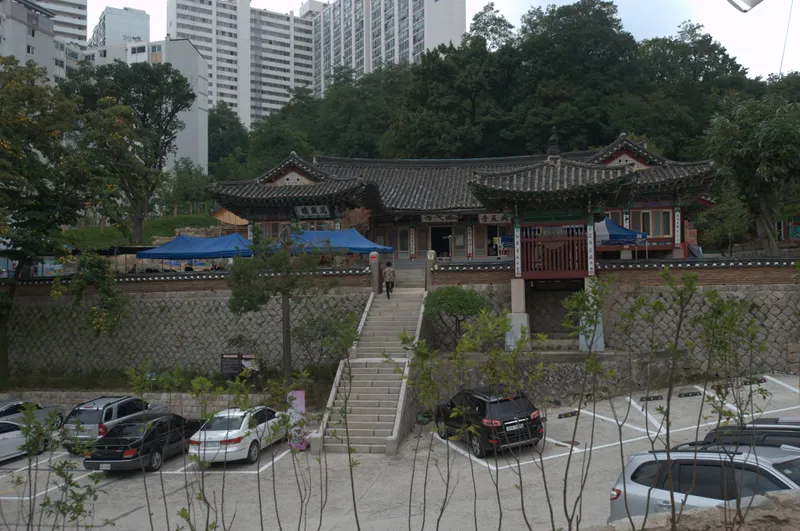 Temple
Heungcheonsa, Samgaksan
A temple of more than a hundred and seventy kan, raised beside a queen’s tomb by the king who had lost her.
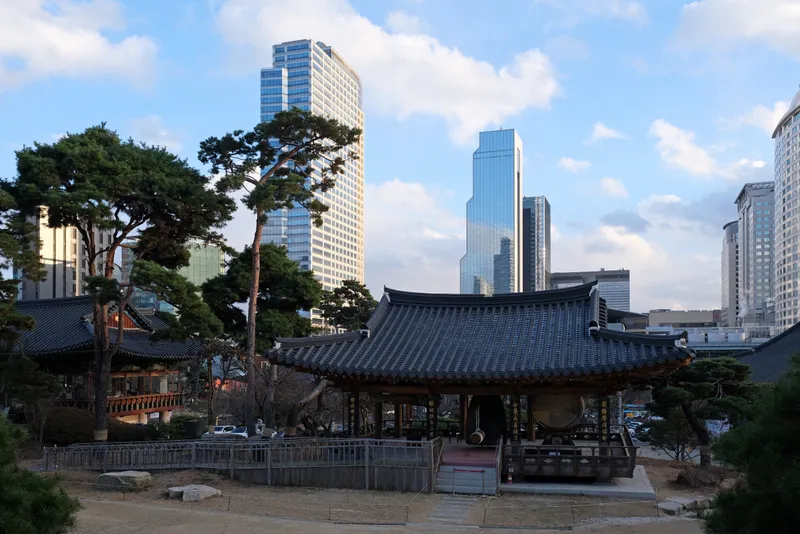 Temple
Bongeunsa
- Family & Home
Founded by a widow to pray for her dead husband’s repose, and later made head temple of the Seon school.
 Temple
Seunggasa, Bukhansan
A temple holding a stone portrait of an Indian monk who went to Tang China.
No places match your filters