Buseoksa, Bonghwangsan
Researched and translated with AI assistance. Every claim is linked to its source, but errors get through, so check the official site for opening times, fees and closures.About
In short
Built where a woman turned dragon turned rock, and hung in the air until five hundred bandits left.
Quick facts
- Address
- 345 Buseoksa-ro, Buseok-myeon, Yeongju-si, Gyeongsangbuk-do
About this place
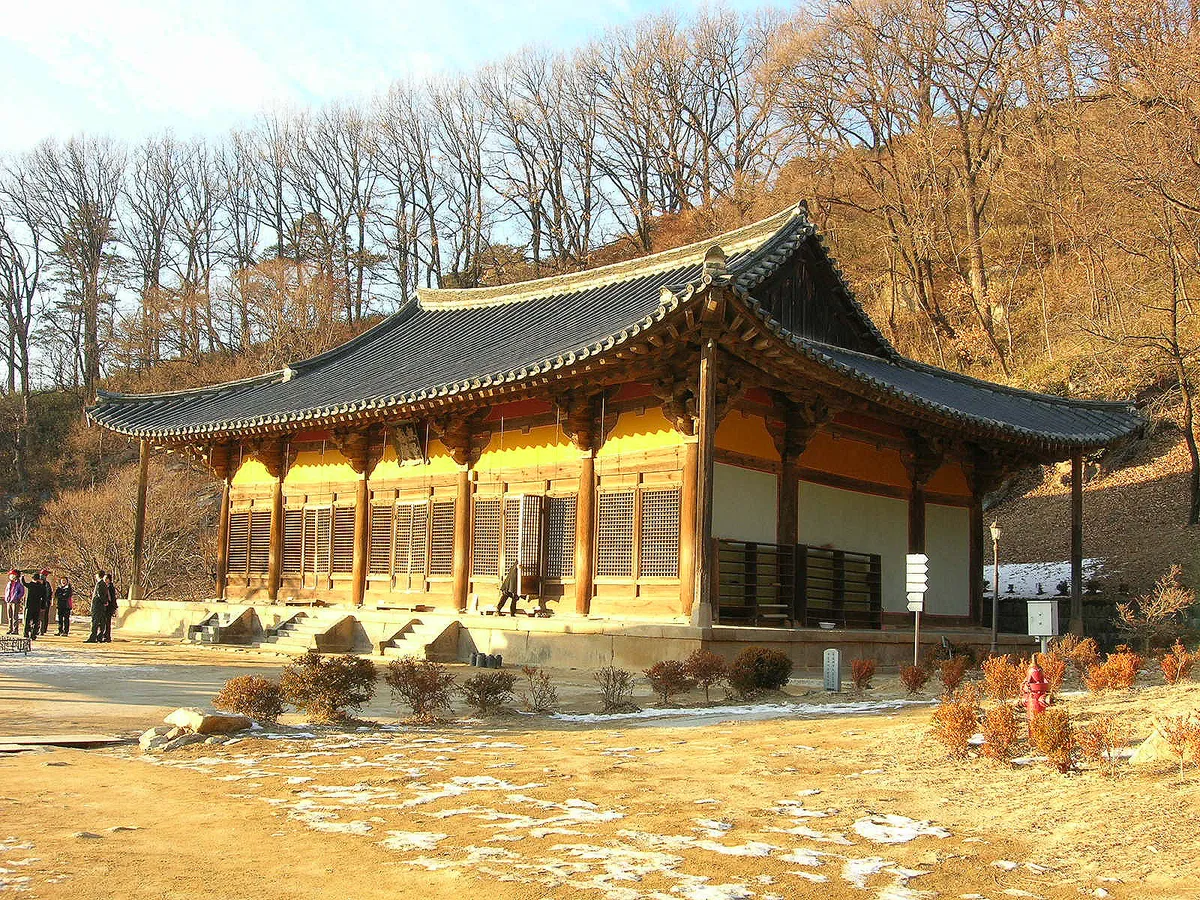
Buseoksa stands on Bonghwangsan in Buseok-myeon, Yeongju-si, Gyeongsangbuk-do. Uisang founded it by royal command in the second month of 676 and made it the central temple of the Hwaeom school. By the founding account, when Uisang had left Silla to study Buddhism in Tang China and was staying some days at a lay believer’s house on the coast at Dengzhou, the daughter of the house, Seonmyo, loved him and asked him to marry her; Uisang instead moved her to raise the mind of enlightenment. Turned into a dragon, Seonmyo went on guarding him after he reached Silla. When Uisang came to Bonghwangsan looking for ground on which to open the great teaching of Hwaeom, five hundred bandits were living there; the dragon turned into a huge rock and hung in the air, and by threatening them drove them all out so that the temple could be founded. After the founding, Uisang held a dharma assembly here for forty days and preached on the ten stages of the one vehicle, and by this the Hwaeom school was formally opened in this land. Buseoksa’s Muryangsujeon and Josadang were designated National Treasures in 1962, and in June 2018 the temple was inscribed on the World Heritage list as one of the Sansa, Buddhist Mountain Monasteries in Korea.
Origin and history
Uisang founded Buseoksa by royal command in the second month of 676 and made it the central temple of the Hwaeom school.
The founding account runs as follows. When Uisang had left Silla to study Buddhism in Tang China, he arrived by merchant ship on the coast at Dengzhou and stayed some days at a lay believer’s house. The daughter of the house, Seonmyo, loved him and asked him to marry her; Uisang instead moved her to raise the mind of enlightenment. Turned into a dragon, Seonmyo went on guarding him after he reached Silla.
When Uisang came to Bonghwangsan looking for ground on which to open the great teaching of Hwaeom, five hundred bandits were living there. The dragon turned into a huge rock and hung in the air, and by threatening them drove them all out so that the temple could be founded.
After the founding, Uisang held a dharma assembly here for forty days and preached on the ten stages of the one vehicle, and by this the Hwaeom school was formally opened in this land.
Muryangsujeon and Josadang were designated National Treasures in 1962. In June 2018 the temple was inscribed on the World Heritage list as one of the Sansa, Buddhist Mountain Monasteries in Korea.
What it is locally associated with
A rock that hung in the air
The dragon turned into a huge rock and hung in the air, and by threatening the bandits drove them all out so that the temple could be founded.
folk traditionSeonmyo, turned dragon
Seonmyo, who had asked Uisang to marry her and was moved instead to raise the mind of enlightenment, became a dragon and went on guarding him after he reached Silla.
folk traditionWhere the Hwaeom school formally opened
After the founding, Uisang held a dharma assembly here for forty days and preached the ten stages of the one vehicle, and by this the Hwaeom school was formally opened in this land.
documented history
The temple’s name means floating stone. The account says what that stone was. A woman who asked to marry and was refused became a dragon and crossed the sea, and the dragon turned into a huge rock and hung in the air until five hundred bandits had gone. What emptied the ground was that rock; the temple came after.
What began here was more than one temple. After the founding, Uisang held an assembly for forty days and preached the ten stages of the one vehicle, and by that the Hwaeom school was formally opened in this land. Beomeosa on Geumjeongsan in Busan is counted in a text by Choe Chi-won as one of the ten Hwaeom temples of this country; this is the ground on which that line officially opened.
Gyeongsang’s temples narrow to a few founders’ names. This one and Beomeosa are Uisang; Jikjisa in Gimcheon and Dorisa in Gumi are Ado. Silla’s temples mostly come down attached to one of those two names.
One other temple on this site is written down as a beginning. Silsangsa in Namwon was founded in 828 as Hongcheok opened the Silsang school, one of the Nine Mountain Seon schools. One is doctrinal and one is Seon, but both are recorded as ground on which something started.
Of what stands now, Muryangsujeon and Josadang were designated National Treasures in 1962, and in June 2018 the temple entered the World Heritage list among the Sansa, Buddhist Mountain Monasteries in Korea.
Claims and evidence levels 2
- Uisang founded the temple by royal command in 676 and, after a forty-day assembly here, the Hwaeom school was formally opened in Korea. documented history
- The name comes from the account of Seonmyo, turned dragon then rock, hanging in the air to drive five hundred bandits from the site. folk tradition
Related guides
- How to visit a Korean templeHands together and hands folded, how the bows work, and what to do at the threshold of a hall. Starting with what is different from visiting a Japanese shrine.
- The small hall behind the main one — sansingak and samseonggakUphill from the main hall of a Korean temple stands a smaller one, and inside it an old man with a tiger. This is where the indigenous religion sits, inside the Buddhist institution.
- Templestay — a night at a templeA programme that puts you inside a temple’s own timetable for a day or two. What you do, which type to book, and what to be ready for.
- Prayer sites and the one wishThe three great Gwaneum sites, the five relic halls, and the crowds before the entrance exam. Where the saying about one wish comes from, and where the record stops.
Sources
- 봉황산 부석사(鳳凰山 浮石寺) — 한국민족문화대백과사전 (accessed 2026-08-16)
Last updated:
Similar places
8 places
 Temple
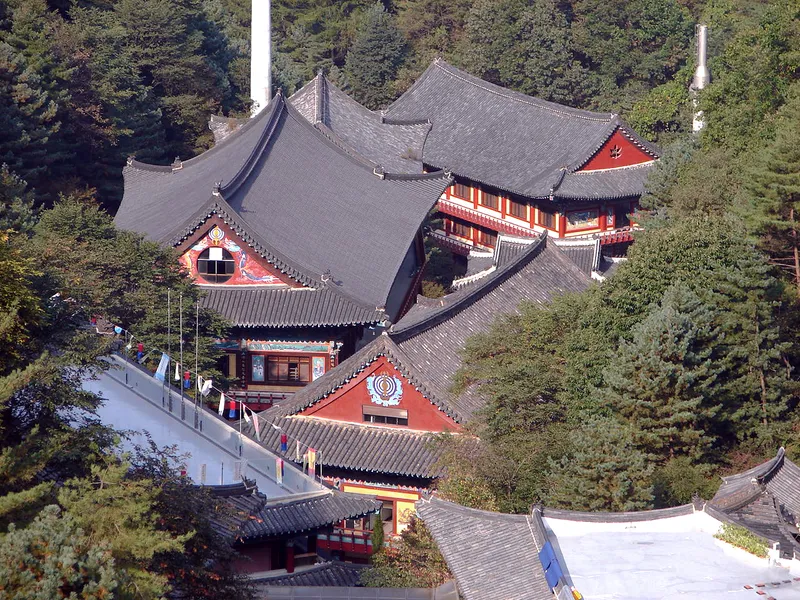
Guinsa
The head temple of the Cheontae Order, founded in 1945, with a five-storey concrete hall that seats ten thousand.
 Sacred Mountain
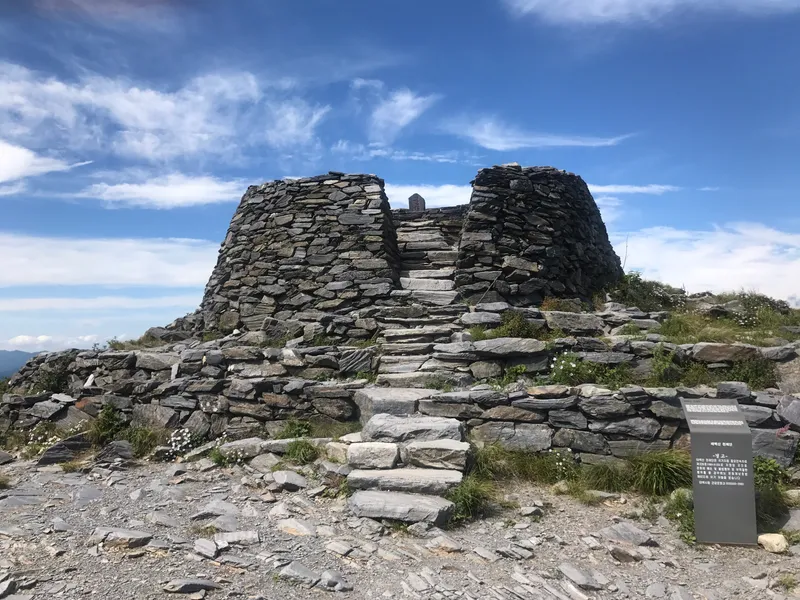
Taebaeksan Cheonjedan
- Miscellaneous
A stone altar for heaven rites on the summit, where a rite is offered each National Foundation Day and where the state has sacrificed since Silla.
 Temple
Manggyeongsa, Taebaeksan
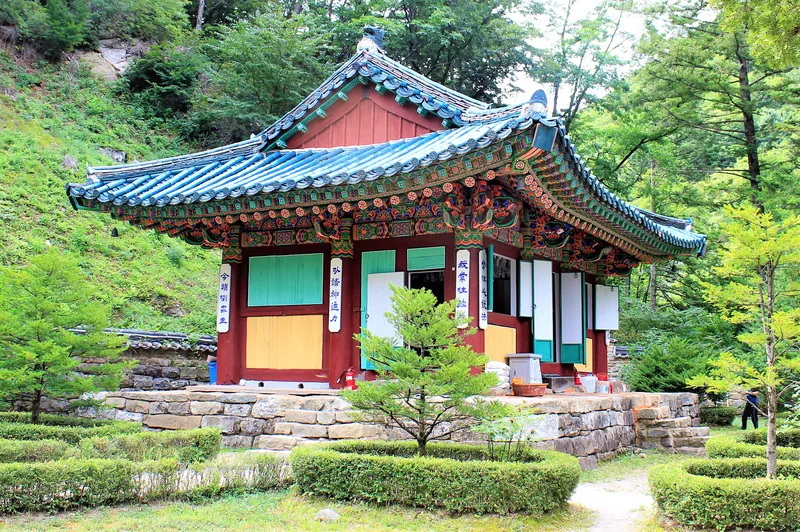
Built to house a stone image of Manjushri that its founder came here because he had heard it had appeared.
 Temple
Jeongamsa
- Protection & Safety
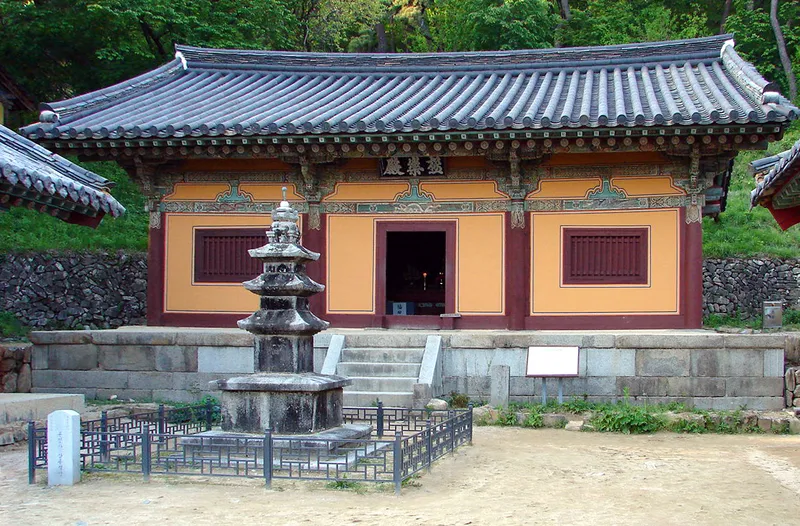
A relic sanctuary where Jajang is said to have enshrined the Buddha’s skull bone, a tooth and a hundred relics, with a National Treasure stupa on the slope behind.
 Temple
Bongjeongsa, Cheondeungsan
The temple where the oldest wooden building in Korea stands.
 Natural Site
Hahoe Samsindang Tree
- Family & Home
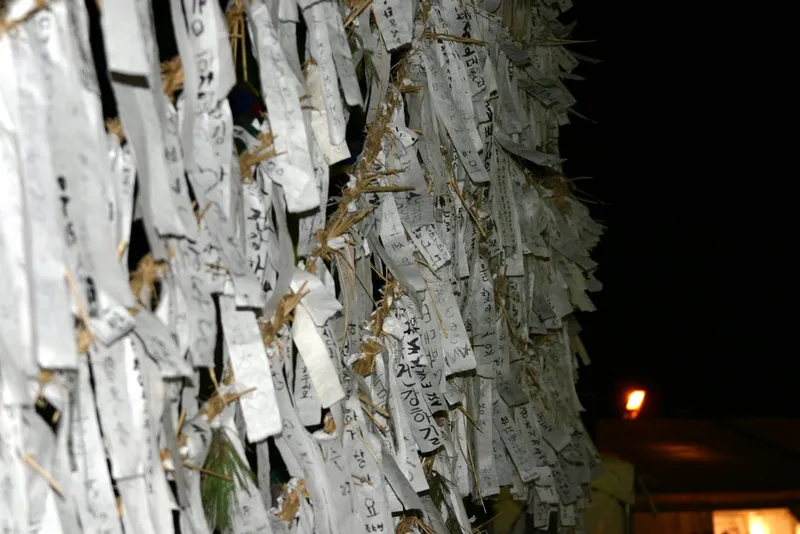
A zelkova over six hundred years old at the centre of Hahoe village, the shrine of Samsin, the deity who grants children.
 Historic Site
Mungyeong Saejae
- Exams & Study
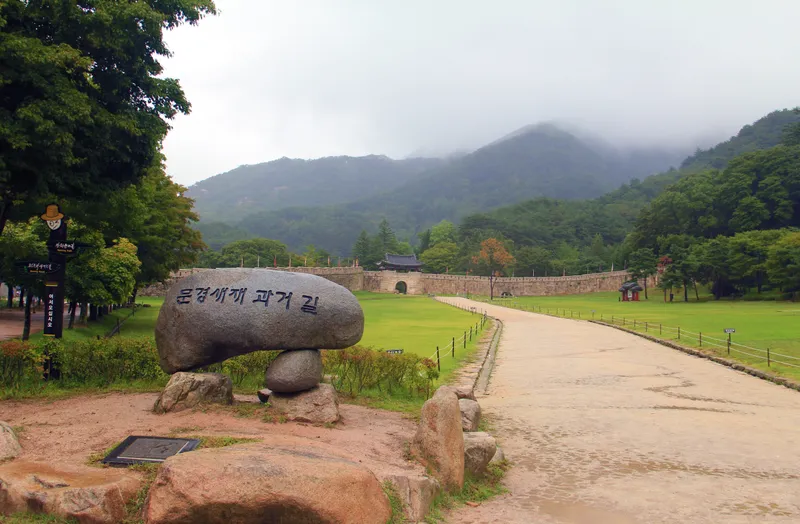
The highest and hardest pass on the road from the southeast to the capital, with three gates strung along six and a half kilometres.
 Temple
Gounsa, Deungunsan
A temple whose name kept its sound but changed its characters, to hold one man’s pen name.
No places match your filters