Baekyangsa, Baegamsan
Baegamsa · Jeongtosa
Researched and translated with AI assistance. Every claim is linked to its source, but errors get through, so check the official site for opening times, fees and closures.About
In short
Renamed because white sheep kept coming to the sound of a sutra being read.
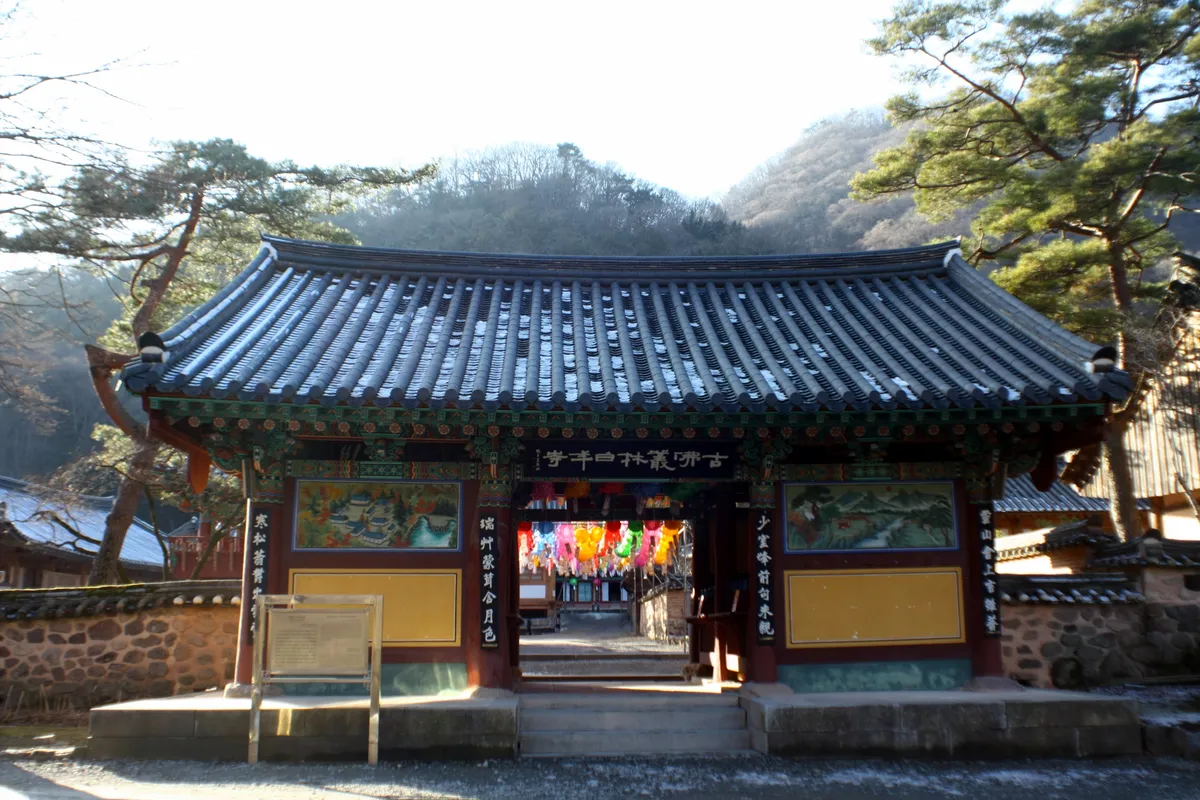
Quick facts
- Address
- 1239 Baegyang-ro, Bukha-myeon, Jangseong-gun, Jeollanam-do
About this place
Baekyangsa stands on Baegamsan in Bukha-myeon, Jangseong-gun, Jeollanam-do, and is the head temple of the eighteenth district of the Jogye Order. In the Silla period an extraordinary monk first built a temple here and lived in it, calling it Baegamsa. The temple appears in the records under the names Baegamsa and Jeongtosa. In 1574, while Hwanyang was resident and reciting the Lotus Sutra daily, white sheep often gathered on hearing the sound of the reading, and for this the temple was renamed Baekyangsa. In the later eighteenth century Yangak Gyeseon, a disciple of Yeondam Yuil who had inherited Jian’s dharma lineage, greatly built up the lecture hall of Baekyangsa. In 1911 it was designated one of the thirty head temples under the temple ordinance enforced by the Japanese Government-General of Korea, and in 1917 Manam Jongheon rebuilt it.
Origin and history
In the Silla period an extraordinary monk first built a temple here and lived in it, calling it Baegamsa. The temple appears in the records under the names Baegamsa and Jeongtosa.
In 1574, while Hwanyang was resident and reciting the Lotus Sutra daily, white sheep often gathered on hearing the sound of the reading, and for this the temple was renamed Baekyangsa.
In the later eighteenth century Yangak Gyeseon, a disciple of Yeondam Yuil who had inherited Jian’s dharma lineage, greatly built up the lecture hall of Baekyangsa.
In 1911 it was designated one of the thirty head temples under the temple ordinance enforced by the Japanese Government-General of Korea, and in 1917 Manam Jongheon rebuilt it.
What it is locally associated with
White sheep at the sound of the reading
In 1574, while Hwanyang was resident and reciting the Lotus Sutra daily, white sheep often gathered on hearing the sound, and the temple was renamed Baekyangsa.
folk traditionA founder with no name
In the Silla period an extraordinary monk first built a temple here and lived in it, calling it Baegamsa.
documented historyYangak Gyeseon and the lecture hall
In the later eighteenth century Yangak Gyeseon, a disciple of Yeondam Yuil, greatly built up the lecture hall of Baekyangsa.
documented history
This temple’s name came from animals that arrived at a sound. In 1574, while Hwanyang was resident and reciting the Lotus Sutra daily, white sheep often gathered on hearing it, and the temple was renamed Baekyangsa. The monk’s name is written with the characters for calling and for sheep; the record sets his name and the gathering sheep down side by side without saying that either is the reason for the other, and neither does this page.
The temple has changed names more than once. It was Baegamsa first, and it appears in the records as Baegamsa and as Jeongtosa. The present name is the third.
No name survives for its founder. It is written only that in the Silla period an extraordinary monk first built a temple here and lived in it. That is a different footing from the old temples of Gyeongsang, which come down attached to Uisang or Ado or Wonhyo.
There are recent records as well. In 1911 it was designated one of the thirty head temples under the temple ordinance enforced by the Japanese Government-General of Korea, and in 1917 Manam Jongheon rebuilt it.
Claims and evidence levels 2
- The temple was renamed Baekyangsa in 1574 after white sheep gathered to the sound of Hwanyang reciting the Lotus Sutra. folk tradition
- It was founded in the Silla period by an unnamed monk as Baegamsa, and also appears in records as Jeongtosa. documented history
Related guides
- How to visit a Korean templeHands together and hands folded, how the bows work, and what to do at the threshold of a hall. Starting with what is different from visiting a Japanese shrine.
- The small hall behind the main one — sansingak and samseonggakUphill from the main hall of a Korean temple stands a smaller one, and inside it an old man with a tiger. This is where the indigenous religion sits, inside the Buddhist institution.
- Templestay — a night at a templeA programme that puts you inside a temple’s own timetable for a day or two. What you do, which type to book, and what to be ready for.
- Prayer sites and the one wishThe three great Gwaneum sites, the five relic halls, and the crowds before the entrance exam. Where the saying about one wish comes from, and where the record stops.
Sources
- 백암산 백양사(白巖山 白羊寺) — 한국민족문화대백과사전 (accessed 2026-08-16)
Last updated:
Similar places
8 places
 Temple
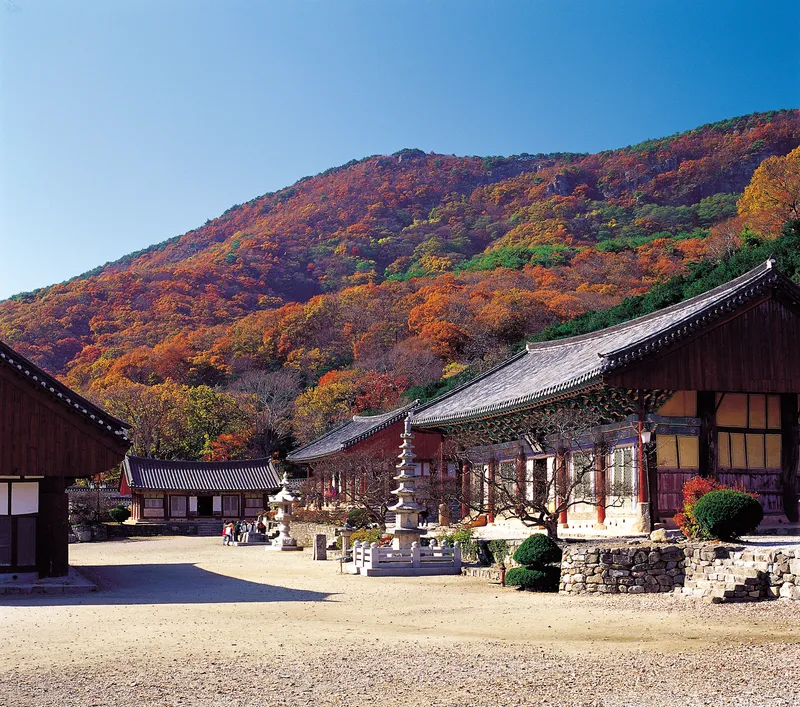
Seonunsa, Dosolsan
A temple paid in salt, because it had taught the coast how to make it.
 Temple
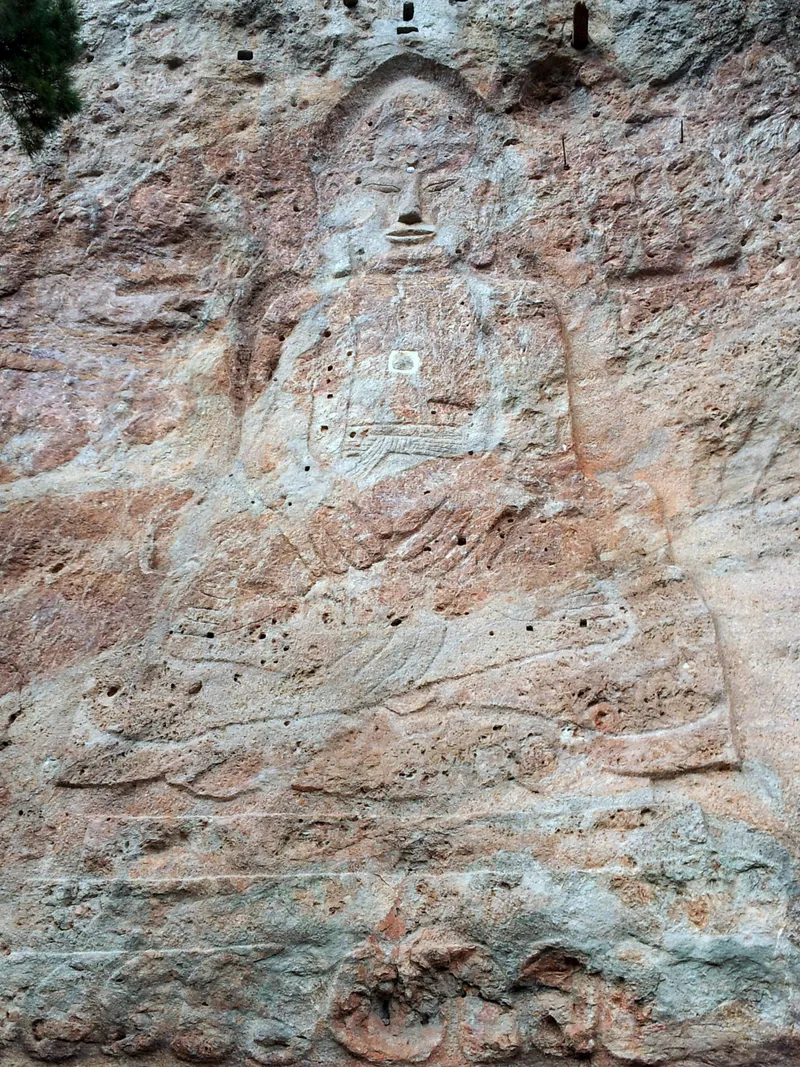
Dosolam
A hermitage of Seonunsa, with a seated Buddha thirteen metres high cut into the cliff and a gilt bronze Ksitigarbha inside.
 Temple
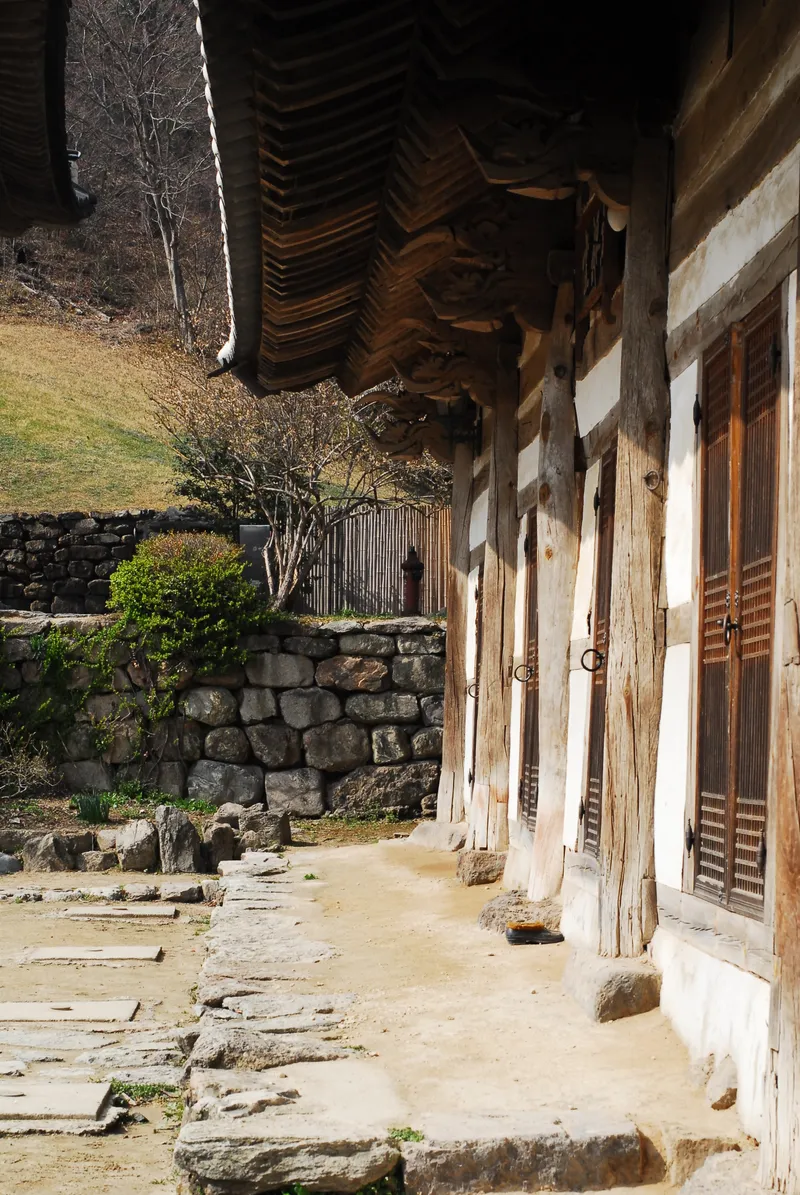
Naesosa, Neungasan
A temple that knows neither when it was founded nor when its name changed.
 Temple
Geumsansa
The temple where Jinpyo enshrined a colossal Maitreya, whose three-storey hall stands for the three assemblies Maitreya will preach.
 Temple
Bulgapsa, Moaksan
A temple said to be Baekje’s first — a claim its own encyclopaedia declines to accept.
 Temple
Taeansa, Dongnisan
The central temple of the Dongni school, one of the Nine Mountain Seon schools.
 Temple
Unjusa
- Protection & Safety
The temple where Doseon is said to have raised a thousand buddhas and pagodas in a day and a night, to stop the country from listing.
 Temple
Hwaeomsa
A temple whose great hall took the name Gakhwangjeon after King Sukjong sent down a board he had written himself.
No places match your filters