Gwaneumsa, Hallasan
Researched and translated with AI assistance. Every claim is linked to its source, but errors get through, so check the official site for opening times, fees and closures.About
In short
The head temple of the Jogye Order’s 23rd district, on the slope of Hallasan, founded in the spring of 1909 by the nun Bongnyeogwan.
Quick facts
- Address
- 660 Sallokbuk-ro, Jeju-si, Jeju
- Spiritual entities
- Avalokiteśvara (Kannon · Gwaneum, 観音菩薩)
About this place
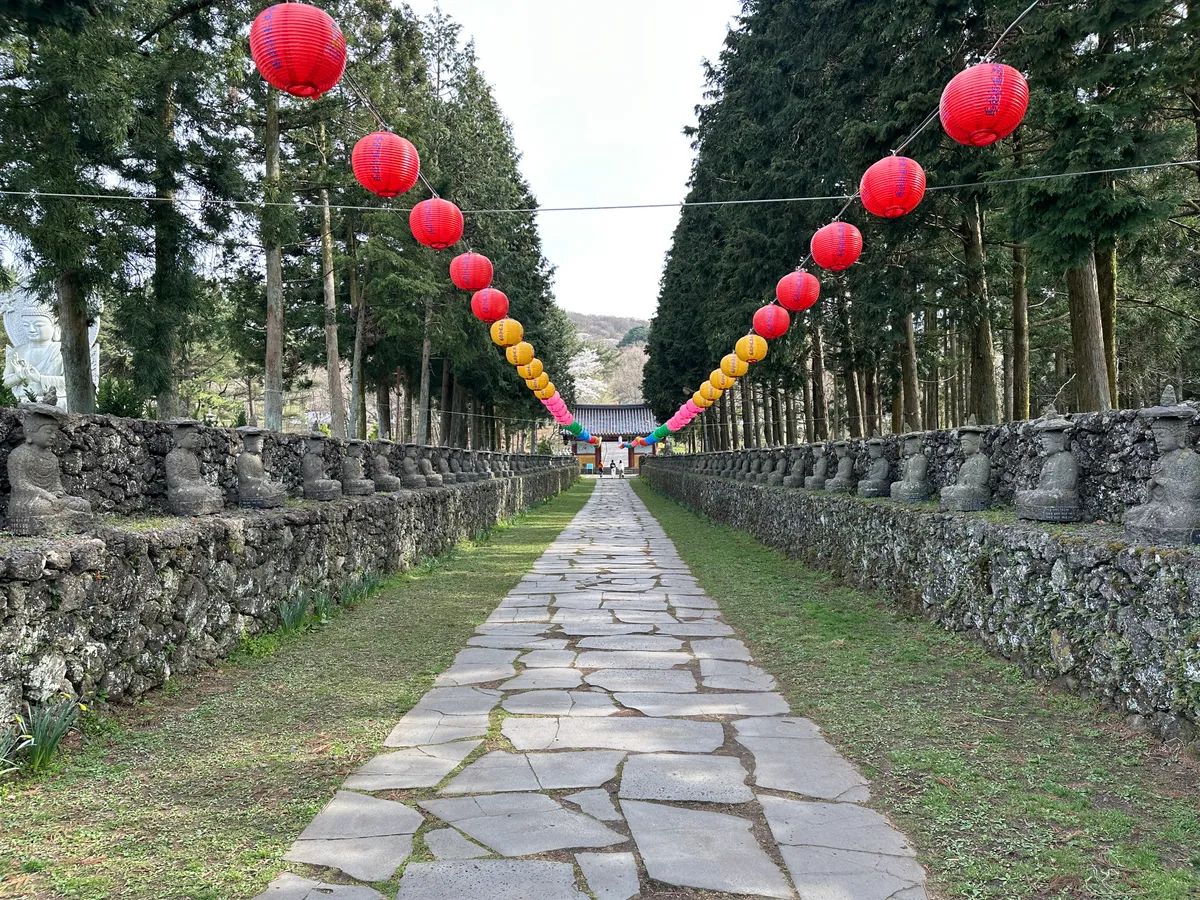
Gwaneumsa stands in Ara-dong, Jeju City, and is the head temple of the 23rd district of the Jogye Order. The Encyclopedia of Korean Culture records that its founder and founding date are unknown, and that the temple was left in ruins when Yi Hyeong-sang, governor of Jeju under King Sukjong, held that the island had too many minor spirits and abolished five hundred temple buildings along with many shrines. The present Gwaneumsa was founded in the spring of 1909 by the nun Bongnyeogwan. A Jeju woman, she was near death in a storm on her way to Biyangdo in 1901 and came through alive by the divine power of the bodhisattva Gwaneum; she took ordination as a nun in 1907. She returned to Jeju in 1908 and held a dedication rite that April, after which residents opposed her and sought to kill her, so she fled up Hallasan and founded the temple there the following spring. In 1910 a Buddha image and painted scrolls were brought from Yonghwasa and enshrined here. The temple burned down entirely in January 1949 during the Jeju 4·3, and was rebuilt in 1968. It now oversees some thirty branch temples across Jeju.
Origin and history
The founder and the founding date are not known. What the encyclopedia does record is that the temple was left in ruins when Yi Hyeong-sang, governor of Jeju under King Sukjong, held that the island had too many minor spirits and abolished five hundred temple buildings along with many shrines.
The present Gwaneumsa was founded in the spring of 1909 by the nun Bongnyeogwan. A Jeju woman, she met a storm by chance on her way to Biyangdo in 1901 and was near death; she came through alive by the divine power of the bodhisattva Gwaneum, and took ordination as a nun in 1907.
She returned to Jeju in 1908 and held a dedication rite that April. Residents then opposed her and sought to kill her, so she fled up Hallasan, and in the spring of 1909 founded Gwaneumsa there. In 1910 a Buddha image and painted scrolls were brought from Yonghwasa and enshrined here.
In January 1949 the temple burned down entirely during the Jeju 4·3; it was rebuilt in 1968. As a head temple of the Jogye Order it now oversees some thirty branch temples on Jeju.
What it is locally associated with
Alive by the power of Gwaneum
Bongnyeogwan met a storm on her way to Biyangdo in 1901 and was near death; having come through, she took ordination as a nun in 1907.
folk traditionA temple founded at the end of a flight
After her rite of 1908 residents opposed her and sought to kill her, so she fled up Hallasan and founded the temple there in the spring of 1909.
documented historyHead temple of the 23rd district
As a head temple of the Jogye Order it now oversees some thirty branch temples across Jeju.
documented history
This temple’s record has a hole in it twice over. Once because the founder and the founding year are missing, and once because it was left in ruins when a governor abolished shrines and temples together. Of every region this site covers, Jeju is the only one whose religious ground was erased by official act and then built again. Beophwasa, also on Jeju, writes the same governor’s name into its own account.
The person who built it again was a woman. Bongnyeogwan nearly died at sea, came through, took ordination, returned to the island, held a rite, and when the opposition put her life in danger she went up the mountain. The temple was founded at the end of that flight. A district head temple begins where its founder was driven uphill.
What may be asked for here is inside the same story. The encyclopedia gives no list of benefits — it gives one clause: she came through alive by the divine power of the bodhisattva Gwaneum. Being pulled out of the water stands at this temple’s beginning.
In January 1949 the temple burned to the ground during the Jeju 4·3. The rebuilding of 1968 came after that. It was the second time this island had lost its temples.
Claims and evidence levels 2
- The temple was left in ruins when Governor Yi Hyeong-sang abolished five hundred temple buildings along with many shrines, and was founded again in the spring of 1909 by the nun Bongnyeogwan. documented history
- It burned down entirely in January 1949 during the Jeju 4·3 and was rebuilt in 1968. documented history
Related guides
- How to visit a Korean templeHands together and hands folded, how the bows work, and what to do at the threshold of a hall. Starting with what is different from visiting a Japanese shrine.
- The small hall behind the main one — sansingak and samseonggakUphill from the main hall of a Korean temple stands a smaller one, and inside it an old man with a tiger. This is where the indigenous religion sits, inside the Buddhist institution.
- Templestay — a night at a templeA programme that puts you inside a temple’s own timetable for a day or two. What you do, which type to book, and what to be ready for.
- Prayer sites and the one wishThe three great Gwaneum sites, the five relic halls, and the crowds before the entrance exam. Where the saying about one wish comes from, and where the record stops.
Sources
- 한라산 관음사(漢拏山 觀音寺) — 한국민족문화대백과사전 (accessed 2026-08-16)
Last updated:
Similar places
8 places
 Shrine
Songdang Bonhyangdang
- Protection & Safety
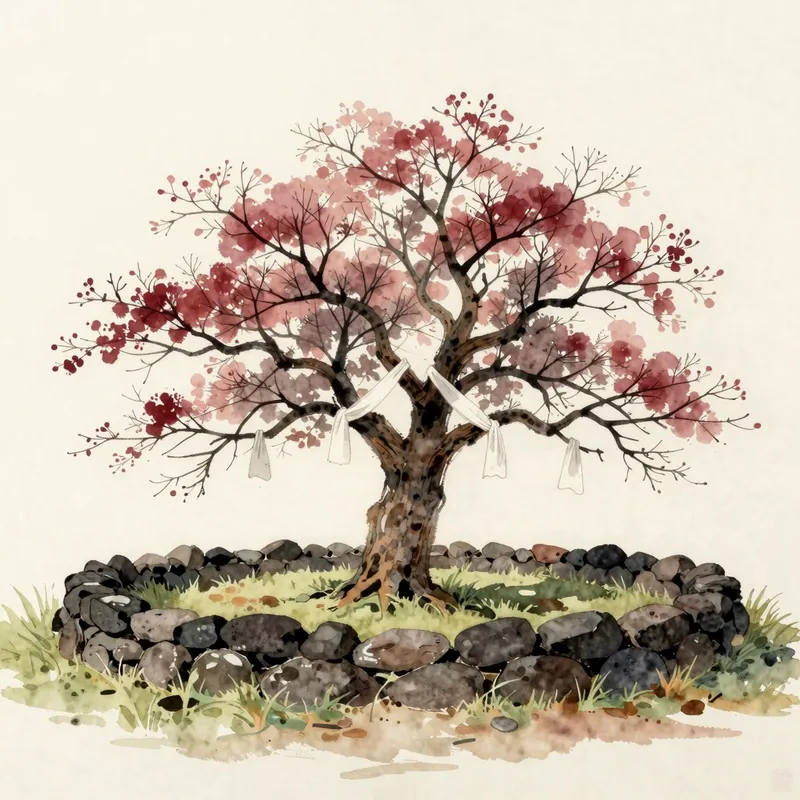
The shrine of the parent gods of Jeju’s village guardian deities, whose children, the myth says, scattered across the island and became its shrine gods.
 Historic Site
Sancheondan
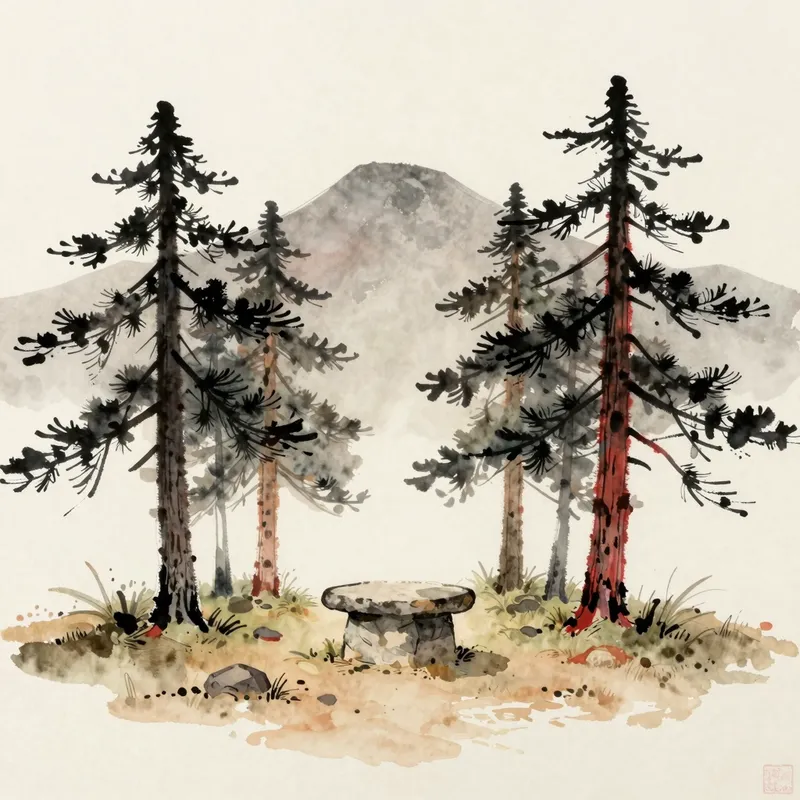
The altar to which Hallasan’s mountain-god rite was moved down from the summit, after islanders froze to death on the way to it.
 Shrine
Waheul Bonhyangdang
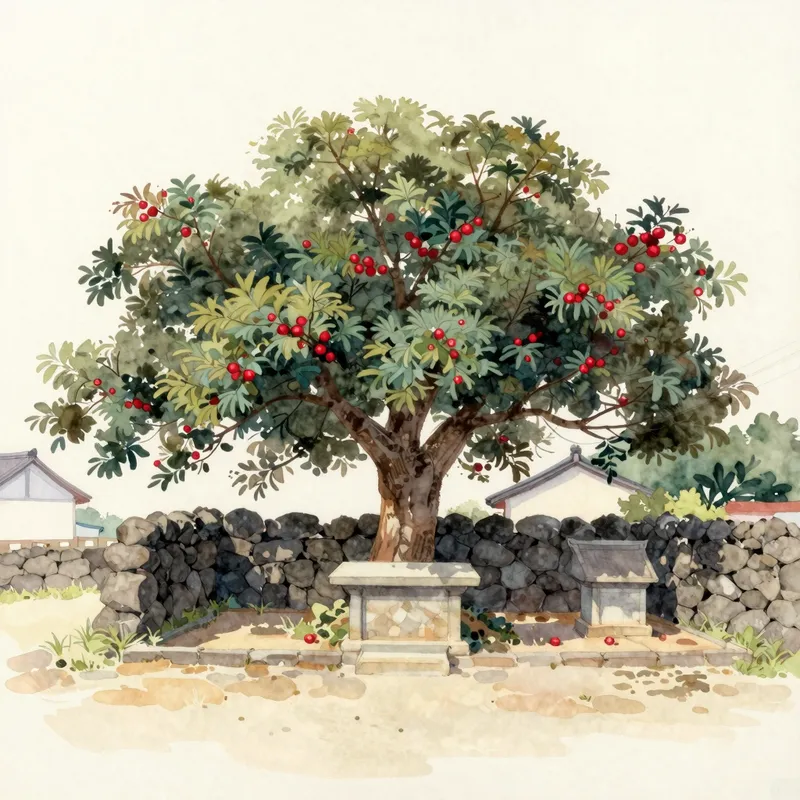
A shrine holding the eleventh son of the Songdang deity together with a goddess who, estranged from him, sits apart in one corner.
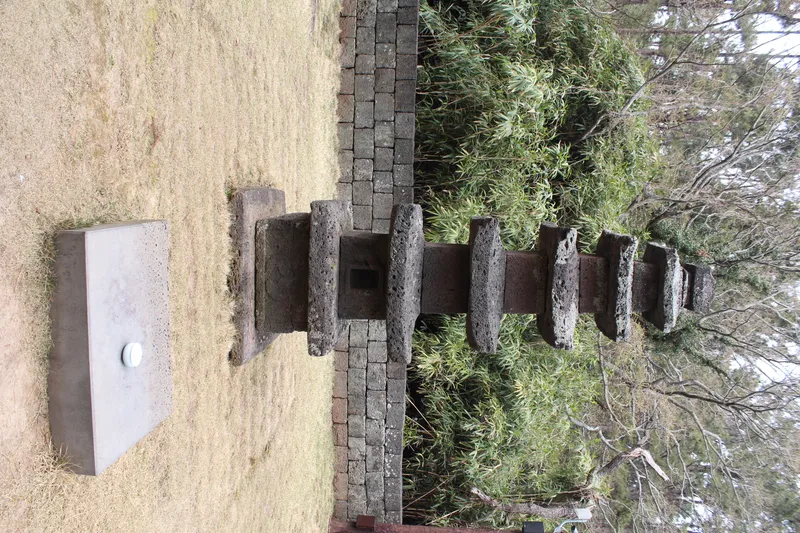 Temple
Bultapsa
- Fertility & Children
A temple on the site of Wondangsa, which Empress Gi is said to have built and sent an envoy to pray at, in order to obtain a son.
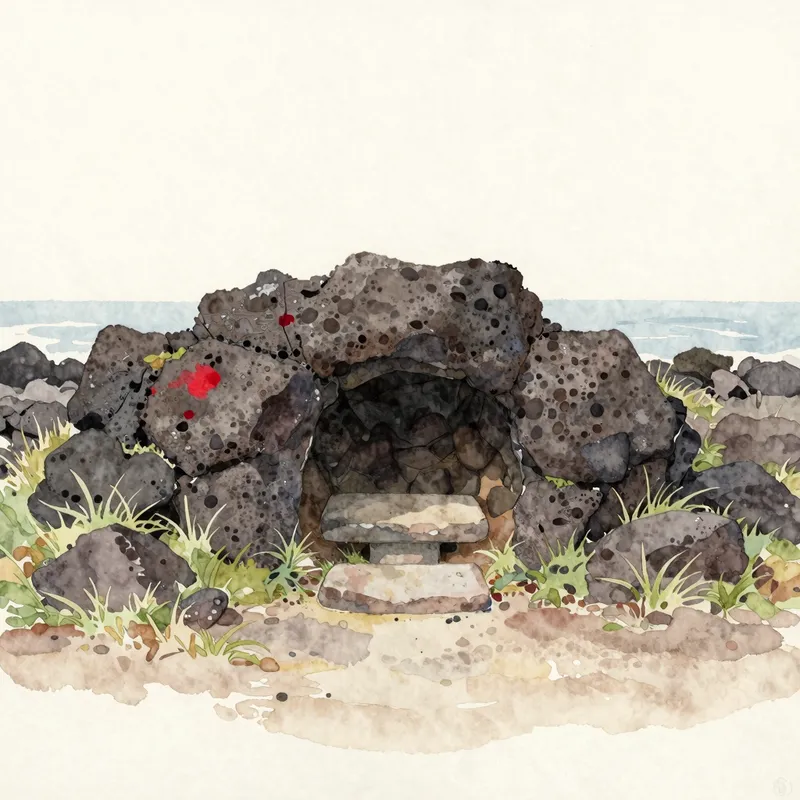 Shrine
Gwenegitdang
The shrine of the sixth son of Songdang Bonhyangdang, where a whole pig has been offered each year.
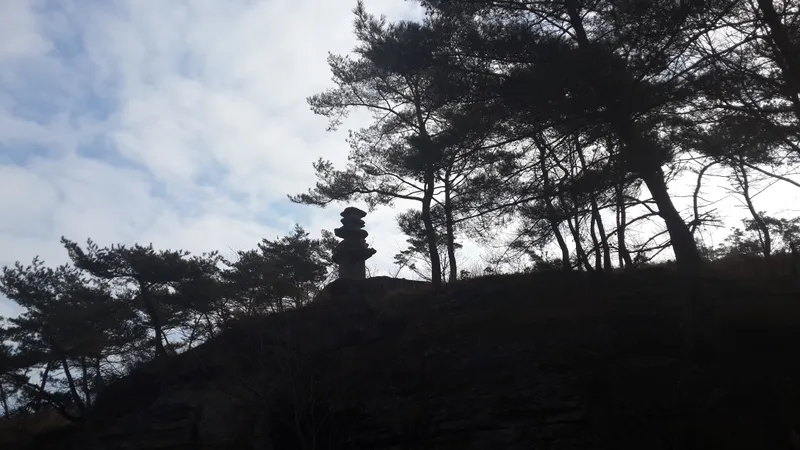 Temple
Unjusa
- Protection & Safety
The temple where Doseon is said to have raised a thousand buddhas and pagodas in a day and a night, to stop the country from listing.
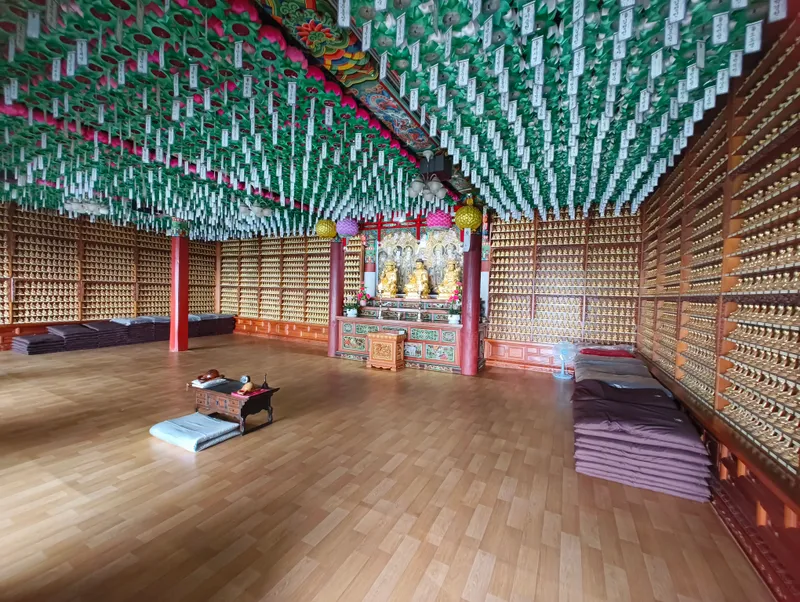 Temple
Boriam
- Wish Fulfillment
An Avalokiteśvara prayer site on the slope of Geumsan, counted with Hongryeonam and Bomunsa among Korea’s three great sites.
 Temple
Beophwasa
The site of a large temple that flourished on Jeju from the twelfth to the fifteenth century, burned in the early eighteenth and rebuilt in 1987.
No places match your filters