Protection & Safety
Places associated with protection and safety.
Warding off misfortune is the broadest devotion in Japan, so this tag is used narrowly: for places whose own account of themselves centres on protection, whether through yakuyoke rites or a founding story about calming a disaster. Each page shows the sentence the tag comes from.
AI-assisted research. Check official sources before you travel.About
81 placesOpen in the full map
Places in this collection
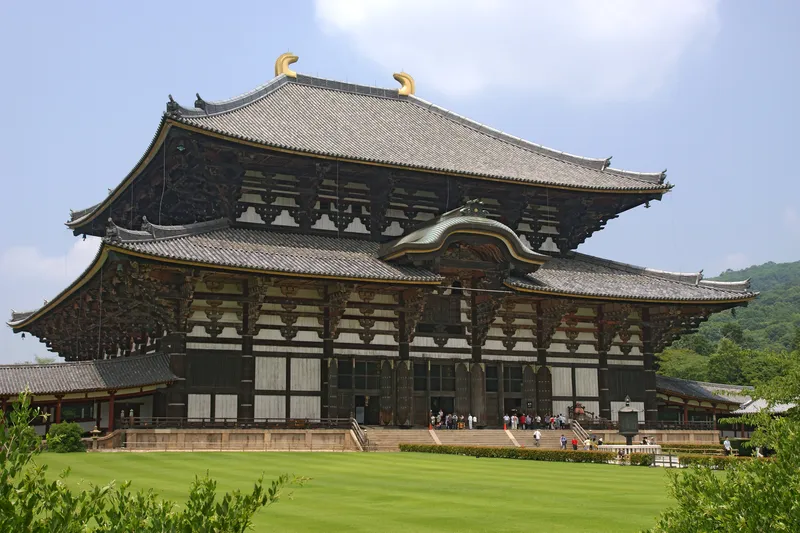 Temple
Todaiji
- Protection & Safety
The temple of the Great Buddha, begun in 743 under an edict praying that all things, animate and growing, may flourish.
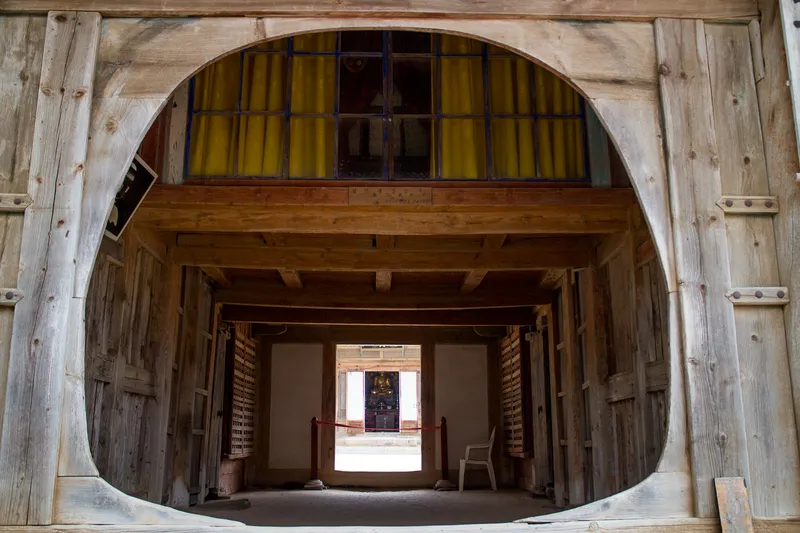 Temple
Haeinsa
- Protection & Safety
The temple holding the Tripitaka Koreana, cut out of a national wish to repel the Mongols, and the hall that has kept it.
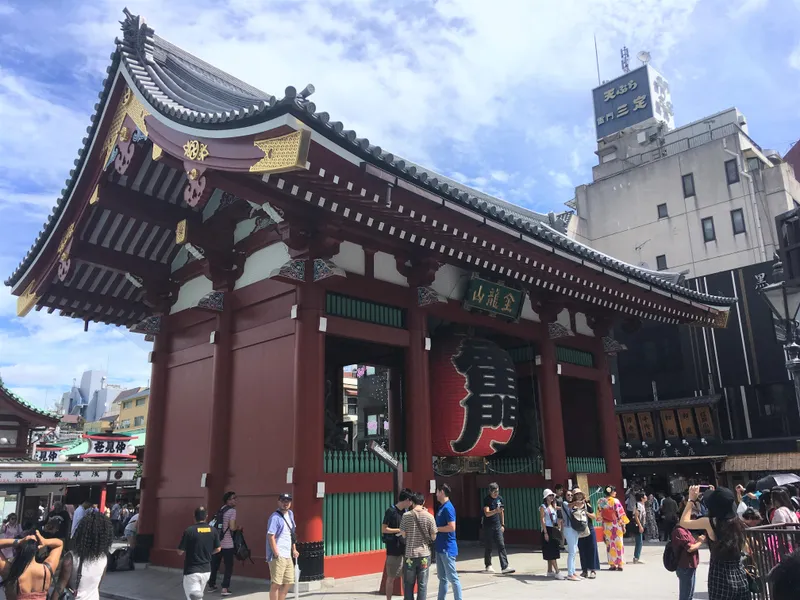 Temple
Senso-ji
- Money & Prosperity
- Protection & Safety
Tokyo's oldest temple, in Asakusa, built around a statue of Kannon that two fishermen brothers are said to have pulled from the river in 628, and visited today for prayers about money and protection.
 Shrine
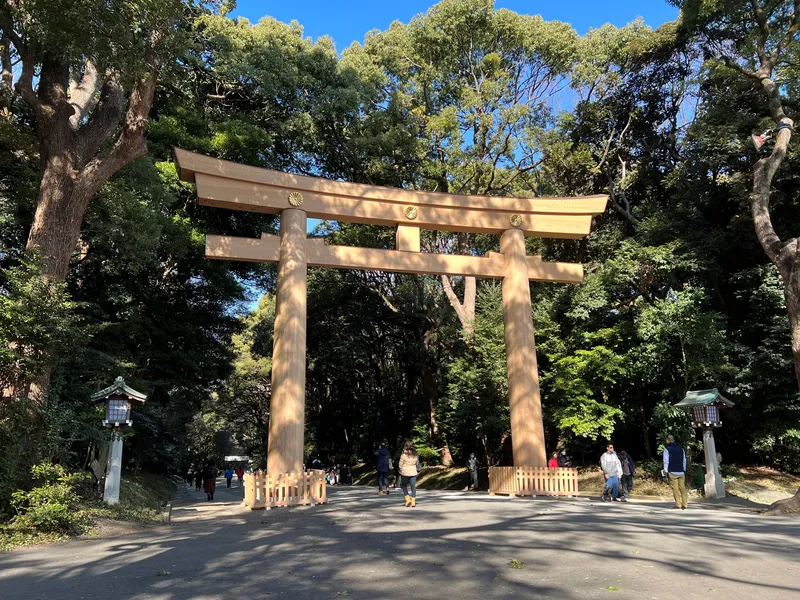
Meiji Jingu
- Health & Healing
- Protection & Safety
- Bonds & Matchmaking
A 1920 Shinto shrine in central Tokyo enshrining Emperor Meiji and Empress Shōken, set in a 70-hectare forest that was planted from scratch and is visited today for prayers about bonds, protection and health.
 Temple
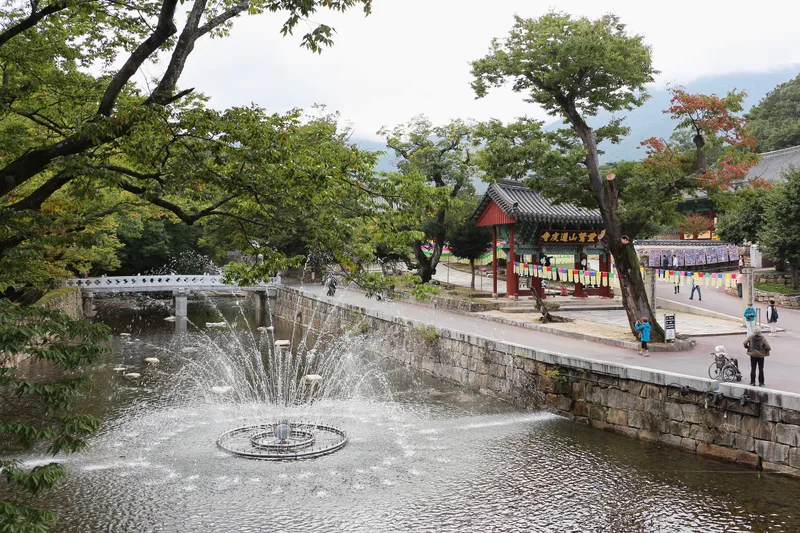
Tongdosa
- Protection & Safety
The first of the five relic sanctuaries, whose main hall enshrines no buddha because it faces the relics behind it.
 Shrine
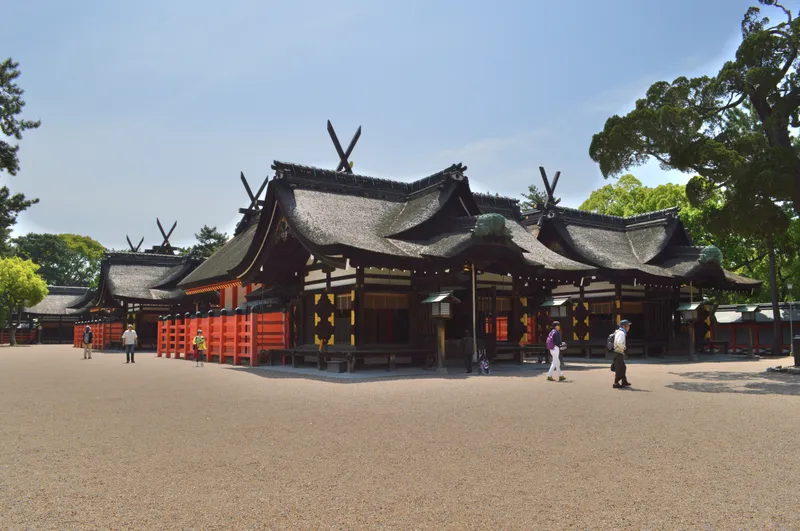
Sumiyoshi Taisha
- Protection & Safety
- Purification
Head shrine of Japan’s twenty-three hundred Sumiyoshi shrines, guardian of voyages since the envoys to Sui and Tang, and ancestral deity of purification.
 Shrine
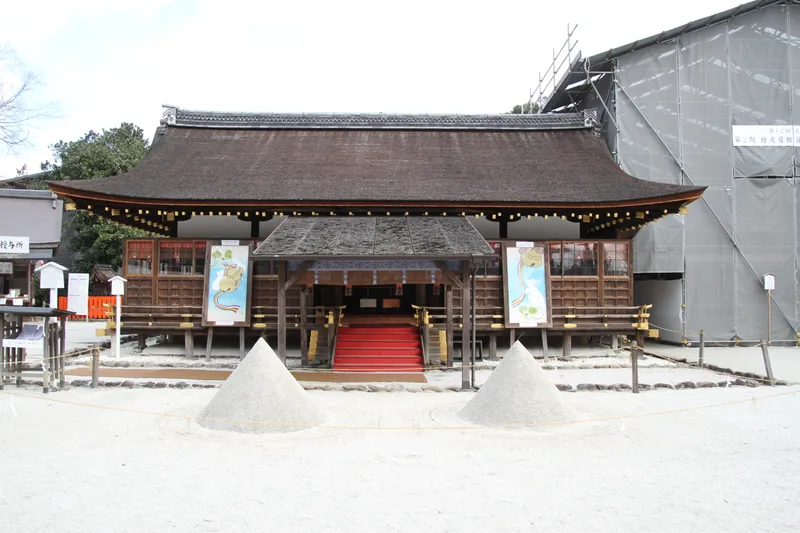
Kamigamo Jinja
- Protection & Safety
- Skill & Mastery
A shrine to Kamo Wakeikazuchi, whose listed benefits run from warding off lightning to guarding the electrical industry.
 Shrine
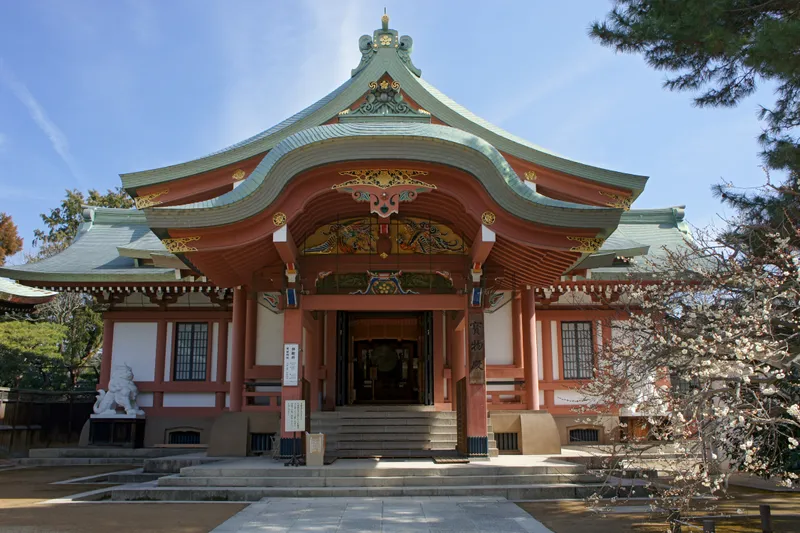
Kitano Tenmangu
- Exams & Study
- Protection & Safety
- Skill & Mastery
Head shrine of some twelve thousand Tenmangu shrines, widely venerated for success in entrance examinations and in study.
 Shrine
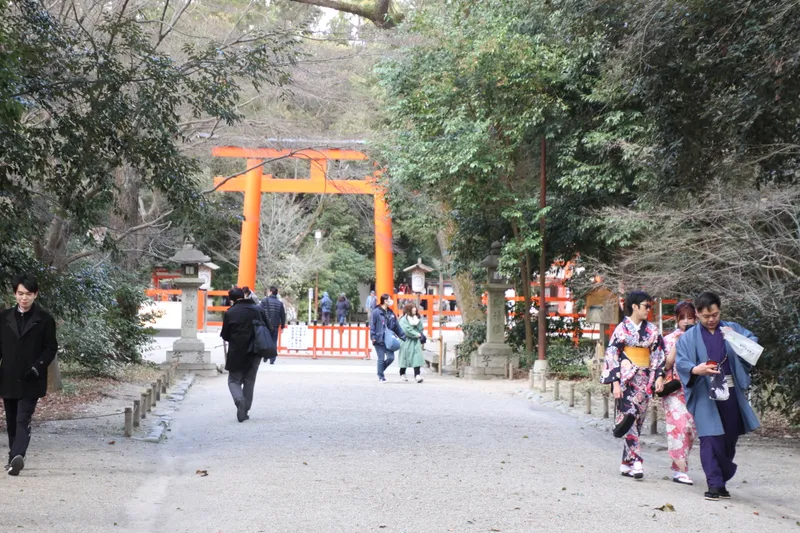
Shimogamo Jinja
- Family & Home
- Fertility & Children
- Love & Romance
A shrine where people pray for protection, marriage, children, safe birth, raising a family and safe travel, in a wood that predates the city.
 Shrine
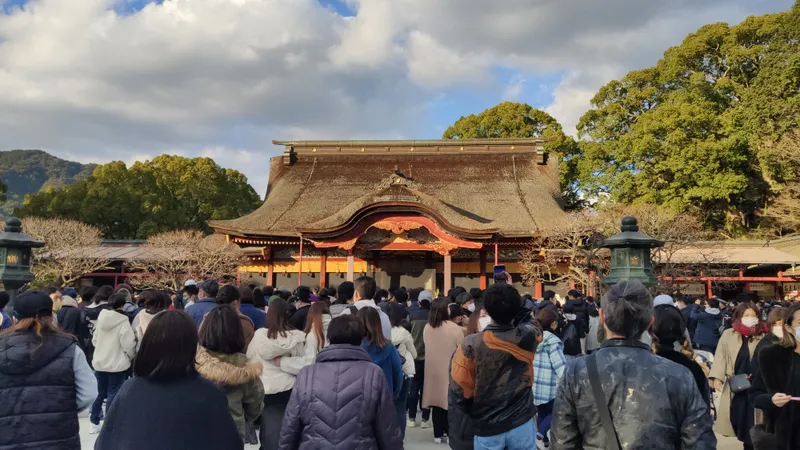
Dazaifu Tenmangu
- Career & Work
- Exams & Study
- Fertility & Children
The shrine stands over Sugawara no Michizane’s grave, on the spot where the ox drawing his funeral cart lay down and would not move; prayers here begin with passing an entrance examination.
 Shrine
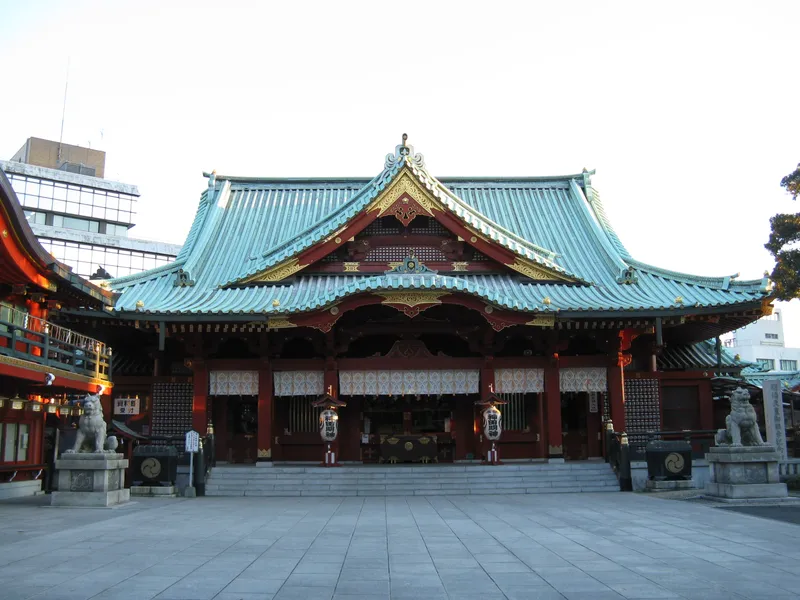
Kanda Myojin
- Career & Work
- Family & Home
- Money & Prosperity
A Chiyoda shrine that served as the guardian shrine of all Edo, enshrining three deities between them associated with business prosperity, good matches and warding off misfortune, and these days selling a charm for information security.
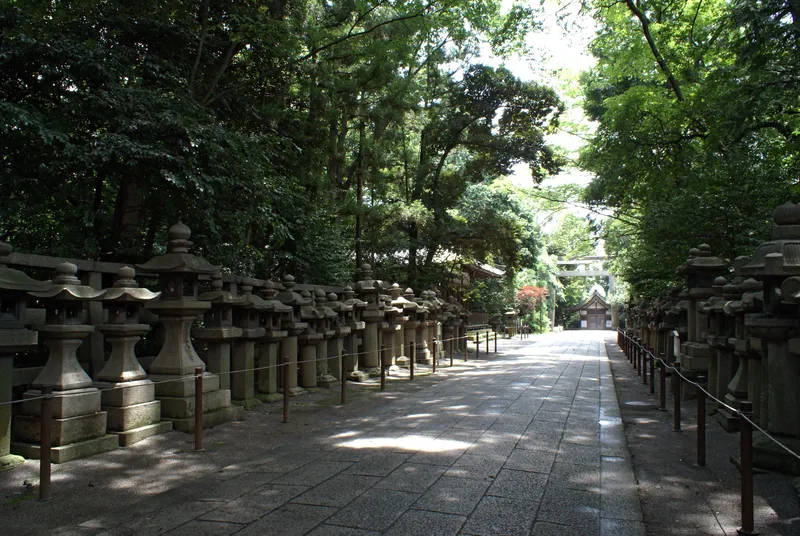 Shrine
Iwashimizu Hachimangu
- Protection & Safety
Founded in 859 on an oracle in which the deity said: I shall move to the peak of Otokoyama near the capital and protect the realm.
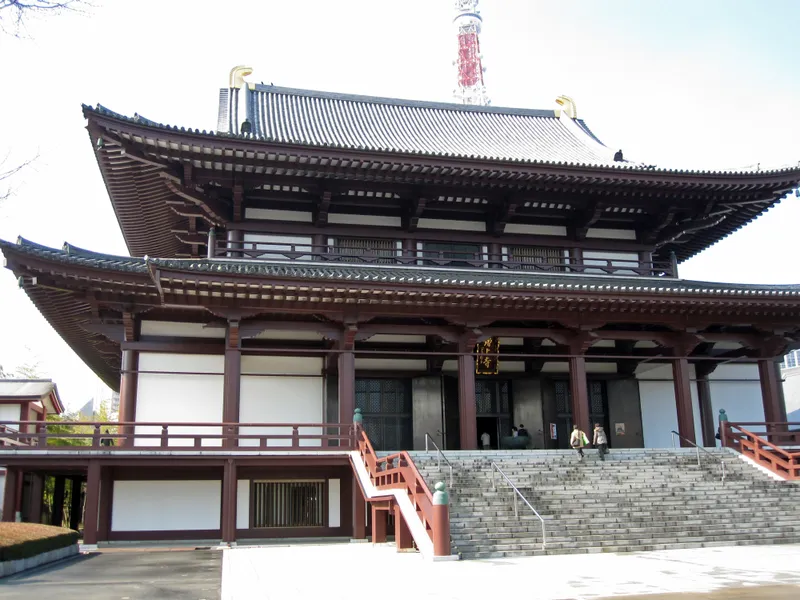 Temple
Zojo-ji
- Career & Work
- Family & Home
- Money & Prosperity
A Pure Land temple in Shiba, founded in 1393 and chosen by the Tokugawa as their family temple, whose hidden principal image is known as the Black Honzon of victory.
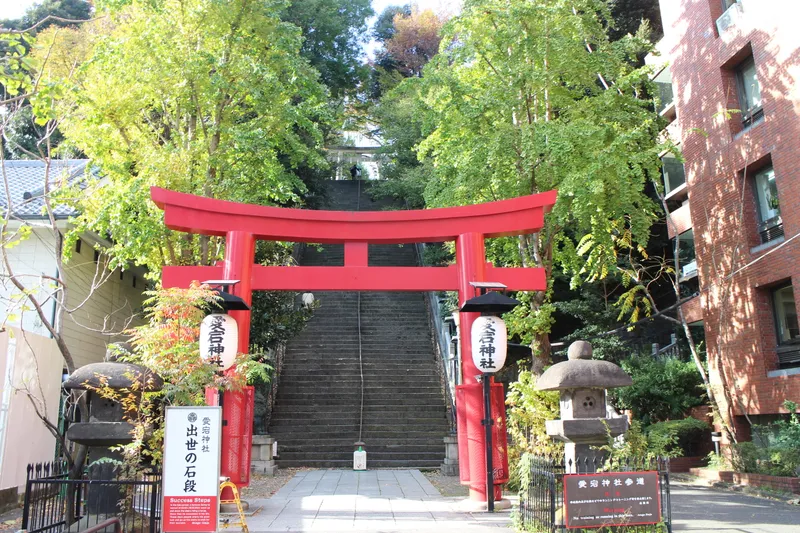 Shrine
Atago Shrine
- Career & Work
- Love & Romance
- Money & Prosperity
A shrine on a steep hill in Minato, founded in 1603 on Tokugawa Ieyasu's order as a deity against fire, and known for the stone staircase named after a rider who is said to have galloped up it.
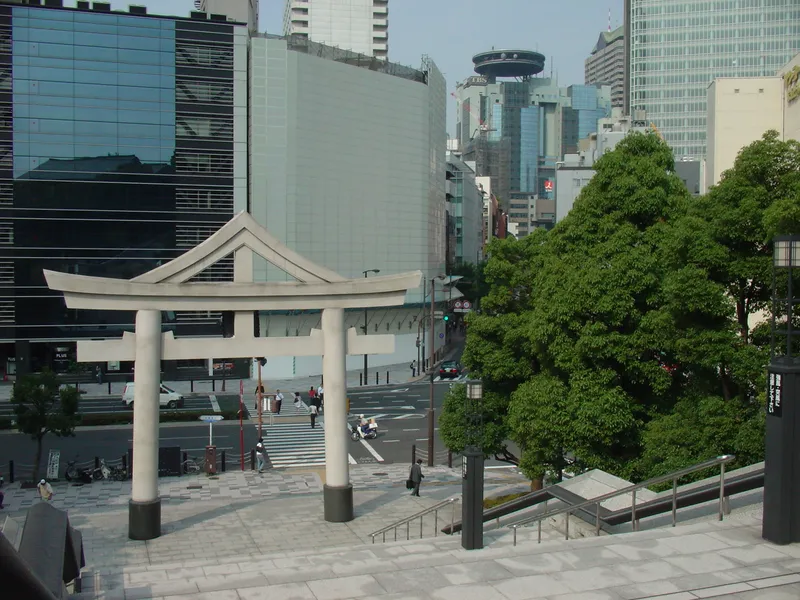 Shrine
Hie Shrine
- Career & Work
- Fertility & Children
- Money & Prosperity
A shrine on a wooded rise in Nagatacho, once the guardian of Edo Castle, whose messenger is the monkey, a pun the shrine explains itself, connecting it to warding off evil, to winning, and to the tying of bonds.
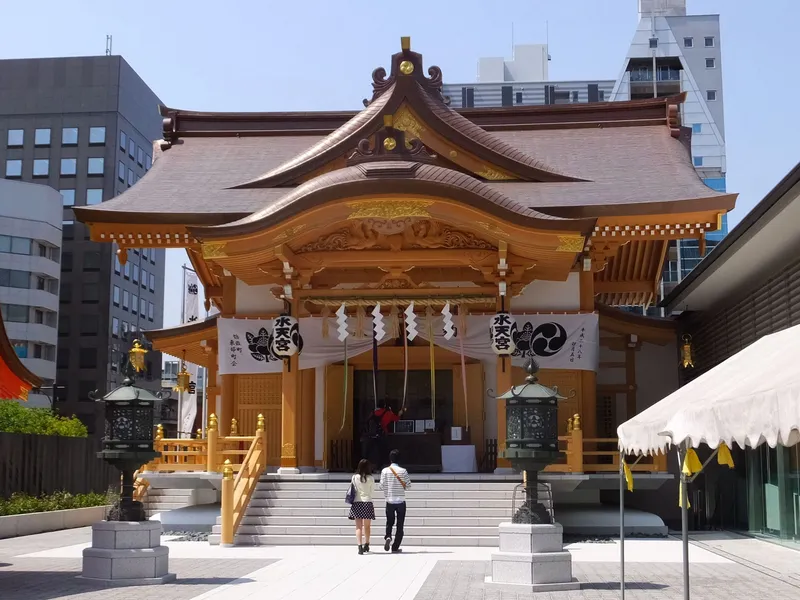 Shrine
Suitengu
- Family & Home
- Fertility & Children
- Protection & Safety
A Nihonbashi shrine long known for safe childbirth and for praying to conceive, whose safe-birth charm is a length of cotton worn as a belly band.
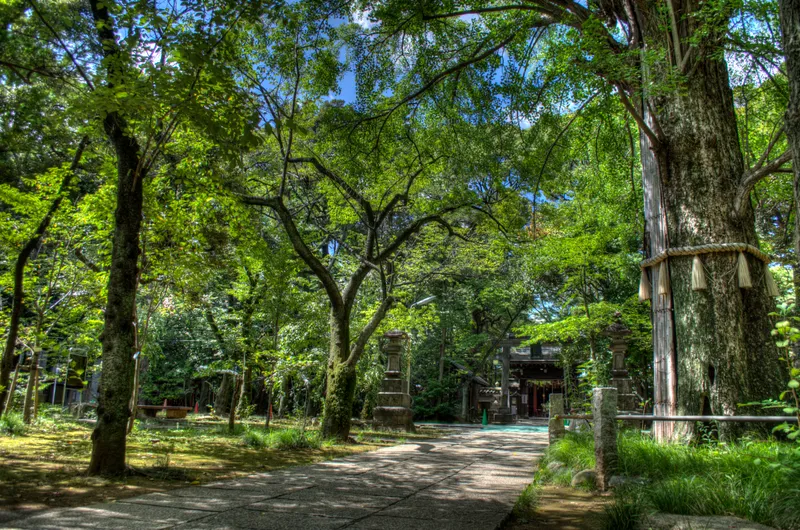 Shrine
Akasaka Hikawa Shrine
- Family & Home
- Love & Romance
- Money & Prosperity
A Minato shrine founded in 951 whose Edo-period buildings survived both the earthquake and the war, known for warding off misfortune and for the tying of bonds, and the shrine explains why it is known for each.
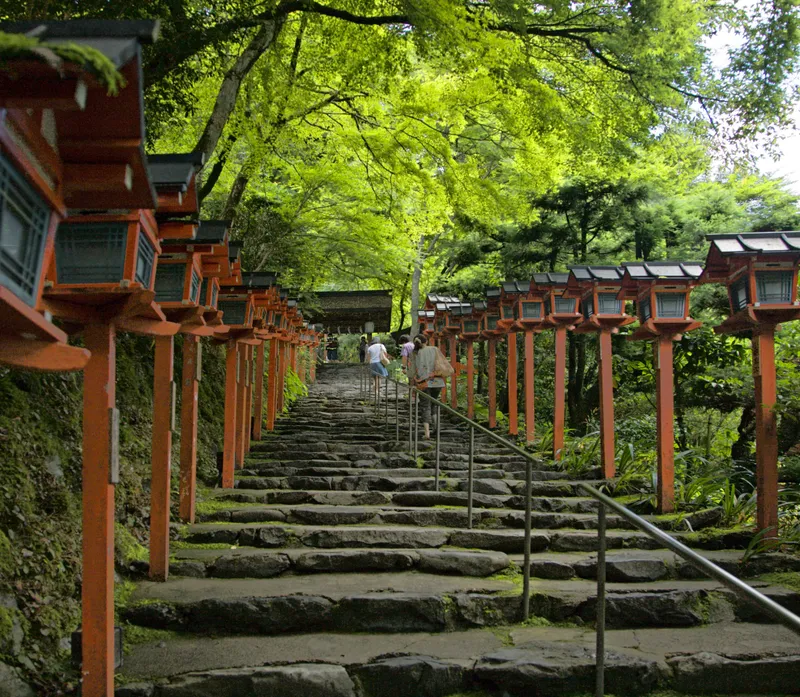 Shrine
Kifune Jinja
- Love & Romance
- Money & Prosperity
- Protection & Safety
A shrine to Kifune Okami, the deity governing the supply of water — and long famous as the shrine of love, with a subordinate shrine to a deity of matchmaking.
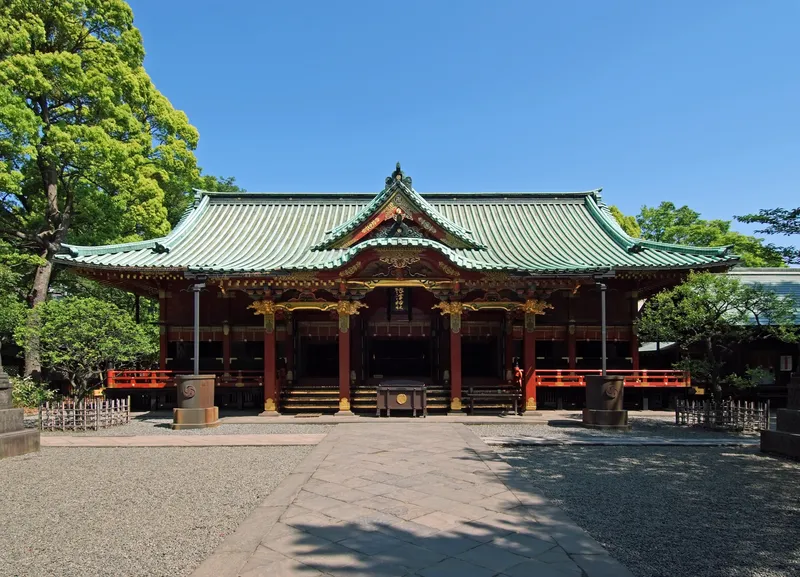 Shrine
Nezu Shrine
- Career & Work
- Exams & Study
- Family & Home
A Bunkyo shrine whose entire 1706 complex survives intact as an Important Cultural Property, rare in Tokyo, with an azalea hill and a tunnel of small red torii (鳥居).
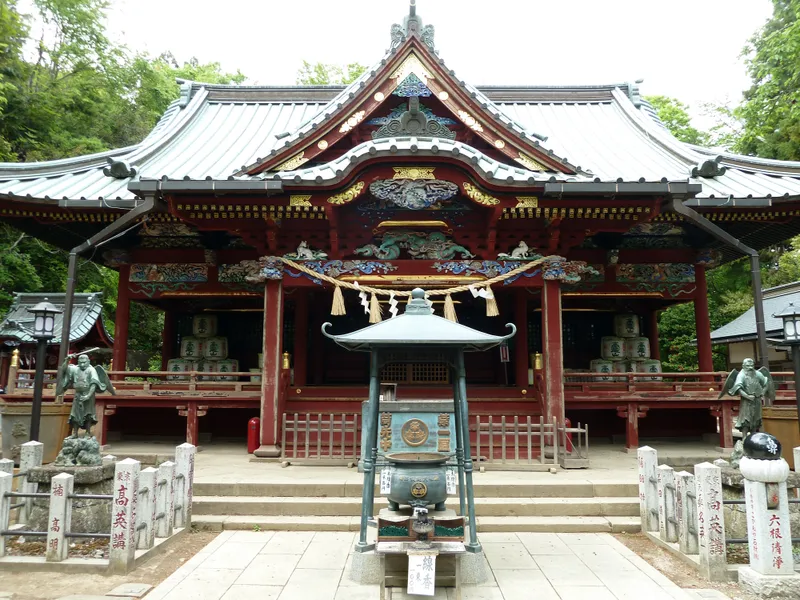 Temple
Takaosan Yakuo-in
- Protection & Safety
- Purification
A mountain temple founded in 744 on Mount Takao, west of Tokyo, whose principal image is Izuna Daigongen and whose tengu are held to ward off calamity, still an active centre of Shugendo mountain asceticism.
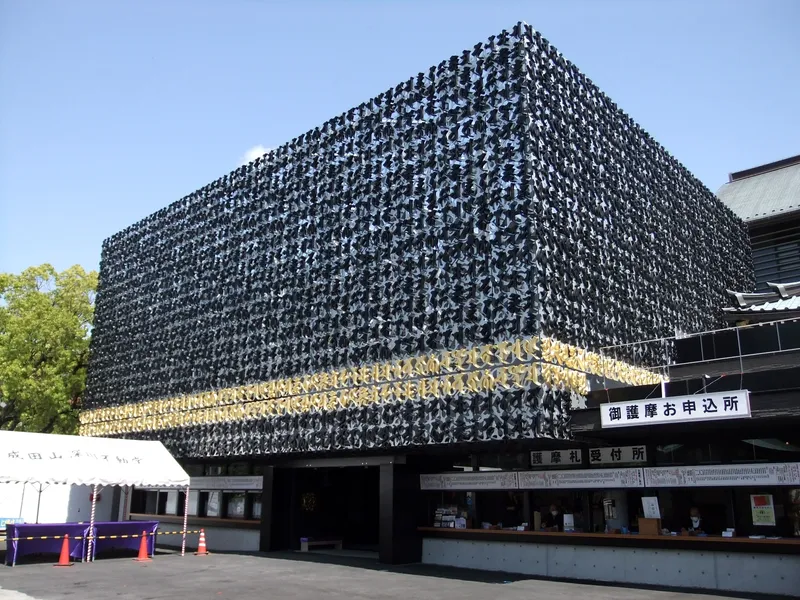 Temple
Fukagawa Fudo-do
- Protection & Safety
- Purification
The Tokyo branch of Naritasan Shinshoji, in Monzen-nakacho, where a goma fire rite is performed before Fudo Myoo several times a day.
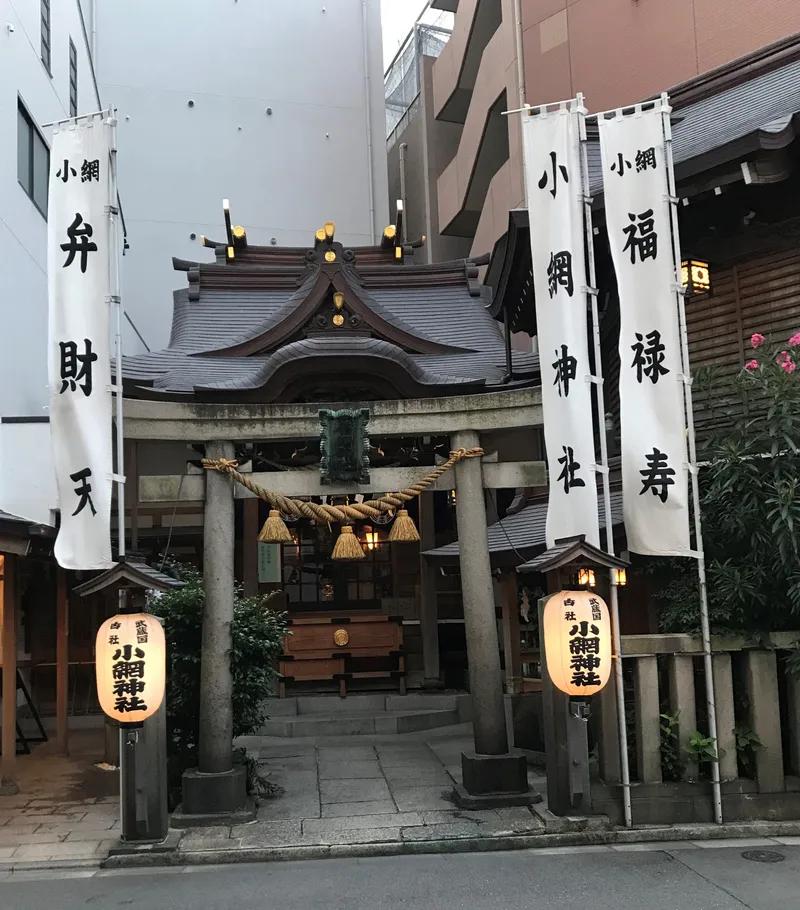 Shrine
Koami Shrine
- Money & Prosperity
- Protection & Safety
A small Nihonbashi shrine known as a deity of strong luck and warding off misfortune, with a well where visitors wash money and the only pre-war wooden shrine building left in the district.
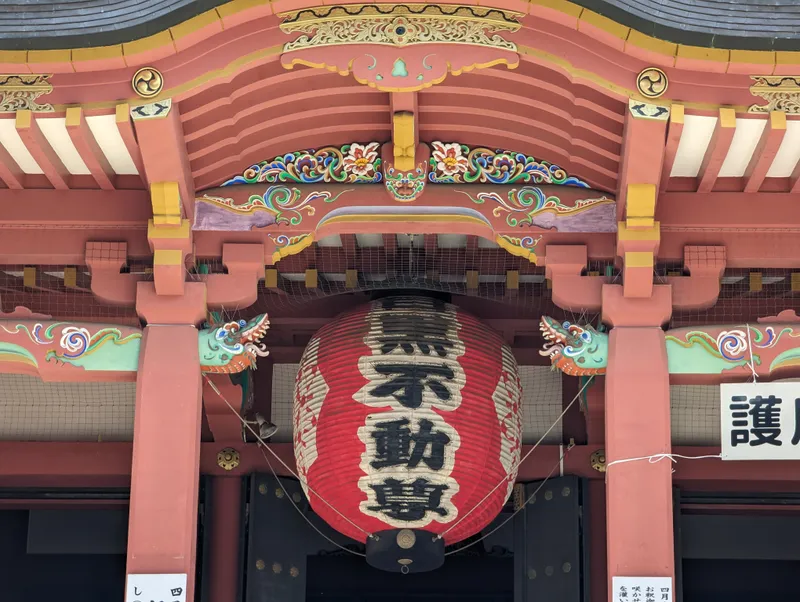 Temple
Meguro Fudoson (Ryusen-ji)
- Protection & Safety
- Purification
The oldest Fudo site in the Kanto, founded in 808 after a fifteen-year-old monk dreamed of a blue-black figure with a sword and a rope, and one of the Five-Colour Fudo that guarded Edo.
 Shrine
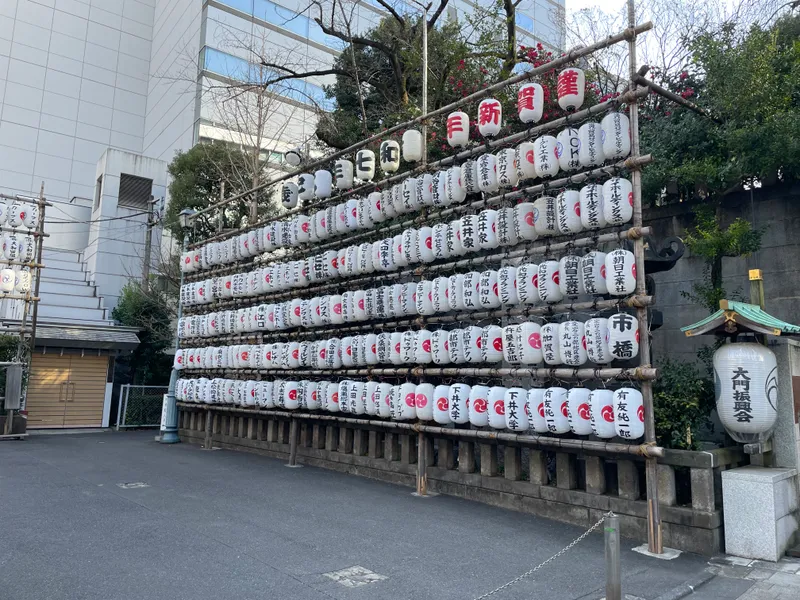
Shiba Daijingu
- Love & Romance
- Money & Prosperity
- Protection & Safety
A Minato shrine founded in 1005 that enshrines the two deities of Ise, known in the Edo period as the Ise of the Kanto and today for a box charm sold nowhere else.
 Shrine
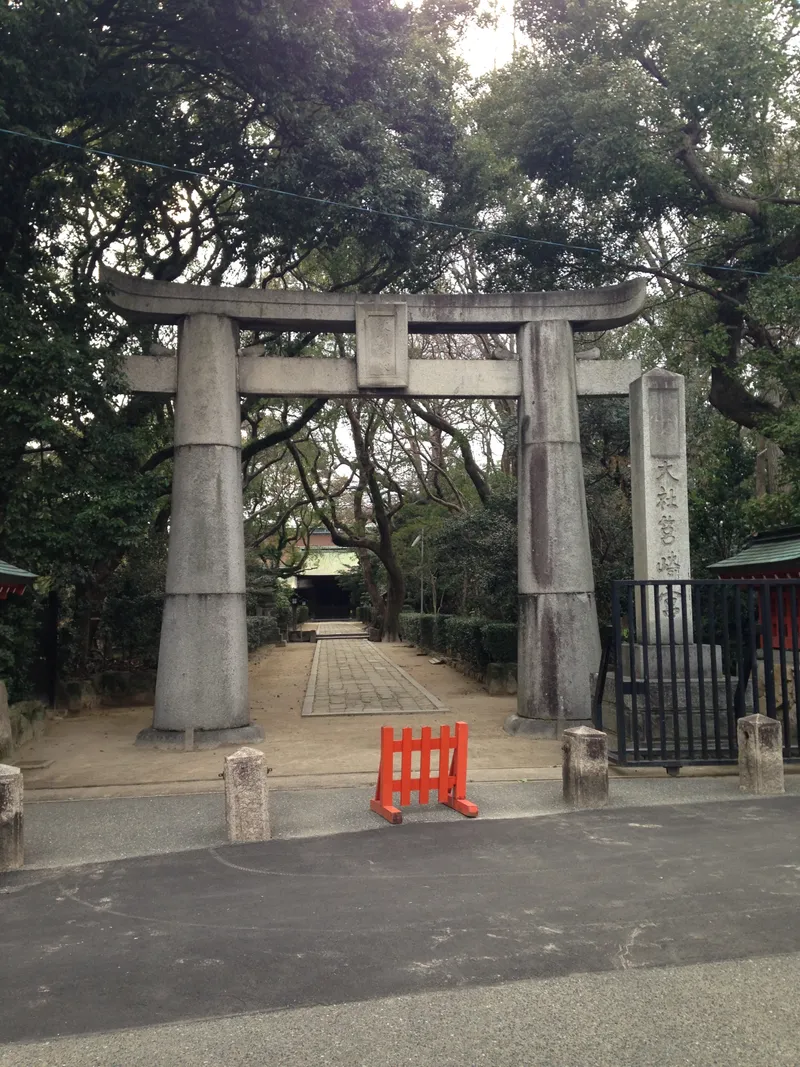
Hakozakigu
- Exams & Study
- Fertility & Children
- Money & Prosperity
A Hachiman shrine built in 921 after Emperor Daigo, by divine instruction, handed down a piece of imperial calligraphy that the shrine still keeps as its first treasure.
 Historic Site
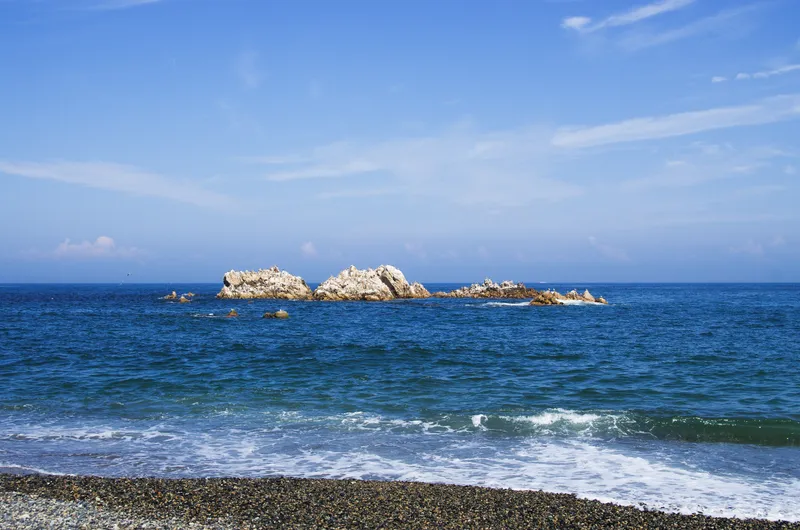
Tomb of King Munmu
- Protection & Safety
The tomb of King Munmu of Silla, set on a rock in the sea because he willed to become a dragon and guard the East Sea.
 Temple
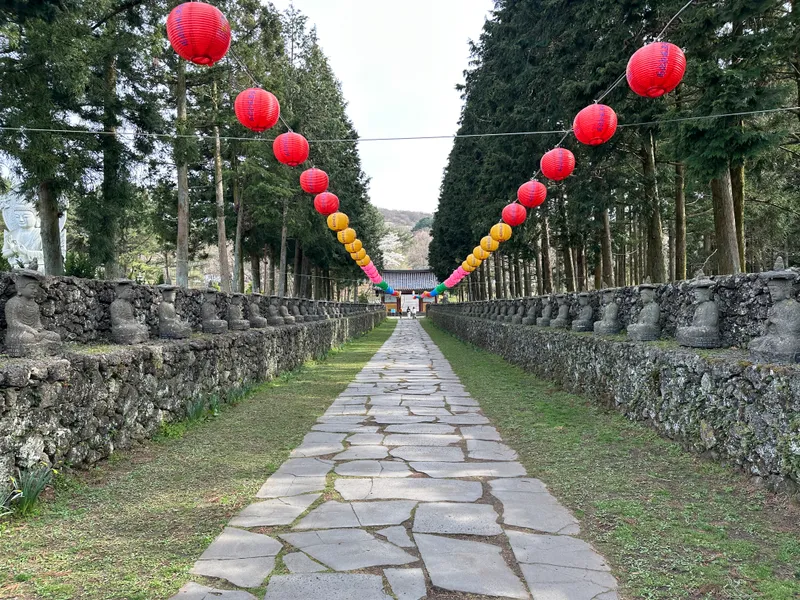
Gwaneumsa, Hallasan
- Protection & Safety
The head temple of the Jogye Order’s 23rd district, on the slope of Hallasan, founded in the spring of 1909 by the nun Bongnyeogwan.
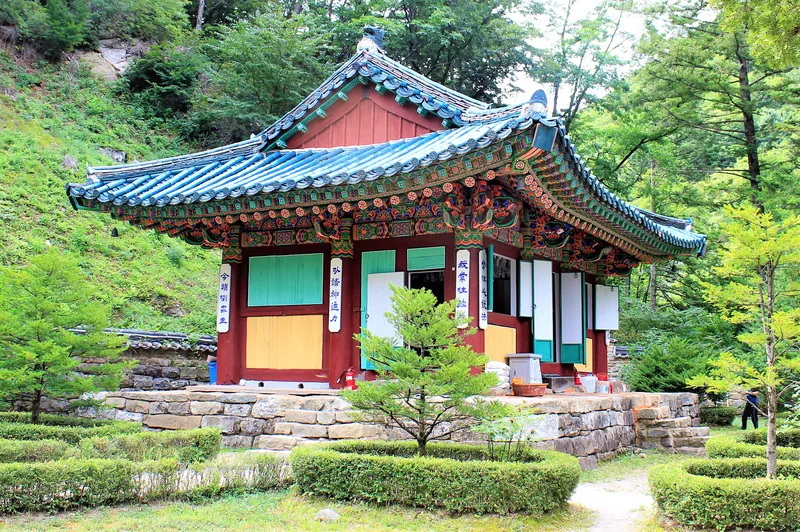 Temple
Jeongamsa
- Protection & Safety
A relic sanctuary where Jajang is said to have enshrined the Buddha’s skull bone, a tooth and a hundred relics, with a National Treasure stupa on the slope behind.
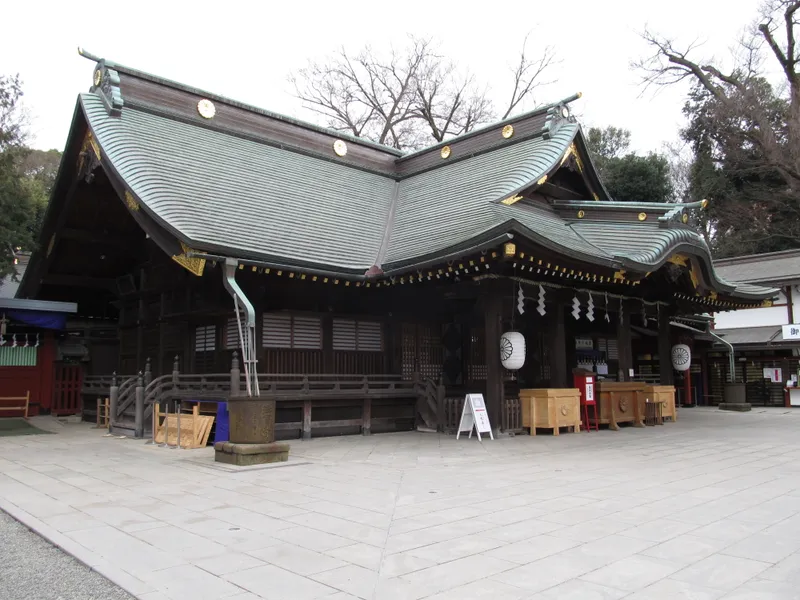 Shrine
Okunitama Shrine
- Money & Prosperity
- Protection & Safety
- Bonds & Matchmaking
The provincial shrine of old Musashi, in Fuchu, which dates its founding to 111 and enshrines a deity it identifies with Ōkuninushi of Izumo.
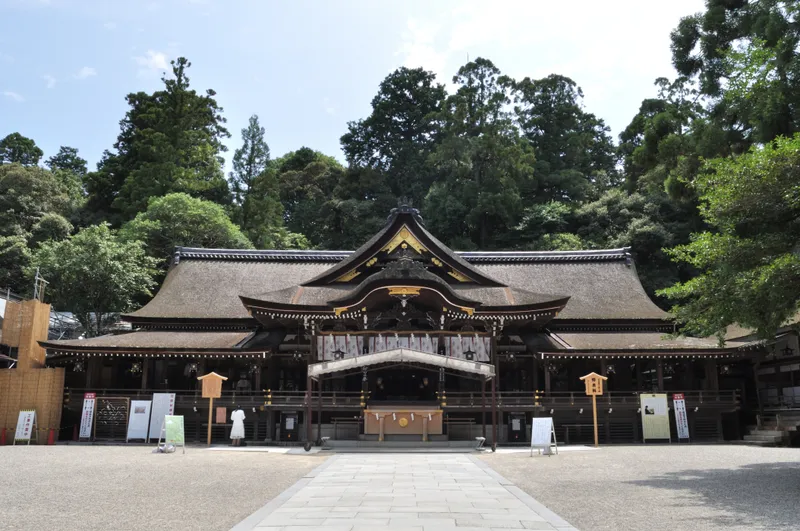 Shrine
Omiwa Jinja
- Protection & Safety
It has no main hall, because its deity dwells in Mount Miwa — prayer is offered to the mountain directly, in the form worship took before shrine buildings existed.
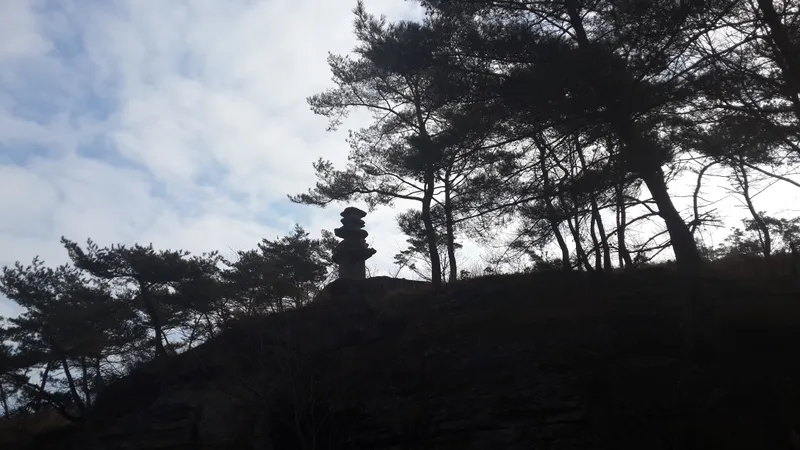 Temple
Unjusa
- Protection & Safety
The temple where Doseon is said to have raised a thousand buddhas and pagodas in a day and a night, to stop the country from listing.
 Temple
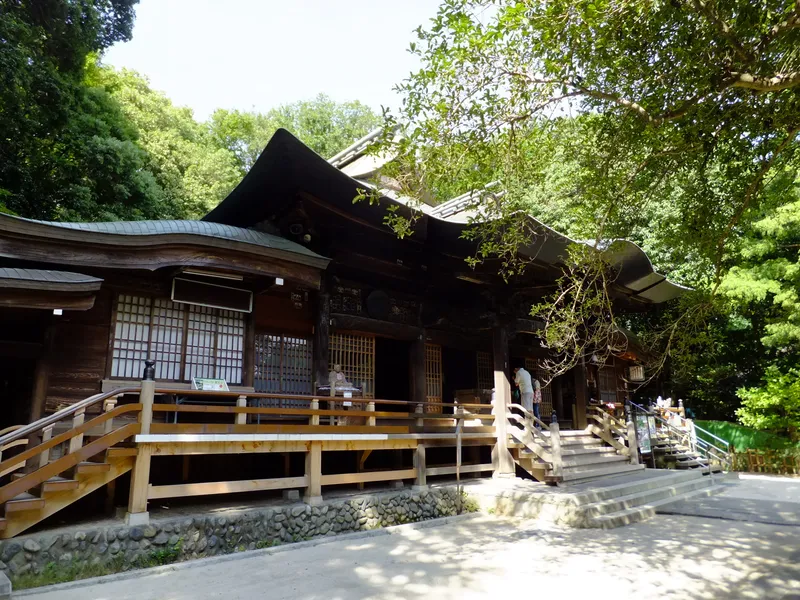
Jindai-ji
- Protection & Safety
A Tendai temple in Chofu founded in 733, named after a water deity said to remove epidemics, and known for a hidden image of the monk credited with inventing omikuji (おみくじ).
 Shrine
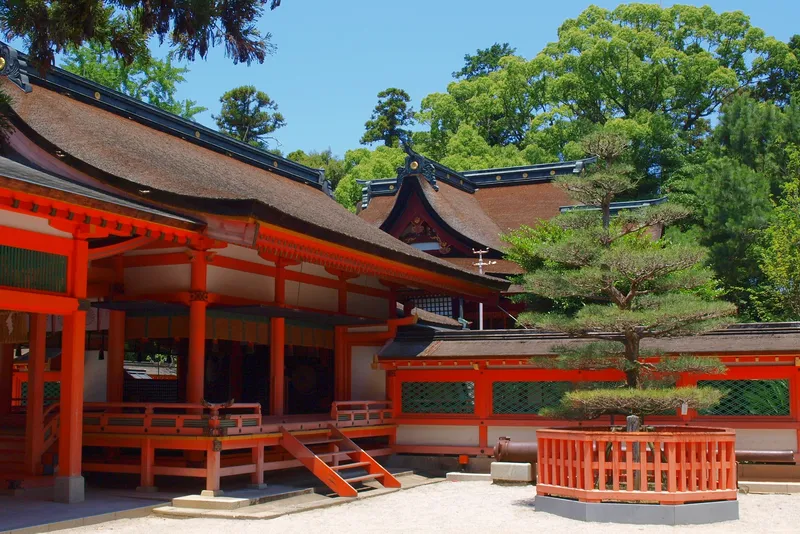
Kashiigu
- Family & Home
- Fertility & Children
- Protection & Safety
It began when Empress Jingu built a shrine with her own hands for the spirit of her husband Emperor Chuai, and a second hall for the empress herself was later added on her own oracle.
 Shrine
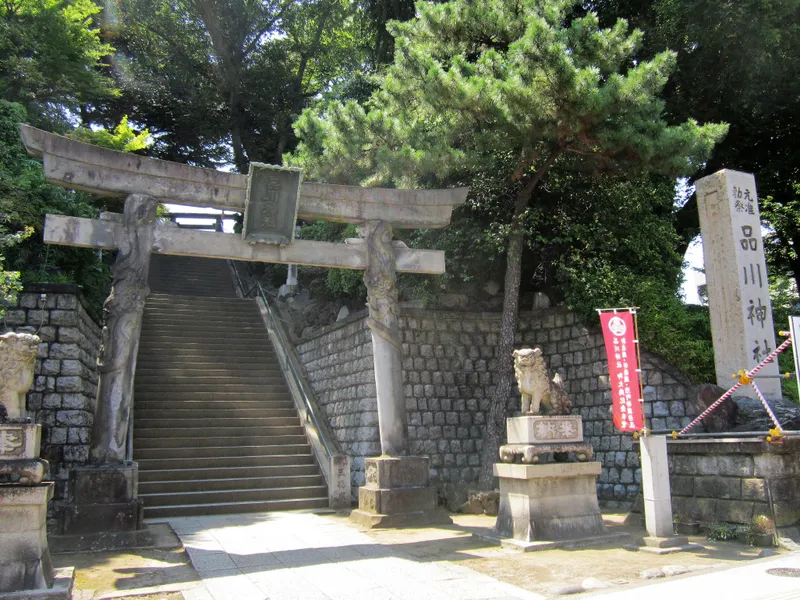
Shinagawa Shrine
- Money & Prosperity
- Protection & Safety
A shrine above Kita-Shinagawa founded in 1187 by Minamoto no Yoritomo, enshrining three deities added across three centuries, one for trade and one for warding.
 Shrine
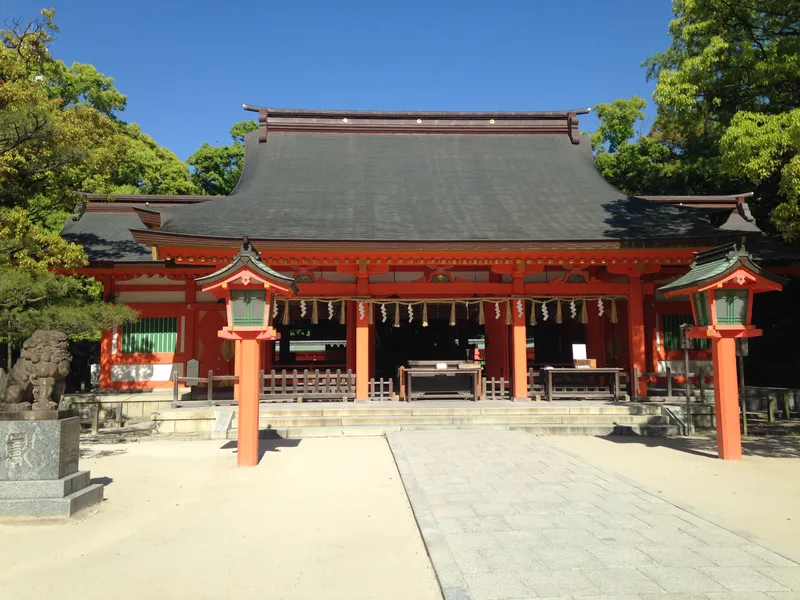
Sumiyoshi Shrine
- Protection & Safety
- Purification
Said to be the first of the 2,129 Sumiyoshi shrines in the country, and revered as a deity who guards against every calamity by means of purity of body and mind.
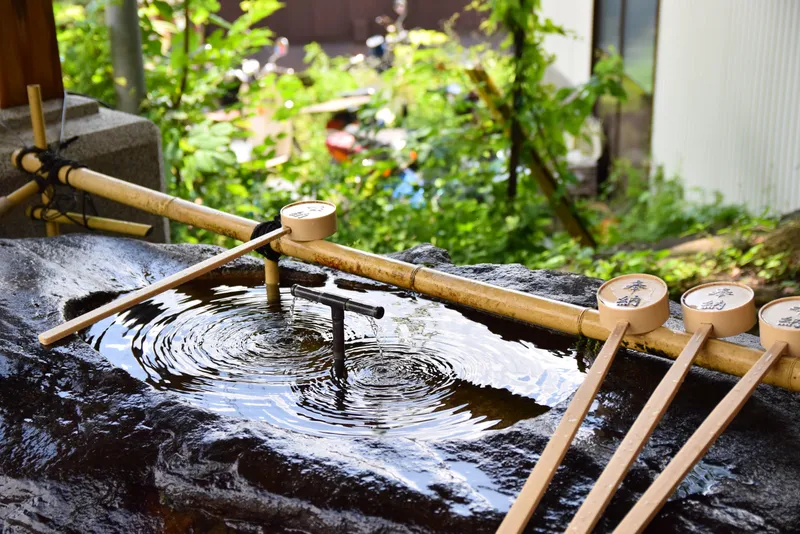 Shrine
Musashi Mitake Shrine
- Protection & Safety
A mountain shrine above Ome whose guardian is a wolf, long turned to against theft and evil, and where dogs are now blessed year-round.
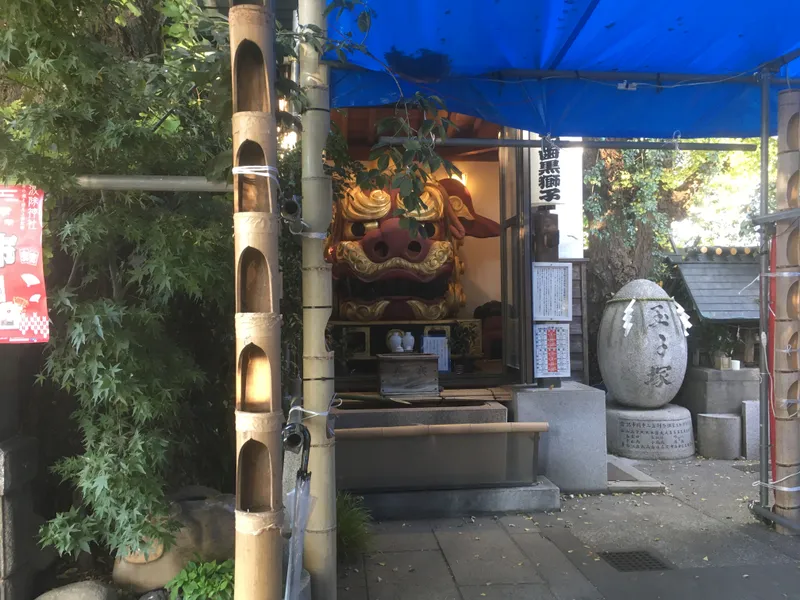 Shrine
Namiyoke Shrine
- Money & Prosperity
- Protection & Safety
A Tsukiji shrine whose name means wave-averting, founded in 1659 after an Inari image found floating in the sea was credited with calming the water enough to finish the reclamation.
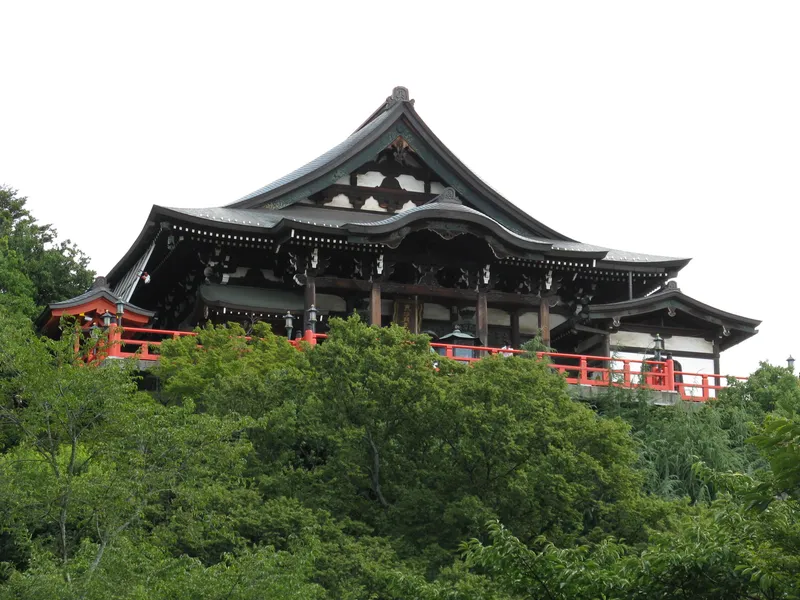 Temple
Chogosonshi-ji
- Family & Home
- Health & Healing
- Protection & Safety
Prince Shotoku is said to have perceived Bishamonten on this mountain at the tiger hour of the tiger day of the tiger year, and the temple received its name when Emperor Daigo recovered from grave illness.
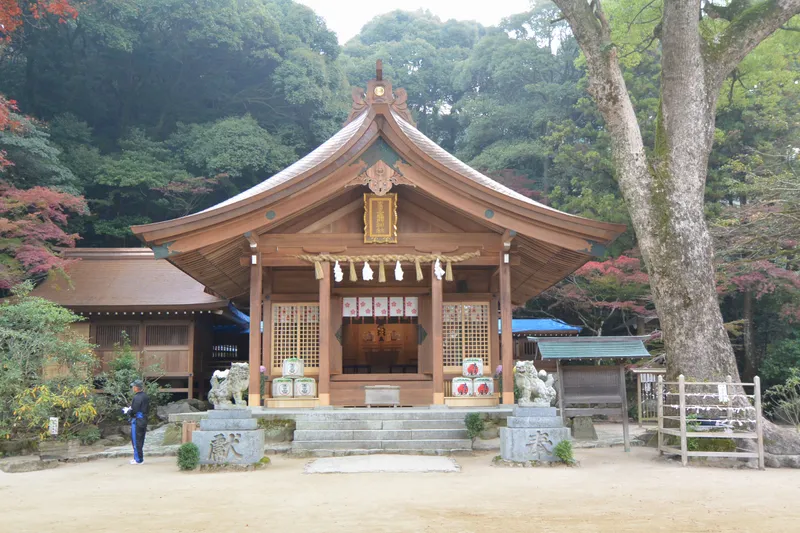 Shrine
Homangu Kamado Shrine
- Love & Romance
- Protection & Safety
Ritual began on Mount Homan because it stands at the demon gate of the Dazaifu government office, and the shrine derives its matchmaking virtue from the characters in its deity’s own name.
 Shrine
Suitengu
- Fertility & Children
- Protection & Safety
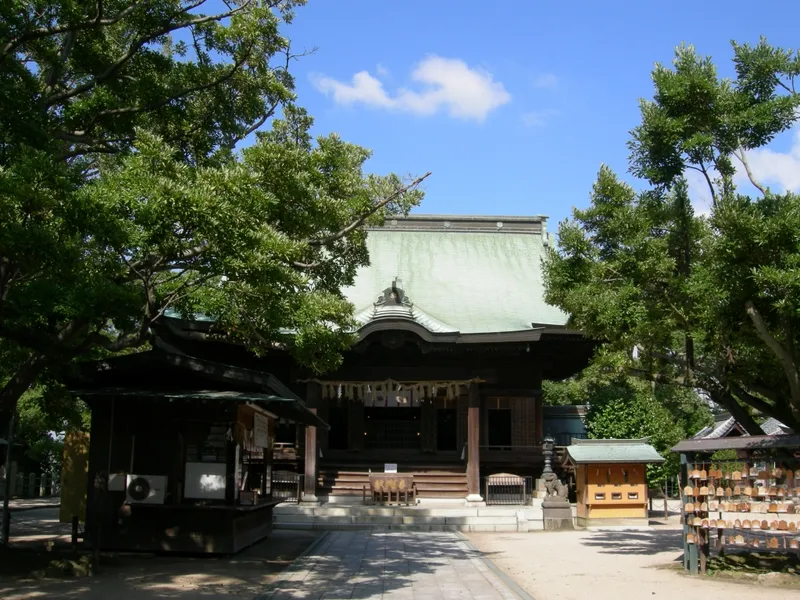
The head shrine of all the Suitengu in Japan, enshrining Amenominakanushi together with Emperor Antoku, Kenreimon’in and Nii-no-Ama of the Taira, and known for safe birth and protection from drowning.
 Shrine
Tanzan Shrine
- Family & Home
- Health & Healing
- Money & Prosperity
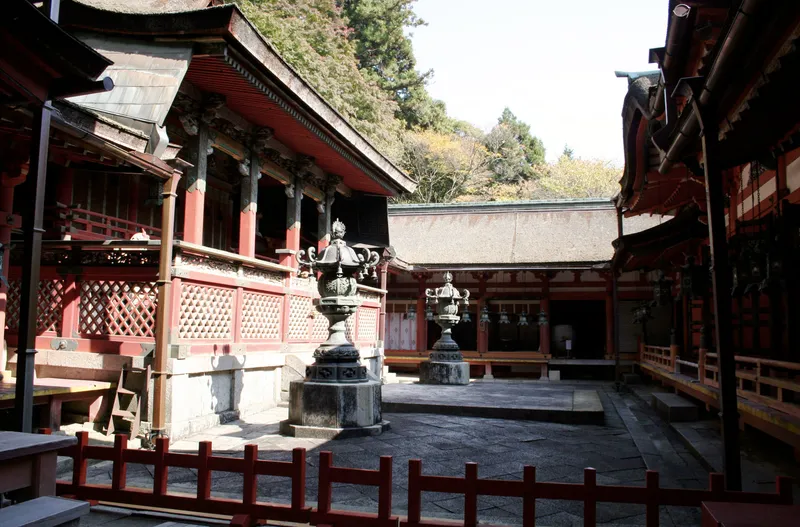
A shrine to Fujiwara no Kamatari on the hill where he and Prince Naka no Oe held the secret conference that led to the Taika Reform.
 Sacred Mountain
Hikosan Jingu
- Career & Work
- Protection & Safety
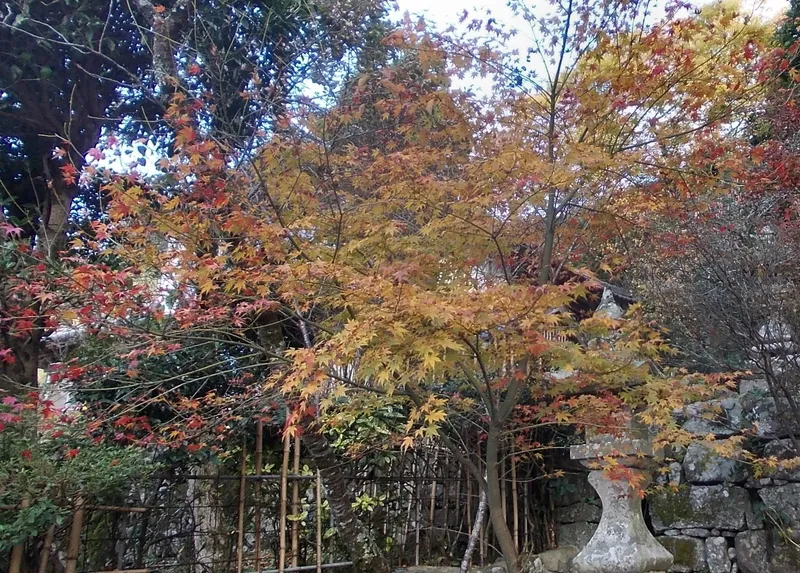
A mountain shrine that began as “the mountain of the sun’s child” and had its name altered twice by imperial act, in 819 and again in 1729; its virtues are the guarding of farming, mines and factory safety, and fortune in winning.
 Shrine
Songdang Bonhyangdang
- Protection & Safety
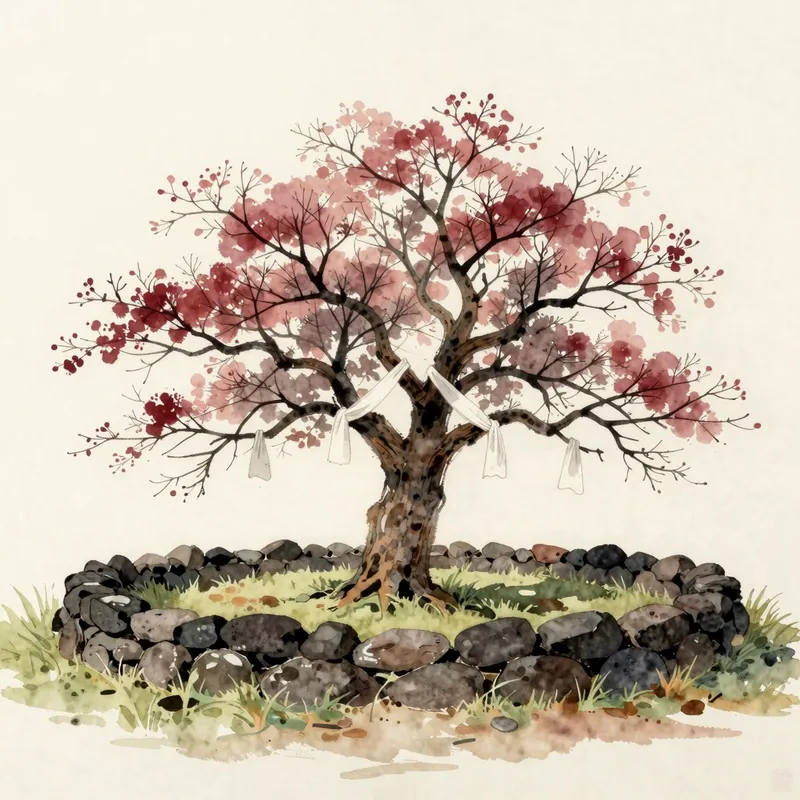
The shrine of the parent gods of Jeju’s village guardian deities, whose children, the myth says, scattered across the island and became its shrine gods.
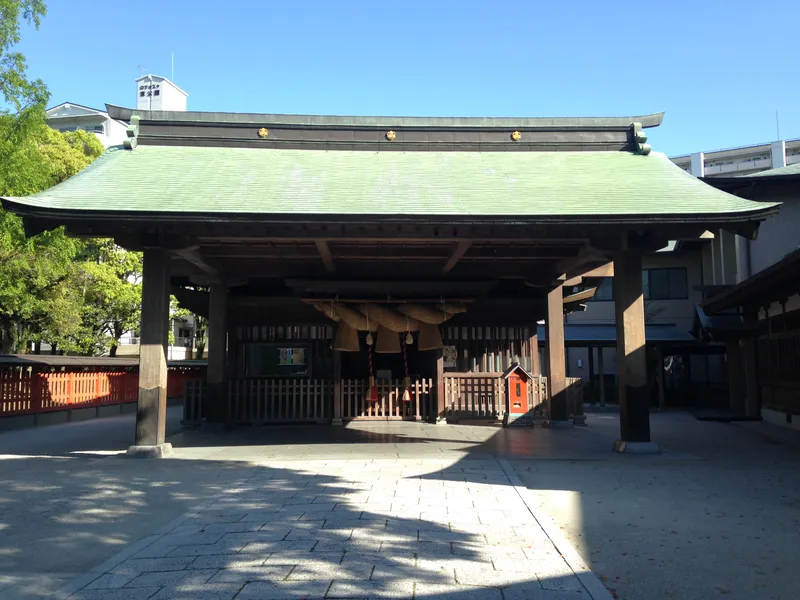 Shrine
Tooka Ebisu Shrine
- Family & Home
- Love & Romance
- Money & Prosperity
It began when a man walking home from Kashiigu and Hakozakigu picked an image of Ebisu up off the tide line, and a hall was built for it on the tenth day of the first month the following year.
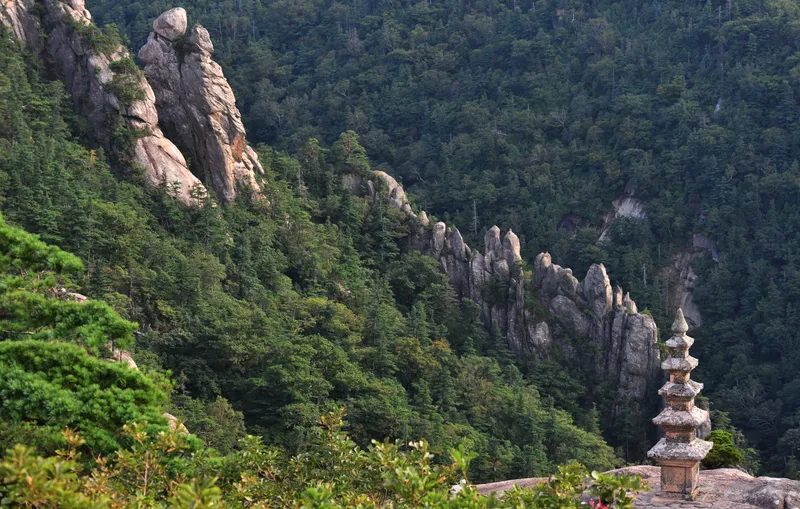 Temple
Bongjeongam
- Protection & Safety
A hermitage on Sosecheongbong in Seoraksan, one of the five relic sanctuaries, holding relics Jajang is said to have brought back.
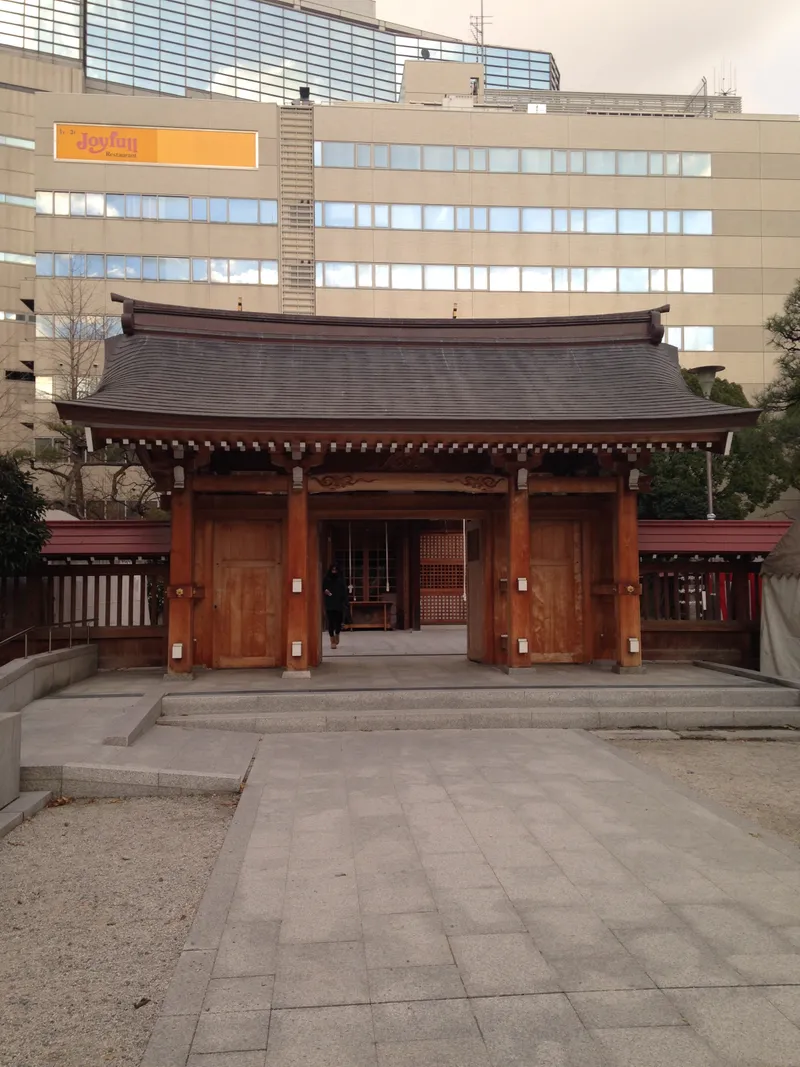 Shrine
Kego Shrine
- Protection & Safety
A shrine at Tenjin whose name carries the meaning of holding fast what matters against defilement and calamity from outside.
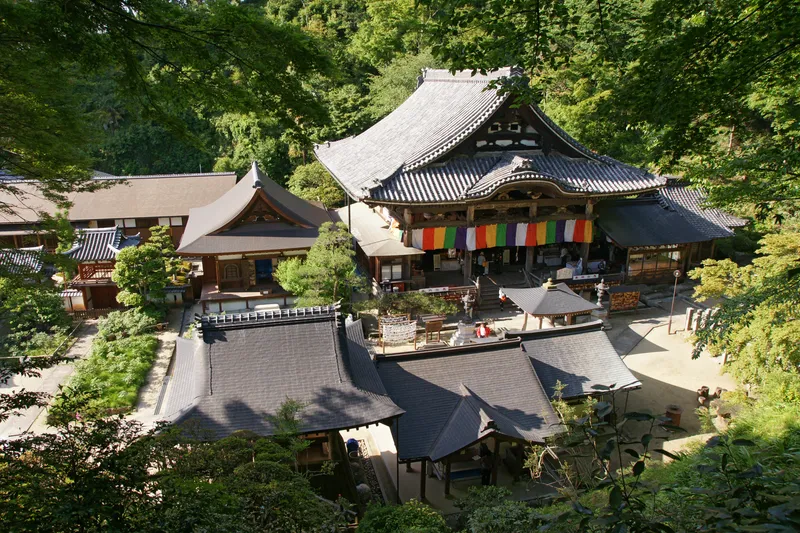 Temple
Oka-dera
- Exams & Study
- Fertility & Children
- Health & Healing
Founded by the priest Gien on the vow of Emperor Tenji, it calls itself the first site in Japan for warding off misfortune and is the seventh station of the Saikoku pilgrimage.
 Temple
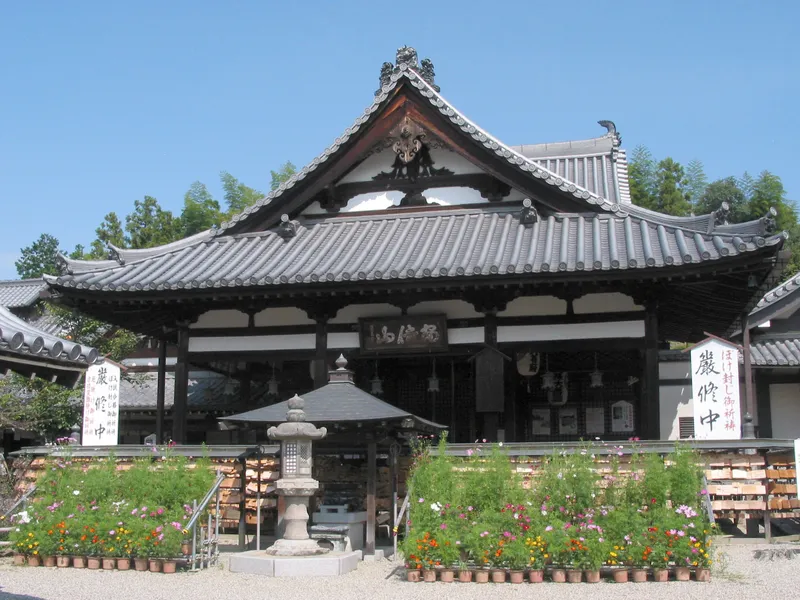
Abe Monju-in
- Exams & Study
- Fertility & Children
- Protection & Safety
Founded in 645 and one of the oldest temples in Japan, its principal image is the Monju of the proverb "three heads together make Monju’s wisdom", and prayers here begin with success in examinations.
 Shrine
Nami Janggun Shrine
- Health & Healing
- Protection & Safety
A shrine raised to console the wronged spirit of a general beheaded at twenty-seven.
 Shrine
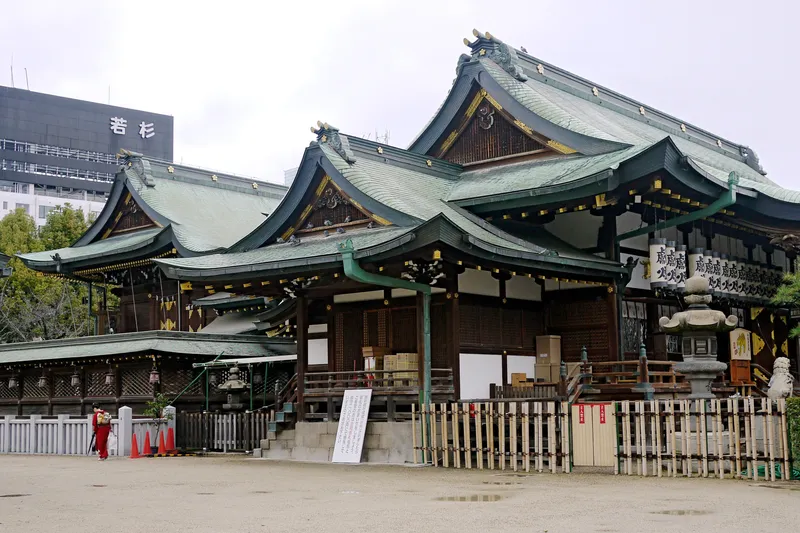
Osaka Tenmangu
- Exams & Study
- Money & Prosperity
- Protection & Safety
Built by imperial order on the spot where Sugawara no Michizane prayed for a safe journey to Dazaifu, after seven pines grew there overnight and shone each night.
 Shrine
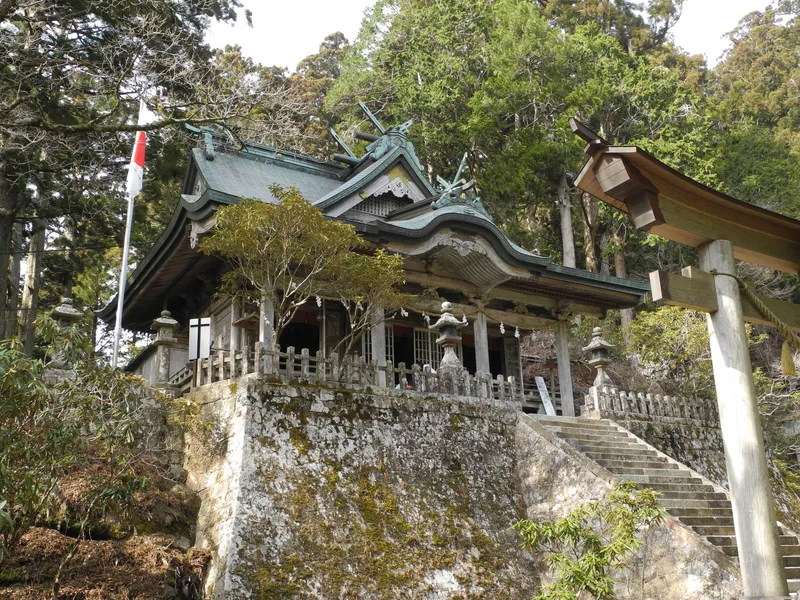
Tamaki Shrine
- Protection & Safety
A shrine near the summit of Mount Tamaki, at 1,076 metres, transmitted as founded to enshrine Hayatama for the warding of fire from the palace and the driving off of evil.
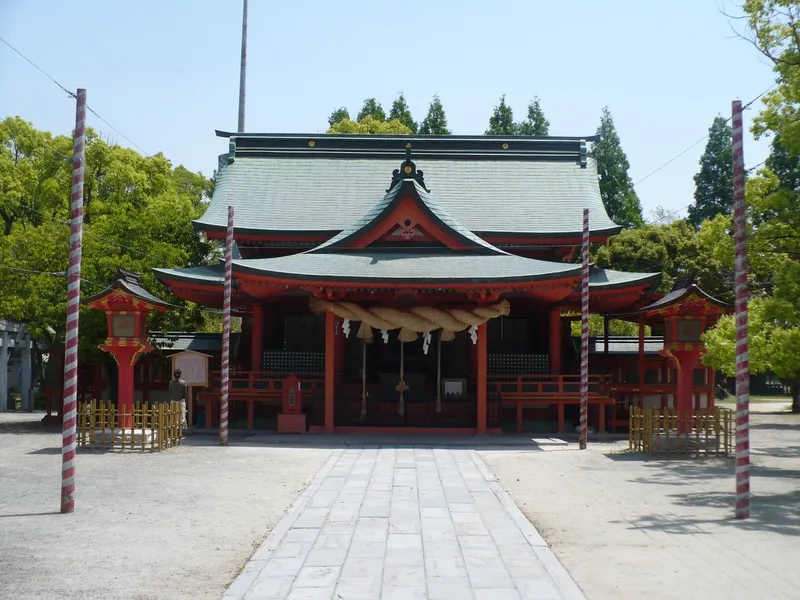 Shrine
Furougu
- Protection & Safety
A white heron appeared beside Empress Jingu’s ship and flew off, and where it came down became the sacred ground of this shrine of victory and of protection at sea.
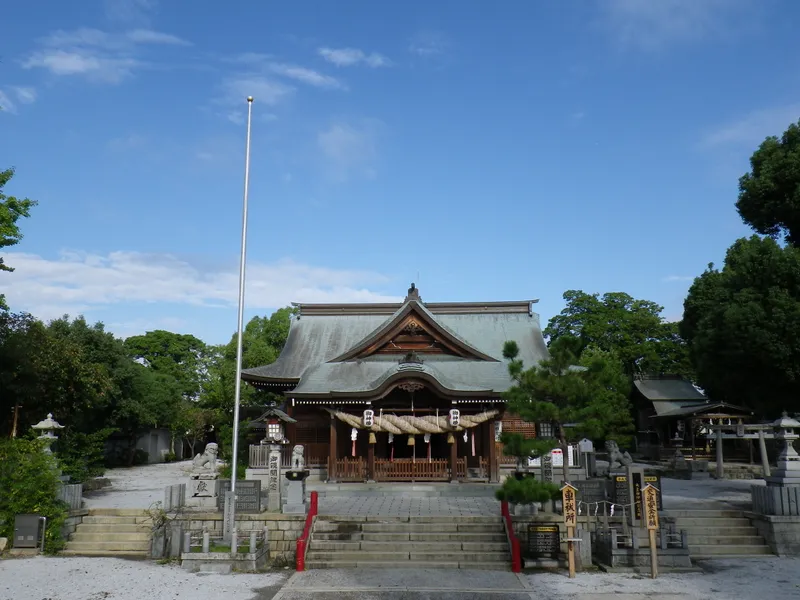 Shrine
Fuuji Hachimangu
- Money & Prosperity
- Protection & Safety
From Ita no Okami to Kaze no Miya to Ita Tenaga Taisha and at last Fuuji Hachimangu — a name two lords each added a character to.
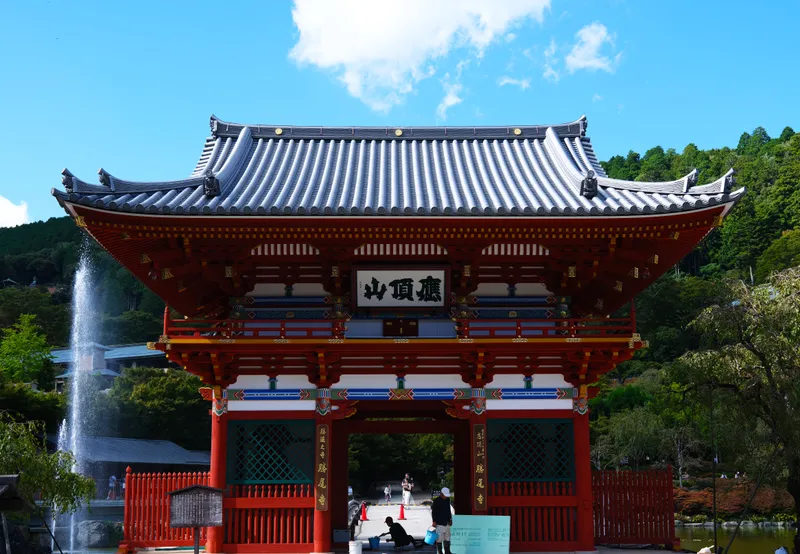 Temple
Katsuo-ji
- Exams & Study
- Health & Healing
- Protection & Safety
Begun in 727 when twin brothers built a hermitage on the mountain, and a temple of winning that defines winning as overcoming your own weak heart.
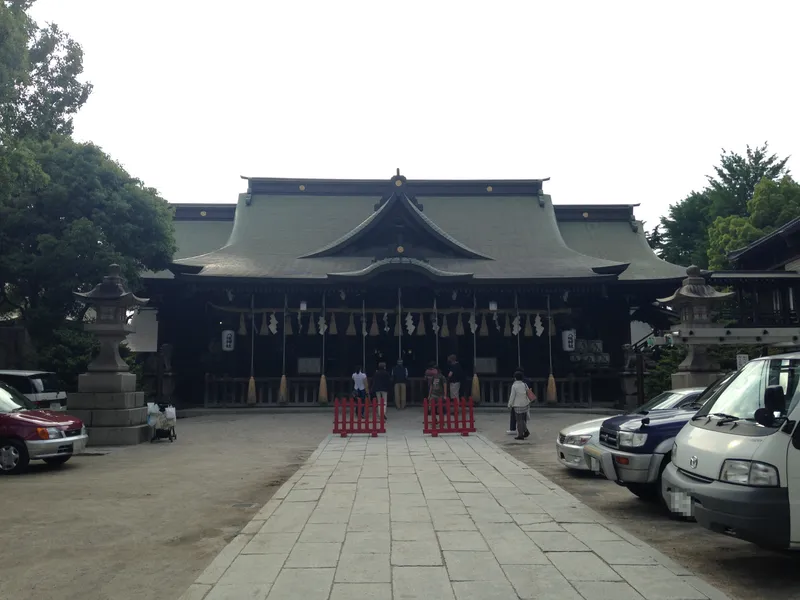 Shrine
Kokura Gion Yasaka Shrine
- Love & Romance
- Money & Prosperity
- Protection & Safety
Founded in 1617 by Hosokawa Tadaoki and honoured as the guardian shrine of the whole province of Buzen, it stands within the grounds of Kokura Castle.
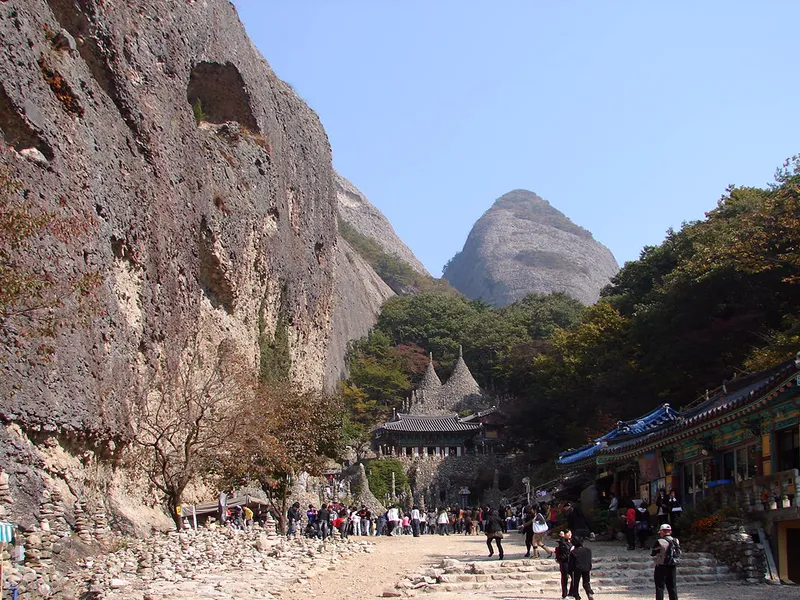 Temple
Tapsa, Maisan
- Protection & Safety
A temple among stone towers raised by one man over a lifetime, of which about eighty of the original hundred and eight still stand.
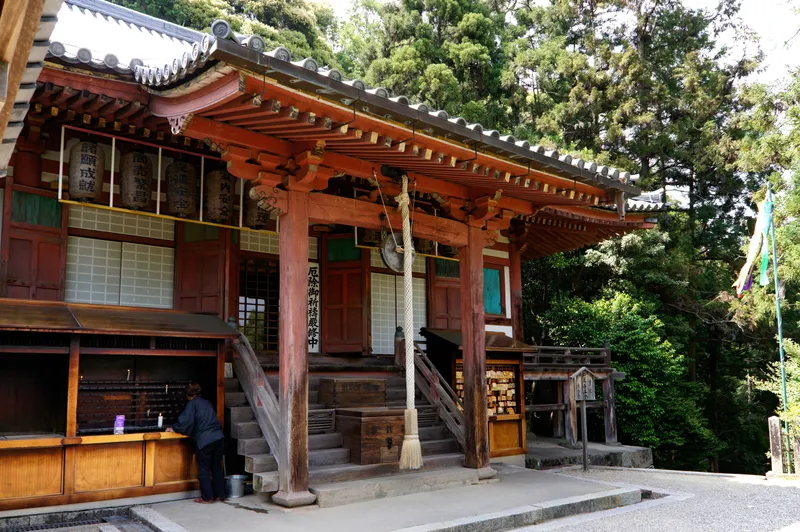 Temple
Matsuo-dera
- Protection & Safety
- Wish Fulfillment
Built in 718 by Prince Toneri while he was compiling the Nihon Shoki, at forty-two and in his unlucky year, praying that the book be completed safely and misfortune warded off.
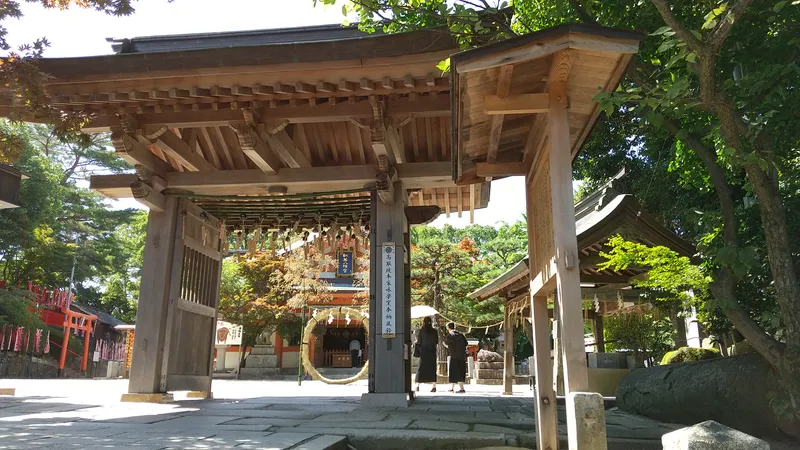 Shrine
Momiji Hachimangu
- Career & Work
- Fertility & Children
- Love & Romance
Twelve deities are enshrined here, among them Empress Jingu, Emperor Ojin and Prince Uji no Wakiiratsuko, and the devotion runs to safe birth, the keeping of children, warding off misfortune, bonds and advancement.
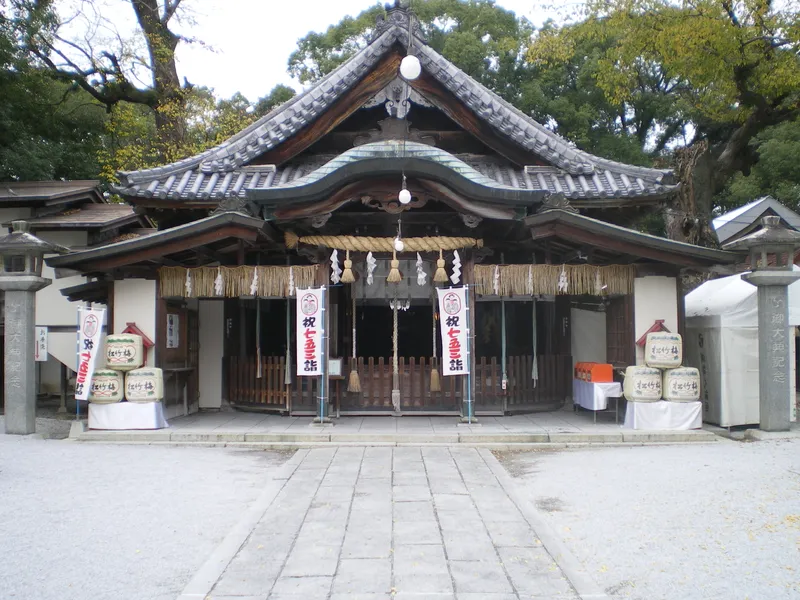 Shrine
Nouso Hachimangu
- Exams & Study
- Family & Home
- Money & Prosperity
It began when Empress Jingu, on her way back from the campaign in the three Han, chose the grove of Nouso as sacred ground; the word people spoke at the parting gave the town of Iizuka its name.
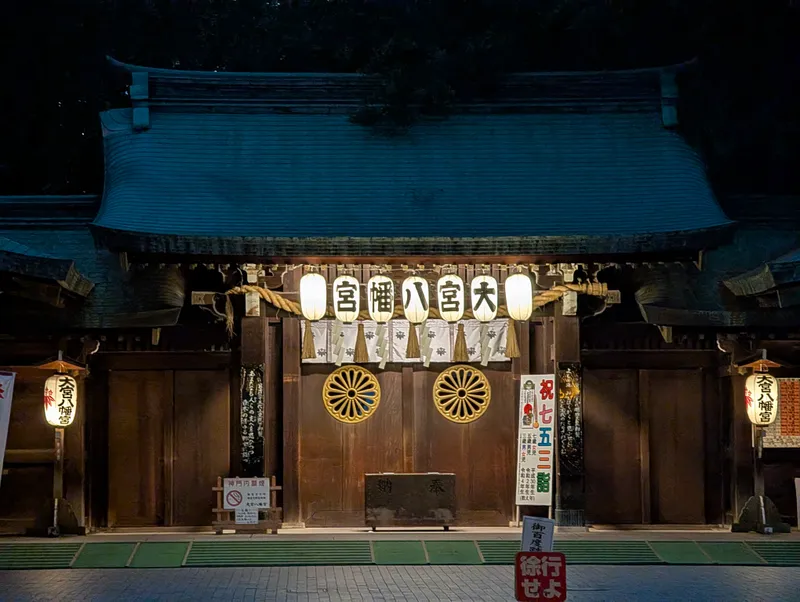 Shrine
Omiya Hachimangu
- Fertility & Children
- Protection & Safety
- Bonds & Matchmaking
A large wooded shrine in Suginami, founded in 1063 by Minamoto no Yoriyoshi after he read a bank of white cloud as the banners of his own clan, and known for child-rearing and warding.
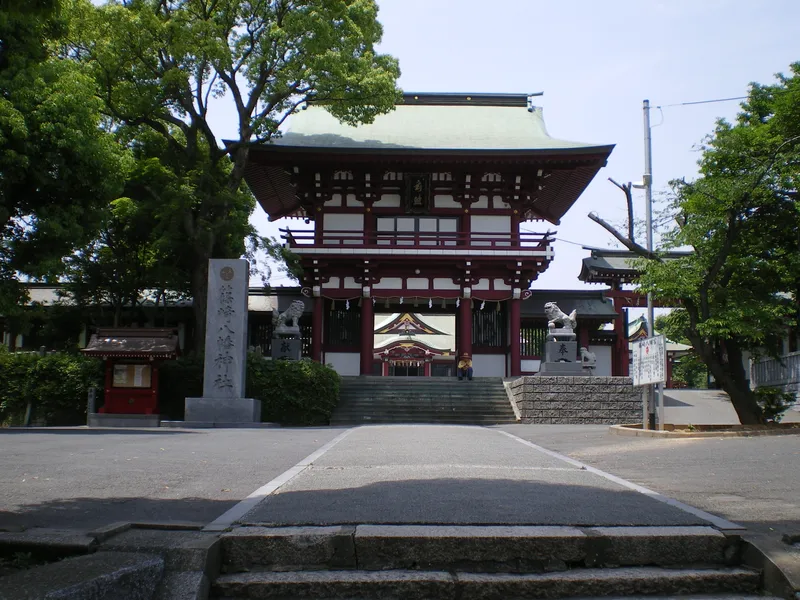 Shrine
Shinozaki Hachiman Shrine
- Career & Work
- Fertility & Children
- Love & Romance
It begins with Empress Jingu giving birth to Emperor Ojin at Umi, and a division of the deity was brought from Usa Hachimangu in 730; two stones in the precinct carry different prayers.
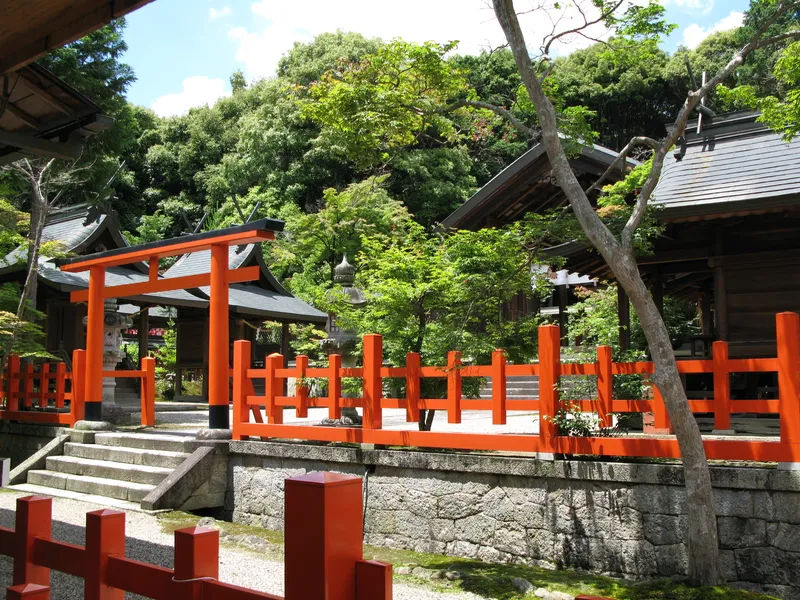 Shrine
Tatsuta Taisha
- Family & Home
- Protection & Safety
A shrine to the deity of wind, transmitted as built exactly as an oracle in an emperor’s dream directed — after which the crops were abundant and the plague withdrew.
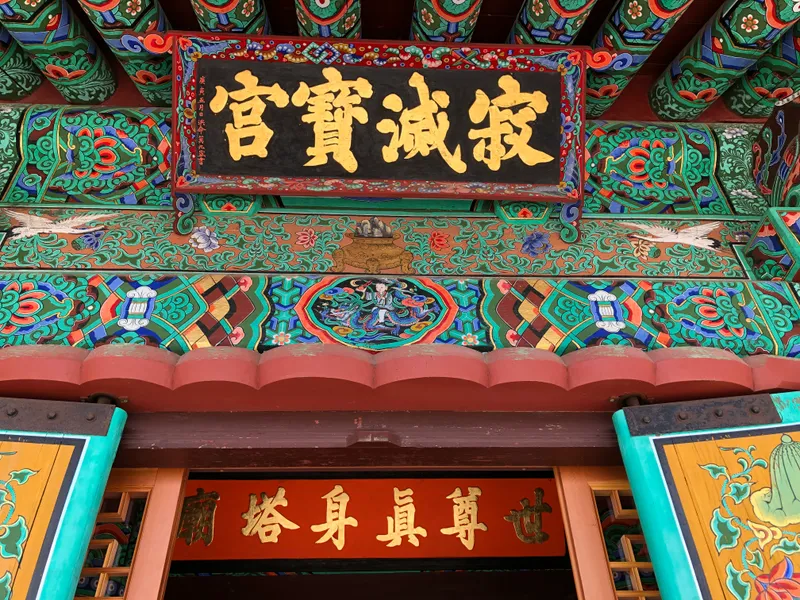 Temple
Jeongmyeol-bogung, Odaesan
- Protection & Safety
A relic hall on the middle terrace of Odaesan with no buddha image inside, because the Buddha’s own relics are enshrined there.
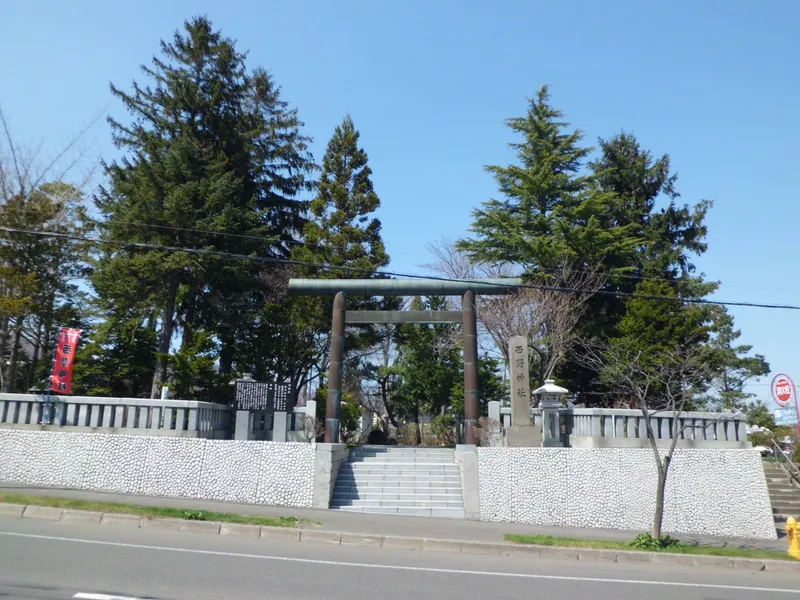 Shrine
Nishino Jinja
- Fertility & Children
- Health & Healing
- Love & Romance
Begins with five settler households who crossed to Hokkaido in 1885 holding the guardian deity of the place they had left, and states safe childbirth, good matches, warding off misfortune and rising fortune as its benefits.
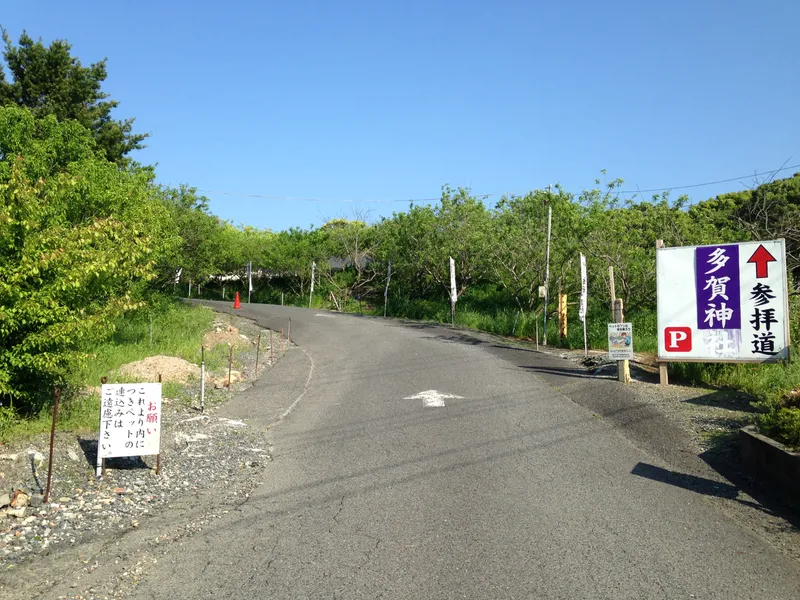 Shrine
Taga Shrine
- Fertility & Children
- Health & Healing
- Love & Romance
A shrine to Izanagi and Izanami, the married pair who made the land and bore the eight million deities, where prayers run from long life to safety on a worksite.
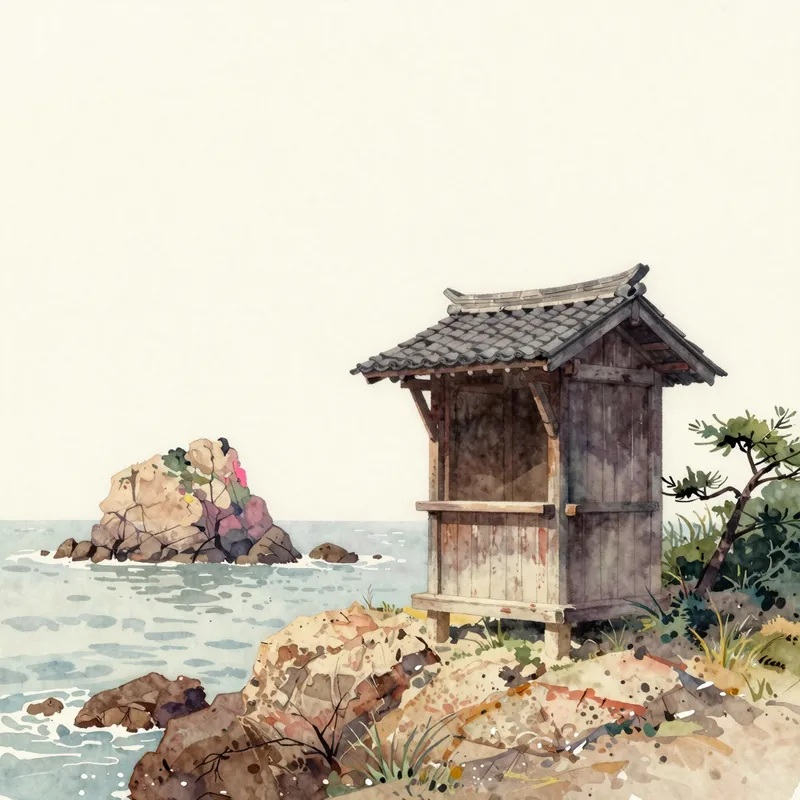 Shrine
Haesindang
- Protection & Safety
A village shrine raised to settle the grievance of a young woman drowned at sea, where carved wooden phalluses have been offered.
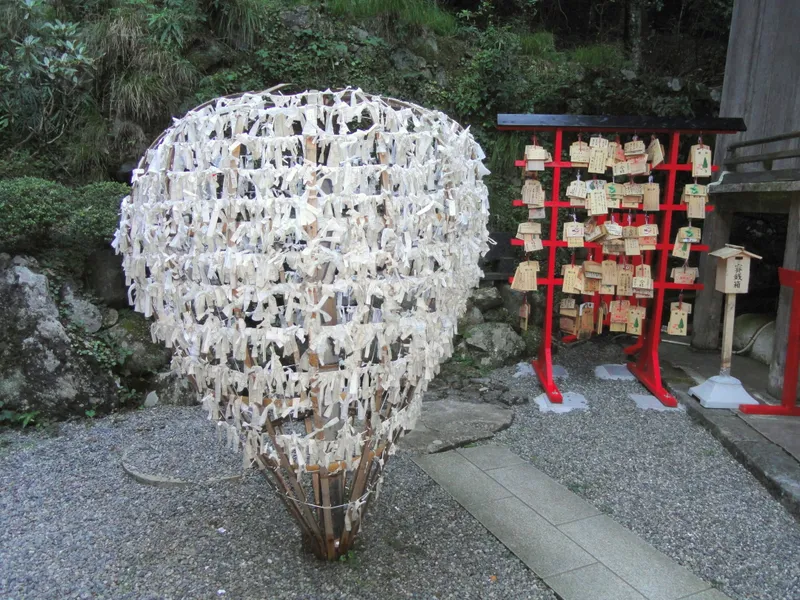 Shrine
Yuki Jinja
- Fertility & Children
- Love & Romance
- Money & Prosperity
Once kept inside the imperial palace as a guardian of the court, and the shrine whose fire festival re-enacts the night its deity was moved to Kurama.
 Shrine
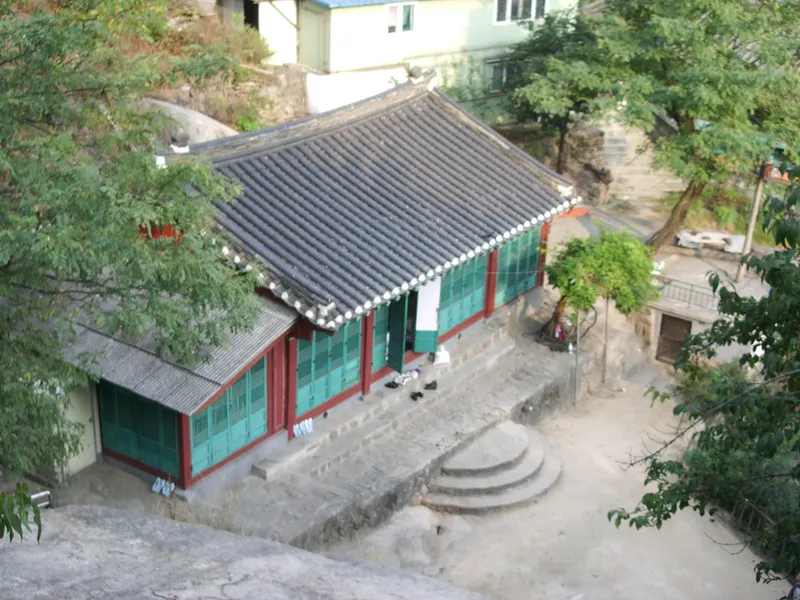
Guksadang, Inwangsan
- Fertility & Children
- Health & Healing
- Protection & Safety
A shaman shrine moved from Namsan to the slope of Inwangsan in 1925 under Japanese pressure, where roughly a hundred gut rites are still held each year.
 Shrine
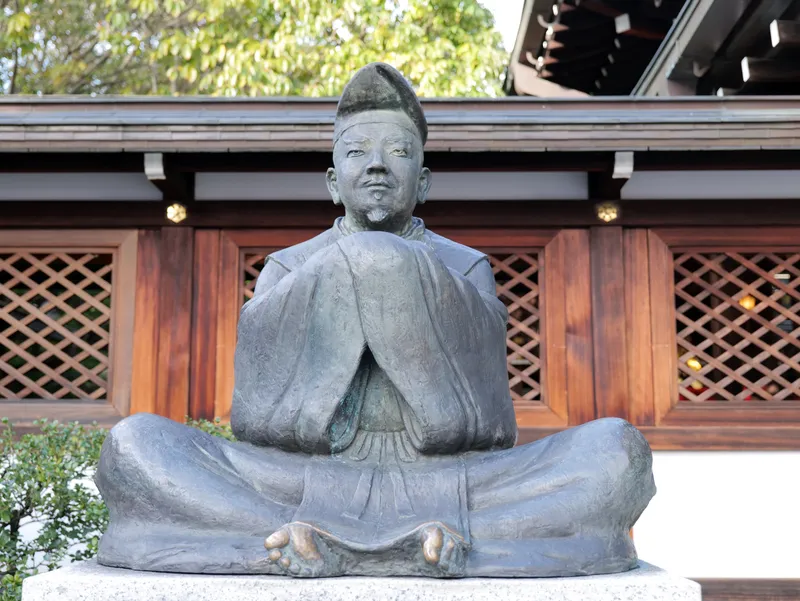
Seimei Jinja
- Health & Healing
- Protection & Safety
A shrine to Abe no Seimei, whose crest — the five-pointed star — the shrine describes as one of the onmyodo talismans he devised.
 Temple
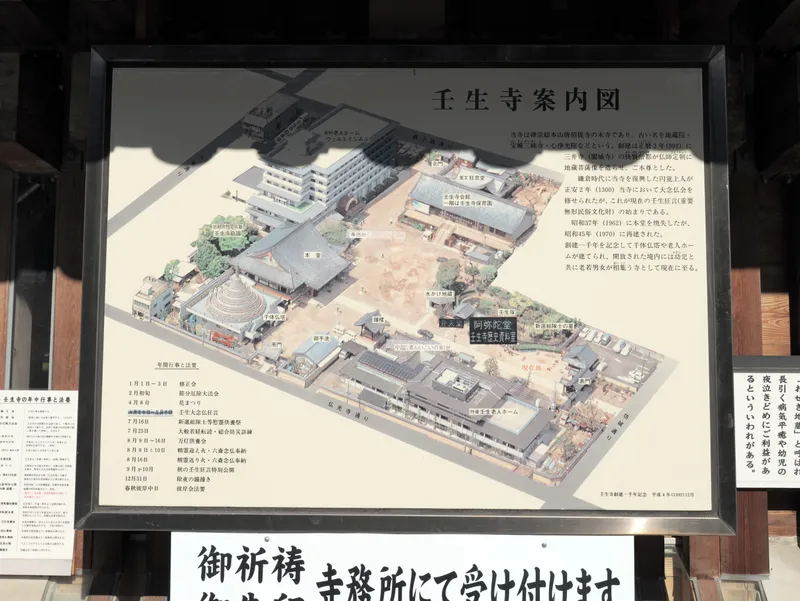
Mibu-dera
- Protection & Safety
Founded in 991 as a temple for warding off misfortune, whose February setsubun rite has about nine hundred years of history.
 Shrine
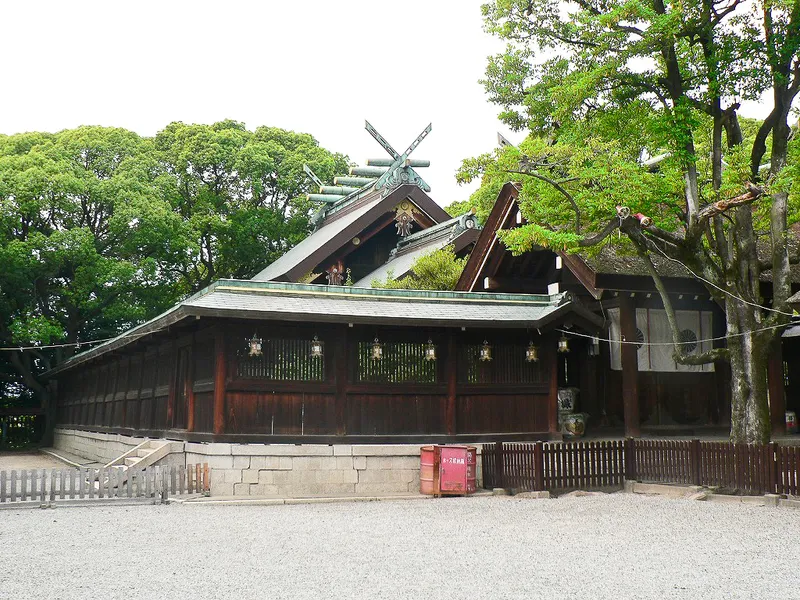
Otori Taisha
- Protection & Safety
Founded where the spirit of Yamato Takeru, having become a white bird, came down for the third time — worshipped for fortune in winning, warding off misfortune and safe travel.
 Shrine
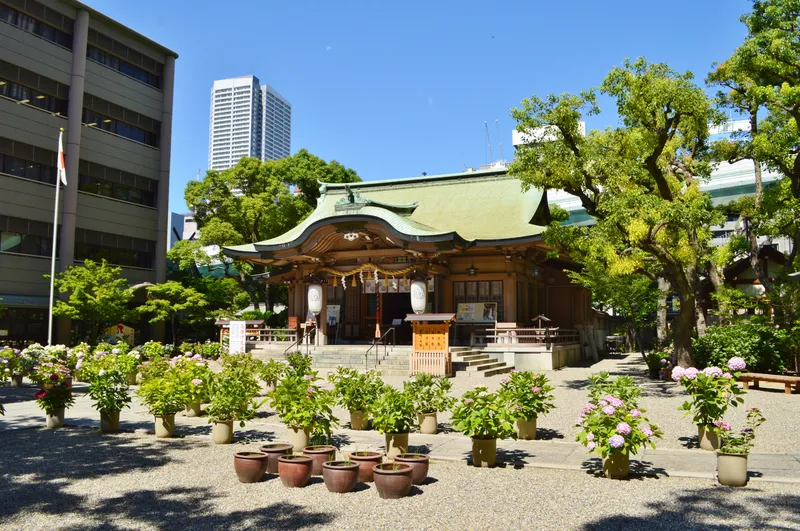
Ikasuri Jinja
- Family & Home
- Fertility & Children
- Money & Prosperity
Because it is the deity of this ground, the shrine records, it governs safe childbirth, children’s safe growth and safety in trade.
 Temple
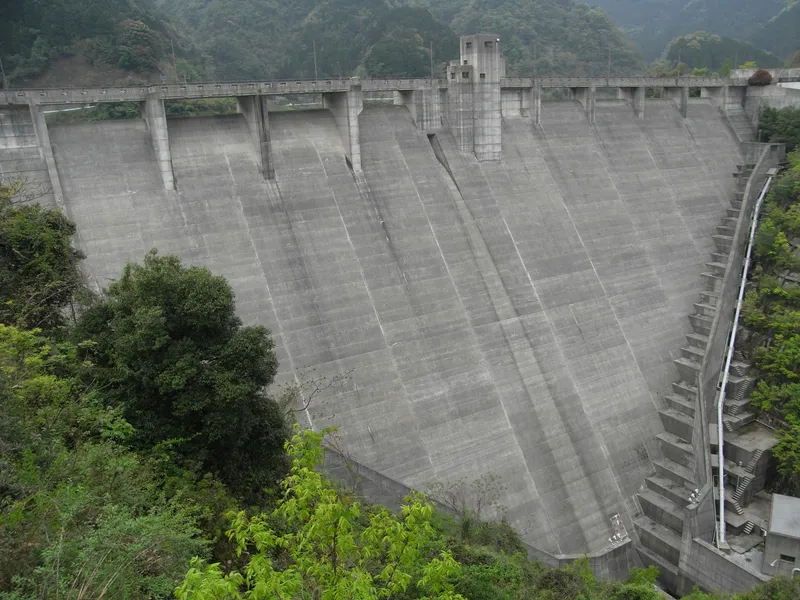
Inunakisan Shippo Ryuji
- Protection & Safety
Founded in 661 by En no Gyoja at the age of twenty-eight, on a mountain an emperor renamed for a dog that died saving its master.
 Shrine
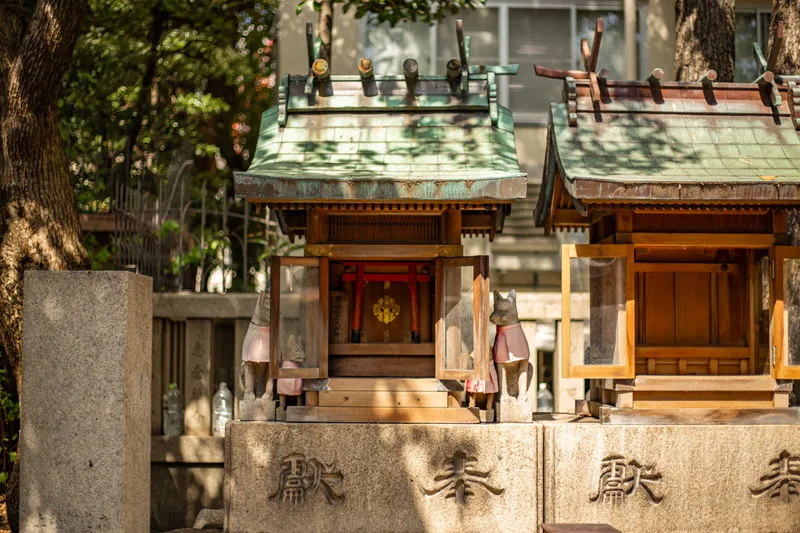
Namba Yasaka Jinja
- Protection & Safety
Its deity Susanoo is described as having put down the great serpent and removed the hardship of the people; it was long the tutelary deity of the whole Namba district.
 Shrine
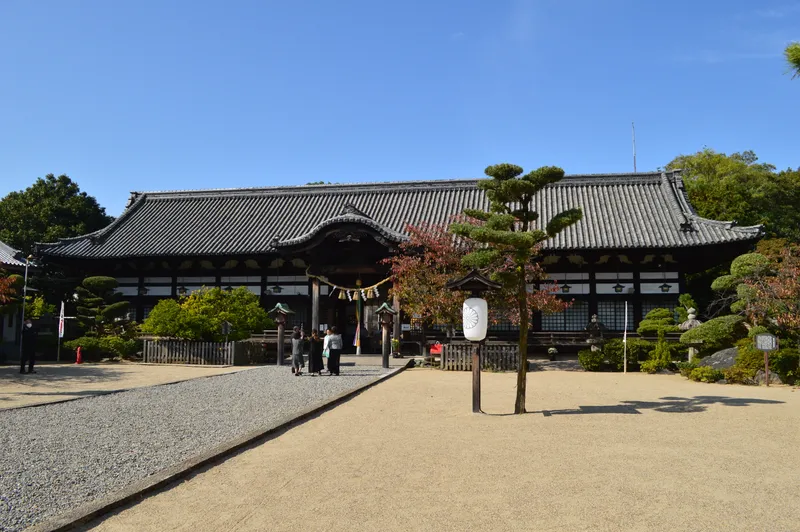
Konda Hachimangu
- Fertility & Children
- Protection & Safety
It sits on the round rear mound of Emperor Ojin’s tomb, and its history began from the devotion of guarding and serving that tomb.
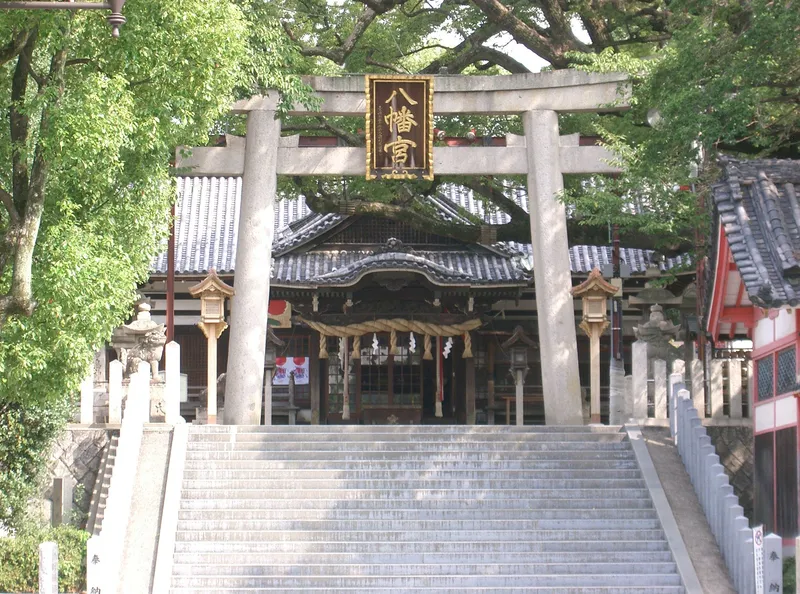 Shrine
Mozu Hachimangu
- Protection & Safety
Founded after an utterance of Hachiman named this ground Mozu in the reign of Emperor Kinmei, with a vow to keep the realm at peace and guard all the people.
 Shrine
Daegwallyeong Seonghwangsa and Sansingak
- Health & Healing
- Protection & Safety
A mountain-god shrine at the top of the Daegwallyeong pass, whose deity is recorded as presiding over farming, illness, drought and the road.
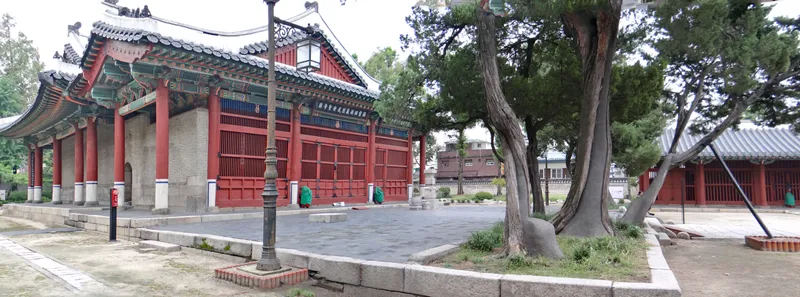 Shrine
Donggwanwangmyo
- Protection & Safety
A shrine to Guan Yu raised after the Imjin War, the only one of Seoul’s four such shrines still standing.
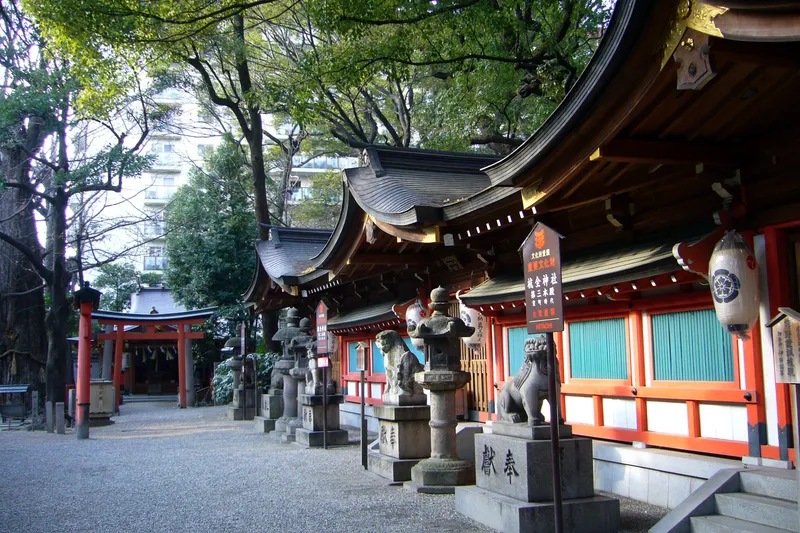 Shrine
Kumata Jinja
- Protection & Safety
Founded in 862 with an oracle in the deity’s own voice: I am the guardian of this land, and if I am worshipped hereafter I shall make the realm at peace and the people prosperous.
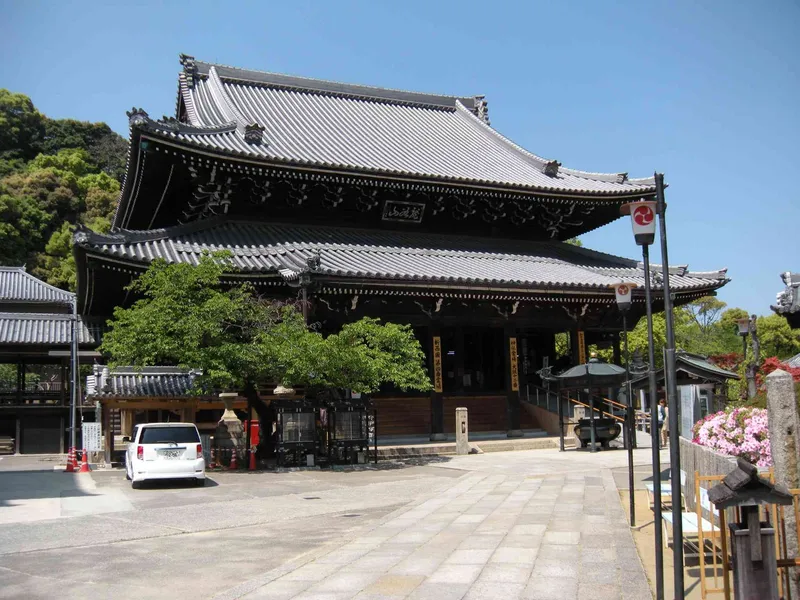 Temple
Mizuma-dera
- Protection & Safety
Founded in 744 by the priest Gyoki at the order of Emperor Shomu, and later revered by ordinary people as the Kannon who wards off misfortune.
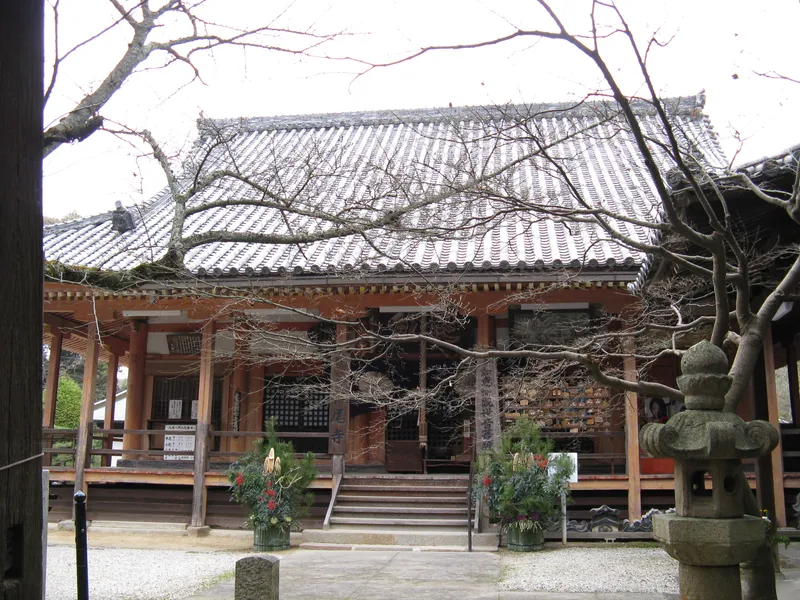 Temple
Matsuo-dera
- Protection & Safety
The temple describes itself as Japan’s oldest sacred site for warding off misfortune, and the only temple of prayer of yakujo.