Daegwallyeong Seonghwangsa and Sansingak
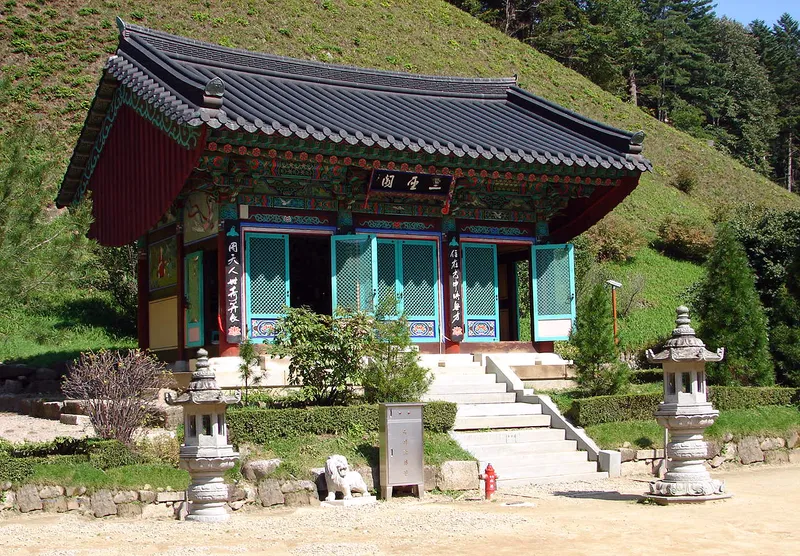
Daegwallyeong Sansindang
Researched and translated with AI assistance. Every claim is linked to its source, but errors get through, so check the official site for opening times, fees and closures.About
In short
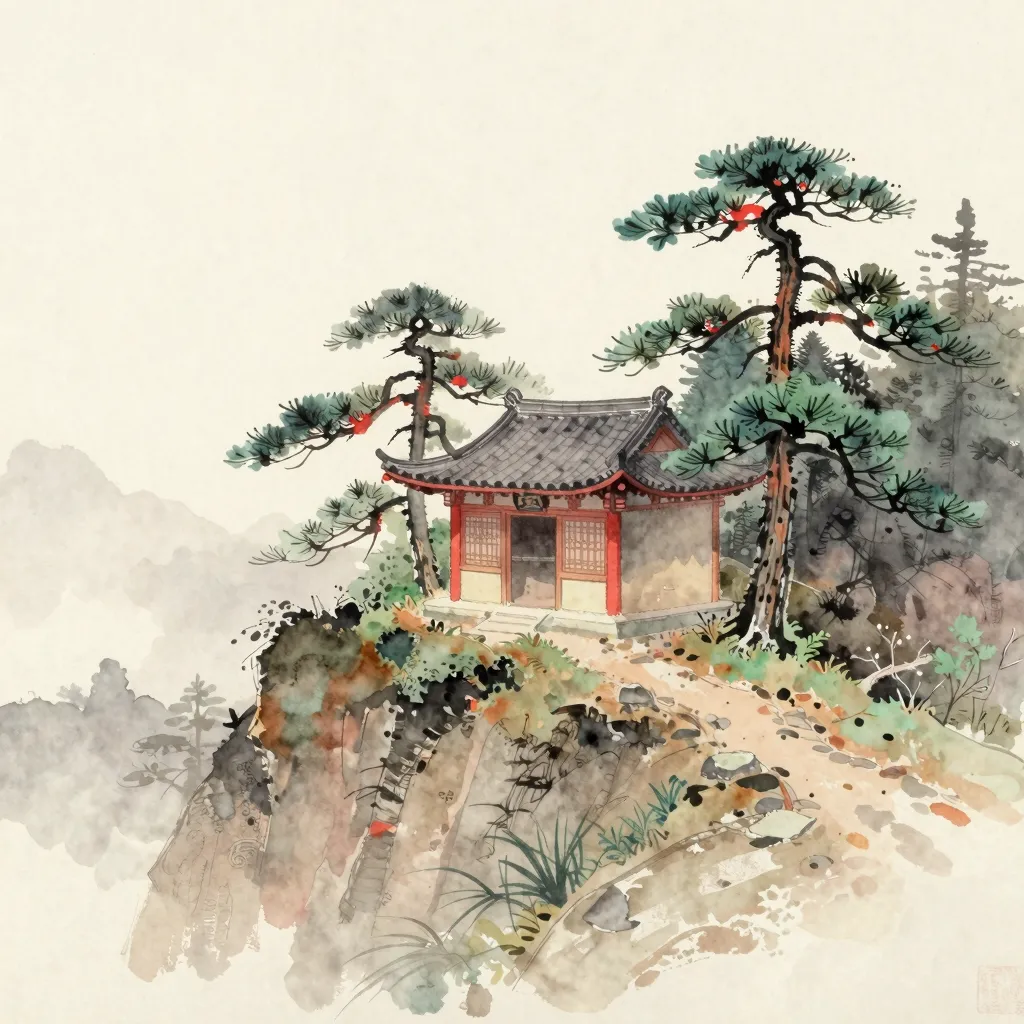
A mountain-god shrine at the top of the Daegwallyeong pass, whose deity is recorded as presiding over farming, illness, drought and the road.
Quick facts
- Address
- 527-35 Daegwallyeong-maru-gil, Daegwallyeong-myeon, Pyeongchang-gun, Gangwon
- Spiritual entities
- Sansin (山神), the mountain god
About this place
The Seonghwangsa and Sansingak stand in Daegwallyeong-myeon, Pyeongchang, Gangwon. The Encyclopedia of Korean Culture describes the mountain-god shrine as a place where rites are offered for good harvests and good catches, and records that its mountain god presides over farming, illness, drought and journeys. As to who that god is, Heo Gyun’s Seongso Bubugo names Kim Yu-sin, and residents generally believe the same. The shrine was designated a Gangwon provincial monument on 2 June 1984, together with the nearby Guksa Seonghwangsa.
Origin and history
The Encyclopedia of Korean Culture describes the Daegwallyeong Sansindang as a mountain-god shrine in Daegwallyeong-myeon, Pyeongchang, where rites are offered praying for good harvests and good catches.
On the deity enshrined, the collected writings of Heo Gyun — the Seongso Bubugo, of Gwanghaegun’s reign — record him as Kim Yu-sin, and residents generally believe so. A seventeenth-century record and present belief point at the same name.
On 2 June 1984 it was designated a Gangwon provincial monument together with the nearby Daegwallyeong Guksa Seonghwangsa. The rite is held on the fifteenth day of the fourth lunar month.
What it is locally associated with
Farming, illness, drought, the road
The four things the encyclopedia records this mountain god as presiding over.
documented historyThe name in the Seongso Bubugo
Heo Gyun’s collected writings record the mountain god as Kim Yu-sin, and residents generally believe the same.
documented historyThe rite on the fifteenth
Held on the fifteenth day of the fourth lunar month each year.
local custom
What this mountain god is responsible for, the encyclopedia sets out in a single line: he presides over human welfare in farming, illness, drought and journeys. Illness is on that list, and so is the road. Those two words are the whole basis for the health and protection tags on this page.
The geography explains the list. Gangneung sits on a plain between the Taebaek range and the East Sea, so rites prayed for good harvests and, for the fishing villages, good catches. And Daegwallyeong is the pass over that range. A mountain god at the top of a pass taking charge of the road is not a surprising arrangement.
Claims and evidence levels 4
- The Encyclopedia of Korean Culture describes the Daegwallyeong Sansindang as a mountain-god shrine where rites are offered praying for good harvests and good catches. documented history
- Its mountain god is recorded as presiding over human welfare in farming, illness, drought and journeys. documented history
- Heo Gyun’s Seongso Bubugo records the mountain god as Kim Yu-sin, and residents generally believe the same. documented history
- The shrine was designated a Gangwon provincial monument on 2 June 1984 together with the nearby Guksa Seonghwangsa; the rite falls on the fifteenth day of the fourth lunar month. documented history
Related guides
- Musok and gut — Korea’s living folk religionWho the mudang are and what a gut is. And what to do if you walk in on one.
Sources
- 대관령 산신당(大關嶺 山神堂) — 한국민족문화대백과사전 — Academy of Korean Studies (accessed 2026-08-12)
- 태백산 천제단 — 국가유산포털 — Korea Heritage Service (accessed 2026-08-12)
Last updated:
Similar places
8 places
 Temple
Sangwonsa
- Health & Healing
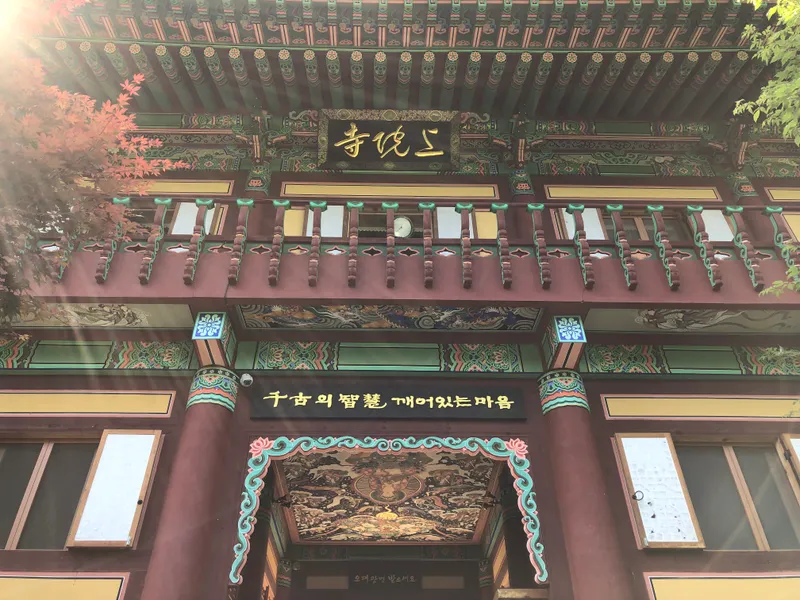
A temple on Odaesan founded in 705, at the centre of the mountain’s Manjushri devotion, and known for the story that King Sejo met the bodhisattva here as a boy and was healed.
 Temple
Jeongmyeol-bogung, Odaesan
- Protection & Safety
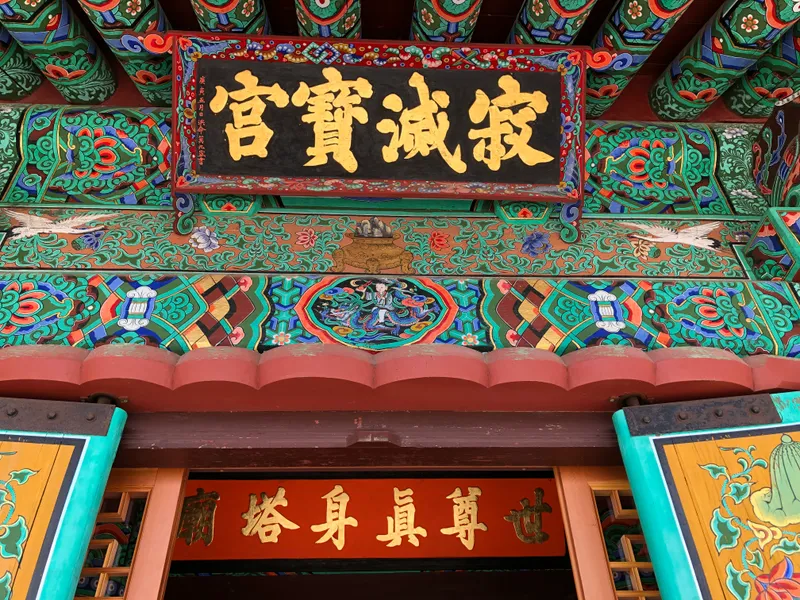
A relic hall on the middle terrace of Odaesan with no buddha image inside, because the Buddha’s own relics are enshrined there.
 Shrine
Guksadang, Inwangsan
- Fertility & Children
- Health & Healing
- Protection & Safety
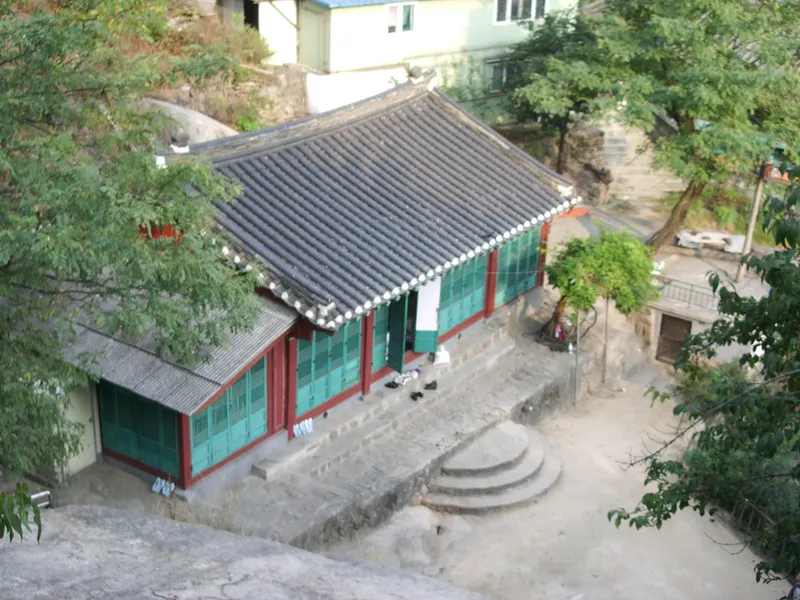
A shaman shrine moved from Namsan to the slope of Inwangsan in 1925 under Japanese pressure, where roughly a hundred gut rites are still held each year.
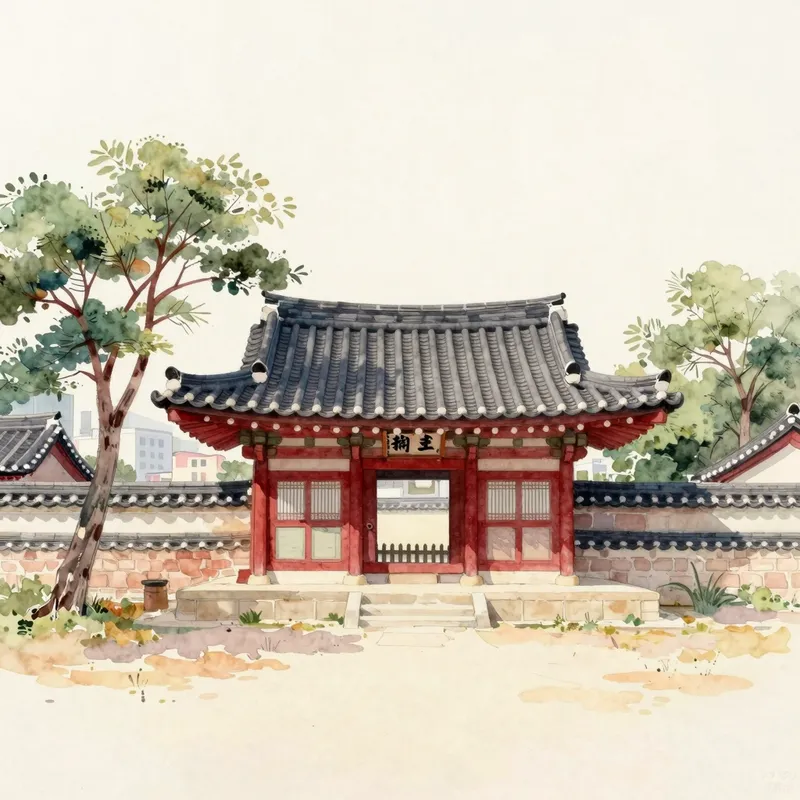 Shrine
Nami Janggun Shrine
- Health & Healing
- Protection & Safety
A shrine raised to console the wronged spirit of a general beheaded at twenty-seven.
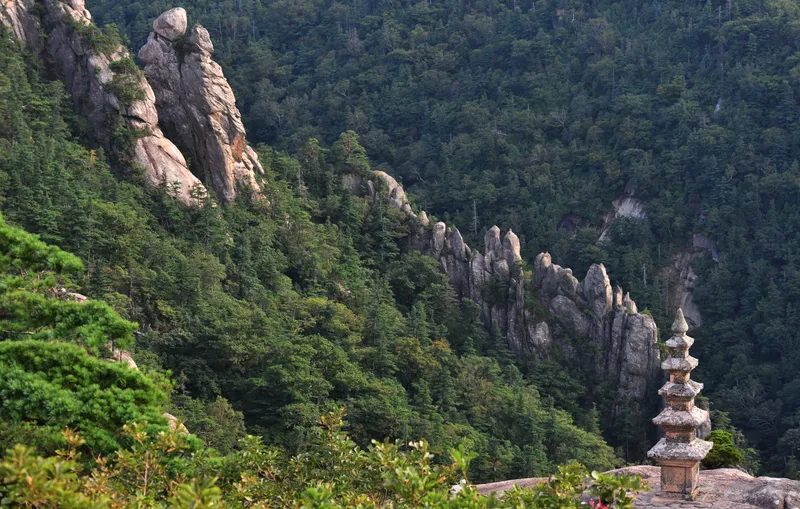 Temple
Bongjeongam
- Protection & Safety
A hermitage on Sosecheongbong in Seoraksan, one of the five relic sanctuaries, holding relics Jajang is said to have brought back.
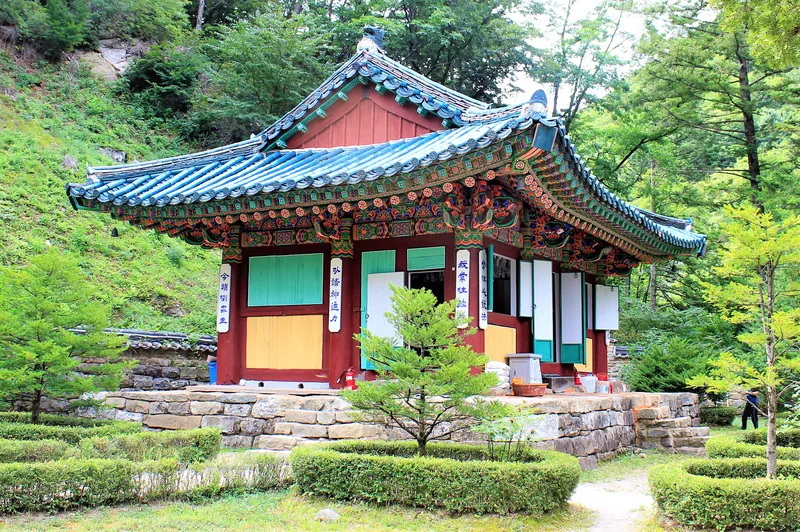 Temple
Jeongamsa
- Protection & Safety
A relic sanctuary where Jajang is said to have enshrined the Buddha’s skull bone, a tooth and a hundred relics, with a National Treasure stupa on the slope behind.
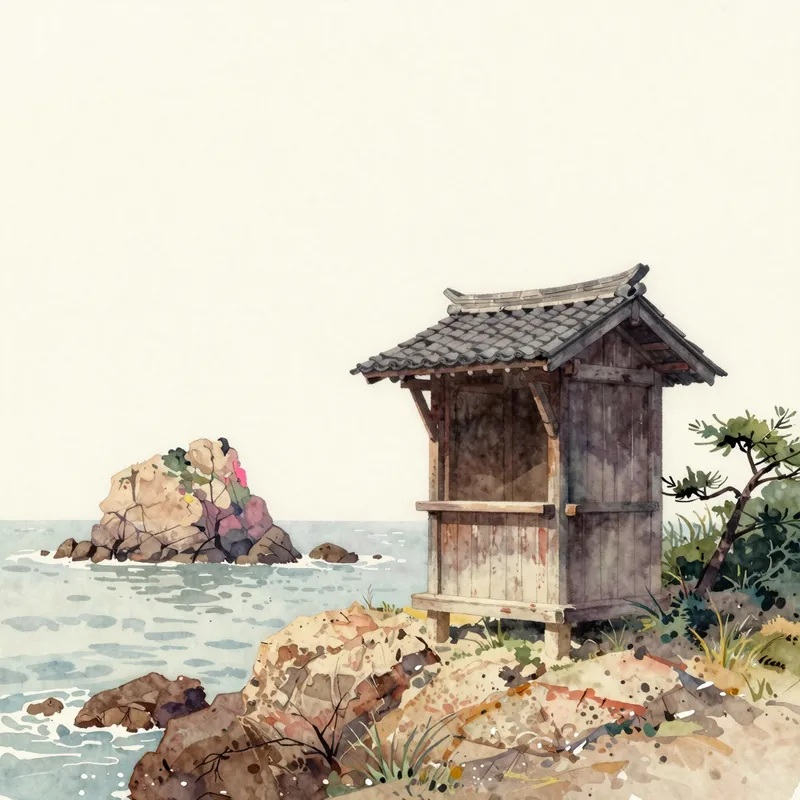 Shrine
Haesindang
- Protection & Safety
A village shrine raised to settle the grievance of a young woman drowned at sea, where carved wooden phalluses have been offered.
 Temple
Woljeongsa, Odaesan
Head temple of the fourth Jogye district, begun where its founder tried to see Manjushri in the flesh and did not.
No places match your filters