Gyeongsang
Gyeongsang holds Haeinsa, which has kept the Tripitaka Koreana, and Seokguram, and Tongdosa, where relics of the Buddha are enshrined. Offshore lies the tomb of King Munmu, and at Gatbawi on Palgongsan the stream of people who come to pray has never stopped.
AI-assisted research. Check official sources before you travel.About
26 placesOpen in the full map
Places in this collection
 Temple
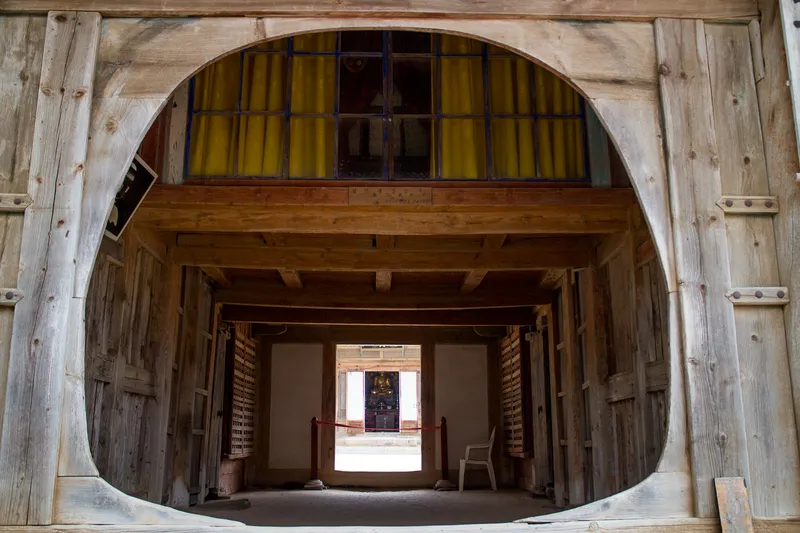
Haeinsa
- Protection & Safety
The temple holding the Tripitaka Koreana, cut out of a national wish to repel the Mongols, and the hall that has kept it.
 Temple
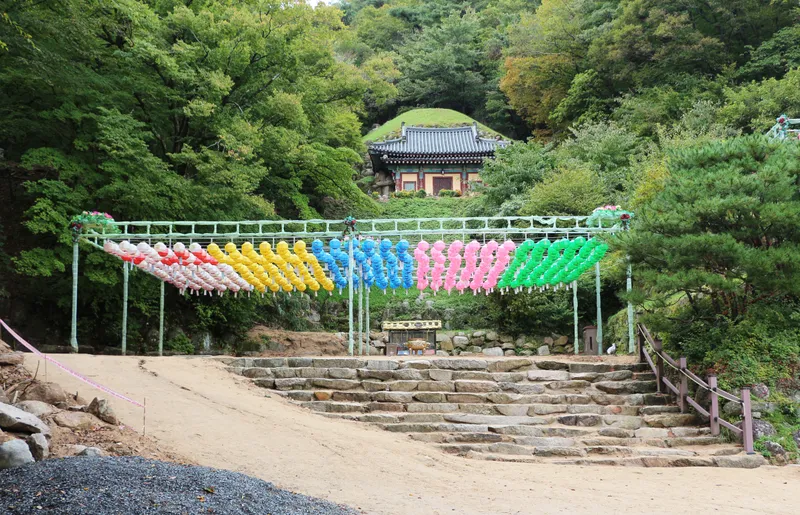
Seokguram
- Family & Home
A stone grotto begun in 751 by Kim Dae-seong for his parents in a former life, paired with Bulguksa, which he built for his parents in this one.
 Temple
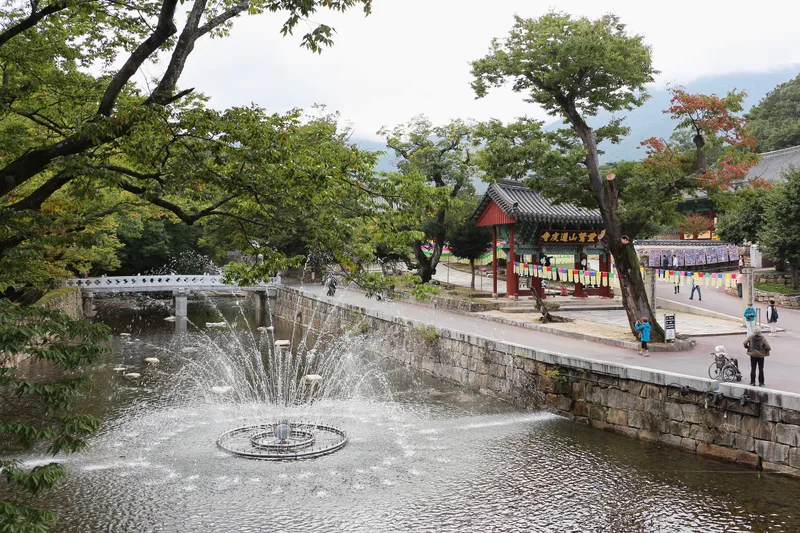
Tongdosa
- Protection & Safety
The first of the five relic sanctuaries, whose main hall enshrines no buddha because it faces the relics behind it.
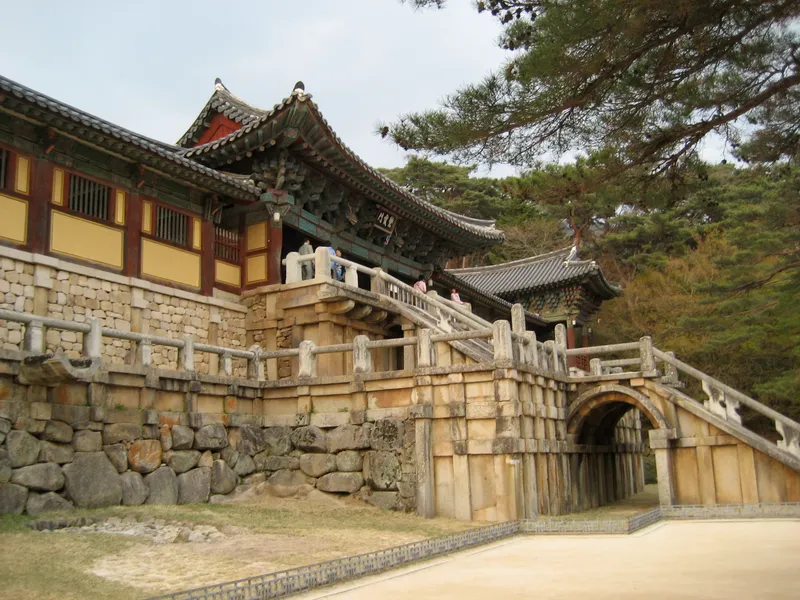 Temple
Bulguksa, Tohamsan
One man built this for the parents of this life, and Seokguram for the parents of a former one.
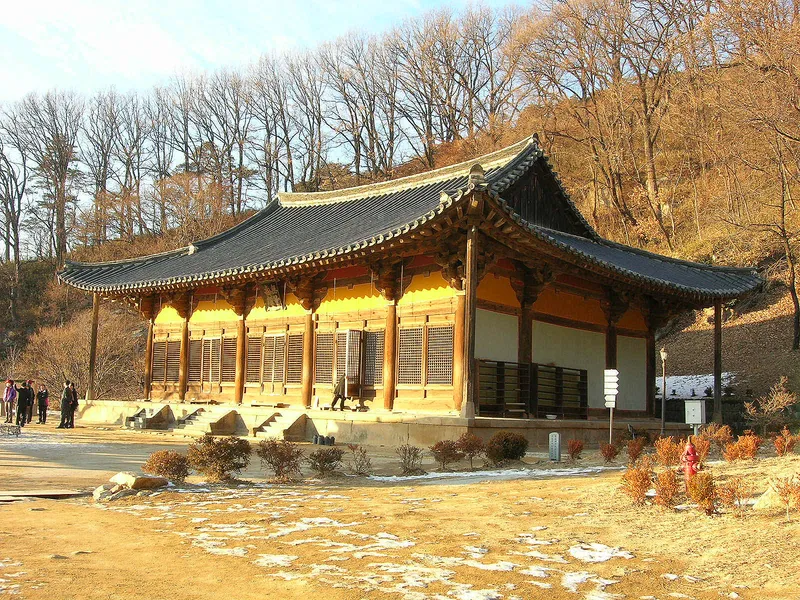 Temple
Buseoksa, Bonghwangsan
Built where a woman turned dragon turned rock, and hung in the air until five hundred bandits left.
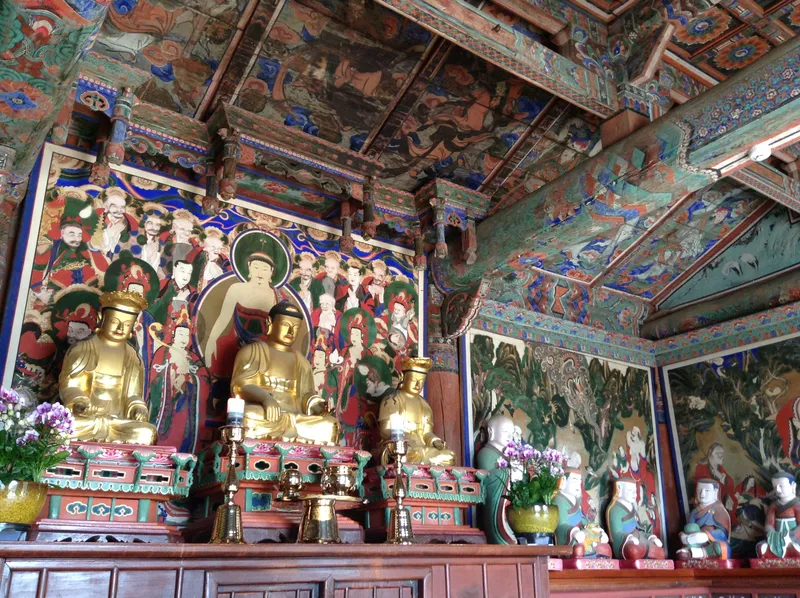 Temple
Beomeosa, Geumjeongsan
A golden fish came down out of the sky, and both the mountain and the temple were named after it.
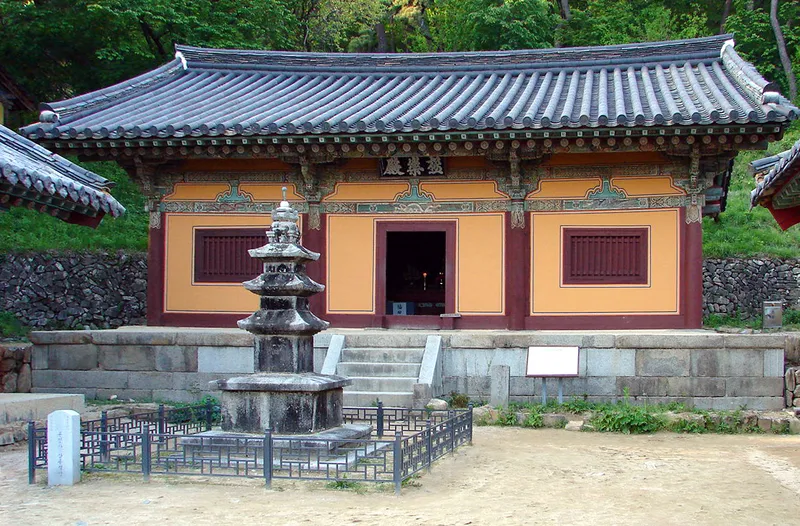 Temple
Bongjeongsa, Cheondeungsan
The temple where the oldest wooden building in Korea stands.
 Temple
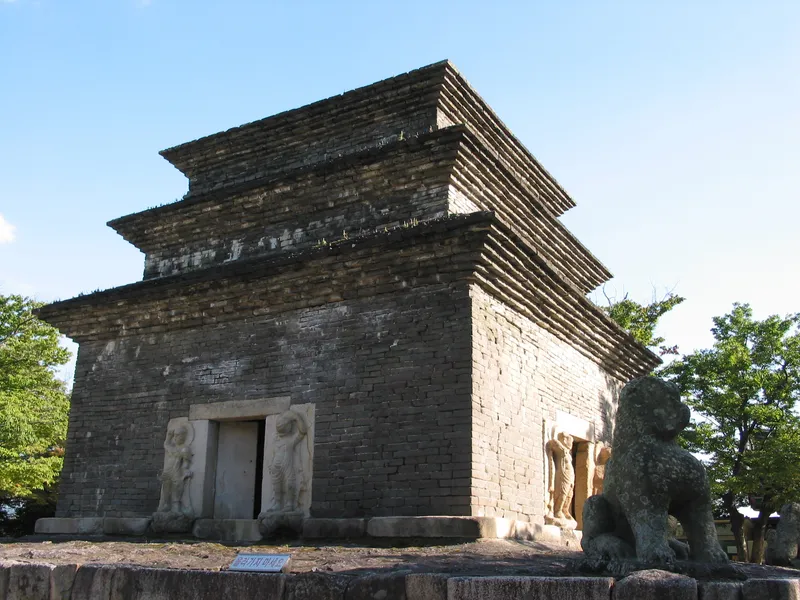
Bunhwangsa
- Health & Healing
The temple that held the image a blind child’s mother prayed to, after which he saw.
 Temple
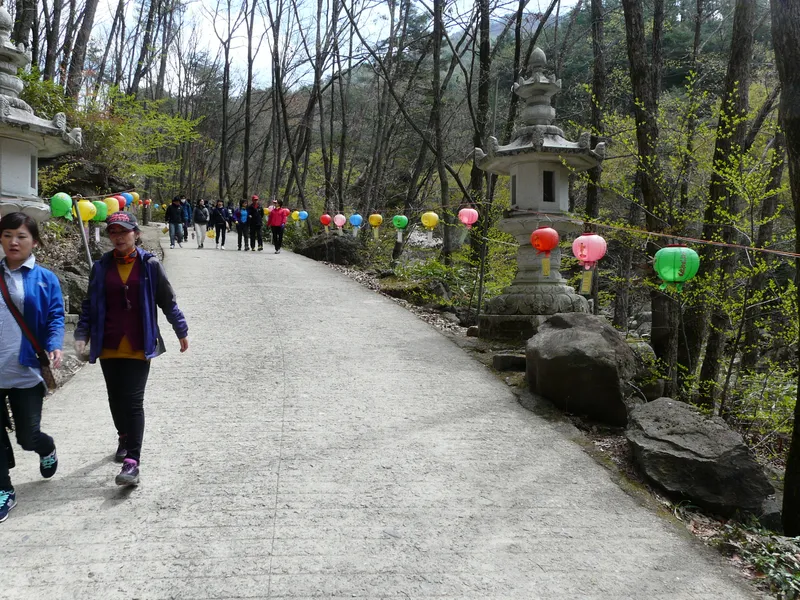
Ssanggyesa, Jirisan
The ground a tiger led them to, after a search for a place with snow and flowers at once.
 Temple
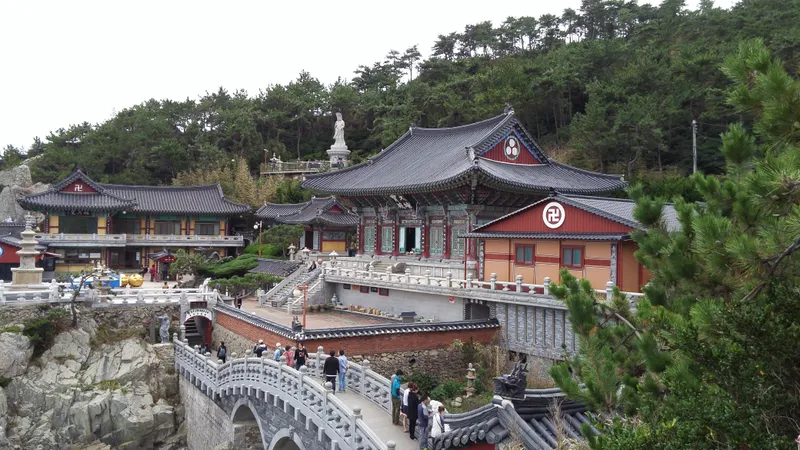
Haedong Yonggungsa
- Wish Fulfillment
One of Korea’s three great Avalokitesvara sites, standing right on the sea.
 Temple
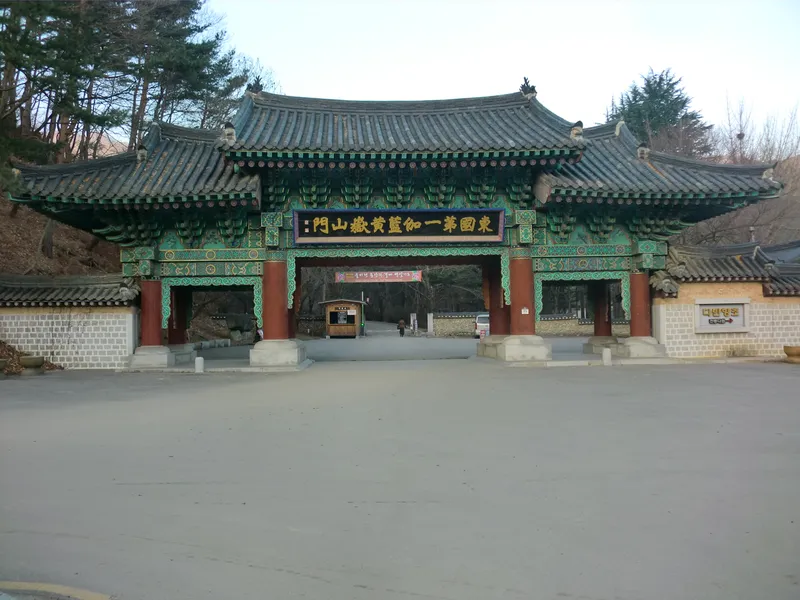
Jikjisa, Hwangaksan
Named because Ado, standing at another temple, pointed his finger at this mountain.
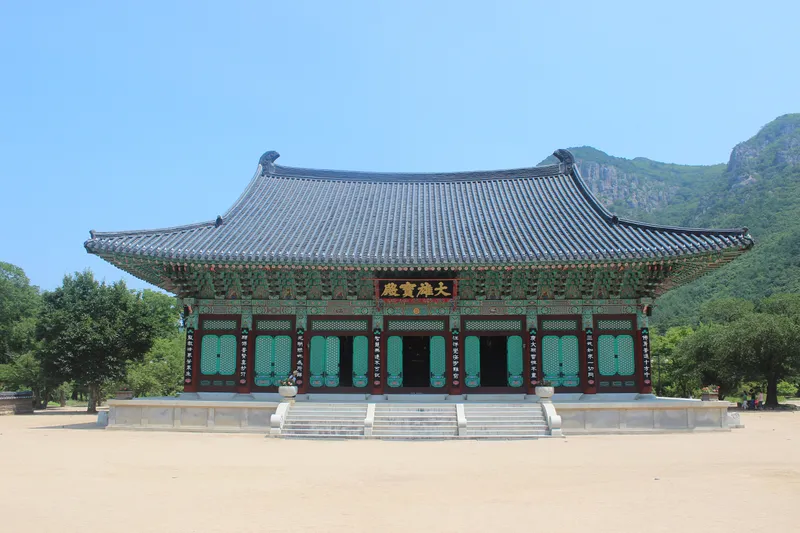 Temple
Unmunsa, Hogeosan
The temple where the line begins that ends with Wongwang writing the five worldly precepts.
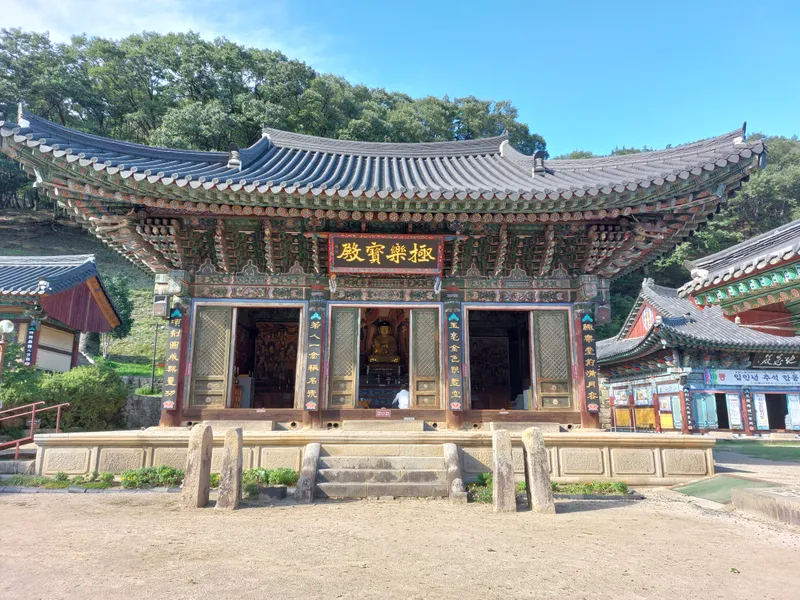 Temple
Eunhaesa, Palgongsan
The temple took its present name in the year it was made keeper of a king’s placenta shrine.
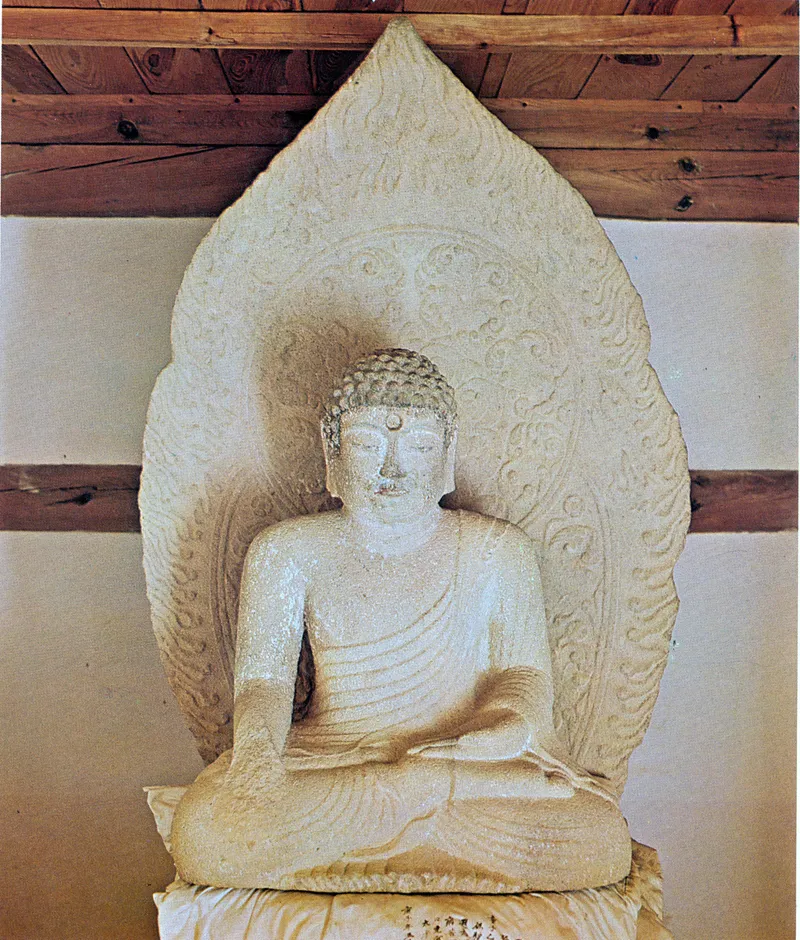 Temple
Gounsa, Deungunsan
A temple whose name kept its sound but changed its characters, to hold one man’s pen name.
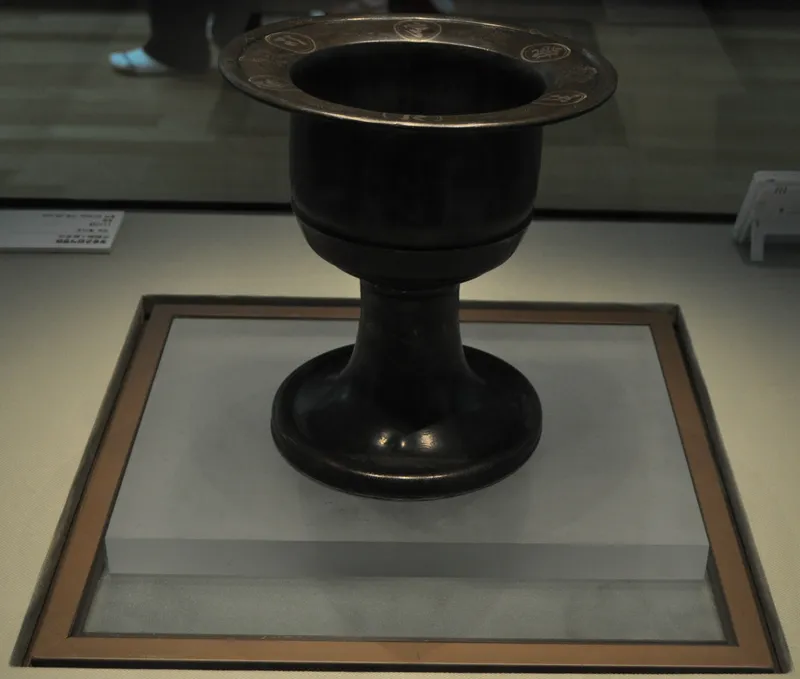 Temple
Pyochungsa, Jaeyaksan
Named when the character for shrine in its name gave way to the character for temple.
 Temple
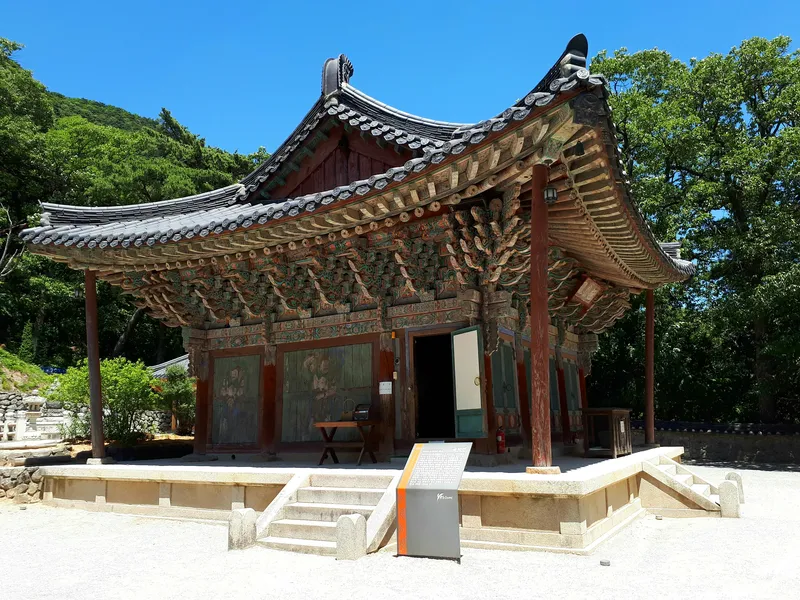
Dorisa, Naengsan
Founded, the account says, because flowers were in full bloom here in winter — and handed down as the first temple in Silla.
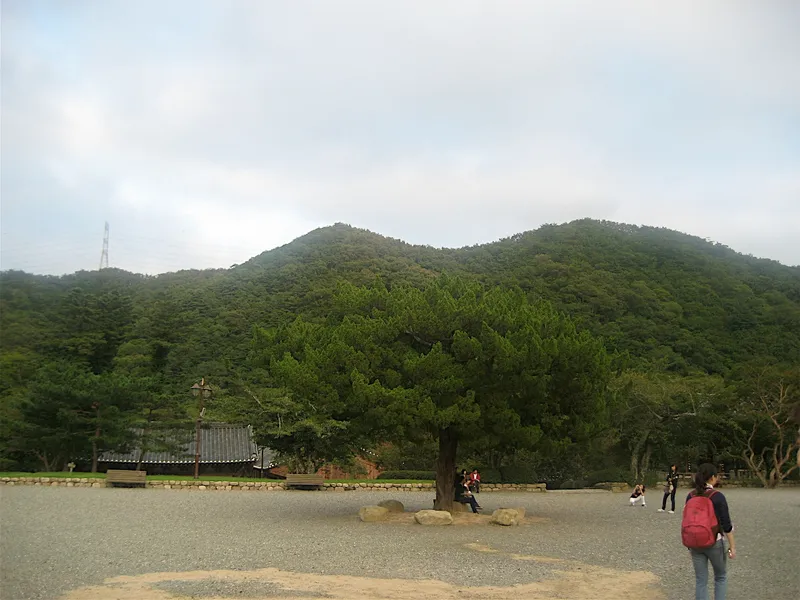 Temple
Girimsa, Hamwolsan
Founded by a monk from India, and renamed later by Wonhyo.
 Historic Site
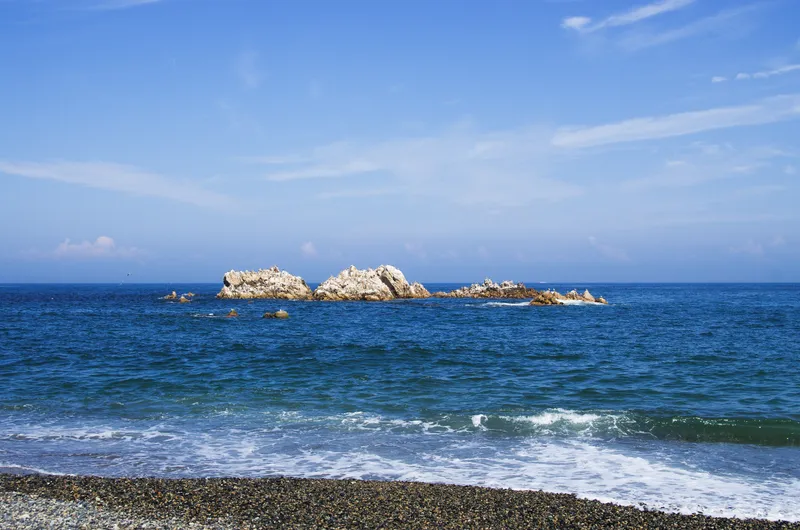
Tomb of King Munmu
- Protection & Safety
The tomb of King Munmu of Silla, set on a rock in the sea because he willed to become a dragon and guard the East Sea.
 Temple
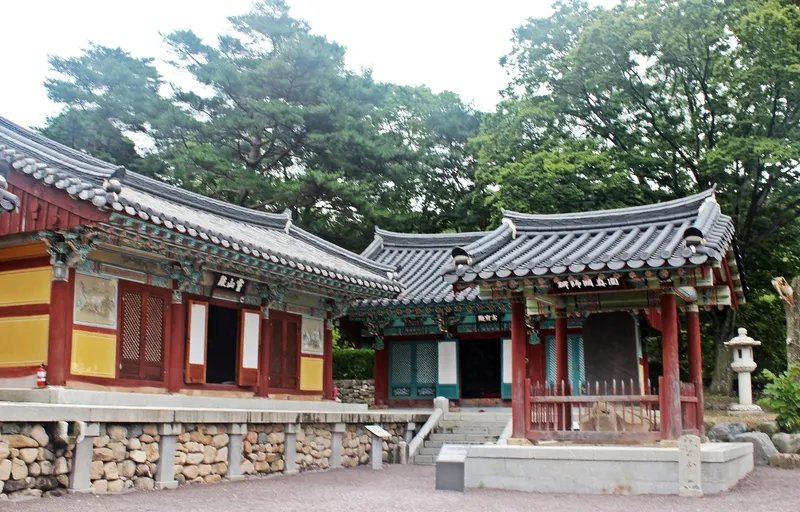
Bogyeongsa, Naeyeonsan
A temple that takes its name from a mirror buried beneath it.
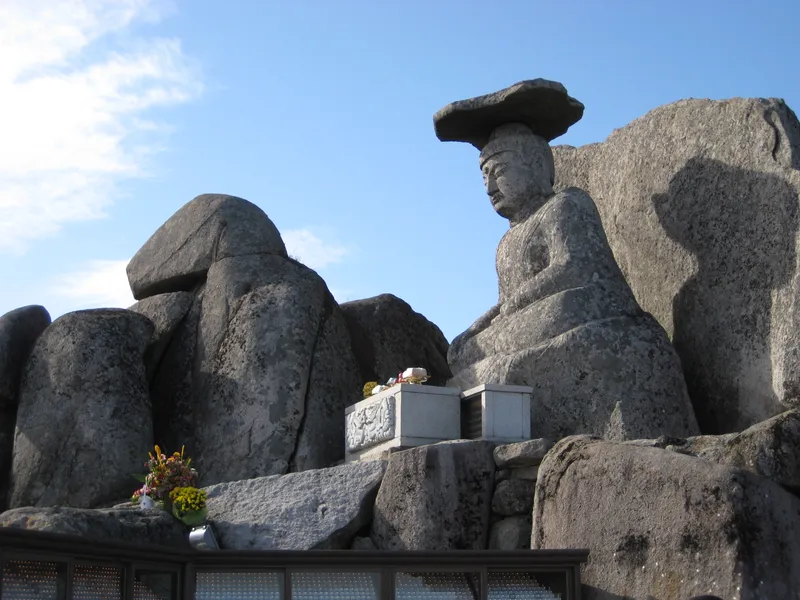 Temple
Gatbawi
- Exams & Study
- Wish Fulfillment
A Unified Silla stone Buddha seated on the summit of Gwanbong on Palgongsan, and the busiest prayer site in the country in the weeks before the university entrance exam.
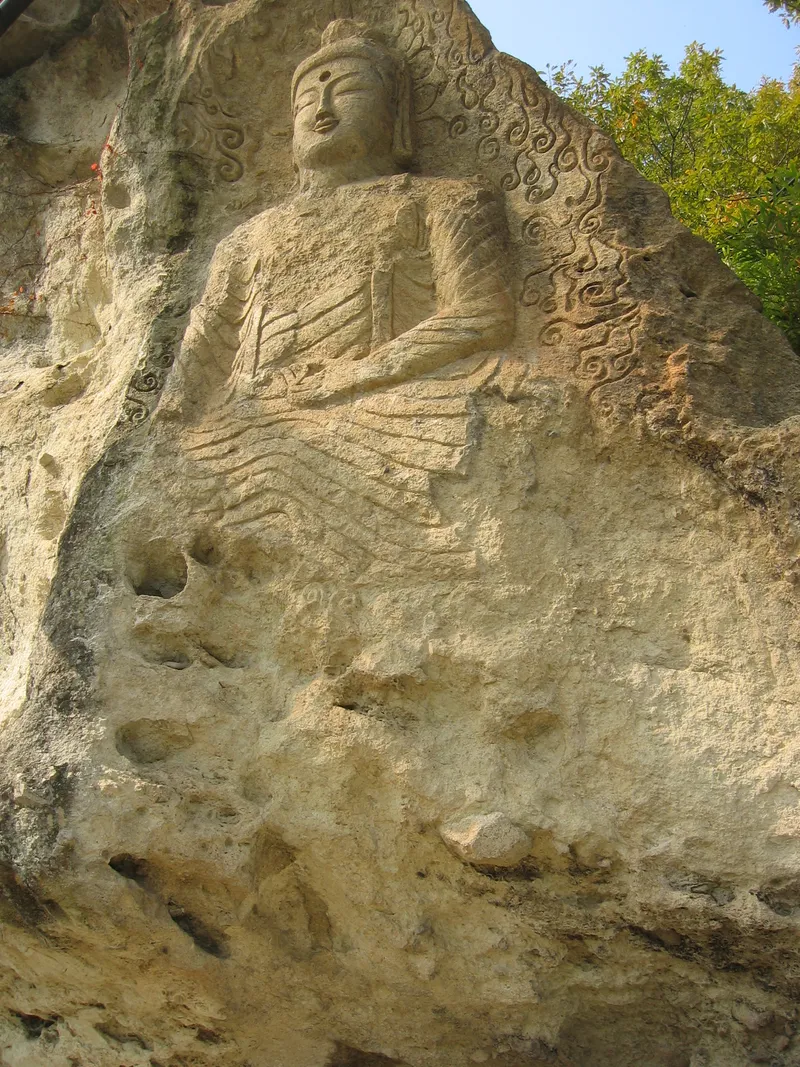 Temple
Golgulsa
A temple of twelve stone caves worked out of natural hollows.
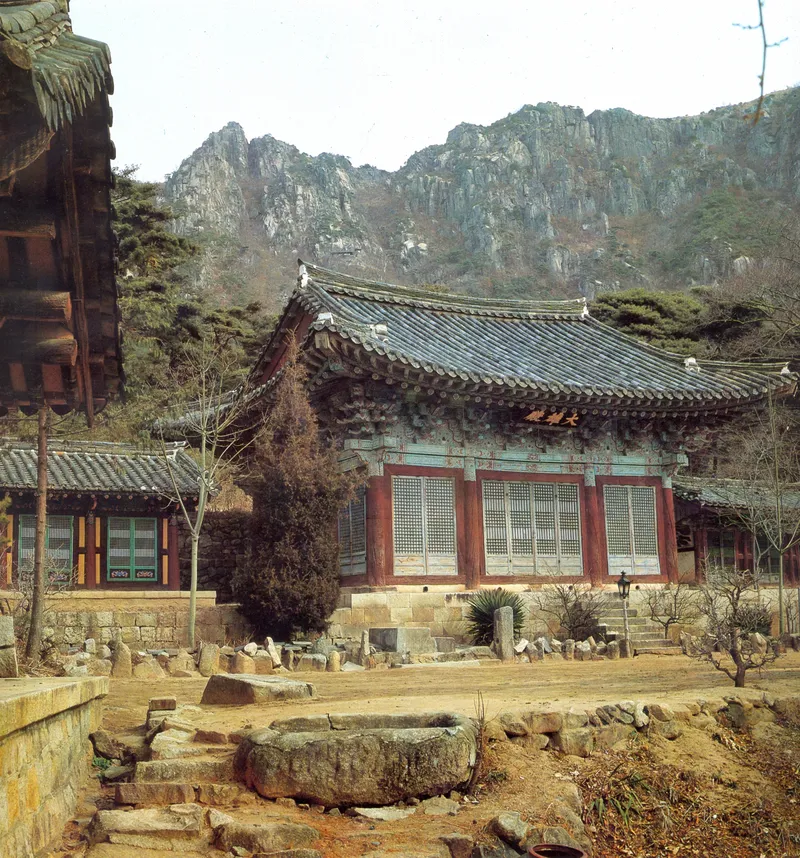 Temple
Gwallyongsa, Gwallyongsan
Nine dragons went up, and one sighting named both the temple and the mountain.
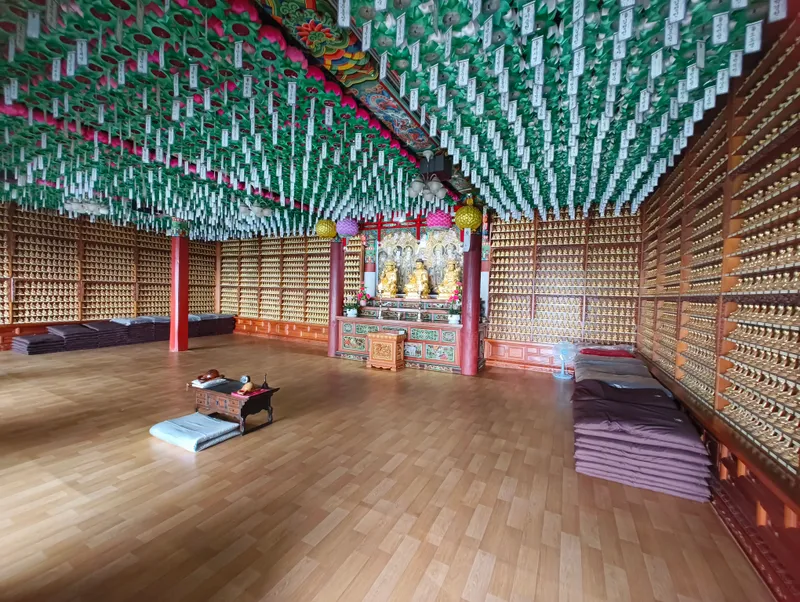 Temple
Boriam
- Wish Fulfillment
An Avalokiteśvara prayer site on the slope of Geumsan, counted with Hongryeonam and Bomunsa among Korea’s three great sites.
 Temple
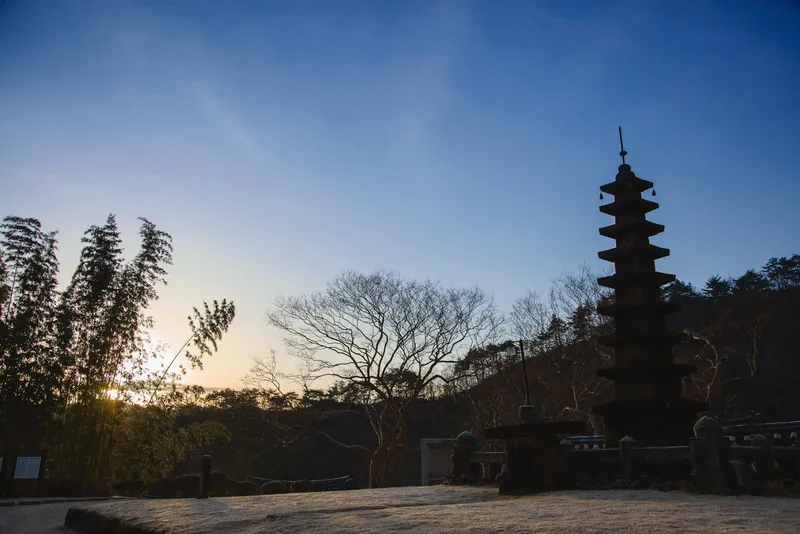
Daewonsa, Jirisan
Counted among the country’s leading meditation halls for women in the monastic life.
 Historic Site
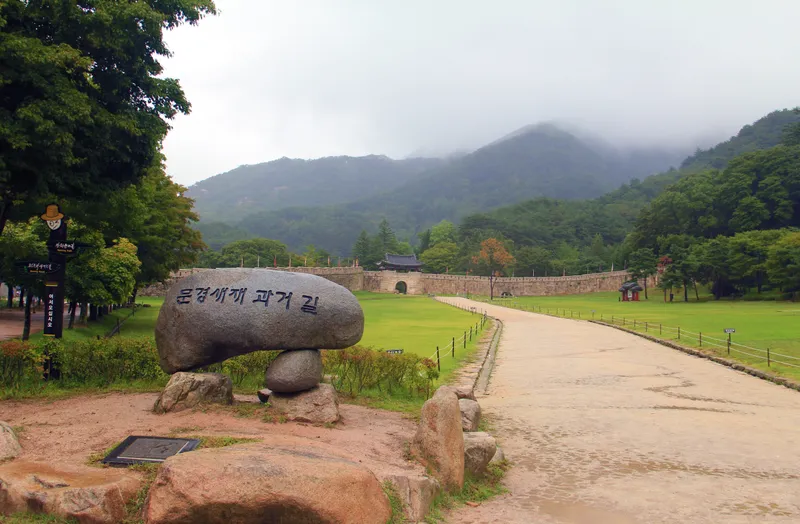
Mungyeong Saejae
- Exams & Study
The highest and hardest pass on the road from the southeast to the capital, with three gates strung along six and a half kilometres.
 Natural Site
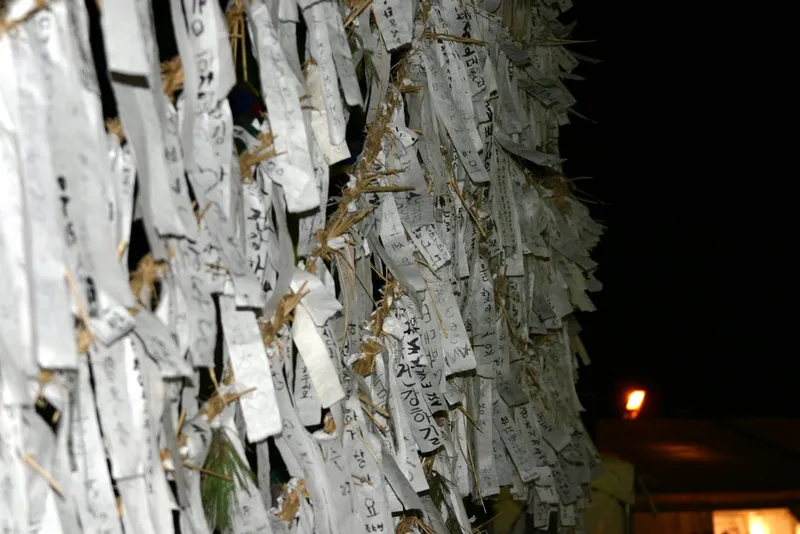
Hahoe Samsindang Tree
- Family & Home
A zelkova over six hundred years old at the centre of Hahoe village, the shrine of Samsin, the deity who grants children.