Hongryeonam
Researched and translated with AI assistance. Every claim is linked to its source, but errors get through, so check the official site for opening times, fees and closures.About
In short
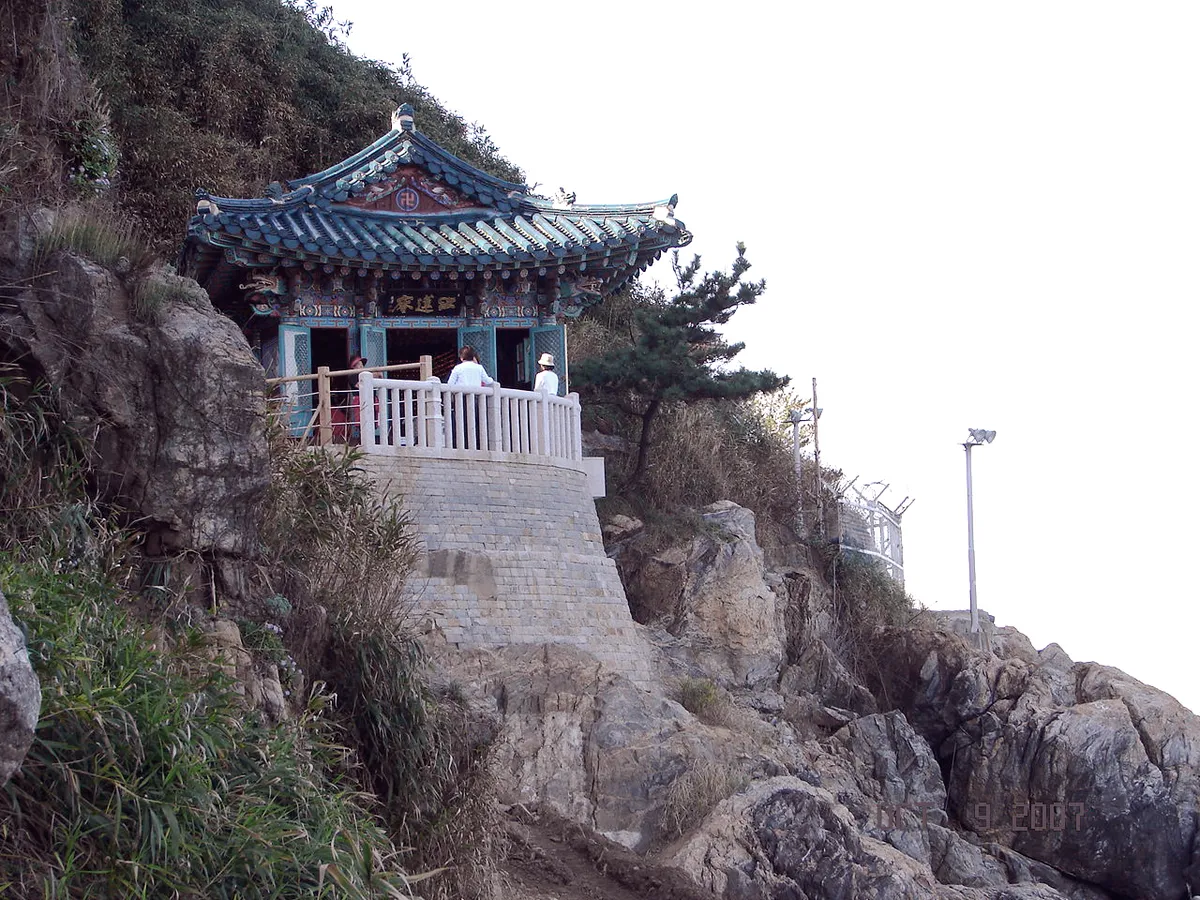
A hermitage built where Uisang is said to have met Avalokiteśvara, its hall raised so the sea can be seen moving beneath the floor.
Quick facts
- Address
- Naksansa, Ganghyeon-myeon, Yangyang-gun, Gangwon State
- Spiritual entities
- Avalokiteśvara (Kannon · Gwaneum, 観音菩薩) · Uisang (義湘, 625–702)
About this place
Hongryeonam is a hermitage attached to Naksansa. It is said to have been built in 672 by Uisang, on the spot where bamboo sprang up after he saw Avalokiteśvara in bodily form. Its name comes from the account that after seven days of prayer a red lotus rose from the sea with the bodhisattva at its centre. The hall is built so that the seawater can be seen moving beneath its floor.
Origin and history
The Encyclopedia of Korean Culture records Hongryeonam as a hall built in 672, the twelfth year of King Munmu, by Uisang, on the spot where bamboo sprang up after he saw Avalokiteśvara in bodily form.
Following a blue bird, Uisang is said to have prayed for seven days before a sea cave, whereupon a red lotus rose from the water with the bodhisattva at its centre — and the hermitage took its name from it. It belongs to Naksansa, a temple of the third diocese of the Jogye Order.
What it is locally associated with
The bodhisattva on a red lotus
After seven days of prayer a red lotus is said to have risen from the sea with Avalokiteśvara at its centre. The hermitage is named for it.
folk traditionThe sea beneath the floor
The hall is built so the moving seawater can be seen beneath its floorboards.
documented historyOne of three great Gwaneum sites
Counted alongside Boriam in Namhae and Bomunsa on Ganghwa.
documented history
Hongryeonam stands where Avalokiteśvara was met, and that is why people come. It is counted, with Boriam in Namhae and Bomunsa on Ganghwa, among Korea’s three great Avalokiteśvara prayer sites. The saying that follows all three is that one wish offered wholeheartedly will be heard — long transmitted, and not a promise the temple makes.
The structure that sets this hermitage apart is the hall itself, built so that the sea can be seen moving beneath the floor.
Claims and evidence levels 4
- The Encyclopedia of Korean Culture records Hongryeonam as built in 672, the twelfth year of King Munmu, by Uisang, and as a hermitage of Naksansa in the third diocese of the Jogye Order. documented history
- Uisang is said to have followed a blue bird and prayed seven days before a sea cave, whereupon a red lotus rose from the water with Avalokiteśvara at its centre; the hermitage is named for it. folk tradition
- The hall is built so that the seawater can be seen moving beneath its floor. documented history
- It is counted with Boriam in Namhae and Bomunsa on Ganghwa among the three great Avalokiteśvara prayer sites of Korea. documented history
Related guides
- How to visit a Korean templeHands together and hands folded, how the bows work, and what to do at the threshold of a hall. Starting with what is different from visiting a Japanese shrine.
- The small hall behind the main one — sansingak and samseonggakUphill from the main hall of a Korean temple stands a smaller one, and inside it an old man with a tiger. This is where the indigenous religion sits, inside the Buddhist institution.
- Templestay — a night at a templeA programme that puts you inside a temple’s own timetable for a day or two. What you do, which type to book, and what to be ready for.
- Prayer sites and the one wishThe three great Gwaneum sites, the five relic halls, and the crowds before the entrance exam. Where the saying about one wish comes from, and where the record stops.
Sources
- 낙산 홍련암(洛山 紅蓮庵) — 한국민족문화대백과사전 — Academy of Korean Studies (accessed 2026-08-10)
- 금산 보리암(錦山 菩提庵) — 3대 관음 기도처 — Academy of Korean Studies (accessed 2026-08-10)
Last updated:
Similar places
8 places
 Temple
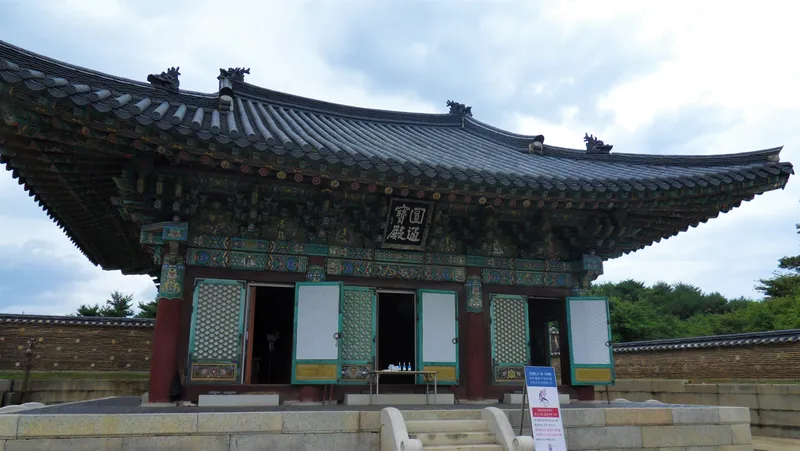
Naksansa
Burned four times and rebuilt each time; the 2005 wildfire took even its bronze bell, a Treasure whose designation was then revoked.
 Temple
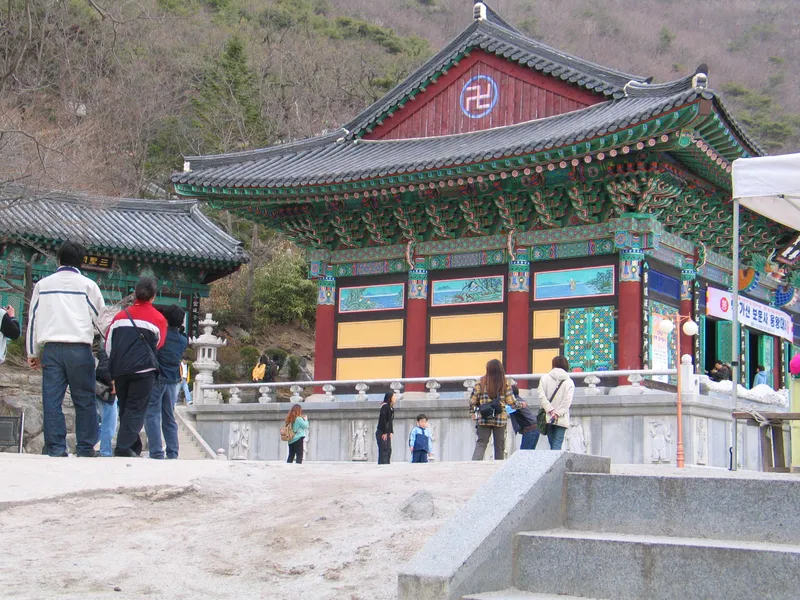
Bomunsa
- Wish Fulfillment
Counted with Boriam and Hongryeonam among Korea’s three great Avalokiteśvara sites, with a stone chamber holding figures said to have come up in a fisherman’s net.
 Temple
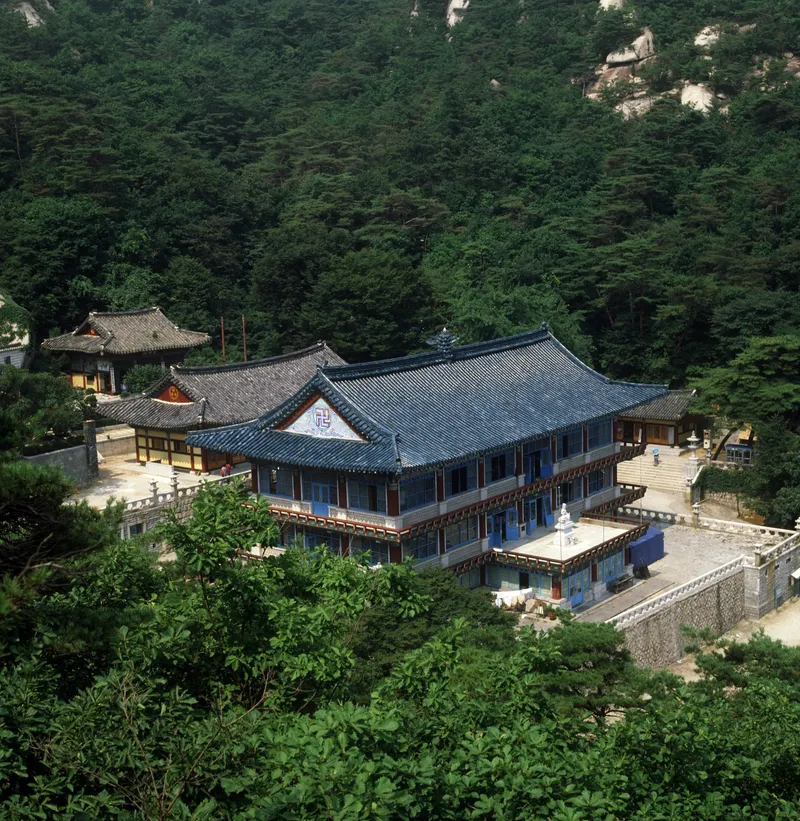
Doseonsa
- Wish Fulfillment
Founded by Doseon in 862, with a rock-carved Avalokiteshvara he is said to have split the stone by hand to cut, and a stream of people who come to pray.
 Temple
Yeonjudae
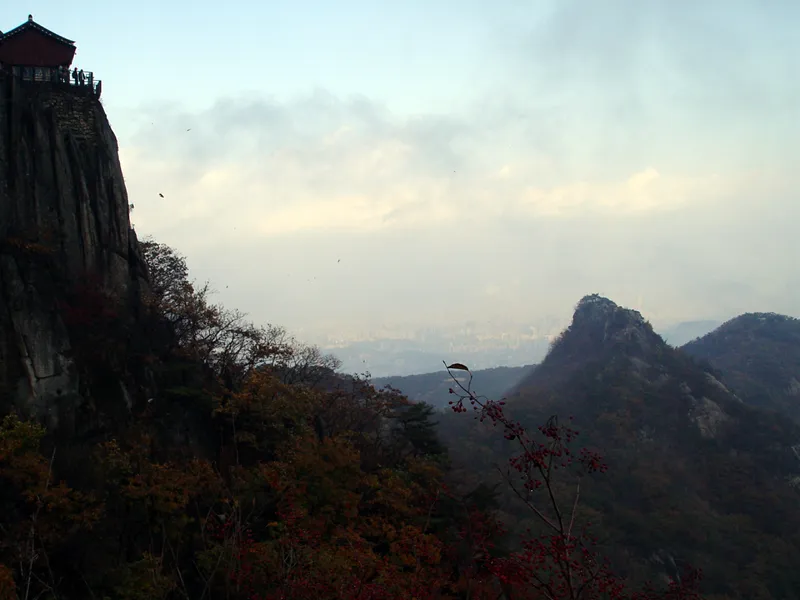
A hermitage at the cliff edge on Gwanaksan, named for men who climbed here to look toward the fallen capital and weep.
 Temple
Boriam
- Wish Fulfillment
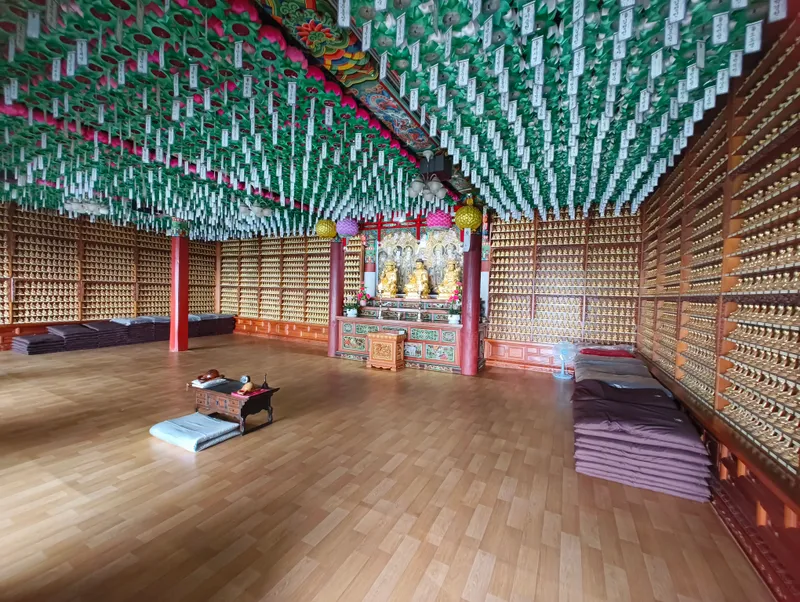
An Avalokiteśvara prayer site on the slope of Geumsan, counted with Hongryeonam and Bomunsa among Korea’s three great sites.
 Temple
Sinheungsa, Seoraksan
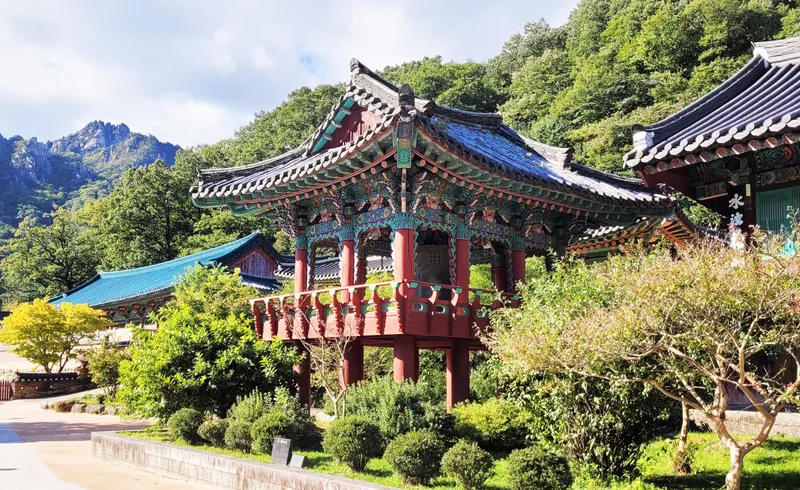
A temple that changed its name three times, and moved its ground each time it did.
 Temple
Bongjeongam
- Protection & Safety
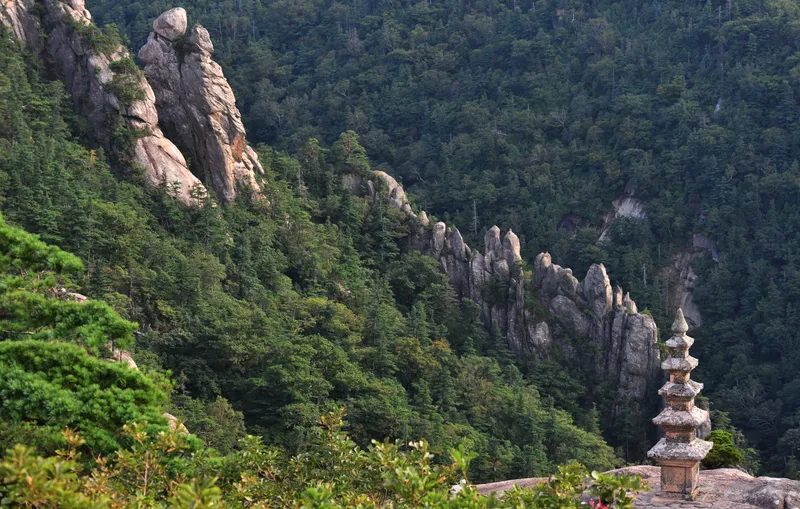
A hermitage on Sosecheongbong in Seoraksan, one of the five relic sanctuaries, holding relics Jajang is said to have brought back.
 Temple
Baekdamsa, Seoraksan
Built where a count of the pools from Cheongbong down to the temple came to a hundred, and named for that number.
No places match your filters