Dorisa, Naengsan
Researched and translated with AI assistance. Every claim is linked to its source, but errors get through, so check the official site for opening times, fees and closures.About
In short
Founded, the account says, because flowers were in full bloom here in winter — and handed down as the first temple in Silla.
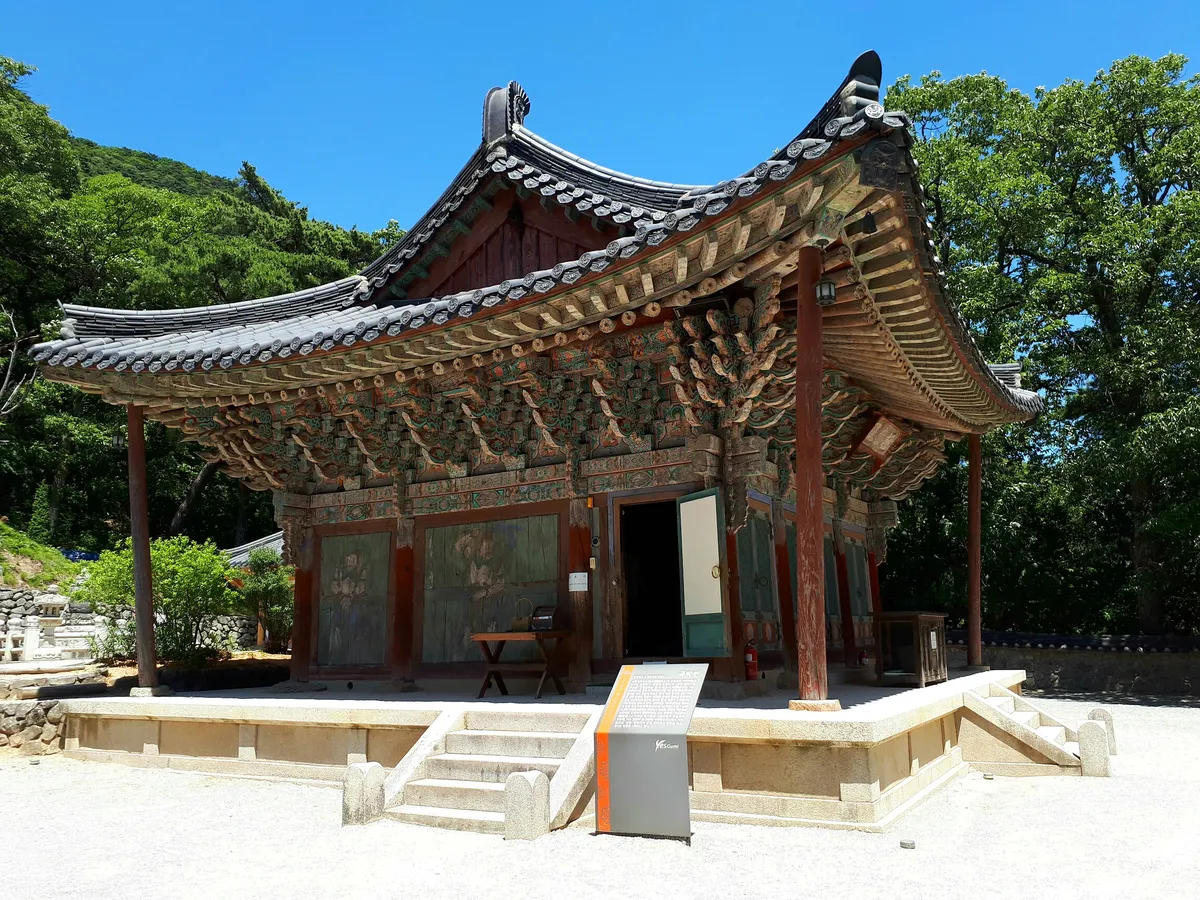
Quick facts
- Address
- 526 Dorisa-ro, Haepyeong-myeon, Gumi-si, Gyeongsangbuk-do
About this place
Dorisa stands on Naengsan in Haepyeong-myeon, Gumi-si, Gyeongsangbuk-do. There is a story that in the reign of King Nulji of Silla, in the Three Kingdoms period, a monk called Ado, who resembled Mukhoja in appearance, saw that flowers were in full bloom in this district although it was winter, and built a temple. This temple is handed down as the first temple in Silla. Its name is written with the characters for the peach tree and the plum tree. A stone image taken to be the reverend Ado was found here later, and when the Sejon sarira pagoda was taken apart and restored, a reliquary in the form of a gilt-bronze hexagonal pagoda was found, together with one grain of the Buddha’s own relic. In 1655 the Jaun stele was carved on the back of the stele of the reverend Ado, setting down the particulars and the merit of a repair of Dorisa.
Origin and history
There is a story that in the reign of King Nulji of Silla, in the Three Kingdoms period, a monk called Ado, who resembled Mukhoja in appearance, saw that flowers were in full bloom in this district although it was winter, and built a temple. This temple is handed down as the first temple in Silla. Its name is written with the characters for the peach tree and the plum tree.
A stone image taken to be the reverend Ado was found here later.
When the Sejon sarira pagoda was taken apart and restored, a reliquary in the form of a gilt-bronze hexagonal pagoda was found, together with one grain of the Buddha’s own relic.
In 1655 the Jaun stele was carved on the back of the stele of the reverend Ado, setting down the particulars and the merit of a repair of Dorisa.
What it is locally associated with
Flowers in bloom though it was winter
A story says that in the reign of King Nulji a monk called Ado saw flowers in full bloom in this district although it was winter, and built a temple.
folk traditionThe first temple in Silla
This temple is handed down as the first temple in Silla.
folk traditionA relic from the Sejon pagoda
When the Sejon sarira pagoda was taken apart and restored, a gilt-bronze hexagonal reliquary was found together with one grain of the Buddha’s own relic.
documented history
What is handed down as the reason this temple stands is flowers out of season. Ado is said to have built it on seeing flowers in full bloom although it was winter. The name is written with the characters for peach and plum; both things come down separately, and no record sets one out as the reason for the other.
The standing the temple claims for itself is first. It is handed down as the first temple in Silla.
Baekje has a claim of the same shape. Bulgapsa in Yeonggwang is handed down as founded in 384 by Malananta, who brought Buddhism to Baekje. But there the record calls that unlikely and says the founding date is unknown, while this temple’s tradition is carried across as it stands. Within one encyclopaedia, two claims to be first received two different verdicts.
The name of Jikjisa in Gimcheon also begins here. That temple’s record says the reverend Ado, having founded Dorisa, pointed his finger at Hwangaksan and said that over there was ground where a great temple would stand. The two temples point at each other and are joined by one man’s name.
Something came out of a pagoda as well. In the course of taking apart and restoring the Sejon sarira pagoda, a reliquary in the form of a gilt-bronze hexagonal pagoda was found, together with one grain of the Buddha’s own relic.
Claims and evidence levels 2
- Dorisa is handed down as the first temple in Silla, founded by Ado on seeing flowers in full bloom in winter. folk tradition
- A gilt-bronze hexagonal reliquary and one grain of the Buddha’s own relic were found when the Sejon sarira pagoda was taken apart and restored. documented history
Related guides
- How to visit a Korean templeHands together and hands folded, how the bows work, and what to do at the threshold of a hall. Starting with what is different from visiting a Japanese shrine.
- The small hall behind the main one — sansingak and samseonggakUphill from the main hall of a Korean temple stands a smaller one, and inside it an old man with a tiger. This is where the indigenous religion sits, inside the Buddhist institution.
- Templestay — a night at a templeA programme that puts you inside a temple’s own timetable for a day or two. What you do, which type to book, and what to be ready for.
- Prayer sites and the one wishThe three great Gwaneum sites, the five relic halls, and the crowds before the entrance exam. Where the saying about one wish comes from, and where the record stops.
Sources
- 냉산 도리사(冷山 桃李寺) — 한국민족문화대백과사전 (accessed 2026-08-16)
Last updated:
Similar places
8 places
 Natural Site
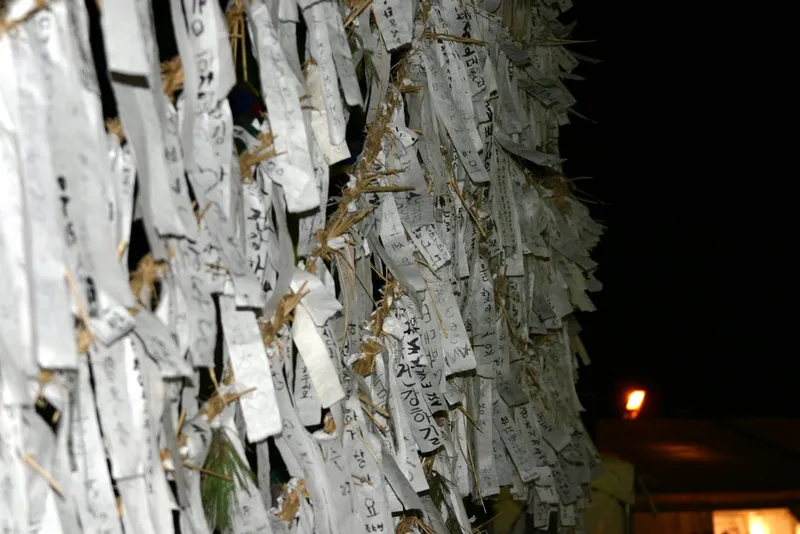
Hahoe Samsindang Tree
- Family & Home
A zelkova over six hundred years old at the centre of Hahoe village, the shrine of Samsin, the deity who grants children.
 Temple
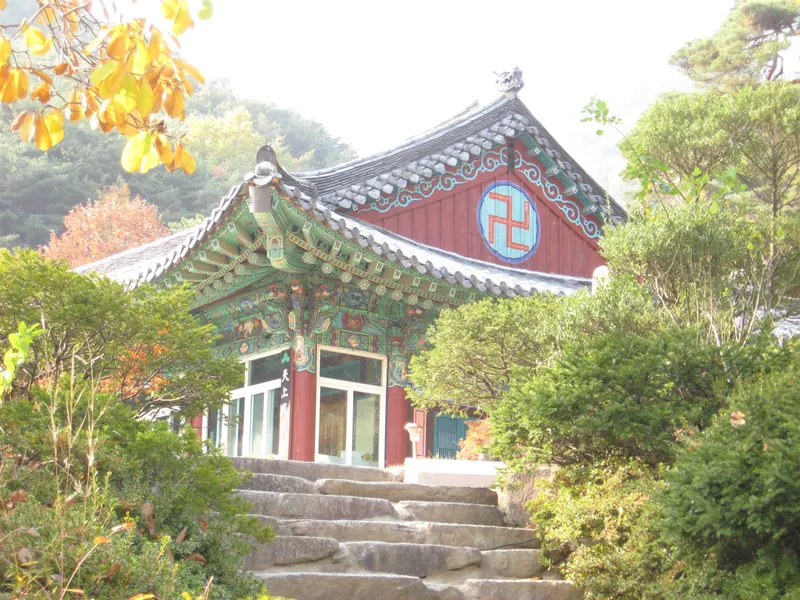
Pagyesa, Palgongsan
The temple where a king’s robe came out of an Avalokitesvara statue.
 Temple
Buinsa, Palgongsan
Where the woodblocks of the first Tripitaka, brought here for safety, were entirely destroyed in the Mongol invasion of 1232.
 Temple
Jikjisa, Hwangaksan
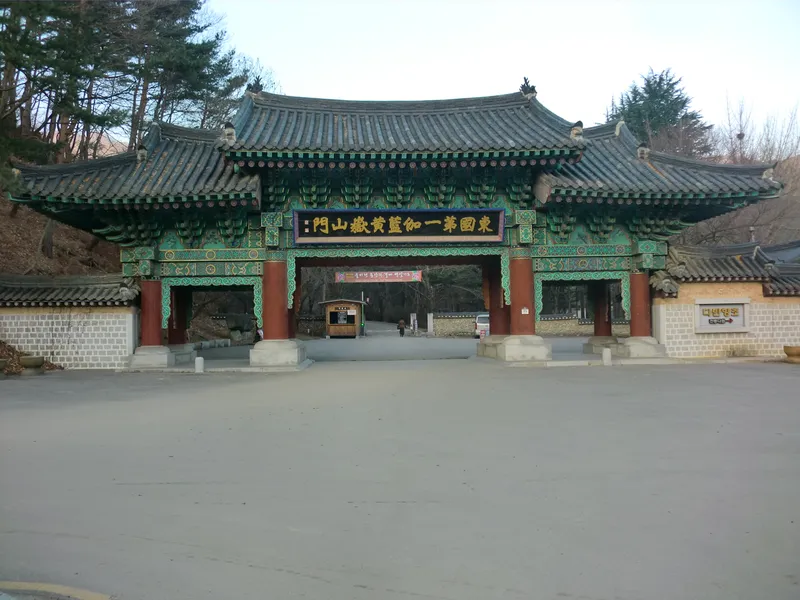
Named because Ado, standing at another temple, pointed his finger at this mountain.
 Temple
Gounsa, Deungunsan
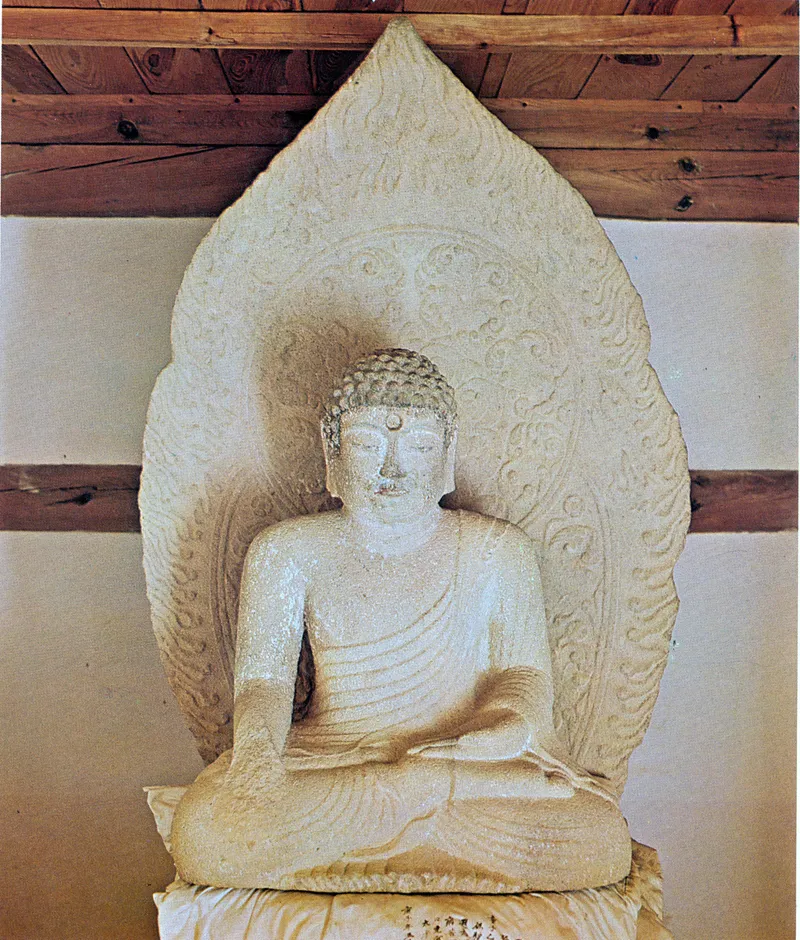
A temple whose name kept its sound but changed its characters, to hold one man’s pen name.
 Temple
Donghwasa
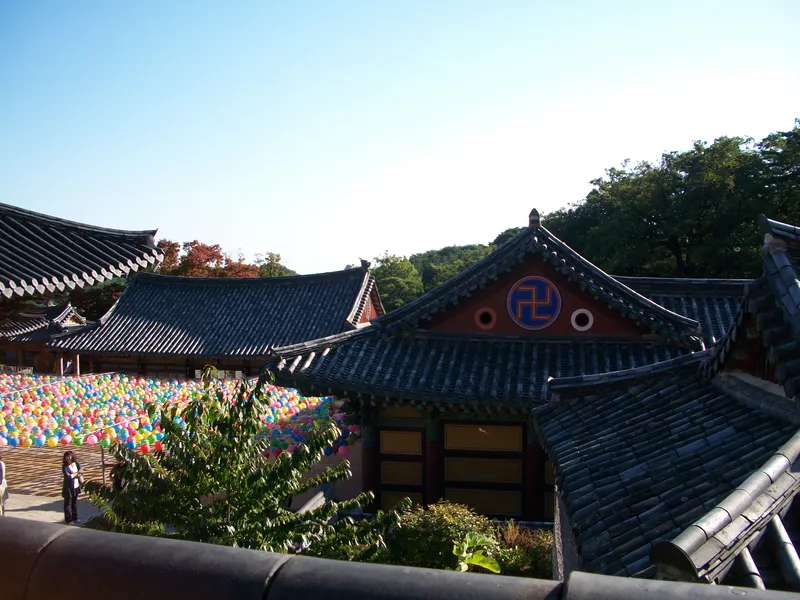
A temple on Palgongsan founded by Simji, renamed Donghwasa because paulownia bloomed all around it.
 Temple
Bukjijangsa, Palgongsan
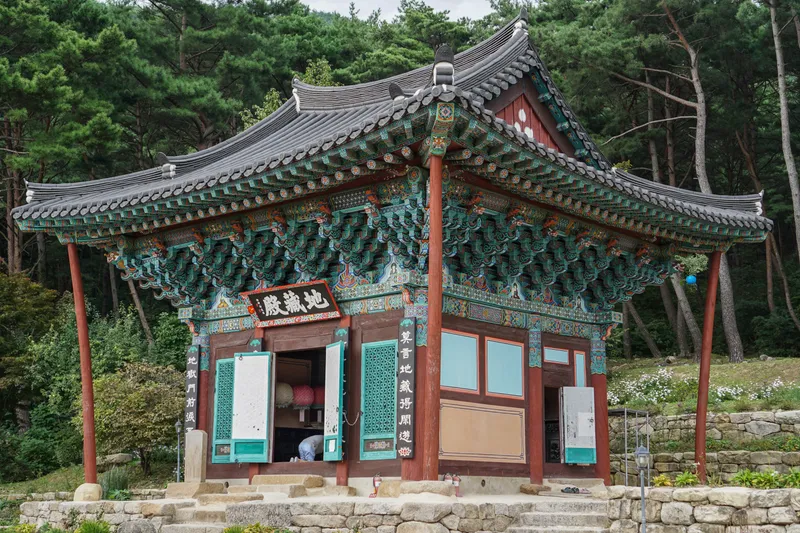
A temple where a building’s true name lay in its own ridge-beam record for more than two hundred and fifty years before a repair uncovered it.
 Temple
Gatbawi
- Exams & Study
- Wish Fulfillment
A Unified Silla stone Buddha seated on the summit of Gwanbong on Palgongsan, and the busiest prayer site in the country in the weeks before the university entrance exam.
No places match your filters