Goransa
Busosan Goransa
Researched and translated with AI assistance. Every claim is linked to its source, but errors get through, so check the official site for opening times, fees and closures.About
In short
A temple rebuilt by Baekje’s descendants after the kingdom fell, named for the rare fern growing on the cliff behind it.
Quick facts
- Address
- 689 Ssangbuk-ri, Buyeo-eup, Buyeo-gun, Chungcheongnam-do
About this place
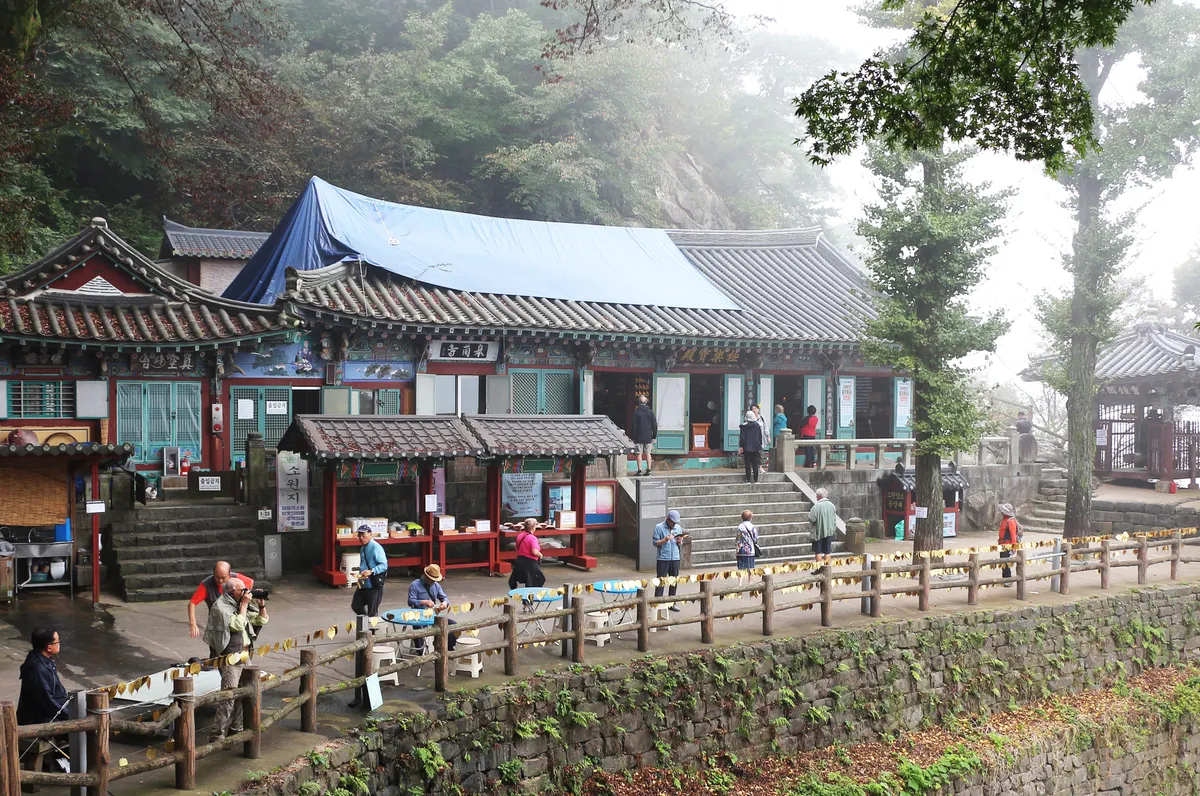
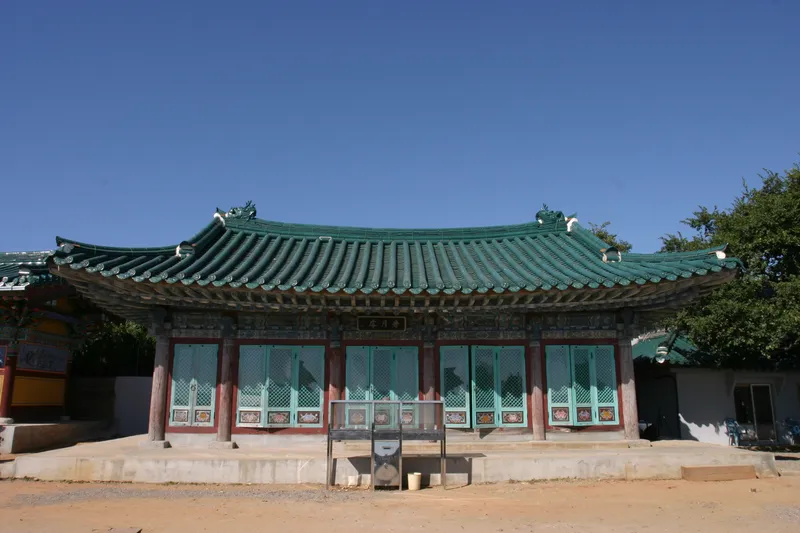
Goransa stands on Busosan in Buyeo, South Chungcheong. No detailed record of its founding survives; it is variously held to have been a pavilion where Baekje kings took their leisure, or the palace’s inner Buddhist hall. Burned when Baekje fell, it is said to have been rebuilt in the Goryeo period by the kingdom’s descendants to console the palace women, and it came to be called Goransa because the rare goran fern grows on the cliff behind.
Origin and history
The Encyclopedia of Korean Culture notes that no detailed record of the founding survives, and gives two accounts: that it was a pavilion built for Baekje kings to take their leisure, or that it was the inner Buddhist hall of the palace.
Burned with the fall of Baekje, it is said to have been rebuilt in the Goryeo period by Baekje’s descendants in order to console the palace women, and given the name Goransa. It came to be so called, the encyclopedia adds, because the rare goran fern grows wild on the cliff behind it.
It was rebuilt in 1028, repaired in 1629 and 1797, and in 1900 Eunsansa was moved to the site. The present main hall and bell pavilion were built in 1931 and repaired in 1959.
What it is locally associated with
A pavilion, or an inner hall
No detailed record of the founding survives; two accounts are transmitted.
folk traditionNamed for the goran fern
It came to be called Goransa because the rare fern grows wild on the cliff behind it.
documented historyThe spring
A spring said to have been drunk from by a king. The story that drinking makes you younger is widely told and is not in the state record.
folk tradition
What people asked for here, the state record does not say. It covers what stood on the spot and what was rebuilt, and stops. That is why this page carries no petition.
There is a famous story, though. Drink from the spring beside the temple, it is said, and you grow three years younger. What the encyclopedia actually records is six words long — that there is a spring said to have been drunk from by a king — and it says nothing at all about what drinking does. The rejuvenation is something people tell, not something written down.
The three thousand palace women need the same care. What the record gives is the rebuilders’ motive: Baekje’s descendants raised the temple again to console them. It is not a sentence asserting that three thousand women existed or died.
Claims and evidence levels 4
- No detailed record of the founding survives; the temple is variously held to have been a pavilion for Baekje kings or the palace’s inner Buddhist hall. folk tradition
- Burned with the fall of Baekje, it is said to have been rebuilt in the Goryeo period by the kingdom’s descendants in order to console the palace women. folk tradition
- It came to be called Goransa because the rare goran fern grows wild on the cliff behind it. documented history
- A spring said to have been drunk from by a king stands beside the temple; the widely told belief that drinking from it makes one younger does not appear in the state record. folk tradition
Related guides
- How to visit a Korean templeHands together and hands folded, how the bows work, and what to do at the threshold of a hall. Starting with what is different from visiting a Japanese shrine.
- The small hall behind the main one — sansingak and samseonggakUphill from the main hall of a Korean temple stands a smaller one, and inside it an old man with a tiger. This is where the indigenous religion sits, inside the Buddhist institution.
- Templestay — a night at a templeA programme that puts you inside a temple’s own timetable for a day or two. What you do, which type to book, and what to be ready for.
- Prayer sites and the one wishThe three great Gwaneum sites, the five relic halls, and the crowds before the entrance exam. Where the saying about one wish comes from, and where the record stops.
Sources
- 부소산 고란사(扶蘇山 皐蘭寺) — 한국민족문화대백과사전 — Academy of Korean Studies (accessed 2026-08-12)
- 태백산 천제단 — 국가유산포털 — Korea Heritage Service (accessed 2026-08-12)
Last updated:
Similar places
8 places
 Temple
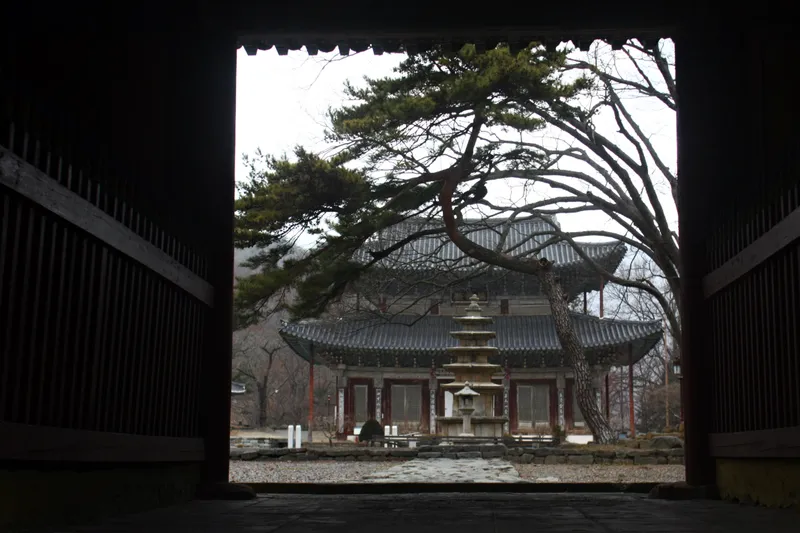
Muryangsa, Mansusan
The temple where Kim Si-seup spent his last years and died.
 Temple
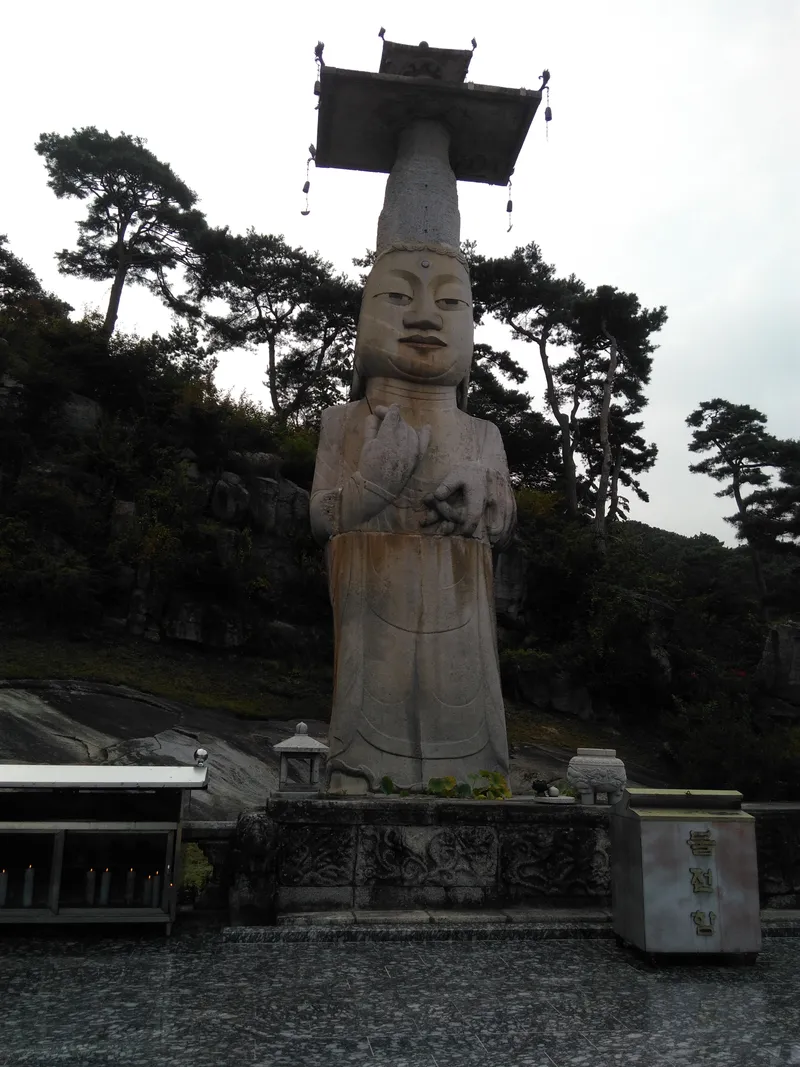
Gwanchoksa, Banyasan
Where a stone Maitreya took thirty-seven years to carve and could not be stood up until someone watched two children playing in mud.
 Temple
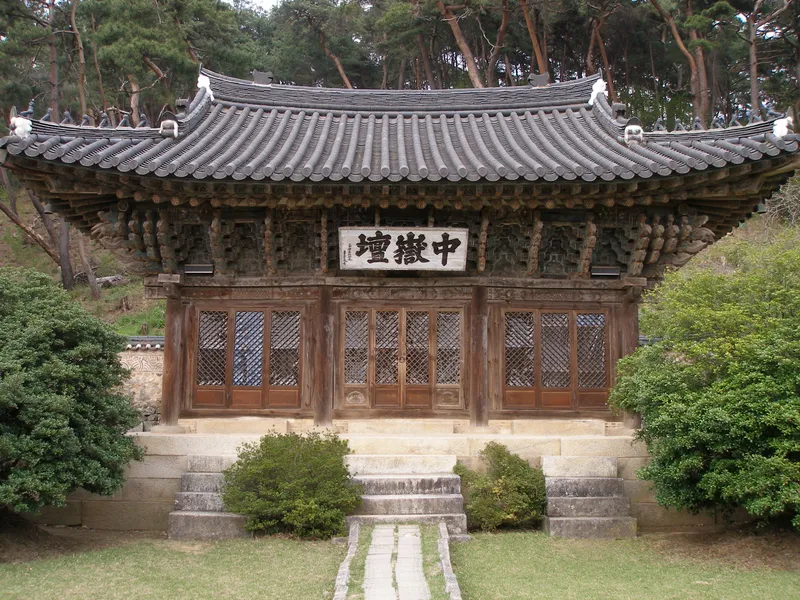
Jungakdan, Sinwonsa
- Wish Fulfillment
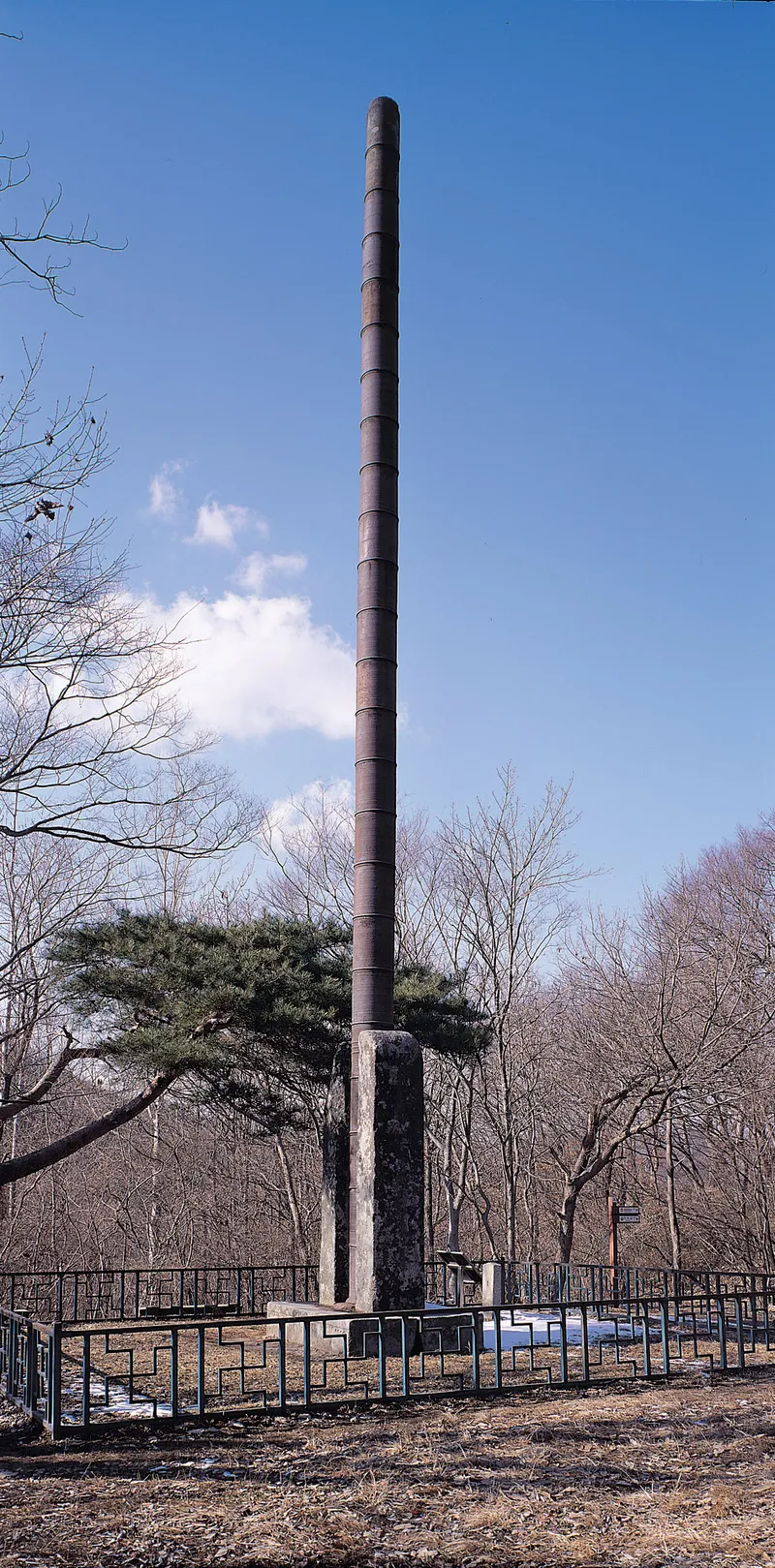
The only survivor of the three royal mountain-god altars of Joseon stands in the grounds of Sinwonsa on Gyeryongsan.
 Temple
Gapsa, Gyeryongsan
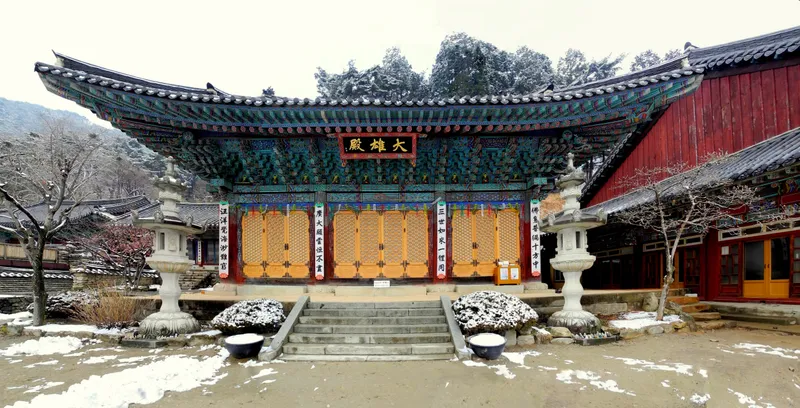
A Three Kingdoms temple with three separate accounts of its founding, and where Yeonggyu took ordination.
 Temple
Donghaksa, Gyeryongsan
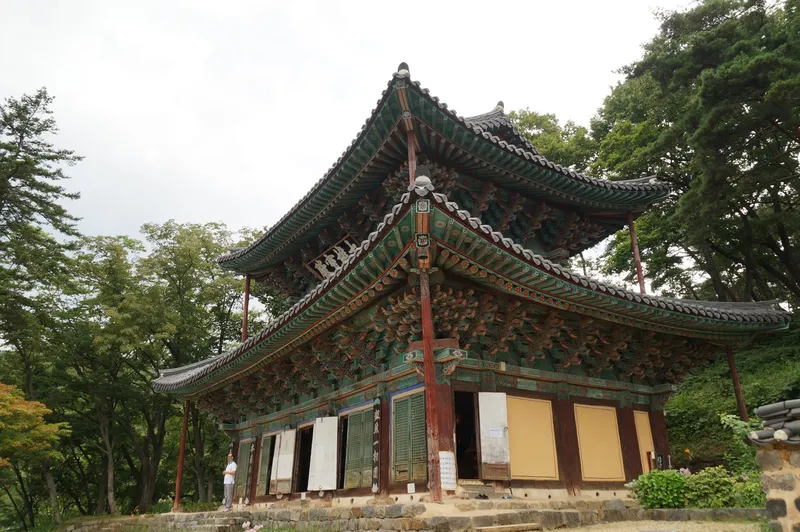
Where rites were held to summon the spirits of the six martyred ministers and of King Danjong, and where one of Korea’s foremost seminaries for nuns stands.
 Temple
Magoksa
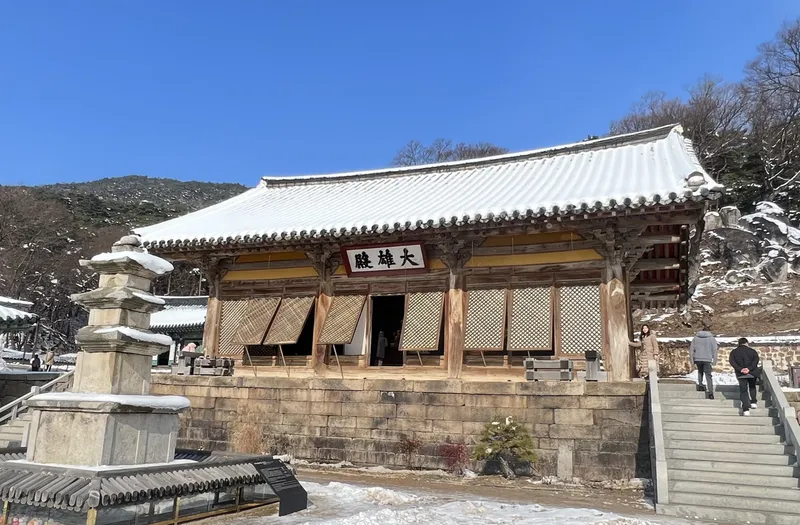
A thousand-year-old temple on Taehwasan said to have been founded by Jajang, where two main halls stand one behind the other up the slope.
 Temple
Sudeoksa, Deoksungsan
A temple whose main hall is one of the oldest buildings in Korea whose date of construction is certainly known.
 Temple
Ganwolam
The hermitage where Muhak Daesa is said to have awakened on seeing the moon, cut off by the tide and reachable again when it falls.
No places match your filters