Boriam
Researched and translated with AI assistance. Every claim is linked to its source, but errors get through, so check the official site for opening times, fees and closures.About
In short
An Avalokiteśvara prayer site on the slope of Geumsan, counted with Hongryeonam and Bomunsa among Korea’s three great sites.
Quick facts
- Address
- Geumsan, Sangju-myeon, Namhae-gun, Gyeongsangnam-do
- Spiritual entities
- Avalokiteśvara (Kannon · Gwaneum, 観音菩薩)
About this place
Boriam is a hermitage on Geumsan in Namhae, well known as a place of prayer to Avalokiteśvara. It is a branch temple of Ssanggyesa, head temple of the thirteenth diocese of the Jogye Order. Its founding date is unknown; the widely repeated account that Wonhyo founded it in 683 is regarded as having almost no historical credibility. Yi Seong-gye is said to have offered a rite to heaven below this mountain and, after taking the throne, to have renamed it Geumsan because it looked draped in silk.
Origin and history
The Encyclopedia of Korean Culture states that Boriam’s founding period is unknown. The account that Wonhyo founded it in 683 is widespread but is regarded as having almost no historical credibility. It is a branch temple of Ssanggyesa, head temple of the thirteenth diocese of the Jogye Order.
A record survives that Yi Seong-gye offered a rite to heaven below the mountain, then called Bogwangsan, and that after taking the throne he renamed it Geumsan — silk mountain — because it looked wrapped in silk.
What it is locally associated with
One of three great Gwaneum sites
Counted alongside Hongryeonam at Naksansa and Bomunsa on Ganghwa.
documented historyHow Geumsan got its name
Yi Seong-gye is said to have offered a rite to heaven below the mountain and, on taking the throne, renamed it for looking draped in silk.
folk traditionThe founding date is unknown
The Wonhyo-in-683 account is widespread, but the state record treats it as having almost no historical credibility.
documented history
Boriam is known as a place of prayer to Avalokiteśvara, and is counted with Hongryeonam at Naksansa and Bomunsa on Ganghwa among the three great sites. The saying that follows all three is that one wish offered wholeheartedly will be heard — long transmitted, and not a promise the temple makes.
The story of Yi Seong-gye has followed this mountain and this hermitage for centuries. What the record holds, though, is that he offered a rite to heaven here and later renamed the mountain. What he asked for is not written down.
Claims and evidence levels 4
- The Encyclopedia of Korean Culture states that Boriam’s founding period is unknown, and that the account of Wonhyo founding it in 683 has almost no historical credibility. documented history
- It is a branch temple of Ssanggyesa, head temple of the thirteenth diocese of the Jogye Order, and is known as a place of prayer to Avalokiteśvara. documented history
- It is counted with Hongryeonam and Bomunsa among the three great Avalokiteśvara prayer sites of Korea. documented history
- Yi Seong-gye is recorded as offering a rite to heaven below the mountain, and is said to have renamed it Geumsan after taking the throne because it appeared draped in silk; what he asked for is not recorded. folk tradition
Related guides
- How to visit a Korean templeHands together and hands folded, how the bows work, and what to do at the threshold of a hall. Starting with what is different from visiting a Japanese shrine.
- The small hall behind the main one — sansingak and samseonggakUphill from the main hall of a Korean temple stands a smaller one, and inside it an old man with a tiger. This is where the indigenous religion sits, inside the Buddhist institution.
- Templestay — a night at a templeA programme that puts you inside a temple’s own timetable for a day or two. What you do, which type to book, and what to be ready for.
- Prayer sites and the one wishThe three great Gwaneum sites, the five relic halls, and the crowds before the entrance exam. Where the saying about one wish comes from, and where the record stops.
Sources
- 금산 보리암(錦山 菩提庵) — 3대 관음 기도처 — Academy of Korean Studies (accessed 2026-08-10)
- Boriam (Q12598350) — coordinate location — Wikidata (accessed 2026-08-10)
Last updated:
Similar places
8 places
 Temple
Hyangiram
- Wish Fulfillment
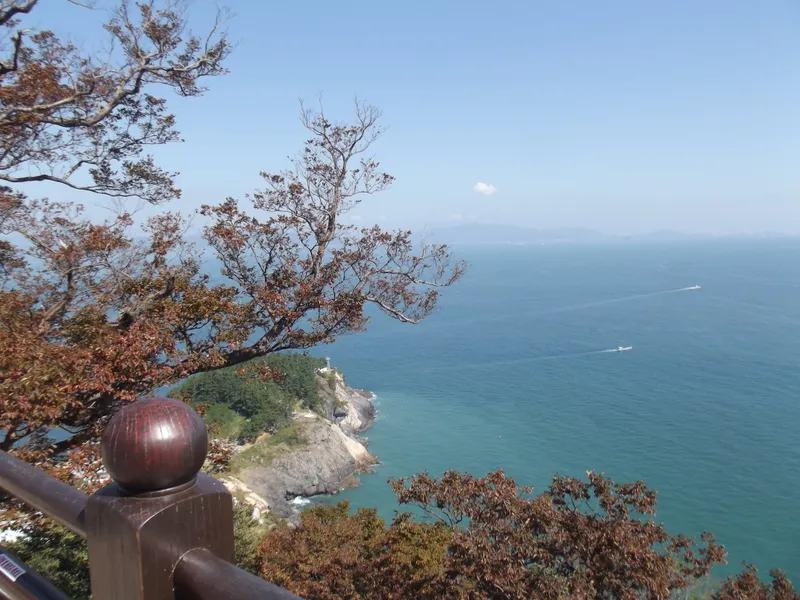
One of the country’s four sea-facing Avalokiteshvara prayer halls, named "facing the sun" for the sunrise seen from it.
 Temple
Haedong Yonggungsa
- Wish Fulfillment
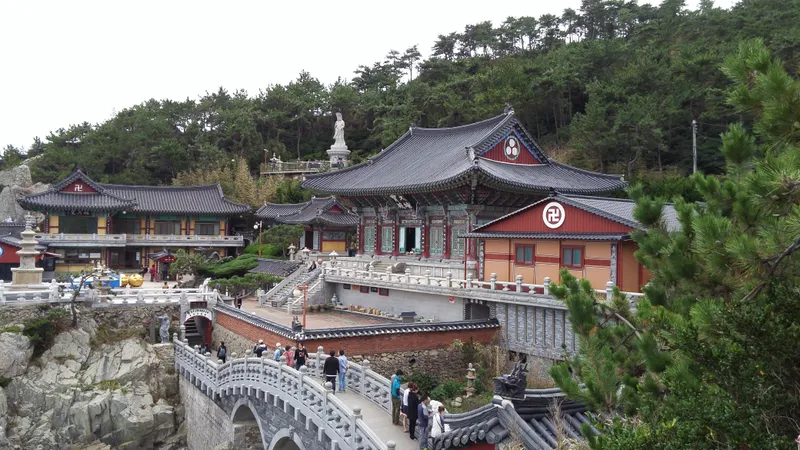
One of Korea’s three great Avalokitesvara sites, standing right on the sea.
 Temple
Gatbawi
- Exams & Study
- Wish Fulfillment
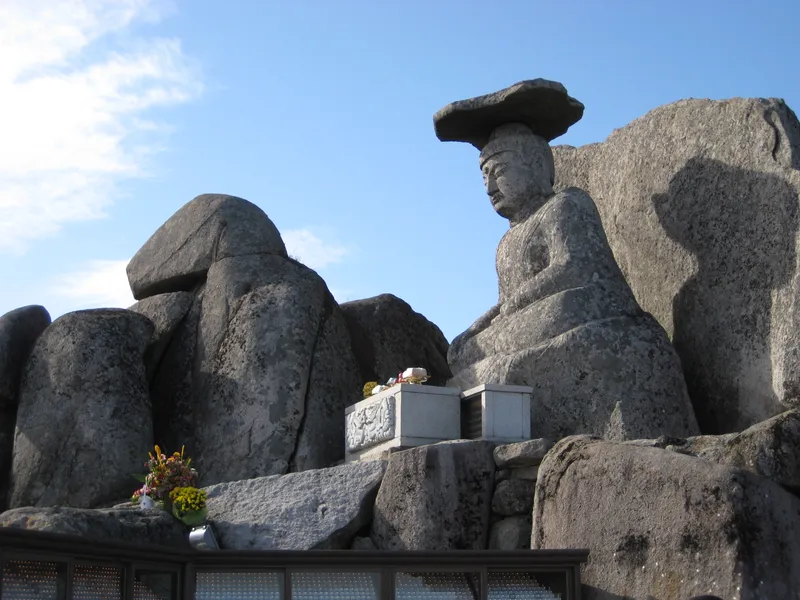
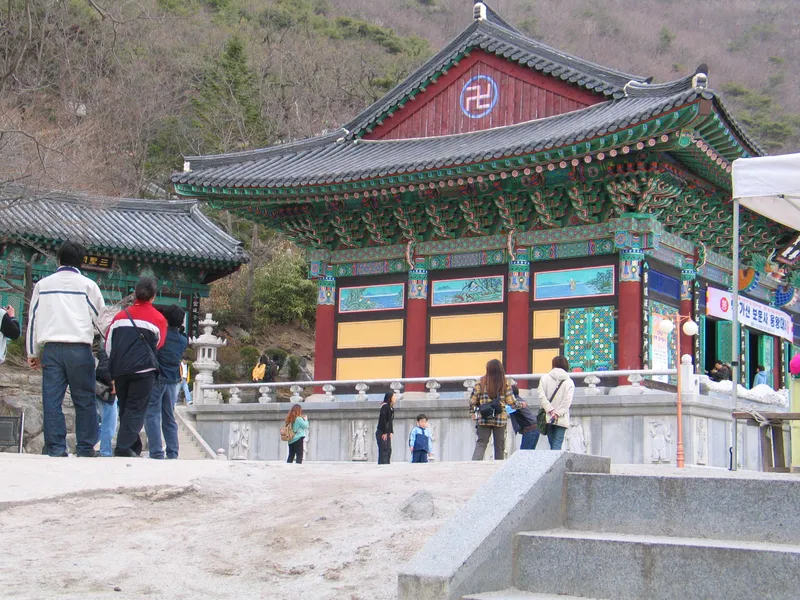
A Unified Silla stone Buddha seated on the summit of Gwanbong on Palgongsan, and the busiest prayer site in the country in the weeks before the university entrance exam.
 Temple
Bomunsa
- Wish Fulfillment
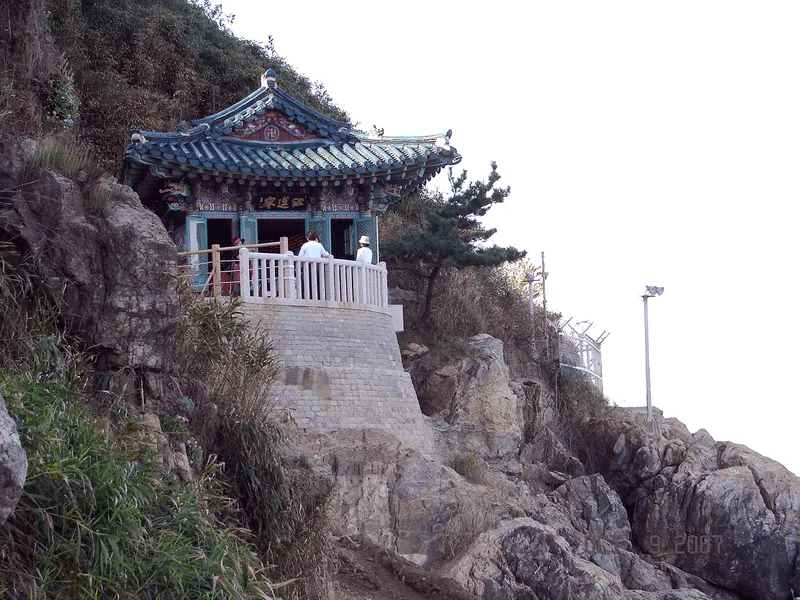
Counted with Boriam and Hongryeonam among Korea’s three great Avalokiteśvara sites, with a stone chamber holding figures said to have come up in a fisherman’s net.
 Temple
Hongryeonam
- Wish Fulfillment
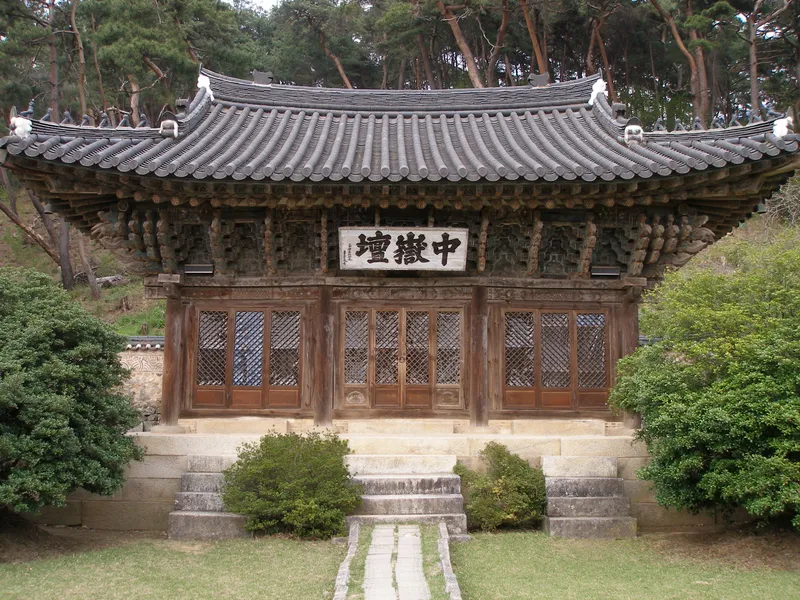
A hermitage built where Uisang is said to have met Avalokiteśvara, its hall raised so the sea can be seen moving beneath the floor.
 Temple
Jungakdan, Sinwonsa
- Wish Fulfillment
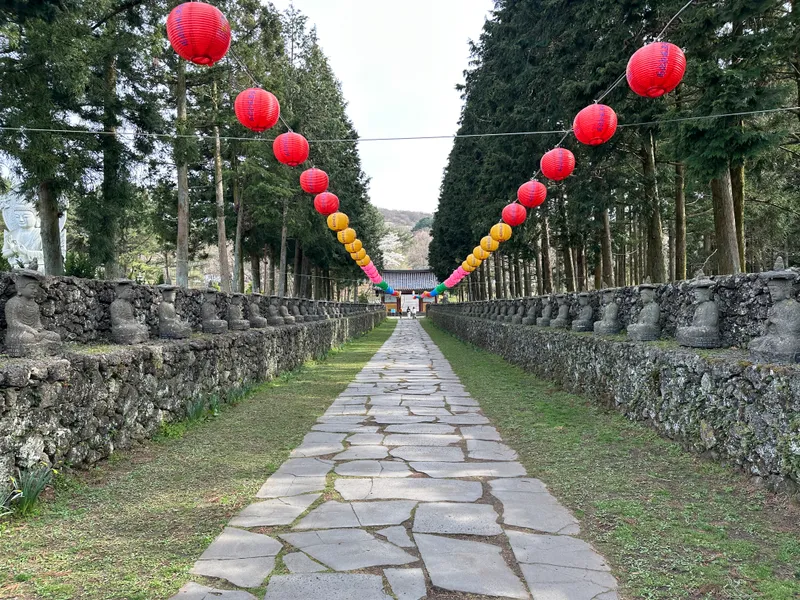
The only survivor of the three royal mountain-god altars of Joseon stands in the grounds of Sinwonsa on Gyeryongsan.
 Temple
Gwaneumsa, Hallasan
- Protection & Safety
The head temple of the Jogye Order’s 23rd district, on the slope of Hallasan, founded in the spring of 1909 by the nun Bongnyeogwan.
 Shrine
Miyajidake Shrine
- Wish Fulfillment
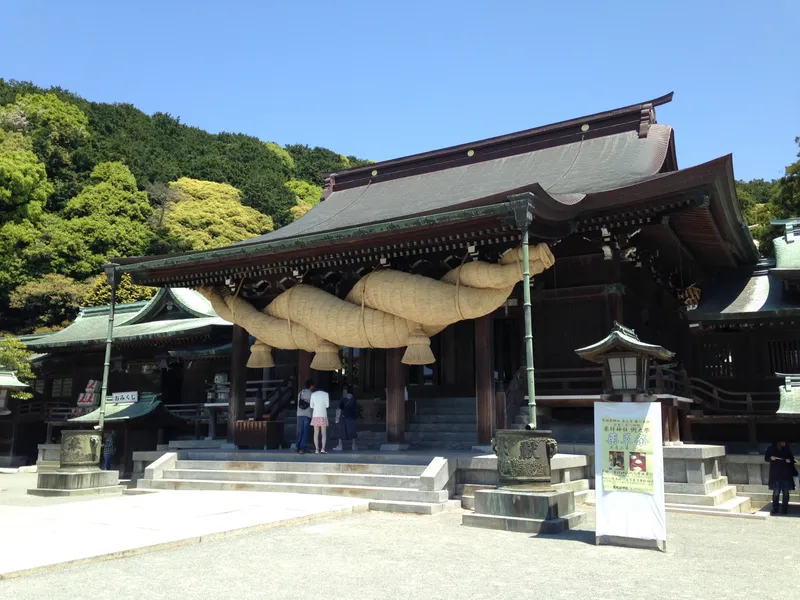
Empress Jingu is said to have prayed from this mountaintop before sailing — “grant me, I pray, an opening of fortune” — and the deity here is revered as one who grants any wish at all.
No places match your filters