Tapsa, Maisan
Researched and translated with AI assistance. Every claim is linked to its source, but errors get through, so check the official site for opening times, fees and closures.About
In short
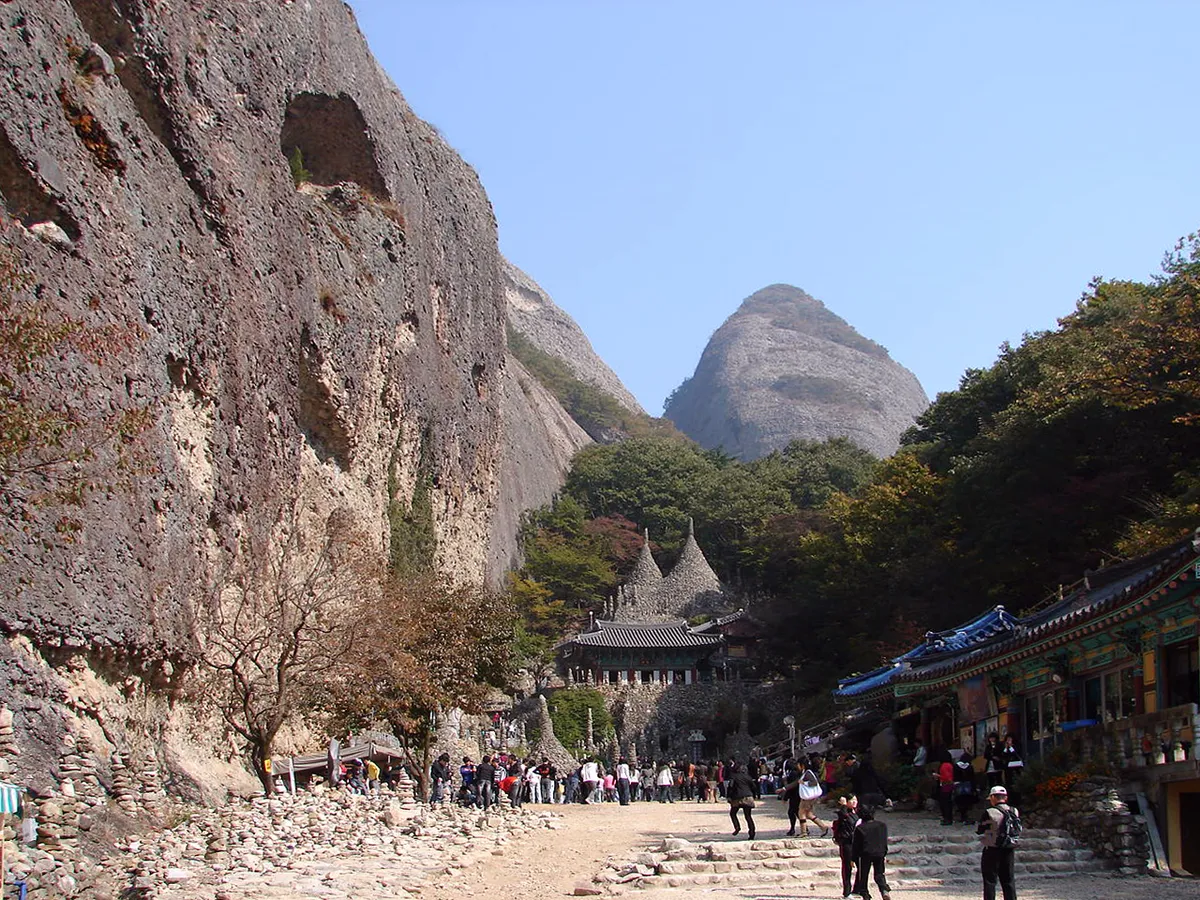
A temple among stone towers raised by one man over a lifetime, of which about eighty of the original hundred and eight still stand.
Quick facts
- Address
- Maisan, Jinan-eup, Jinan-gun, Jeollabuk-do
- Spiritual entities
- Yi Gap-ryong (李甲龍, 1860–1957)
About this place
Tapsa was founded by the lay ascetic Yi Gap-ryong (1860–1957). He built stone towers in order to atone for people’s sins and to save all beings, and is said to have made a hundred and eight of them in his lifetime; about eighty remain. The number comes from the hundred and eight afflictions. The towers were raised without mortar, stone laid on stone, and are known for standing firm through wind and rain.
Origin and history
Tapsa was founded by the lay ascetic Yi Gap-ryong. Born Yi Gyeong-ui and a descendant of Prince Hyoryeong of the Jeonju Yi clan, he lived from 1860 to 1957.
He sought to realise a Dragon-Flower world drawing on Confucianism, Buddhism and Daoism, and raised the stone towers in order to atone for people’s sins and to save all beings. He is said to have built a hundred and eight in his lifetime; about eighty remain. The number comes from the hundred and eight afflictions.
What it is locally associated with
A hundred and eight towers
The number Yi Gap-ryong raised over his lifetime, taken from the hundred and eight afflictions. About eighty remain.
documented historyTowers that do not fall
Built without mortar, stone laid on stone, and known for holding firm through wind and rain.
documented history
What this place is for was stated by the man who made it: to atone for people’s sins and to save all beings, with the tower count itself taken from the hundred and eight afflictions. It is uncommon on this site for the purpose of a place to survive in its founder’s own words rather than as a story handed down.
The towers are the thing to see. Raised without mortar, stone set on stone, they are known for holding firm through wind and rain.
Claims and evidence levels 4
- Tapsa was founded by the lay ascetic Yi Gap-ryong (1860–1957), born Yi Gyeong-ui, a descendant of Prince Hyoryeong of the Jeonju Yi clan. documented history
- He raised the stone towers in order to atone for people’s sins and to save all beings, seeking a Dragon-Flower world drawing on Confucianism, Buddhism and Daoism. documented history
- He is said to have built a hundred and eight towers, the number taken from the hundred and eight afflictions; about eighty remain. documented history
- The towers were raised without mortar and are noted for standing firm through wind and rain. documented history
Related guides
- How to visit a Korean templeHands together and hands folded, how the bows work, and what to do at the threshold of a hall. Starting with what is different from visiting a Japanese shrine.
- The small hall behind the main one — sansingak and samseonggakUphill from the main hall of a Korean temple stands a smaller one, and inside it an old man with a tiger. This is where the indigenous religion sits, inside the Buddhist institution.
- Musok and gut — Korea’s living folk religionWho the mudang are and what a gut is. And what to do if you walk in on one.
- Templestay — a night at a templeA programme that puts you inside a temple’s own timetable for a day or two. What you do, which type to book, and what to be ready for.
- Prayer sites and the one wishThe three great Gwaneum sites, the five relic halls, and the crowds before the entrance exam. Where the saying about one wish comes from, and where the record stops.
Sources
- 마이산 탑사(馬耳山 塔寺) — 한국민족문화대백과사전 — Academy of Korean Studies (accessed 2026-08-10)
Last updated:
Similar places
8 places
 Temple
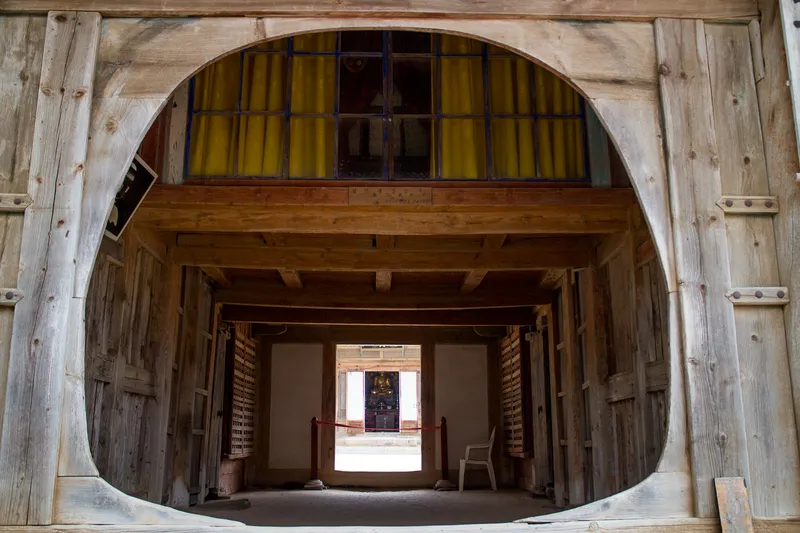
Haeinsa
- Protection & Safety
The temple holding the Tripitaka Koreana, cut out of a national wish to repel the Mongols, and the hall that has kept it.
 Temple
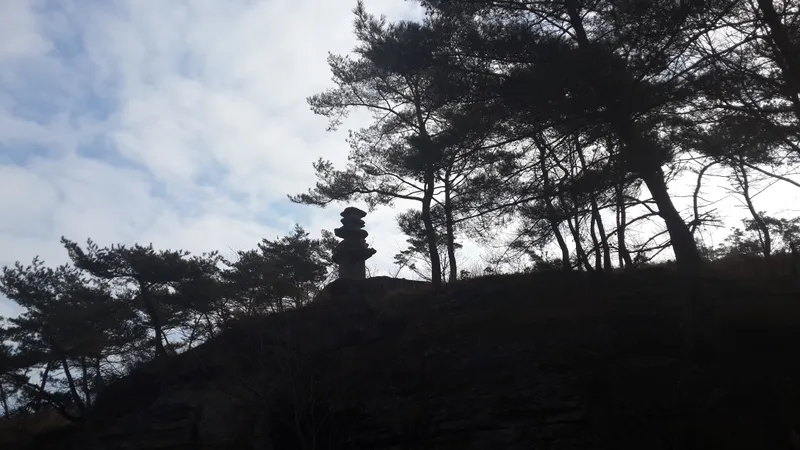
Unjusa
- Protection & Safety
The temple where Doseon is said to have raised a thousand buddhas and pagodas in a day and a night, to stop the country from listing.
 Temple
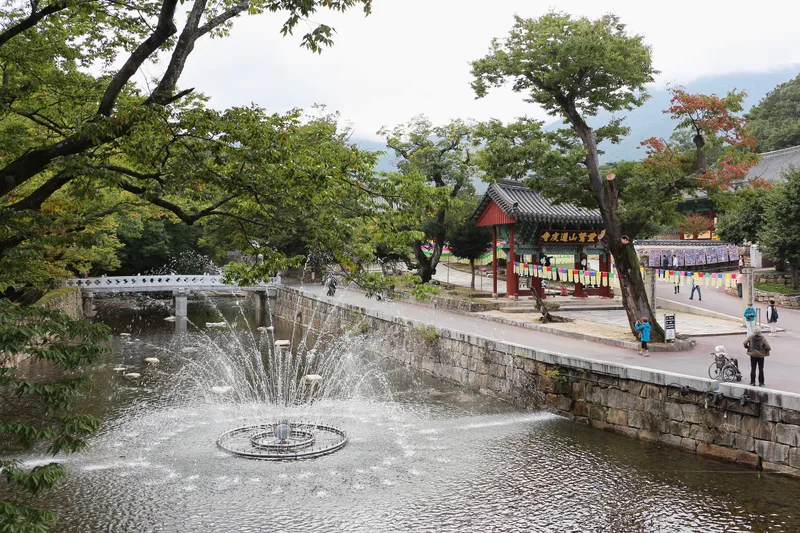
Tongdosa
- Protection & Safety
The first of the five relic sanctuaries, whose main hall enshrines no buddha because it faces the relics behind it.
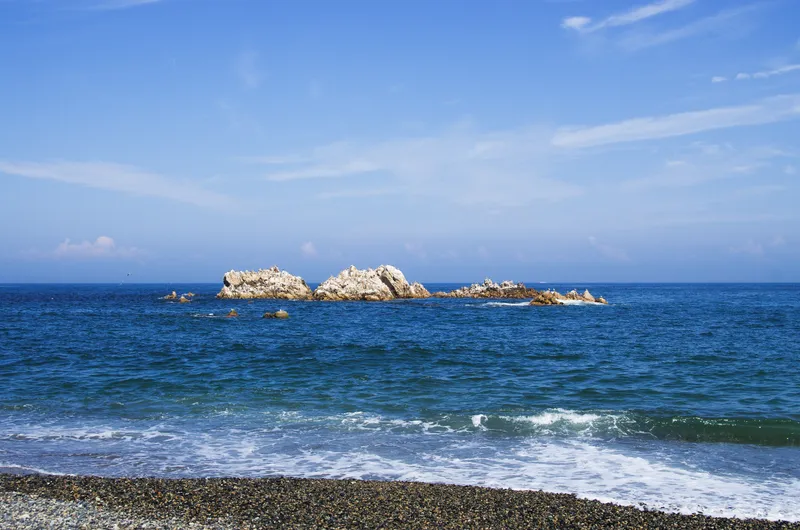 Historic Site
Tomb of King Munmu
- Protection & Safety
The tomb of King Munmu of Silla, set on a rock in the sea because he willed to become a dragon and guard the East Sea.
 Shrine
Nami Janggun Shrine
- Health & Healing
- Protection & Safety
A shrine raised to console the wronged spirit of a general beheaded at twenty-seven.
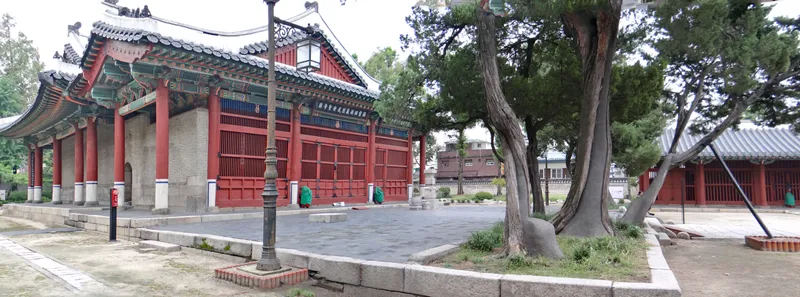 Shrine
Donggwanwangmyo
- Protection & Safety
A shrine to Guan Yu raised after the Imjin War, the only one of Seoul’s four such shrines still standing.
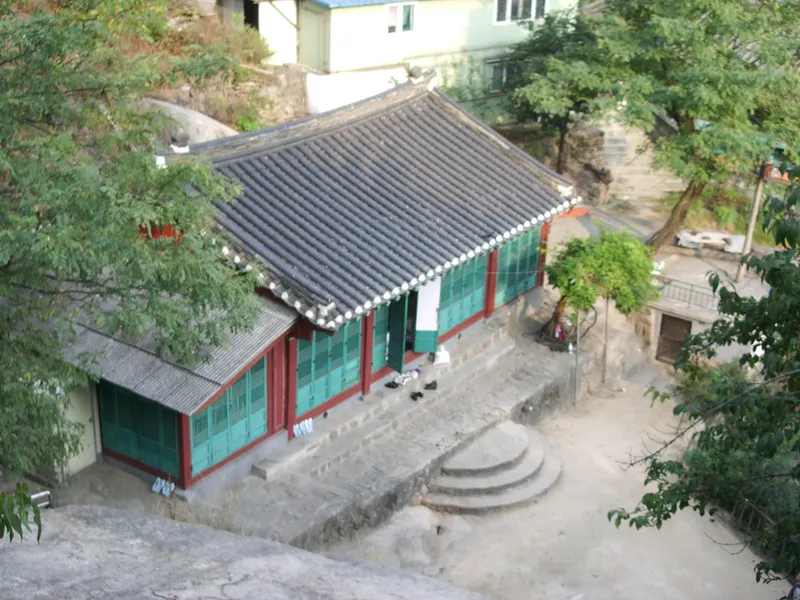 Shrine
Guksadang, Inwangsan
- Fertility & Children
- Health & Healing
- Protection & Safety
A shaman shrine moved from Namsan to the slope of Inwangsan in 1925 under Japanese pressure, where roughly a hundred gut rites are still held each year.
 Temple
Jeongamsa
- Protection & Safety
A relic sanctuary where Jajang is said to have enshrined the Buddha’s skull bone, a tooth and a hundred relics, with a National Treasure stupa on the slope behind.
No places match your filters