Chiljangsa, Chilhyeonsan
Researched and translated with AI assistance. Every claim is linked to its source, but errors get through, so check the official site for opening times, fees and closures.About
In short
The mountain and the temple are both named for seven robbers who became seven sages.
Quick facts
- Address
- 399-18 Chiljangsa-gil, Juksan-myeon, Anseong-si, Gyeonggi-do
About this place
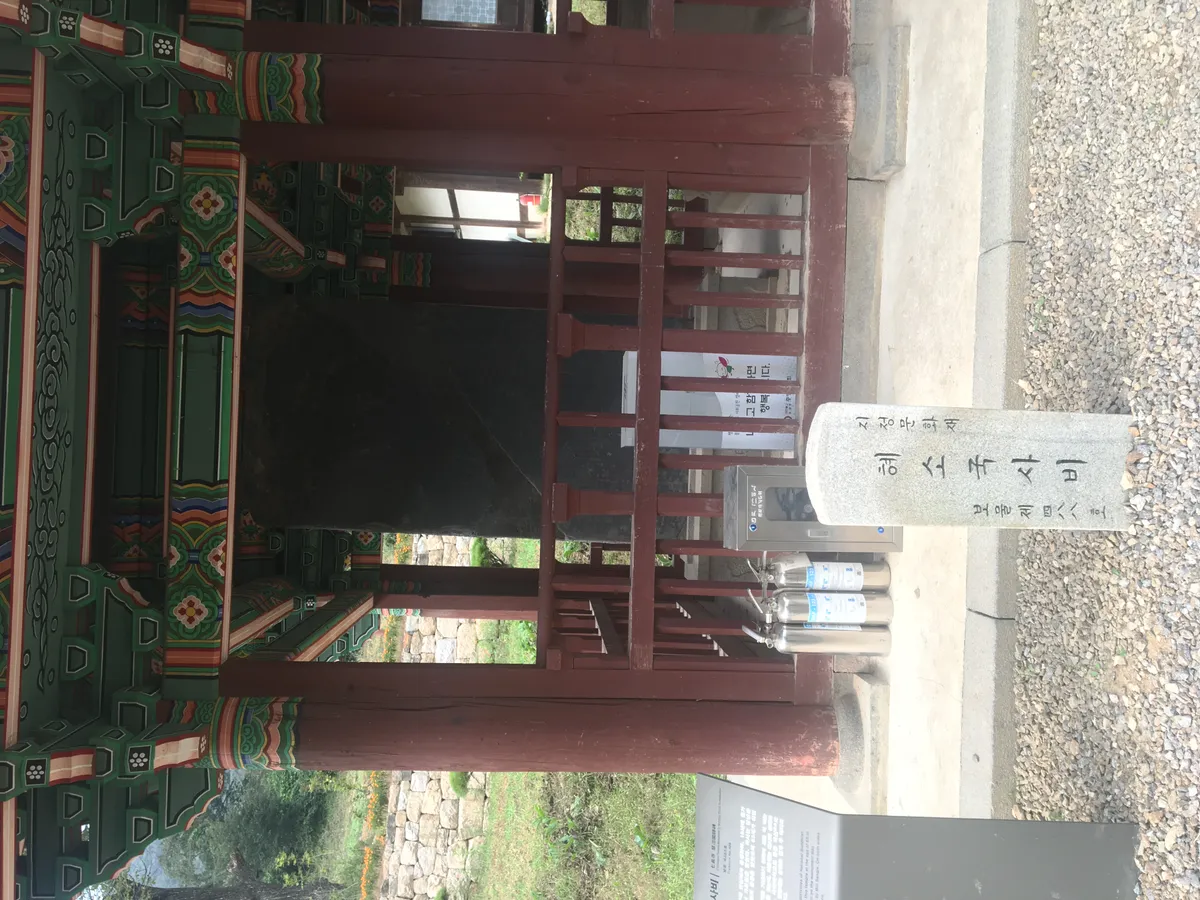
Chiljangsa stands on Chilhyeonsan in Juksan-myeon, Anseong-si, Gyeonggi-do. It is handed down that Jajang founded it in 636. It was rebuilt by royal command in 1014, under Goryeo, and thoroughly repaired in 1308. While the national master Hyeso was staying at Baengnyeonam here, it is said, he brought seven robbers to the teaching so that they became seven sages, and for this the mountain was named Chilhyeonsan, the mountain of the seven sages, and the temple Chiljangsa. It is also handed down that Bak Mun-su, an official of late Joseon, offered prayers in the temple’s Arhat Hall on his way to sit the state examination. The stele of the national master Hyeso stands at the temple.
Origin and history
It is handed down that Jajang founded Chiljangsa in 636. It was rebuilt by royal command in 1014, under Goryeo, and thoroughly repaired in 1308.
While the national master Hyeso was staying at Baengnyeonam here, it is said, he brought seven robbers to the teaching so that they became seven sages. For this the mountain was named Chilhyeonsan, the mountain of the seven sages, and the temple Chiljangsa.
It is also handed down that Bak Mun-su, an official of late Joseon, offered prayers in the temple’s Arhat Hall on his way to sit the state examination.
The stele of the national master Hyeso stands at the temple.
What it is locally associated with
Seven robbers into seven sages
The master Hyeso is said to have brought seven robbers to the teaching at Baengnyeonam, and for this the mountain was named Chilhyeonsan and the temple Chiljangsa.
folk traditionThe Arhat Hall on the way to the examination
Bak Mun-su is said to have offered prayers in the temple’s Arhat Hall on his way to sit the state examination.
folk traditionThe stele of Hyeso
The stele of the national master from whom the temple’s name came stands at the temple.
documented history
This temple’s name comes from the point at which people changed. While the national master Hyeso was staying at Baengnyeonam, it is said, he brought seven robbers to the teaching so that they became seven sages, and so the mountain became Chilhyeonsan and the temple Chiljangsa. What the name points at is not what they were but what they became.
The practice of coming here before an examination has a name attached to it. Bak Mun-su, an official of late Joseon, is said to have prayed in the Arhat Hall on his way to sit the state examination. It is one of the cases where a particular person, a particular hall and a particular thing being faced are all handed down together.
The temple’s record also runs through the Goryeo court. It was rebuilt by royal command in 1014 and thoroughly repaired in 1308. The stele of Hyeso, from whom the name came, still stands there.
Claims and evidence levels 2
- The mountain and temple are said to be named for seven robbers whom the master Hyeso brought to the teaching, so that they became seven sages. folk tradition
- The temple was rebuilt by royal command in 1014 and thoroughly repaired in 1308. documented history
Related guides
- How to visit a Korean templeHands together and hands folded, how the bows work, and what to do at the threshold of a hall. Starting with what is different from visiting a Japanese shrine.
- The small hall behind the main one — sansingak and samseonggakUphill from the main hall of a Korean temple stands a smaller one, and inside it an old man with a tiger. This is where the indigenous religion sits, inside the Buddhist institution.
- Templestay — a night at a templeA programme that puts you inside a temple’s own timetable for a day or two. What you do, which type to book, and what to be ready for.
- Prayer sites and the one wishThe three great Gwaneum sites, the five relic halls, and the crowds before the entrance exam. Where the saying about one wish comes from, and where the record stops.
Sources
- 칠장사(七長寺) — 한국민족문화대백과사전 (accessed 2026-08-16)
Last updated:
Similar places
8 places
 Historic Site
Mungyeong Saejae
- Exams & Study
The highest and hardest pass on the road from the southeast to the capital, with three gates strung along six and a half kilometres.
 Temple
Jogyesa
- Exams & Study
The head temple of the Jogye Order, in the middle of downtown Seoul, where a prayer for children ends the day before the national entrance exam each year.
 Temple
Gatbawi
- Exams & Study
- Wish Fulfillment
A Unified Silla stone Buddha seated on the summit of Gwanbong on Palgongsan, and the busiest prayer site in the country in the weeks before the university entrance exam.
 Temple
Silleuksa, Bongmisan
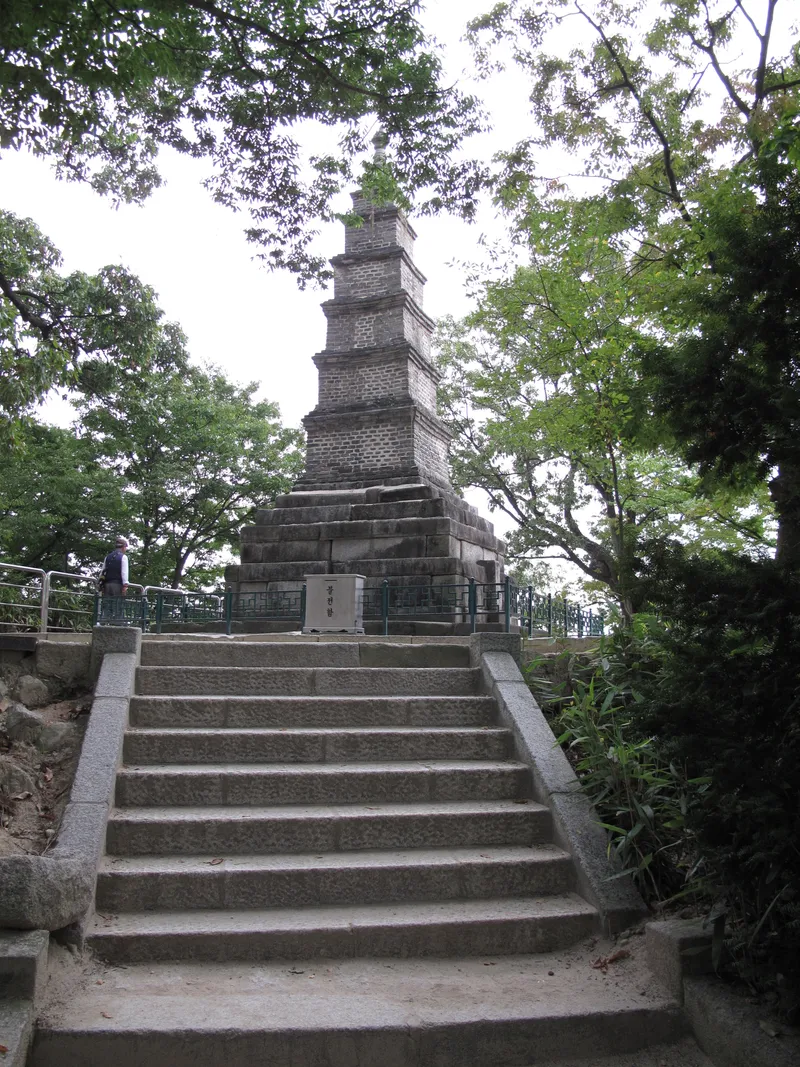
The temple where the only surviving Goryeo brick pagoda in Korea stands.
 Historic Site
Hyeonchungsa
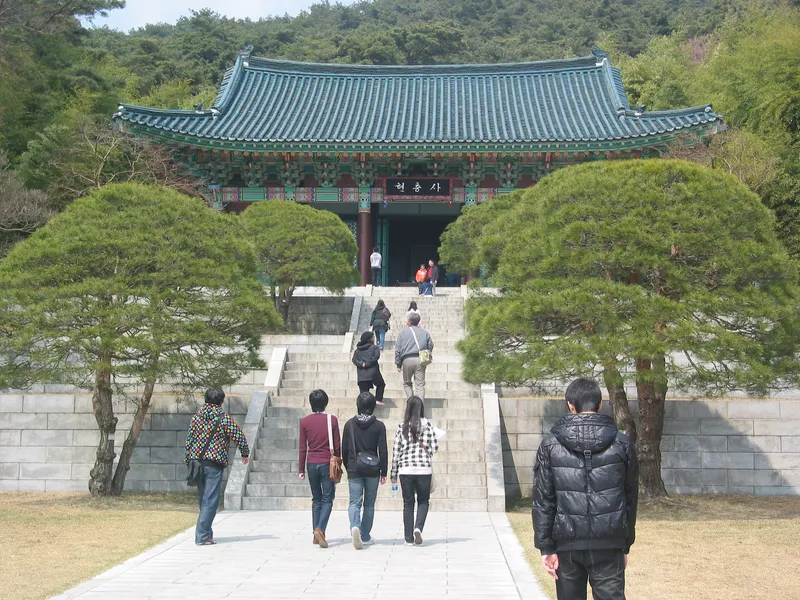
A shrine raised in 1706 to honour Admiral Yi Sun-sin, left to decay under colonial rule and rebuilt in 1932 by public subscription.
 Temple
Yongjusa
- Family & Home
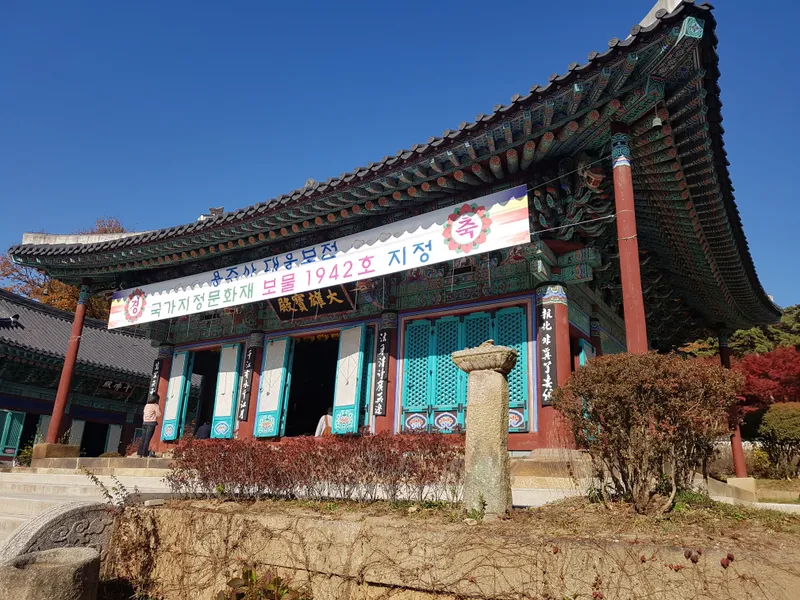
The temple King Jeongjo refounded beside his father’s grave, holding the woodblocks of the sutra on what children owe their parents.
 Temple
Yongmunsa, Yongmunsan
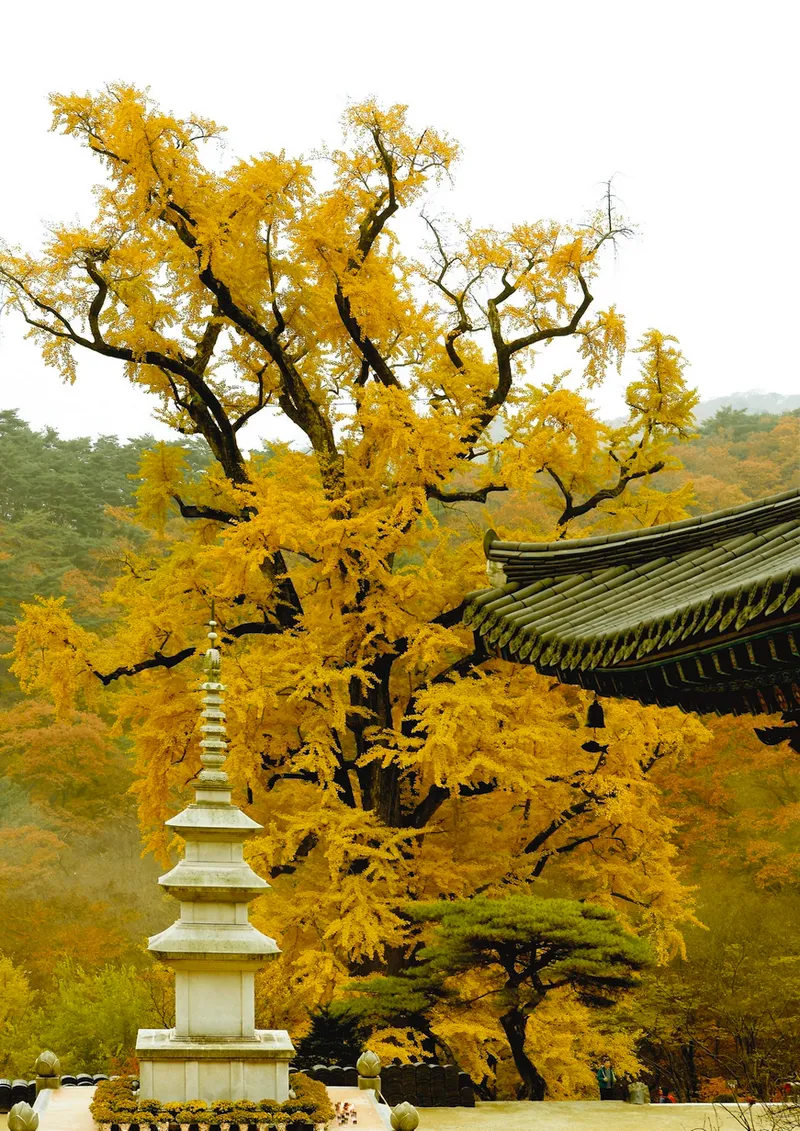
The temple whose courtyard ginkgo was granted an office by King Sejong of Joseon.
 Temple
Yeonjudae
A hermitage at the cliff edge on Gwanaksan, named for men who climbed here to look toward the fallen capital and weep.
No places match your filters