Beopjusa
Songnisan Beopjusa
Researched and translated with AI assistance. Every claim is linked to its source, but errors get through, so check the official site for opening times, fees and closures.About
In short
Founded in 553 and grown into the centre of Maitreya devotion, holding the only wooden pagoda in Korea.
Quick facts
- Address
- 405 Beopjusa-ro, Songnisan-myeon, Boeun-gun, Chungcheongbuk-do
About this place
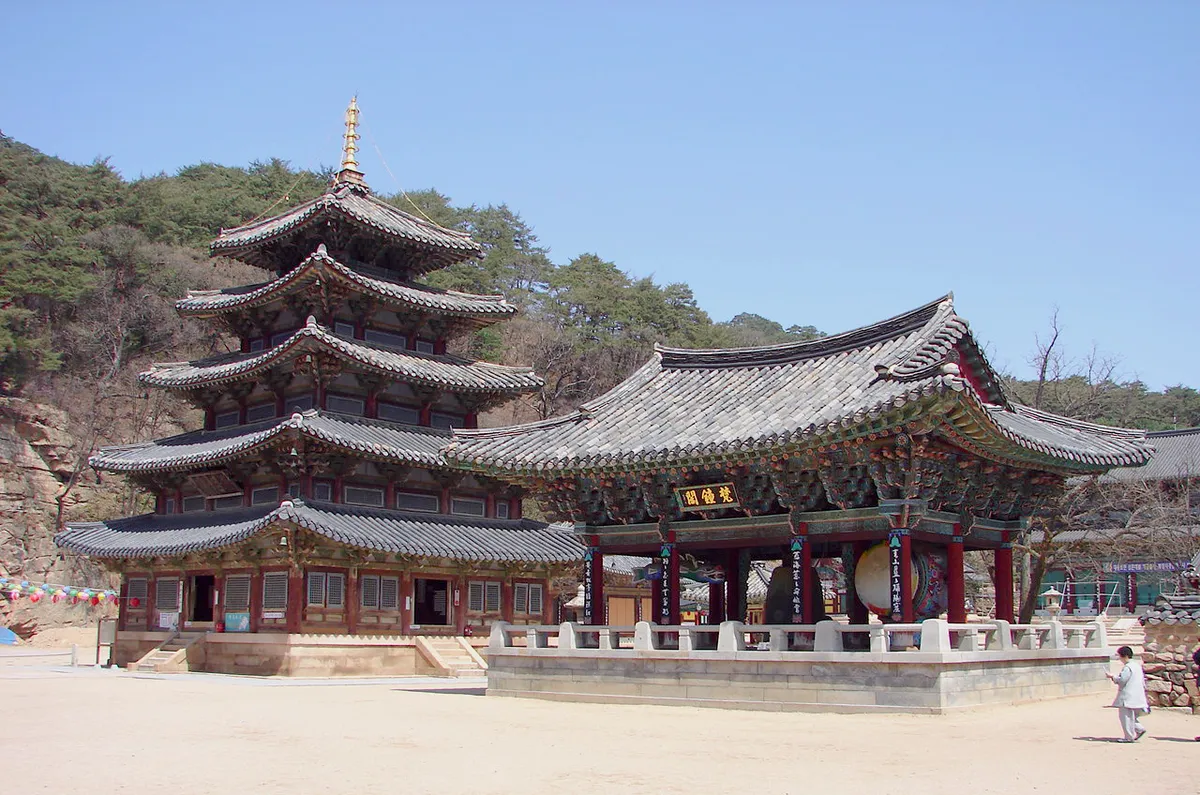
Beopjusa stands on Songnisan in Boeun, North Chungcheong, and is said to have been founded by Uisin in 553. It is the head temple of the fifth diocese of the Jogye Order and was inscribed on the UNESCO World Heritage list in 2018 as part of "Sansa, Buddhist Mountain Monasteries in Korea". Yeongsim, a disciple of Jinpyo, held the first divination assembly here, and through it the temple grew into the centre of Maitreya devotion. Its Palsangjeon, a National Treasure since 1962, is a five-storey wooden pagoda.
Origin and history
The Encyclopedia of Korean Culture records that Beopjusa is said to have been founded by Uisin in 553.
Yeongsim, a disciple of Jinpyo, held the first divination assembly here, and through it the temple developed into the central hall of Maitreya devotion.
Burned down entirely in the Imjin War, it was rebuilt from 1605 to 1626, when Yujeong reconstructed the Palsangjeon. Designated a National Treasure in 1962, the Palsangjeon is a five-storey wooden pagoda and an important source for the study of wooden pagodas in Korea. In June 2018 it was inscribed on the UNESCO World Heritage list as part of "Sansa, Buddhist Mountain Monasteries in Korea".
What it is locally associated with
The centre of Maitreya devotion
It became so when Yeongsim, a disciple of Jinpyo, held the first divination assembly here.
documented historyThe Palsangjeon
A five-storey wooden pagoda and a key source for the study of wooden pagodas in Korea. A National Treasure since 1962.
documented historyRebuilt after the Imjin War
Burned down entirely, it was rebuilt from 1605 to 1626, when Yujeong reconstructed the Palsangjeon.
documented history
What was believed here is on the record. After Yeongsim held his divination assembly, this became the central hall of Maitreya devotion. Maitreya is the buddha said to come in a distant future, and that devotion faces the world to come rather than the blessings of this one.
This site files the place under "other" not for want of evidence but for the opposite reason: the devotion is plainly recorded and simply does not translate into any petition this site carries. Chamseongdan on Ganghwa and the Taebaeksan altar sit in the same place for the same reason.
Claims and evidence levels 4
- Beopjusa is said to have been founded by Uisin in 553 and is the head temple of the fifth diocese of the Jogye Order. documented history
- Yeongsim, a disciple of Jinpyo, held the first divination assembly here, through which the temple developed into the central hall of Maitreya devotion. documented history
- The Palsangjeon, designated a National Treasure in 1962, is a five-storey wooden pagoda and an important source for the study of wooden pagodas in Korea. documented history
- Burned down in the Imjin War, the temple was rebuilt between 1605 and 1626, when Yujeong reconstructed the Palsangjeon; it was inscribed on the UNESCO World Heritage list in June 2018. documented history
Related guides
- How to visit a Korean templeHands together and hands folded, how the bows work, and what to do at the threshold of a hall. Starting with what is different from visiting a Japanese shrine.
- The small hall behind the main one — sansingak and samseonggakUphill from the main hall of a Korean temple stands a smaller one, and inside it an old man with a tiger. This is where the indigenous religion sits, inside the Buddhist institution.
- Templestay — a night at a templeA programme that puts you inside a temple’s own timetable for a day or two. What you do, which type to book, and what to be ready for.
- Prayer sites and the one wishThe three great Gwaneum sites, the five relic halls, and the crowds before the entrance exam. Where the saying about one wish comes from, and where the record stops.
Sources
- 속리산 법주사(俗離山 法住寺) — 한국민족문화대백과사전 — Academy of Korean Studies (accessed 2026-08-12)
- 태백산 천제단 — 국가유산포털 — Korea Heritage Service (accessed 2026-08-12)
Last updated:
Similar places
8 places
 Sacred Mountain
Taebaeksan Cheonjedan
- Miscellaneous
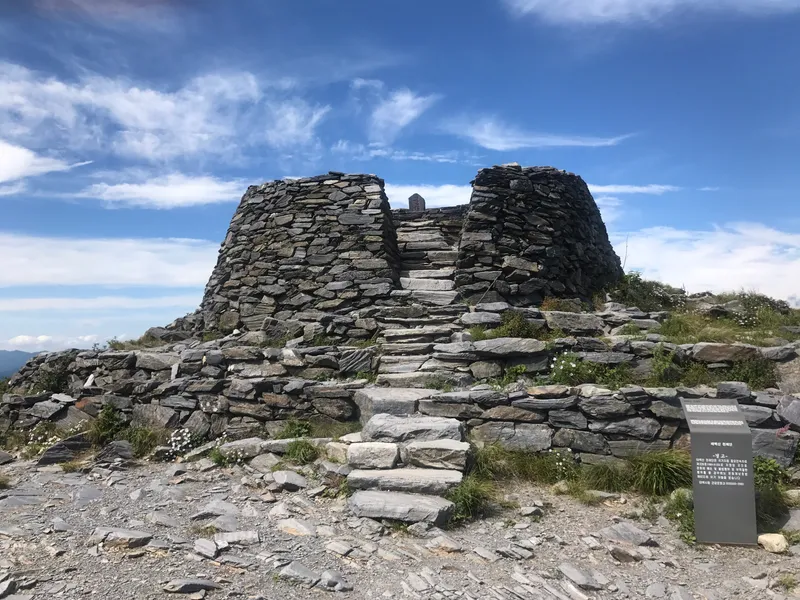
A stone altar for heaven rites on the summit, where a rite is offered each National Foundation Day and where the state has sacrificed since Silla.
 Historic Site
Chamseongdan, Manisan
- Miscellaneous
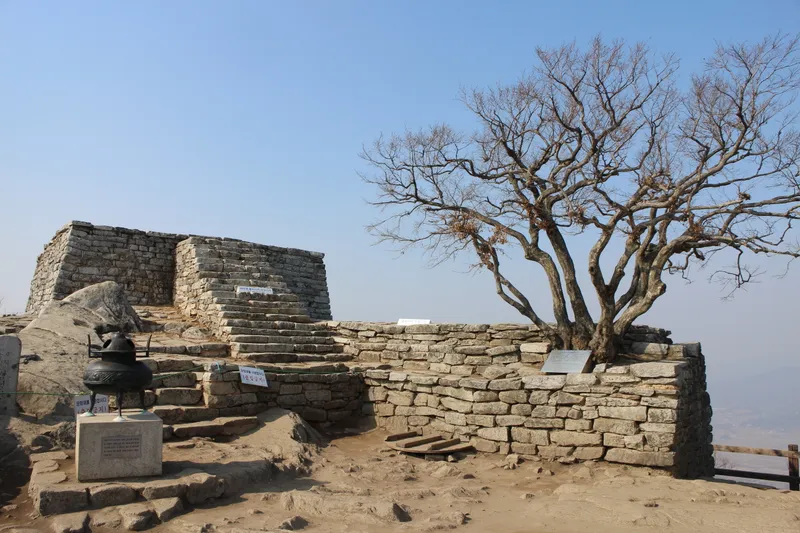
A stone altar said to have been raised by Dangun for rites to heaven, used for state sacrifices under Goryeo and Joseon, and the site of a rite held every National Foundation Day.
 Historic Site
Mungyeong Saejae
- Exams & Study
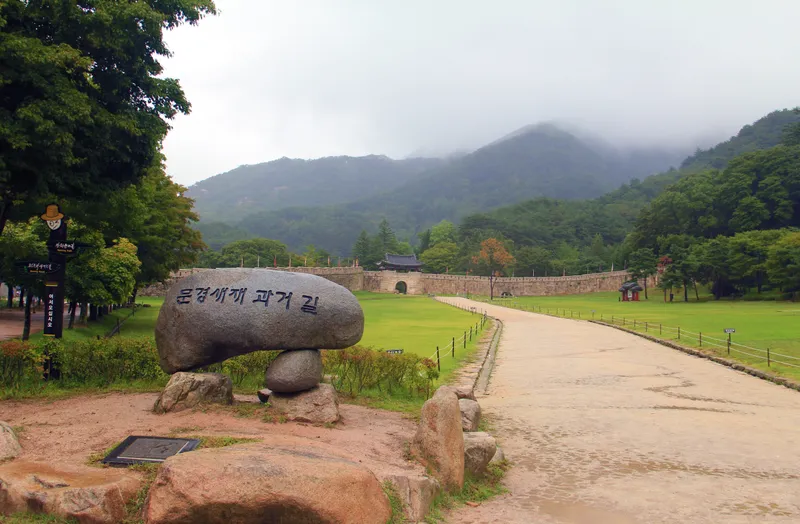
The highest and hardest pass on the road from the southeast to the capital, with three gates strung along six and a half kilometres.
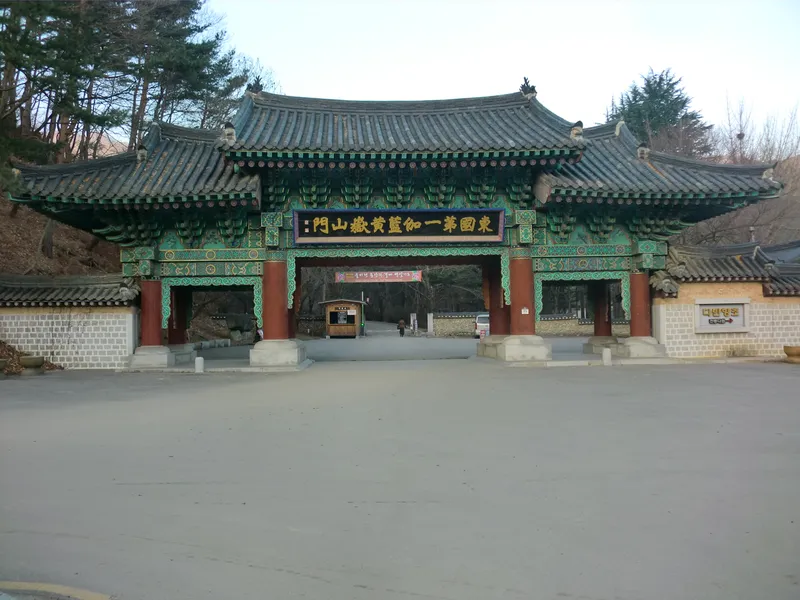 Temple
Jikjisa, Hwangaksan
Named because Ado, standing at another temple, pointed his finger at this mountain.
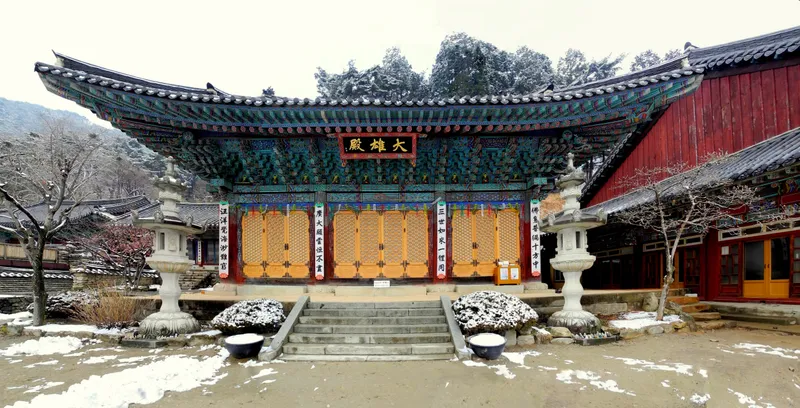 Temple
Donghaksa, Gyeryongsan
Where rites were held to summon the spirits of the six martyred ministers and of King Danjong, and where one of Korea’s foremost seminaries for nuns stands.
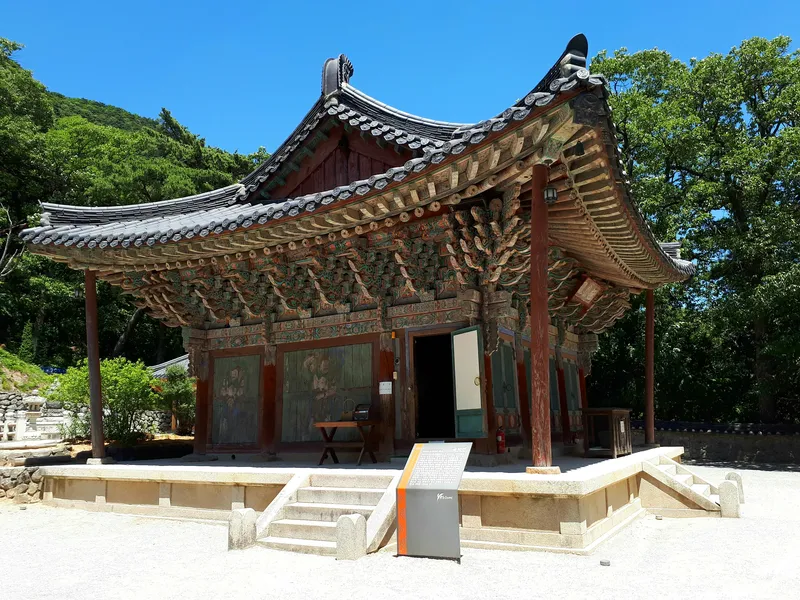 Temple
Dorisa, Naengsan
Founded, the account says, because flowers were in full bloom here in winter — and handed down as the first temple in Silla.
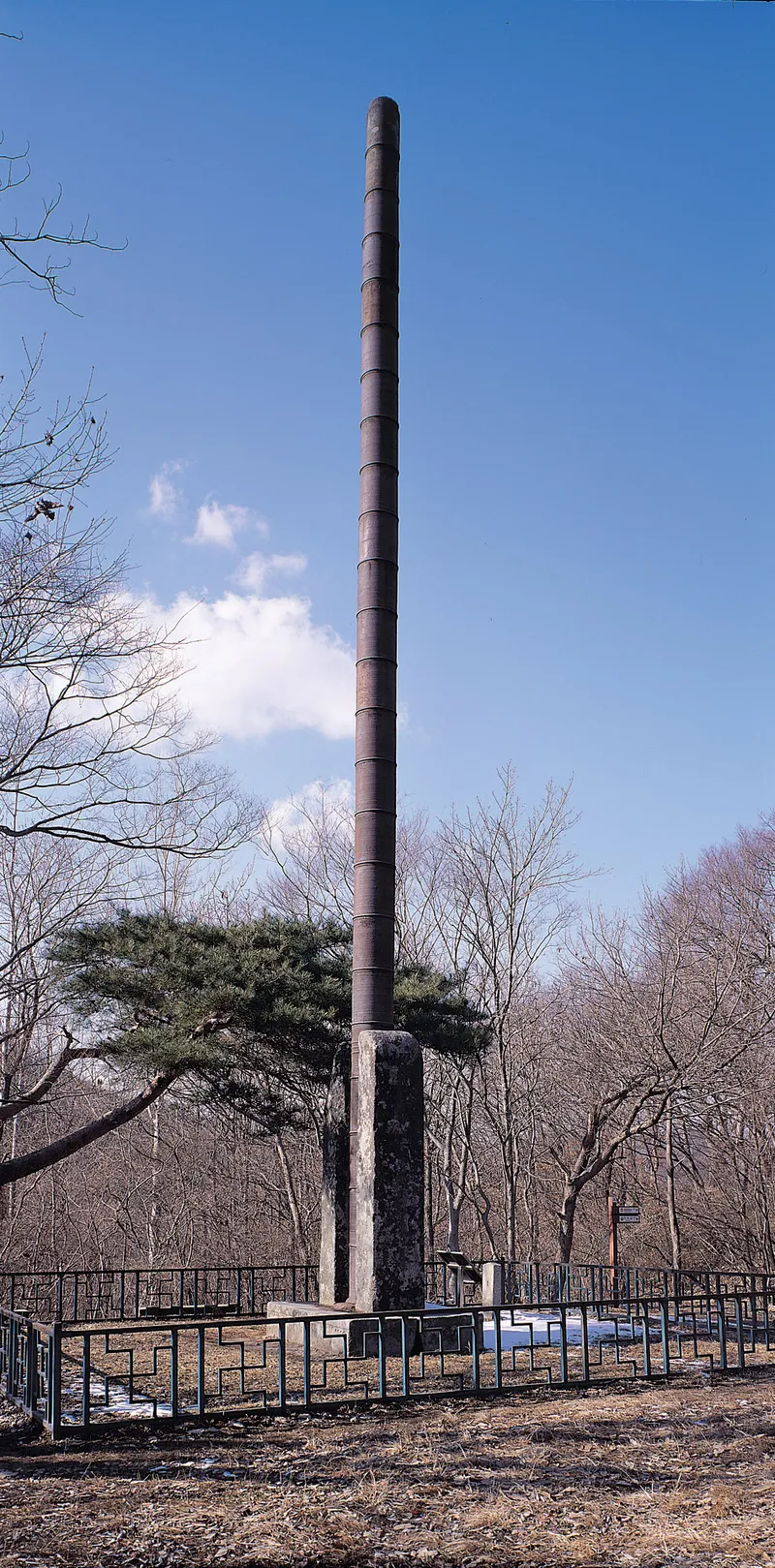 Temple
Gapsa, Gyeryongsan
A Three Kingdoms temple with three separate accounts of its founding, and where Yeonggyu took ordination.
 Natural Site
Hahoe Samsindang Tree
- Family & Home
A zelkova over six hundred years old at the centre of Hahoe village, the shrine of Samsin, the deity who grants children.
No places match your filters