Hyeonchungsa
Asan Yi Sun-sin Historic Site
Researched and translated with AI assistance. Every claim is linked to its source, but errors get through, so check the official site for opening times, fees and closures.About
In short
A shrine raised in 1706 to honour Admiral Yi Sun-sin, left to decay under colonial rule and rebuilt in 1932 by public subscription.
Quick facts
- Address
- 48 Hyeonchungsa-gil, Yeomchi-eup, Asan-si, Chungcheongnam-do
About this place
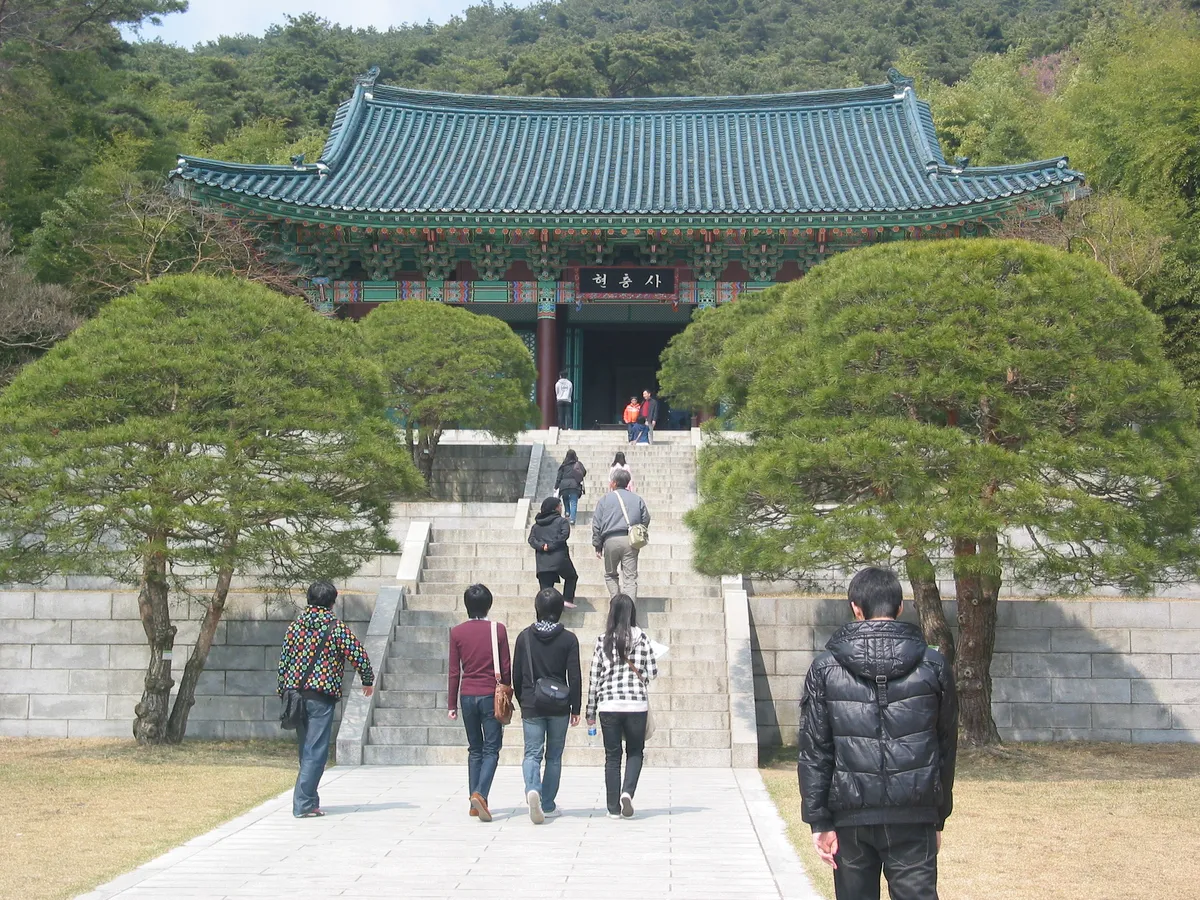
Hyeonchungsa is in Yeomchi, Asan, South Chungcheong, a shrine built to honour Admiral Yi Sun-sin. It was founded in 1706 and given the name Hyeonchungsa by royal decree the following year. It fell into decay when Japan’s seizure of sovereignty left it uncared for, and in 1932 a preservation society and the Dong-A Ilbo newspaper raised subscriptions and rebuilt it. After liberation, the state completed a project to consecrate the grounds in 1967.
Origin and history
The Encyclopedia of Korean Culture describes Hyeonchungsa as a shrine in Yeomchi, Asan, built to honour Admiral Yi Sun-sin. It was founded in 1706 and given the name by royal decree the following year.
It later fell into decay, having been left uncared for after Japan’s seizure of sovereignty, and in 1932 the Yi Sun-sin Historic Site Preservation Society and the Dong-A Ilbo raised subscriptions and rebuilt it.
After liberation, the state completed a project to consecrate the grounds in 1967.
What it is locally associated with
Founded and named, 1706
Founded in 1706 and given the name Hyeonchungsa by royal decree the following year.
documented historyRebuilt in 1932
Left uncared for after Japan’s seizure of sovereignty and decaying, it was rebuilt by a preservation society and the Dong-A Ilbo through public subscription.
documented historyConsecrated in 1967
After liberation, the state completed a project to consecrate the grounds.
documented history
This is not a place to ask for something but a place to honour someone, and the state record treats it that way: when it was built, how it was named, how it fell and was raised again. That is why this page carries no petition.
The story that remains is on the 1932 side. Under an occupation, with the shrine left uncared for and decaying, a preservation society and a newspaper raised money from the public and rebuilt it. The record does not explain why that shrine at that moment, and given who it honours it does not need to.
Claims and evidence levels 3
- Hyeonchungsa is a shrine in Asan built to honour Admiral Yi Sun-sin; it was founded in 1706 and given its name by royal decree the following year. documented history
- It fell into decay after Japan’s seizure of sovereignty left it uncared for, and in 1932 the Yi Sun-sin Historic Site Preservation Society and the Dong-A Ilbo raised subscriptions and rebuilt it. documented history
- After liberation, the state completed a project to consecrate the grounds in 1967. documented history
Sources
- 현충사(顯忠祠) — 한국민족문화대백과사전 — Academy of Korean Studies (accessed 2026-08-12)
- 태백산 천제단 — 국가유산포털 — Korea Heritage Service (accessed 2026-08-12)
Last updated:
Similar places
8 places
 Temple
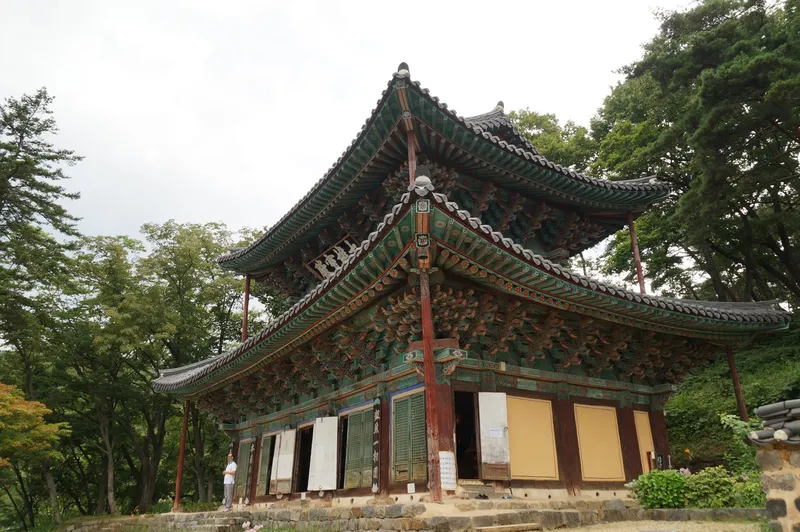
Magoksa
A thousand-year-old temple on Taehwasan said to have been founded by Jajang, where two main halls stand one behind the other up the slope.
 Temple
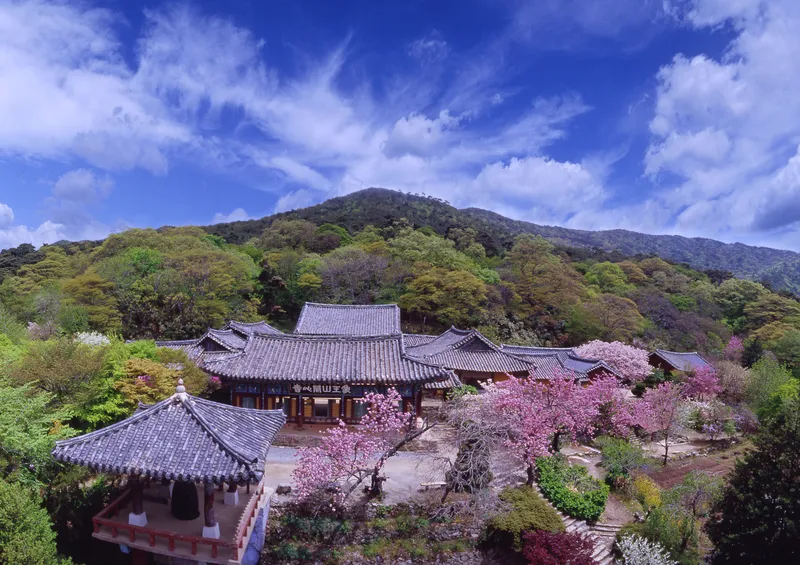
Gaesimsa, Sangwangsan
A temple whose founding record holds two incompatible dates inside a single sentence, so that its year cannot be established.
 Temple
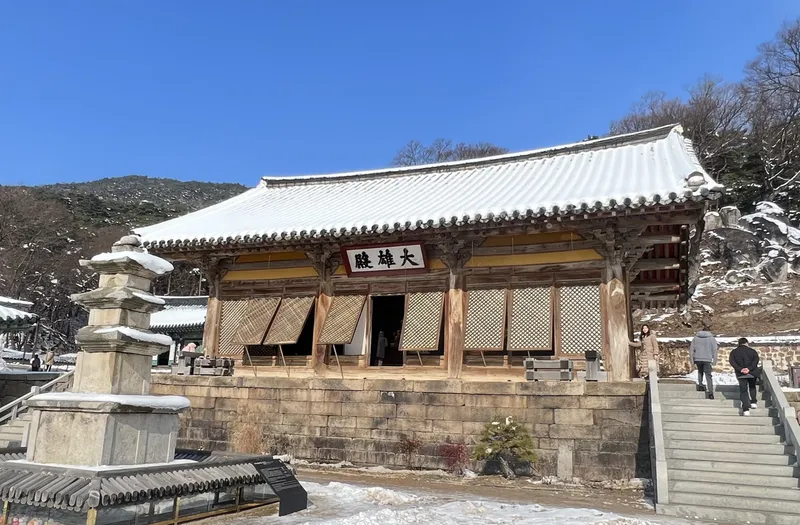
Sudeoksa, Deoksungsan
A temple whose main hall is one of the oldest buildings in Korea whose date of construction is certainly known.
 Temple
Chiljangsa, Chilhyeonsan
- Exams & Study
The mountain and the temple are both named for seven robbers who became seven sages.
 Temple
Yongjusa
- Family & Home
The temple King Jeongjo refounded beside his father’s grave, holding the woodblocks of the sutra on what children owe their parents.
 Temple
Gapsa, Gyeryongsan
A Three Kingdoms temple with three separate accounts of its founding, and where Yeonggyu took ordination.
 Temple
Donghaksa, Gyeryongsan
Where rites were held to summon the spirits of the six martyred ministers and of King Danjong, and where one of Korea’s foremost seminaries for nuns stands.
 Temple
Jungakdan, Sinwonsa
- Wish Fulfillment
The only survivor of the three royal mountain-god altars of Joseon stands in the grounds of Sinwonsa on Gyeryongsan.
No places match your filters