Seoul
Seoul holds the head temple of the Jogye Order in the middle of the city, a musok shrine on the rocky slope of Inwangsan, and a Guan Yu shrine in Jongno founded after the Imjin War. Three traditions — Buddhist, shamanic and the Guandi cult — have each kept their own ground inside one city.
AI-assisted research. Check official sources before you travel.About
11 placesOpen in the full map
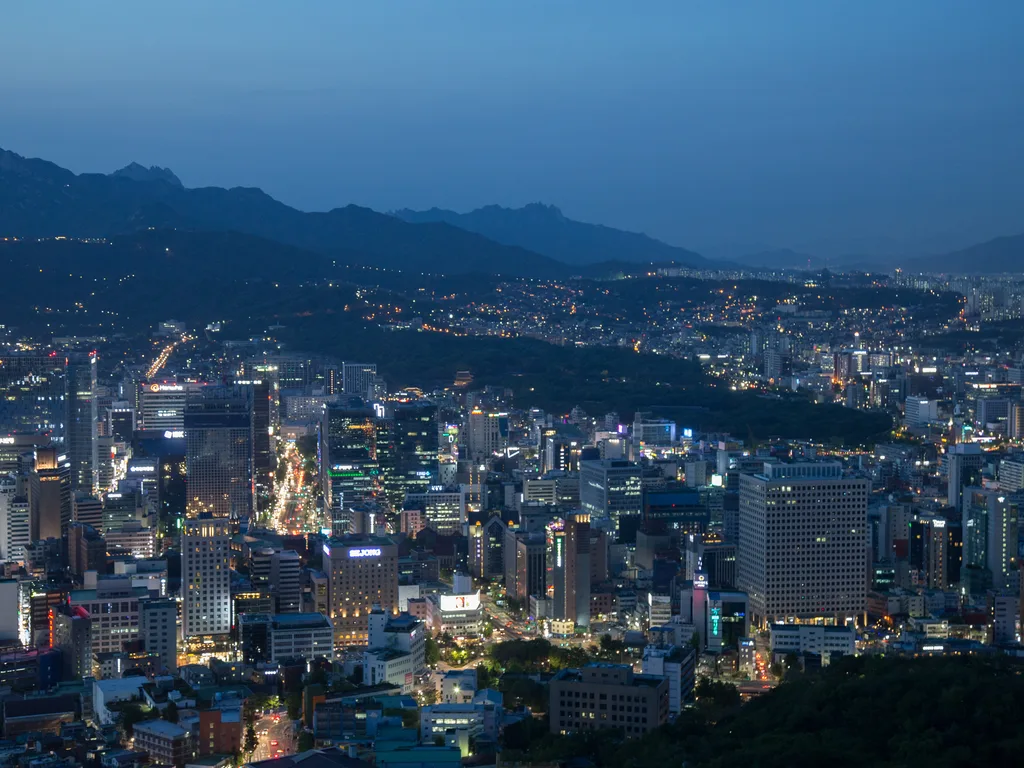
Places in this collection
 Temple
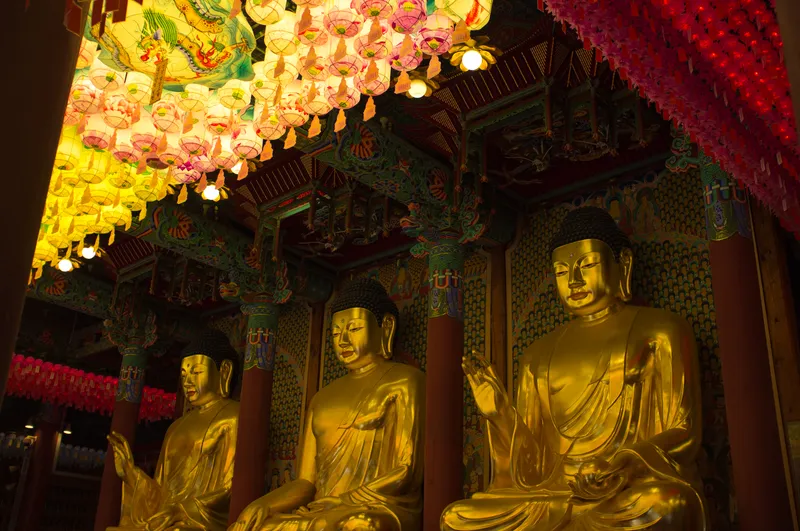
Jogyesa
- Exams & Study
The head temple of the Jogye Order, in the middle of downtown Seoul, where a prayer for children ends the day before the national entrance exam each year.
 Temple
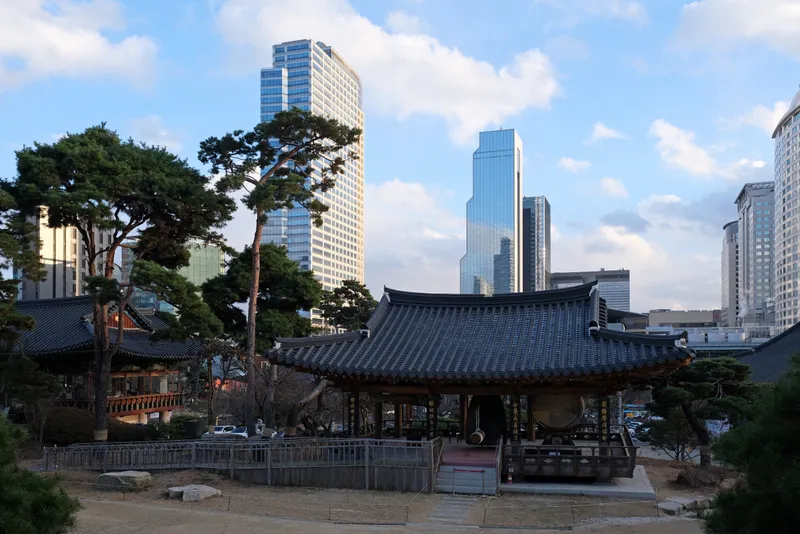
Bongeunsa
- Family & Home
Founded by a widow to pray for her dead husband’s repose, and later made head temple of the Seon school.
 Temple
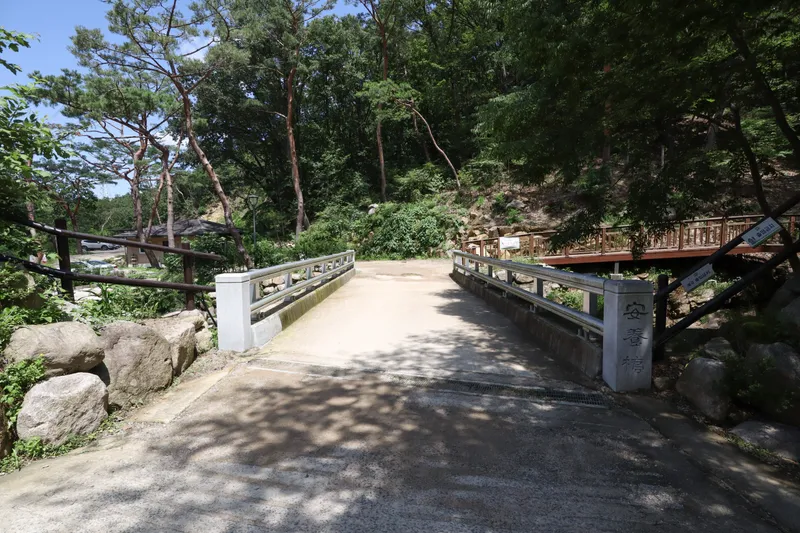
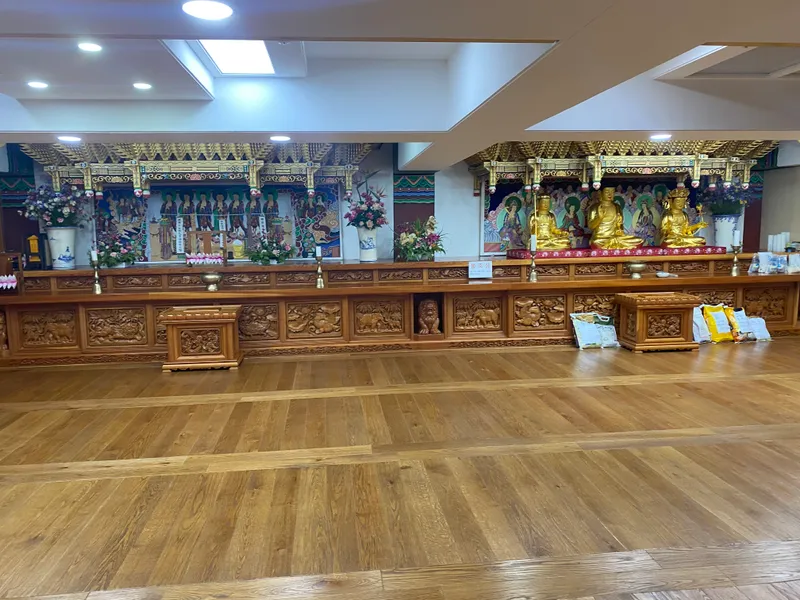
Jingwansa, Bukhansan
The temple where a Korean flag was found inside a wall.
 Temple
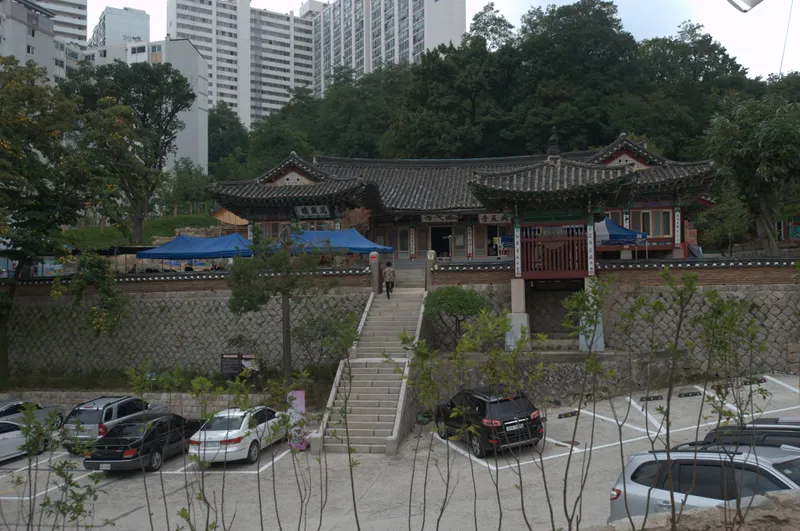
Bongwonsa, Ansan
The temple where the leaders of the 1884 coup learned the reformist thought behind it.
 Temple
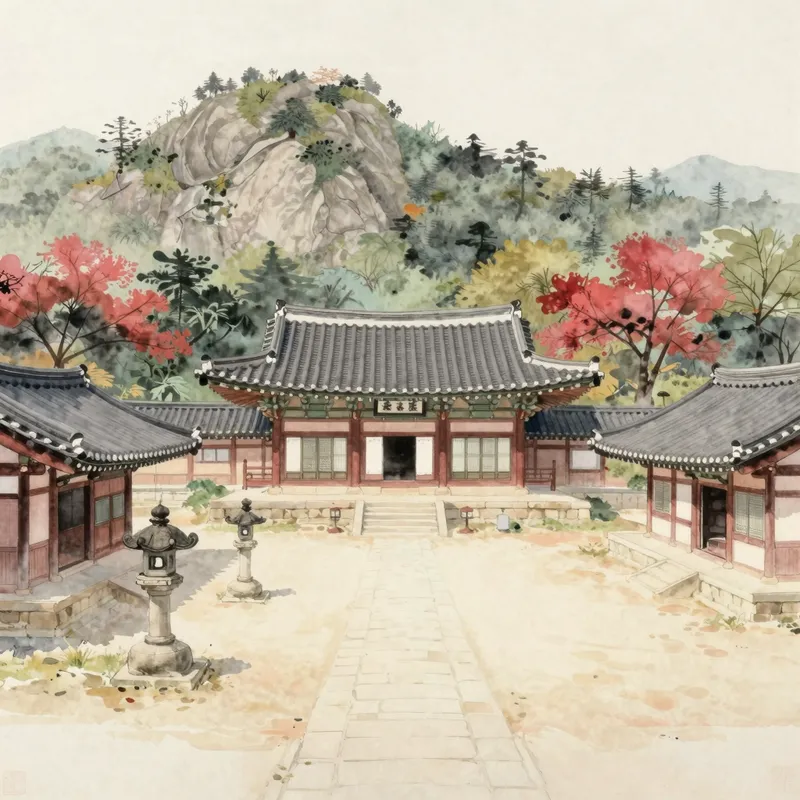
Heungcheonsa, Samgaksan
A temple of more than a hundred and seventy kan, raised beside a queen’s tomb by the king who had lost her.
 Temple
Hwagyesa, Samgaksan
A temple paid for by two men holding the same title, two hundred and fifty years apart.
 Temple
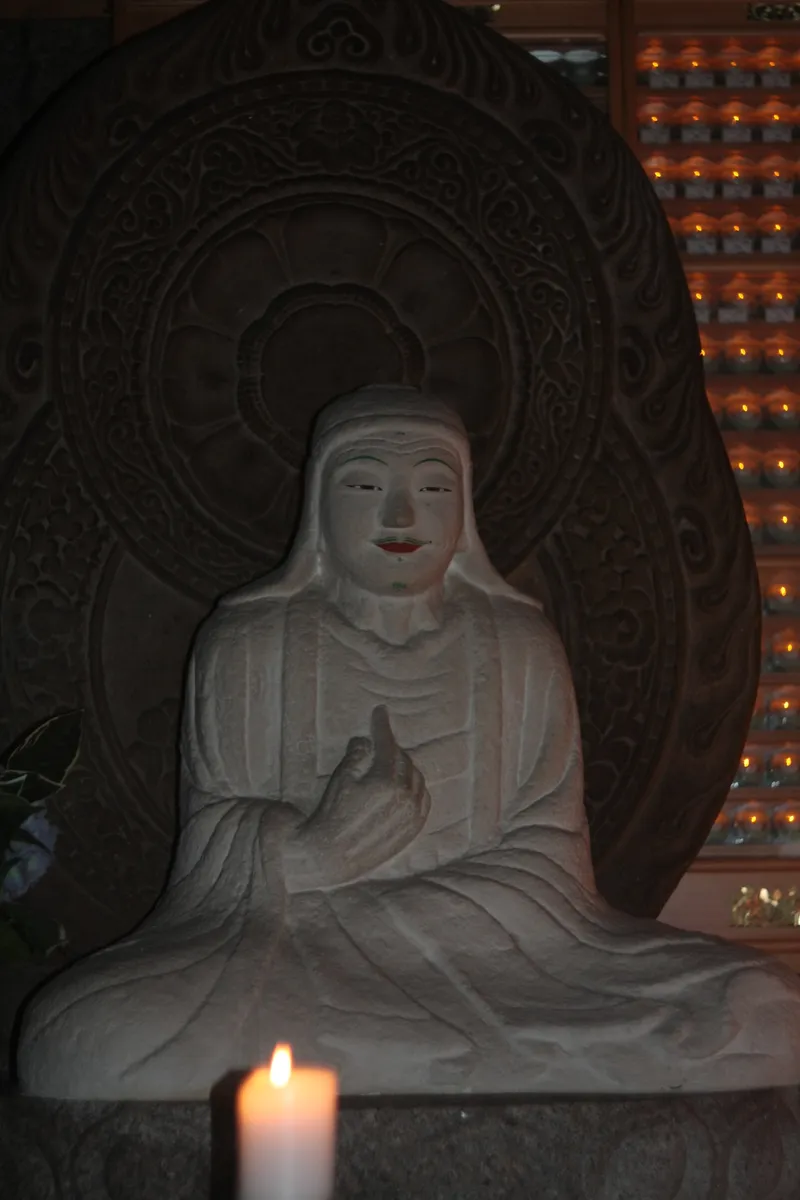
Seunggasa, Bukhansan
A temple holding a stone portrait of an Indian monk who went to Tang China.
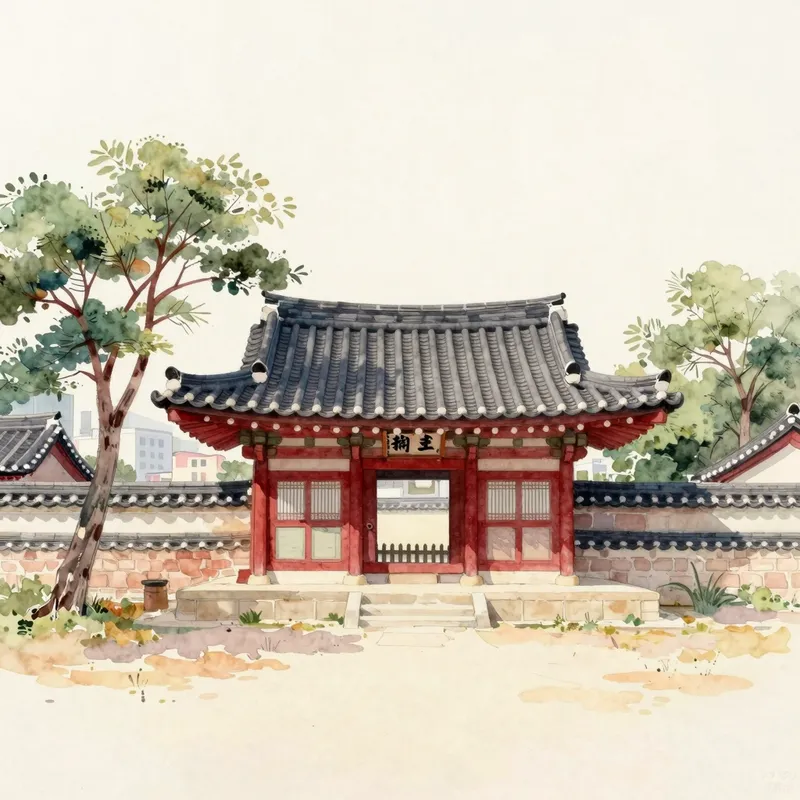 Shrine
Nami Janggun Shrine
- Health & Healing
- Protection & Safety
A shrine raised to console the wronged spirit of a general beheaded at twenty-seven.
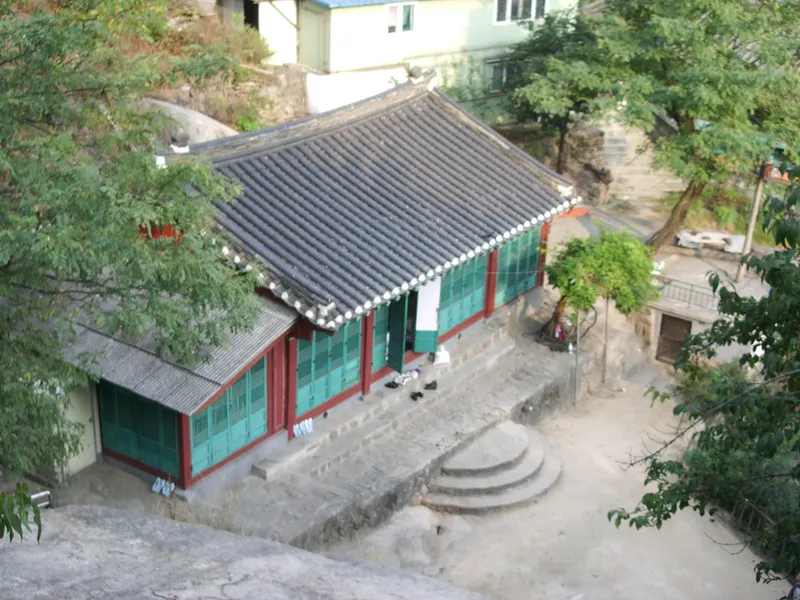 Shrine
Guksadang, Inwangsan
- Fertility & Children
- Health & Healing
- Protection & Safety
A shaman shrine moved from Namsan to the slope of Inwangsan in 1925 under Japanese pressure, where roughly a hundred gut rites are still held each year.
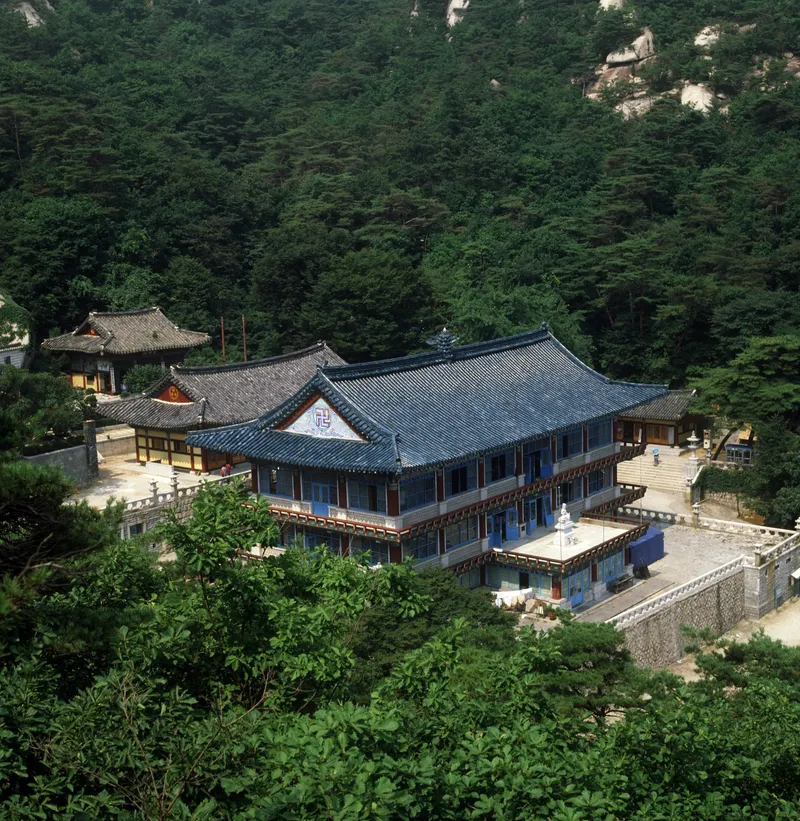 Temple
Doseonsa
- Wish Fulfillment
Founded by Doseon in 862, with a rock-carved Avalokiteshvara he is said to have split the stone by hand to cut, and a stream of people who come to pray.
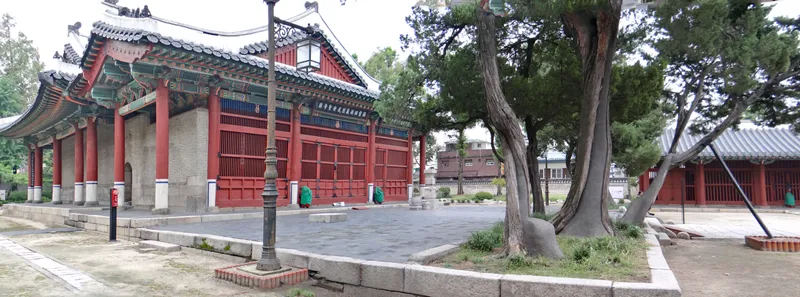 Shrine
Donggwanwangmyo
- Protection & Safety
A shrine to Guan Yu raised after the Imjin War, the only one of Seoul’s four such shrines still standing.