Yonggungsa, Baegunsan
Baegunsa · Gudamsa
Researched and translated with AI assistance. Every claim is linked to its source, but errors get through, so check the official site for opening times, fees and closures.About
In short
A temple renamed by the Heungseon Daewongun, with two zelkovas reckoned at about 1,300 years.
Quick facts
- Address
- 199-1 Yeongjong-guunnam-ro, Jung-gu, Incheon
About this place
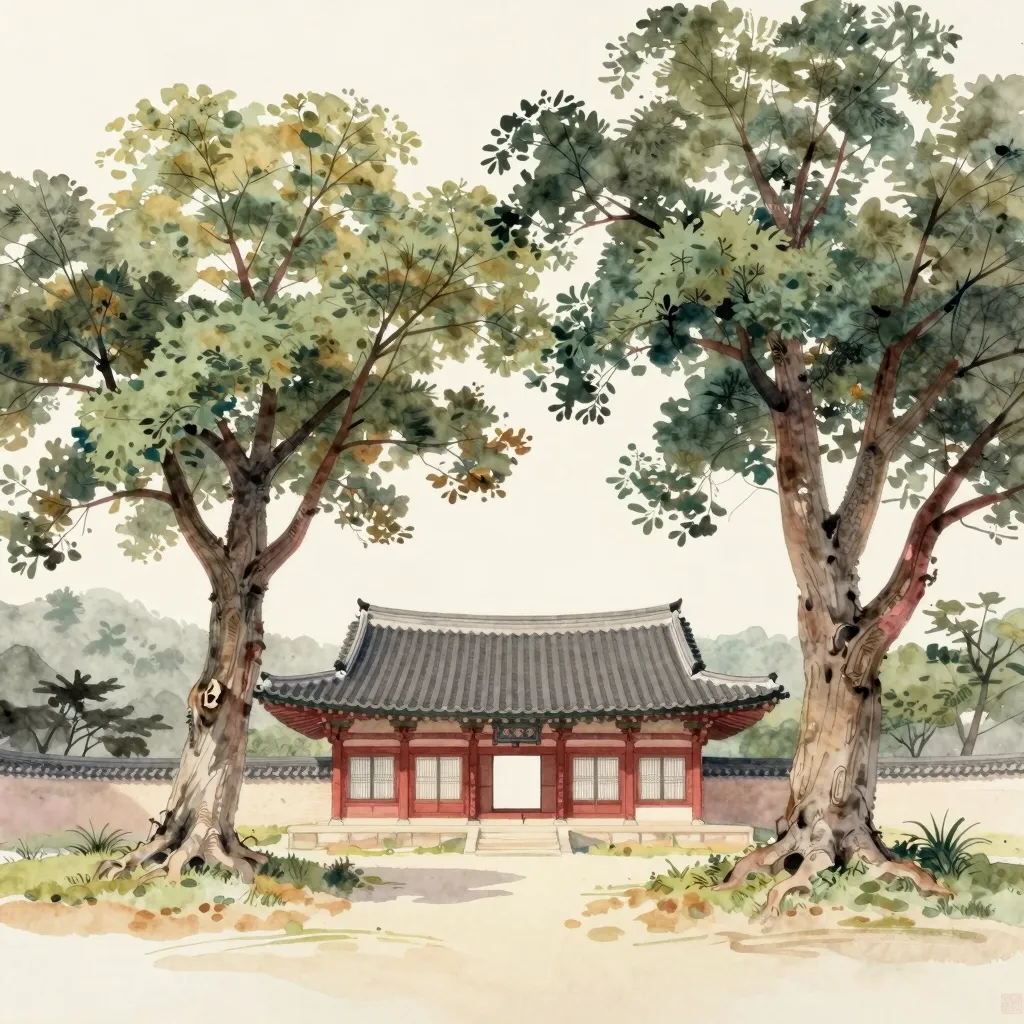
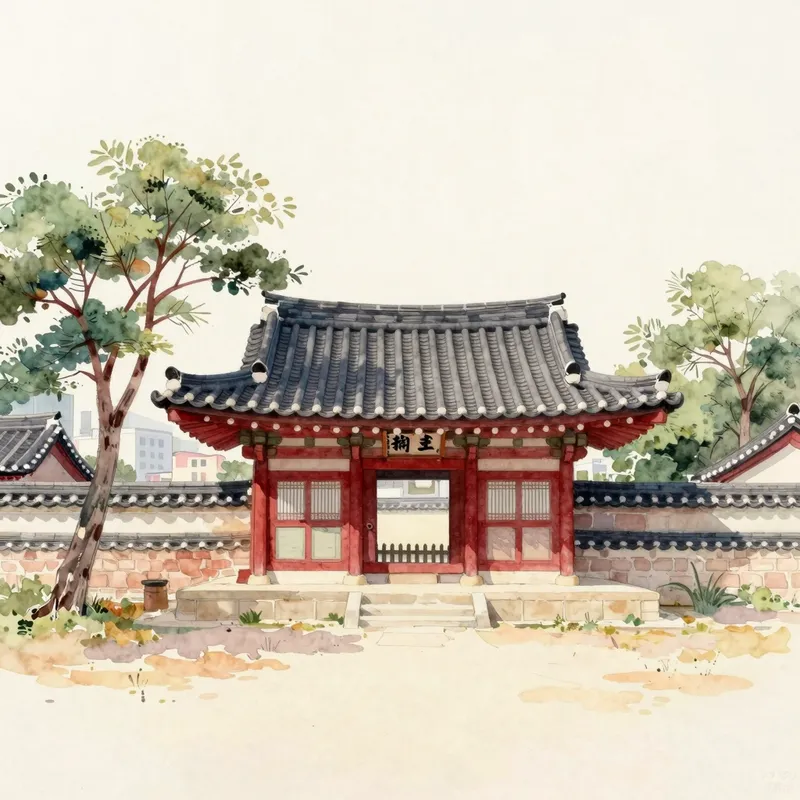
Yonggungsa stands on the slope of Baegunsan on Yeongjongdo in Jung-gu, Incheon, and belongs to the Taego Order. Wonhyo is said to have founded it in 670, naming the mountain Baegunsan and the temple Baegunsa. In the Joseon period Yi Ha-eung, the Heungseon Daewongun, stayed at this temple and prayed here for ten years; in 1864 he had it rebuilt on the old ground and changed the name from Gudamsa to Yonggungsa. Two zelkova trees stand at the temple, 20 metres high with trunks 5.63 metres around, reckoned at about 1,300 years old. One is called the grandfather tree and the other the grandmother tree. Because the grandfather tree puts out branches only toward the grandmother tree, a legend holds that women who could not bear children would come to make offerings at Yonggungsa, drink the spring water at the Yonghwanggak and pray at the grandfather tree, and would then bear a child. The trees were designated a monument of Incheon on 9 November 1990.
Origin and history
Wonhyo is said to have founded the temple in 670, naming the mountain Baegunsan and the temple Baegunsa.
In the Joseon period Yi Ha-eung, the Heungseon Daewongun, stayed at this temple and prayed here for ten years. In 1864 he had it rebuilt on the old ground and changed the name from Gudamsa to Yonggungsa.
Two zelkova trees stand at the temple, 20 metres high with trunks 5.63 metres around, reckoned at about 1,300 years old. One is called the grandfather tree and the other the grandmother tree.
Because the grandfather tree puts out branches only toward the grandmother tree, a legend holds that women who could not bear children would come to make offerings here, drink the spring water at the Yonghwanggak and pray at the grandfather tree, and would then bear a child. The trees were designated a monument of Incheon on 9 November 1990.
What it is locally associated with
Prayers at the grandfather tree
A legend holds that women who could not bear children drank the spring water at the Yonghwanggak, prayed at the grandfather tree, and then bore a child.
folk traditionA name changed by the Heungseon Daewongun
In 1864 he had the temple rebuilt on the old ground and changed its name from Gudamsa to Yonggungsa.
documented historyTwo trees of about 1,300 years
The two zelkovas stand 20 metres high with trunks 5.63 metres around, and were designated a monument of Incheon on 9 November 1990.
documented history
This temple has had three names. Baegunsa when Wonhyo raised it, then Gudamsa, and Yonggungsa from 1864, when the Heungseon Daewongun rebuilt it on the old ground. He is recorded as having stayed here and prayed for ten years.
Incheon’s temples are unusually clear about where their names came from. Jeondeungsa on Ganghwa took its name from a jade lamp given by a queen consort, Jeongsusa from clear water rising west of its hall, Baeknyeonsa from a white lotus that fell. Here a person changed the name.
What people came to ask for is told by the trees. Because the grandfather tree puts out branches only toward the grandmother tree, women who could not bear children are said to have come, drunk the spring water at the Yonghwanggak and prayed at the grandfather tree. The direction a tree grew became the account itself.
Those trees stand 20 metres high with trunks 5.63 metres around and are reckoned at about 1,300 years. That the trees may be older than the temple is inside the record.
Claims and evidence levels 2
- The Heungseon Daewongun rebuilt the temple in 1864 and changed its name from Gudamsa to Yonggungsa. documented history
- A legend holds that women unable to bear children drank the spring water here and prayed at the grandfather tree, and then bore a child. folk tradition
Related guides
- How to visit a Korean templeHands together and hands folded, how the bows work, and what to do at the threshold of a hall. Starting with what is different from visiting a Japanese shrine.
- The small hall behind the main one — sansingak and samseonggakUphill from the main hall of a Korean temple stands a smaller one, and inside it an old man with a tiger. This is where the indigenous religion sits, inside the Buddhist institution.
- Templestay — a night at a templeA programme that puts you inside a temple’s own timetable for a day or two. What you do, which type to book, and what to be ready for.
- Prayer sites and the one wishThe three great Gwaneum sites, the five relic halls, and the crowds before the entrance exam. Where the saying about one wish comes from, and where the record stops.
Sources
- 백운산 용궁사(白雲山 龍宮寺) — 한국민족문화대백과사전 (accessed 2026-08-16)
- 용궁사 느티나무 — 한국민족문화대백과사전 (accessed 2026-08-16)
Last updated:
Similar places
8 places
 Shrine
Guksadang, Inwangsan
- Fertility & Children
- Health & Healing
- Protection & Safety
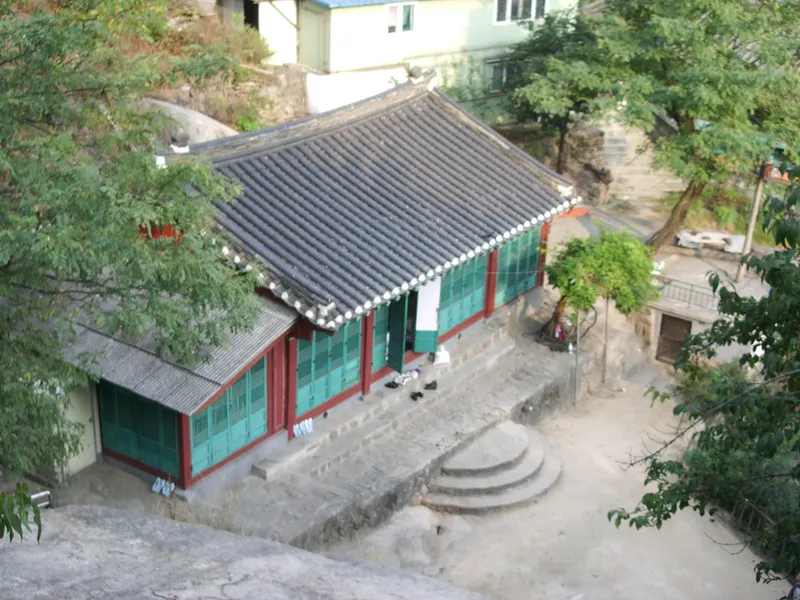
A shaman shrine moved from Namsan to the slope of Inwangsan in 1925 under Japanese pressure, where roughly a hundred gut rites are still held each year.
 Temple
Jeongsusa, Manisan
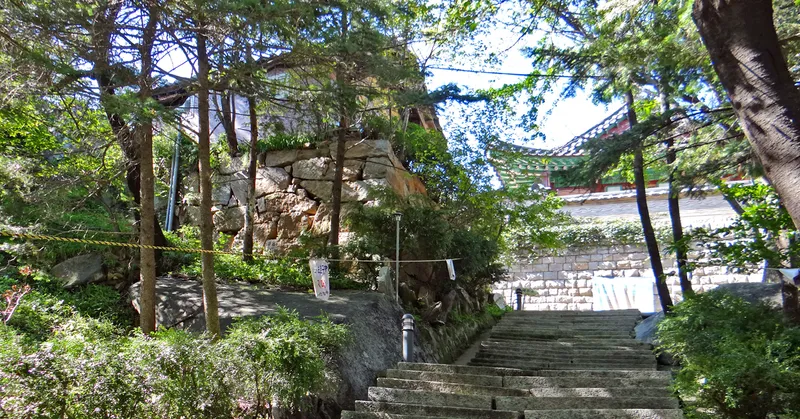
A temple renamed for clear water someone saw rising to the west of its hall.
 Temple
Jeondeungsa, Jeongjoksan
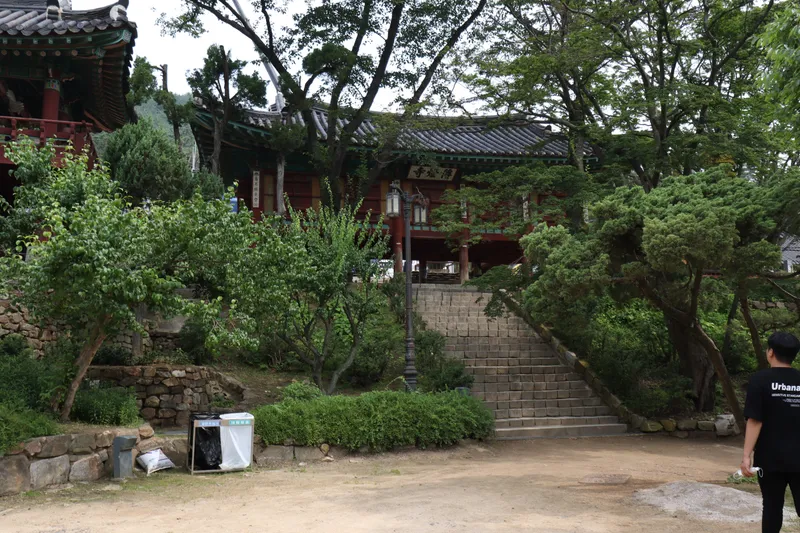
A temple renamed because of a single jade lamp given by a queen consort.
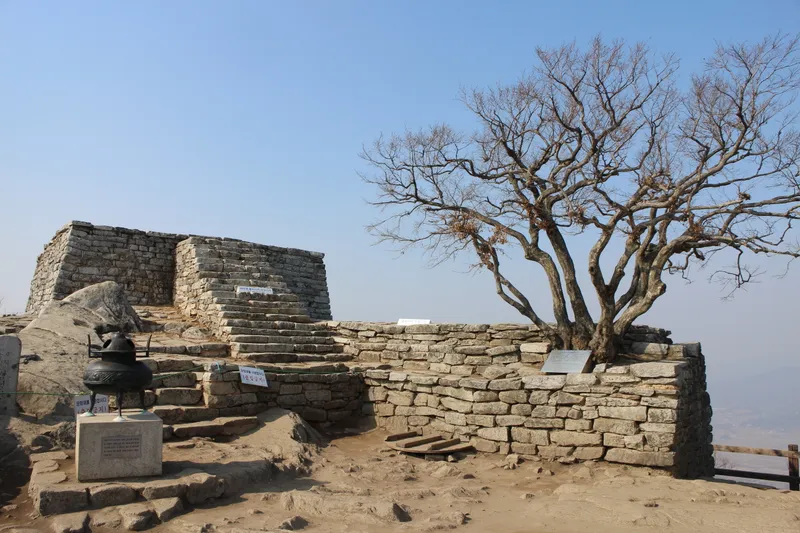 Historic Site
Chamseongdan, Manisan
- Miscellaneous
A stone altar said to have been raised by Dangun for rites to heaven, used for state sacrifices under Goryeo and Joseon, and the site of a rite held every National Foundation Day.
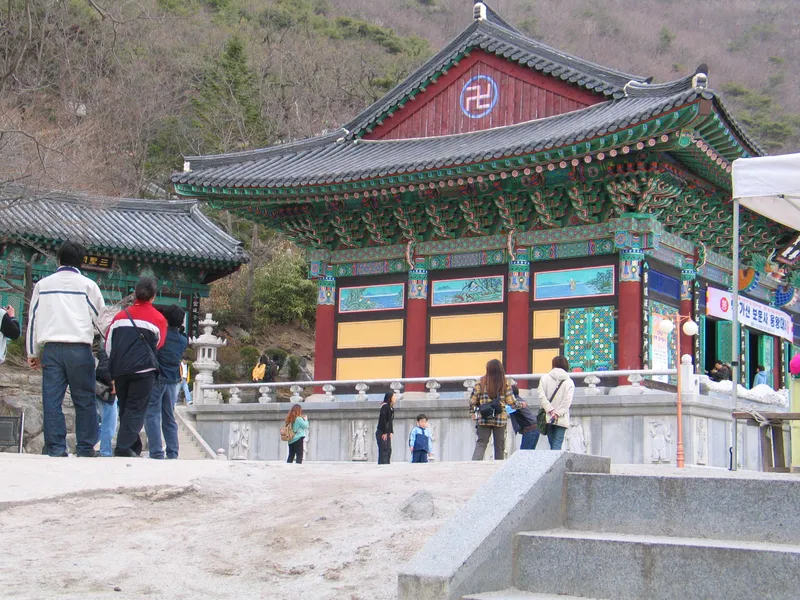 Temple
Bomunsa
- Wish Fulfillment
Counted with Boriam and Hongryeonam among Korea’s three great Avalokiteśvara sites, with a stone chamber holding figures said to have come up in a fisherman’s net.
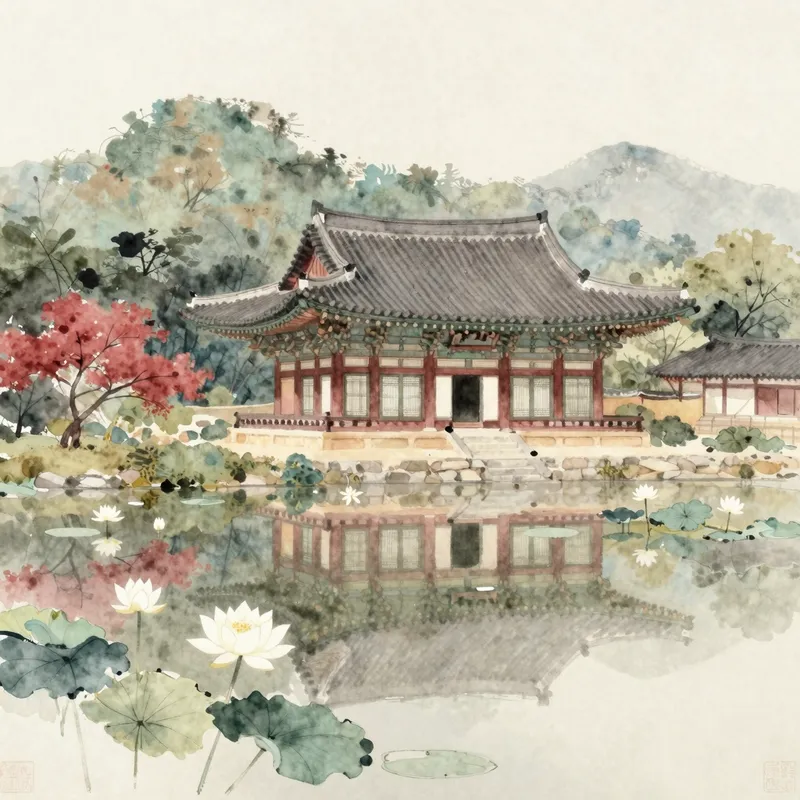 Temple
Baeknyeonsa, Goryeosan
The temple named for the place a white lotus came down.
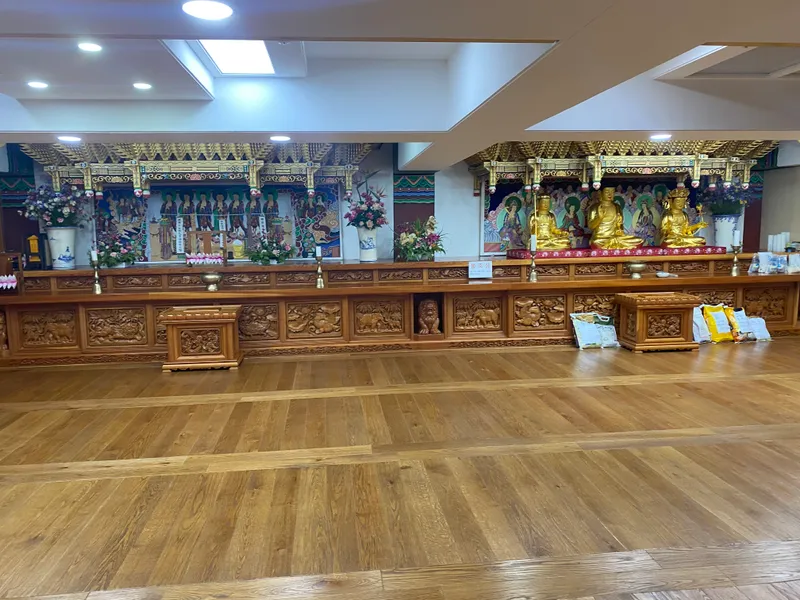 Temple
Bongwonsa, Ansan
The temple where the leaders of the 1884 coup learned the reformist thought behind it.
 Shrine
Nami Janggun Shrine
- Health & Healing
- Protection & Safety
A shrine raised to console the wronged spirit of a general beheaded at twenty-seven.
No places match your filters