Guryongsa, Chiaksan
Researched and translated with AI assistance. Every claim is linked to its source, but errors get through, so check the official site for opening times, fees and closures.About
In short
A temple whose founding legend has a single written charm dry up the pool where nine dragons lived.
Quick facts
- Address
- 500 Guryongsa-ro, Socho-myeon, Wonju-si, Gangwon
About this place
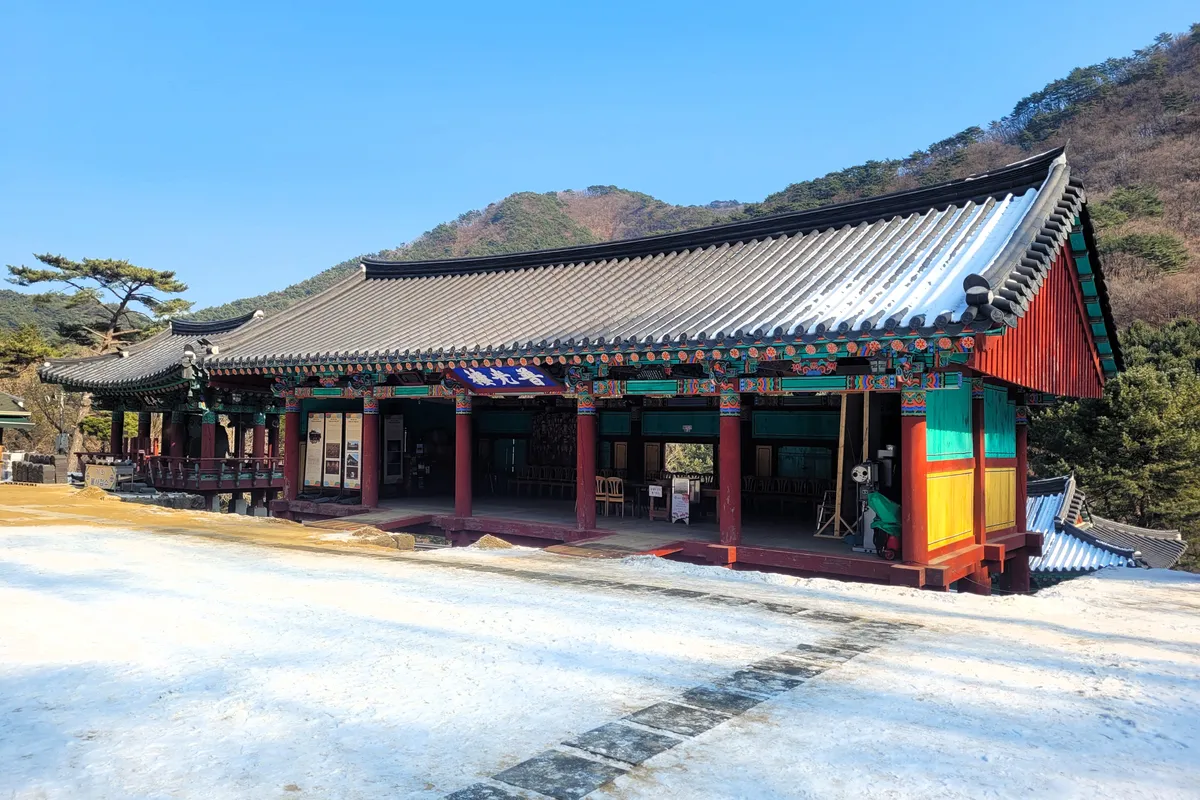
Guryongsa stands on Chiaksan in Socho-myeon, Wonju. It is handed down that Uisang founded it in 668. The encyclopedia adds, however, that since there is no clear record of the temple until the Joseon period, it is quite possible the tale linking it to an eminent monk was made up when the temple was founded at some later date. By the founding legend, the ground where the temple now stands was a deep pool in which nine dragons lived; when Uisang set about building, the dragons brought thunder and lightning and rain to stop him and filled the mountain with water. Uisang drew a single charm and put it into the pool, whereupon the water suddenly dried up; one of the dragons went blind, and the other eight split the ridge in front of Guryongsa into eight pieces and fled. Around the temple are the scenic Geobukbawi rock and the Guryong pool. It has the Bogwangru pavilion, and its painting of the three bodhisattvas is designated a Treasure.
Origin and history
It is handed down that Uisang founded the temple in 668. The encyclopedia adds, however, that since there is no clear record of the temple until the Joseon period, it is quite possible the tale linking it to an eminent monk was made up when the temple was founded at some later date.
By the founding legend, the ground where the temple now stands was a deep pool in which nine dragons lived. When Uisang set about building, the dragons brought thunder and lightning and rain to stop him, and filled the mountain with water.
Uisang drew a single charm and put it into the pool, whereupon the water suddenly dried up. One of the dragons went blind, and the other eight split the ridge in front of Guryongsa into eight pieces and fled.
Around the temple are the scenic Geobukbawi rock and the Guryong pool.
What it is locally associated with
A tradition, and a caveat
Uisang is handed down as founder in 668, but the encyclopedia notes that with no clear record until Joseon the tale may well be a later invention.
folk traditionA pool dried by one charm
When the dragons filled the mountain with rain, Uisang drew a single charm and put it in the pool, and the water suddenly dried up.
folk traditionGeobukbawi and the Guryong pool
The scenic Geobukbawi rock and the Guryong pool lie around the temple.
documented history
This temple’s founding record carries a doubt alongside it. Having written that Uisang is handed down as founding it in 668, the encyclopedia adds that with no clear record until the Joseon period, the tale tying it to an eminent monk was quite possibly made up when the temple was founded later. The claim and a judgement on the claim sit in the same place.
This site holds one other case of the shape. Hanaoka Jinja in Sapporo is a shrine that wrote its own origin as “probably” and “it seems”. But there the institution blurred its own account; here a reference work attached a caveat to the institution’s claim.
The legend, by contrast, is exact. Nine dragons fill the mountain with rain, a single charm dries the pool, one dragon goes blind, and eight split the facing ridge into eight pieces as they flee. The nine of the temple’s name and the eight pieces of the ridge account for each other inside the story.
What survives on the ground keeps the story’s names too. Geobukbawi rock and the Guryong pool are counted among the sights around the temple.
Claims and evidence levels 2
- Uisang is handed down as founding the temple in 668, though the encyclopedia notes the attribution may be a later tale for want of records before Joseon. folk tradition
- By the founding legend a single written charm dried the pool of nine dragons, one of which went blind while eight split the facing ridge and fled. folk tradition
Related guides
- How to visit a Korean templeHands together and hands folded, how the bows work, and what to do at the threshold of a hall. Starting with what is different from visiting a Japanese shrine.
- The small hall behind the main one — sansingak and samseonggakUphill from the main hall of a Korean temple stands a smaller one, and inside it an old man with a tiger. This is where the indigenous religion sits, inside the Buddhist institution.
- Templestay — a night at a templeA programme that puts you inside a temple’s own timetable for a day or two. What you do, which type to book, and what to be ready for.
- Prayer sites and the one wishThe three great Gwaneum sites, the five relic halls, and the crowds before the entrance exam. Where the saying about one wish comes from, and where the record stops.
Sources
- 치악산 구룡사(雉岳山 龜龍寺) — 한국민족문화대백과사전 (accessed 2026-08-16)
Last updated:
Similar places
8 places
 Temple
Sangwonsa, Chiaksan
The temple whose bell a pheasant struck three times, and whose mountain was renamed for it.
 Temple
Silleuksa, Bongmisan
The temple where the only surviving Goryeo brick pagoda in Korea stands.
 Temple
Yongmunsa, Yongmunsan
The temple whose courtyard ginkgo was granted an office by King Sejong of Joseon.
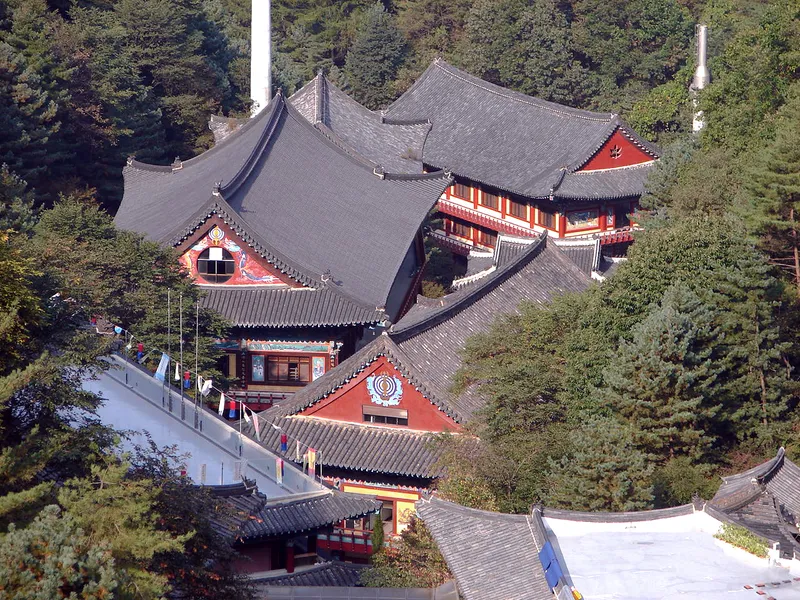 Temple
Guinsa
The head temple of the Cheontae Order, founded in 1945, with a five-storey concrete hall that seats ten thousand.
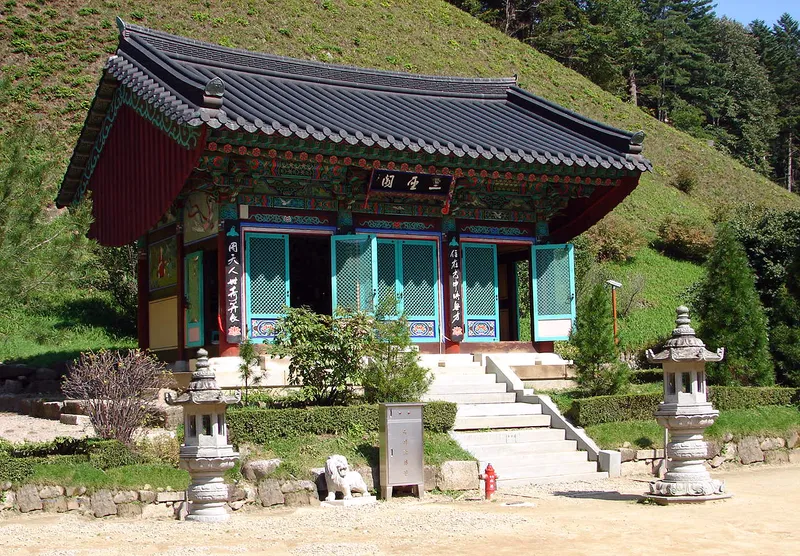 Temple
Woljeongsa, Odaesan
Head temple of the fourth Jogye district, begun where its founder tried to see Manjushri in the flesh and did not.
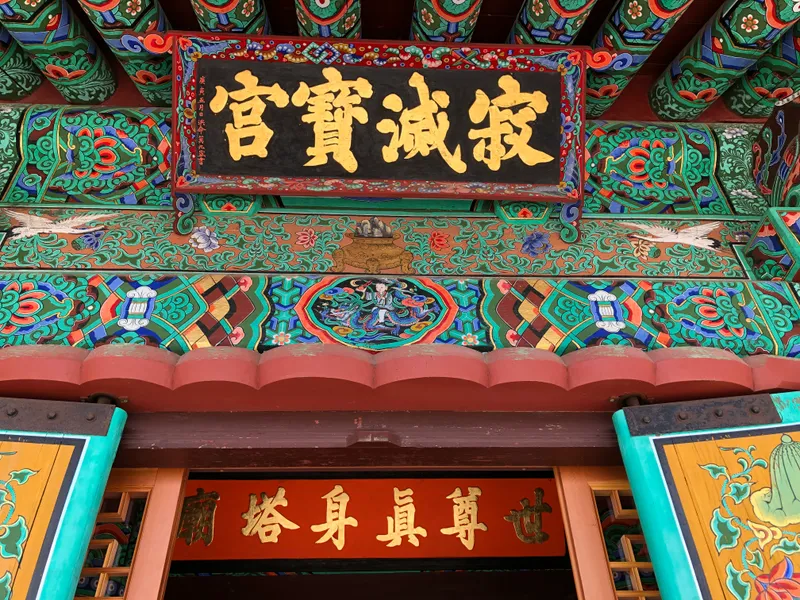 Temple
Jeongmyeol-bogung, Odaesan
- Protection & Safety
A relic hall on the middle terrace of Odaesan with no buddha image inside, because the Buddha’s own relics are enshrined there.
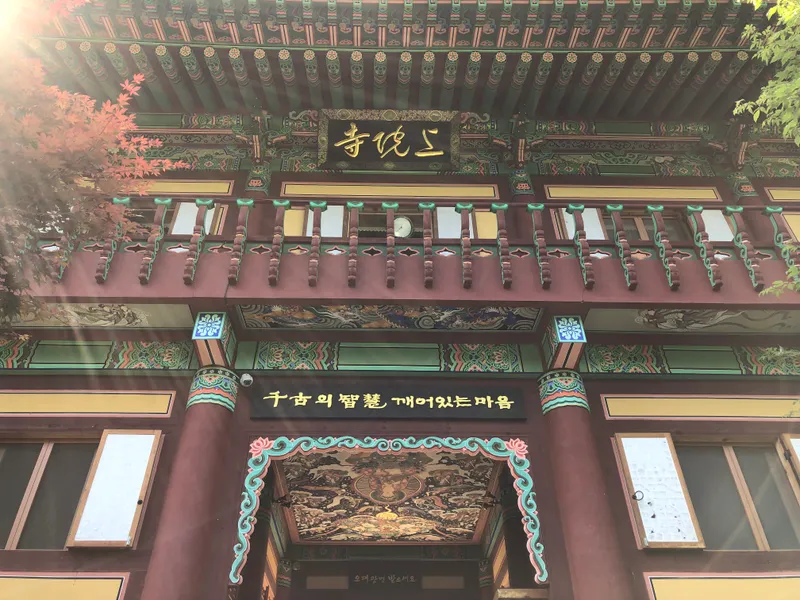 Temple
Sangwonsa
- Health & Healing
A temple on Odaesan founded in 705, at the centre of the mountain’s Manjushri devotion, and known for the story that King Sejo met the bodhisattva here as a boy and was healed.
 Historic Site
Mungyeong Saejae
- Exams & Study
The highest and hardest pass on the road from the southeast to the capital, with three gates strung along six and a half kilometres.
No places match your filters