Bogyeongsa, Naeyeonsan
Researched and translated with AI assistance. Every claim is linked to its source, but errors get through, so check the official site for opening times, fees and closures.About
In short
A temple that takes its name from a mirror buried beneath it.
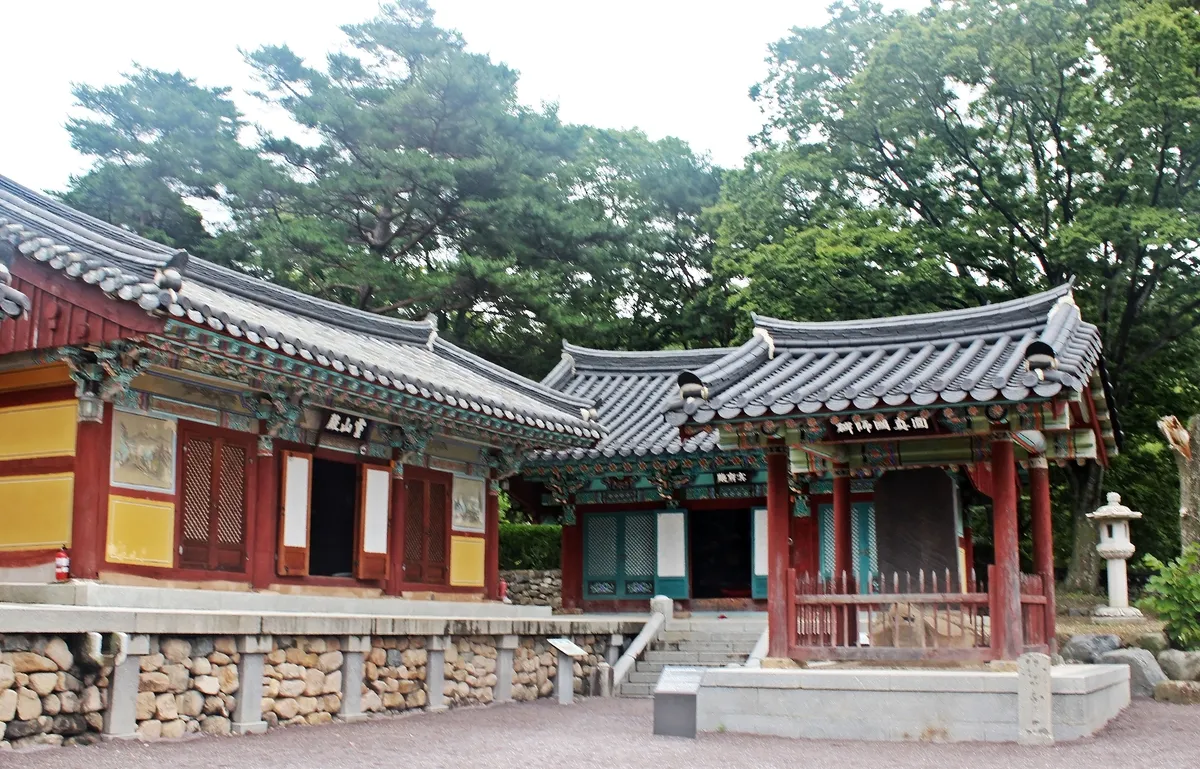
Quick facts
- Address
- 523 Bogyeong-ro, Songna-myeon, Buk-gu, Pohang-si, Gyeongsangbuk-do
About this place
Bogyeongsa stands on Naeyeonsan in Songna-myeon, Buk-gu, Pohang-si, Gyeongsangbuk-do. There is an account that it was founded in 602 by the great virtue Jimyeong, returned from study in Chen. It is said that Jimyeong buried in the middle of a pond the eight-faced precious mirror he had obtained in Chen, raised the golden hall over it, and named the temple Bogyeongsa. In 1214 the abbot Seunghyeong, the national master Wonjin, repaired four monks’ quarters and the main gate among other things, and completed the bell, the chime and the dharma drum.
Origin and history
There is an account that Bogyeongsa was founded in 602 by the great virtue Jimyeong, returned from study in Chen.
It is said that Jimyeong buried in the middle of a pond the eight-faced precious mirror he had obtained in Chen, raised the golden hall over it, and named the temple Bogyeongsa.
In 1214 the abbot Seunghyeong, the national master Wonjin, repaired four monks’ quarters and the main gate among other things, and completed the bell, the chime and the dharma drum.
What it is locally associated with
An eight-faced mirror in a pond
Jimyeong is said to have buried the eight-faced precious mirror obtained in Chen in the middle of a pond, raised the golden hall over it, and named the temple Bogyeongsa.
folk traditionFounded in 602
There is an account that the temple was founded by the great virtue Jimyeong, returned from study in Chen.
folk traditionThe repairs of the master Wonjin
In 1214 the abbot Seunghyeong, the national master Wonjin, repaired four monks’ quarters and the main gate, and completed the bell, the chime and the dharma drum.
documented history
This temple’s name comes from something nobody can see. Jimyeong is said to have buried an eight-faced mirror obtained in Chen in the middle of a pond, raised the golden hall over it, and named the temple Bogyeongsa. Bogyeong means precious mirror, so what the name points at is not the building but what lies under it.
The man who repaired this temple has left his name in another province too. In 1214 the abbot Seunghyeong, the national master Wonjin, repaired four monks’ quarters and the main gate and completed the bell, chime and drum — and the man handed down as having raised Bogwangsa in Paju, Gyeonggi, again is the same national master Wonjin Seunghyeong. Two temples, one in Gyeongsang and one in Gyeonggi, are joined by a single name.
The founding is put at 602, after Jimyeong had come back from study in Chen.
Claims and evidence levels 2
- The temple is said to be named for an eight-faced mirror that Jimyeong buried in a pond before raising the hall above it. folk tradition
- In 1214 the national master Wonjin Seunghyeong repaired the monks’ quarters and gate and completed the bell, chime and drum. documented history
Related guides
- How to visit a Korean templeHands together and hands folded, how the bows work, and what to do at the threshold of a hall. Starting with what is different from visiting a Japanese shrine.
- The small hall behind the main one — sansingak and samseonggakUphill from the main hall of a Korean temple stands a smaller one, and inside it an old man with a tiger. This is where the indigenous religion sits, inside the Buddhist institution.
- Templestay — a night at a templeA programme that puts you inside a temple’s own timetable for a day or two. What you do, which type to book, and what to be ready for.
- Prayer sites and the one wishThe three great Gwaneum sites, the five relic halls, and the crowds before the entrance exam. Where the saying about one wish comes from, and where the record stops.
Sources
- 내연산 보경사(內延山 寶鏡寺) — 한국민족문화대백과사전 (accessed 2026-08-16)
Last updated:
Similar places
8 places
 Temple
Bunhwangsa
- Health & Healing
The temple that held the image a blind child’s mother prayed to, after which he saw.
 Temple
Girimsa, Hamwolsan
Founded by a monk from India, and renamed later by Wonhyo.
 Temple
Golgulsa
A temple of twelve stone caves worked out of natural hollows.
 Temple
Seokguram
- Family & Home
A stone grotto begun in 751 by Kim Dae-seong for his parents in a former life, paired with Bulguksa, which he built for his parents in this one.
 Temple
Bulguksa, Tohamsan
One man built this for the parents of this life, and Seokguram for the parents of a former one.
 Temple
Eunhaesa, Palgongsan
The temple took its present name in the year it was made keeper of a king’s placenta shrine.
 Temple
Gounsa, Deungunsan
A temple whose name kept its sound but changed its characters, to hold one man’s pen name.
 Historic Site
Tomb of King Munmu
- Protection & Safety
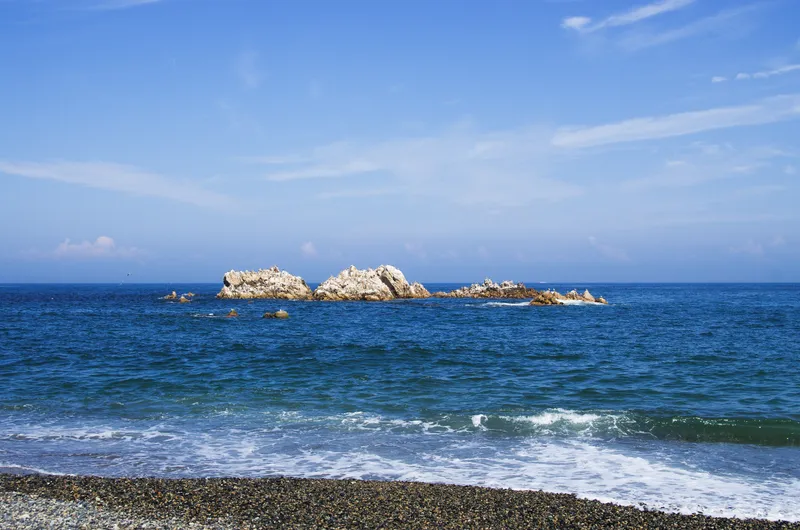
The tomb of King Munmu of Silla, set on a rock in the sea because he willed to become a dragon and guard the East Sea.
No places match your filters