Jeondeungsa, Jeongjoksan
Jinjongsa
Researched and translated with AI assistance. Every claim is linked to its source, but errors get through, so check the official site for opening times, fees and closures.About
In short
A temple renamed because of a single jade lamp given by a queen consort.
Quick facts
- Address
- 37-41 Jeondeungsa-ro, Gilsang-myeon, Ganghwa-gun, Incheon
About this place
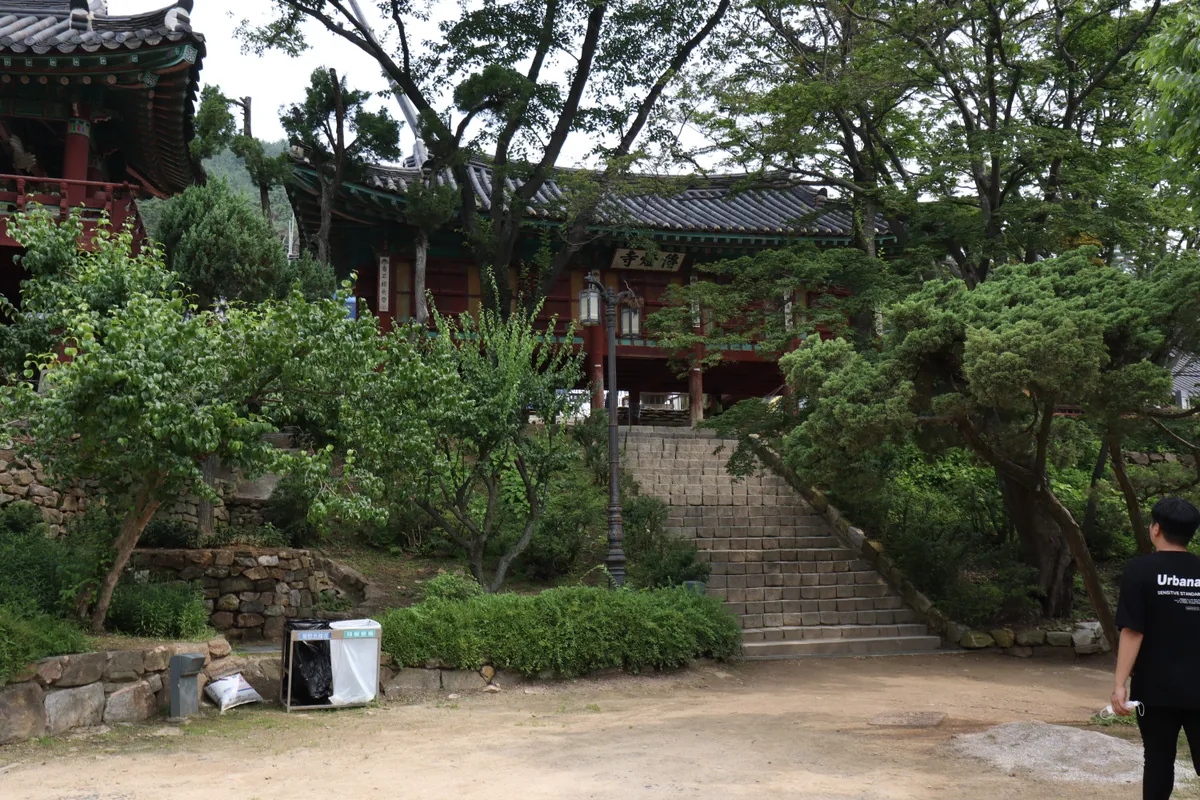
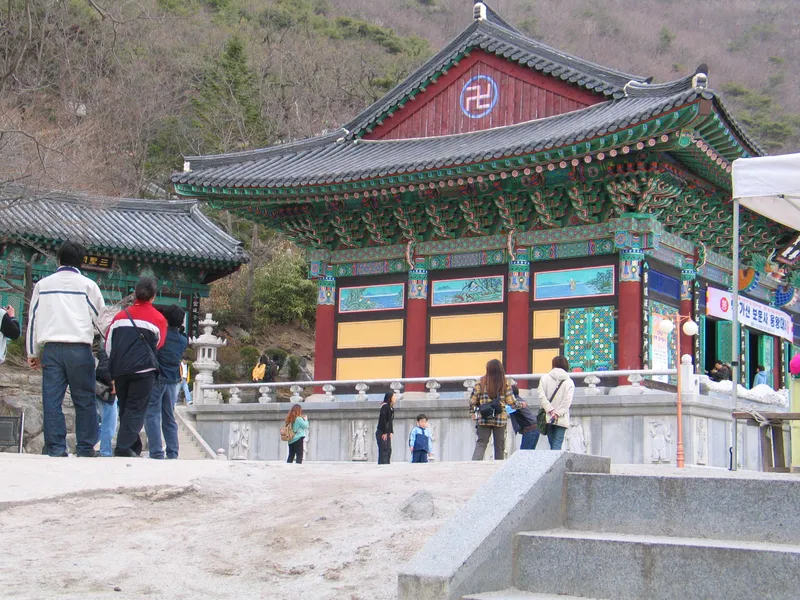
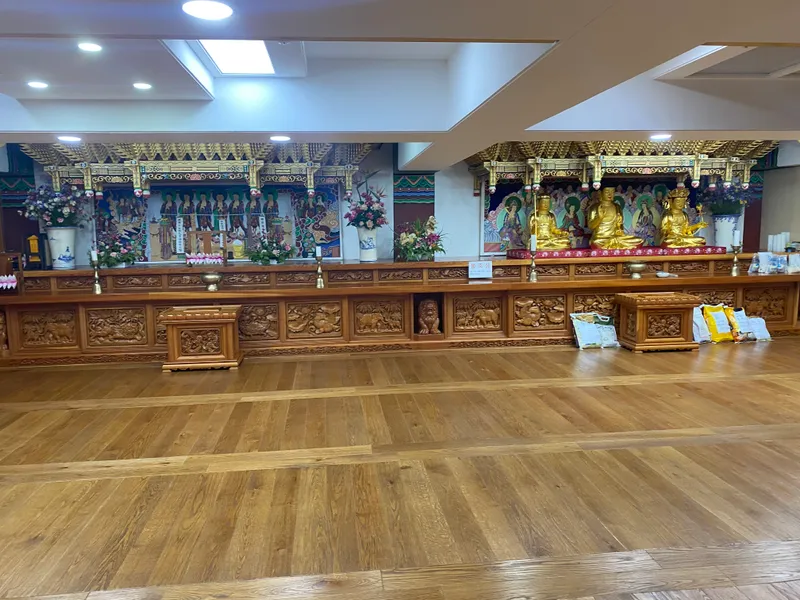
Jeondeungsa stands on Jeongjoksan in Gilsang-myeon, Ganghwa-gun, Incheon, and is handed down as founded in 381 by the monk Ado under the name Jinjongsa. In 1282 Queen Consort Jeonghwa had a Song Tripitaka printed and kept here and also gave a jade lamp, and the temple’s name was changed to Jeondeungsa. On the upper part of the four corner pillars of the main hall are carved naked figures supporting the roof with their palms and heads. The account handed down is that during the great rebuilding after a fire, the master carpenter in charge of the main hall grew attached to the keeper of a tavern in the village below, promised to live with her once the work was done, and handed her money whenever he had any. Within Jeongjok fortress, where the temple stands, is the Jeongjoksan archive. It came about because a fire in the annals pavilion of the Manisan archive in 1653 burned many records, after which a new archive building was raised inside Jeongjok fortress and the surviving annals and books were moved there in the twelfth month of 1660. The main hall and the Yaksajeon are designated Treasures.
Origin and history
Jeondeungsa is handed down as founded in 381 by the monk Ado under the name Jinjongsa.
In 1282 Queen Consort Jeonghwa had a Song Tripitaka printed and kept here and also gave a jade lamp, and the temple’s name was changed to Jeondeungsa.
On the upper part of the four corner pillars of the main hall are carved naked figures supporting the roof with their palms and heads. The account handed down is that during the great rebuilding after a fire, the master carpenter in charge of the main hall grew attached to the keeper of a tavern in the village below, promised to live with her once the work was done, and handed her money whenever he had any.
Within Jeongjok fortress is the Jeongjoksan archive. It came about because a fire in the annals pavilion of the Manisan archive in 1653 burned many records, after which a new archive building was raised inside the fortress and the surviving annals and books were moved there in the twelfth month of 1660.
What it is locally associated with
A jade lamp, and a new name
In 1282 Queen Consort Jeonghwa had a Tripitaka printed and kept here and gave a jade lamp, and the name was changed to Jeondeungsa.
documented historyAn archive moved after a fire
After the Manisan archive burned in 1653, a new archive was built inside Jeongjok fortress and the surviving annals were moved there in the twelfth month of 1660.
documented historyThe figures at the four corners
Naked figures supporting the roof with their palms and heads are carved on the four corner pillars of the main hall.
folk tradition
This temple’s name came out of a single object. When Queen Consort Jeonghwa gave a jade lamp in 1282, Jinjongsa became Jeondeungsa. A name meaning the passing on of the lamp was given because a lamp actually arrived.
The temples of Ganghwa mostly got their names this way. Jeongsusa on the same island became Jeongsusa when clear water was seen rising to the west of its hall, and Baeknyeonsa is named for the place a white lotus fell. These are places where a thing decided the name.
Inside the grounds is also a place that kept books. The Jeongjoksan archive came about after the Manisan archive burned in 1653 and many records were lost: a new building was raised inside Jeongjok fortress and the surviving annals and books were moved there in the twelfth month of 1660. This site holds several records moved for safety — Buinsa in Daegu moved them and lost them anyway, Yongyeonsa in Dalseong moved them and they survived. Here the move came after the fire.
Under the eaves of the main hall, at each of the four corners, are the naked figures. The story of the carpenter and the tavern keeper is attached to those carvings.
Claims and evidence levels 2
- The temple was renamed Jeondeungsa in 1282 after Queen Consort Jeonghwa gave a jade lamp and had a Tripitaka kept here. documented history
- The Jeongjoksan archive was established inside the fortress after the Manisan archive fire of 1653, with books moved there in the twelfth month of 1660. documented history
Related guides
- How to visit a Korean templeHands together and hands folded, how the bows work, and what to do at the threshold of a hall. Starting with what is different from visiting a Japanese shrine.
- The small hall behind the main one — sansingak and samseonggakUphill from the main hall of a Korean temple stands a smaller one, and inside it an old man with a tiger. This is where the indigenous religion sits, inside the Buddhist institution.
- Templestay — a night at a templeA programme that puts you inside a temple’s own timetable for a day or two. What you do, which type to book, and what to be ready for.
- Prayer sites and the one wishThe three great Gwaneum sites, the five relic halls, and the crowds before the entrance exam. Where the saying about one wish comes from, and where the record stops.
Sources
- 정족산 전등사(鼎足山 傳燈寺) — 한국민족문화대백과사전 (accessed 2026-08-16)
- 정족산사고(鼎足山史庫) — 한국민족문화대백과사전 (accessed 2026-08-16)
Last updated:
Similar places
8 places
 Temple
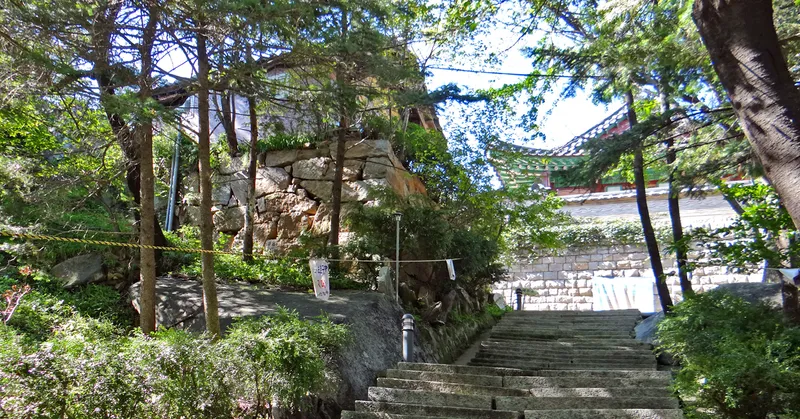
Jeongsusa, Manisan
A temple renamed for clear water someone saw rising to the west of its hall.
 Historic Site
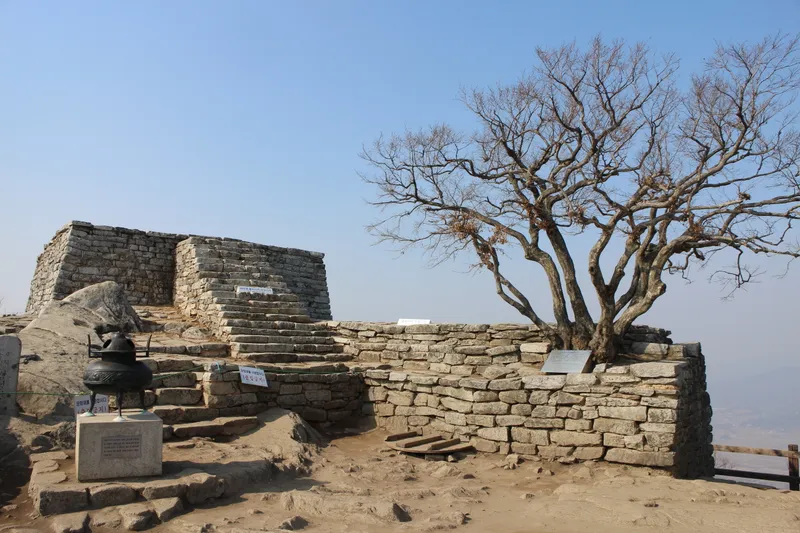
Chamseongdan, Manisan
- Miscellaneous
A stone altar said to have been raised by Dangun for rites to heaven, used for state sacrifices under Goryeo and Joseon, and the site of a rite held every National Foundation Day.
 Temple
Baeknyeonsa, Goryeosan
The temple named for the place a white lotus came down.
 Temple
Bomunsa
- Wish Fulfillment
Counted with Boriam and Hongryeonam among Korea’s three great Avalokiteśvara sites, with a stone chamber holding figures said to have come up in a fisherman’s net.
 Temple
Yonggungsa, Baegunsan
- Fertility & Children
A temple renamed by the Heungseon Daewongun, with two zelkovas reckoned at about 1,300 years.
 Temple
Bogwangsa, Goryeongsan
- Family & Home
The temple King Yeongjo attached to the tomb of the woman who bore him.
 Temple
Jingwansa, Bukhansan
The temple where a Korean flag was found inside a wall.
 Temple
Bongwonsa, Ansan
The temple where the leaders of the 1884 coup learned the reformist thought behind it.
No places match your filters