A cultural map of sacred places, local beliefs, and meaningful travel.
Power Spot Map maps shrines, temples, and sacred places, and explains what each is locally associated with, with sources.
Open the full map
AI-generated illustration
Explore by theme
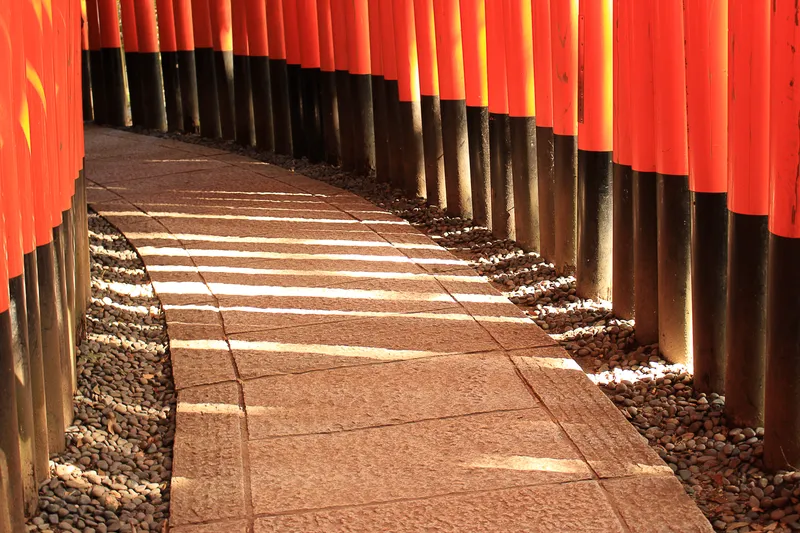 Shrine
Fushimi Inari Taisha
- Money & Prosperity
The head shrine of the thirty thousand Inari shrines across Japan, whose deity is venerated for harvests and the prosperity of trade.
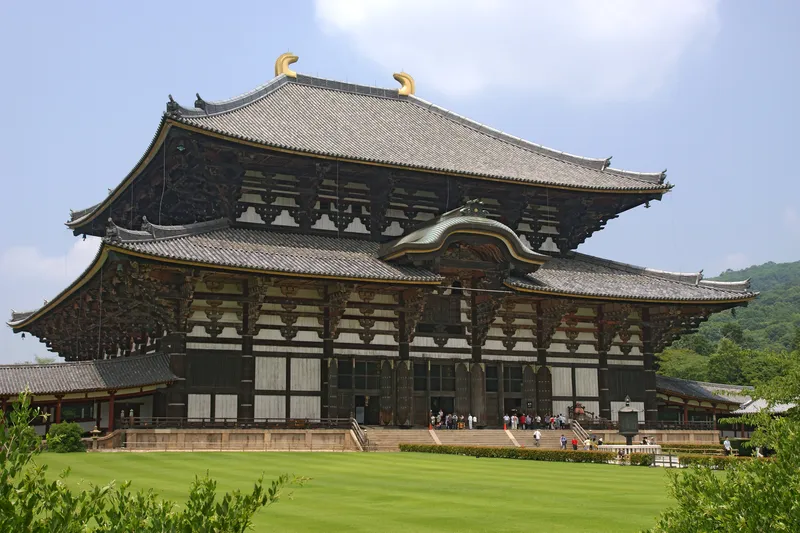 Temple
Todaiji
- Protection & Safety
The temple of the Great Buddha, begun in 743 under an edict praying that all things, animate and growing, may flourish.
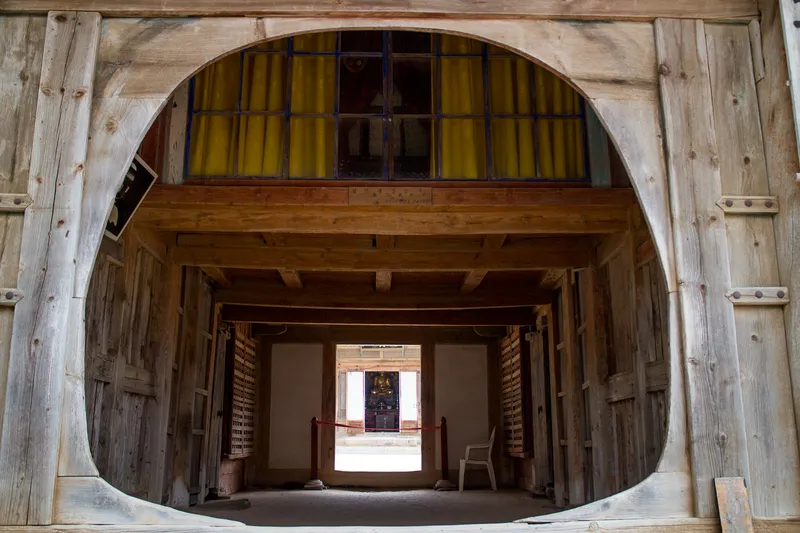 Temple
Haeinsa
- Protection & Safety
The temple holding the Tripitaka Koreana, cut out of a national wish to repel the Mongols, and the hall that has kept it.
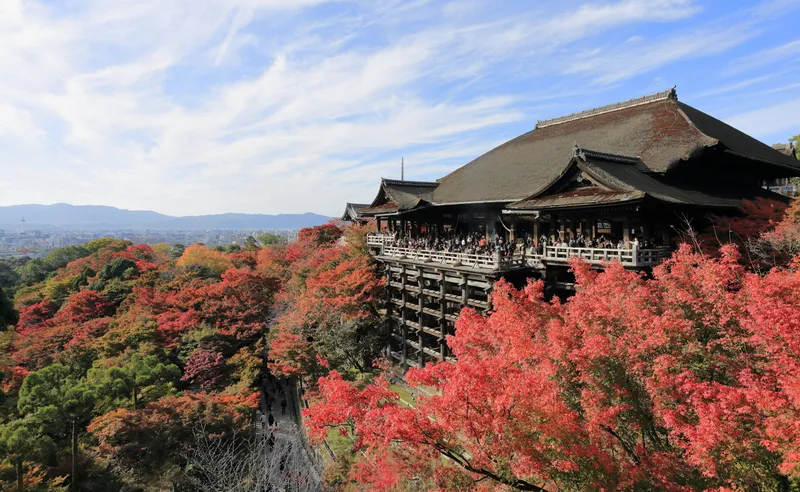 Temple
Kiyomizu-dera
- Career & Work
- Health & Healing
- Love & Romance
A Kannon temple begun in 778 beside the Otowa waterfall, venerated by those seeking health, advancement and a good match.
 Temple
Senso-ji
- Money & Prosperity
- Protection & Safety
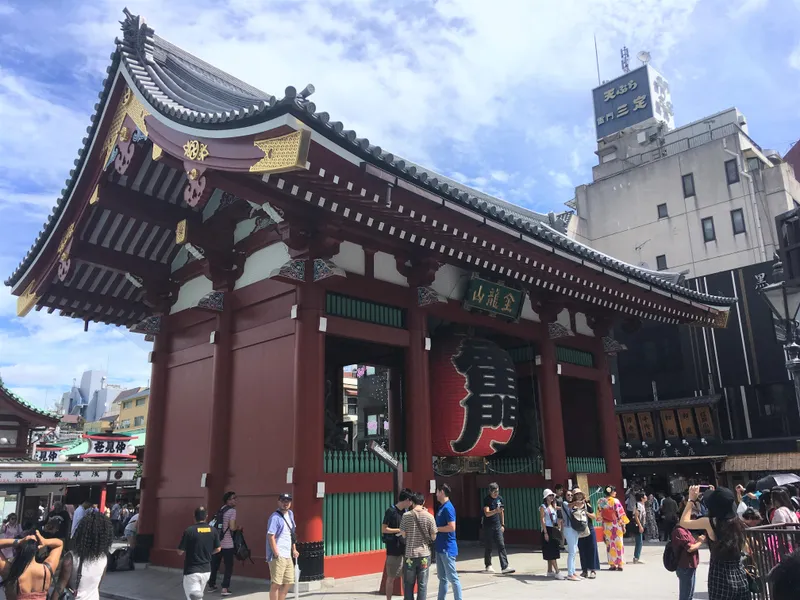
Tokyo's oldest temple, in Asakusa, built around a statue of Kannon that two fishermen brothers are said to have pulled from the river in 628, and visited today for prayers about money and protection.
 Temple
Horyu-ji
- Family & Home
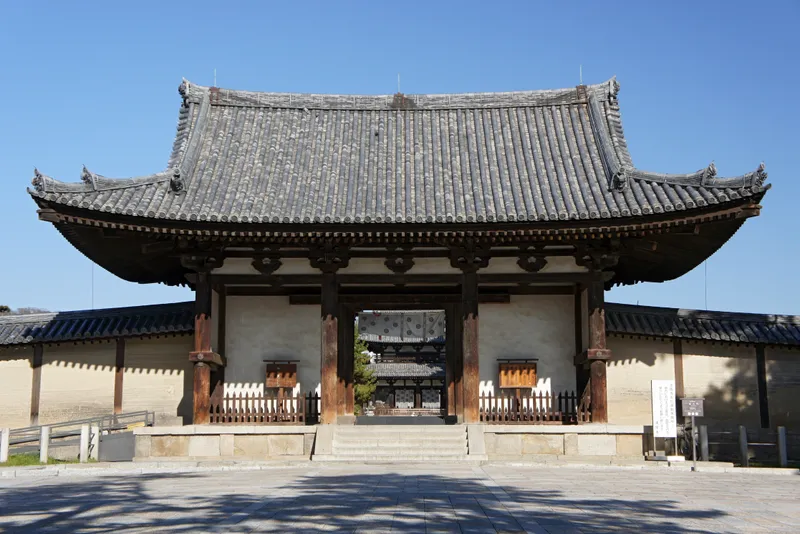
Prince Shotoku vowed to build it for his late father Emperor Yomei; completed around 607, its western precinct is the oldest group of wooden buildings in the world.
 Shrine
Meiji Jingu
- Health & Healing
- Protection & Safety
- Bonds & Matchmaking
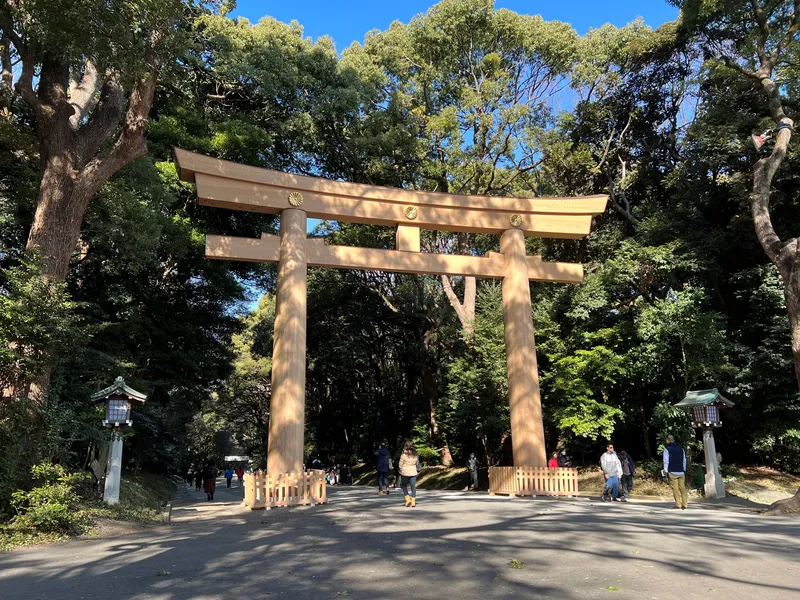
A 1920 Shinto shrine in central Tokyo enshrining Emperor Meiji and Empress Shōken, set in a 70-hectare forest that was planted from scratch and is visited today for prayers about bonds, protection and health.
 Temple
Seokguram
- Family & Home
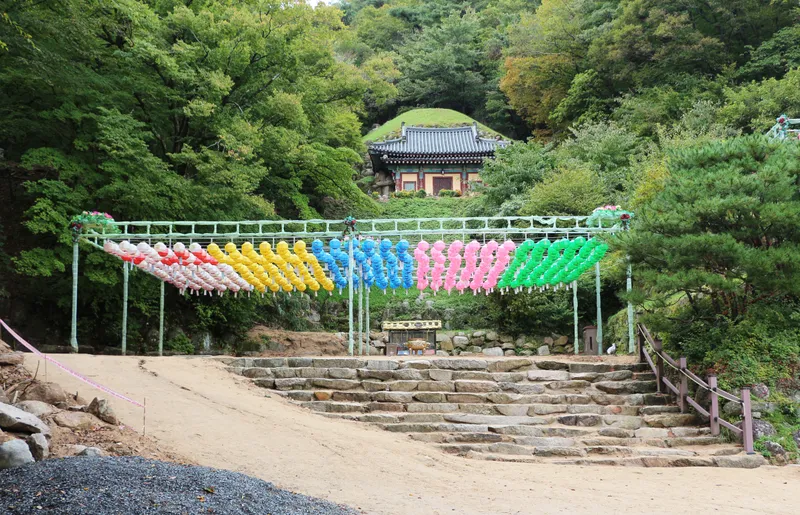
A stone grotto begun in 751 by Kim Dae-seong for his parents in a former life, paired with Bulguksa, which he built for his parents in this one.
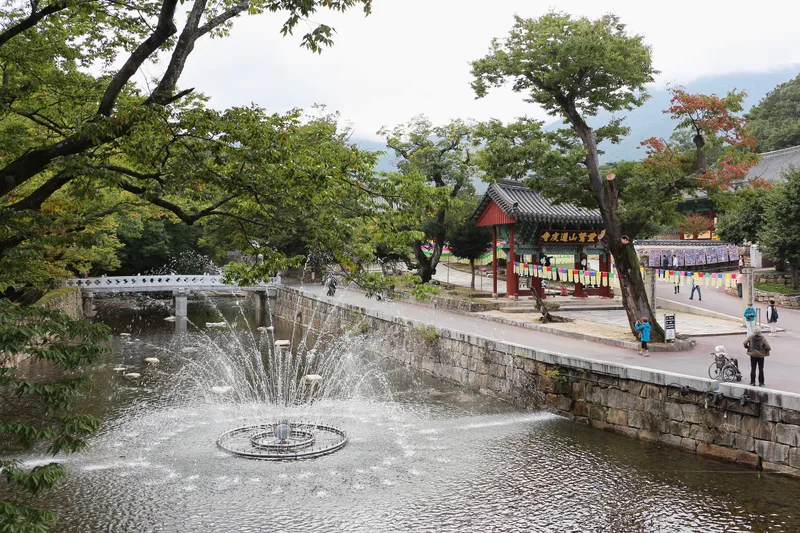 Temple
Tongdosa
- Protection & Safety
The first of the five relic sanctuaries, whose main hall enshrines no buddha because it faces the relics behind it.
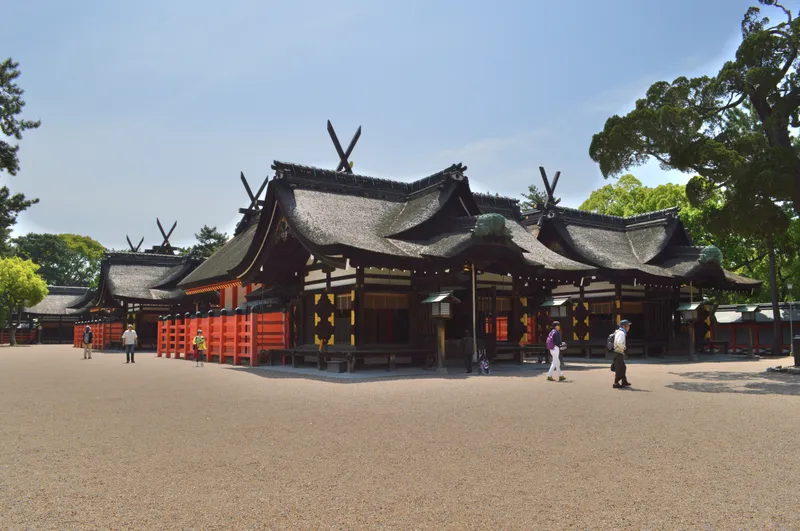 Shrine
Sumiyoshi Taisha
- Protection & Safety
- Purification
Head shrine of Japan’s twenty-three hundred Sumiyoshi shrines, guardian of voyages since the envoys to Sui and Tang, and ancestral deity of purification.
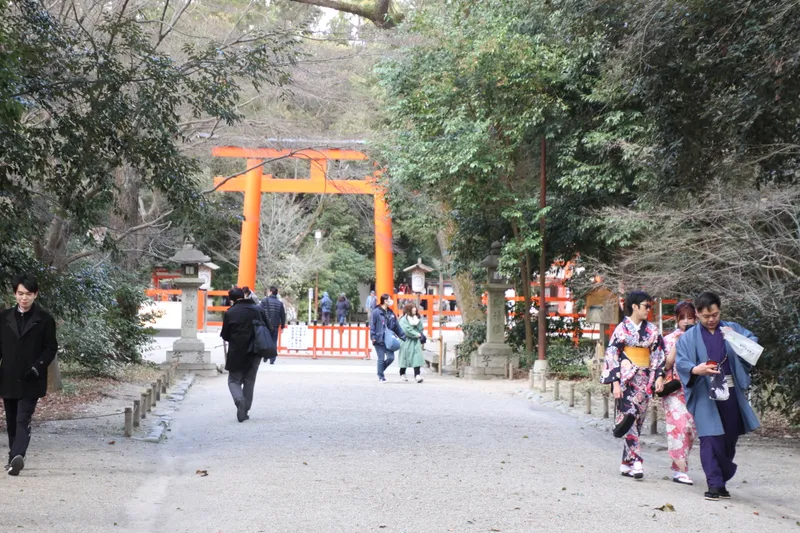 Shrine
Shimogamo Jinja
- Family & Home
- Fertility & Children
- Love & Romance
A shrine where people pray for protection, marriage, children, safe birth, raising a family and safe travel, in a wood that predates the city.
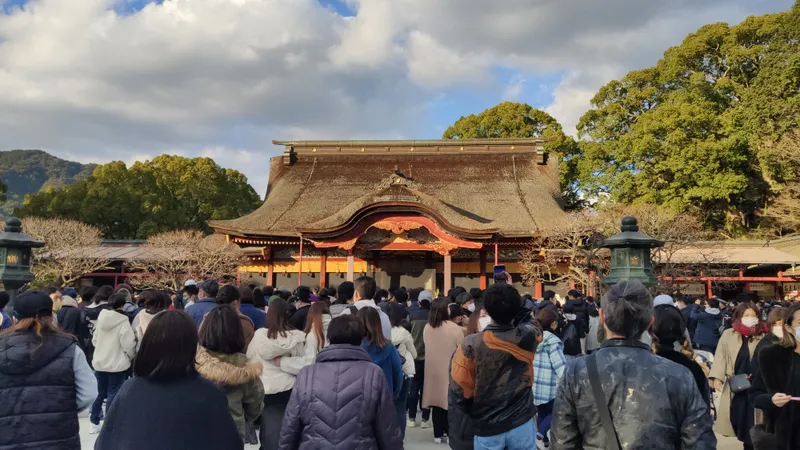 Shrine
Dazaifu Tenmangu
- Career & Work
- Exams & Study
- Fertility & Children
The shrine stands over Sugawara no Michizane’s grave, on the spot where the ox drawing his funeral cart lay down and would not move; prayers here begin with passing an entrance examination.
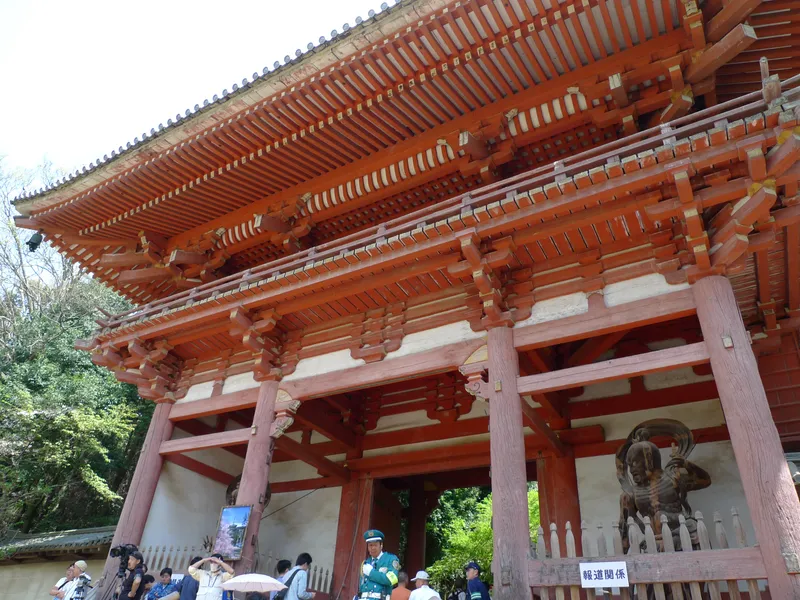 Temple
Daigo-ji
- Fertility & Children
Founded in 874, and the temple where Emperor Daigo obtained a son through prayer — then took the temple’s name as his own.
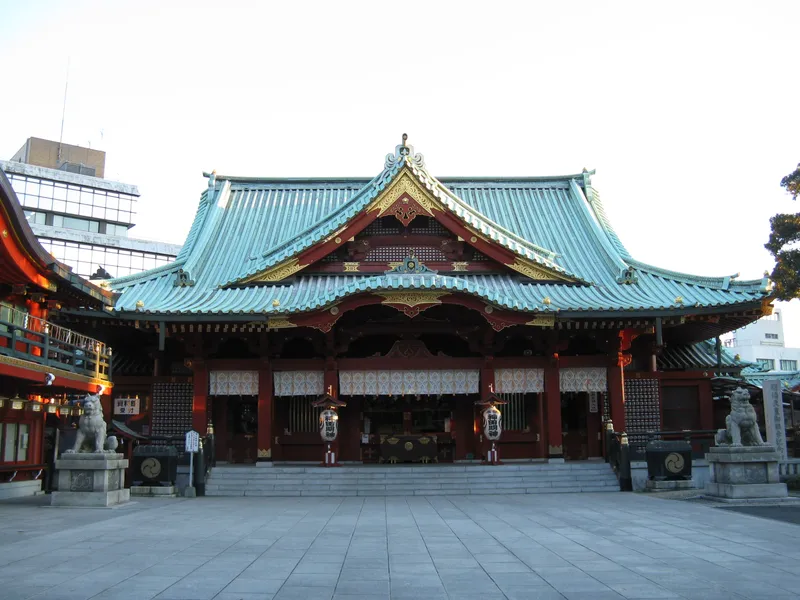 Shrine
Kanda Myojin
- Career & Work
- Family & Home
- Money & Prosperity
A Chiyoda shrine that served as the guardian shrine of all Edo, enshrining three deities between them associated with business prosperity, good matches and warding off misfortune, and these days selling a charm for information security.
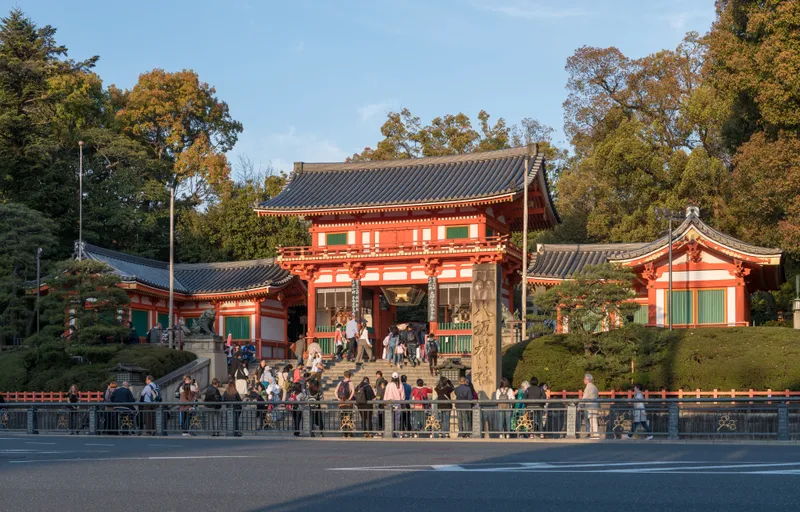 Shrine
Yasaka Jinja
- Health & Healing
The Gion shrine of Susanoo, which has kept up for some eleven hundred and fifty years a festival begun as a prayer that an epidemic be quelled.
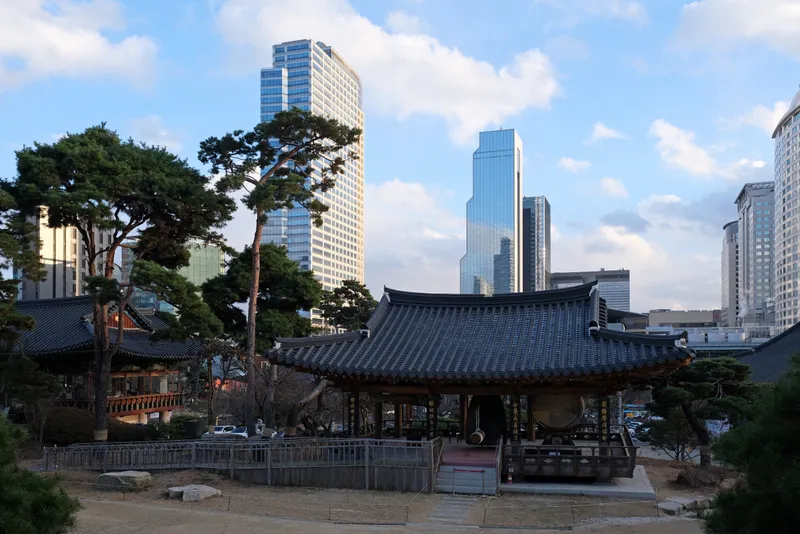 Temple
Bongeunsa
- Family & Home
Founded by a widow to pray for her dead husband’s repose, and later made head temple of the Seon school.
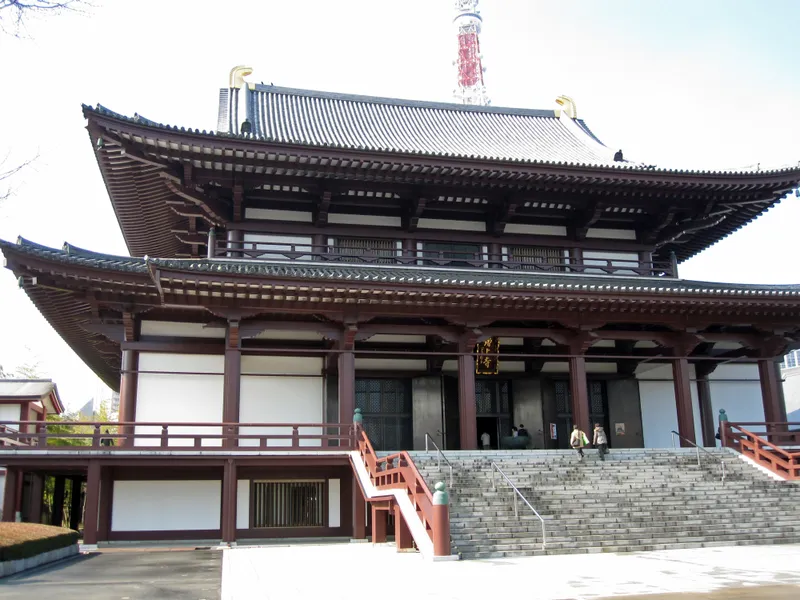 Temple
Zojo-ji
- Career & Work
- Family & Home
- Money & Prosperity
A Pure Land temple in Shiba, founded in 1393 and chosen by the Tokugawa as their family temple, whose hidden principal image is known as the Black Honzon of victory.
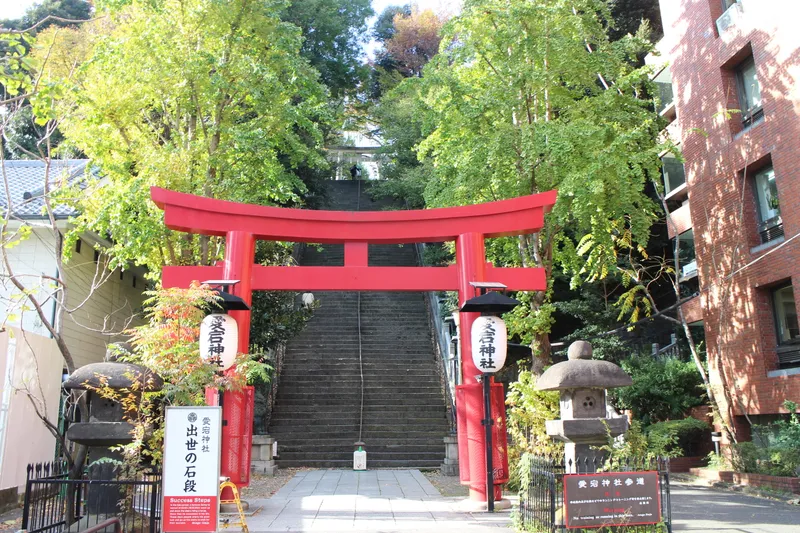 Shrine
Atago Shrine
- Career & Work
- Love & Romance
- Money & Prosperity
A shrine on a steep hill in Minato, founded in 1603 on Tokugawa Ieyasu's order as a deity against fire, and known for the stone staircase named after a rider who is said to have galloped up it.
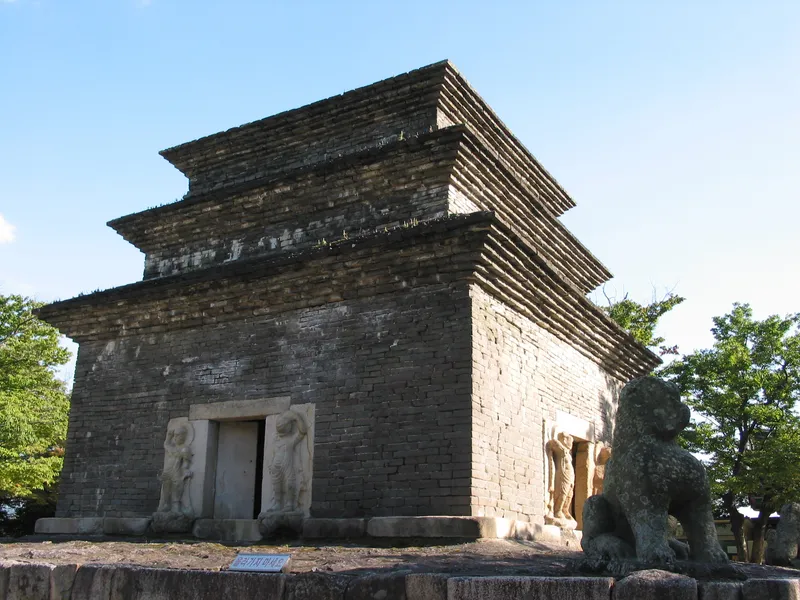 Temple
Bunhwangsa
- Health & Healing
The temple that held the image a blind child’s mother prayed to, after which he saw.
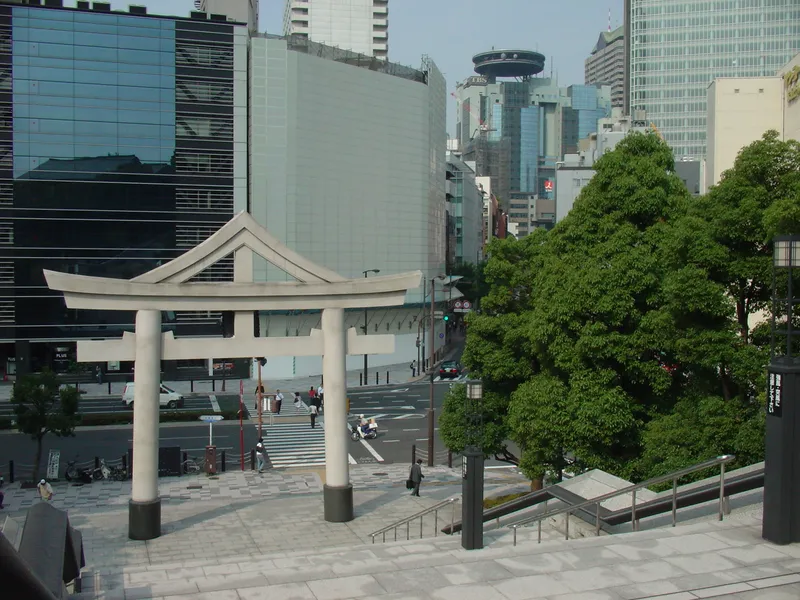 Shrine
Hie Shrine
- Career & Work
- Fertility & Children
- Money & Prosperity
A shrine on a wooded rise in Nagatacho, once the guardian of Edo Castle, whose messenger is the monkey, a pun the shrine explains itself, connecting it to warding off evil, to winning, and to the tying of bonds.
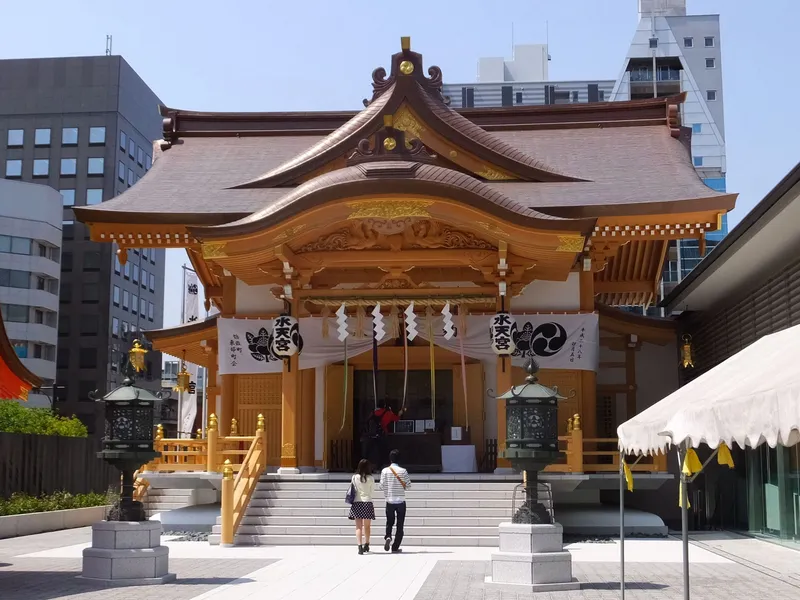 Shrine
Suitengu
- Family & Home
- Fertility & Children
- Protection & Safety
A Nihonbashi shrine long known for safe childbirth and for praying to conceive, whose safe-birth charm is a length of cotton worn as a belly band.
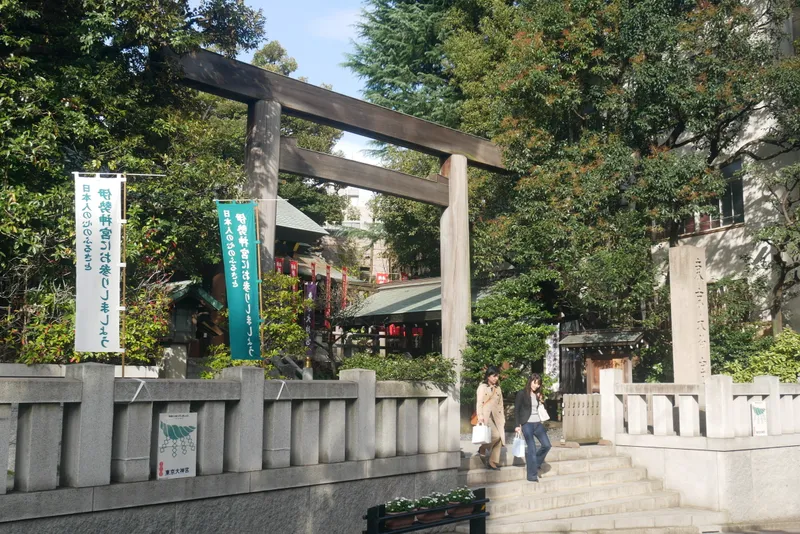 Shrine
Tokyo Daijingu
- Family & Home
- Love & Romance
- Money & Prosperity
A Chiyoda shrine founded in 1880 as a Tokyo branch of Ise, known as "Tokyo's O-Ise-sama" and visited above all for prayers about relationships, an association the shrine itself explains through the three deities of creation enshrined here.
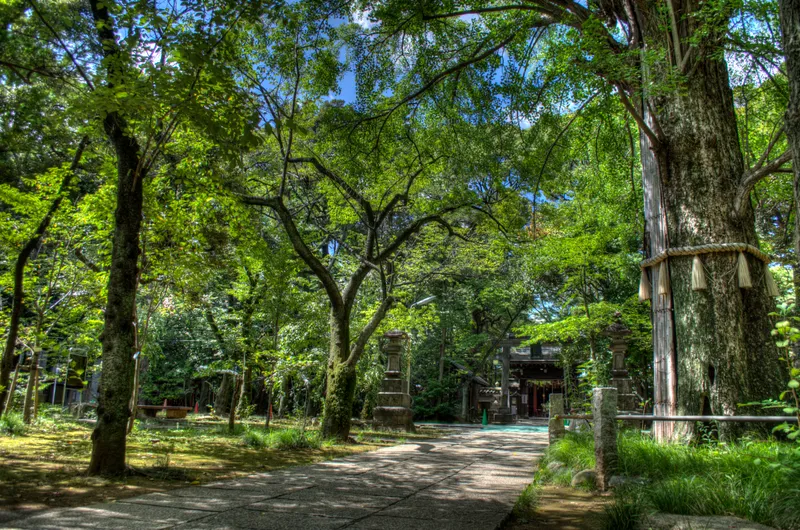 Shrine
Akasaka Hikawa Shrine
- Family & Home
- Love & Romance
- Money & Prosperity
A Minato shrine founded in 951 whose Edo-period buildings survived both the earthquake and the war, known for warding off misfortune and for the tying of bonds, and the shrine explains why it is known for each.
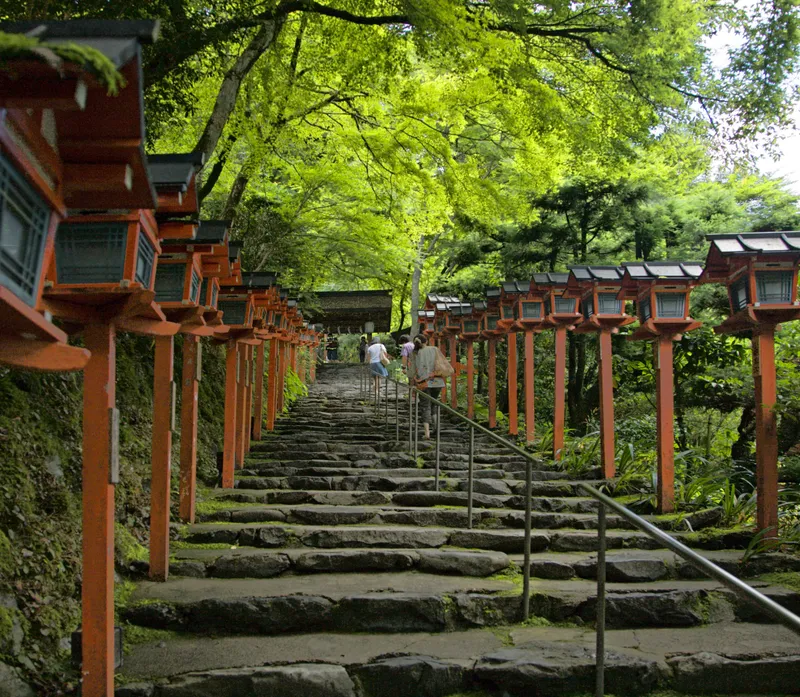 Shrine
Kifune Jinja
- Love & Romance
- Money & Prosperity
- Protection & Safety
A shrine to Kifune Okami, the deity governing the supply of water — and long famous as the shrine of love, with a subordinate shrine to a deity of matchmaking.
 Shrine
Nezu Shrine
- Career & Work
- Exams & Study
- Family & Home
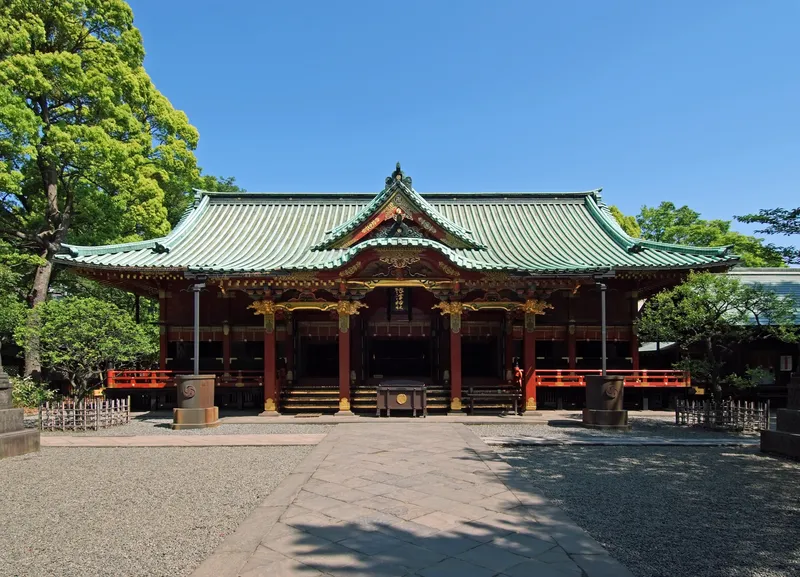
A Bunkyo shrine whose entire 1706 complex survives intact as an Important Cultural Property, rare in Tokyo, with an azalea hill and a tunnel of small red torii (鳥居).
 Shrine
Ueno Toshogu
- Career & Work
- Health & Healing
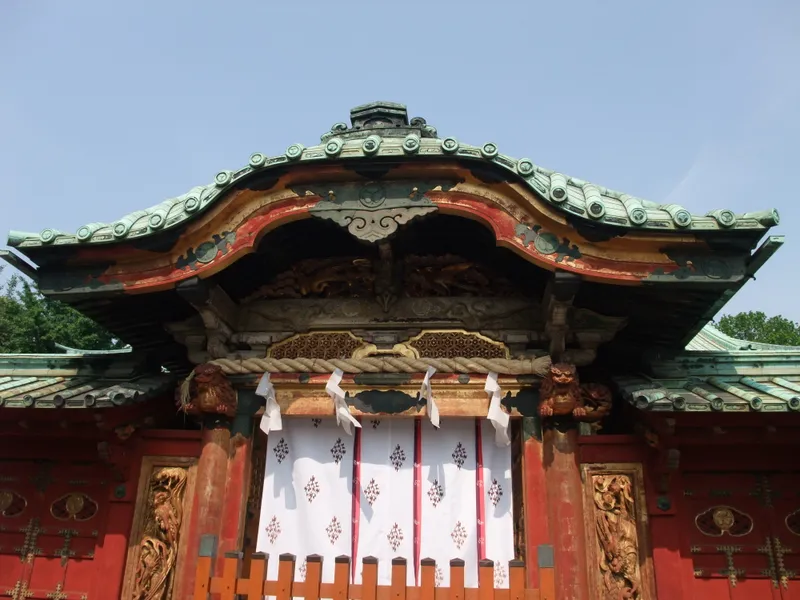
A shrine in Ueno Park founded in 1627 to Tokugawa Ieyasu, whose gilded 1651 hall survived the Ueno war, the earthquake and the air raids intact.
What is Power Spot Map?
- Find places by wishMoney, love, study, health: browse places by the wish each is locally associated with, on the map or in collections.
- Know a place before you goOrigin and history, local meaning, and the practical part: hours, access, and what to keep in mind when visiting.
- Check every claimEach association carries an evidence level and links to the source it came from.
This is cultural and historical reference: background on what places are locally associated with, not a promise of results.How we verify
Explore by region
Related articles
- GuidesHow to visit a shrine or temple in Japan
The country-wide basics: purifying at the water basin, the two-bows-two-claps-one-bow form at shrines, and what temples do instead.
4 min read - GuidesHow to visit a Korean temple
Hands together and hands folded, how the bows work, and what to do at the threshold of a hall. Starting with what is different from visiting a Japanese shrine.
2 min read - GuidesWhat a "power spot" actually is
A modern Japanese coinage, not a traditional religious category. Where the word came from, what it does and does not claim, and why this site uses it anyway.
4 min read - GuidesThe small hall behind the main one — sansingak and samseonggak
Uphill from the main hall of a Korean temple stands a smaller one, and inside it an old man with a tiger. This is where the indigenous religion sits, inside the Buddhist institution.
2 min read - GuidesShrine or temple?
A shrine is Shinto and a temple is Buddhist, and you can usually tell at the gate. Why the line is cleaner on paper than on the ground, and what a government order in 1868 has to do with it.
9 min read - GuidesMusok and gut — Korea’s living folk religion
Who the mudang are and what a gut is. And what to do if you walk in on one.
2 min read - GuidesOmamori, ema, omikuji and goshuin
The four things you are most likely to receive, write, draw or be given at a shrine or temple, what each is actually for, and the one of them people most often get wrong.
7 min read - GuidesTemplestay — a night at a temple
A programme that puts you inside a temple’s own timetable for a day or two. What you do, which type to book, and what to be ready for.
2 min read - GuidesPrayer sites and the one wish
The three great Gwaneum sites, the five relic halls, and the crowds before the entrance exam. Where the saying about one wish comes from, and where the record stops.
2 min read