Ssanggyesa, Jirisan
Researched and translated with AI assistance. Every claim is linked to its source, but errors get through, so check the official site for opening times, fees and closures.About
In short
The ground a tiger led them to, after a search for a place with snow and flowers at once.
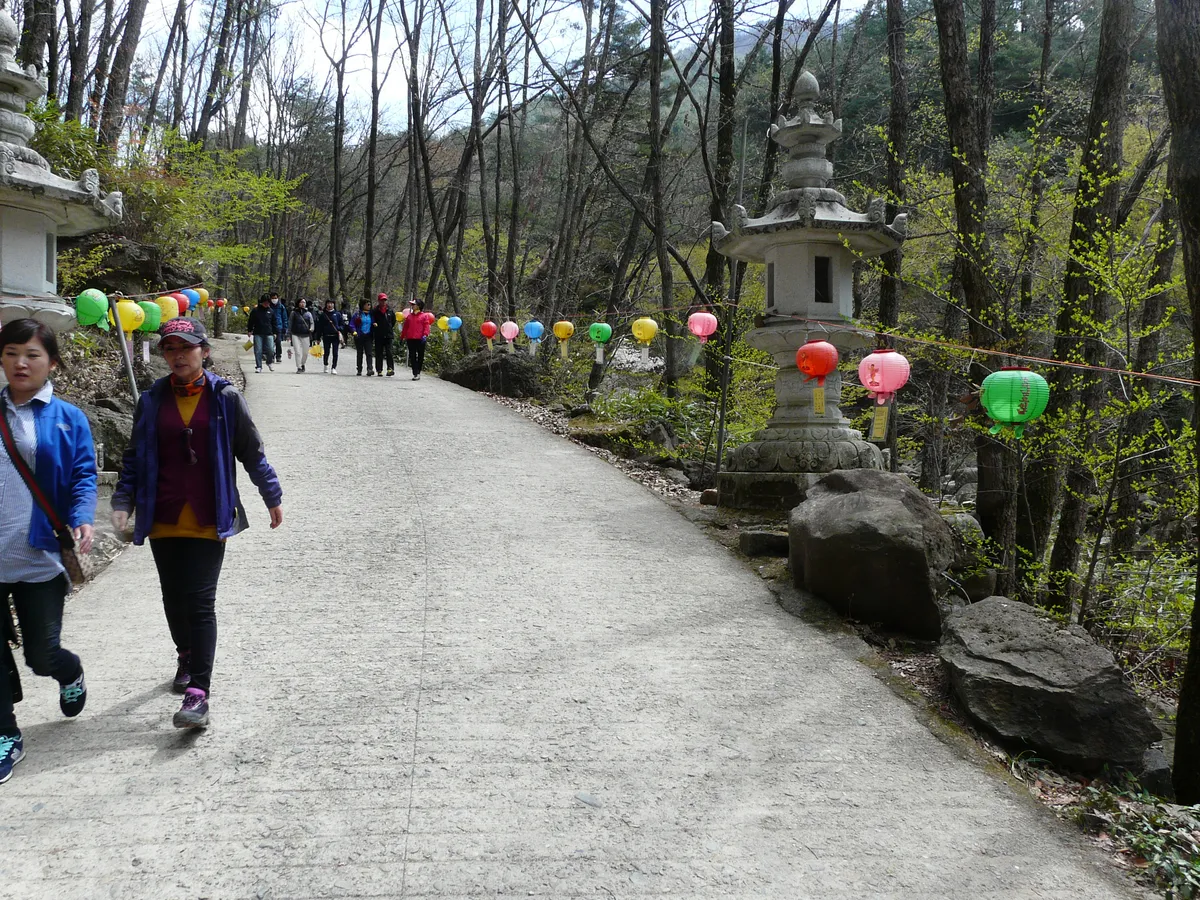
Quick facts
- Address
- 59 Ssanggyesa-gil, Hwagae-myeon, Hadong-gun, Gyeongsangnam-do
About this place
Ssanggyesa stands on Jirisan in Hwagae-myeon, Hadong-gun, Gyeongsangnam-do, and is the head temple of the thirteenth district of the Jogye Order. Before returning from Tang China, Sambeop dreamed that he should bring the crown-relic of the Sixth Patriarch Huineng and enshrine it on the Three Divine Mountains, at a place where flowers bloom above a snow-filled valley; he took the head of the Sixth Patriarch and came home. He went all over Hallasan, Geumgangsan and elsewhere without finding ground that had snow and flowers both, and when he came to Jirisan a tiger led the way and brought him to the site of the present Geumdang hall of Ssanggyesa. In 840 the national master Jingam brought tea seeds from China, planted them around the temple and rebuilt it as a great monastery. The inscription on the stele of the Seon master Jingam at Ssanggyesa was written by Choe Chi-won and is counted the first of the four great epigraphs of Korea.
Origin and history
Before returning from Tang China, Sambeop dreamed that he should bring the crown-relic of the Sixth Patriarch Huineng and enshrine it on the Three Divine Mountains, at a place where flowers bloom above a snow-filled valley; he took the head of the Sixth Patriarch and came home.
He went all over Hallasan, Geumgangsan and elsewhere without finding ground that had snow and flowers both, and when he came to Jirisan a tiger led the way and brought him to the site of the present Geumdang hall of Ssanggyesa.
In 840 the national master Jingam brought tea seeds from China, planted them around the temple and rebuilt it as a great monastery.
The inscription on the stele of the Seon master Jingam was written by Choe Chi-won and is counted the first of the four great epigraphs of Korea.
What it is locally associated with
Snow and flowers at once
Sambeop dreamed that he should enshrine the crown-relic of the Sixth Patriarch at a place on the Three Divine Mountains where flowers bloom above a snow-filled valley, and came home with the head of the Sixth Patriarch.
folk traditionA tiger led the way
After searching Hallasan and Geumgangsan without success, he came to Jirisan, where a tiger led the way to the site of the present Geumdang hall.
folk traditionWhere tea seeds were planted
In 840 the national master Jingam brought tea seeds from China, planted them around the temple and rebuilt it as a great monastery.
documented history
This temple’s site was fixed by a condition before it was found. What the dream specified was a place where flowers bloom above a snow-filled valley — ground that had both at once. Hallasan and Geumgangsan were searched without success, and when he reached Jirisan a tiger led the way to the site of the present Geumdang.
Flowers out of season turn up at another temple in Gyeongsang too. Dorisa in Gumi is handed down as founded on the sight of flowers in full bloom although it was winter. No record joins the two accounts, so nothing more is claimed here than that they resemble each other.
One of the things that begins at this temple is tea. In 840 the national master Jingam brought tea seeds from China and planted them around the temple.
Jeolla has a temple that brought in a way of making something too. Seonunsa in Gochang is handed down as the temple the coastal people offered salt to, because the master Geomdan had taught them how to make it. One is tea and one is salt, and both records set down what the temple brought in.
Choe Chi-won’s writing is here as well. He wrote the inscription on the stele of the Seon master Jingam, counted the first of the four great epigraphs of Korea. Gounsa in Uiseong is the temple that rewrote its characters after his style name, and the list of the ten Hwaeom temples that Buseoksa and Beomeosa cite sits in his writing too.
Claims and evidence levels 2
- In 840 the national master Jingam brought tea seeds from China and planted them around Ssanggyesa. documented history
- The site is said to have been found by following a dream naming a place with snow and flowers at once, with a tiger leading the last of the way. folk tradition
Related guides
- How to visit a Korean templeHands together and hands folded, how the bows work, and what to do at the threshold of a hall. Starting with what is different from visiting a Japanese shrine.
- The small hall behind the main one — sansingak and samseonggakUphill from the main hall of a Korean temple stands a smaller one, and inside it an old man with a tiger. This is where the indigenous religion sits, inside the Buddhist institution.
- Templestay — a night at a templeA programme that puts you inside a temple’s own timetable for a day or two. What you do, which type to book, and what to be ready for.
- Prayer sites and the one wishThe three great Gwaneum sites, the five relic halls, and the crowds before the entrance exam. Where the saying about one wish comes from, and where the record stops.
Sources
- 지리산 쌍계사(智異山 雙磎寺) — 한국민족문화대백과사전 (accessed 2026-08-16)
Last updated:
Similar places
8 places
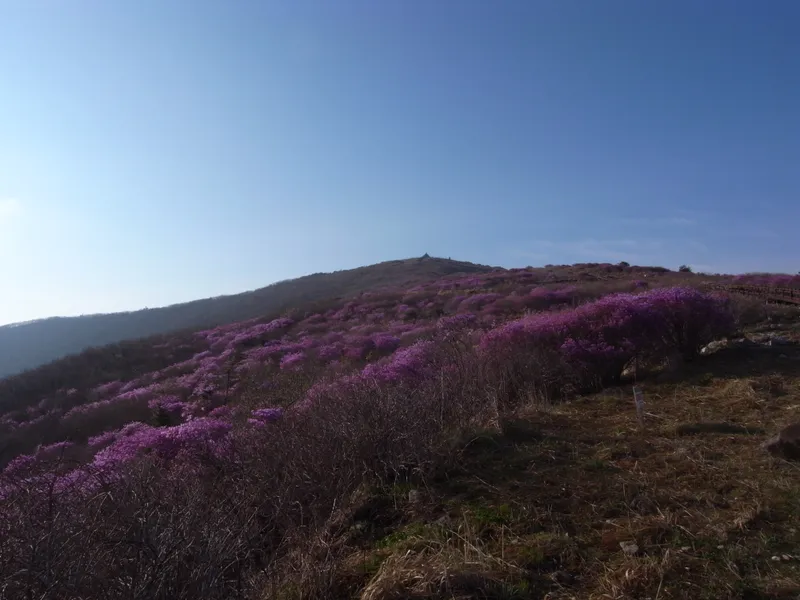 Sacred Mountain
Nogodan
The peak where rites to the Holy Mother of Jirisan began, before the rite moved to Namaksa and later to a hall beside Hwaeomsa.
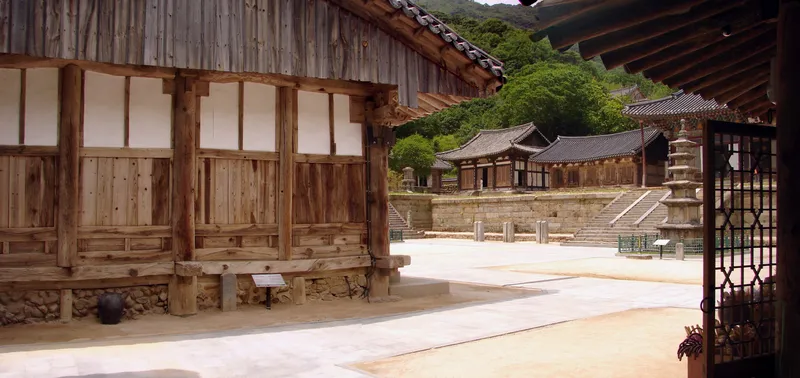 Temple
Hwaeomsa
A temple whose great hall took the name Gakhwangjeon after King Sukjong sent down a board he had written himself.
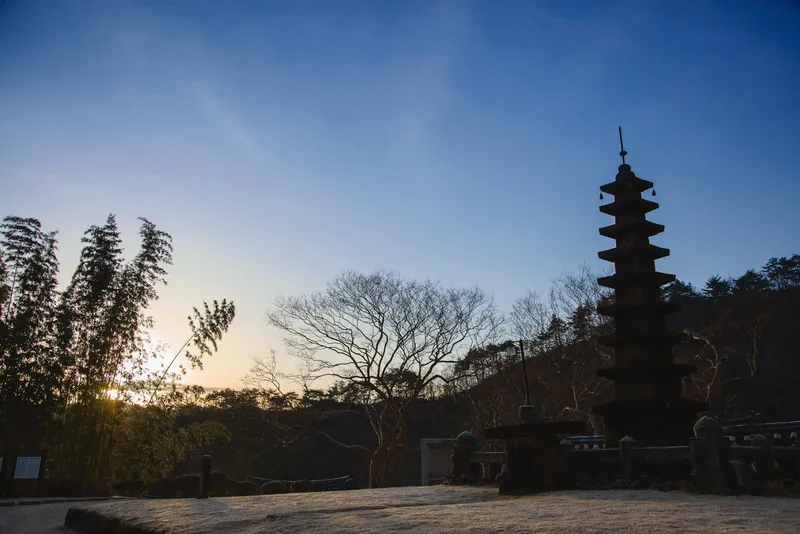 Temple
Daewonsa, Jirisan
Counted among the country’s leading meditation halls for women in the monastic life.
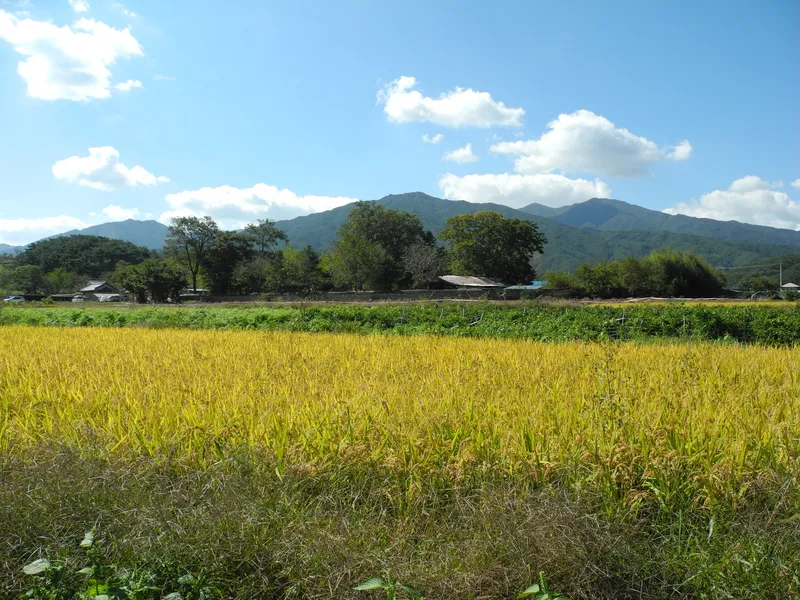 Temple
Silsangsa, Jirisan
Founded at the moment the Silsang school, one of the Nine Mountain Seon schools, was opened.
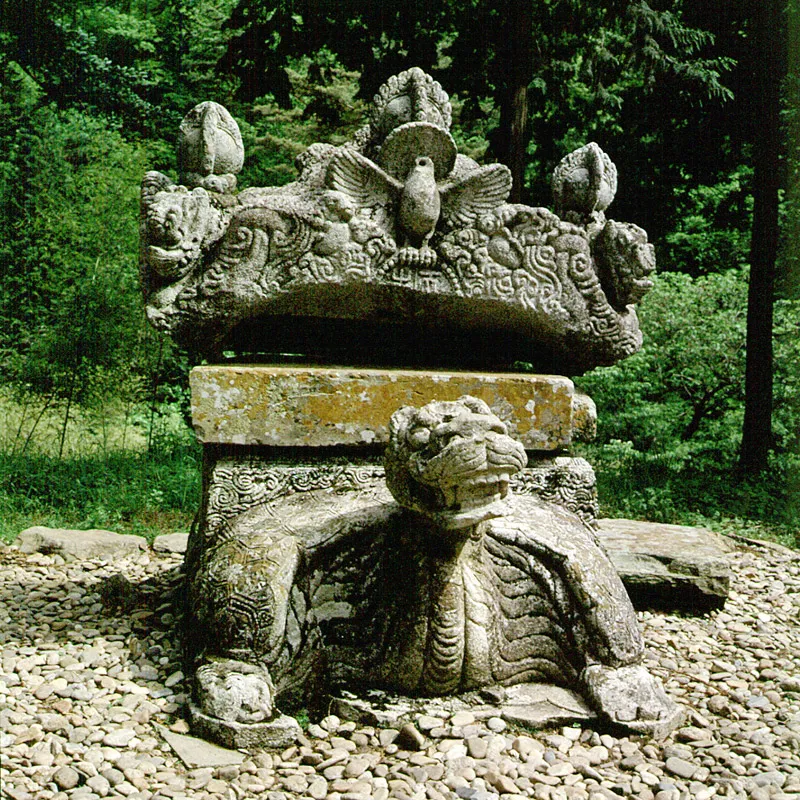 Temple
Taeansa, Dongnisan
The central temple of the Dongni school, one of the Nine Mountain Seon schools.
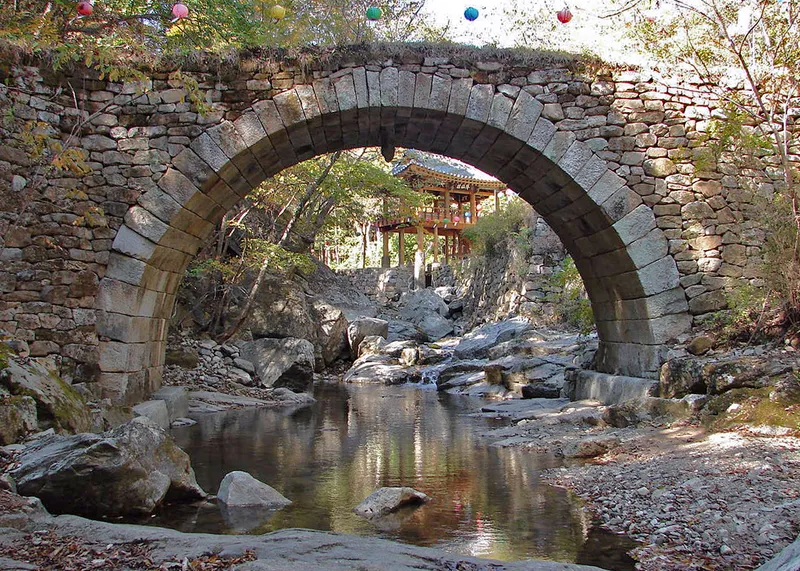 Temple
Seonamsa, Jogyesan
A temple whose record sets two founding accounts side by side and says which it trusts more.
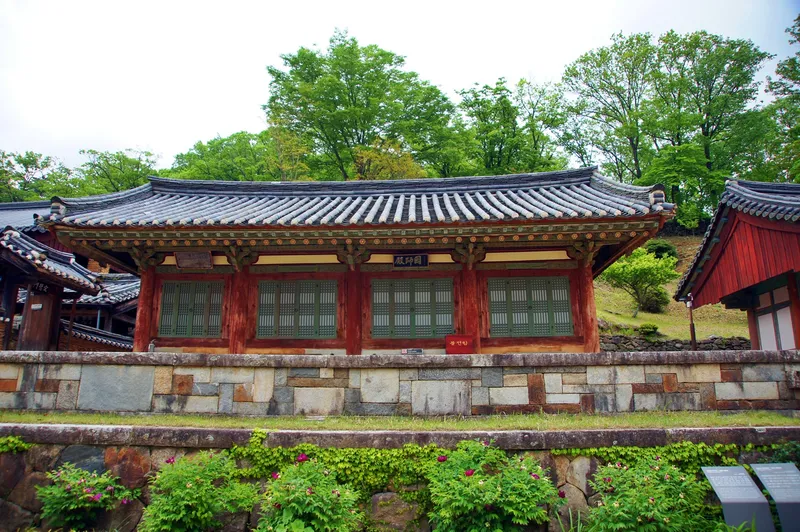 Temple
Songgwangsa
The temple called the Sangha Jewel because so many great masters came from it, completing the trio with Tongdosa and Haeinsa.
 Temple
Boriam
- Wish Fulfillment
An Avalokiteśvara prayer site on the slope of Geumsan, counted with Hongryeonam and Bomunsa among Korea’s three great sites.
No places match your filters