Oka-dera
Ryugai-ji
Researched and translated with AI assistance. Every claim is linked to its source, but errors get through, so check the official site for opening times, fees and closures.About
In short
Founded by the priest Gien on the vow of Emperor Tenji, it calls itself the first site in Japan for warding off misfortune and is the seventh station of the Saikoku pilgrimage.
Quick facts
- Address
- 806 Oka, Asuka, Takaichi, Nara
About this place
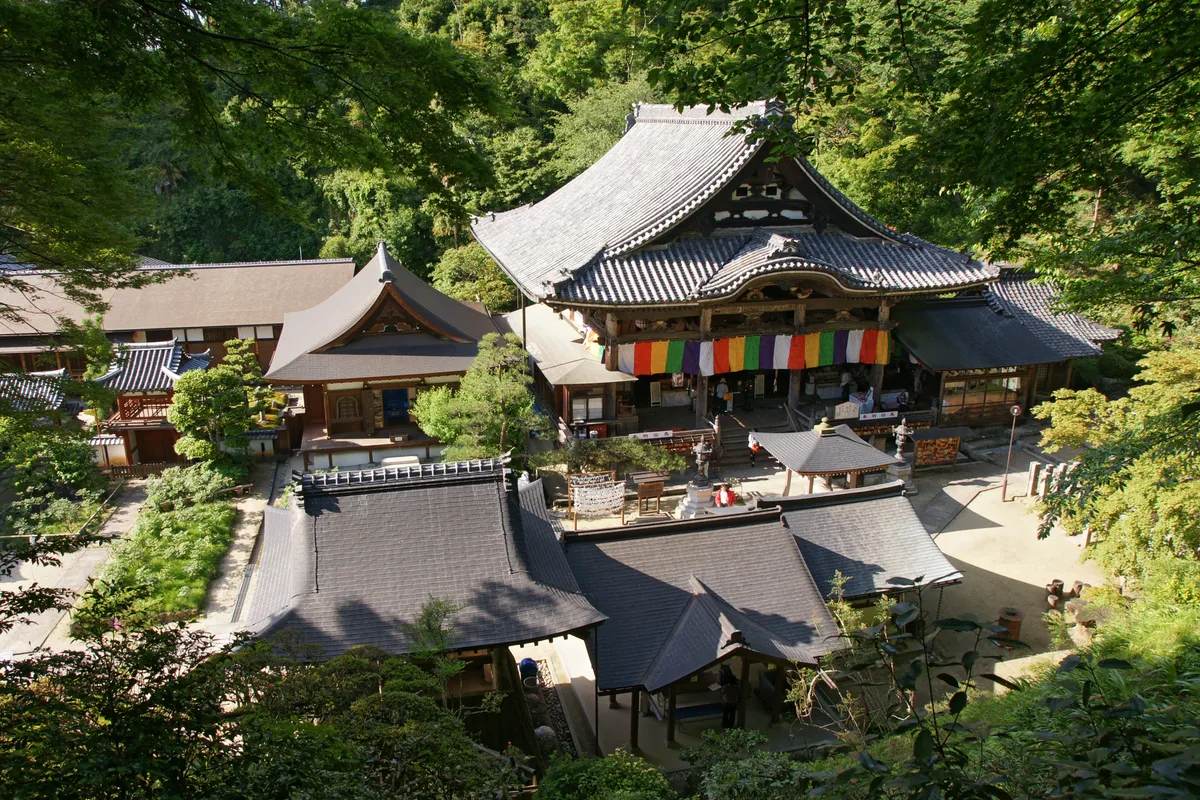
Oka-dera is in Asuka, Nara. By the temple’s own transmission it was founded roughly 1,300 years ago by the priest Gien, on the vow of Emperor Tenji. Gien was held to be a child granted by Kannon; Emperor Tenji took the child in, and he was raised at the Oka palace alongside Prince Kusakabe (662–689). In 703 he became the first man in Japan to hold the rank of sojo, and held the office for twenty-five years afterwards. The name Ryugai-ji is transmitted from an evil dragon that was ravaging Asuka and afflicting the farmers: Gien sealed it in a pond by the power of the Law, put a great stone lid over it, and brought it to repentance. The temple calls itself the first site in Japan for warding off misfortune and the seventh station of the Saikoku pilgrimage, and its list of prayers begins with warding off misfortune.
Origin and history
By the temple’s own transmission, Oka-dera was founded roughly 1,300 years ago by the priest Gien, on the vow of Emperor Tenji.
Gien was held to be a child granted by Kannon. Emperor Tenji took the child in, and he was raised at the Oka palace alongside Prince Kusakabe (662–689). In 703 he became the first man in Japan to hold the rank of sojo, and held the office for twenty-five years.
The name Ryugai-ji is transmitted from an evil dragon that was ravaging Asuka and afflicting the farmers. Gien sealed it in a pond by the power of the Law, put a great stone lid over it, and brought it to repentance.
What it is locally associated with
The first misfortune-warding site in Japan
The temple calls itself the first site in Japan for warding off misfortune and the seventh Saikoku station; its prayers begin with warding off misfortune.
documented historyA child granted by Kannon
Gien was held to be a child granted by Kannon; Emperor Tenji took him in and had him raised at the Oka palace beside Prince Kusakabe.
folk traditionThe temple of the lid on the dragon
Gien sealed an evil dragon in a pond by the power of the Law and covered it with a great stone, whence the name Ryugai-ji.
folk tradition
This temple calls itself the first site in Japan for warding off misfortune. Its list of prayers begins there too — warding off misfortune, then dispelling plague, safety in traffic, safety in the household, bodily soundness, safe childbirth, recovery from illness, long life free of calamity, a good match, the fulfilment of a wish, success in study, prosperity in business, passing an entrance examination. Getting rid of bad luck comes first.
The man who opened it, Gien, was held to be a child granted by Kannon. Emperor Tenji took the child in and had him raised at the Oka palace beside Prince Kusakabe — a monk brought up alongside a prince, who later became the first man in Japan to hold the rank of sojo.
Its other name records an incident. Ryugai-ji means the temple of the lid on the dragon: an evil dragon ravaging Asuka and afflicting the farmers, sealed in a pond by the power of the Law and covered with a great stone until it repented.
The temple is also the seventh station of the Saikoku pilgrimage. Hase-dera, on this same list, is the founding site of that circuit of thirty-three Kannon. Two temples here stand on the same pilgrimage road.
Claims and evidence levels 3
- By the temple’s transmission, Oka-dera was founded roughly 1,300 years ago by the priest Gien on the vow of Emperor Tenji. folk tradition
- Gien became the first man in Japan to hold the rank of sojo, in 703, and held the office for twenty-five years. documented history
- The temple calls itself the first site in Japan for warding off misfortune and is the seventh station of the Saikoku pilgrimage. documented history
Related guides
- How to visit a shrine or temple in JapanThe country-wide basics: purifying at the water basin, the two-bows-two-claps-one-bow form at shrines, and what temples do instead.
- What a "power spot" actually isA modern Japanese coinage, not a traditional religious category. Where the word came from, what it does and does not claim, and why this site uses it anyway.
- Shrine or temple?A shrine is Shinto and a temple is Buddhist, and you can usually tell at the gate. Why the line is cleaner on paper than on the ground, and what a government order in 1868 has to do with it.
- Omamori, ema, omikuji and goshuinThe four things you are most likely to receive, write, draw or be given at a shrine or temple, what each is actually for, and the one of them people most often get wrong.
Sources
- 岡寺の歴史 — Oka-dera (accessed 2026-08-15)
- 厄除け・ご祈祷のご案内 — Oka-dera (accessed 2026-08-15)
Last updated:
Similar places
8 places
 Temple
Abe Monju-in
- Exams & Study
- Fertility & Children
- Protection & Safety
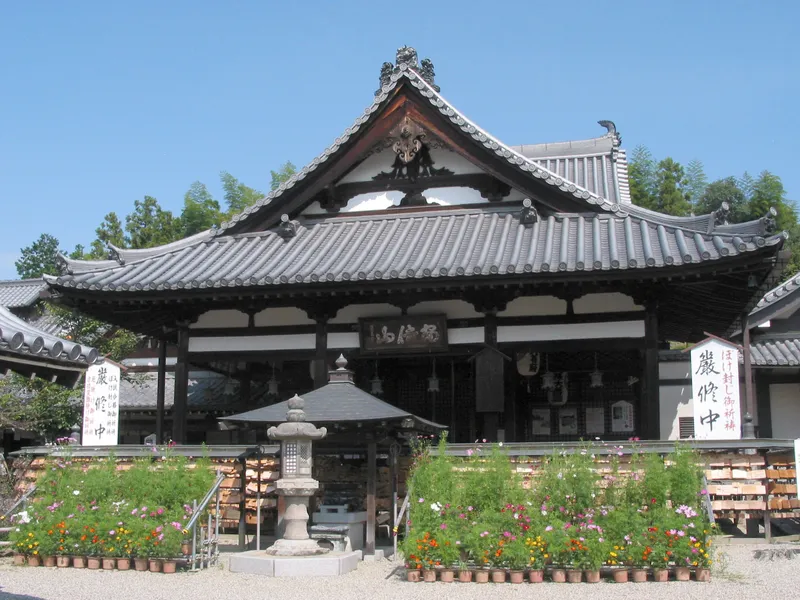
Founded in 645 and one of the oldest temples in Japan, its principal image is the Monju of the proverb "three heads together make Monju’s wisdom", and prayers here begin with success in examinations.
 Temple
Katsuo-ji
- Exams & Study
- Health & Healing
- Protection & Safety
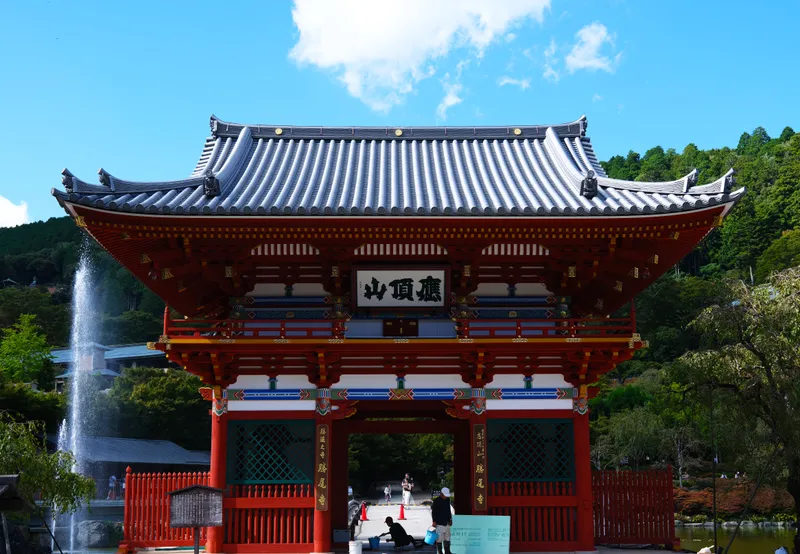
Begun in 727 when twin brothers built a hermitage on the mountain, and a temple of winning that defines winning as overcoming your own weak heart.
 Shrine
Nezu Shrine
- Career & Work
- Exams & Study
- Family & Home
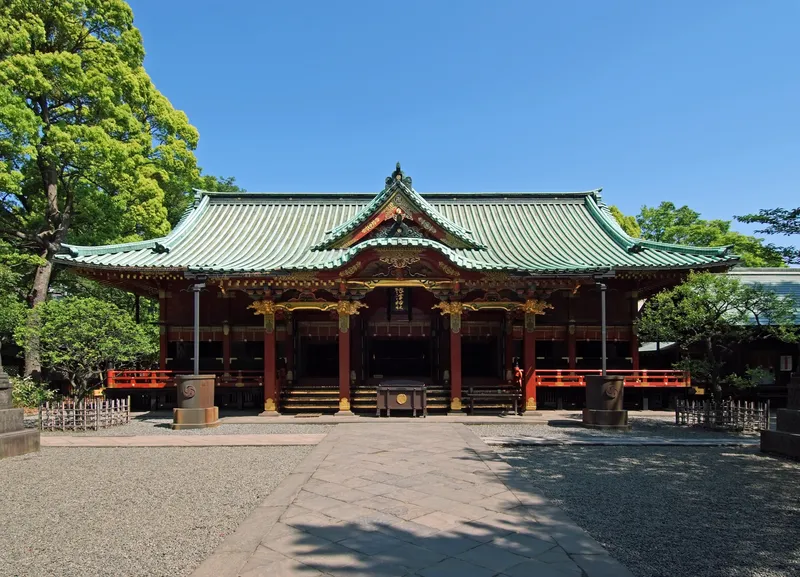
A Bunkyo shrine whose entire 1706 complex survives intact as an Important Cultural Property, rare in Tokyo, with an azalea hill and a tunnel of small red torii (鳥居).
 Shrine
Tanzan Shrine
- Family & Home
- Health & Healing
- Money & Prosperity
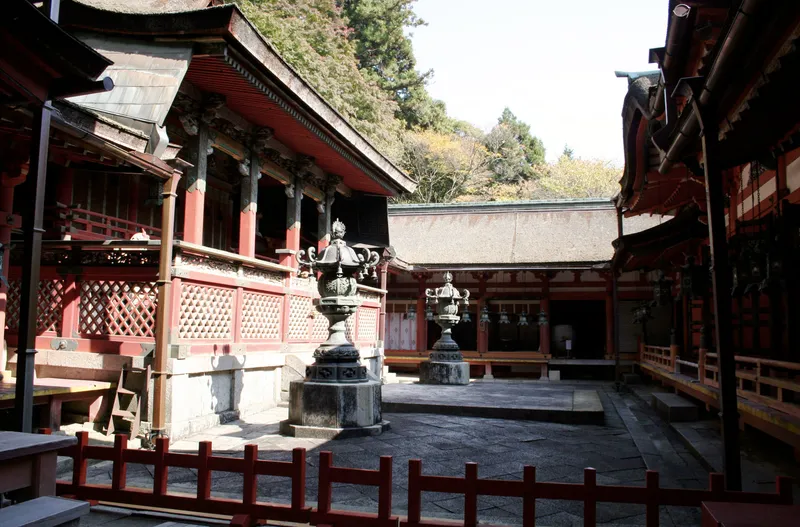
A shrine to Fujiwara no Kamatari on the hill where he and Prince Naka no Oe held the secret conference that led to the Taika Reform.
 Temple
Chogosonshi-ji
- Family & Home
- Health & Healing
- Protection & Safety
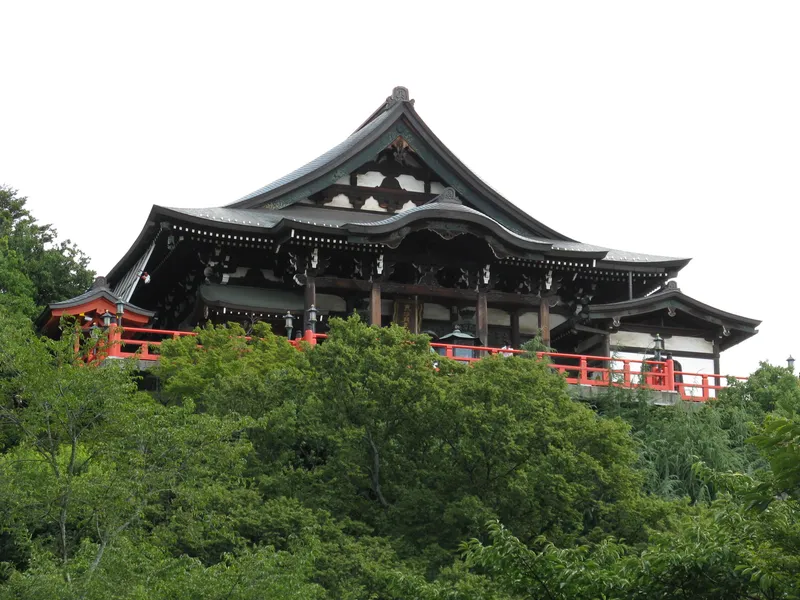
Prince Shotoku is said to have perceived Bishamonten on this mountain at the tiger hour of the tiger day of the tiger year, and the temple received its name when Emperor Daigo recovered from grave illness.
 Shrine
Konda Hachimangu
- Fertility & Children
- Protection & Safety
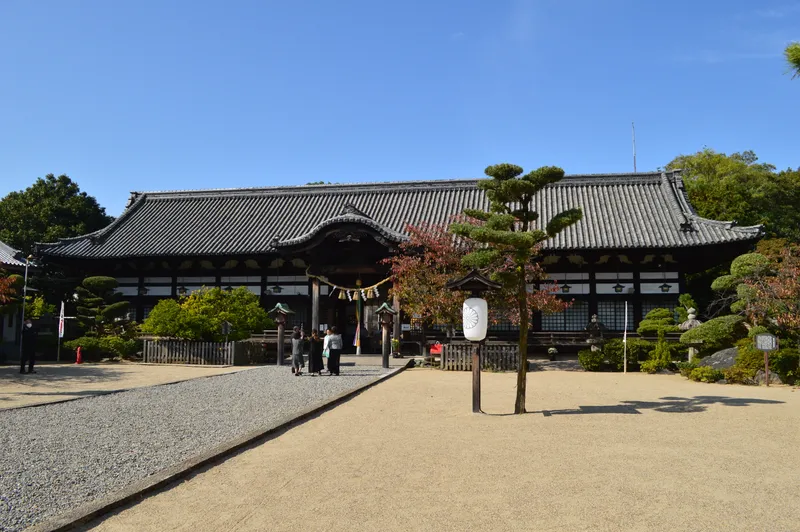
It sits on the round rear mound of Emperor Ojin’s tomb, and its history began from the devotion of guarding and serving that tomb.
 Shrine
Ikasuri Jinja
- Family & Home
- Fertility & Children
- Money & Prosperity
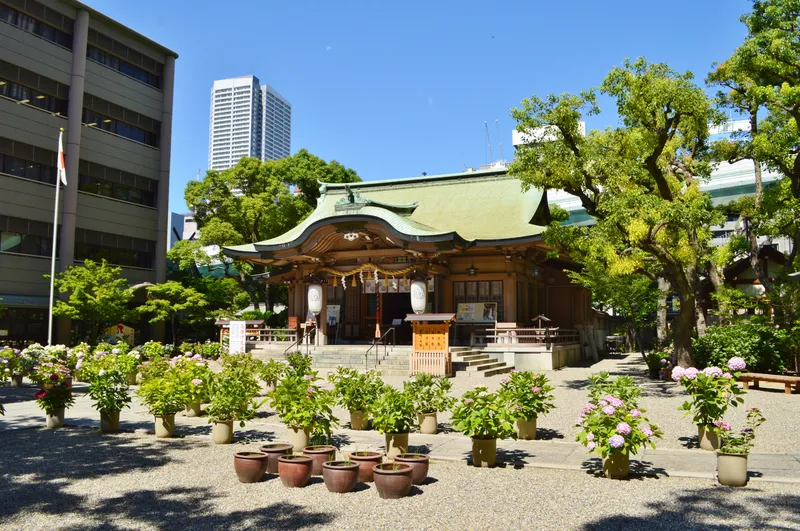
Because it is the deity of this ground, the shrine records, it governs safe childbirth, children’s safe growth and safety in trade.
 Shrine
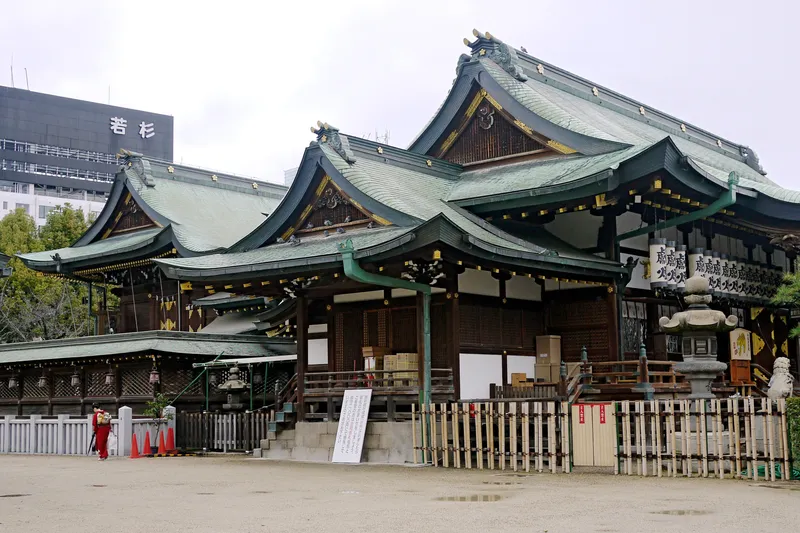
Osaka Tenmangu
- Exams & Study
- Money & Prosperity
- Protection & Safety
Built by imperial order on the spot where Sugawara no Michizane prayed for a safe journey to Dazaifu, after seven pines grew there overnight and shone each night.
No places match your filters