Fukuoka
Fukuoka faces the continent, and much here is about crossing: island shrines on the sea route, a harbour city whose gods were merchants’ gods, and the offerings left on an island now counted in tens of thousands of national treasures. It is also where an exile ended — the scholar Michizane died at Dazaifu and is buried there.
AI-assisted research. Check official sources before you travel.About
30 placesOpen in the full map
Places in this collection
 Shrine
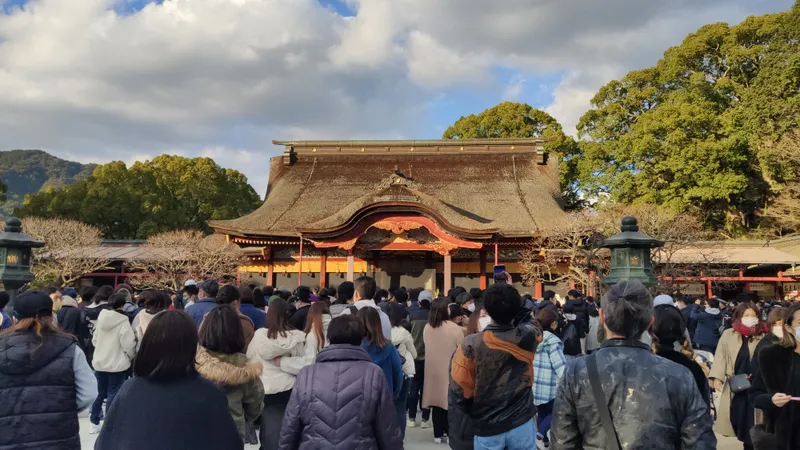
Dazaifu Tenmangu
- Career & Work
- Exams & Study
- Fertility & Children
The shrine stands over Sugawara no Michizane’s grave, on the spot where the ox drawing his funeral cart lay down and would not move; prayers here begin with passing an entrance examination.
 Shrine
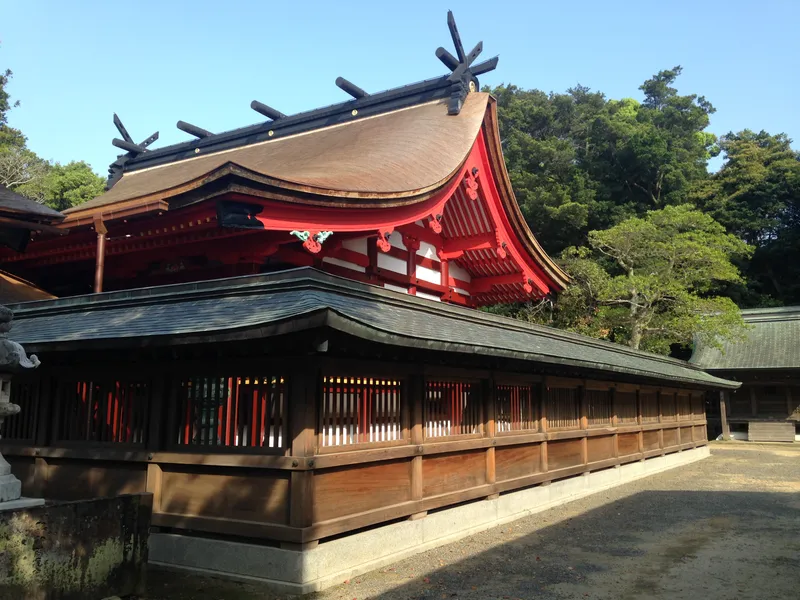
Munakata Taisha
Three goddesses, daughters of Amaterasu, enshrined across three halls, with some eighty thousand national treasures excavated from the island of Okinoshima confirming traces of state ritual.
 Shrine
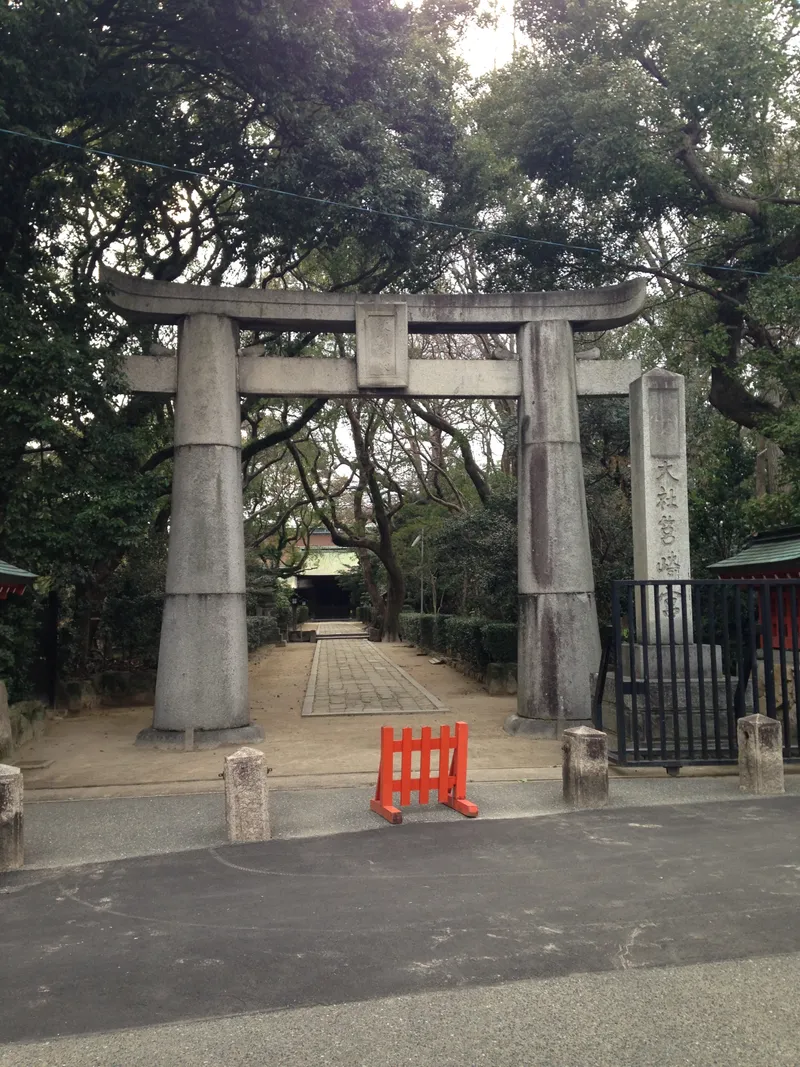
Hakozakigu
- Exams & Study
- Fertility & Children
- Money & Prosperity
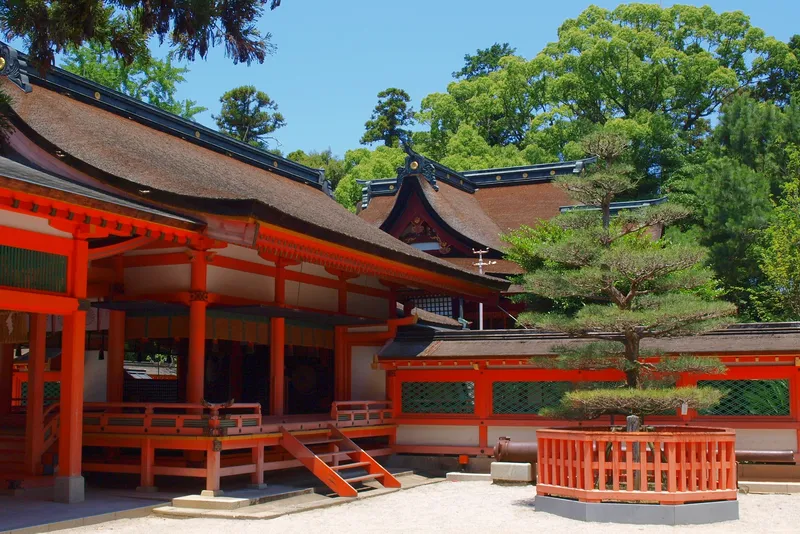
A Hachiman shrine built in 921 after Emperor Daigo, by divine instruction, handed down a piece of imperial calligraphy that the shrine still keeps as its first treasure.
 Shrine
Kashiigu
- Family & Home
- Fertility & Children
- Protection & Safety
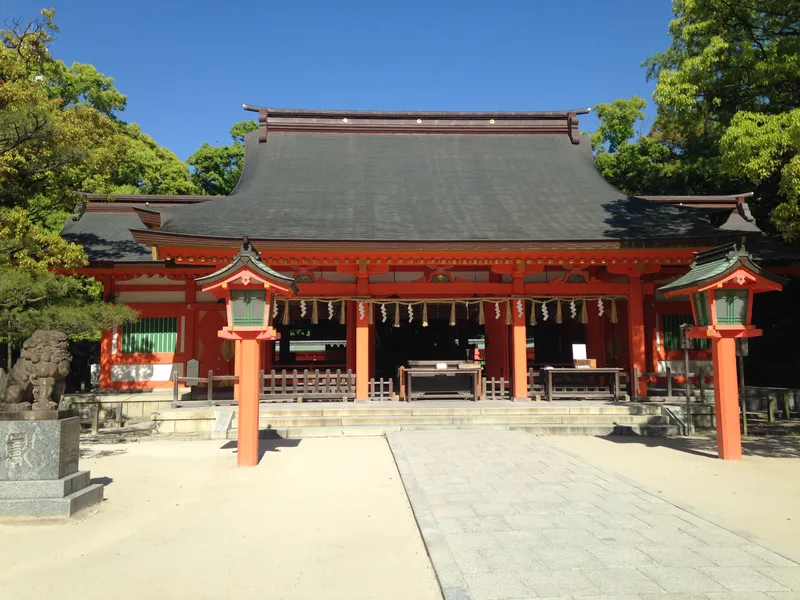
It began when Empress Jingu built a shrine with her own hands for the spirit of her husband Emperor Chuai, and a second hall for the empress herself was later added on her own oracle.
 Shrine
Sumiyoshi Shrine
- Protection & Safety
- Purification
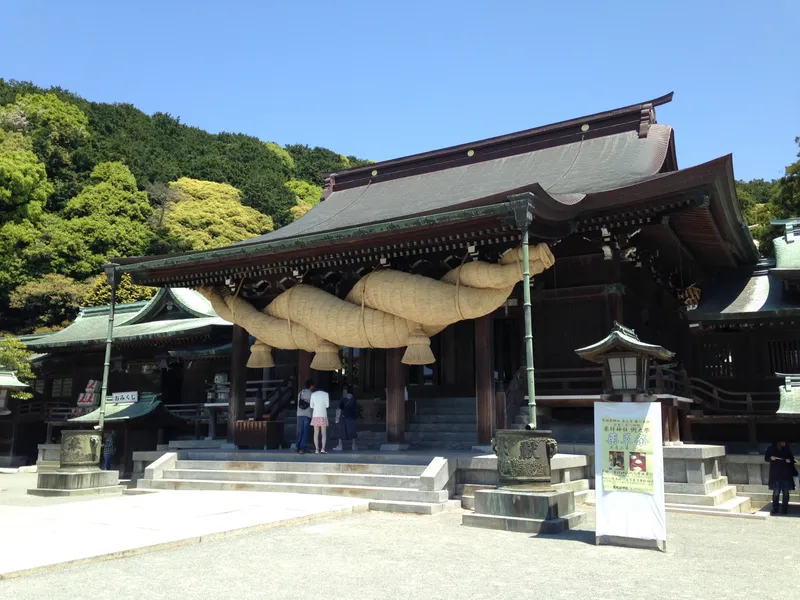
Said to be the first of the 2,129 Sumiyoshi shrines in the country, and revered as a deity who guards against every calamity by means of purity of body and mind.
 Shrine
Miyajidake Shrine
- Wish Fulfillment
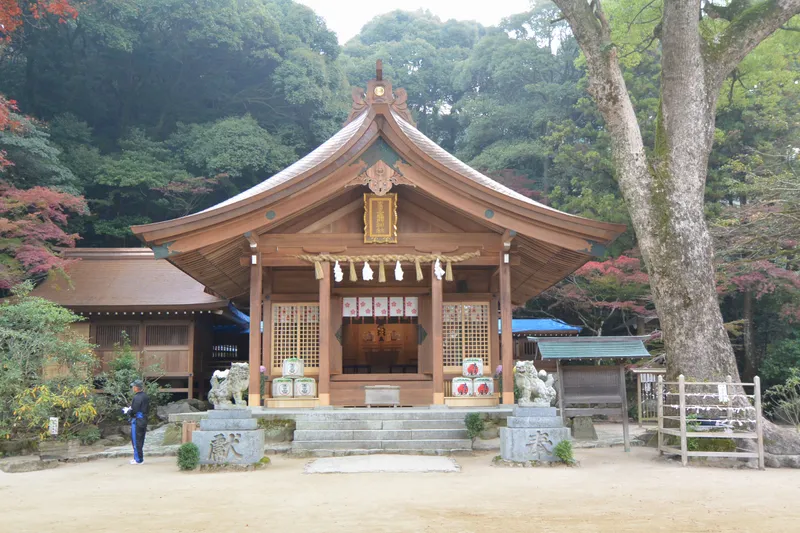
Empress Jingu is said to have prayed from this mountaintop before sailing — “grant me, I pray, an opening of fortune” — and the deity here is revered as one who grants any wish at all.
 Shrine
Homangu Kamado Shrine
- Love & Romance
- Protection & Safety
Ritual began on Mount Homan because it stands at the demon gate of the Dazaifu government office, and the shrine derives its matchmaking virtue from the characters in its deity’s own name.
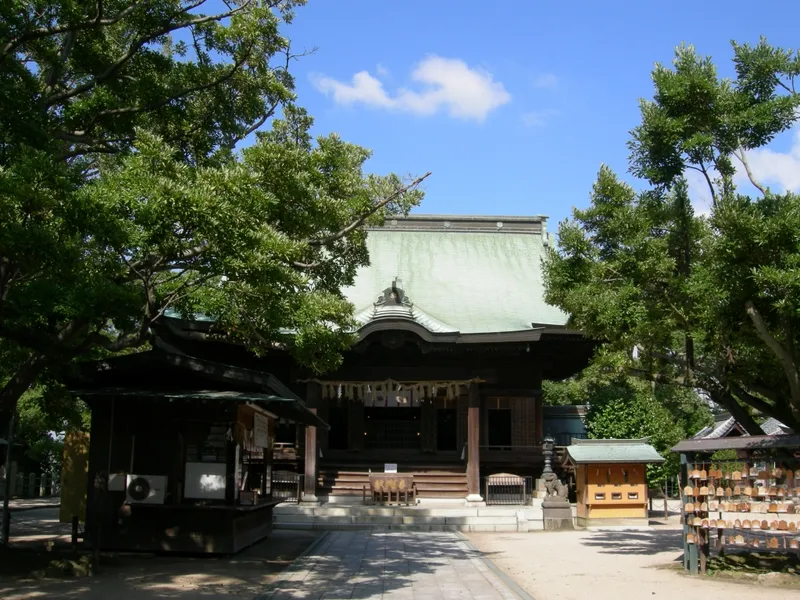 Shrine
Suitengu
- Fertility & Children
- Protection & Safety
The head shrine of all the Suitengu in Japan, enshrining Amenominakanushi together with Emperor Antoku, Kenreimon’in and Nii-no-Ama of the Taira, and known for safe birth and protection from drowning.
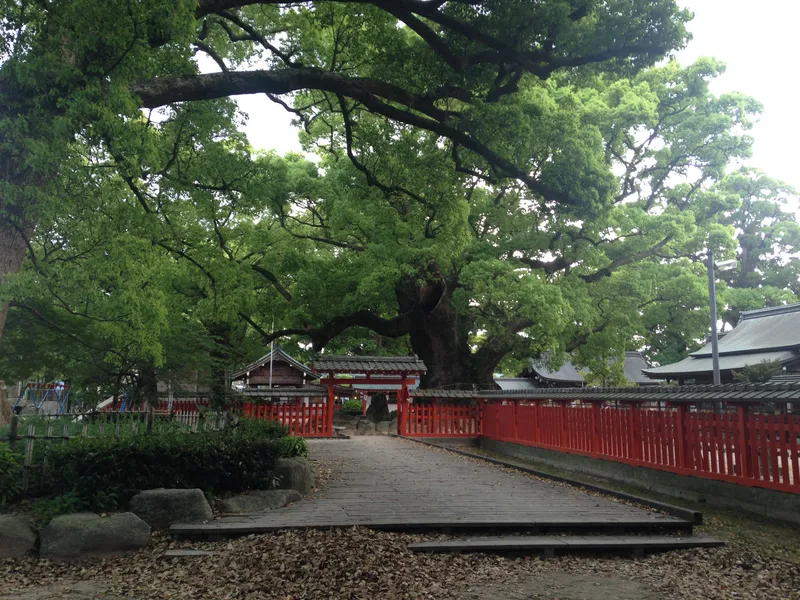 Shrine
Umi Hachimangu
- Family & Home
- Fertility & Children
Empress Jingu gave birth to Emperor Ojin here, holding on to the branch of a pagoda tree, and the town’s name comes from that delivery.
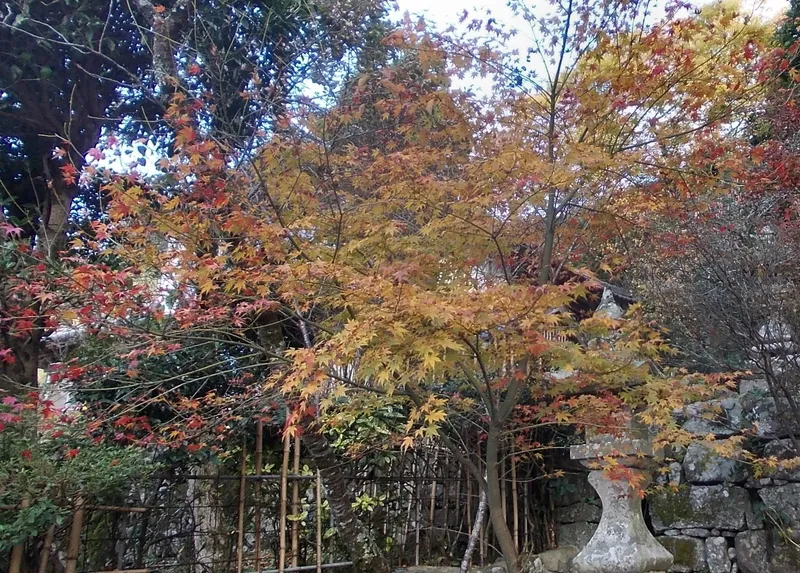 Sacred Mountain
Hikosan Jingu
- Career & Work
- Protection & Safety
A mountain shrine that began as “the mountain of the sun’s child” and had its name altered twice by imperial act, in 819 and again in 1729; its virtues are the guarding of farming, mines and factory safety, and fortune in winning.
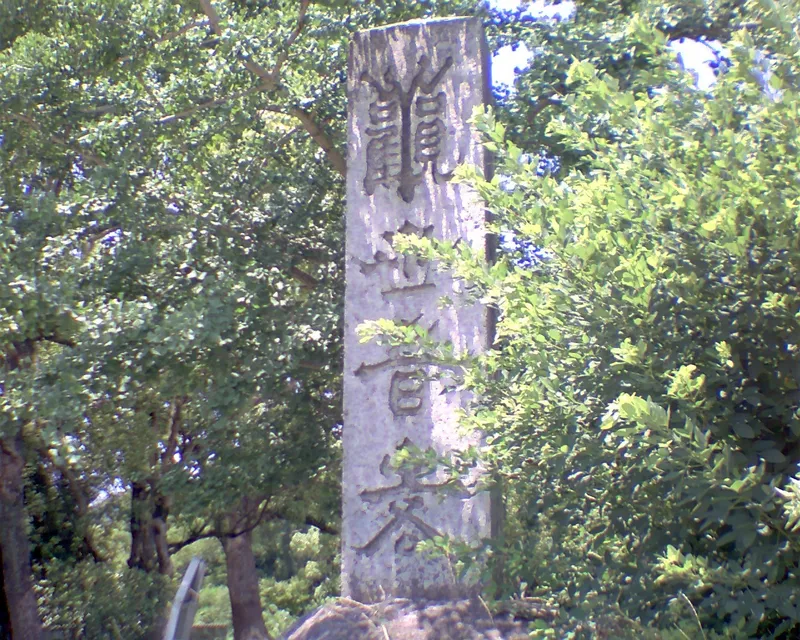 Temple
Kanzeon-ji
A temple whose history begins around 670, holding one of the three ordination platforms of the realm and the oldest temple bell designated a national treasure in Japan.
 Temple
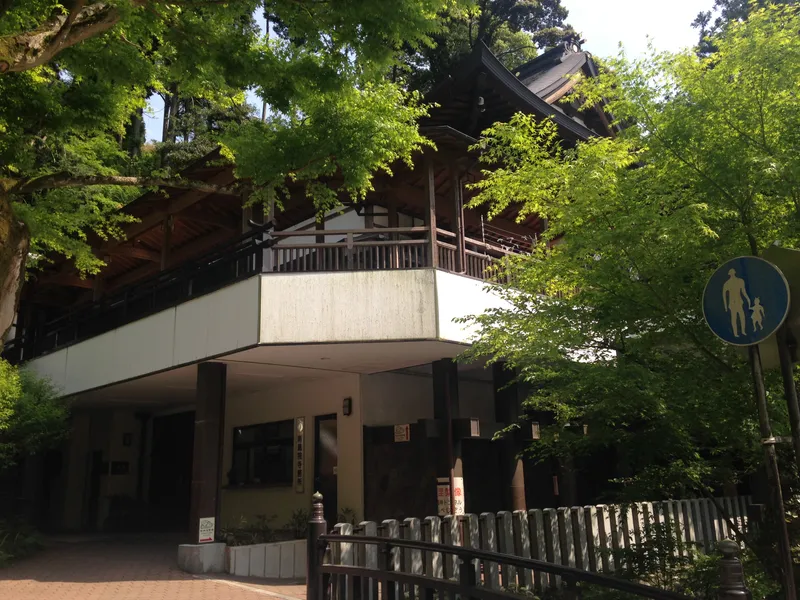
Nanzo-in
A reclining Buddha among the largest in the world in bronze, built as the place to house relics of three Buddhas presented from Myanmar.
 Shrine
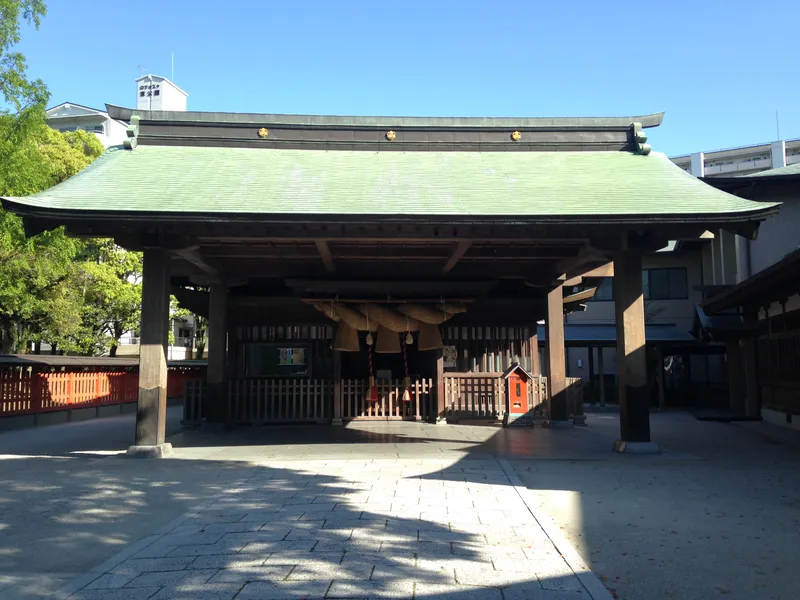
Tooka Ebisu Shrine
- Family & Home
- Love & Romance
- Money & Prosperity
It began when a man walking home from Kashiigu and Hakozakigu picked an image of Ebisu up off the tide line, and a hall was built for it on the tenth day of the first month the following year.
 Temple
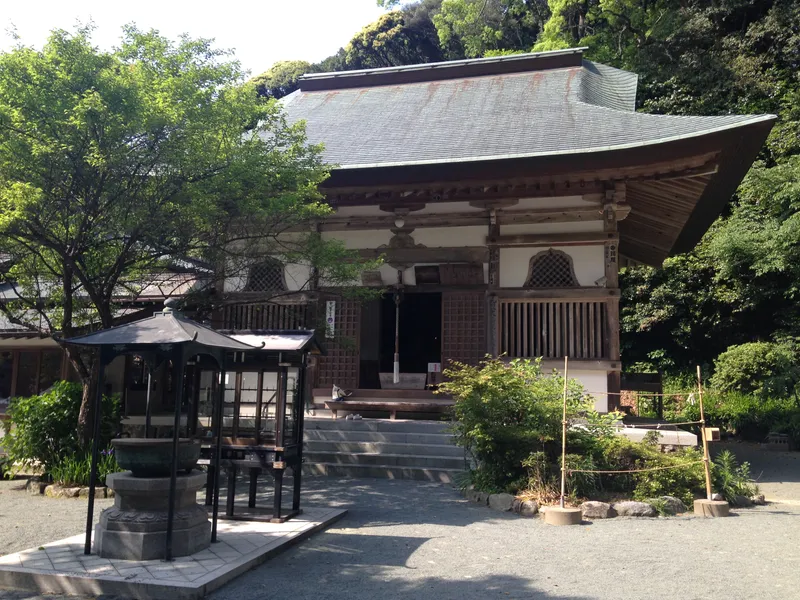
Chinkoku-ji
Kobo Daishi met a great storm on his crossing to Tang China and was saved when Fudo Myoo appeared among the waves; after returning he opened this temple on Mount Byobu.
 Shrine
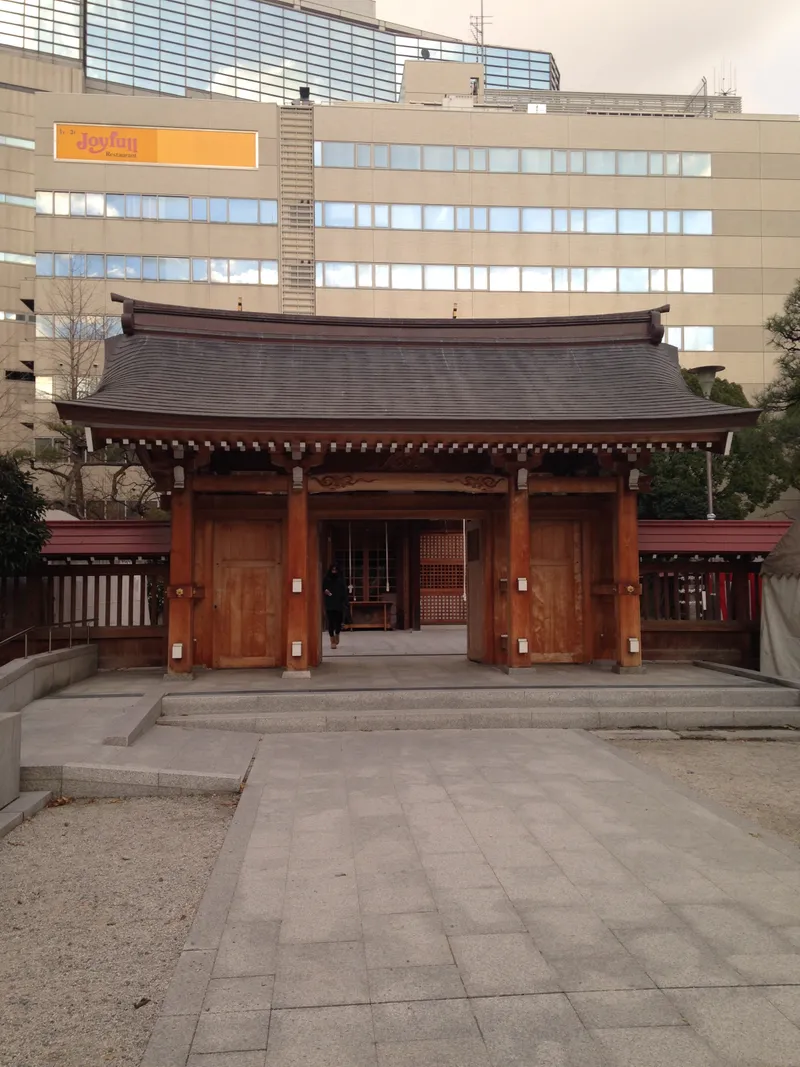
Kego Shrine
- Protection & Safety
A shrine at Tenjin whose name carries the meaning of holding fast what matters against defilement and calamity from outside.
 Shrine
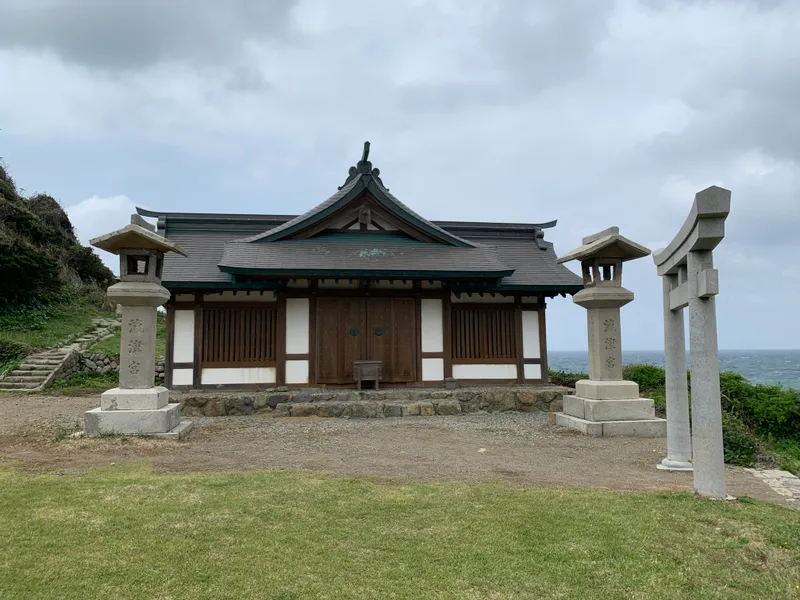
Munakata Taisha Okitsu-gu Yohaisho
A place on Oshima built for worshipping Okitsu-gu across the water, on the island of Okinoshima, which no one but a priest may enter.
 Shrine
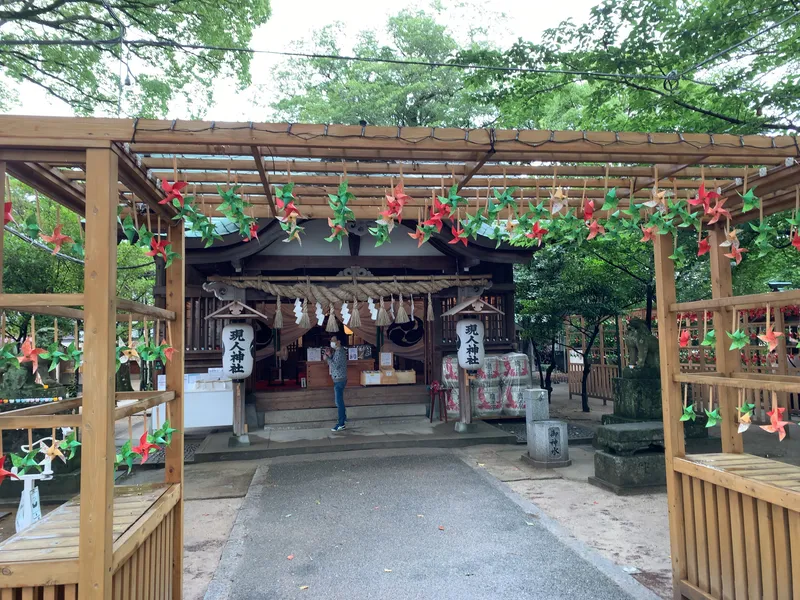
Arahito Shrine
- Career & Work
- Money & Prosperity
A shrine that calls itself the root and the oldest of the two thousand-odd shrines to the three Sumiyoshi deities, revered as the deity of fortune in work.
 Shrine
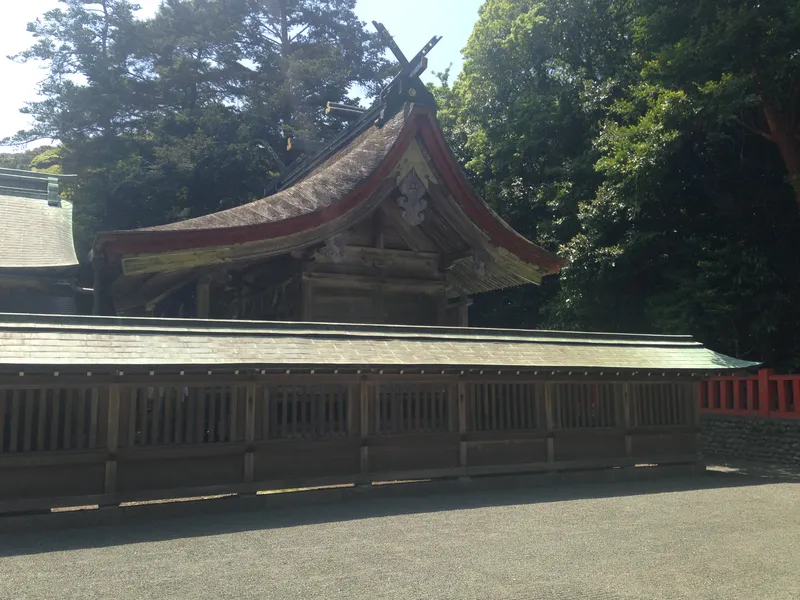
Munakata Taisha Nakatsu-gu
One of the three halls of Munakata Taisha, standing on the island of Oshima, where Tagitsuhime is enshrined and the weaver and the herdsman each have a shrine of their own.
 Shrine
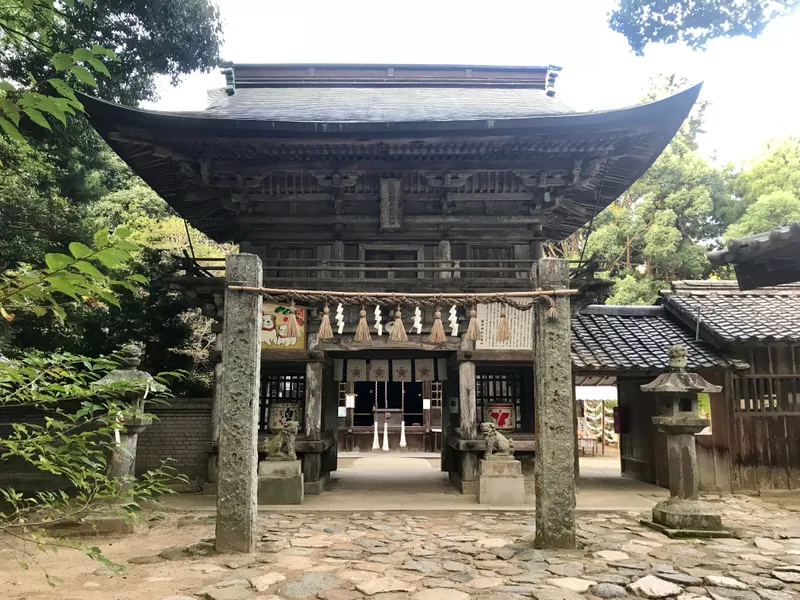
Sakurai Shrine
A great thunderstorm in 1610 opened the rock cave and the deity appeared; the lord of the domain sent men twice to verify it before building the hall in 1632.
 Shrine
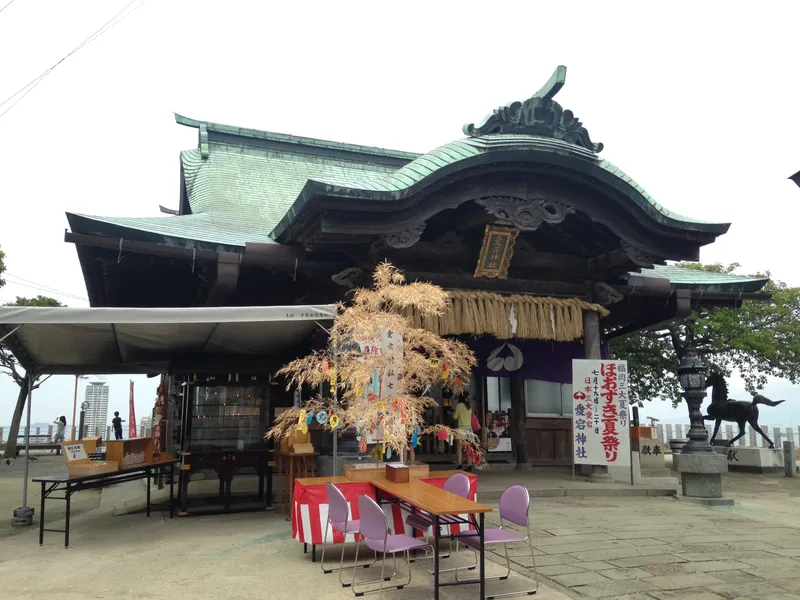
Washio Atago Shrine
Transmitted as founded some nineteen hundred years ago, it took its present name in 1901 when Washio Shrine and Atago Shrine became one; it is one of the three great Atago shrines.
 Shrine
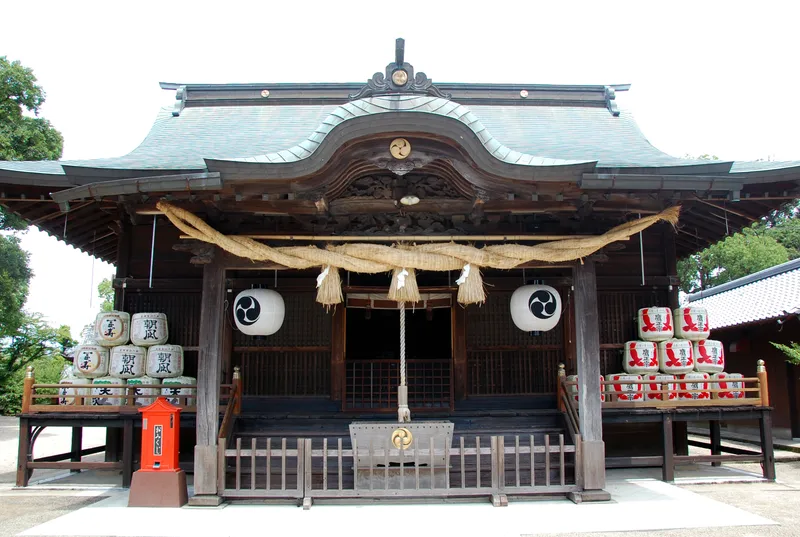
Daizenji Tamataregu
A shrine to Tamatare, Hachiman and Sumiyoshi transmitted as founded some nineteen hundred years ago; in the Meiji suppression the temple half was abolished and only the shrine remained.
 Shrine
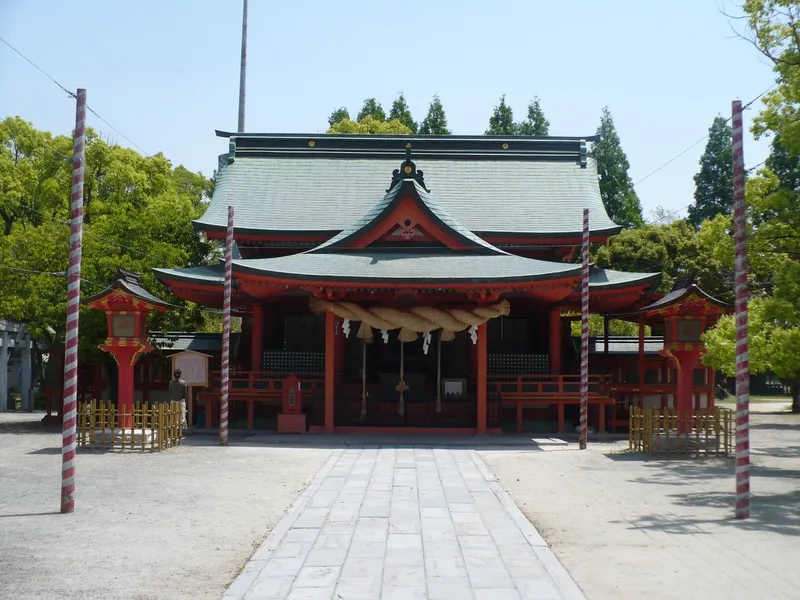
Furougu
- Protection & Safety
A white heron appeared beside Empress Jingu’s ship and flew off, and where it came down became the sacred ground of this shrine of victory and of protection at sea.
 Shrine
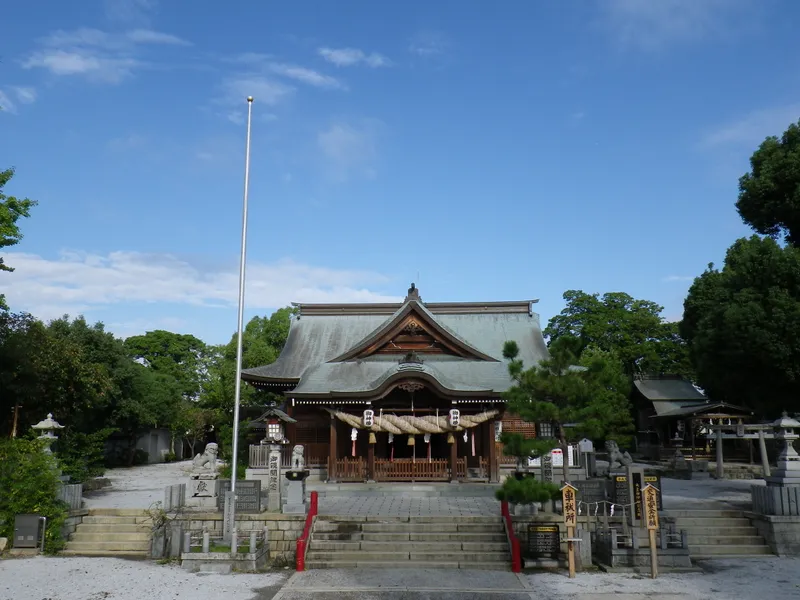
Fuuji Hachimangu
- Money & Prosperity
- Protection & Safety
From Ita no Okami to Kaze no Miya to Ita Tenaga Taisha and at last Fuuji Hachimangu — a name two lords each added a character to.
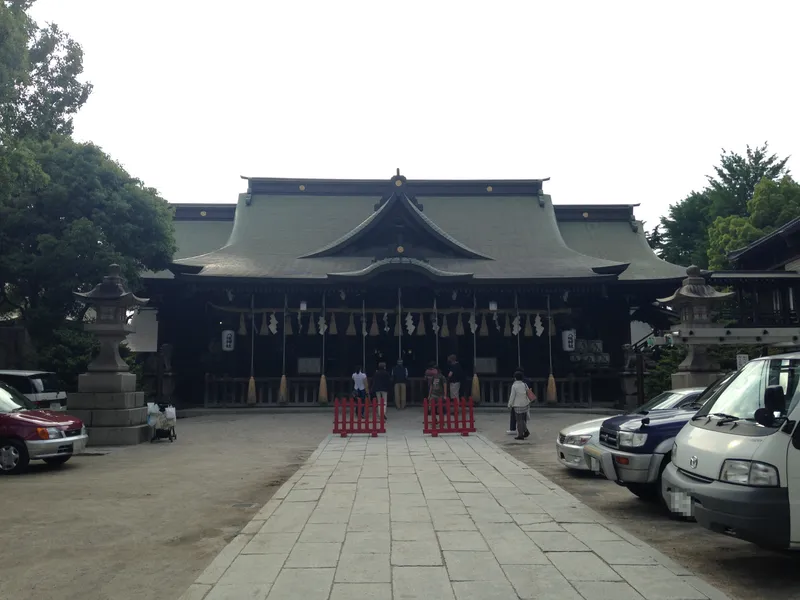 Shrine
Kokura Gion Yasaka Shrine
- Love & Romance
- Money & Prosperity
- Protection & Safety
Founded in 1617 by Hosokawa Tadaoki and honoured as the guardian shrine of the whole province of Buzen, it stands within the grounds of Kokura Castle.
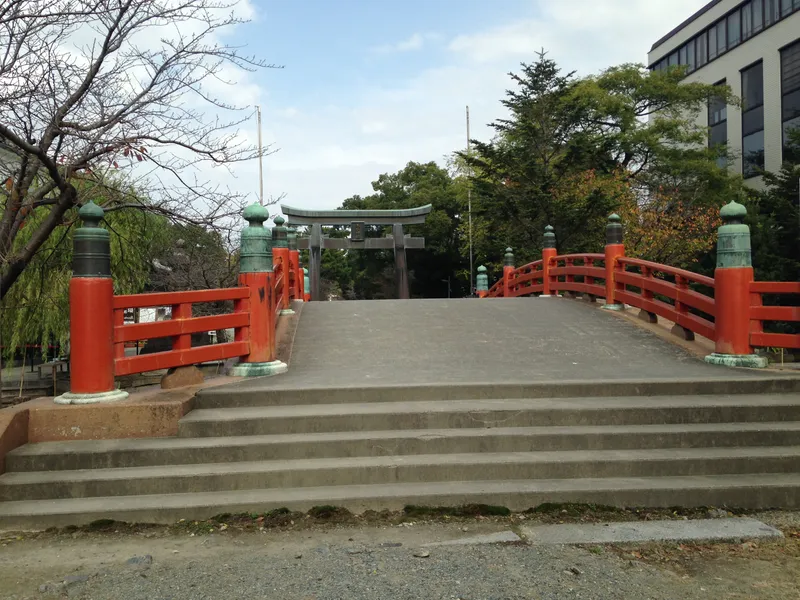 Shrine
Mihashira Shrine
- Career & Work
- Wish Fulfillment
A shrine of victory, fulfilment and comeback, enshrining Tachibana Muneshige, his father-in-law Bekki Dosetsu, and his wife Ginchiyo.
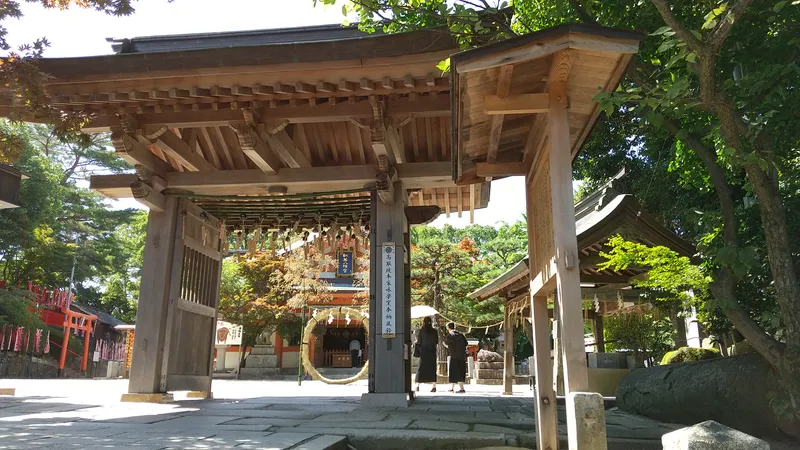 Shrine
Momiji Hachimangu
- Career & Work
- Fertility & Children
- Love & Romance
Twelve deities are enshrined here, among them Empress Jingu, Emperor Ojin and Prince Uji no Wakiiratsuko, and the devotion runs to safe birth, the keeping of children, warding off misfortune, bonds and advancement.
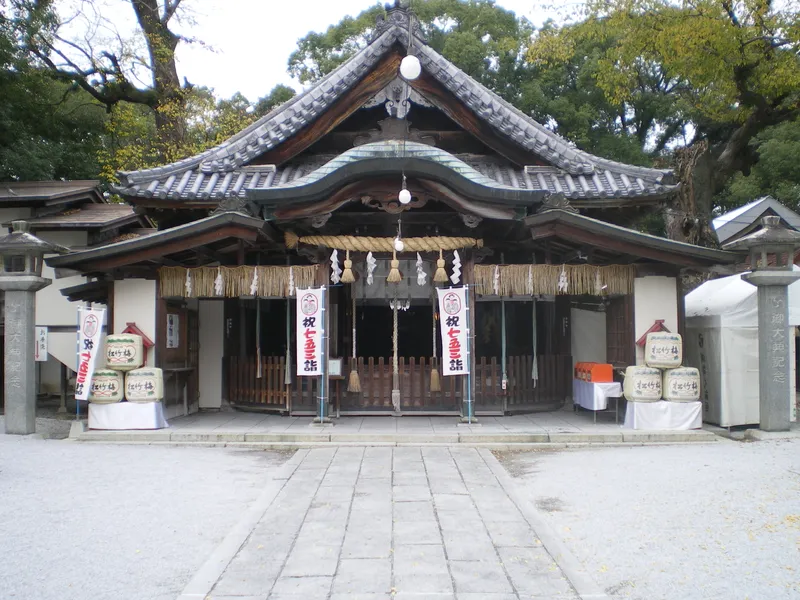 Shrine
Nouso Hachimangu
- Exams & Study
- Family & Home
- Money & Prosperity
It began when Empress Jingu, on her way back from the campaign in the three Han, chose the grove of Nouso as sacred ground; the word people spoke at the parting gave the town of Iizuka its name.
 Shrine
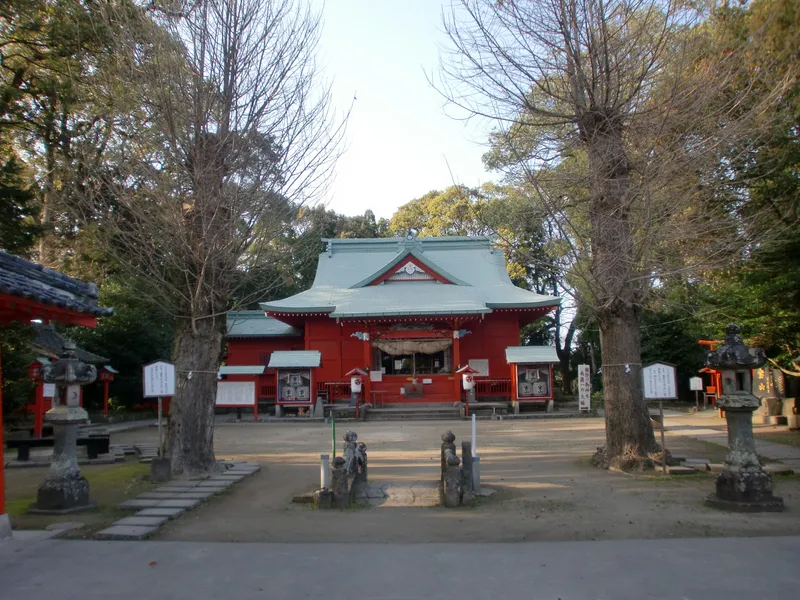
Oonamuchi Shrine
Said to be the oldest shrine in the country, transmitted as the place where Empress Jingu built a shrine and offered swords and halberds when her troops would not assemble.
 Shrine
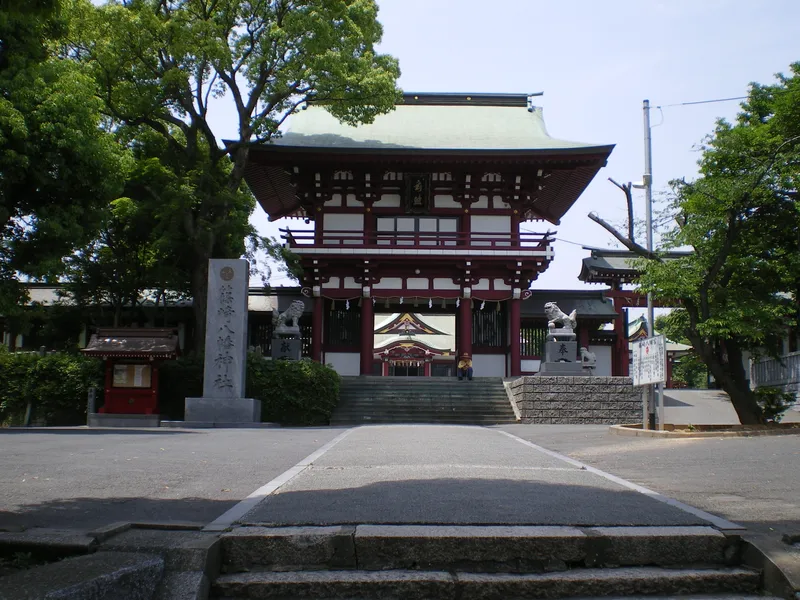
Shinozaki Hachiman Shrine
- Career & Work
- Fertility & Children
- Love & Romance
It begins with Empress Jingu giving birth to Emperor Ojin at Umi, and a division of the deity was brought from Usa Hachimangu in 730; two stones in the precinct carry different prayers.
 Shrine
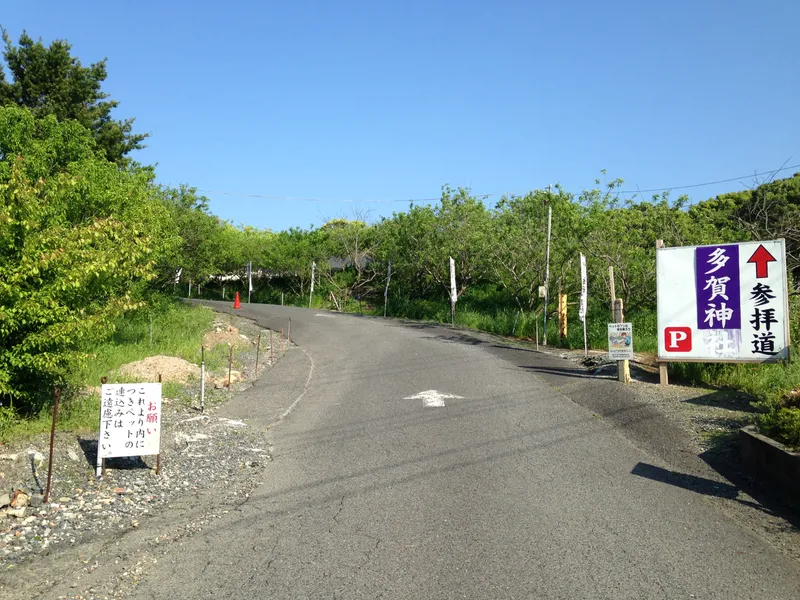
Taga Shrine
- Fertility & Children
- Health & Healing
- Love & Romance
A shrine to Izanagi and Izanami, the married pair who made the land and bore the eight million deities, where prayers run from long life to safety on a worksite.