Chogosonshi-ji
Shigisan
Researched and translated with AI assistance. Every claim is linked to its source, but errors get through, so check the official site for opening times, fees and closures.About
In short
Prince Shotoku is said to have perceived Bishamonten on this mountain at the tiger hour of the tiger day of the tiger year, and the temple received its name when Emperor Daigo recovered from grave illness.
Quick facts
- Address
- 2280-1 Shigisan, Heguri, Ikoma, Nara
About this place
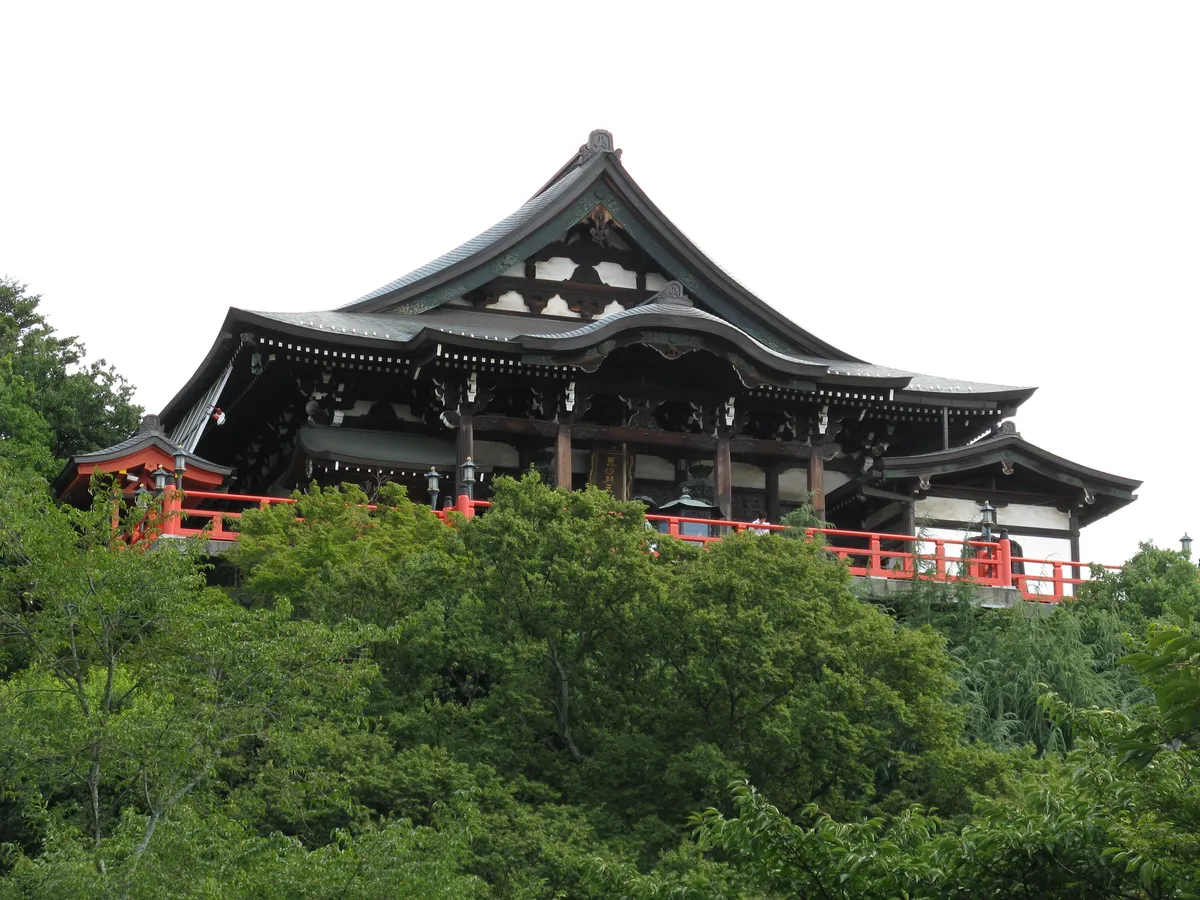
Chogosonshi-ji is in Heguri, Nara, and its principal image is Bishamonten. In 582, at the tiger hour of the tiger day of the tiger year, Prince Shotoku perceived Bishamonten on this mountain. On the third day of the seventh month of 587, by the protection of that image he struck down Moriya, the enemy of the Buddha; he then carved an image of Bishamonten with his own hands and enshrined it as the guardian of this mountain. In 910 the priest Myoren, who revived the temple, built the halls and pagoda of the Bishamon hall; and when Emperor Daigo was gravely ill and recovered fully by the protection of this mountain’s Bishamonten, the temple was granted the imperial name Chogosonshi-ji, by which it has been known since. Its stated benefits are recovery from illness, quiet in the court, the guarding of the land, and long continuance of descendants.
Origin and history
In 582, at the tiger hour of the tiger day of the tiger year, Prince Shotoku perceived Bishamonten on this mountain.
On the third day of the seventh month of 587, by the protection of that image he struck down Moriya, the enemy of the Buddha. He carved an image of Bishamonten with his own hands and enshrined it as the guardian of this mountain.
In 910 the priest Myoren, who revived the temple, built the halls and pagoda of the Bishamon hall. When Emperor Daigo was gravely ill and recovered fully by the protection of this mountain’s Bishamonten, the temple was granted the imperial name Chogosonshi-ji, and has been called so ever since.
What it is locally associated with
The tiger hour of the tiger day of the tiger year
In 582 Prince Shotoku perceived Bishamonten on this mountain at the tiger hour of the tiger day of the tiger year.
folk traditionA cure, and a name granted for it
When Emperor Daigo recovered fully from grave illness by the protection of this mountain’s Bishamonten, the temple was granted the name Chogosonshi-ji.
folk traditionMoriya struck down, and an image carved by hand
In 587 Prince Shotoku struck down Moriya by the protection of the image, then carved a Bishamonten with his own hands as guardian of the mountain.
folk tradition
This temple’s name is a thank-you for a recovery. When Emperor Daigo was gravely ill and recovered fully by the protection of this mountain’s Bishamonten, it was granted the imperial name Chogosonshi-ji. The name itself is the record of a cure.
Several places on this list begin with illness in the imperial house. Yakushi-ji was founded by Emperor Tenmu in prayer for his empress’s recovery; Shin-Yakushi-ji by Empress Komyo in prayer for Emperor Shomu’s; Mizuma-dera in Osaka came out of Emperor Shomu’s illness too. But those are accounts of praying. This one is an account of recovering.
The temple also gives another side of a battle told elsewhere here. In 587, it says, Prince Shotoku struck down Moriya by the protection of this principal image. Shitenno-ji in Osaka transmits the victory in that same war as owing to a vow to the Four Heavenly Kings, and was built to keep that vow. One battle, and two temples crediting two different figures with the win.
The tiger runs through it from the first line. In 582, at the tiger hour of the tiger day of the tiger year — the year, the day and the hour all the same sign — Prince Shotoku perceived Bishamonten here.
Claims and evidence levels 3
- The temple transmits that Prince Shotoku perceived Bishamonten here in 582 at the tiger hour of the tiger day of the tiger year. folk tradition
- It transmits that Emperor Daigo recovered from grave illness by this Bishamonten’s protection in 910 and granted the temple the name Chogosonshi-ji. folk tradition
- Its stated benefits are recovery from illness, quiet in the court, the guarding of the land, and long continuance of descendants. folk tradition
Related guides
- How to visit a shrine or temple in JapanThe country-wide basics: purifying at the water basin, the two-bows-two-claps-one-bow form at shrines, and what temples do instead.
- What a "power spot" actually isA modern Japanese coinage, not a traditional religious category. Where the word came from, what it does and does not claim, and why this site uses it anyway.
- Shrine or temple?A shrine is Shinto and a temple is Buddhist, and you can usually tell at the gate. Why the line is cleaner on paper than on the ground, and what a government order in 1868 has to do with it.
- Omamori, ema, omikuji and goshuinThe four things you are most likely to receive, write, draw or be given at a shrine or temple, what each is actually for, and the one of them people most often get wrong.
Sources
Last updated:
Similar places
8 places
 Shrine
Tanzan Shrine
- Family & Home
- Health & Healing
- Money & Prosperity
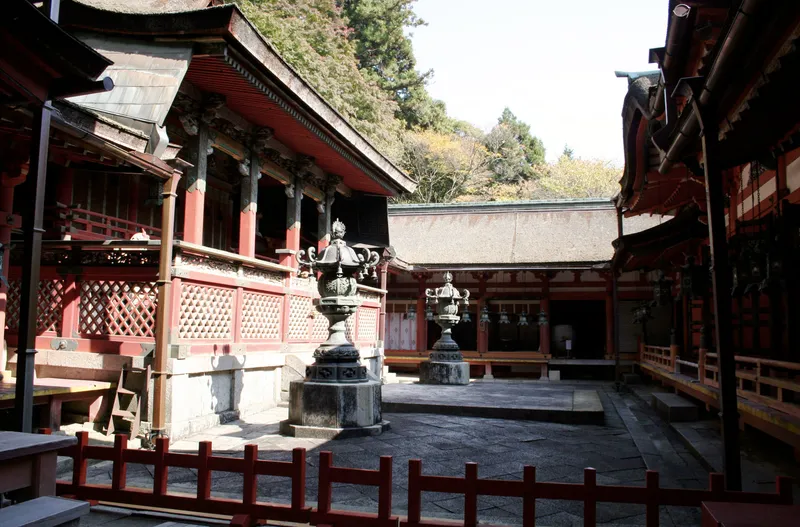
A shrine to Fujiwara no Kamatari on the hill where he and Prince Naka no Oe held the secret conference that led to the Taika Reform.
 Shrine
Tatsuta Taisha
- Family & Home
- Protection & Safety
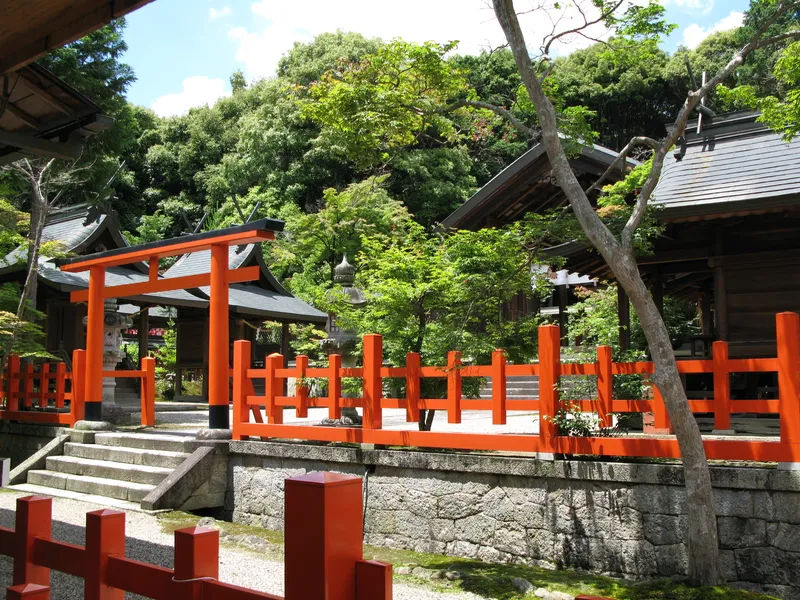
A shrine to the deity of wind, transmitted as built exactly as an oracle in an emperor’s dream directed — after which the crops were abundant and the plague withdrew.
 Shrine
Ikasuri Jinja
- Family & Home
- Fertility & Children
- Money & Prosperity
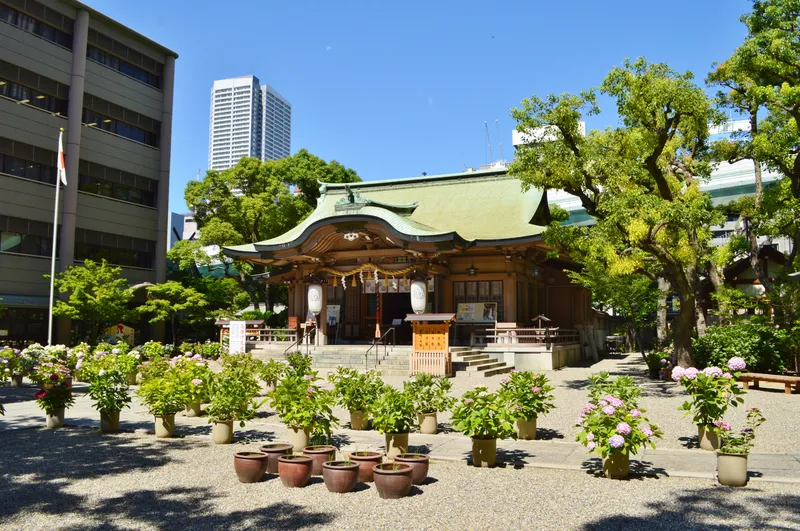
Because it is the deity of this ground, the shrine records, it governs safe childbirth, children’s safe growth and safety in trade.
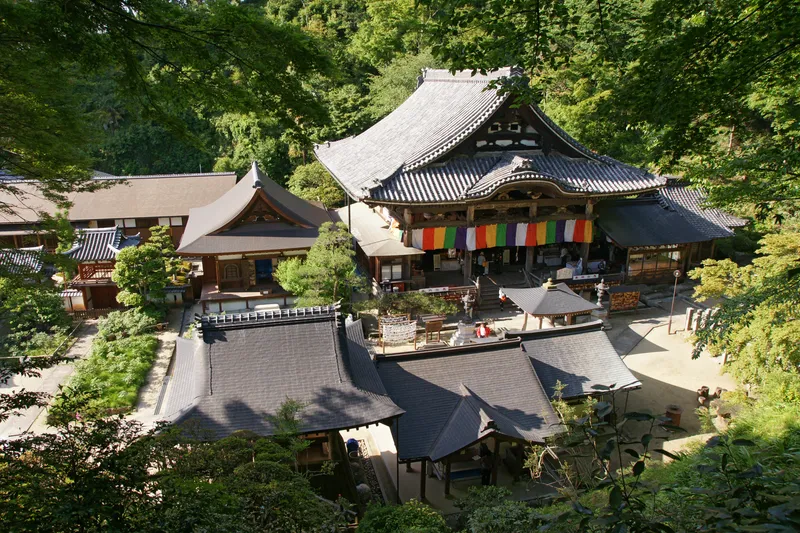 Temple
Oka-dera
- Exams & Study
- Fertility & Children
- Health & Healing
Founded by the priest Gien on the vow of Emperor Tenji, it calls itself the first site in Japan for warding off misfortune and is the seventh station of the Saikoku pilgrimage.
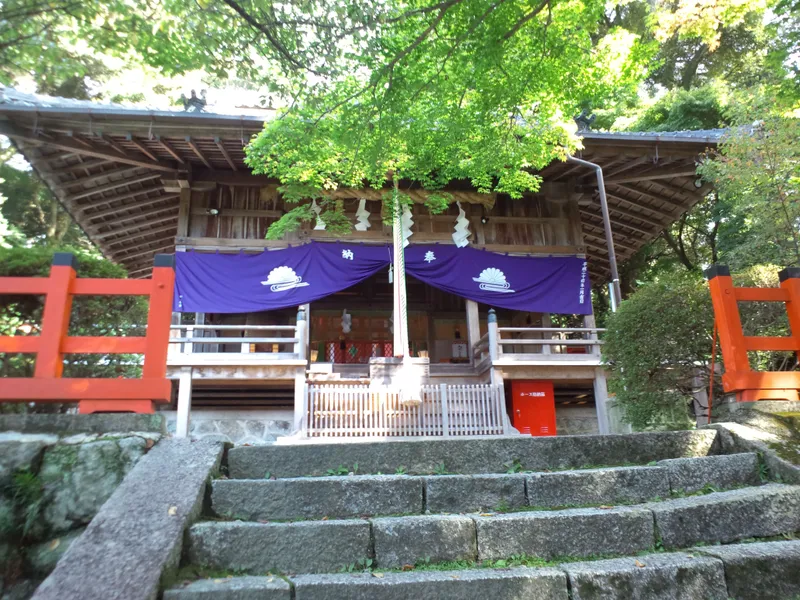 Shrine
Takakamo Shrine
- Family & Home
- Health & Healing
- Purification
Held to be the parent shrine of all the Kamo shrines and one of the oldest shrines in Japan, with a deep devotion around recovery and renewal.
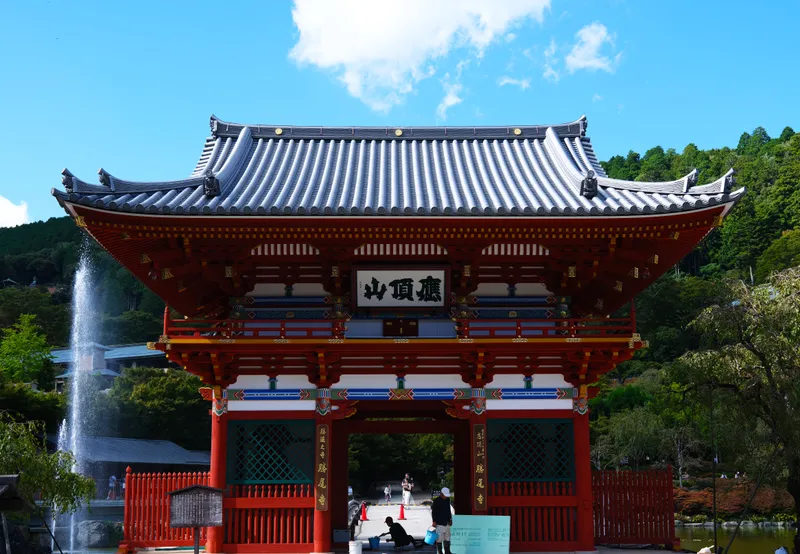 Temple
Katsuo-ji
- Exams & Study
- Health & Healing
- Protection & Safety
Begun in 727 when twin brothers built a hermitage on the mountain, and a temple of winning that defines winning as overcoming your own weak heart.
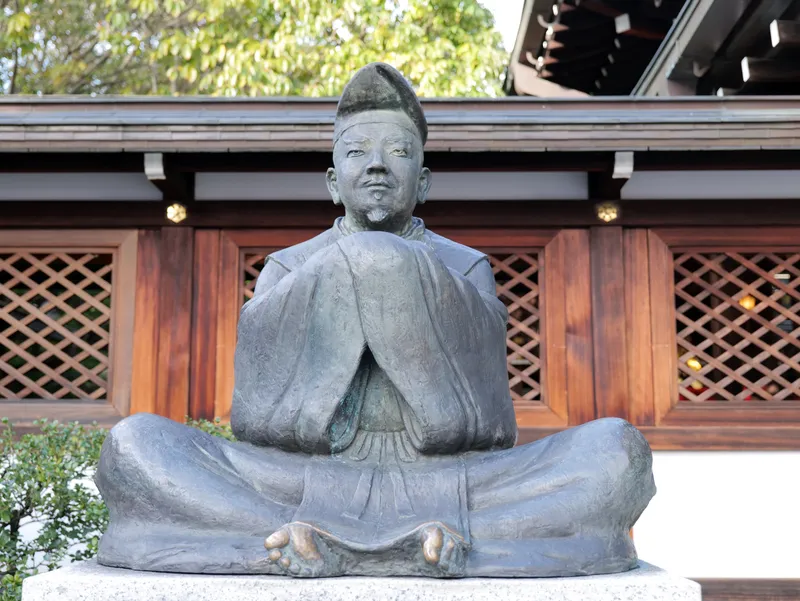 Shrine
Seimei Jinja
- Health & Healing
- Protection & Safety
A shrine to Abe no Seimei, whose crest — the five-pointed star — the shrine describes as one of the onmyodo talismans he devised.
 Shrine
Shimogamo Jinja
- Family & Home
- Fertility & Children
- Love & Romance
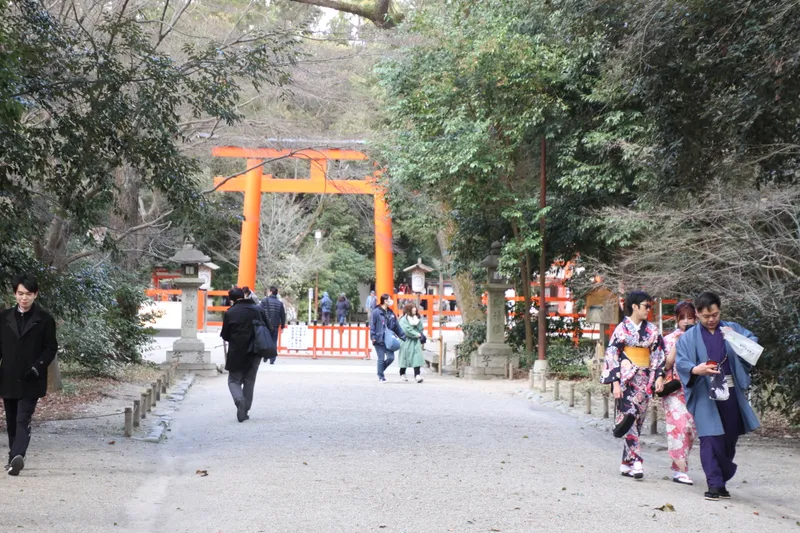
A shrine where people pray for protection, marriage, children, safe birth, raising a family and safe travel, in a wood that predates the city.
No places match your filters