Matsuo-dera
Researched and translated with AI assistance. Every claim is linked to its source, but errors get through, so check the official site for opening times, fees and closures.About
In short
Built in 718 by Prince Toneri while he was compiling the Nihon Shoki, at forty-two and in his unlucky year, praying that the book be completed safely and misfortune warded off.
Quick facts
- Address
- 683 Yamadacho, Yamatokoriyama, Nara
- Spiritual entities
- Avalokiteśvara (Kannon · Gwaneum, 観音菩薩)
About this place
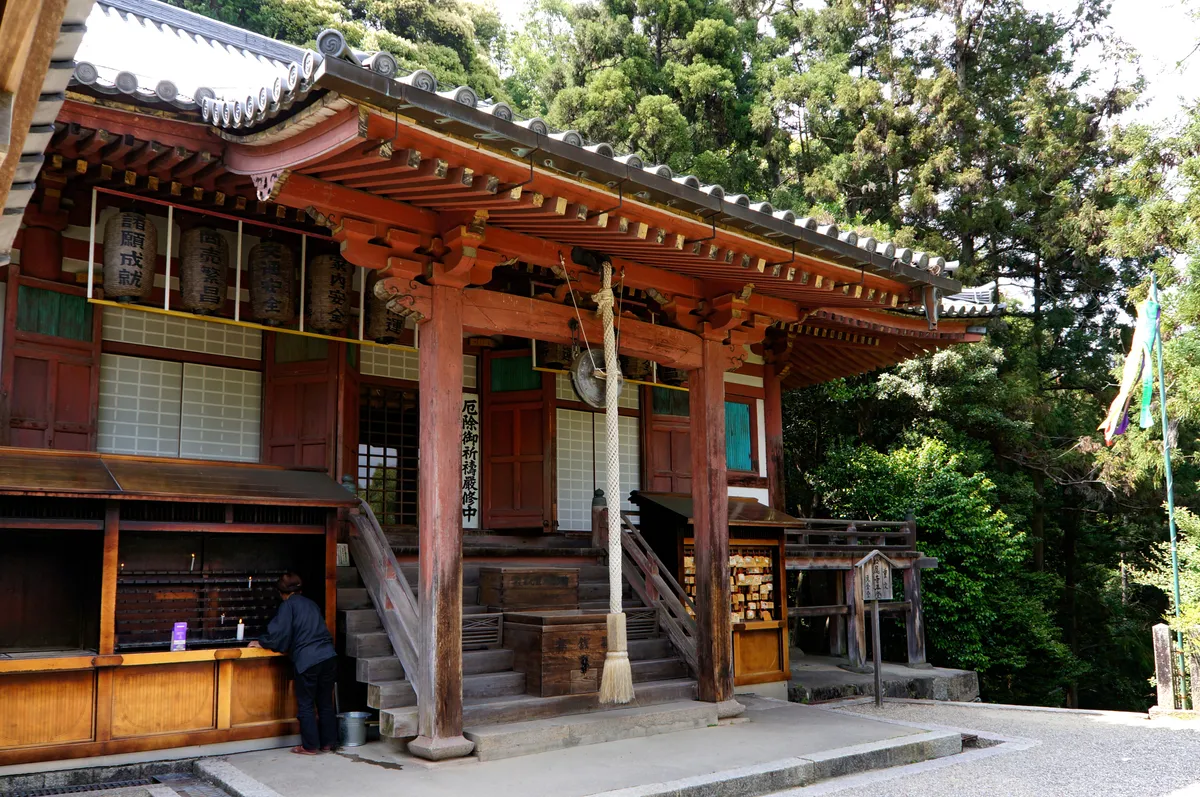
Matsuo-dera is in Yamatokoriyama, Nara. It is recorded as built in 718 by Prince Toneri, son of Emperor Tenmu, who was then compiling the Nihon Shoki by imperial command; being forty-two and in his unlucky year, he made a vow for the safe completion of the book and for the warding off of misfortune. The principal image is a thousand-armed, thousand-eyed Kannon, kept hidden. The temple states that it is the oldest site in Japan for warding off misfortune, and is transmitted as especially efficacious. It is also described as a temple of imperial vow, praying for the flourishing of the country’s fortunes and the quiet of the state, and to have received the devotion of successive imperial houses.
Origin and history
It is recorded as built in 718 by Prince Toneri, son of Emperor Tenmu, who was then compiling the Nihon Shoki by imperial command; being forty-two and in his unlucky year, he made a vow for the safe completion of the book and for the warding off of misfortune.
The principal image is a thousand-armed, thousand-eyed Kannon, kept hidden.
The temple states that it is the oldest site in Japan for warding off misfortune, and is transmitted as especially efficacious. It is also a temple of imperial vow, praying for the flourishing of the country’s fortunes and the quiet of the state.
What it is locally associated with
A book, and an unlucky forty-second year
Prince Toneri, compiling the Nihon Shoki, was forty-two and in his unlucky year, and vowed for the book’s safe completion and the warding off of misfortune.
folk traditionThe oldest misfortune-warding site, by its own account
The temple states it is the oldest such site in Japan. Oka-dera in Nara calls itself the first; this page reports both claims without settling them.
folk traditionA hidden thousand-armed Kannon
The principal image is a thousand-armed, thousand-eyed Kannon, kept hidden.
documented history
This temple was built so that a book would be finished. Prince Toneri, compiling the Nihon Shoki by imperial command, made a vow for its safe completion and for warding off misfortune. Nowhere else on this list does a place exist because of a writing project.
The other half of the vow was an age. He was forty-two, in his unlucky year. Mizuma-dera in Osaka was built after Emperor Shomu fell ill at forty-two. The same single age turns up in two foundings.
The temple states it is the oldest site in Japan for warding off misfortune. But there is another temple in Nara with a claim of that shape: Oka-dera in Asuka calls itself the first site in Japan for warding off misfortune. This page does not settle which came first. It records that each temple makes its own claim, and stops there.
The principal image is a thousand-armed, thousand-eyed Kannon, kept hidden. As a temple of imperial vow, praying for the flourishing of the country’s fortunes and the quiet of the state, it is said to have had the devotion of successive imperial houses.
Claims and evidence levels 2
- The temple is recorded as built in 718 by Prince Toneri, at forty-two and in his unlucky year, vowing for the safe completion of the Nihon Shoki and the warding off of misfortune. folk tradition
- The temple states that it is the oldest site in Japan for warding off misfortune. folk tradition
Related guides
- How to visit a shrine or temple in JapanThe country-wide basics: purifying at the water basin, the two-bows-two-claps-one-bow form at shrines, and what temples do instead.
- What a "power spot" actually isA modern Japanese coinage, not a traditional religious category. Where the word came from, what it does and does not claim, and why this site uses it anyway.
- Shrine or temple?A shrine is Shinto and a temple is Buddhist, and you can usually tell at the gate. Why the line is cleaner on paper than on the ground, and what a government order in 1868 has to do with it.
- Omamori, ema, omikuji and goshuinThe four things you are most likely to receive, write, draw or be given at a shrine or temple, what each is actually for, and the one of them people most often get wrong.
Sources
- お寺の由来 — Matsuo-dera (accessed 2026-08-15)
Last updated:
Similar places
8 places
 Temple
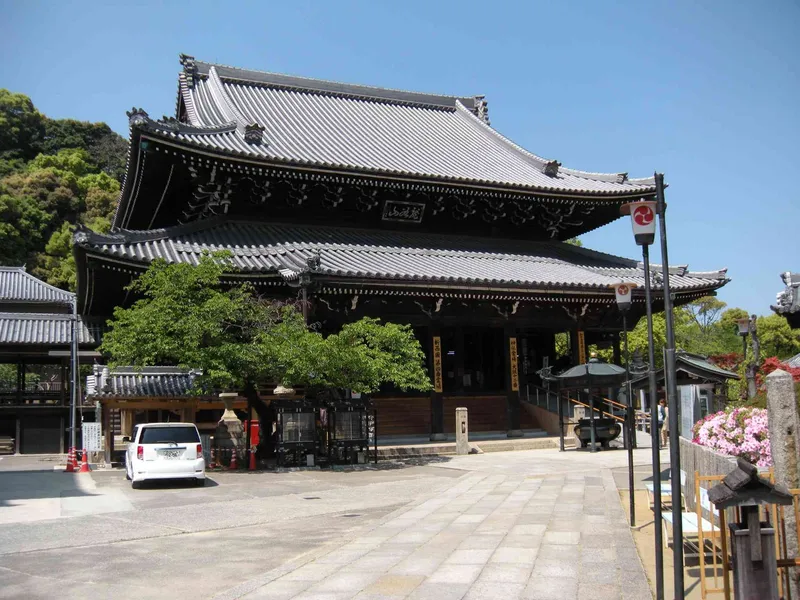
Mizuma-dera
- Protection & Safety
Founded in 744 by the priest Gyoki at the order of Emperor Shomu, and later revered by ordinary people as the Kannon who wards off misfortune.
 Shrine
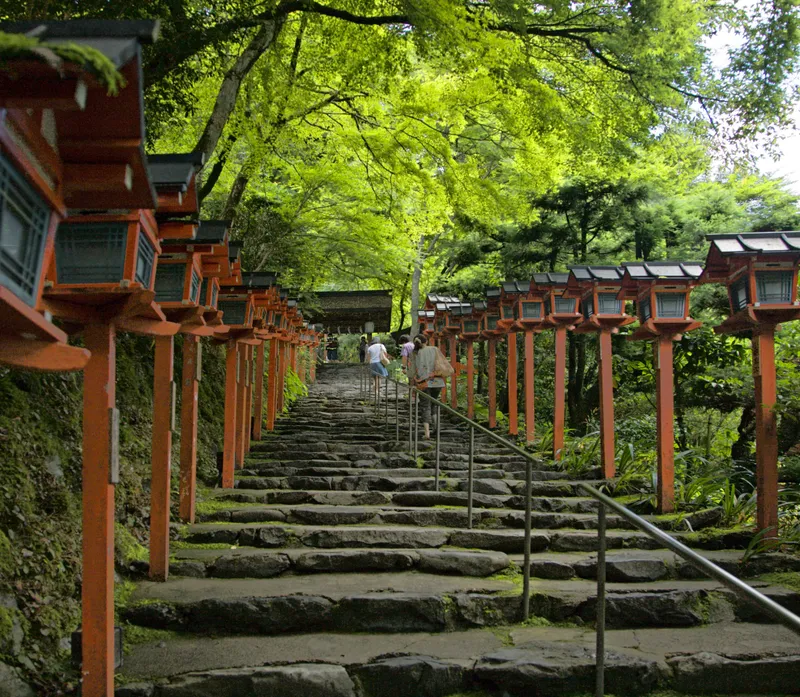
Kifune Jinja
- Love & Romance
- Money & Prosperity
- Protection & Safety
A shrine to Kifune Okami, the deity governing the supply of water — and long famous as the shrine of love, with a subordinate shrine to a deity of matchmaking.
 Temple
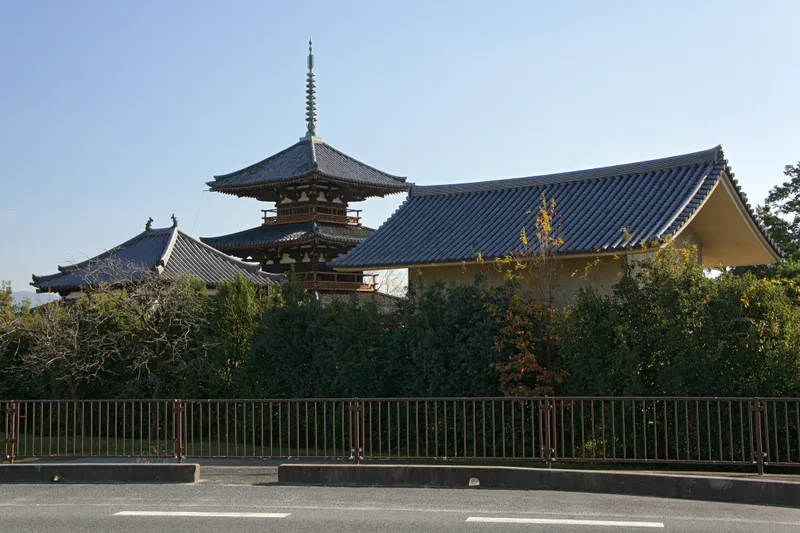
Hoki-ji
Begun when Prince Shotoku, on his deathbed, instructed his eldest son to turn the Okamoto palace into a temple; its three-storey pagoda is the oldest still standing.
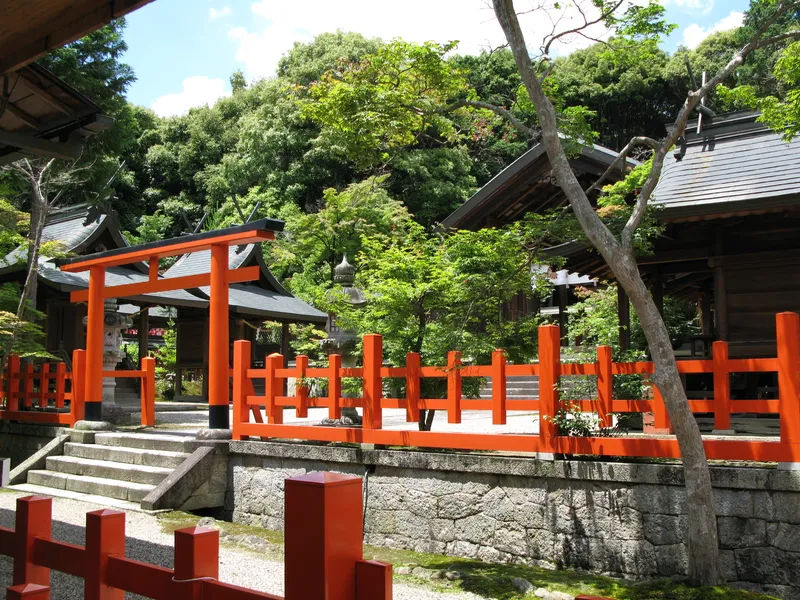 Shrine
Tatsuta Taisha
- Family & Home
- Protection & Safety
A shrine to the deity of wind, transmitted as built exactly as an oracle in an emperor’s dream directed — after which the crops were abundant and the plague withdrew.
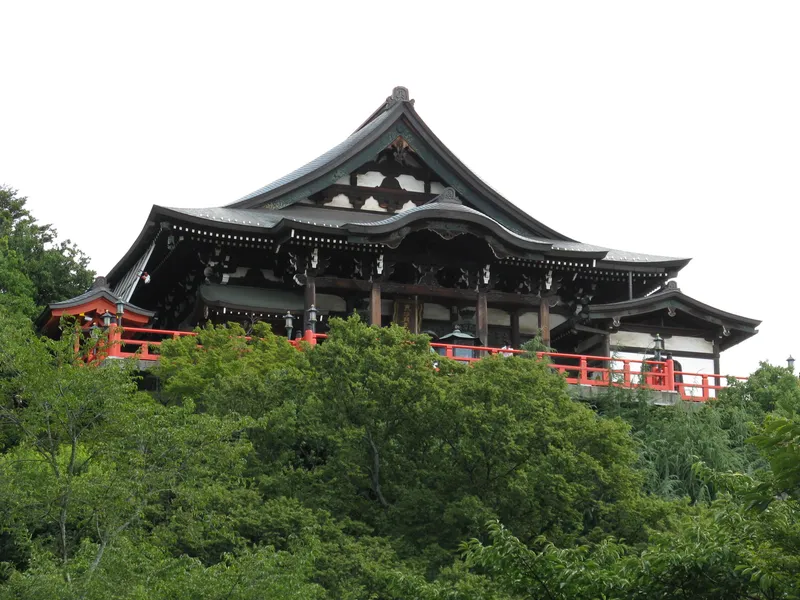 Temple
Chogosonshi-ji
- Family & Home
- Health & Healing
- Protection & Safety
Prince Shotoku is said to have perceived Bishamonten on this mountain at the tiger hour of the tiger day of the tiger year, and the temple received its name when Emperor Daigo recovered from grave illness.
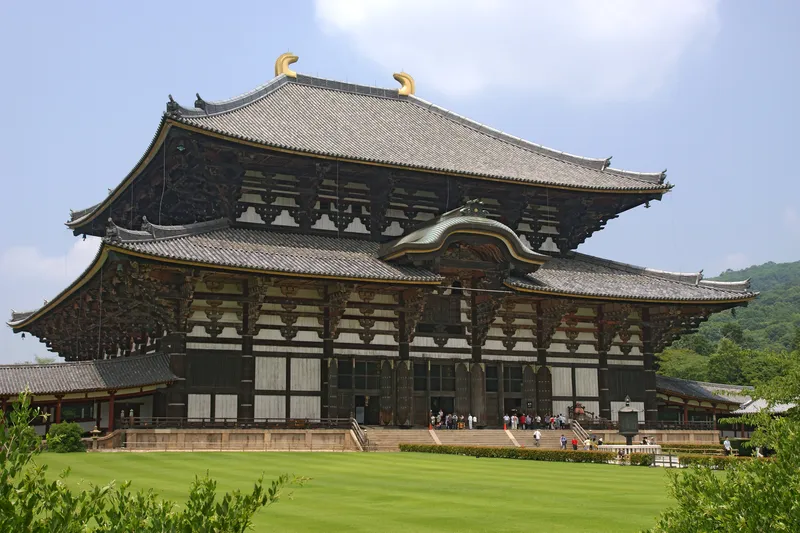 Temple
Todaiji
- Protection & Safety
The temple of the Great Buddha, begun in 743 under an edict praying that all things, animate and growing, may flourish.
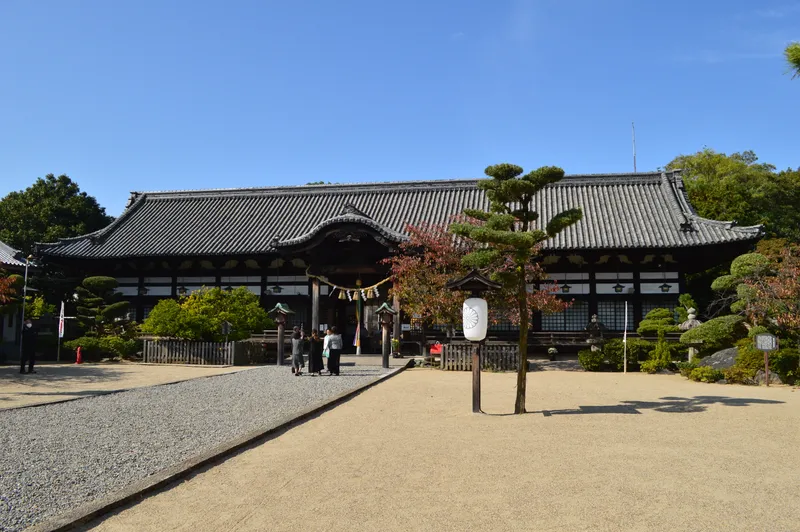 Shrine
Konda Hachimangu
- Fertility & Children
- Protection & Safety
It sits on the round rear mound of Emperor Ojin’s tomb, and its history began from the devotion of guarding and serving that tomb.
 Shrine
Kumata Jinja
- Protection & Safety
Founded in 862 with an oracle in the deity’s own voice: I am the guardian of this land, and if I am worshipped hereafter I shall make the realm at peace and the people prosperous.
No places match your filters