Tamaki Shrine
Tamaki Sansho Gongen
Researched and translated with AI assistance. Every claim is linked to its source, but errors get through, so check the official site for opening times, fees and closures.About
In short
A shrine near the summit of Mount Tamaki, at 1,076 metres, transmitted as founded to enshrine Hayatama for the warding of fire from the palace and the driving off of evil.
Quick facts
- Address
- 1-1 Tamakigawa, Totsukawa, Yoshino, Nara
- Spiritual entities
- Amaterasu Ōmikami (天照大御神) · Izanagi (伊邪那岐命) · Izanami (伊邪那美命)
About this place
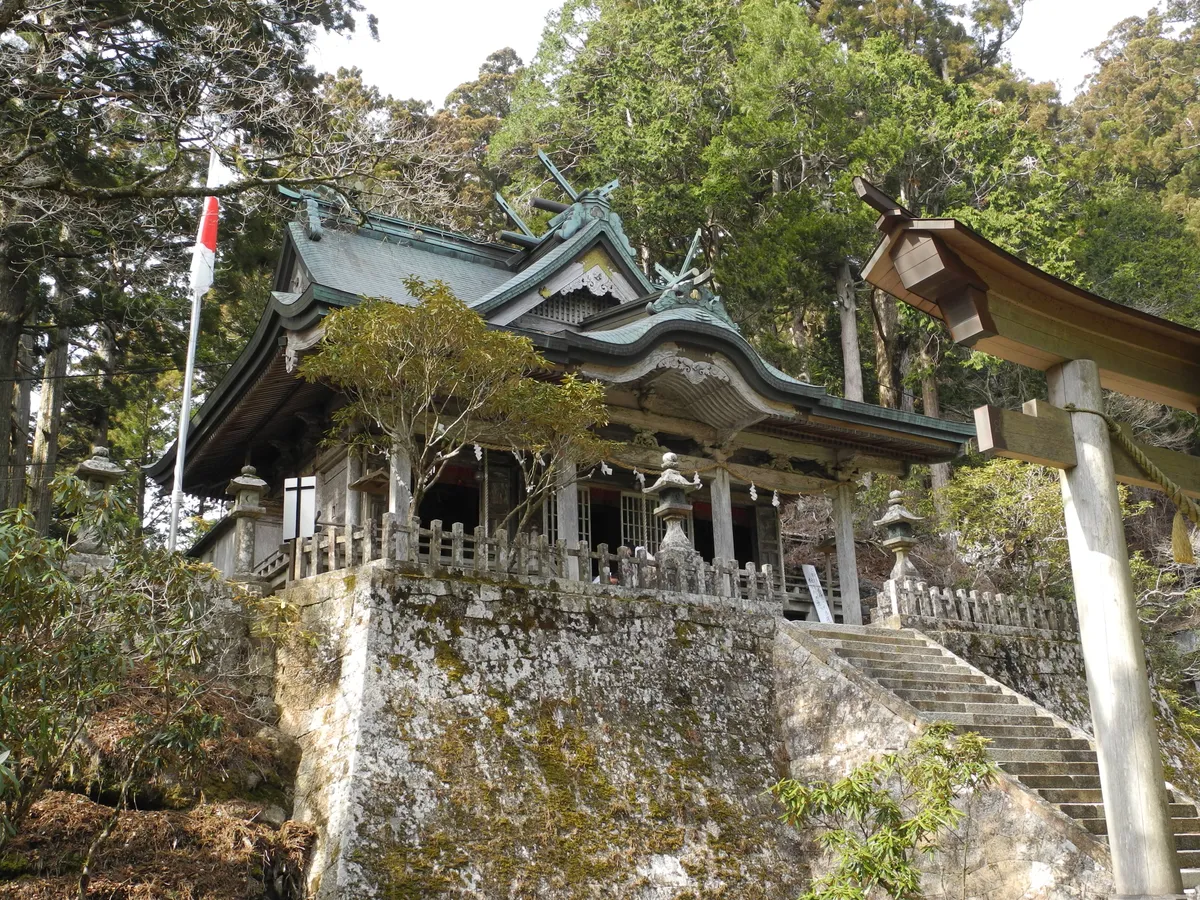
Tamaki Shrine stands near the summit of Mount Tamaki, 1,076 metres high, at the southern end of the Omine range, and is transmitted as lying on the route of Emperor Jimmu’s eastern campaign. Its founding is transmitted to the reign of the tenth sovereign, Emperor Sujin, when Hayatama was enshrined for the warding of fire from the palace and the driving off of evil. It has long been one of the practice sites of the Kumano and Omine mountain asceticism running from Kumano to Yoshino; in the Heian period, under the mixing of gods and buddhas, it was called Tamaki Sansho Gongen, or the inner sanctuary of the three Kumano shrines, and flourished as a sacred site. In the Edo period an administering temple, Komuro-in, was placed here. With the separation of gods and buddhas in 1868 the mixing was abolished, and it became Tamaki Sansho Okami and then Tamaki Shrine. The deities of the main shrine are Kunitokotachi, Izanagi, Izanami, Amaterasu Omikami and Kamu-Yamato-Iwarehiko.
Origin and history
Tamaki Shrine stands near the summit of Mount Tamaki, 1,076 metres high, at the southern end of the Omine range, and is transmitted as lying on the route of Emperor Jimmu’s eastern campaign.
Its founding is transmitted to the reign of the tenth sovereign, Emperor Sujin, when Hayatama was enshrined for the warding of fire from the palace and the driving off of evil.
It has long been one of the practice sites of the Kumano and Omine mountain asceticism running from Kumano to Yoshino. In the Heian period, under the mixing of gods and buddhas, it was called Tamaki Sansho Gongen, or the inner sanctuary of the three Kumano shrines. In the Edo period the administering temple Komuro-in was placed here. With the separation of gods and buddhas in 1868 the mixing was abolished, and it became Tamaki Sansho Okami and then Tamaki Shrine.
What it is locally associated with
For fire and for evil
The founding is transmitted as the enshrinement of Hayatama for the warding of fire from the palace and the driving off of evil.
folk traditionThe inner sanctuary of Kumano
In the Heian period it was called Tamaki Sansho Gongen, or the inner sanctuary of the three Kumano shrines, and flourished as a sacred site.
documented historyNear a summit at 1,076 metres
It stands near the summit of Mount Tamaki at the southern end of the Omine range, long a practice site of the Kumano and Omine asceticism.
documented history
This shrine sets down how its own name changed. Under the mixing of gods and buddhas in the Heian period it was called Tamaki Sansho Gongen, or the inner sanctuary of the three Kumano shrines; in the Edo period the administering temple Komuro-in stood here; and with the separation of gods and buddhas in 1868 the mixing was abolished and the name changed again, to Tamaki Sansho Okami and then Tamaki Shrine. Not an unbroken history, but a record of being renamed each time the institutions changed. Kurama-dera in Kyoto likewise records unifying its several strands of belief under a new name in 1947.
The reason for founding was fire and evil: Hayatama was enshrined for the warding of fire from the palace and the driving off of evil. What it was enshrined for is a single sentence, and the tag on this page is taken from it.
The site is near the summit of Mount Tamaki, 1,076 metres up, long one of the practice places of the Kumano and Omine asceticism between Kumano and Yoshino. Kinpusen-ji in Yoshino and Tenkawa Daibenzaiten stand on the same road of practice.
Claims and evidence levels 2
- The shrine transmits its founding to the reign of Emperor Sujin, enshrining Hayatama for the warding of fire from the palace and the driving off of evil. folk tradition
- It was called Tamaki Sansho Gongen or the inner sanctuary of the three Kumano shrines under the mixing of gods and buddhas, and took its present name after the separation of 1868. documented history
Related guides
- How to visit a shrine or temple in JapanThe country-wide basics: purifying at the water basin, the two-bows-two-claps-one-bow form at shrines, and what temples do instead.
- What a "power spot" actually isA modern Japanese coinage, not a traditional religious category. Where the word came from, what it does and does not claim, and why this site uses it anyway.
- Shrine or temple?A shrine is Shinto and a temple is Buddhist, and you can usually tell at the gate. Why the line is cleaner on paper than on the ground, and what a government order in 1868 has to do with it.
- Omamori, ema, omikuji and goshuinThe four things you are most likely to receive, write, draw or be given at a shrine or temple, what each is actually for, and the one of them people most often get wrong.
Sources
Last updated:
Similar places
8 places
 Shrine
Kumata Jinja
- Protection & Safety
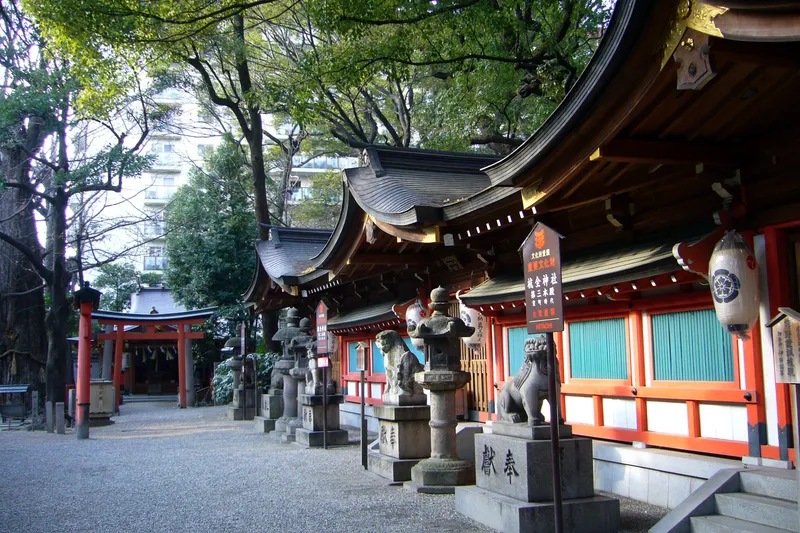
Founded in 862 with an oracle in the deity’s own voice: I am the guardian of this land, and if I am worshipped hereafter I shall make the realm at peace and the people prosperous.
 Shrine
Niukawakami Shrine, Middle Shrine
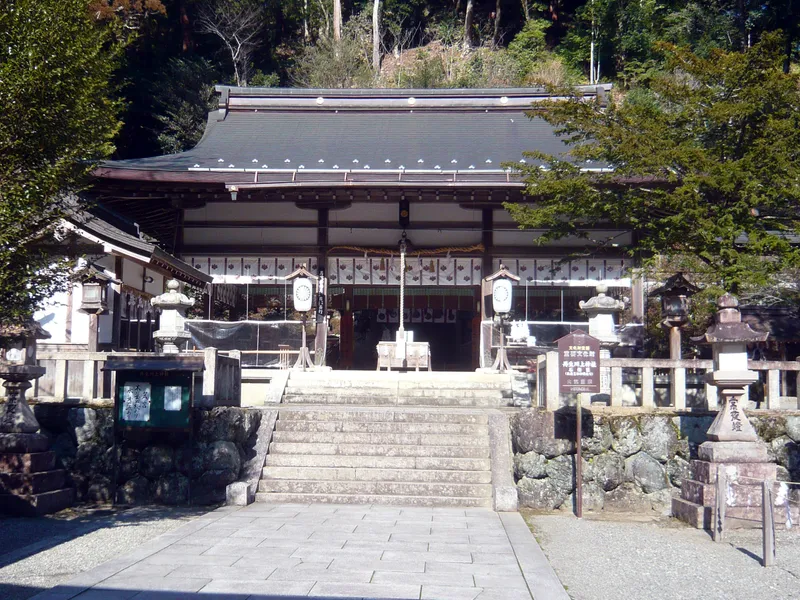
Founded on an oracle — "if you raise my shrine pillars at Niukawakami and revere me, I shall send sweet rain for the realm and stop the long rains" — and dedicated to Mizuhanome, who governs water.
 Sacred Mountain
Hikosan Jingu
- Career & Work
- Protection & Safety
A mountain shrine that began as “the mountain of the sun’s child” and had its name altered twice by imperial act, in 819 and again in 1729; its virtues are the guarding of farming, mines and factory safety, and fortune in winning.
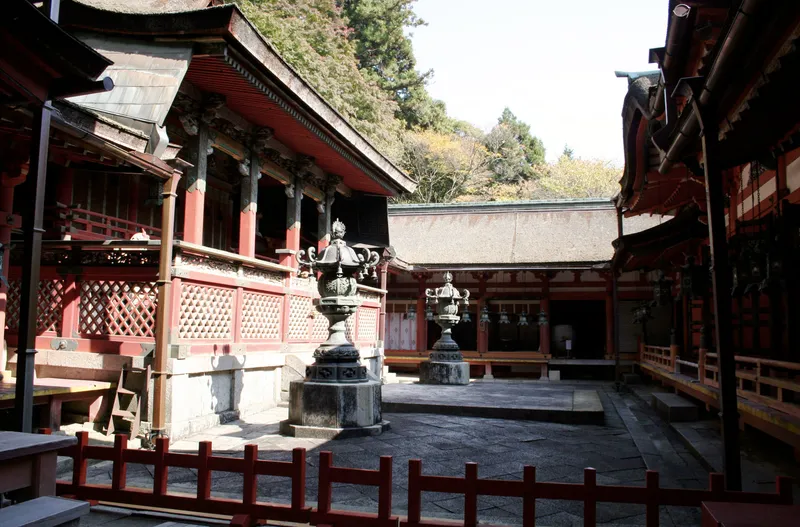 Shrine
Tanzan Shrine
- Family & Home
- Health & Healing
- Money & Prosperity
A shrine to Fujiwara no Kamatari on the hill where he and Prince Naka no Oe held the secret conference that led to the Taika Reform.
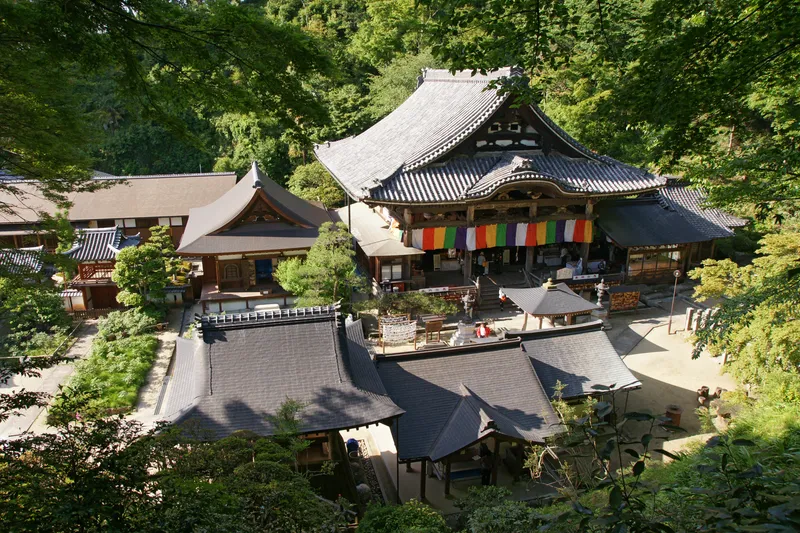 Temple
Oka-dera
- Exams & Study
- Fertility & Children
- Health & Healing
Founded by the priest Gien on the vow of Emperor Tenji, it calls itself the first site in Japan for warding off misfortune and is the seventh station of the Saikoku pilgrimage.
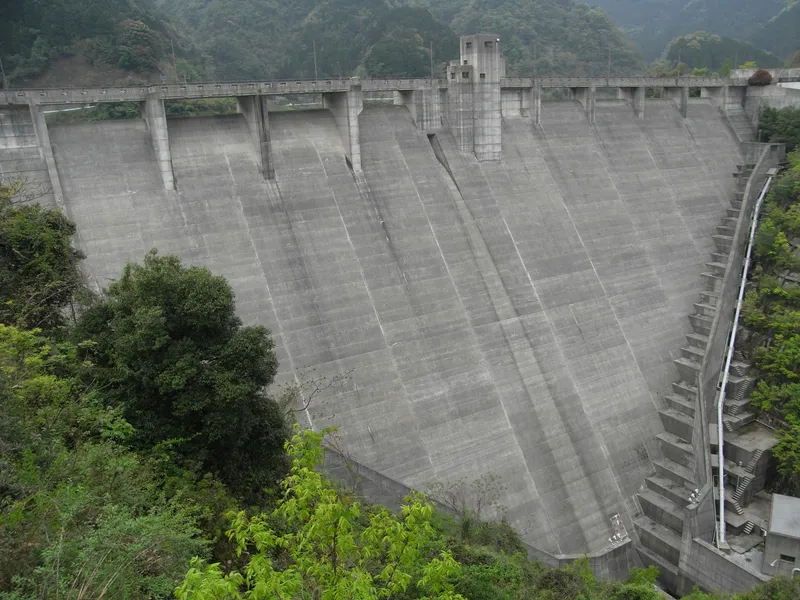 Temple
Inunakisan Shippo Ryuji
- Protection & Safety
Founded in 661 by En no Gyoja at the age of twenty-eight, on a mountain an emperor renamed for a dog that died saving its master.
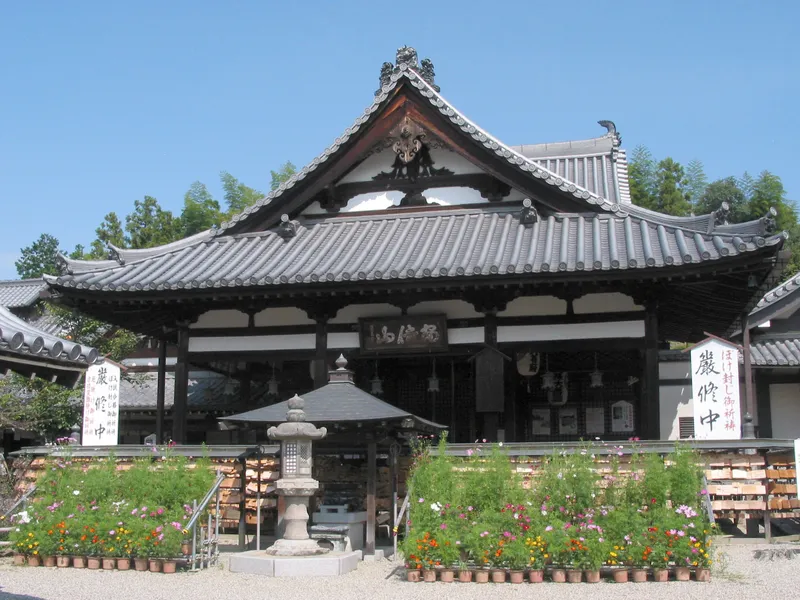 Temple
Abe Monju-in
- Exams & Study
- Fertility & Children
- Protection & Safety
Founded in 645 and one of the oldest temples in Japan, its principal image is the Monju of the proverb "three heads together make Monju’s wisdom", and prayers here begin with success in examinations.
 Temple
Matsuo-dera
- Protection & Safety
The temple describes itself as Japan’s oldest sacred site for warding off misfortune, and the only temple of prayer of yakujo.
No places match your filters