Tokyo
Tokyo holds shrines and temples that predate the city itself, and others founded to guard a castle that no longer stands. The places here run from the Nihonbashi merchant shrines to a mountain temple an hour and a half west.
AI-assisted research. Check official sources before you travel.About
33 placesOpen in the full map
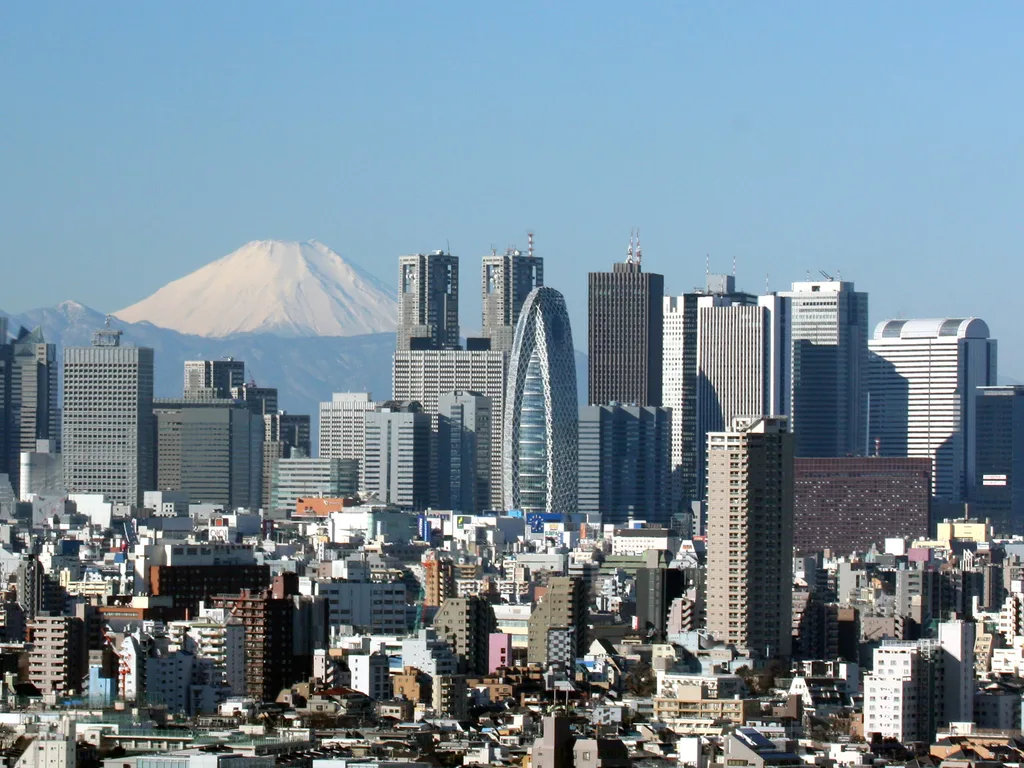
Places in this collection
 Temple
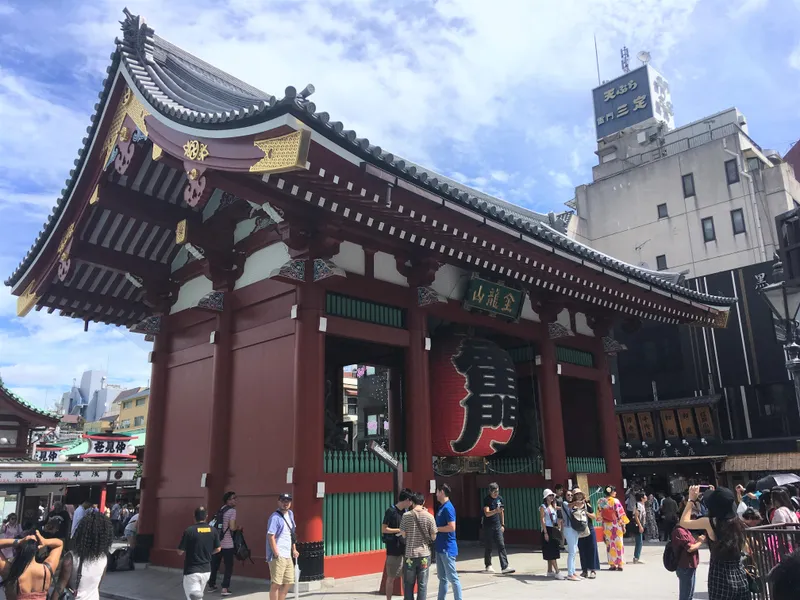
Senso-ji
- Money & Prosperity
- Protection & Safety
Tokyo's oldest temple, in Asakusa, built around a statue of Kannon that two fishermen brothers are said to have pulled from the river in 628, and visited today for prayers about money and protection.
 Shrine
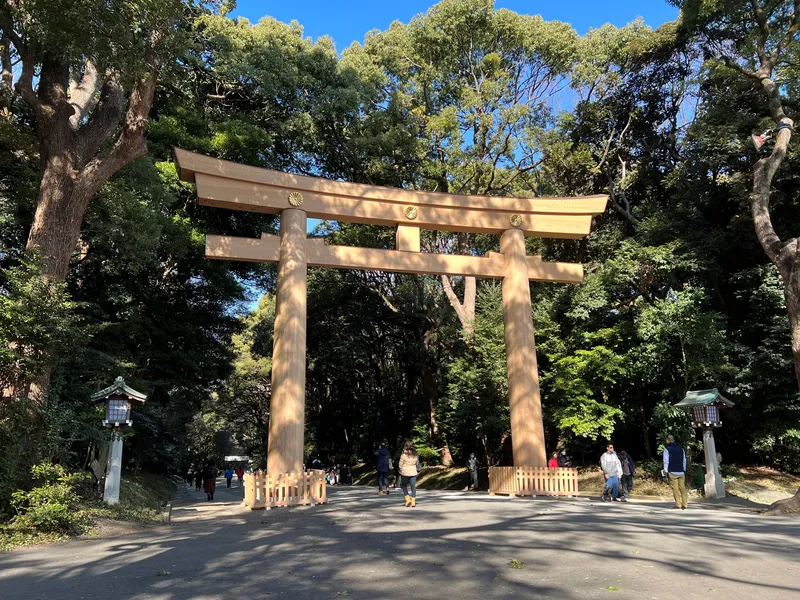
Meiji Jingu
- Health & Healing
- Protection & Safety
- Bonds & Matchmaking
A 1920 Shinto shrine in central Tokyo enshrining Emperor Meiji and Empress Shōken, set in a 70-hectare forest that was planted from scratch and is visited today for prayers about bonds, protection and health.
 Shrine
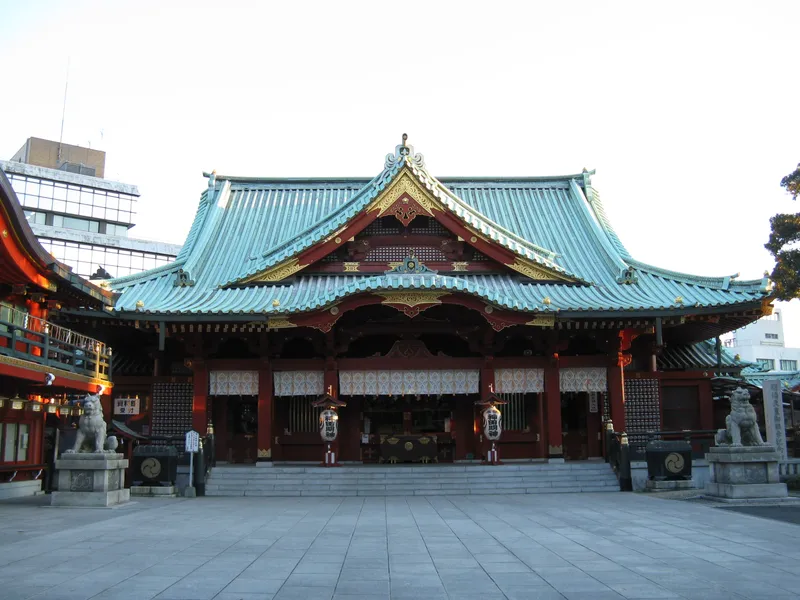
Kanda Myojin
- Career & Work
- Family & Home
- Money & Prosperity
A Chiyoda shrine that served as the guardian shrine of all Edo, enshrining three deities between them associated with business prosperity, good matches and warding off misfortune, and these days selling a charm for information security.
 Temple
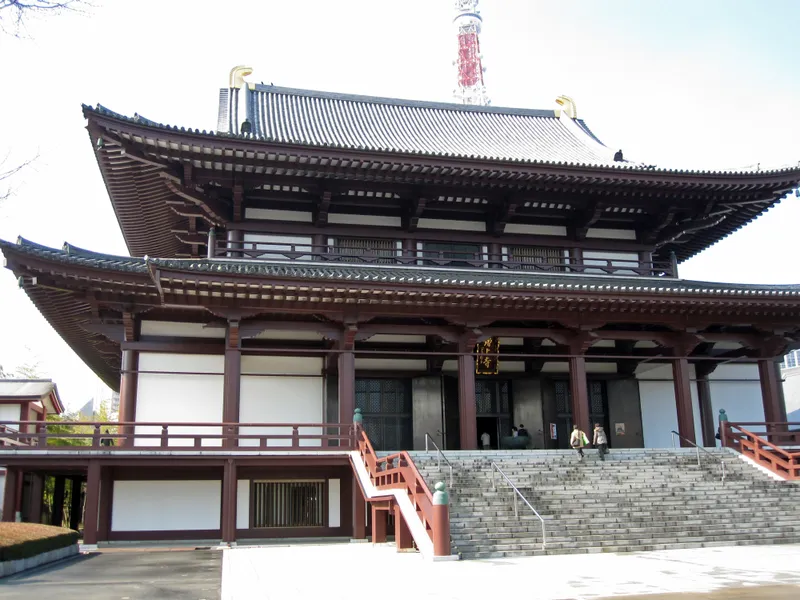
Zojo-ji
- Career & Work
- Family & Home
- Money & Prosperity
A Pure Land temple in Shiba, founded in 1393 and chosen by the Tokugawa as their family temple, whose hidden principal image is known as the Black Honzon of victory.
 Shrine
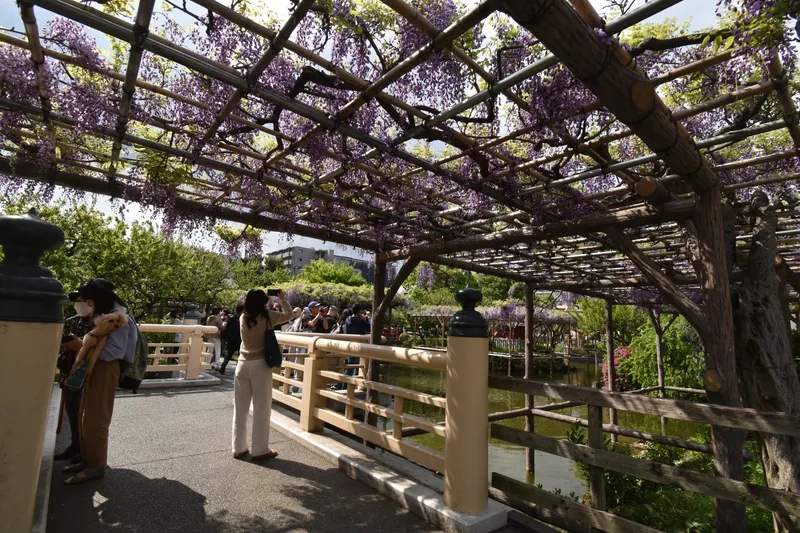
Kameido Tenjin Shrine
- Exams & Study
A Koto shrine laid out in 1662 on the model of Dazaifu Tenmangu, head of Tenjin devotion in eastern Japan, and the best place in Tokyo to see wisteria.
 Shrine
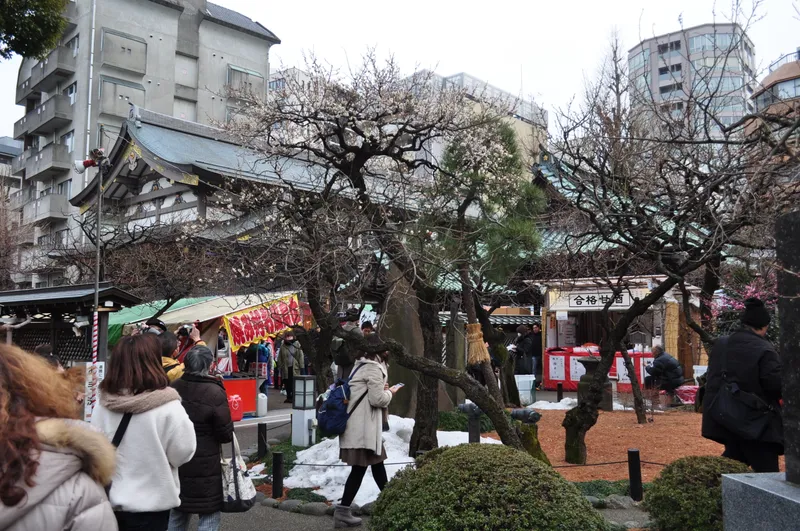
Yushima Tenmangu
- Exams & Study
A Bunkyo shrine enshrining Sugawara no Michizane, where Tokyo students come to pray before examinations, and whose plum garden opens each February.
 Shrine
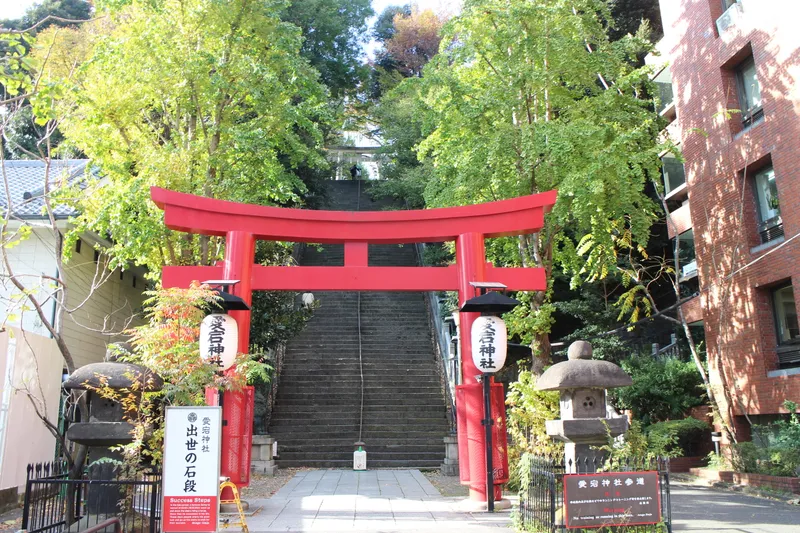
Atago Shrine
- Career & Work
- Love & Romance
- Money & Prosperity
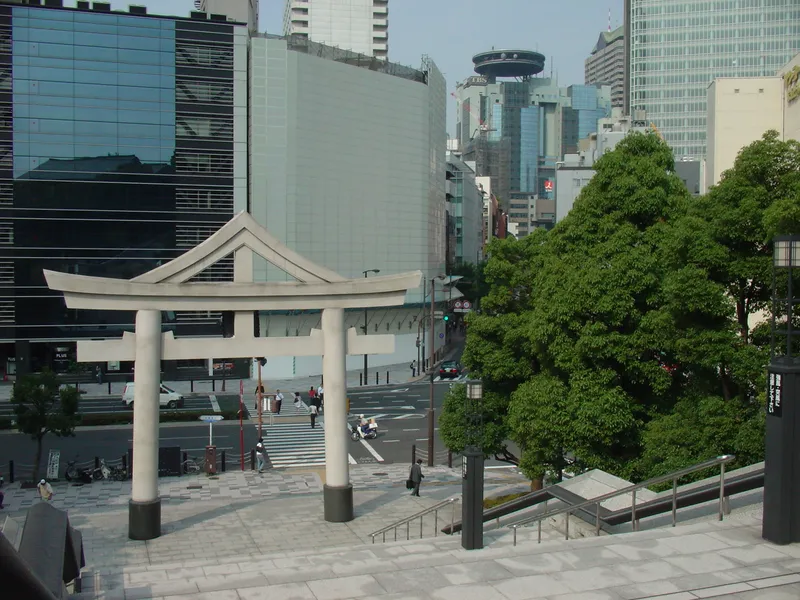
A shrine on a steep hill in Minato, founded in 1603 on Tokugawa Ieyasu's order as a deity against fire, and known for the stone staircase named after a rider who is said to have galloped up it.
 Shrine
Hie Shrine
- Career & Work
- Fertility & Children
- Money & Prosperity
A shrine on a wooded rise in Nagatacho, once the guardian of Edo Castle, whose messenger is the monkey, a pun the shrine explains itself, connecting it to warding off evil, to winning, and to the tying of bonds.
 Shrine
Suitengu
- Family & Home
- Fertility & Children
- Protection & Safety
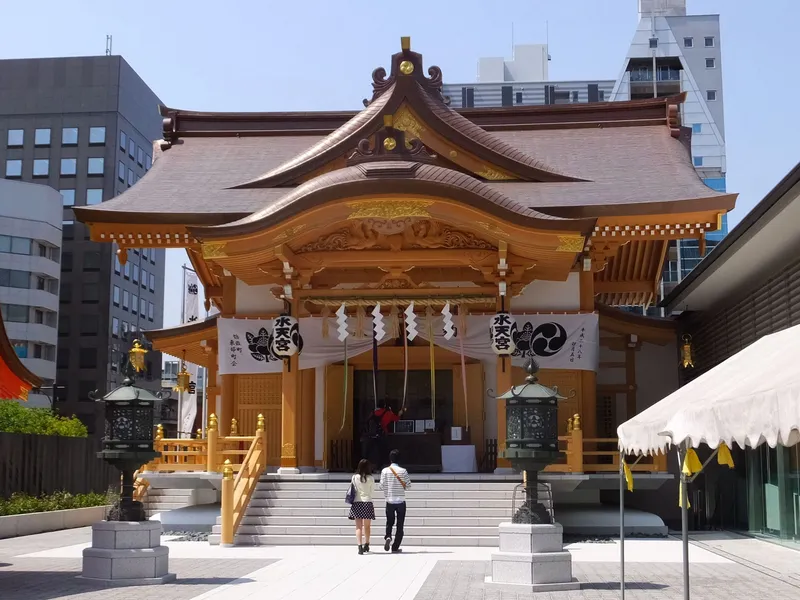
A Nihonbashi shrine long known for safe childbirth and for praying to conceive, whose safe-birth charm is a length of cotton worn as a belly band.
 Shrine
Tokyo Daijingu
- Family & Home
- Love & Romance
- Money & Prosperity
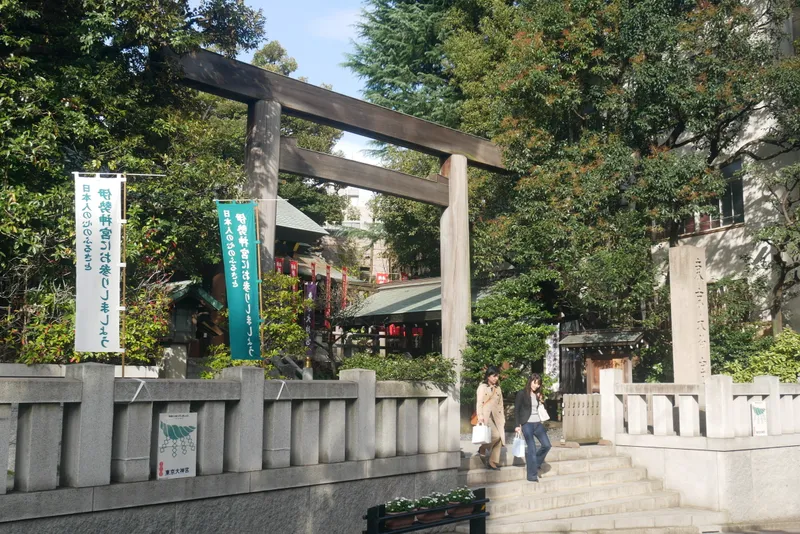
A Chiyoda shrine founded in 1880 as a Tokyo branch of Ise, known as "Tokyo's O-Ise-sama" and visited above all for prayers about relationships, an association the shrine itself explains through the three deities of creation enshrined here.
 Shrine
Akasaka Hikawa Shrine
- Family & Home
- Love & Romance
- Money & Prosperity
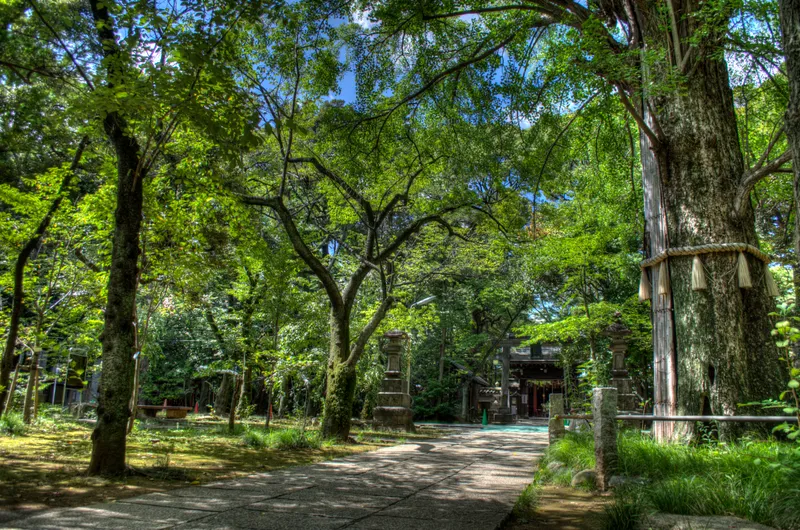
A Minato shrine founded in 951 whose Edo-period buildings survived both the earthquake and the war, known for warding off misfortune and for the tying of bonds, and the shrine explains why it is known for each.
 Shrine
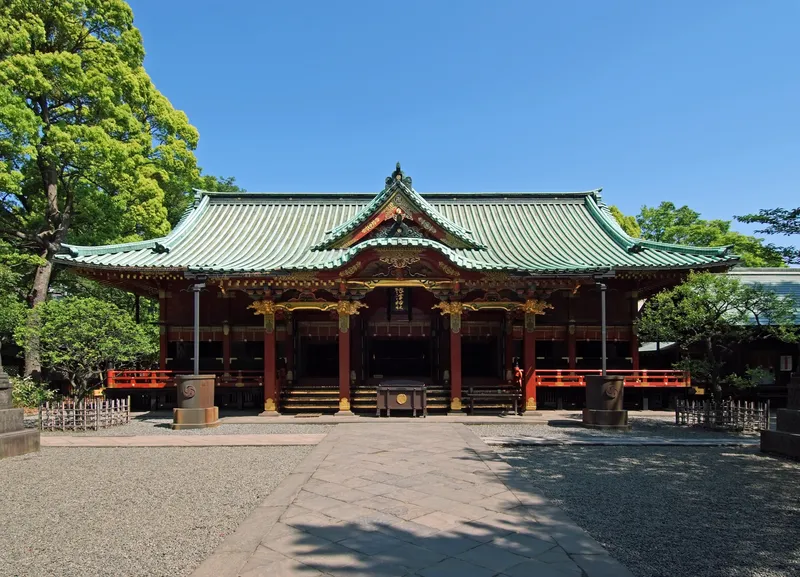
Nezu Shrine
- Career & Work
- Exams & Study
- Family & Home
A Bunkyo shrine whose entire 1706 complex survives intact as an Important Cultural Property, rare in Tokyo, with an azalea hill and a tunnel of small red torii (鳥居).
 Temple
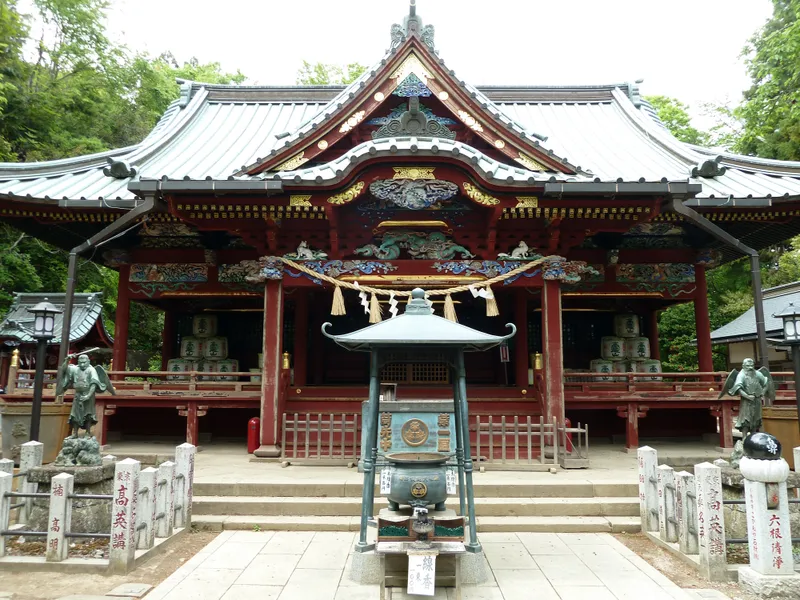
Takaosan Yakuo-in
- Protection & Safety
- Purification
A mountain temple founded in 744 on Mount Takao, west of Tokyo, whose principal image is Izuna Daigongen and whose tengu are held to ward off calamity, still an active centre of Shugendo mountain asceticism.
 Shrine
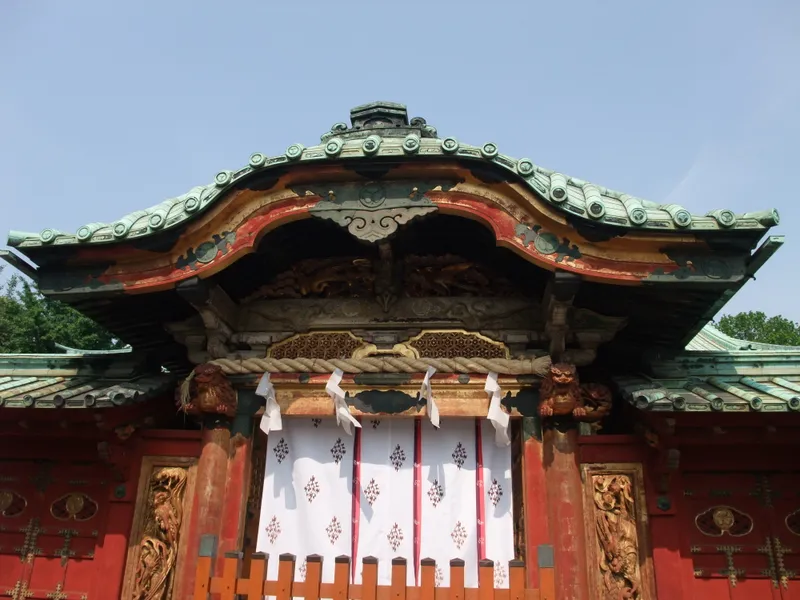
Ueno Toshogu
- Career & Work
- Health & Healing
A shrine in Ueno Park founded in 1627 to Tokugawa Ieyasu, whose gilded 1651 hall survived the Ueno war, the earthquake and the air raids intact.
 Temple
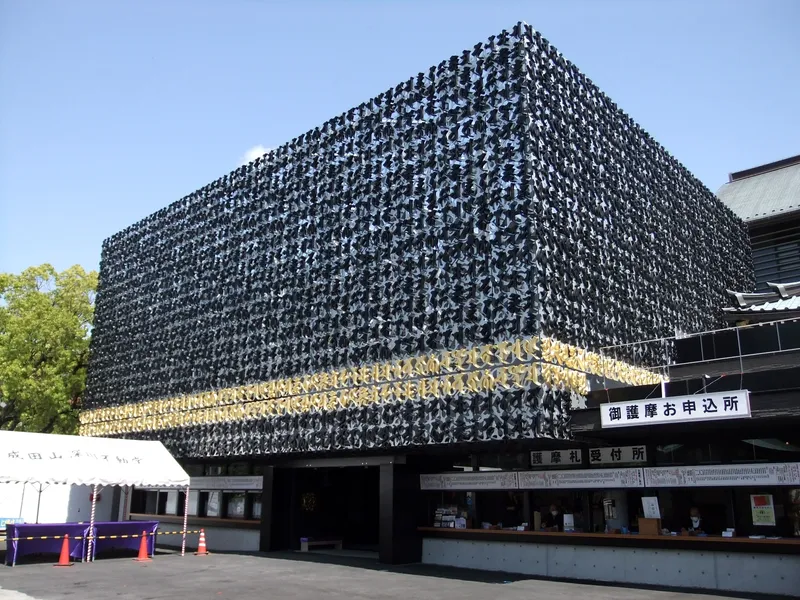
Fukagawa Fudo-do
- Protection & Safety
- Purification
The Tokyo branch of Naritasan Shinshoji, in Monzen-nakacho, where a goma fire rite is performed before Fudo Myoo several times a day.
 Shrine
Koami Shrine
- Money & Prosperity
- Protection & Safety
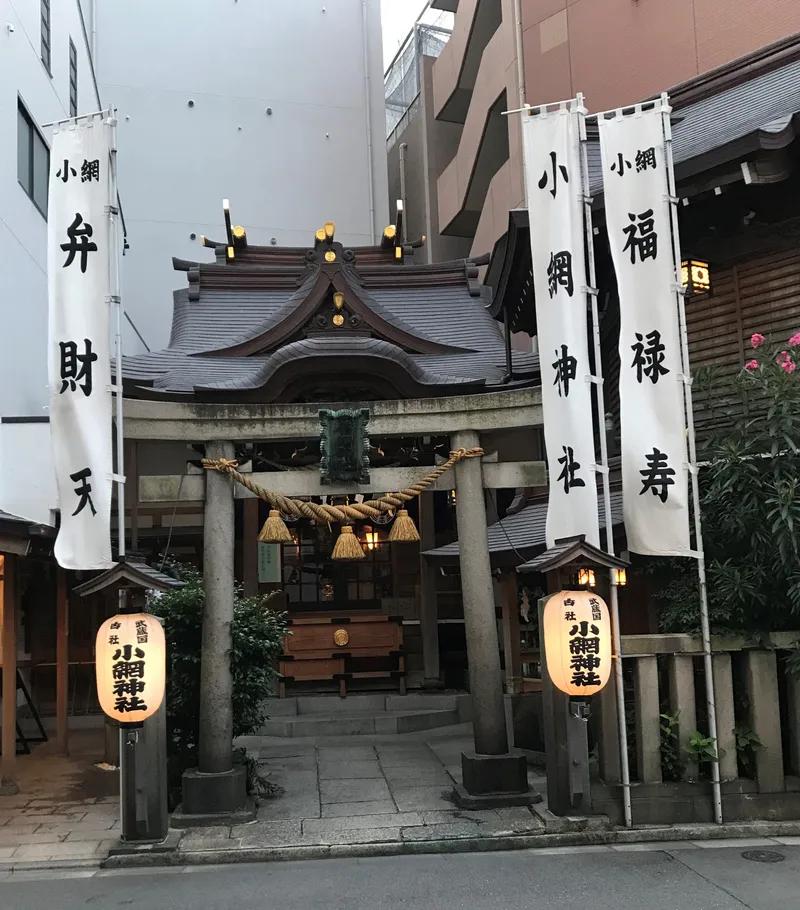
A small Nihonbashi shrine known as a deity of strong luck and warding off misfortune, with a well where visitors wash money and the only pre-war wooden shrine building left in the district.
 Temple
Gotoku-ji
- Money & Prosperity
- Bonds & Matchmaking
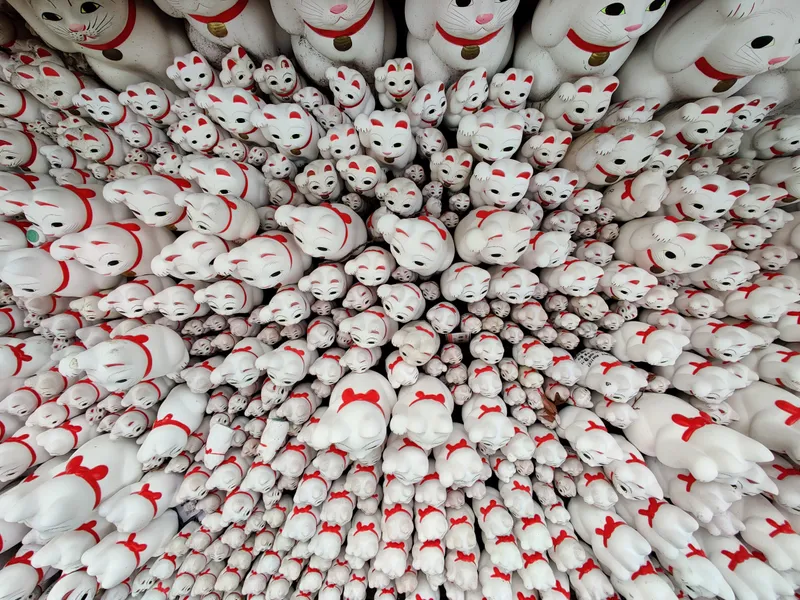
A Sōtō Zen temple in Setagaya where thousands of white beckoning-cat figurines are left by visitors, and where the temple is careful to say the cat brings connections, not fortune.
 Temple
Meguro Fudoson (Ryusen-ji)
- Protection & Safety
- Purification
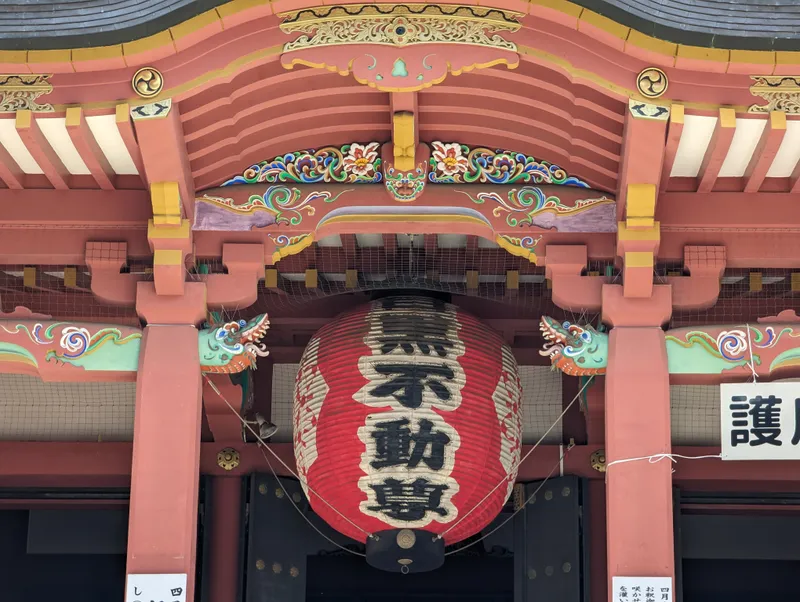
The oldest Fudo site in the Kanto, founded in 808 after a fifteen-year-old monk dreamed of a blue-black figure with a sword and a rope, and one of the Five-Colour Fudo that guarded Edo.
 Shrine
Shiba Daijingu
- Love & Romance
- Money & Prosperity
- Protection & Safety
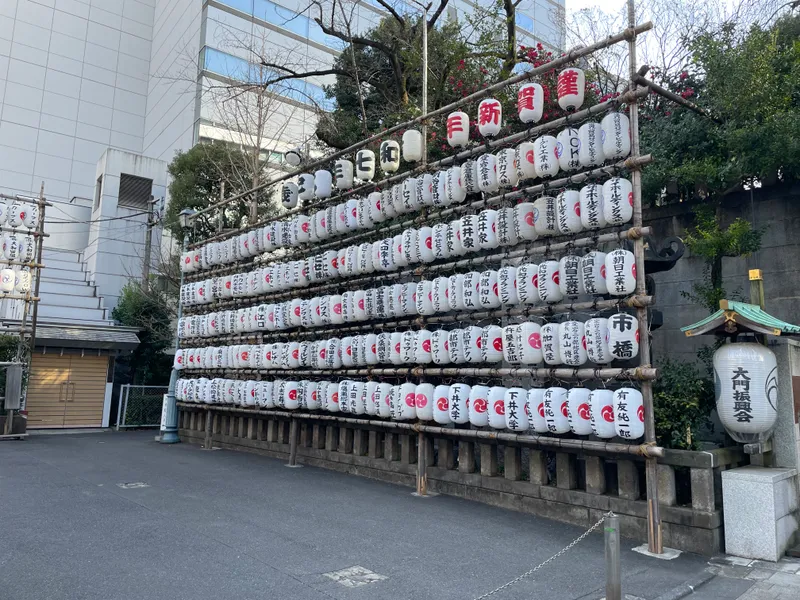
A Minato shrine founded in 1005 that enshrines the two deities of Ise, known in the Edo period as the Ise of the Kanto and today for a box charm sold nowhere else.
 Shrine
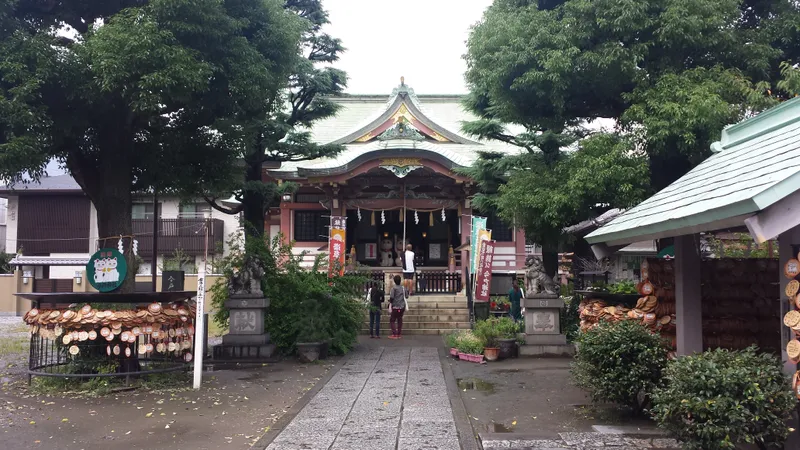
Imado Shrine
- Love & Romance
- Bonds & Matchmaking
An Asakusa shrine founded in 1063 that calls itself a shrine of bond-tying, and which has run its own matchmaking gatherings since 2008.
 Shrine
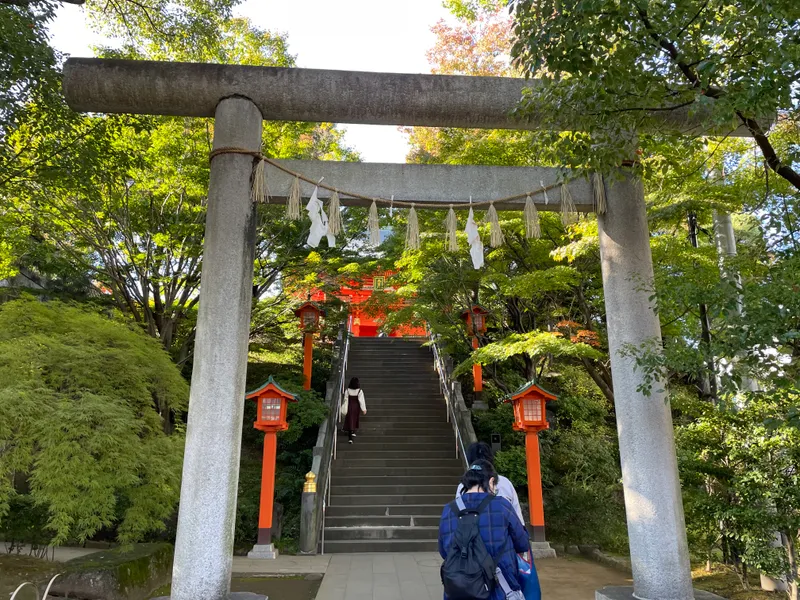
Ana Hachimangu
- Fertility & Children
- Money & Prosperity
- Skill & Mastery
A Waseda shrine named for a cave found in its hillside in 1641, which gives out an amulet for the circulation of money for six weeks each winter and nothing the rest of the year.
 Shrine
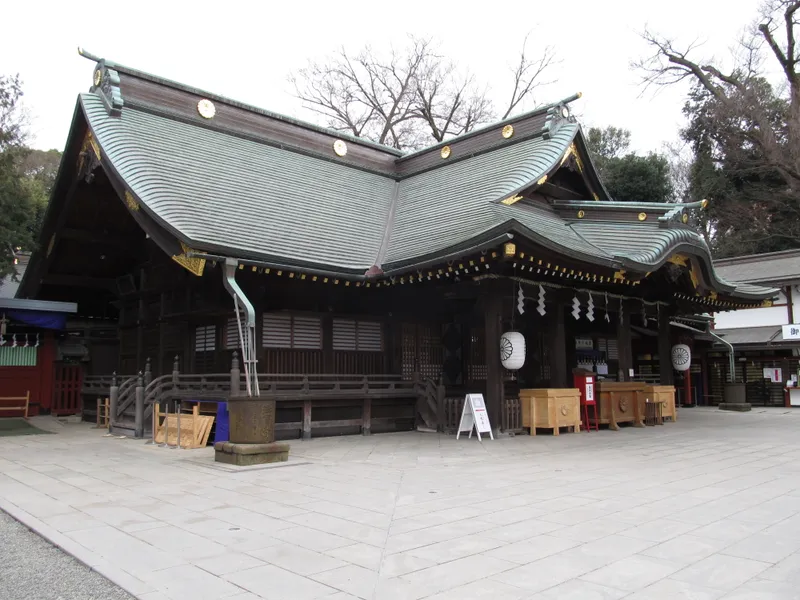
Okunitama Shrine
- Money & Prosperity
- Protection & Safety
- Bonds & Matchmaking
The provincial shrine of old Musashi, in Fuchu, which dates its founding to 111 and enshrines a deity it identifies with Ōkuninushi of Izumo.
 Temple
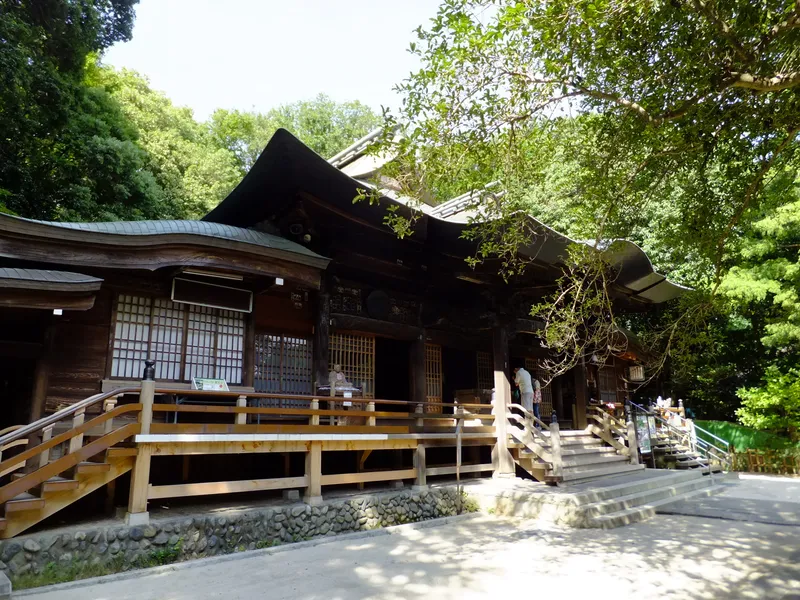
Jindai-ji
- Protection & Safety
A Tendai temple in Chofu founded in 733, named after a water deity said to remove epidemics, and known for a hidden image of the monk credited with inventing omikuji (おみくじ).
 Shrine
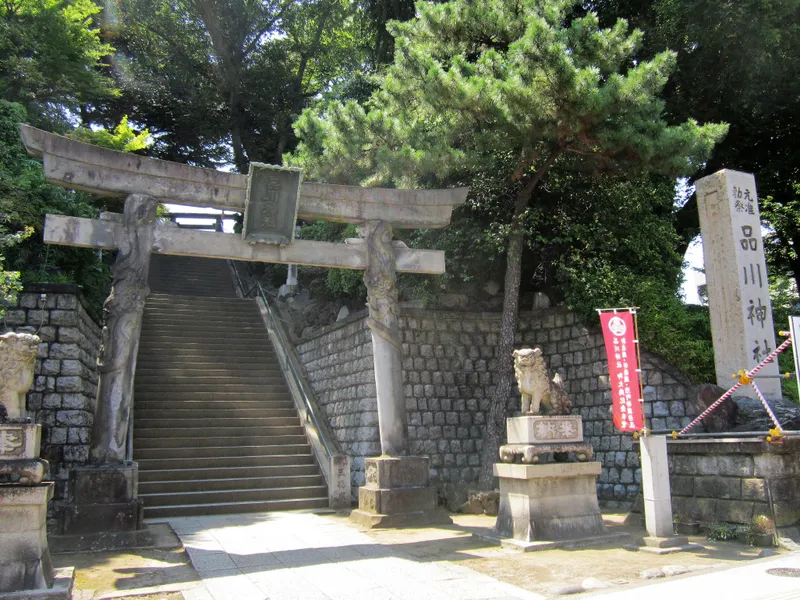
Shinagawa Shrine
- Money & Prosperity
- Protection & Safety
A shrine above Kita-Shinagawa founded in 1187 by Minamoto no Yoritomo, enshrining three deities added across three centuries, one for trade and one for warding.
 Shrine
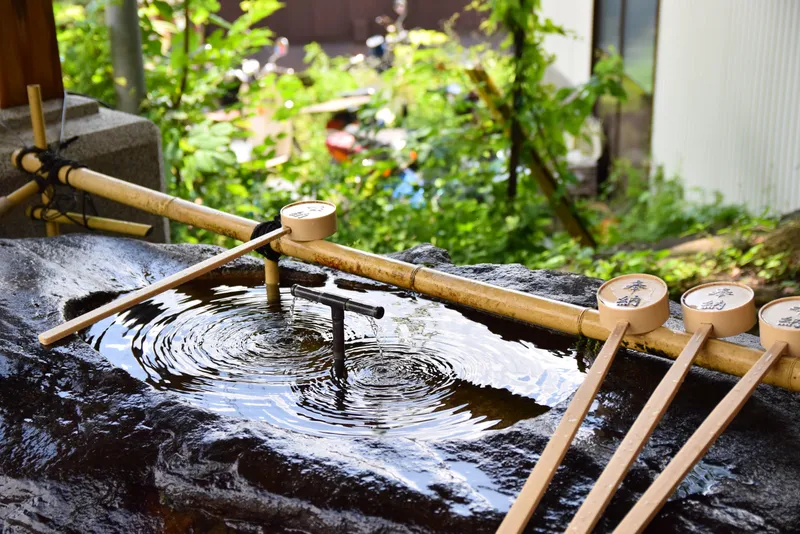
Musashi Mitake Shrine
- Protection & Safety
A mountain shrine above Ome whose guardian is a wolf, long turned to against theft and evil, and where dogs are now blessed year-round.
 Shrine
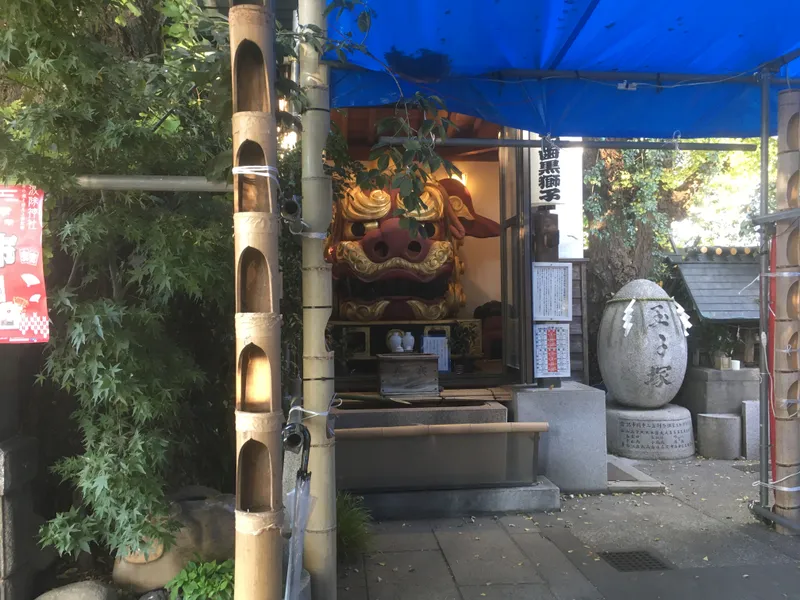
Namiyoke Shrine
- Money & Prosperity
- Protection & Safety
A Tsukiji shrine whose name means wave-averting, founded in 1659 after an Inari image found floating in the sea was credited with calming the water enough to finish the reclamation.
 Shrine
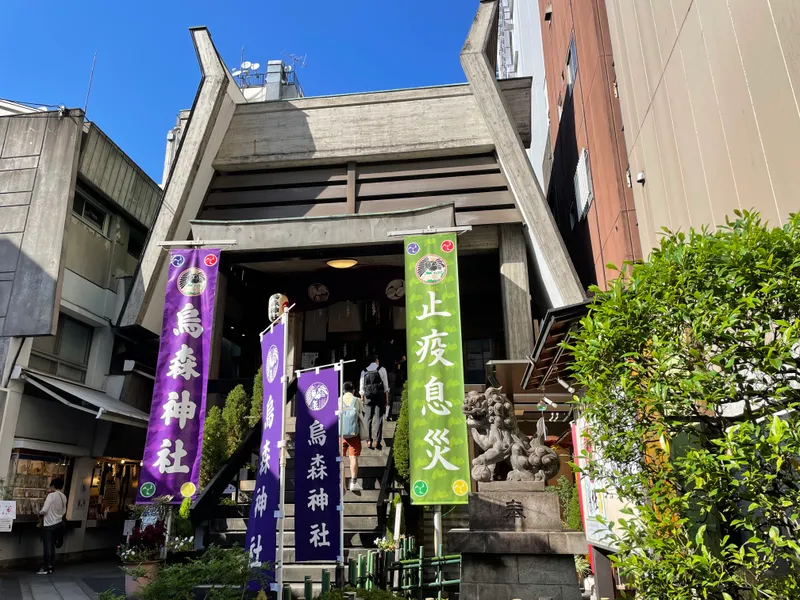
Karasumori Shrine
- Career & Work
- Money & Prosperity
- Skill & Mastery
A Shimbashi shrine down an alley, founded in 940 by the general who defeated Taira no Masakado, and one of the few to enshrine the deity of the performing arts.
 Shrine
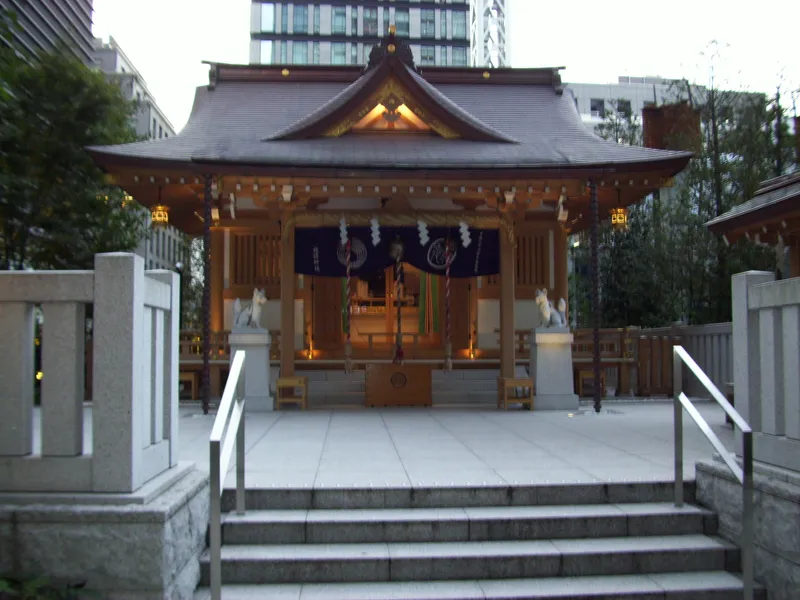
Fukutoku Shrine
- Money & Prosperity
A small Nihonbashi shrine whose name means good fortune, which ran shogunate-licensed lotteries in the Edo period and still performs a prayer for winning one.
 Shrine
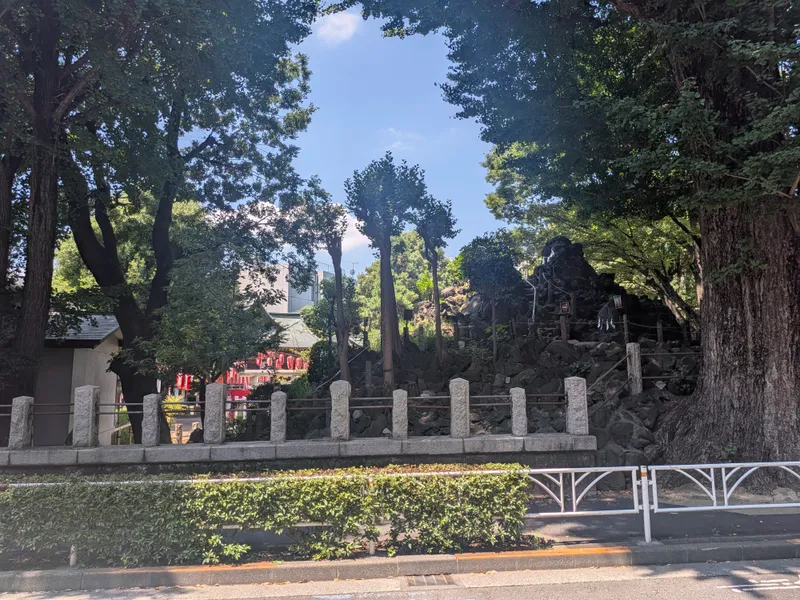
Hatonomori Hachiman Shrine
- Skill & Mastery
A Sendagaya shrine named after a flight of white doves, holding a Fuji mound raised in 1789 and a small hexagonal hall built with the Japan Shogi Association.
 Temple
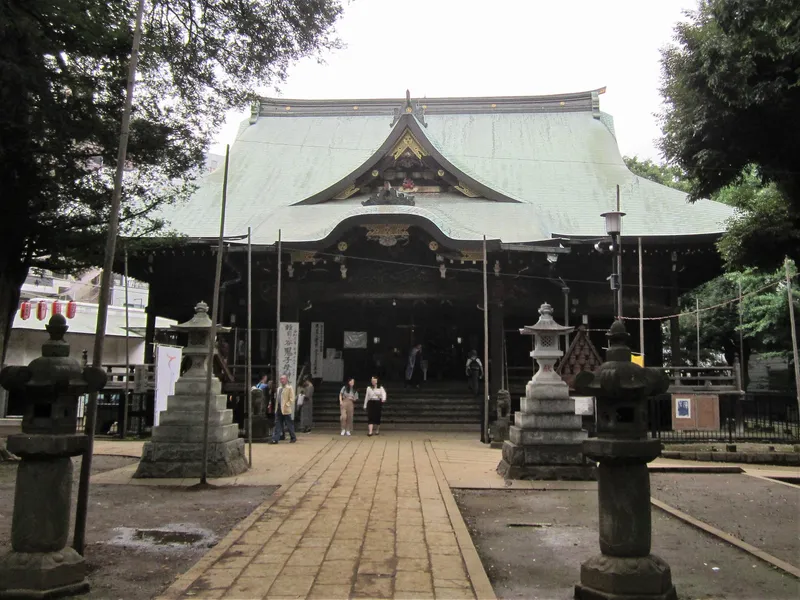
Zoshigaya Kishimojin-do
- Fertility & Children
A hall in Zoshigaya, built in 1664 and now a National Important Cultural Property, enshrining a deity who was a child-stealing demon before the Buddha taught her what losing a child meant.
 Shrine
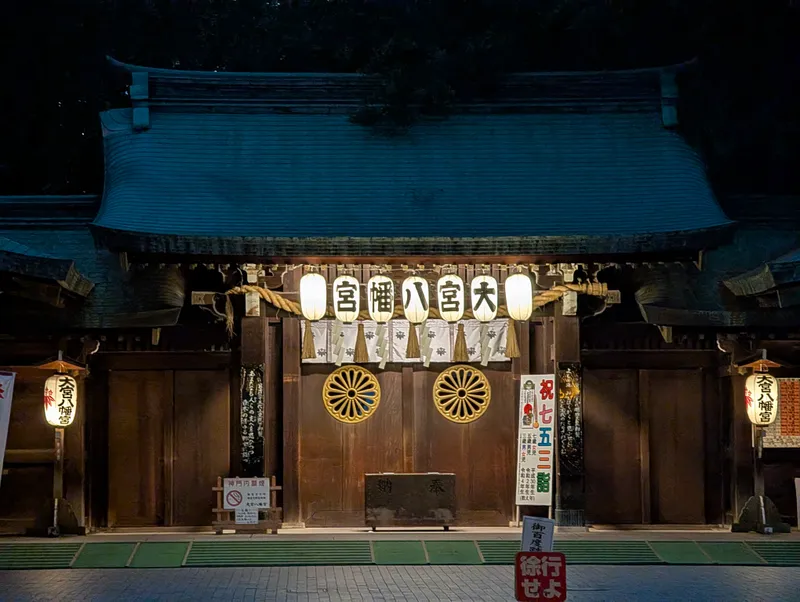
Omiya Hachimangu
- Fertility & Children
- Protection & Safety
- Bonds & Matchmaking
A large wooded shrine in Suginami, founded in 1063 by Minamoto no Yoriyoshi after he read a bank of white cloud as the banners of his own clan, and known for child-rearing and warding.
 Shrine
Koenji Hikawa Shrine
- Miscellaneous
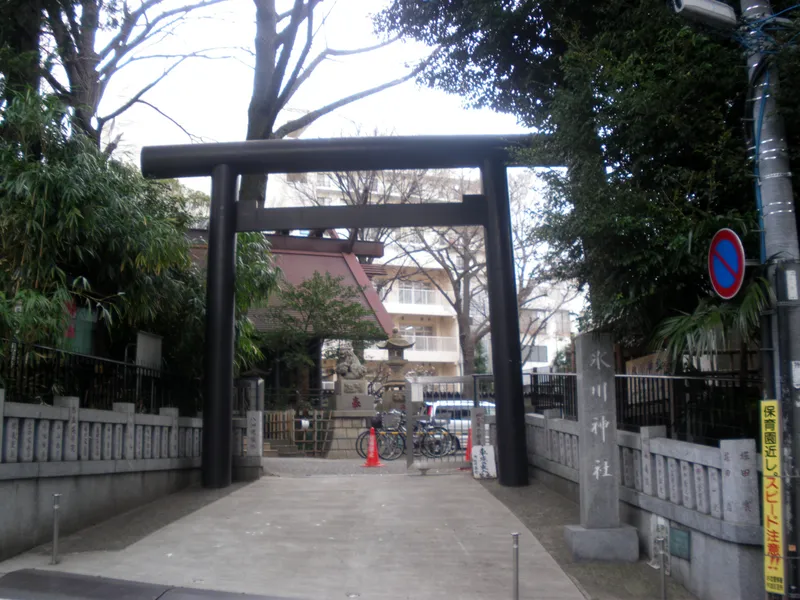
A Suginami shrine whose grounds hold a shrine to the weather, built inside an army meteorological unit in 1944 and left standing after the war by an oversight.
 Natural Site
Todoroki Valley
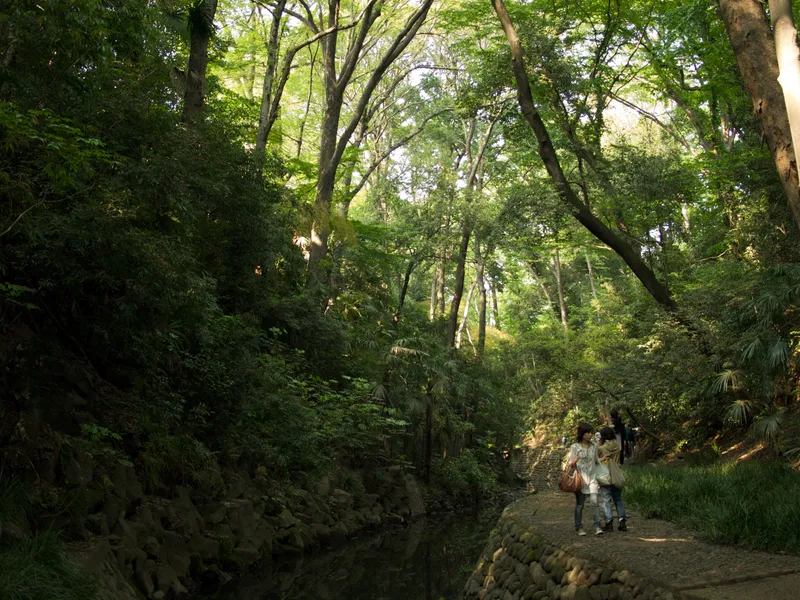
A wooded ravine cut by the Yazawa River in suburban Setagaya, designated a place of scenic beauty by Tokyo in 1999, with a spring-fed waterfall and a Shingon Fudo hall above it. The ward reopened the path on 24 March 2026 after a long closure for unsafe trees.