Nouso Hachimangu
Researched and translated with AI assistance. Every claim is linked to its source, but errors get through, so check the official site for opening times, fees and closures.About
In short
It began when Empress Jingu, on her way back from the campaign in the three Han, chose the grove of Nouso as sacred ground; the word people spoke at the parting gave the town of Iizuka its name.
Quick facts
- Address
- 2-3 Miyamachi, Iizuka, Fukuoka
- Spiritual entities
- Emperor Chuai (仲哀天皇) · Empress Jingu (神功皇后) · Hachiman (八幡神)
About this place
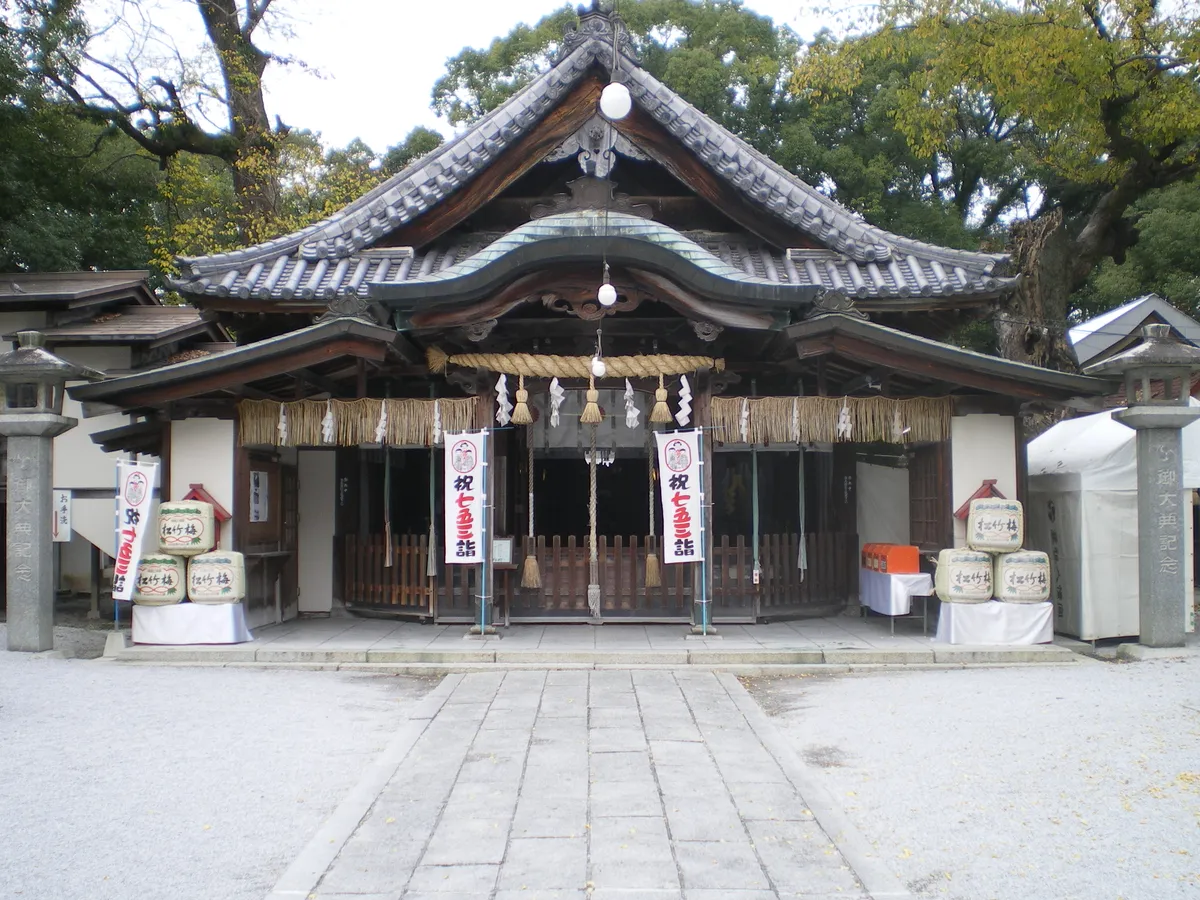
Nouso Hachimangu is in Iizuka, Fukuoka. It began some eleven hundred and sixty years ago, when Empress Jingu, on her way back from the campaign in the three Han, chose the grove of Nouso — the present precinct — as sacred ground, enshrined the deities of heaven and earth there and held a rite. At that time the people said to one another that they hoped to look upon her face again some day; and that word for some day, itsuka, is held to be the origin of the name Iizuka. A shrine hall was built in 1359, and in 1924 it was raised to the rank of prefectural shrine. Its deities are Emperor Ojin, Emperor Chuai, Empress Jingu, Takenouchi no Sukune and the deities of heaven and earth. Its benefits are safety in the household, safety in traffic, success in entrance examinations, prosperity in business, the growth of enterprises, first shrine visits, warding off misfortune, recovery from illness, safe birth, the seven-five-three, weddings, prayers for victory and the purification of vehicles.
Origin and history
It began some eleven hundred and sixty years ago, when Empress Jingu, on her way back from the campaign in the three Han, chose the grove of Nouso — the present precinct — as sacred ground, enshrined the deities of heaven and earth there and held a rite.
At that time the people said to one another that they hoped to look upon her face again some day; and that word for some day, itsuka, is held to be the origin of the name Iizuka.
A shrine hall was built in 1359, and in 1924 it was raised to the rank of prefectural shrine. Its deities are Emperor Ojin, Emperor Chuai, Empress Jingu, Takenouchi no Sukune and the deities of heaven and earth.
What it is locally associated with
Some day became Iizuka
The people said they hoped to look upon her face again some day, and that word, itsuka, is held to be the origin of the name Iizuka.
folk traditionGround chosen on the way home
Empress Jingu, returning from the campaign in the three Han, chose the grove of Nouso as sacred ground and enshrined the deities of heaven and earth.
folk traditionFrom household safety to victory
The benefits include household and traffic safety, entrance examinations, business prosperity, warding off misfortune, recovery from illness, safe birth and victory.
documented history
The name of this town comes from something said at a parting. That they hoped to look upon her face again some day — the people said it to one another, and that word for some day is held to be the origin of the name Iizuka. Something said to a person you are about to stop seeing became the name of a town.
Other places on this list took their names from events. Umi Hachimangu, in the same prefecture, stands where Emperor Ojin was born and the land came to be called Umi for it. Tanzan Shrine in Nara stands on the hill that came to be called the hill of talking after a secret conference. A birth, a conversation, a farewell — three names, each made of what happened.
Empress Jingu chose this ground on the way back from her campaign. In the same prefecture, Furougu at Okawa is where the white heron appeared on the return, and Shinozaki Hachiman in Kitakyushu begins with a birth during the triumphal return. Fukuoka on this list is made of homeward journeys more than outward ones.
The benefits begin with safety in the household, then traffic safety, entrance examinations, prosperity in business, the growth of enterprises, first visits, warding off misfortune, recovery from illness, safe birth, the seven-five-three, weddings, victory and the purification of vehicles.
Claims and evidence levels 2
- The shrine transmits that Empress Jingu chose the grove of Nouso as sacred ground on her return from the three Han, and that the word itsuka spoken at the parting gave Iizuka its name. folk tradition
- A shrine hall was built in 1359, and in 1924 it was raised to the rank of prefectural shrine. documented history
Related guides
- How to visit a shrine or temple in JapanThe country-wide basics: purifying at the water basin, the two-bows-two-claps-one-bow form at shrines, and what temples do instead.
- What a "power spot" actually isA modern Japanese coinage, not a traditional religious category. Where the word came from, what it does and does not claim, and why this site uses it anyway.
- Shrine or temple?A shrine is Shinto and a temple is Buddhist, and you can usually tell at the gate. Why the line is cleaner on paper than on the ground, and what a government order in 1868 has to do with it.
- Omamori, ema, omikuji and goshuinThe four things you are most likely to receive, write, draw or be given at a shrine or temple, what each is actually for, and the one of them people most often get wrong.
Sources
- 曩祖八幡宮について — Nouso Hachimangu (accessed 2026-08-15)
Last updated:
Similar places
8 places
 Shrine
Fuuji Hachimangu
- Money & Prosperity
- Protection & Safety
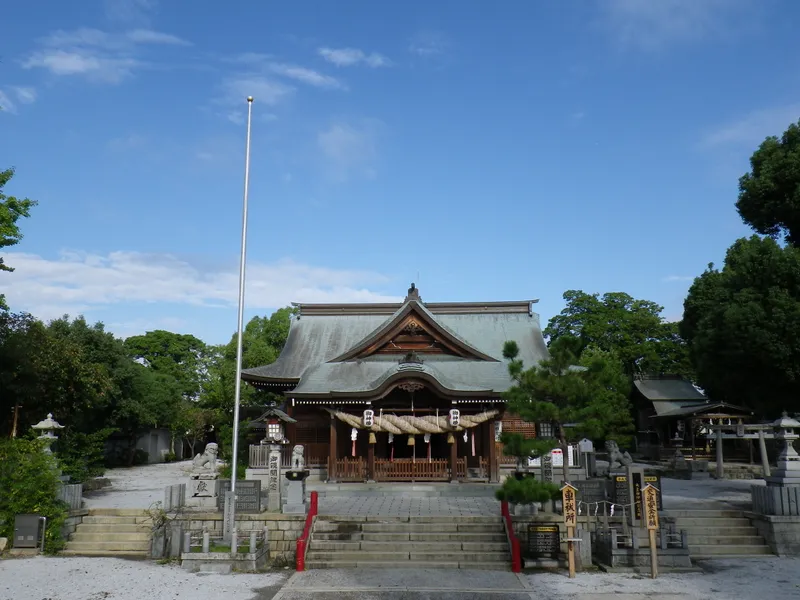
From Ita no Okami to Kaze no Miya to Ita Tenaga Taisha and at last Fuuji Hachimangu — a name two lords each added a character to.
 Shrine
Kashiigu
- Family & Home
- Fertility & Children
- Protection & Safety
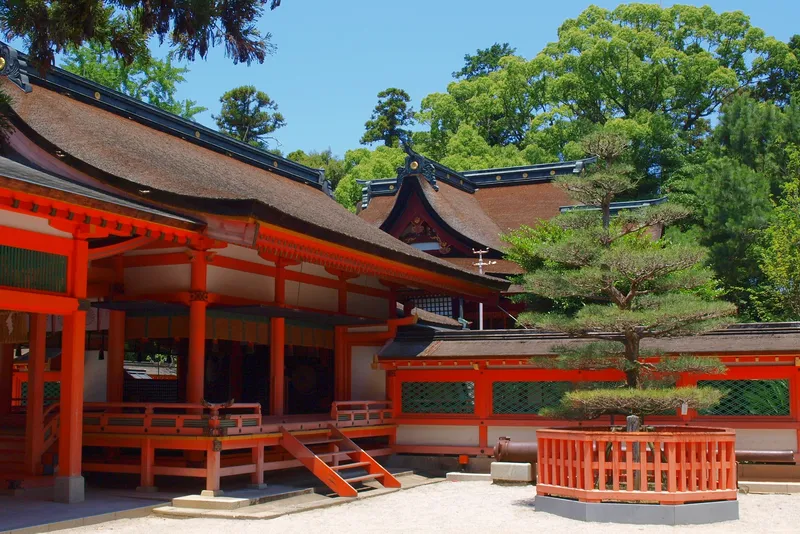
It began when Empress Jingu built a shrine with her own hands for the spirit of her husband Emperor Chuai, and a second hall for the empress herself was later added on her own oracle.
 Shrine
Hakozakigu
- Exams & Study
- Fertility & Children
- Money & Prosperity
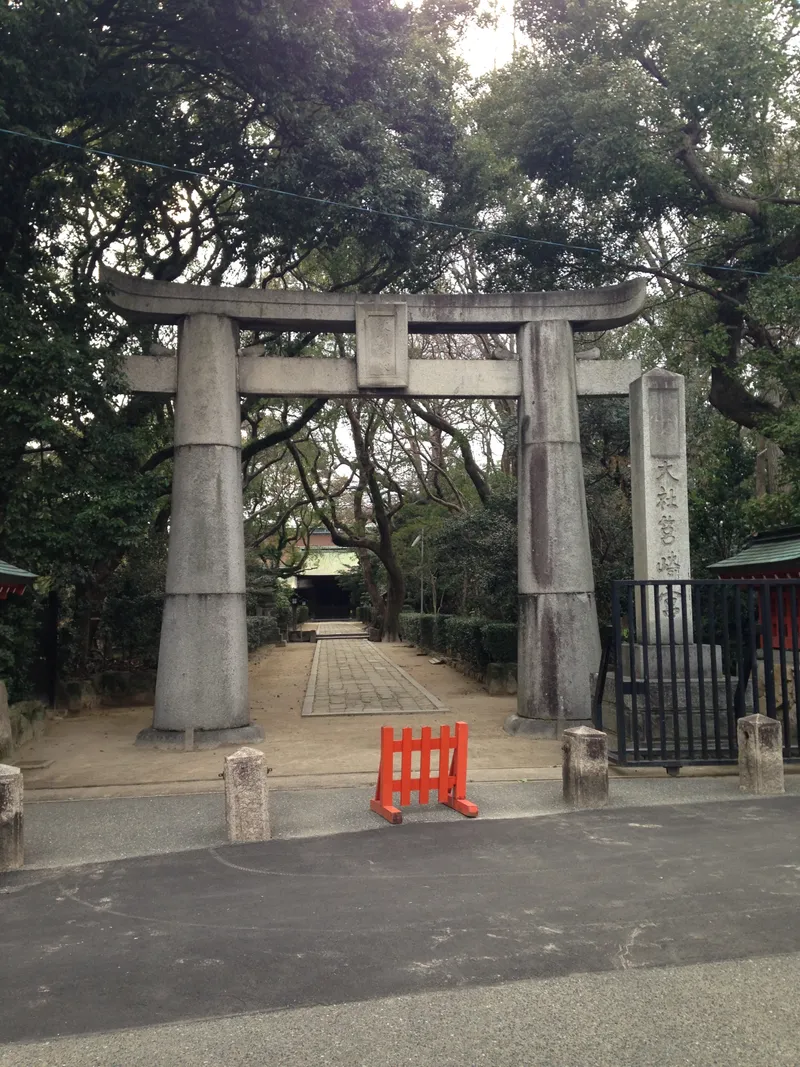
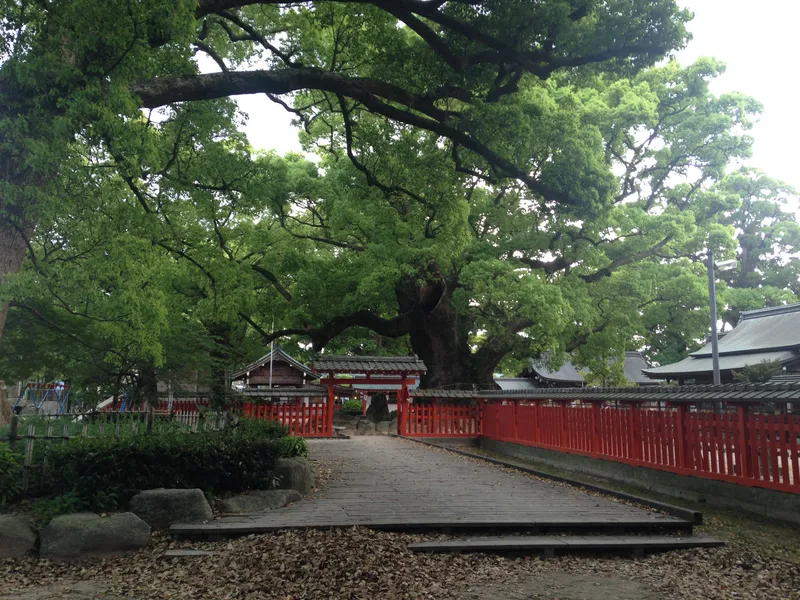
A Hachiman shrine built in 921 after Emperor Daigo, by divine instruction, handed down a piece of imperial calligraphy that the shrine still keeps as its first treasure.
 Shrine
Umi Hachimangu
- Family & Home
- Fertility & Children
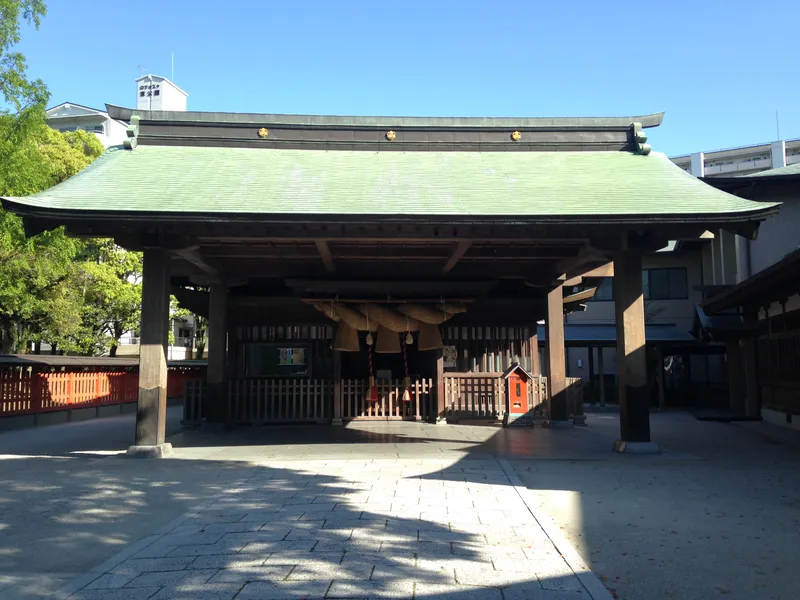
Empress Jingu gave birth to Emperor Ojin here, holding on to the branch of a pagoda tree, and the town’s name comes from that delivery.
 Shrine
Tooka Ebisu Shrine
- Family & Home
- Love & Romance
- Money & Prosperity
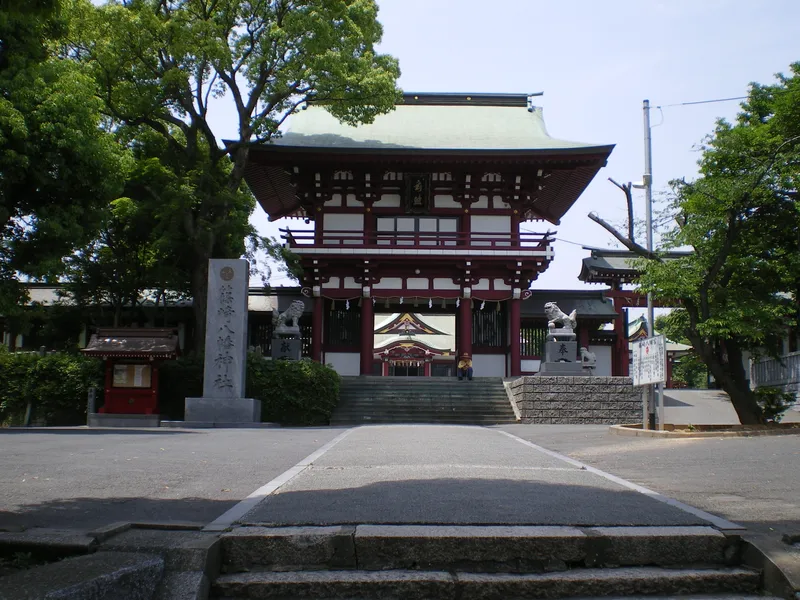
It began when a man walking home from Kashiigu and Hakozakigu picked an image of Ebisu up off the tide line, and a hall was built for it on the tenth day of the first month the following year.
 Shrine
Shinozaki Hachiman Shrine
- Career & Work
- Fertility & Children
- Love & Romance
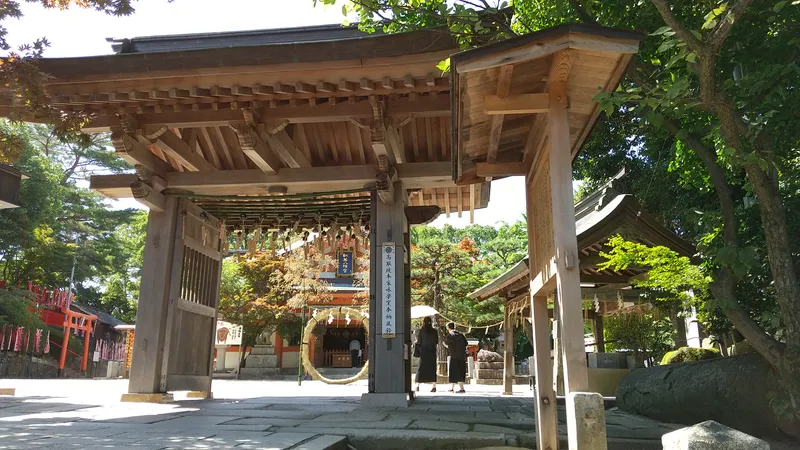
It begins with Empress Jingu giving birth to Emperor Ojin at Umi, and a division of the deity was brought from Usa Hachimangu in 730; two stones in the precinct carry different prayers.
 Shrine
Momiji Hachimangu
- Career & Work
- Fertility & Children
- Love & Romance
Twelve deities are enshrined here, among them Empress Jingu, Emperor Ojin and Prince Uji no Wakiiratsuko, and the devotion runs to safe birth, the keeping of children, warding off misfortune, bonds and advancement.
 Shrine
Dazaifu Tenmangu
- Career & Work
- Exams & Study
- Fertility & Children
The shrine stands over Sugawara no Michizane’s grave, on the spot where the ox drawing his funeral cart lay down and would not move; prayers here begin with passing an entrance examination.
No places match your filters