Todaiji
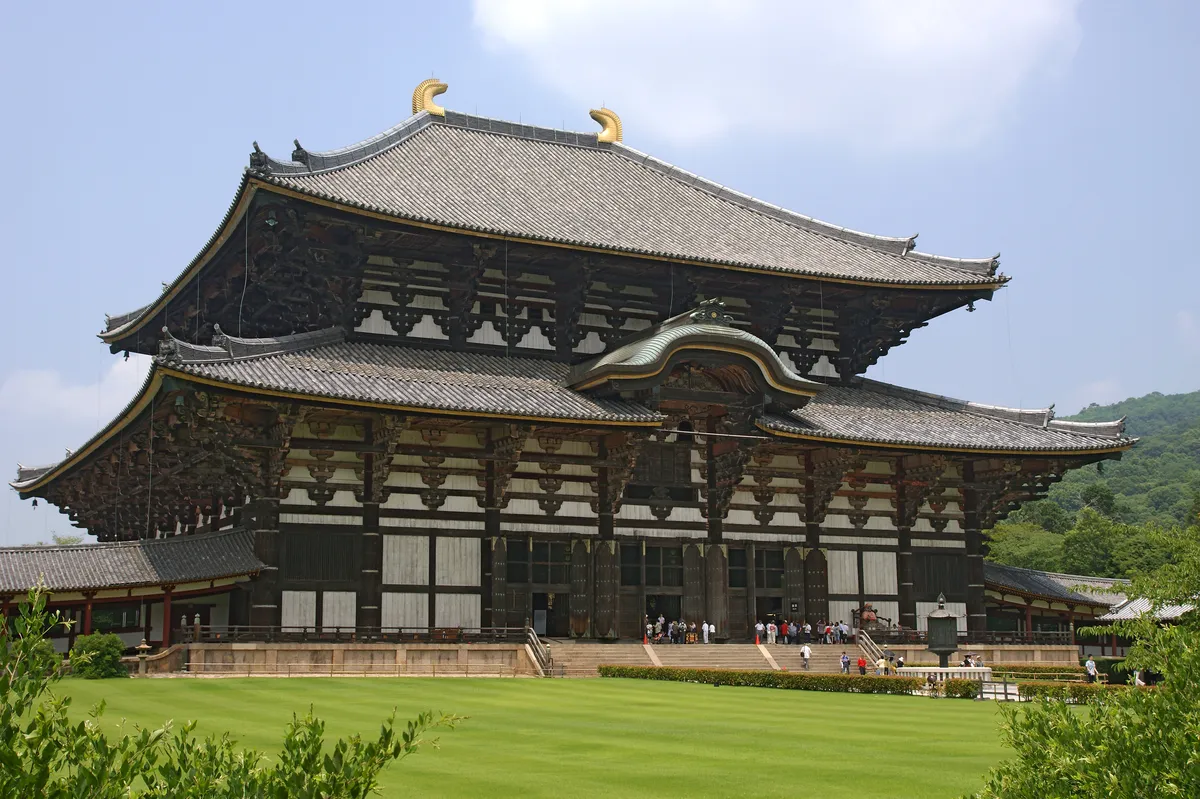
Tōdai-ji · the Great Buddha of Nara
Researched and translated with AI assistance. Every claim is linked to its source, but errors get through, so check the official site for opening times, fees and closures.About
In short
The temple of the Great Buddha, begun in 743 under an edict praying that all things, animate and growing, may flourish.
Quick facts
- Address
- 406-1 Zoshicho, Nara
- Spiritual entities
- Vairocana (毘盧遮那佛, Birojana)
About this place
Todaiji, in Nara, is the head temple of the Kegon school. In 743 Emperor Shōmu issued the edict for the making of the Great Vairocana Buddha at the Shigaraki palace. Its wish was put in one phrase: that all things, the moving and the growing alike, may flourish. The body of the buddha was cast in the tenth month of 749, and a great eye-opening ceremony was held in the fourth month of 752.
Origin and history
By the temple’s own history, Emperor Shōmu issued the edict for the making of the Great Vairocana Buddha in 743, at the Shigaraki palace. Its purpose was expressed as the flourishing of all things animate and growing — a wish for the Kegon world in which all things interpenetrate without obstruction.
The body of the buddha was cast in the tenth month of 749, and the great eye-opening ceremony was performed in the fourth month of 752.
What it is locally associated with
An edict for everything alive
The edict of 743 stated its purpose as the flourishing of all things, the moving and the growing alike.
documented historyNine years from edict to eye-opening
The body of the buddha was cast in the tenth month of 749, and the eye-opening ceremony was held in the fourth month of 752.
documented historyWishing for the Kegon world
The temple records that the edict’s wish was for the Kegon world, in which all things interpenetrate without obstruction.
documented history
What is prayed for at this temple survives in a state document, with a date on it. The edict of 743 gave the reason for making the Great Buddha in one phrase: that all things, the moving and the growing, may flourish. What was to be protected was not the emperor and not the capital — it was everything alive.
Few founding documents anywhere cast their prayer that wide. And the prayer was actually cast, in gilt bronze: the body in 749, the eyes opened in 752. Nine years from edict to eye-opening — a temple where the wish written in a document became a statue fifteen metres high.
Claims and evidence levels 3
- In 743 Emperor Shōmu issued the edict for the making of the Great Vairocana Buddha at the Shigaraki palace. documented history
- The temple records the edict’s purpose as the flourishing of all things animate and growing — a wish for the Kegon world of unobstructed interpenetration. documented history
- The body of the buddha was cast in the tenth month of 749, and the eye-opening ceremony was held in the fourth month of 752. documented history
Related guides
- How to visit a shrine or temple in JapanThe country-wide basics: purifying at the water basin, the two-bows-two-claps-one-bow form at shrines, and what temples do instead.
- What a "power spot" actually isA modern Japanese coinage, not a traditional religious category. Where the word came from, what it does and does not claim, and why this site uses it anyway.
- Shrine or temple?A shrine is Shinto and a temple is Buddhist, and you can usually tell at the gate. Why the line is cleaner on paper than on the ground, and what a government order in 1868 has to do with it.
- Omamori, ema, omikuji and goshuinThe four things you are most likely to receive, write, draw or be given at a shrine or temple, what each is actually for, and the one of them people most often get wrong.
Sources
- 奈良時代 — 東大寺の歴史 — Todaiji (accessed 2026-08-13)
Last updated:
Similar places
8 places
 Temple
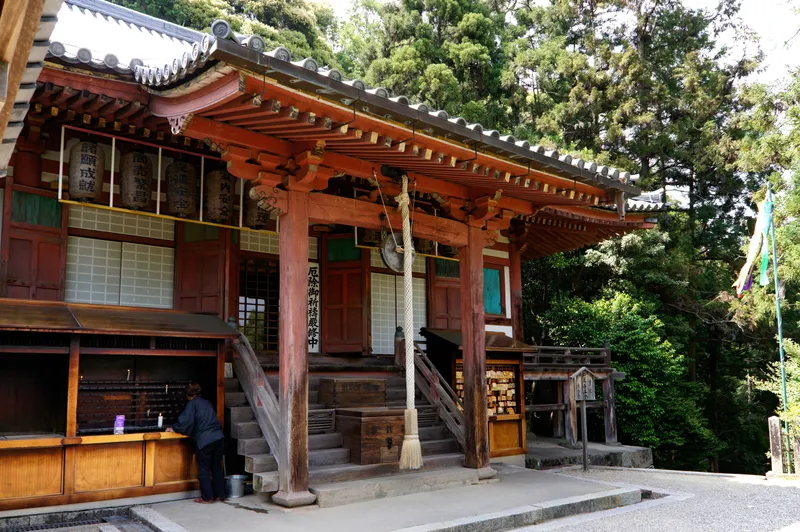
Matsuo-dera
- Protection & Safety
- Wish Fulfillment
Built in 718 by Prince Toneri while he was compiling the Nihon Shoki, at forty-two and in his unlucky year, praying that the book be completed safely and misfortune warded off.
 Shrine
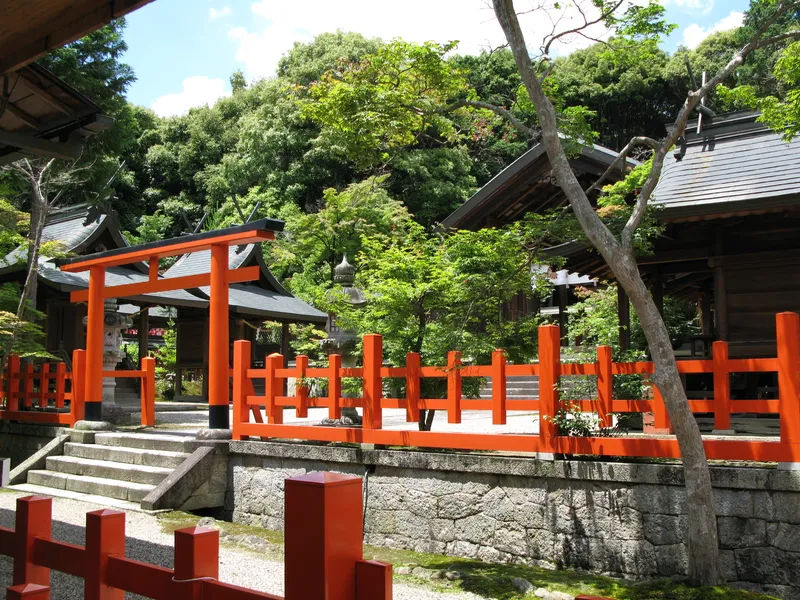
Tatsuta Taisha
- Family & Home
- Protection & Safety
A shrine to the deity of wind, transmitted as built exactly as an oracle in an emperor’s dream directed — after which the crops were abundant and the plague withdrew.
 Temple
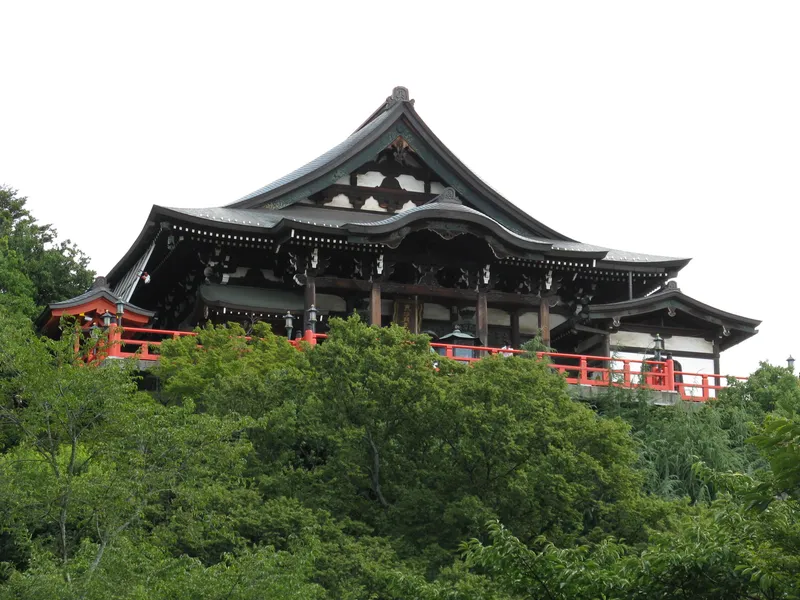
Chogosonshi-ji
- Family & Home
- Health & Healing
- Protection & Safety
Prince Shotoku is said to have perceived Bishamonten on this mountain at the tiger hour of the tiger day of the tiger year, and the temple received its name when Emperor Daigo recovered from grave illness.
 Shrine
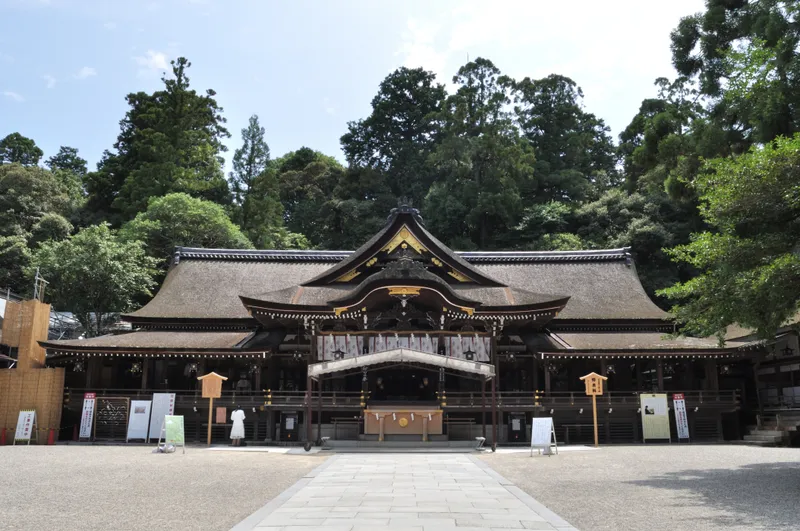
Omiwa Jinja
- Protection & Safety
It has no main hall, because its deity dwells in Mount Miwa — prayer is offered to the mountain directly, in the form worship took before shrine buildings existed.
 Temple
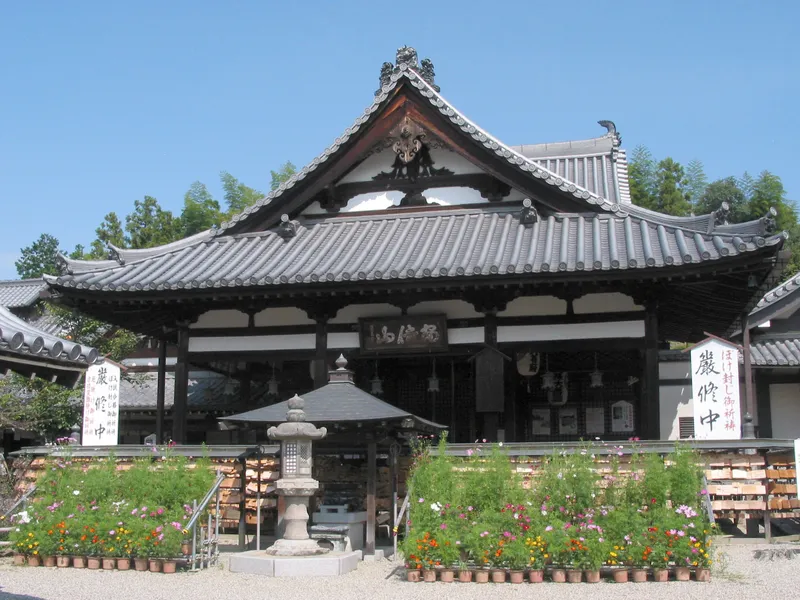
Abe Monju-in
- Exams & Study
- Fertility & Children
- Protection & Safety
Founded in 645 and one of the oldest temples in Japan, its principal image is the Monju of the proverb "three heads together make Monju’s wisdom", and prayers here begin with success in examinations.
 Temple
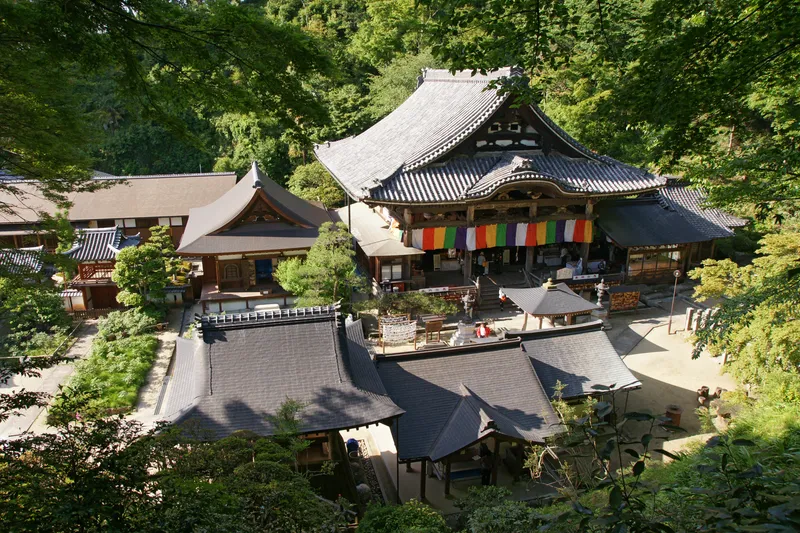
Oka-dera
- Exams & Study
- Fertility & Children
- Health & Healing
Founded by the priest Gien on the vow of Emperor Tenji, it calls itself the first site in Japan for warding off misfortune and is the seventh station of the Saikoku pilgrimage.
 Shrine
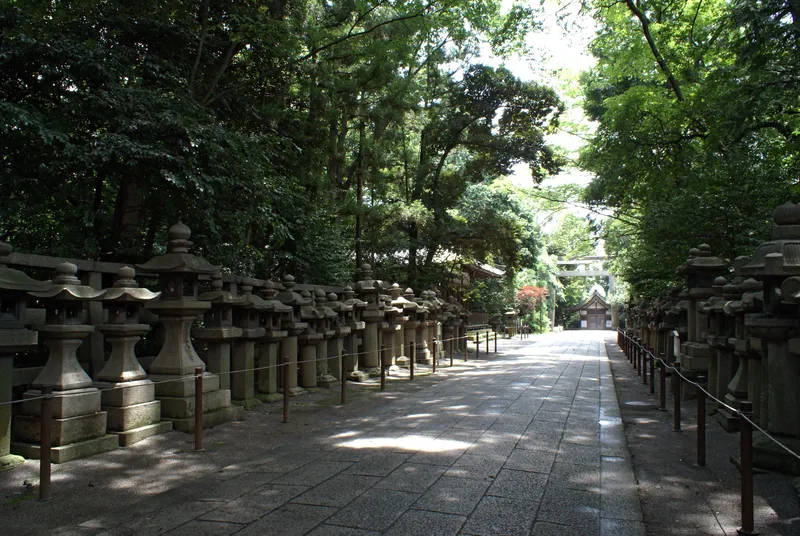
Iwashimizu Hachimangu
- Protection & Safety
Founded in 859 on an oracle in which the deity said: I shall move to the peak of Otokoyama near the capital and protect the realm.
 Shrine
Tanzan Shrine
- Family & Home
- Health & Healing
- Money & Prosperity
A shrine to Fujiwara no Kamatari on the hill where he and Prince Naka no Oe held the secret conference that led to the Taika Reform.
No places match your filters