Seimei Jinja
Researched and translated with AI assistance. Every claim is linked to its source, but errors get through, so check the official site for opening times, fees and closures.About
In short
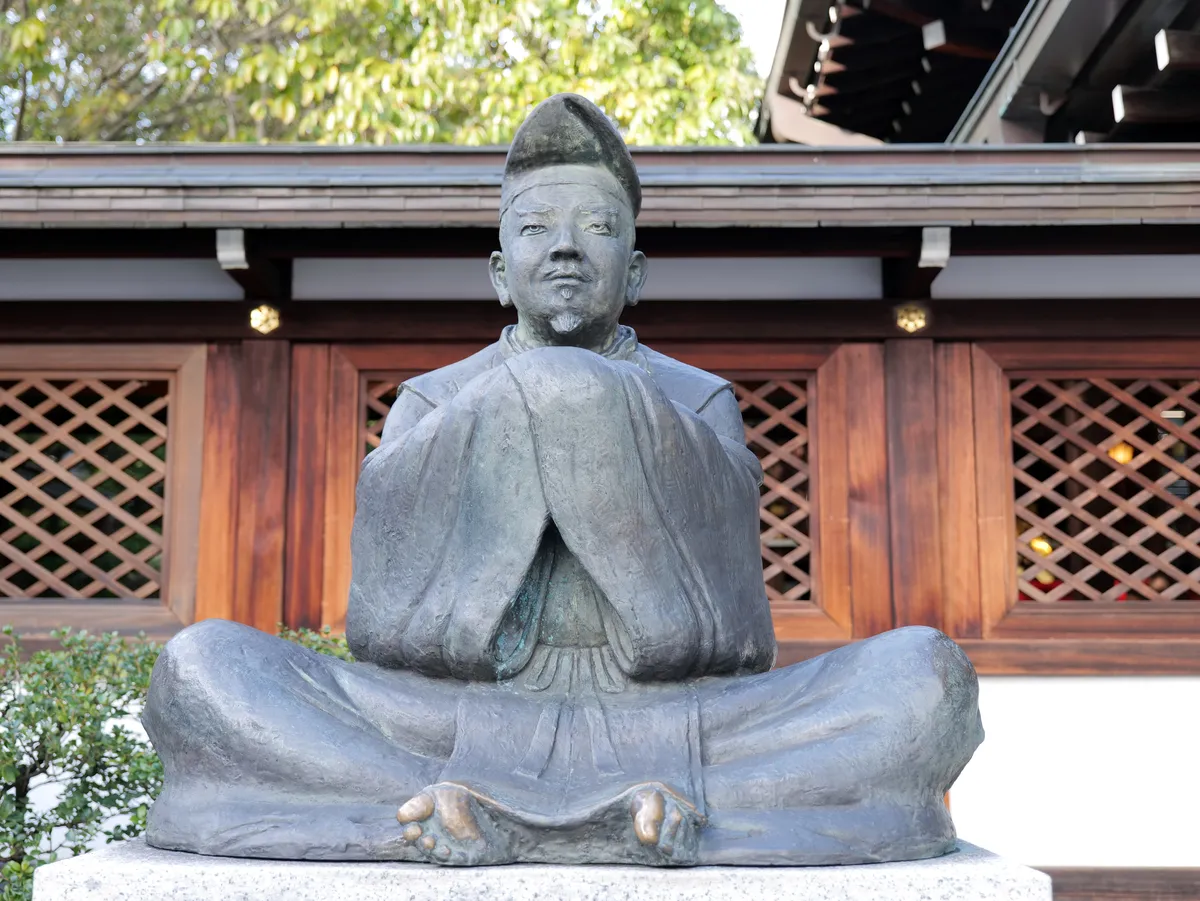
A shrine to Abe no Seimei, whose crest — the five-pointed star — the shrine describes as one of the onmyodo talismans he devised.
Quick facts
- Address
- 806 Seimeicho, Kamigyo-ku, Kyoto
About this place
Seimei Jinja is in Kamigyo, Kyoto, and enshrines Abe no Seimei. Its crest, the Seimei-kikyo, is also called the five-pointed star, and the shrine describes it as one of the prayer talismans of onmyodo devised by Seimei. The shrine holds that healing from illness is among its benefits, and treats the peach as a fruit that wards off evil and misfortune.
Origin and history
Seimei Jinja enshrines Abe no Seimei.
Its crest, the Seimei-kikyo, is also called the five-pointed star, and is described by the shrine as one of the prayer talismans used in onmyodo, devised by Seimei.
The shrine holds that healing from illness is among its benefits, and treats the peach as a fruit that wards off evil and misfortune.
What it is locally associated with
The star is a talisman
The shrine describes its Seimei-kikyo crest, also called the five-pointed star, as one of the onmyodo prayer talismans devised by Seimei.
documented historyHealing from illness
The shrine holds that healing from illness is among its benefits.
documented historyThe warding peach
The shrine treats the peach as a fruit that wards off evil and misfortune.
documented history
The mark of this shrine is a tool rather than a decoration. The Seimei-kikyo — the shape also called the five-pointed star — is, the shrine records, one of the prayer talismans of onmyodo that Seimei devised. The stars around the precinct are less a family crest than a charm.
What the shrine names as a benefit is healing from illness. And one more thing: the peach, treated as a fruit that wards off evil and misfortune. A star and a fruit — the two concrete things here.
Abe no Seimei himself is better known through stories than through records. What the shrine’s own guide says is the above, and this page stops where it stops.
Claims and evidence levels 3
- Seimei Jinja enshrines Abe no Seimei, and describes its Seimei-kikyo crest — the five-pointed star — as one of the onmyodo prayer talismans he devised. documented history
- The shrine holds that healing from illness is among its benefits. documented history
- The shrine treats the peach as a fruit that wards off evil and misfortune. documented history
Related guides
- How to visit a shrine or temple in JapanThe country-wide basics: purifying at the water basin, the two-bows-two-claps-one-bow form at shrines, and what temples do instead.
- What a "power spot" actually isA modern Japanese coinage, not a traditional religious category. Where the word came from, what it does and does not claim, and why this site uses it anyway.
- Shrine or temple?A shrine is Shinto and a temple is Buddhist, and you can usually tell at the gate. Why the line is cleaner on paper than on the ground, and what a government order in 1868 has to do with it.
- Omamori, ema, omikuji and goshuinThe four things you are most likely to receive, write, draw or be given at a shrine or temple, what each is actually for, and the one of them people most often get wrong.
Sources
- 境内のご案内 — 晴明神社 — Seimei Jinja (accessed 2026-08-13)
Last updated:
Similar places
8 places
 Temple
Katsuo-ji
- Exams & Study
- Health & Healing
- Protection & Safety
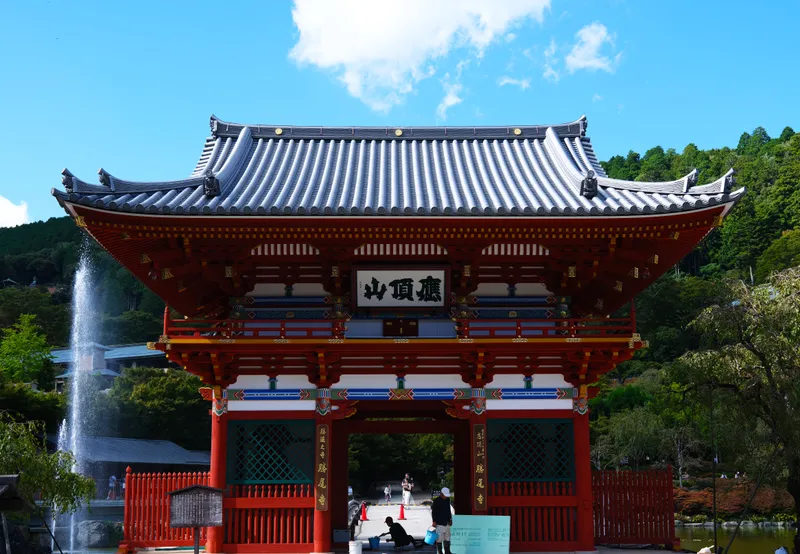
Begun in 727 when twin brothers built a hermitage on the mountain, and a temple of winning that defines winning as overcoming your own weak heart.
 Temple
Chogosonshi-ji
- Family & Home
- Health & Healing
- Protection & Safety
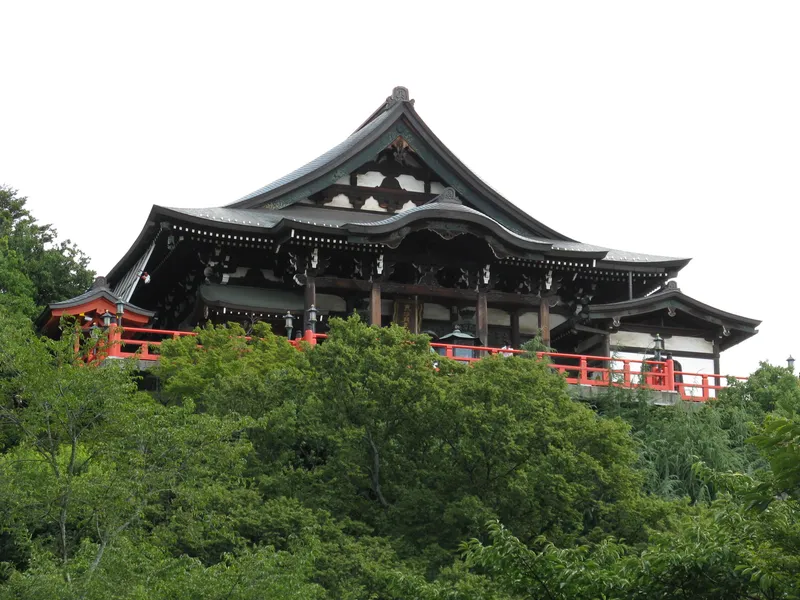
Prince Shotoku is said to have perceived Bishamonten on this mountain at the tiger hour of the tiger day of the tiger year, and the temple received its name when Emperor Daigo recovered from grave illness.
 Temple
Oka-dera
- Exams & Study
- Fertility & Children
- Health & Healing
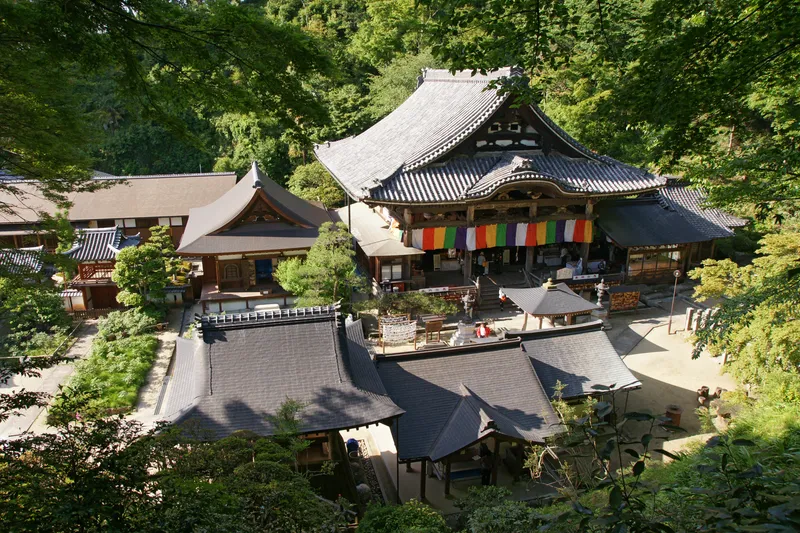
Founded by the priest Gien on the vow of Emperor Tenji, it calls itself the first site in Japan for warding off misfortune and is the seventh station of the Saikoku pilgrimage.
 Shrine
Tanzan Shrine
- Family & Home
- Health & Healing
- Money & Prosperity
A shrine to Fujiwara no Kamatari on the hill where he and Prince Naka no Oe held the secret conference that led to the Taika Reform.
 Shrine
Kitano Tenmangu
- Exams & Study
- Protection & Safety
- Skill & Mastery
Head shrine of some twelve thousand Tenmangu shrines, widely venerated for success in entrance examinations and in study.
 Shrine
Shimogamo Jinja
- Family & Home
- Fertility & Children
- Love & Romance
A shrine where people pray for protection, marriage, children, safe birth, raising a family and safe travel, in a wood that predates the city.
 Temple
Mibu-dera
- Protection & Safety
Founded in 991 as a temple for warding off misfortune, whose February setsubun rite has about nine hundred years of history.
 Shrine
Kamigamo Jinja
- Protection & Safety
- Skill & Mastery
A shrine to Kamo Wakeikazuchi, whose listed benefits run from warding off lightning to guarding the electrical industry.
No places match your filters