Konda Hachimangu
Researched and translated with AI assistance. Every claim is linked to its source, but errors get through, so check the official site for opening times, fees and closures.About
In short
It sits on the round rear mound of Emperor Ojin’s tomb, and its history began from the devotion of guarding and serving that tomb.
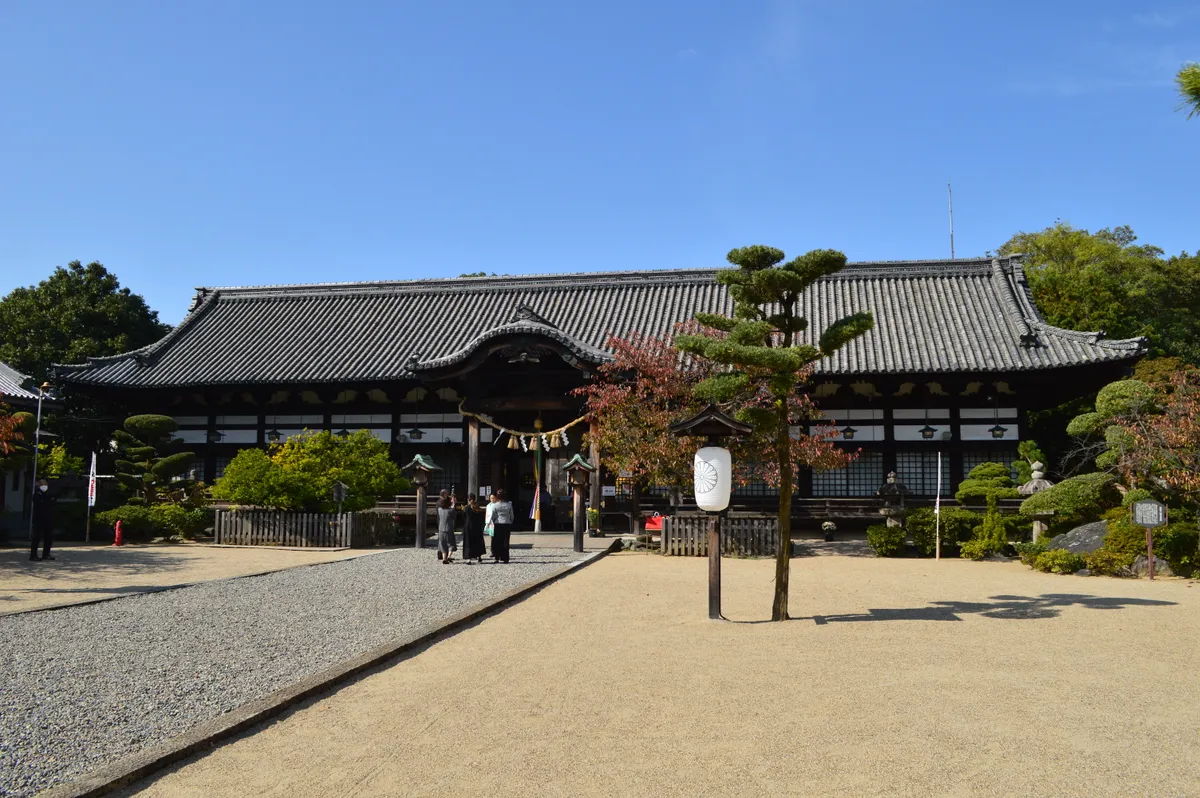
Quick facts
- Address
- 3-2-8 Konda, Habikino, Osaka
- Spiritual entities
- Hachiman (八幡神)
About this place
Konda Hachimangu is in Habikino, Osaka. It stands on the round rear mound of the tomb of Emperor Ojin — the deity worshipped as Hachiman at some forty-four thousand shrines across the country. The tomb was built around the fourth and fifth centuries, and the shrine’s history began from the devotion of guarding and serving it. It was once a shrine where people prayed to the deity of war for long fortune in arms; today it is known and loved for its blessings of safe childbirth and of warding off misfortune and opening fortune.
Origin and history
The shrine stands on the round rear mound of the tomb of Emperor Ojin, who is worshipped as Hachiman at some forty-four thousand shrines across the country.
The tomb of Emperor Ojin was built around the fourth and fifth centuries. The shrine’s history began from the devotion of guarding and serving that tomb.
It was once a shrine where the deity of war was prayed to for long fortune in arms. Today it is known and loved for blessings of safe childbirth and of warding off misfortune and opening fortune.
What it is locally associated with
Devotion that began with guarding
It stands on the round rear mound of Emperor Ojin’s tomb, and its history began from the devotion of guarding and serving that tomb.
documented historySafe childbirth, warding off misfortune
Today it is known and loved for blessings of safe childbirth and of warding off misfortune and opening fortune.
documented historyOnce a shrine of war
It was once a shrine where the deity of war was prayed to for long fortune in arms.
documented history
This shrine is not beside the tomb; it is on it. It sits on the round rear mound of Emperor Ojin’s tomb, and the position is itself the history. The order is plain too: the tomb came first. The shrine’s history, it records, began from the devotion of guarding and serving that tomb — a shrine placed there in order to protect something.
The tomb was raised around the fourth and fifth centuries. The emperor enshrined here is also the deity worshipped as Hachiman at some forty-four thousand shrines across the country.
What is asked for has changed. It was once a shrine where the deity of war was prayed to for long fortune in arms; today it is loved for safe childbirth and for warding off misfortune. The same deity, asked by a later age for something else entirely.
Claims and evidence levels 3
- Konda Hachimangu stands on the round rear mound of Emperor Ojin’s tomb, and its history began from the devotion of guarding and serving that tomb. documented history
- The tomb was built around the fourth and fifth centuries; Emperor Ojin is worshipped as Hachiman at some forty-four thousand shrines nationwide. documented history
- Once a shrine of the deity of war prayed to for long fortune in arms, it is known today for safe childbirth and for warding off misfortune. documented history
Related guides
- How to visit a shrine or temple in JapanThe country-wide basics: purifying at the water basin, the two-bows-two-claps-one-bow form at shrines, and what temples do instead.
- What a "power spot" actually isA modern Japanese coinage, not a traditional religious category. Where the word came from, what it does and does not claim, and why this site uses it anyway.
- Shrine or temple?A shrine is Shinto and a temple is Buddhist, and you can usually tell at the gate. Why the line is cleaner on paper than on the ground, and what a government order in 1868 has to do with it.
- Omamori, ema, omikuji and goshuinThe four things you are most likely to receive, write, draw or be given at a shrine or temple, what each is actually for, and the one of them people most often get wrong.
Sources
- 誉田八幡宮 — Konda Hachimangu (accessed 2026-08-15)
Last updated:
Similar places
8 places
 Shrine
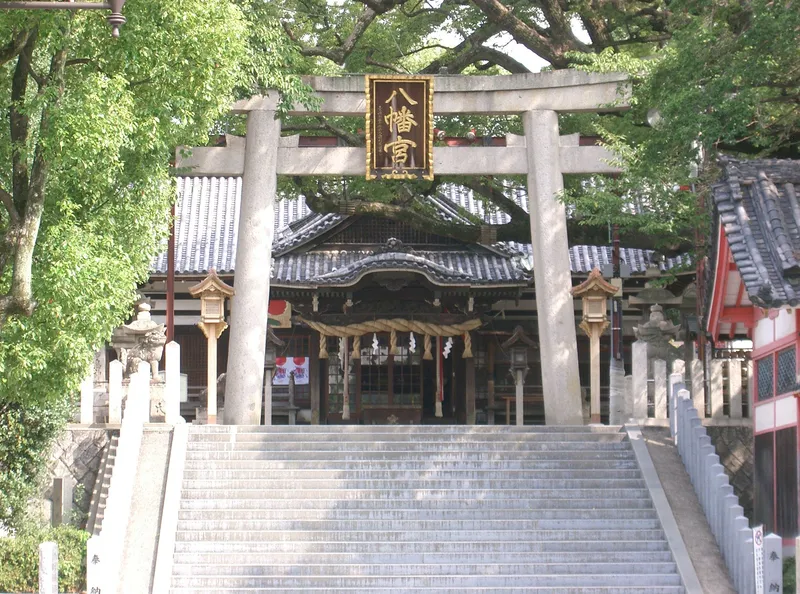
Mozu Hachimangu
- Protection & Safety
Founded after an utterance of Hachiman named this ground Mozu in the reign of Emperor Kinmei, with a vow to keep the realm at peace and guard all the people.
 Shrine
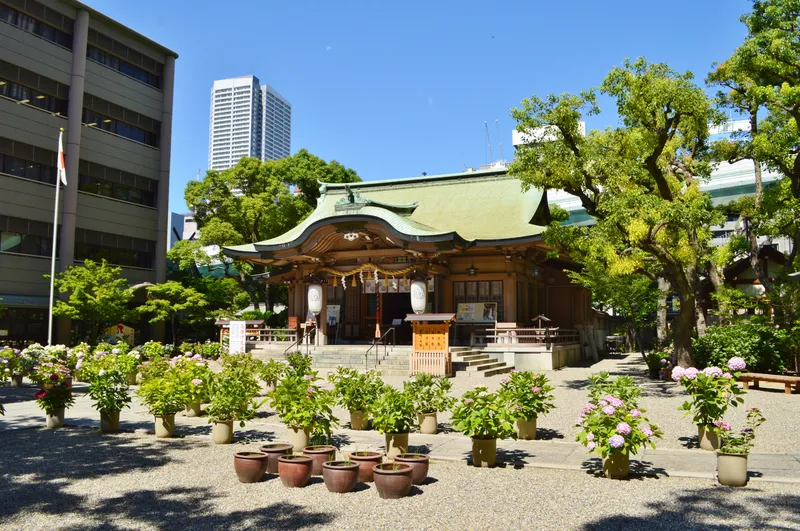
Ikasuri Jinja
- Family & Home
- Fertility & Children
- Money & Prosperity
Because it is the deity of this ground, the shrine records, it governs safe childbirth, children’s safe growth and safety in trade.
 Temple
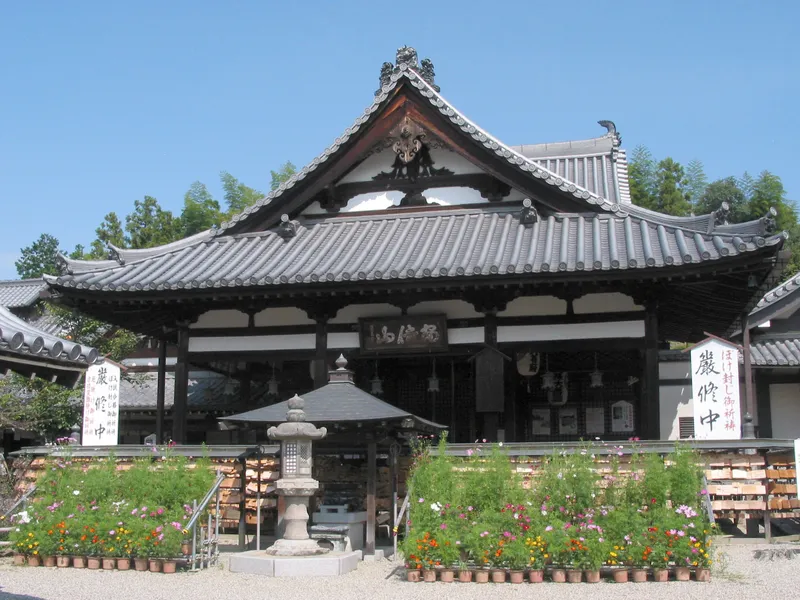
Abe Monju-in
- Exams & Study
- Fertility & Children
- Protection & Safety
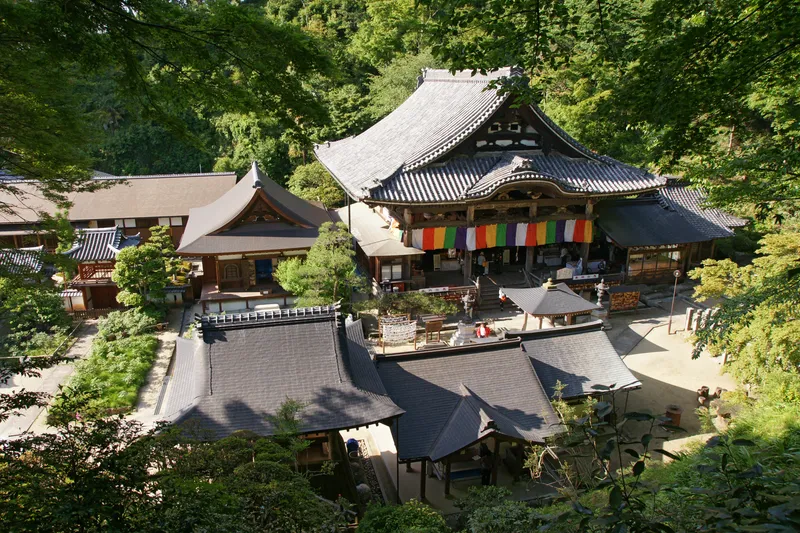
Founded in 645 and one of the oldest temples in Japan, its principal image is the Monju of the proverb "three heads together make Monju’s wisdom", and prayers here begin with success in examinations.
 Temple
Oka-dera
- Exams & Study
- Fertility & Children
- Health & Healing
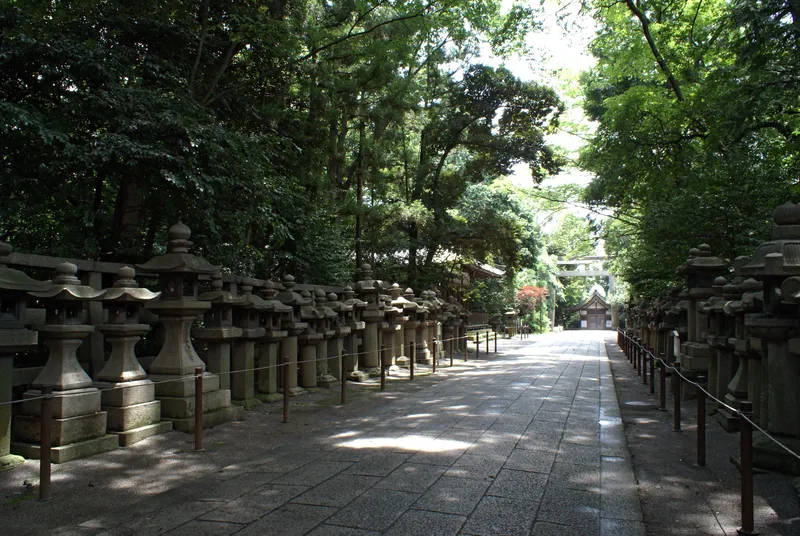
Founded by the priest Gien on the vow of Emperor Tenji, it calls itself the first site in Japan for warding off misfortune and is the seventh station of the Saikoku pilgrimage.
 Shrine
Iwashimizu Hachimangu
- Protection & Safety
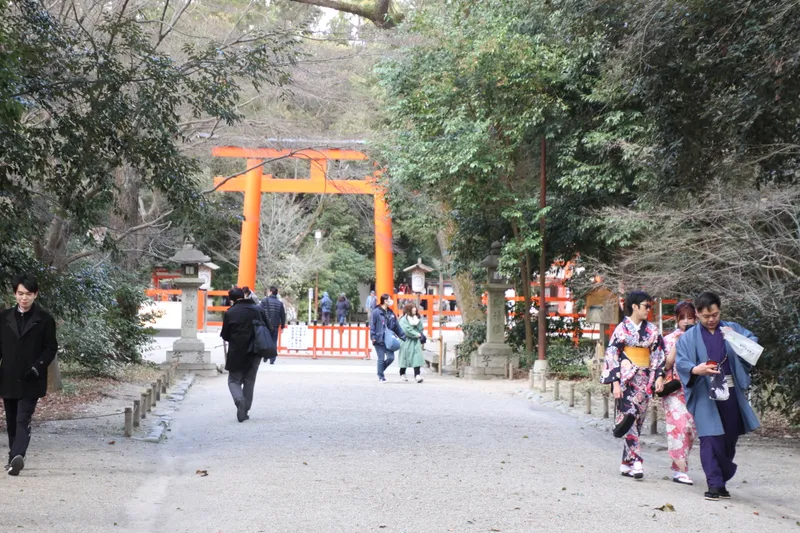
Founded in 859 on an oracle in which the deity said: I shall move to the peak of Otokoyama near the capital and protect the realm.
 Shrine
Shimogamo Jinja
- Family & Home
- Fertility & Children
- Love & Romance
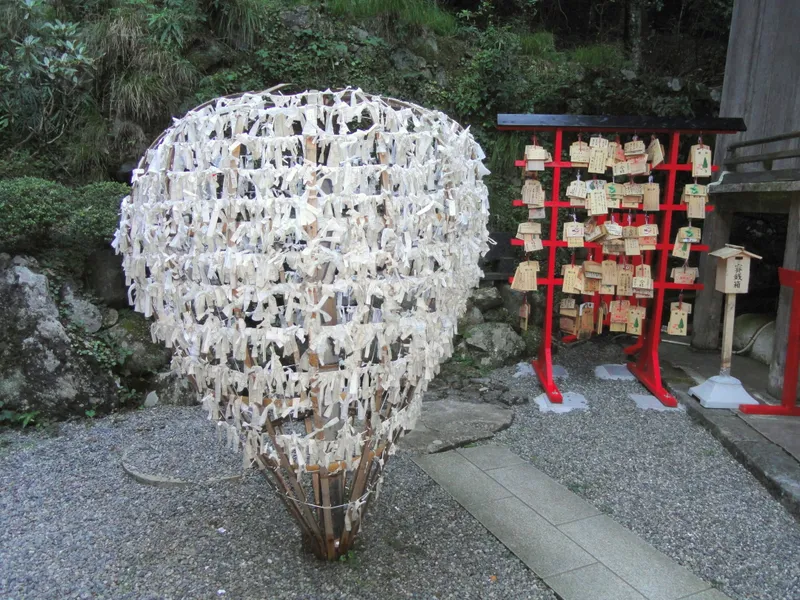
A shrine where people pray for protection, marriage, children, safe birth, raising a family and safe travel, in a wood that predates the city.
 Shrine
Yuki Jinja
- Fertility & Children
- Love & Romance
- Money & Prosperity
Once kept inside the imperial palace as a guardian of the court, and the shrine whose fire festival re-enacts the night its deity was moved to Kurama.
 Shrine
Omiya Hachimangu
- Fertility & Children
- Protection & Safety
- Bonds & Matchmaking
A large wooded shrine in Suginami, founded in 1063 by Minamoto no Yoriyoshi after he read a bank of white cloud as the banners of his own clan, and known for child-rearing and warding.
No places match your filters