Sumiyoshi Taisha
Sumiyoshi Grand Shrine · Sumiyossan
Researched and translated with AI assistance. Every claim is linked to its source, but errors get through, so check the official site for opening times, fees and closures.About
In short
Head shrine of Japan’s twenty-three hundred Sumiyoshi shrines, guardian of voyages since the envoys to Sui and Tang, and ancestral deity of purification.
Quick facts
- Address
- 2-9-89 Sumiyoshi, Sumiyoshi-ku, Osaka
- Spiritual entities
- Empress Jingu (神功皇后)
About this place
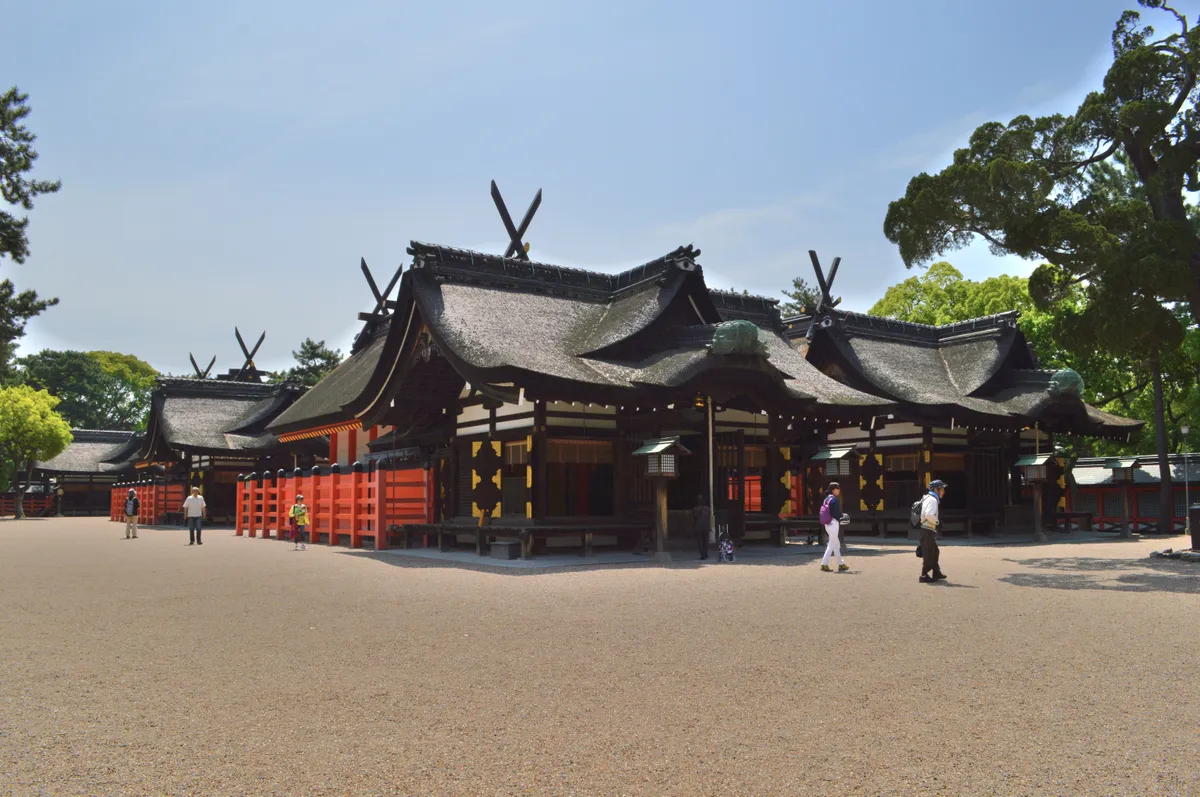
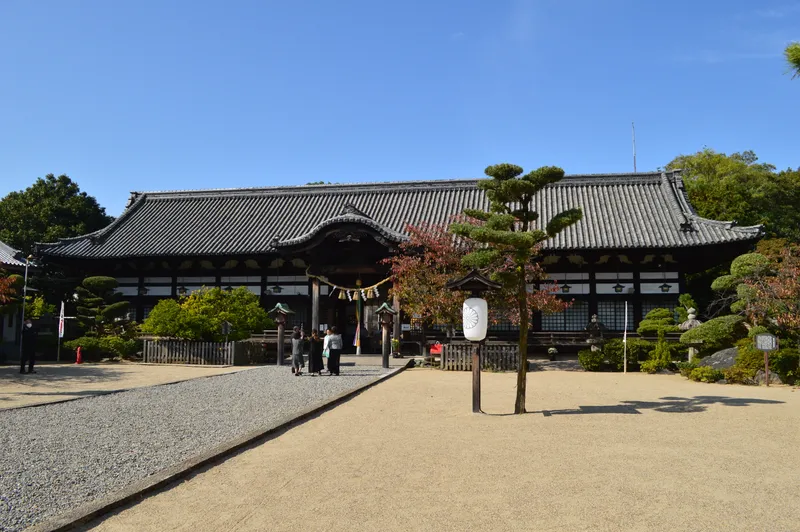
Sumiyoshi Taisha, in Sumiyoshi, Osaka, is the head shrine of the Sumiyoshi shrines of Japan, said to number twenty-three hundred. By the shrine’s tradition, Empress Jingū, under the protection of the Sumiyoshi deities, subdued mighty Silla and returned safely; on the way back from that triumph, an oracle of the deities had them enshrined at Sumiyoshi. The enshrinement is dated to 211. Since Emperor Nintoku opened the port of Suminoe, the shrine has been venerated as guardian of voyages — the embassies to Sui and Tang the great example — and is revered as ancestral deity of purification, industry, trade and diplomacy. Its four main sanctuaries are National Treasures, preserving the ancient style called sumiyoshi-zukuri.
Origin and history
The shrine’s tradition holds that Empress Jingū, under the protection of the Sumiyoshi deities, subdued mighty Silla and returned safely, and that on the way back from that triumph the deities were enshrined at present-day Sumiyoshi by their own oracle. The enshrinement is dated to the eleventh year of her regency, 211.
Since Emperor Nintoku opened the port of Suminoe, the shrine has drawn veneration as the guardian of voyages, the embassies to Sui and Tang the great example, and has been revered as ancestral deity of purification, industry, trade and diplomacy.
The four main sanctuaries are designated National Treasures and preserve the ancient architectural style called sumiyoshi-zukuri.
What it is locally associated with
Guardian of voyages
Since the opening of the port of Suminoe, the shrine has been venerated as guardian of voyages — the embassies to Sui and Tang the great example.
documented historyAncestral deity of purification
The shrine calls itself ancestral deity of purification, industry, trade and diplomacy — and purification stands first in its own list.
documented historyEnshrined by oracle
The shrine’s tradition holds that on Empress Jingū’s return from Silla, an oracle of the deities had them enshrined here, in the year 211.
folk tradition
This shrine’s devotion has always faced the sea. From the time Emperor Nintoku opened the port of Suminoe it was a harbour shrine, and the envoys crossing to Sui and to Tang prayed here for safe passage. When the shrine calls itself ancestral deity of purification, industry, trade and diplomacy, all four belong to the life of a town that lived by the water.
What is easy to miss is which comes first. Purification stands at the head of the shrine’s own list: the Sumiyoshi deities are deities of harae, of entering the sea and being made clean. Before commerce, before diplomacy — first the cleansing. The order is the shrine’s.
The enshrinement story the tradition tells — Empress Jingū’s return from Silla and the oracle — is a tradition, dated by the shrine to the year 211. This page records it as the shrine transmits it.
Claims and evidence levels 4
- The shrine’s tradition holds that Empress Jingū, under the protection of the Sumiyoshi deities, subdued Silla and returned safely, and that the deities were enshrined here by oracle on her return, dated to 211. folk tradition
- Since Emperor Nintoku opened the port of Suminoe, the shrine has been venerated as guardian of voyages, exemplified by the embassies to Sui and Tang. documented history
- The shrine describes itself as ancestral deity of purification, industry, trade and diplomacy. documented history
- It is head shrine of the roughly twenty-three hundred Sumiyoshi shrines nationwide, and its four main sanctuaries are National Treasures in the sumiyoshi-zukuri style. documented history
Related guides
- How to visit a shrine or temple in JapanThe country-wide basics: purifying at the water basin, the two-bows-two-claps-one-bow form at shrines, and what temples do instead.
- What a "power spot" actually isA modern Japanese coinage, not a traditional religious category. Where the word came from, what it does and does not claim, and why this site uses it anyway.
- Shrine or temple?A shrine is Shinto and a temple is Buddhist, and you can usually tell at the gate. Why the line is cleaner on paper than on the ground, and what a government order in 1868 has to do with it.
- Omamori, ema, omikuji and goshuinThe four things you are most likely to receive, write, draw or be given at a shrine or temple, what each is actually for, and the one of them people most often get wrong.
Sources
- 住吉大社の由緒 — 住吉大社 — Sumiyoshi Taisha (accessed 2026-08-13)
- 住吉大社について — 住吉大社 — Sumiyoshi Taisha (accessed 2026-08-13)
Last updated:
Similar places
8 places
 Shrine
Mozu Hachimangu
- Protection & Safety
Founded after an utterance of Hachiman named this ground Mozu in the reign of Emperor Kinmei, with a vow to keep the realm at peace and guard all the people.
 Shrine
Ikasuri Jinja
- Family & Home
- Fertility & Children
- Money & Prosperity
Because it is the deity of this ground, the shrine records, it governs safe childbirth, children’s safe growth and safety in trade.
 Shrine
Iwashimizu Hachimangu
- Protection & Safety
Founded in 859 on an oracle in which the deity said: I shall move to the peak of Otokoyama near the capital and protect the realm.
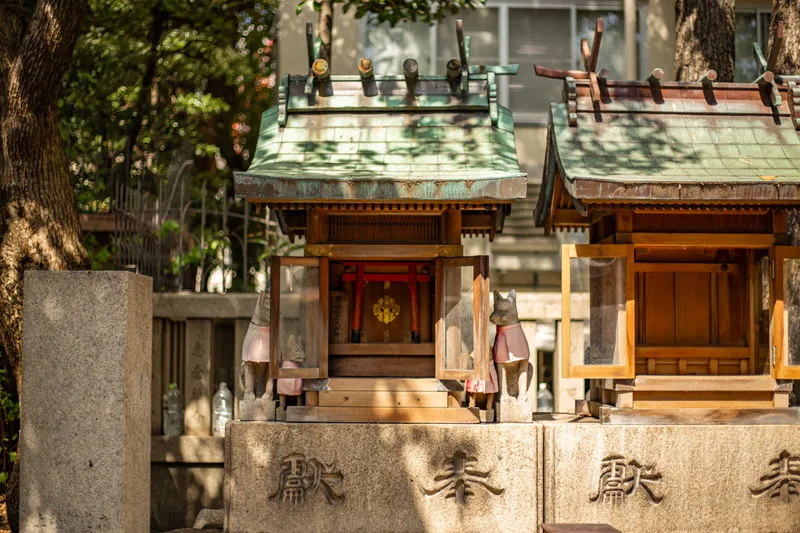 Shrine
Namba Yasaka Jinja
- Protection & Safety
Its deity Susanoo is described as having put down the great serpent and removed the hardship of the people; it was long the tutelary deity of the whole Namba district.
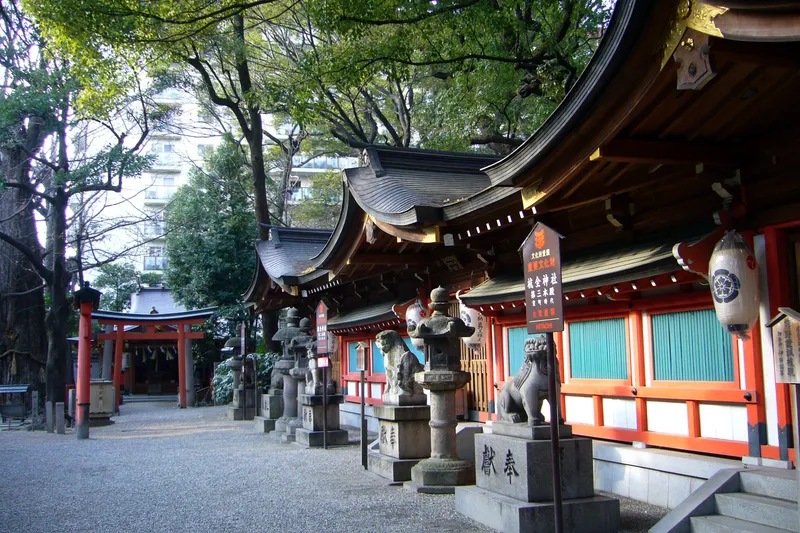 Shrine
Kumata Jinja
- Protection & Safety
Founded in 862 with an oracle in the deity’s own voice: I am the guardian of this land, and if I am worshipped hereafter I shall make the realm at peace and the people prosperous.
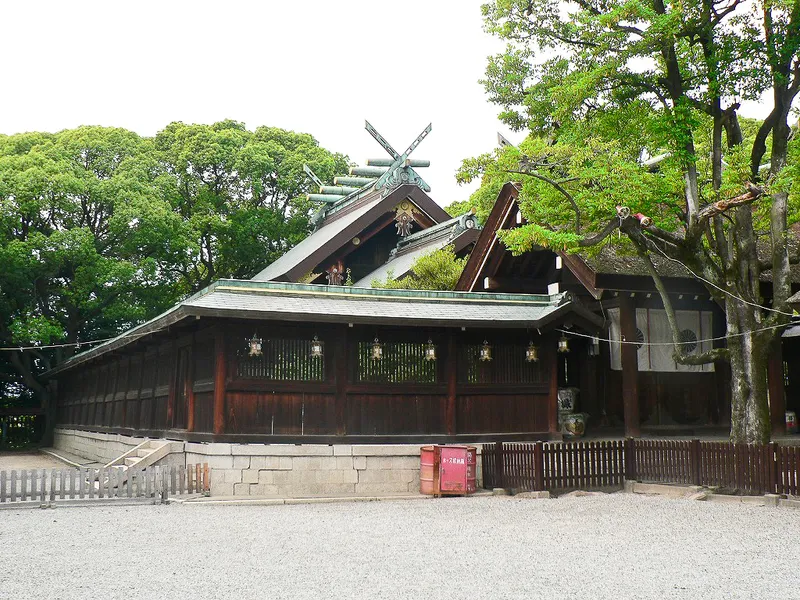 Shrine
Otori Taisha
- Protection & Safety
Founded where the spirit of Yamato Takeru, having become a white bird, came down for the third time — worshipped for fortune in winning, warding off misfortune and safe travel.
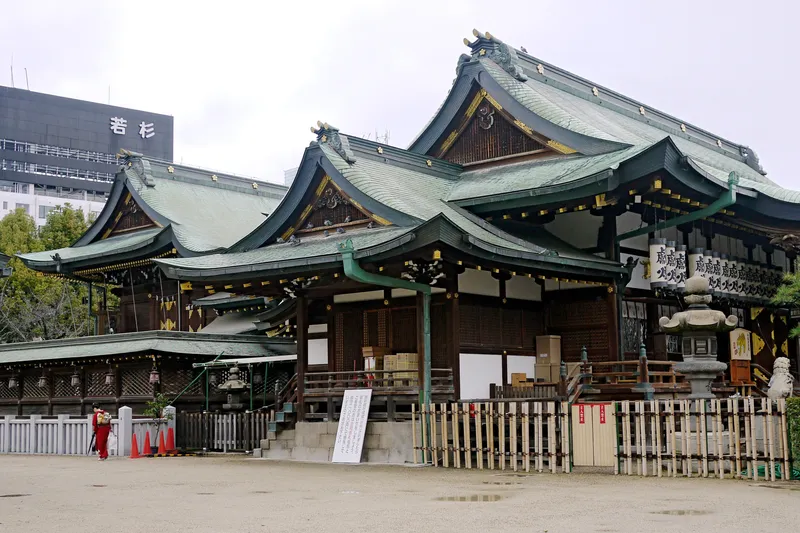 Shrine
Osaka Tenmangu
- Exams & Study
- Money & Prosperity
- Protection & Safety
Built by imperial order on the spot where Sugawara no Michizane prayed for a safe journey to Dazaifu, after seven pines grew there overnight and shone each night.
 Shrine
Konda Hachimangu
- Fertility & Children
- Protection & Safety
It sits on the round rear mound of Emperor Ojin’s tomb, and its history began from the devotion of guarding and serving that tomb.
No places match your filters