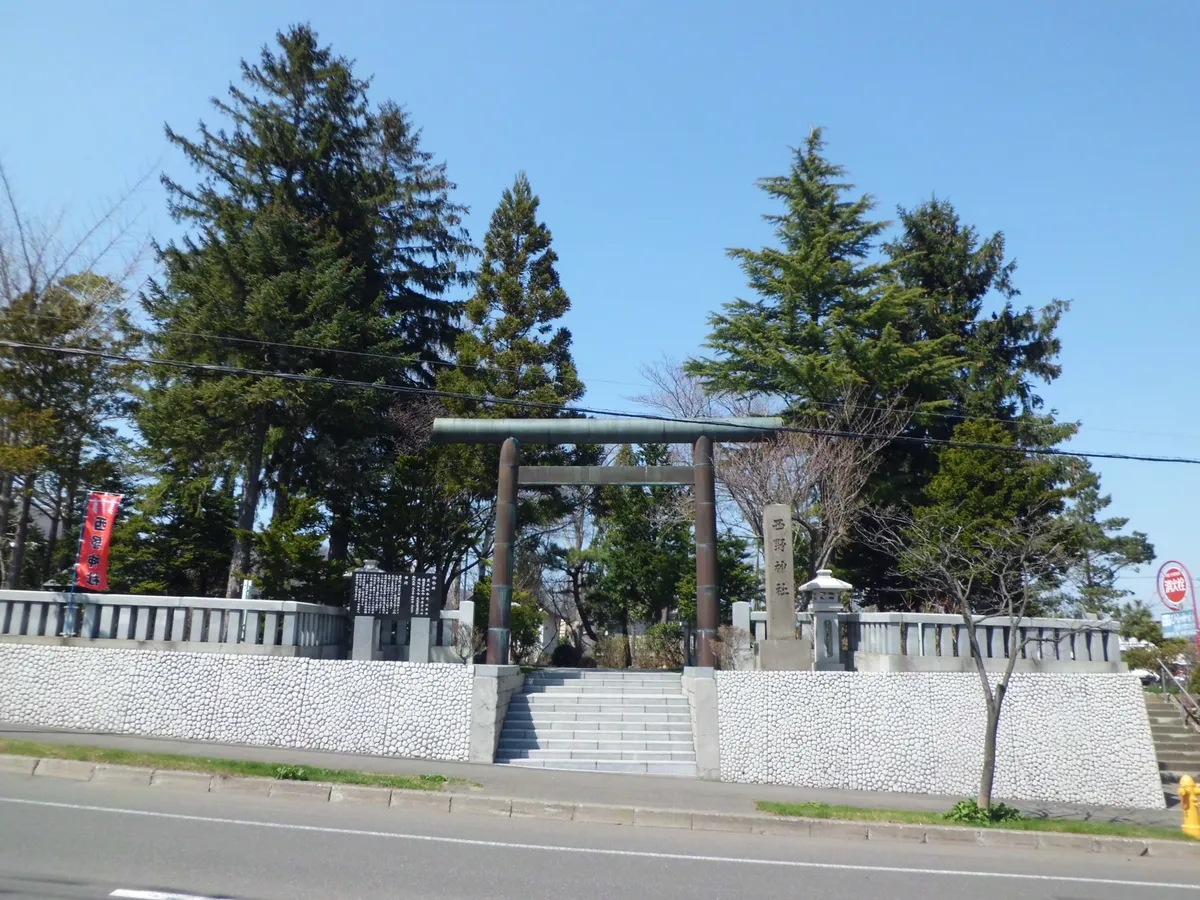
Nishino Jinja
Researched and translated with AI assistance. Every claim is linked to its source, but errors get through, so check the official site for opening times, fees and closures.About
In short
Begins with five settler households who crossed to Hokkaido in 1885 holding the guardian deity of the place they had left, and states safe childbirth, good matches, warding off misfortune and rising fortune as its benefits.
Quick facts
- Address
- 1-3-1-3 Heiwa 1-jo, Nishi-ku, Sapporo, Hokkaido
- Spiritual entities
- Hachiman (八幡神)
About this place
Nishino Jinja stands in Nishi-ku, Sapporo. Its deities are Toyotamahime, Ugayafukiaezu and Homudawake. The opening of the Nishino district began in 1885 with five settler households who crossed to Hokkaido holding the guardian deity of their home, and the small shrine those five households raised to enshrine three deities as guardians of the settlement is held to be the beginning of Nishino Jinja. Deities were merged in 1899; permission to build the shrine anew was granted in 1915 and the hall was built the following year. Religious-corporation registration was completed in 1952, the hall was rebuilt in 1967, and in 1983 large-scale works followed — an offertory hall, extensions to the worship hall and the food-offering hall, and a copper reroofing. The shrine states its benefits as safe childbirth, good matches, warding off misfortune, purification from misfortune, and rising fortune. Its prayers include safe childbirth on days of the Dog, conception on days of the Rat, and recovery from illness on days of the Monkey. The annual festival is 15 September.
Origin and history
The opening of the Nishino district began in 1885 with five settler households who crossed to Hokkaido holding the guardian deity of their home, and the small shrine those five households raised to enshrine three deities as guardians of the settlement is held to be the beginning of Nishino Jinja.
Deities were merged in 1899; permission to build the shrine anew was granted in 1915 and the hall was built the following year. Religious-corporation registration was completed in 1952.
The hall was rebuilt in 1967, and in 1983 large-scale works followed — an offertory hall, extensions to the worship hall and the food-offering hall, and a copper reroofing.
What it is locally associated with
Five households holding a guardian deity
In 1885 five settler households crossed to Hokkaido holding the guardian deity of home and raised a small shrine to three deities as guardians of the settlement.
documented historyFrom safe childbirth to rising fortune
The shrine states its benefits as safe childbirth, good matches, warding off misfortune, purification from misfortune, and rising fortune.
documented historyPrayers assigned to zodiac days
Safe childbirth is prayed for on days of the Dog, conception on days of the Rat, and recovery from illness on days of the Monkey.
documented history
This shrine dates the opening of its district from the year the god arrived, not the year the people did. The opening of Nishino began in 1885 with five settler households who crossed holding the guardian deity of home. Five households — five.
Every shrine in Sapporo brought something. Hokkaido Jingu’s three deities came by ship and on a man’s back at the state’s direction; Kotoni Jinja’s farmer-soldiers brought their old lord and made him a god; Miyoshi Jinja’s founder brought a divided spirit from Akita. What came here was a home guardian deity whose name is not even recorded. It is the act of carrying, rather than whose god it was, that survives in the account.
The benefits are the shrine’s own: safe childbirth, good matches, warding off misfortune, purification, rising fortune. Some prayers are pinned to particular days — safe childbirth on days of the Dog, conception on days of the Rat, recovery from illness on days of the Monkey. No other shrine on this list assigns wishes to days of the zodiac.
The halls have been worked on repeatedly: built new in 1916, rebuilt in 1967, and in 1983 extended from the offertory hall to a copper roof. A century of building out from one small shrine.
Claims and evidence levels 2
- The shrine begins with five settler households who crossed to Hokkaido in 1885 holding the guardian deity of the place they had left. documented history
- It states safe childbirth, good matches, warding off misfortune and rising fortune, and assigns certain prayers to days of the zodiac. documented history
Related guides
- How to visit a shrine or temple in JapanThe country-wide basics: purifying at the water basin, the two-bows-two-claps-one-bow form at shrines, and what temples do instead.
- What a "power spot" actually isA modern Japanese coinage, not a traditional religious category. Where the word came from, what it does and does not claim, and why this site uses it anyway.
- Shrine or temple?A shrine is Shinto and a temple is Buddhist, and you can usually tell at the gate. Why the line is cleaner on paper than on the ground, and what a government order in 1868 has to do with it.
- Omamori, ema, omikuji and goshuinThe four things you are most likely to receive, write, draw or be given at a shrine or temple, what each is actually for, and the one of them people most often get wrong.
Sources
Last updated:
Similar places
8 places
 Shrine
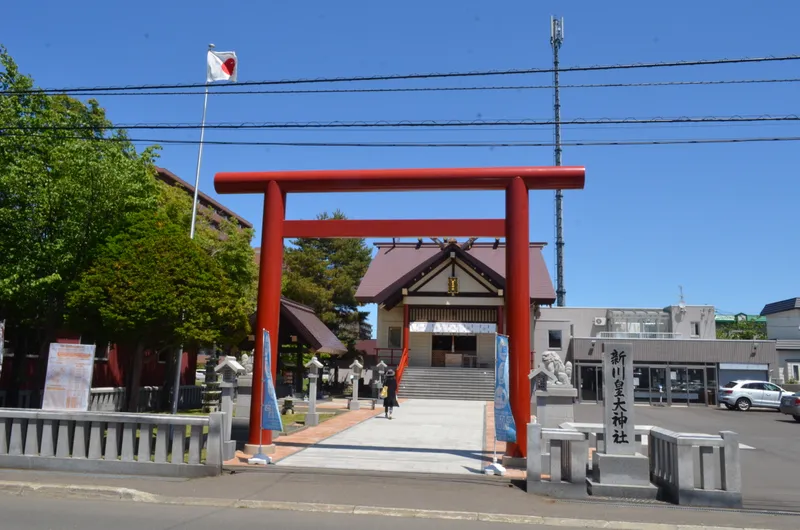
Shinkawa Kotai Jinja
A shrine whose history records that seven promoters and thirty-seven parishioners served at its enshrinement rite in 1908.
 Shrine
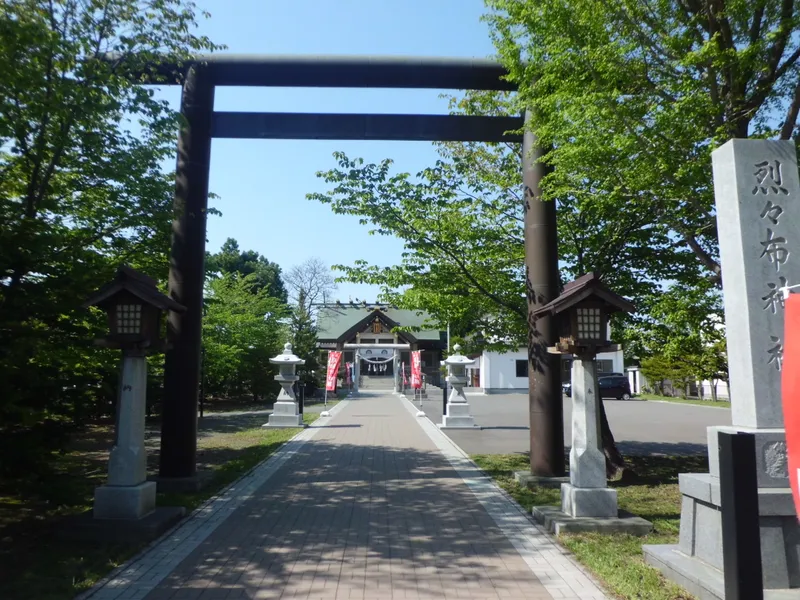
Reppupu Jinja
Named after its village, and in 1893 given three divided deities from Miyoshi Jinja in Sapporo.
 Shrine
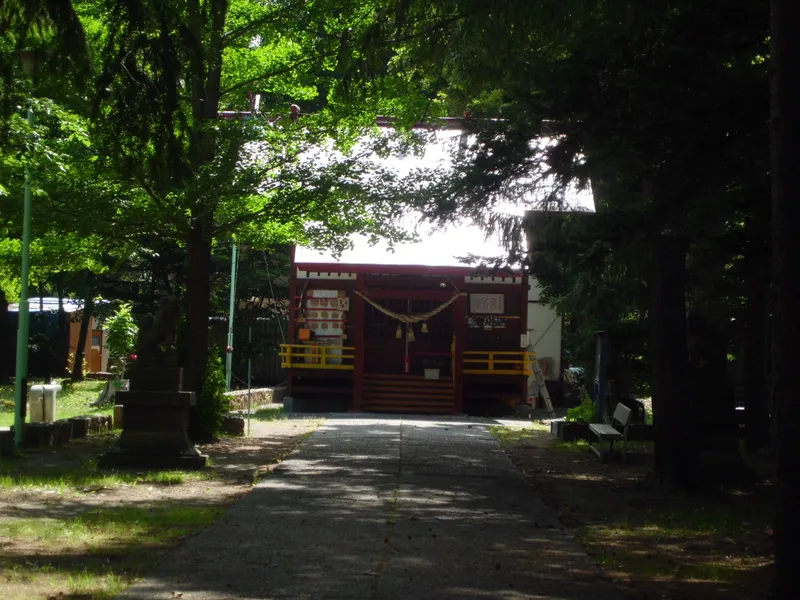
Hanaoka Jinja
A shrine whose own record of its founding is written as a guess — “probably”, “it seems”.
 Shrine
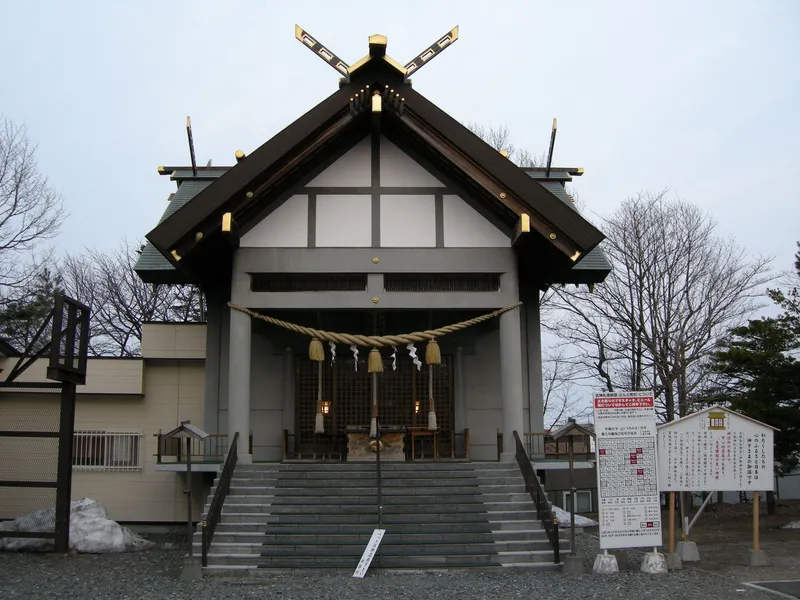
Nishioka Hachimangu
Begins in 1890 when Mori Kinzō, a settler from Kōjiro village in Mihara district, Hyōgo, raised a small shrine on unnumbered land at Yakiyama and enshrined a divided spirit of his home village’s Hachiman shrine.
 Shrine
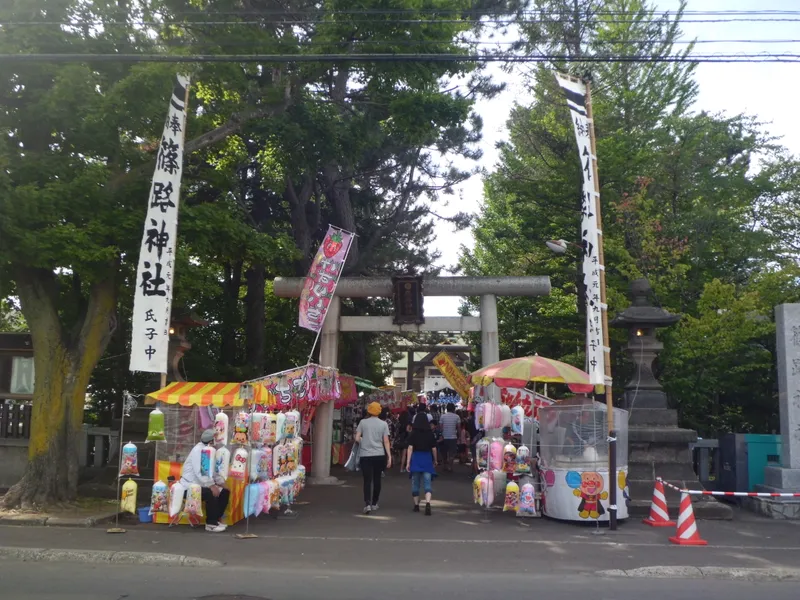
Shinoro Jinja
Founded in 1855 as Wakamiya Hachiman under the Tokugawa shogunate’s resident-settler system, which makes it among the oldest shrines in Sapporo.
 Shrine
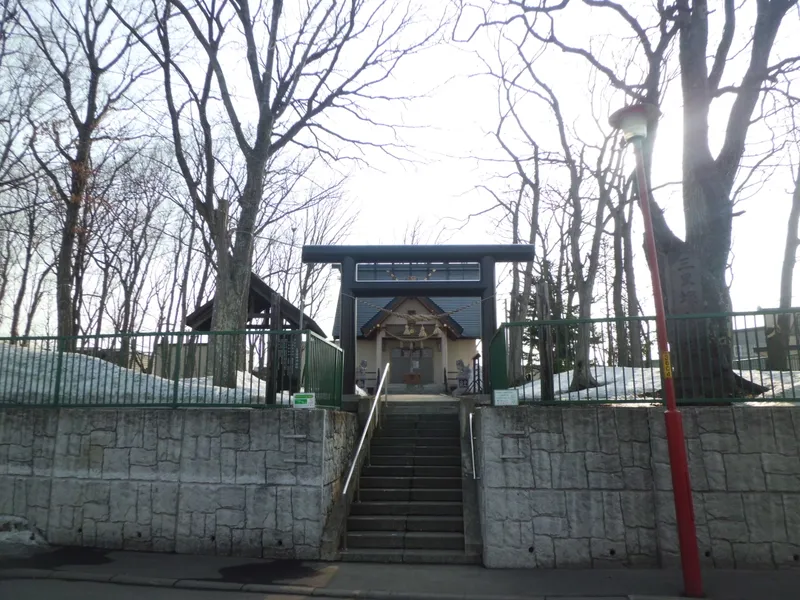
Sanrizuka Jinja
A shrine whose annual festival has been held every year since 15 August 1897.
 Shrine
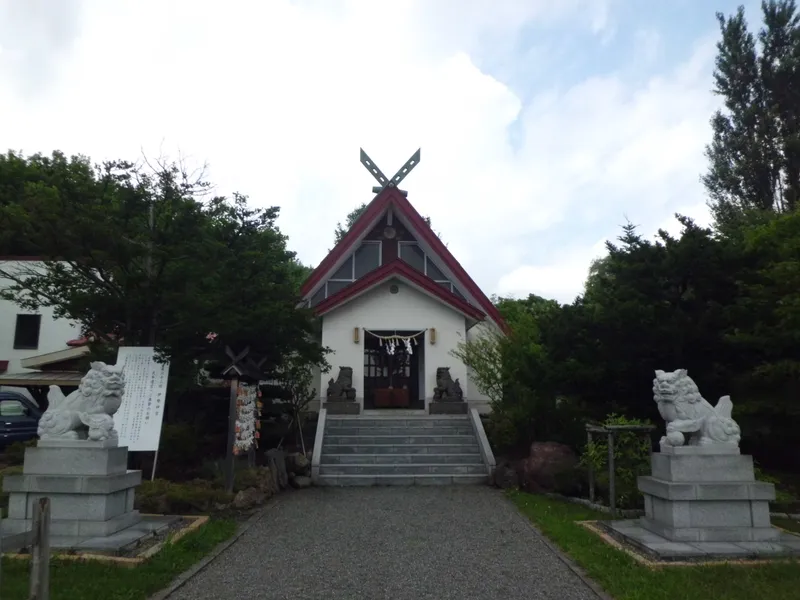
Kamiteine Jinja
Begins in 1876 when settlers from the Sendai domain raised a small shrine to Susanoo as their guardian, and keeps a memorial mound for oxen and horses in its precinct.
 Shrine
Kotoni Jinja
Founded by the 240 households of Hokkaido’s first farmer-soldiers, who gave their old domain’s founder a god’s name and built the shrine under it.
No places match your filters